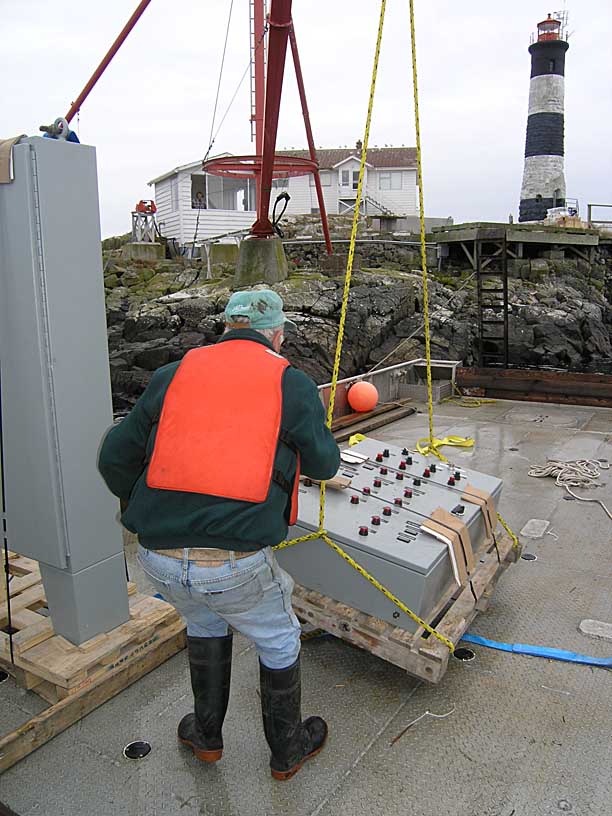
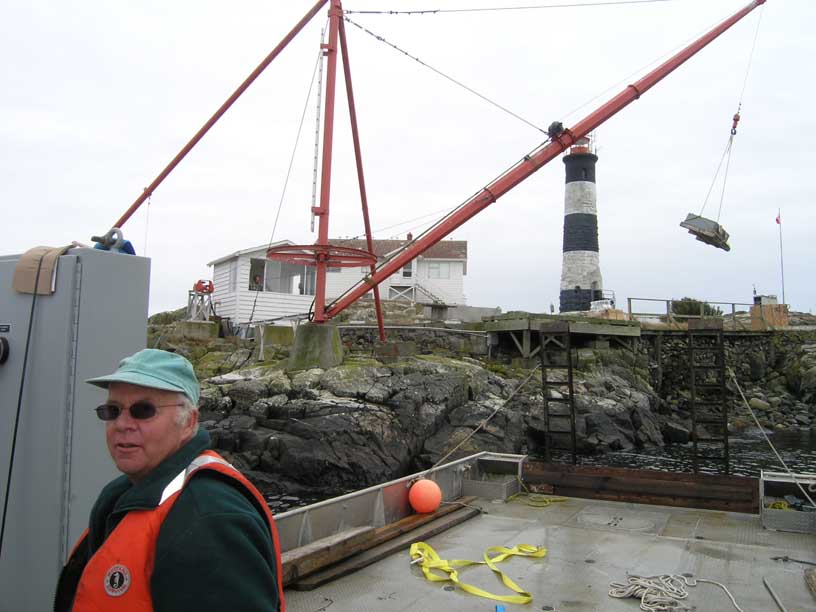
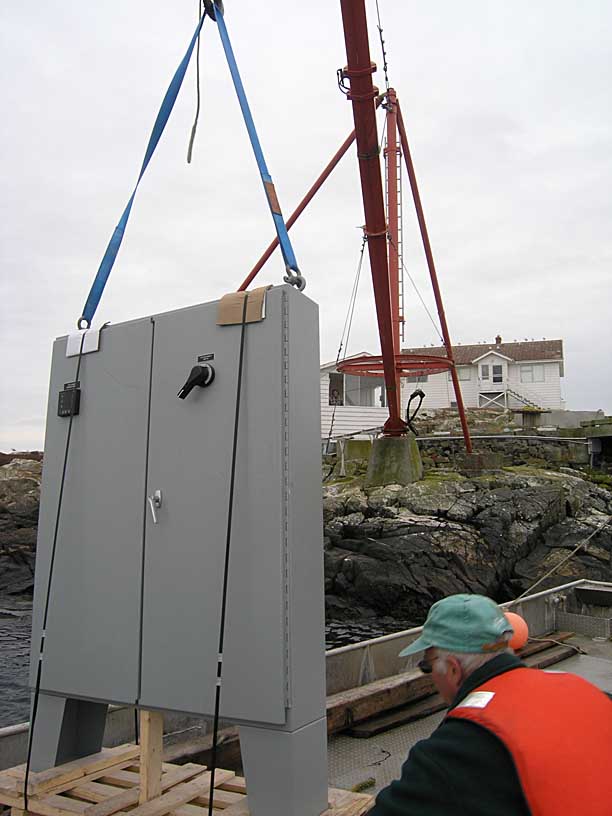
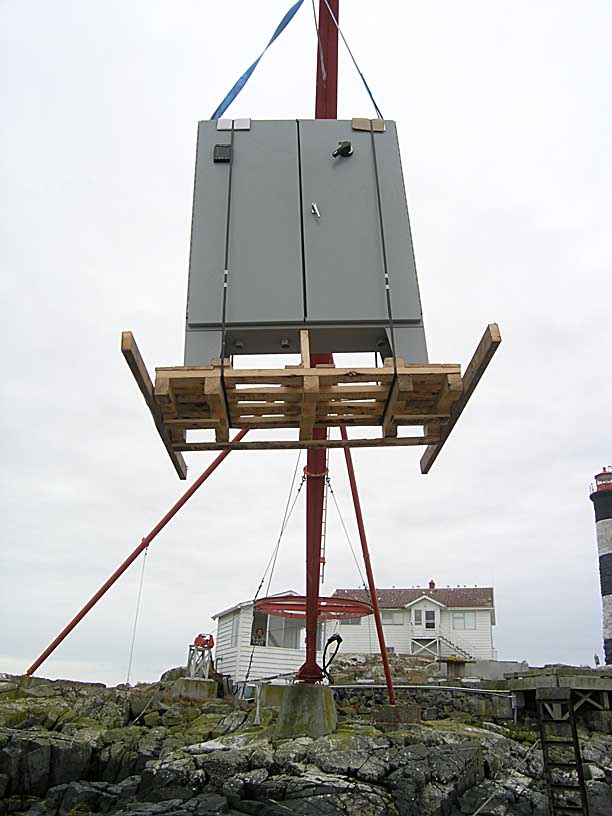
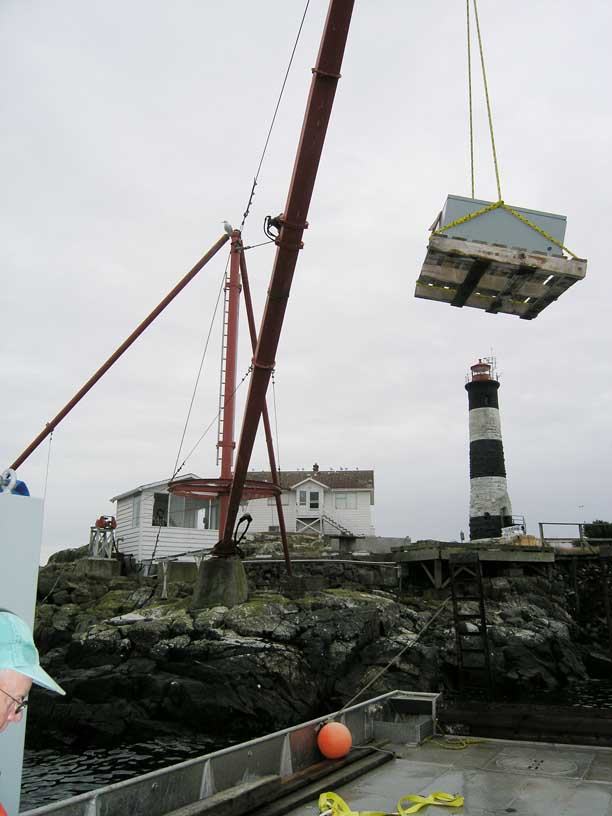
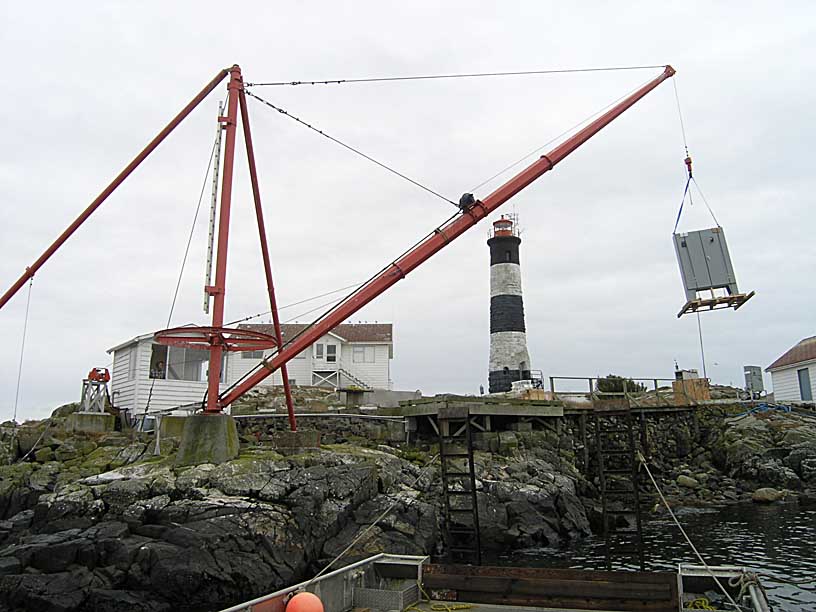
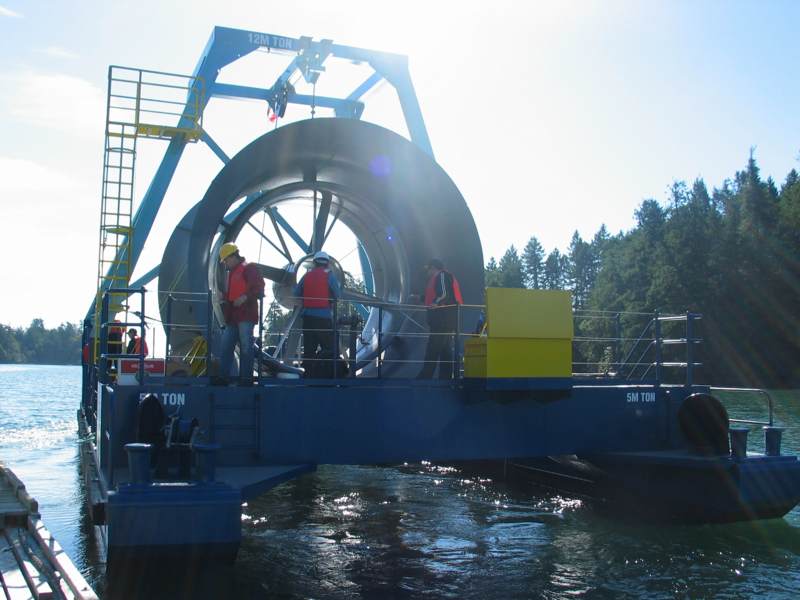
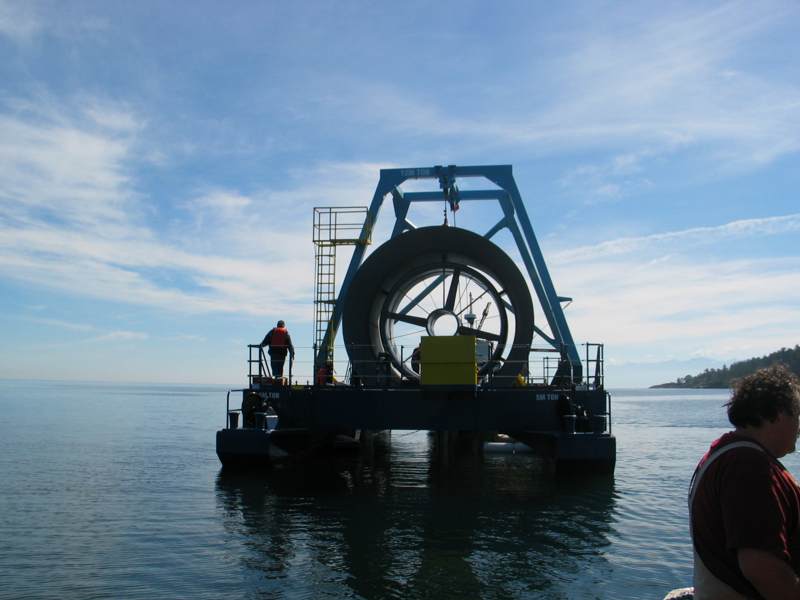
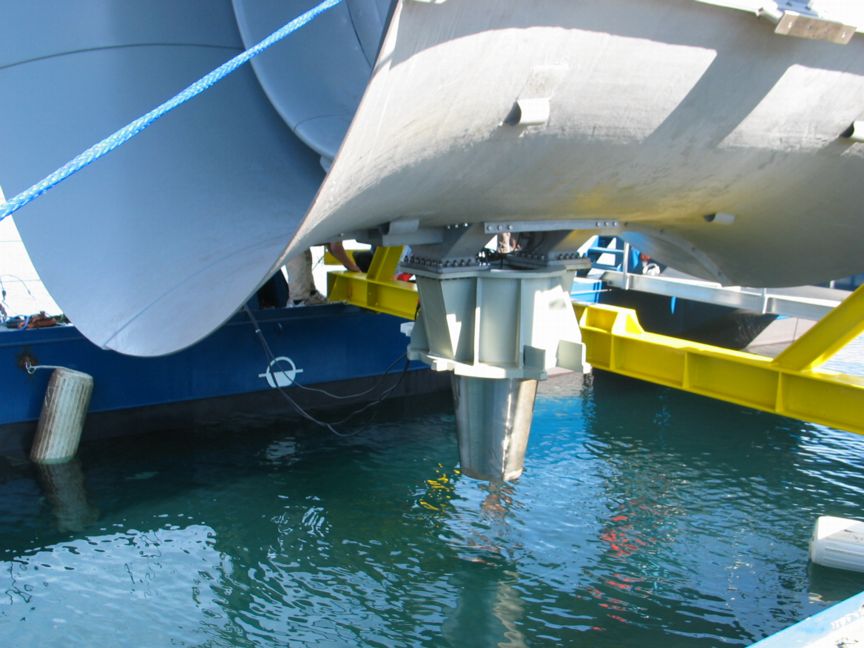
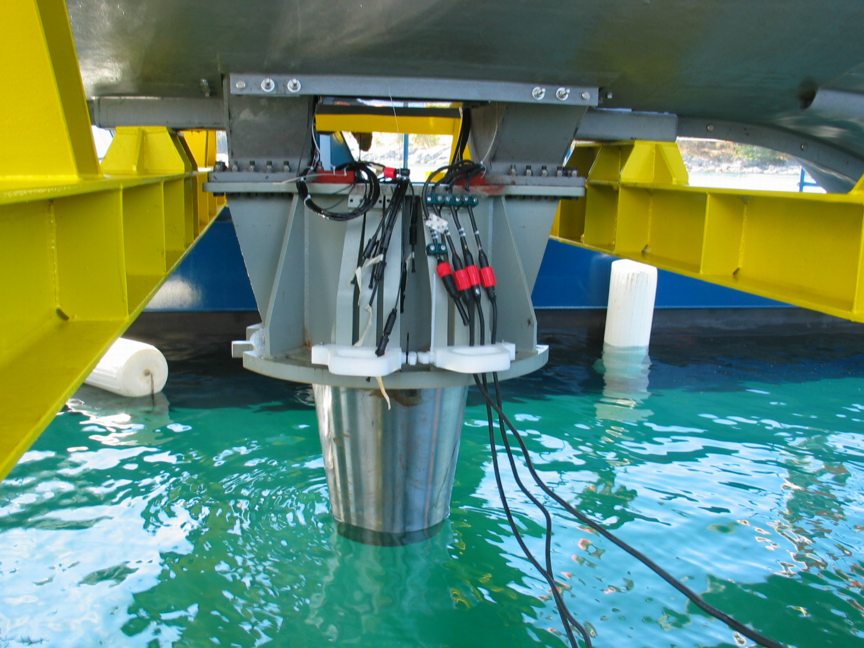
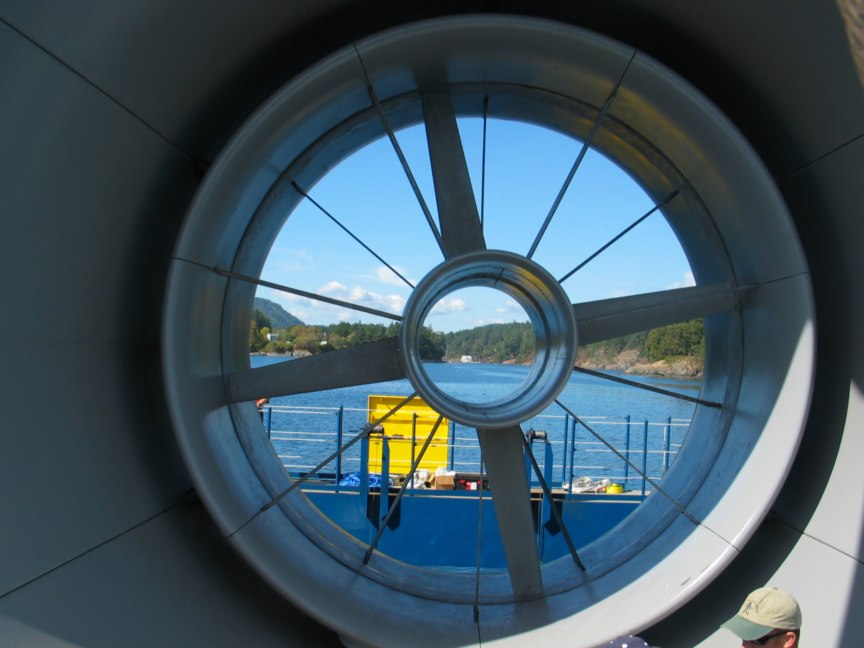
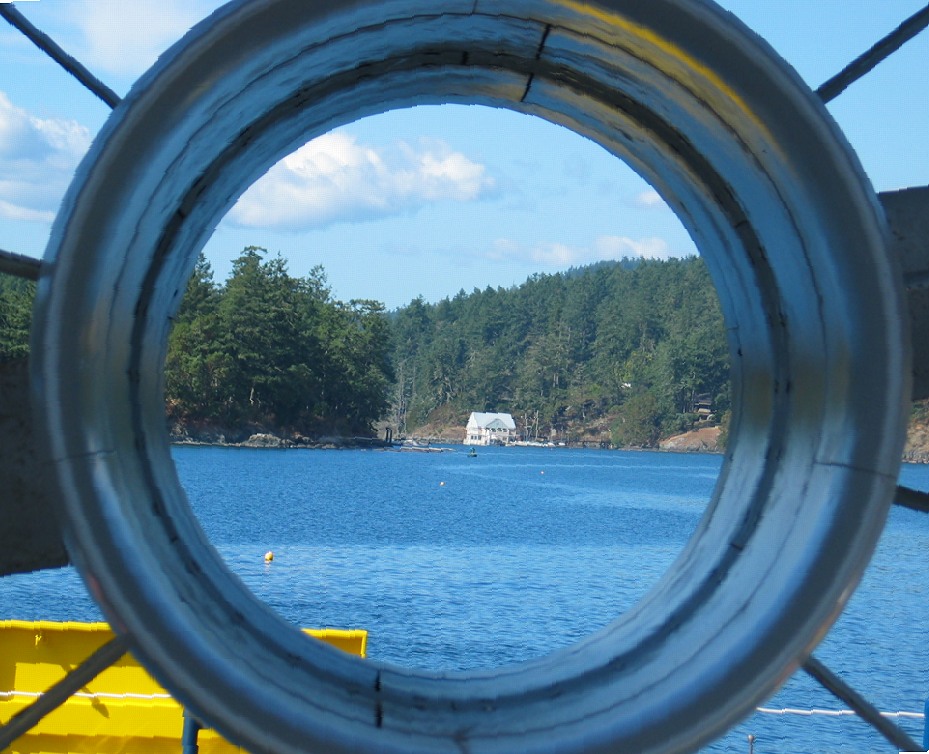
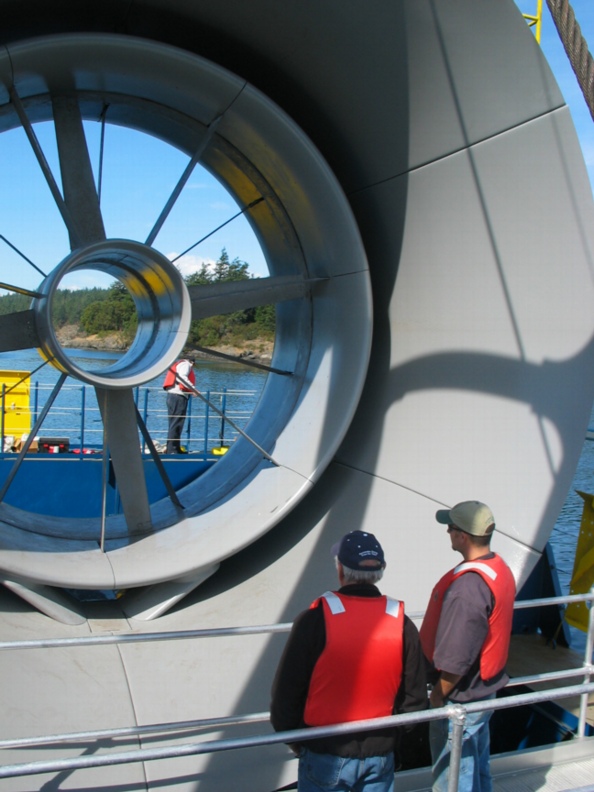
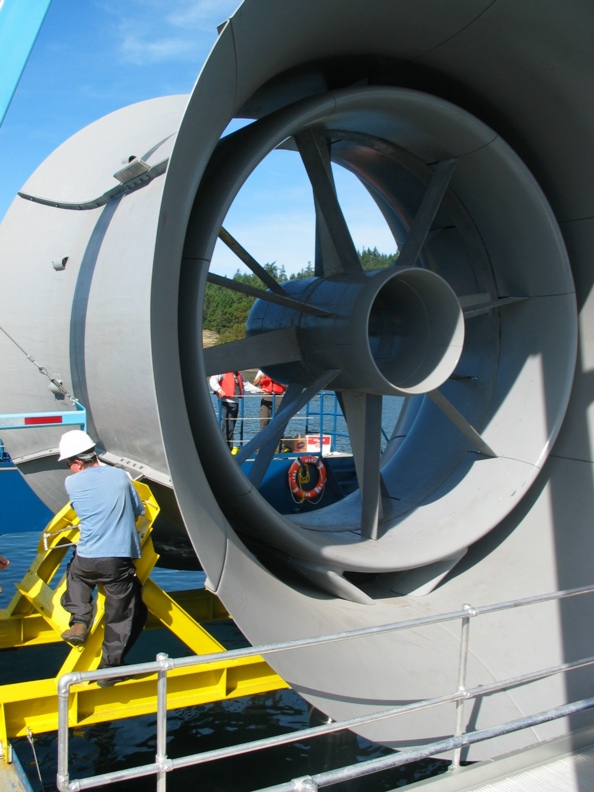
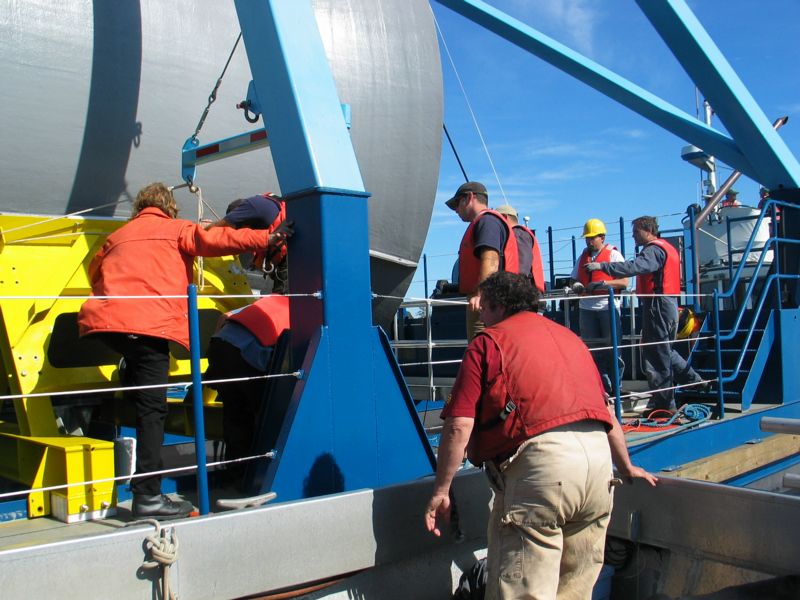
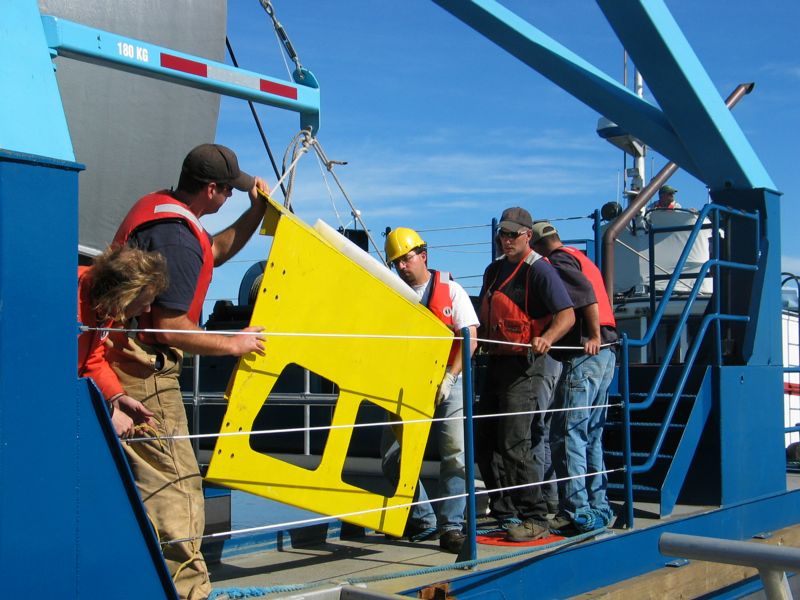
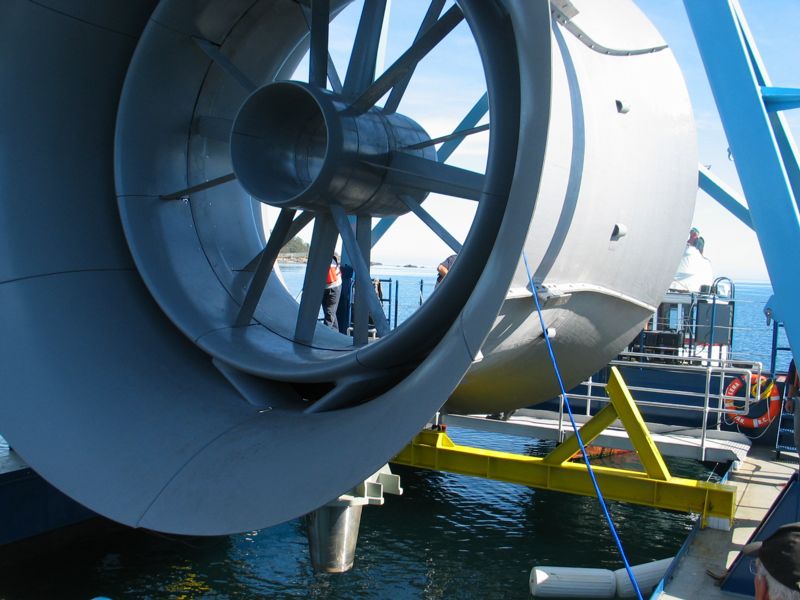
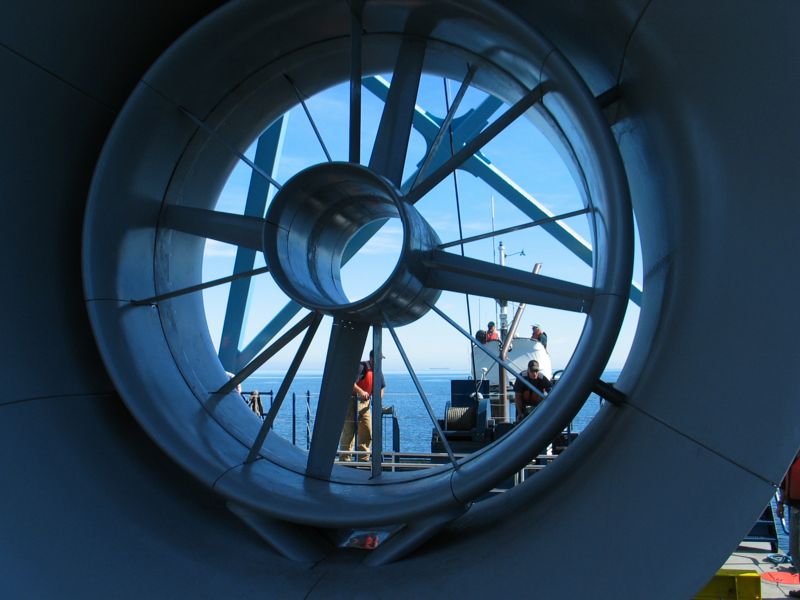
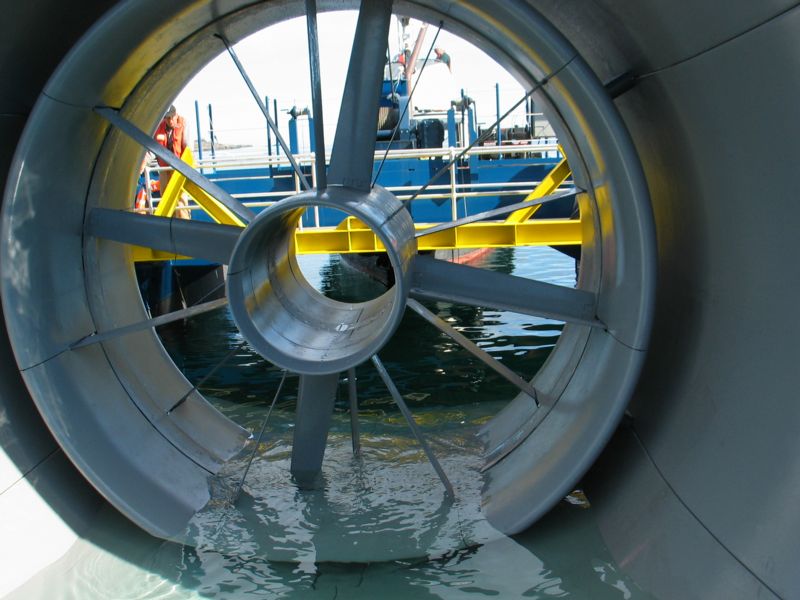
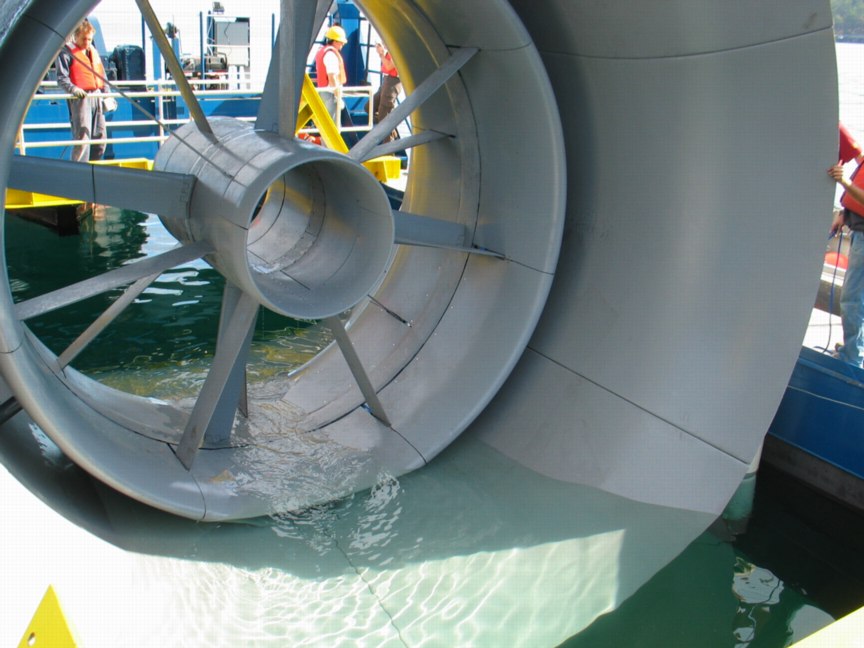
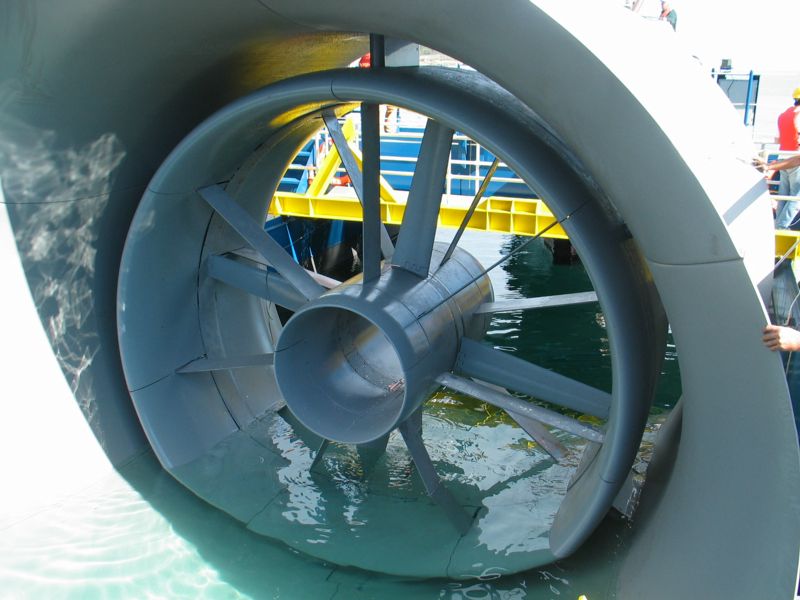
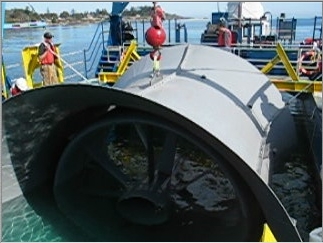
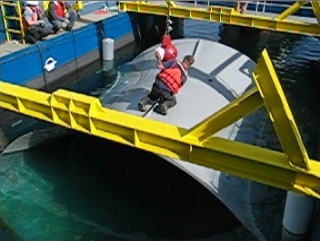
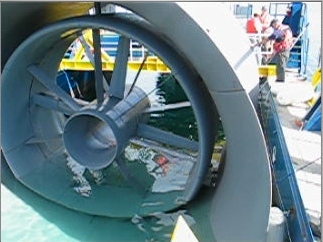
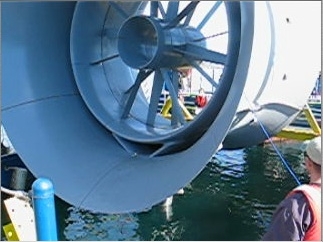
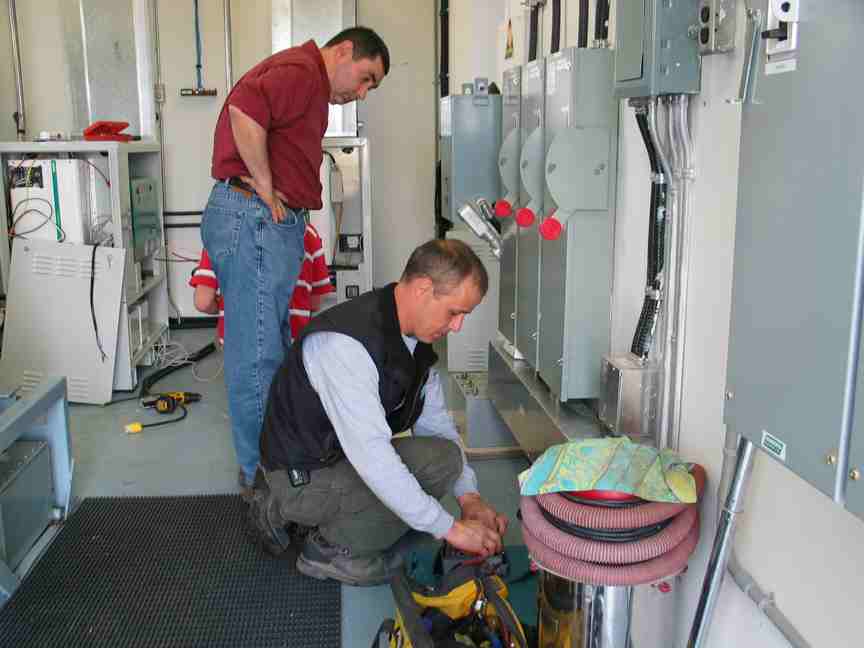
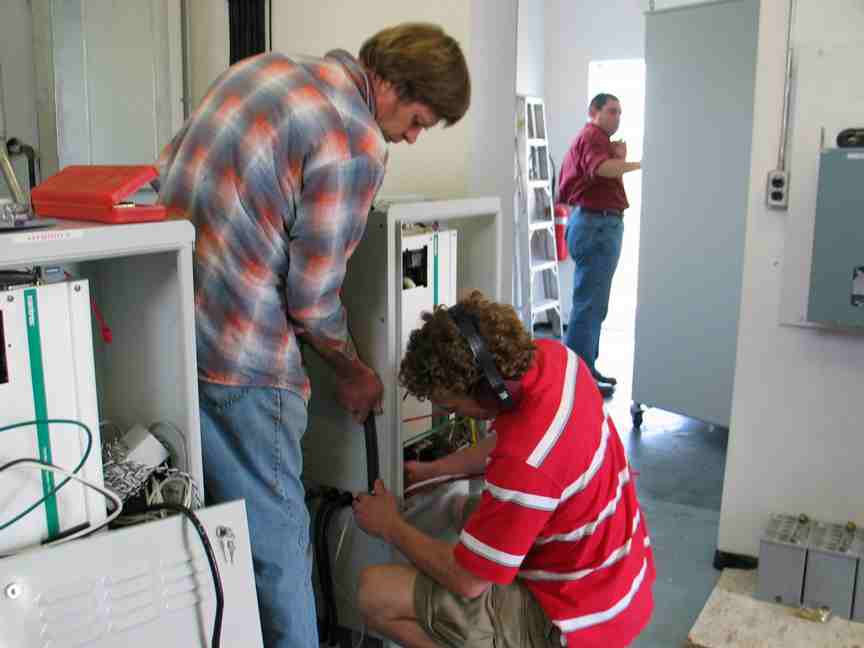
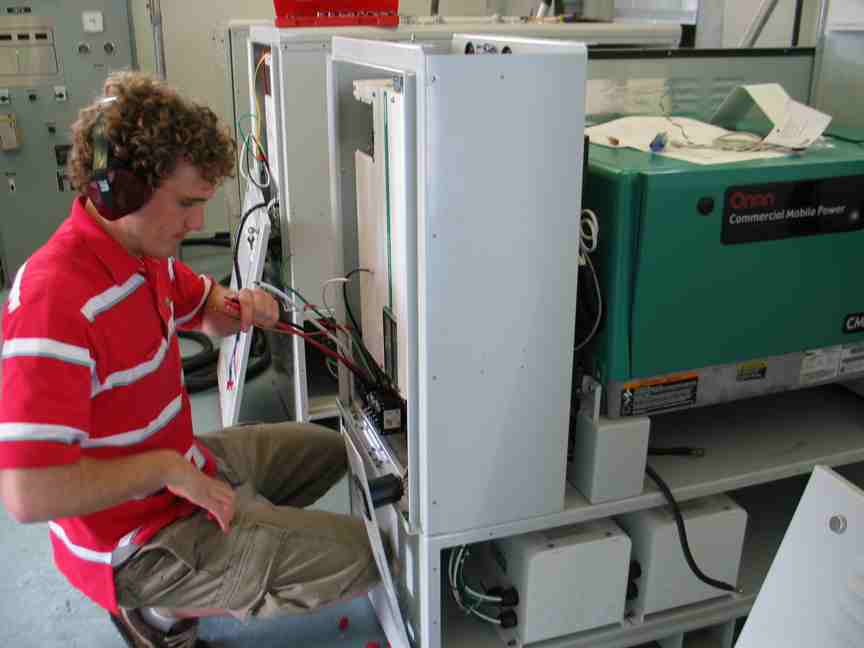
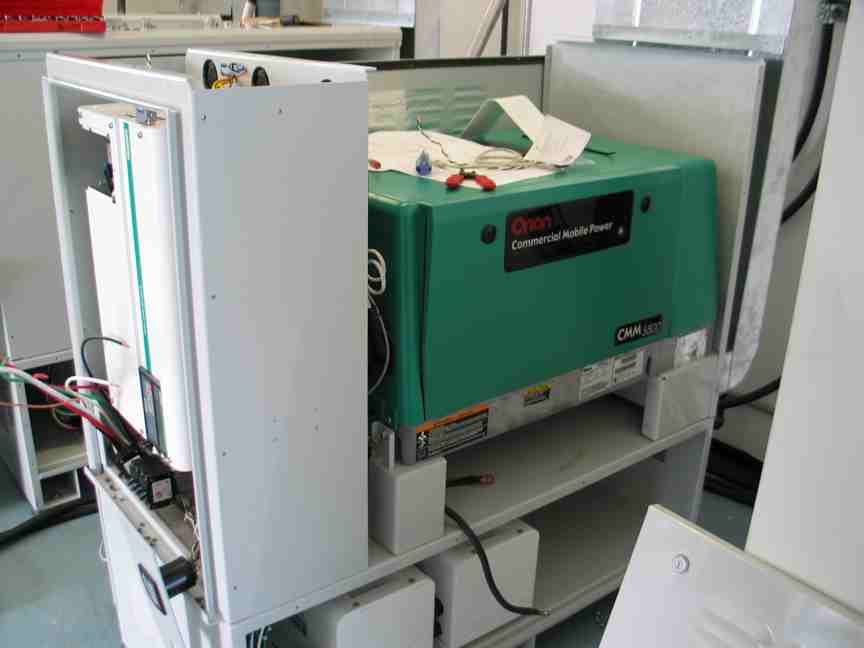
Turbine Control Installation for the Tidal Current Energy Project

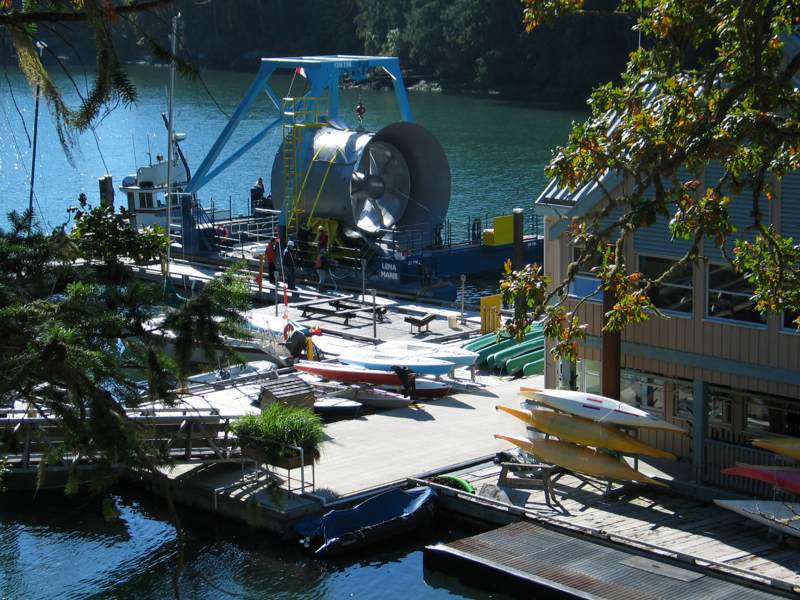
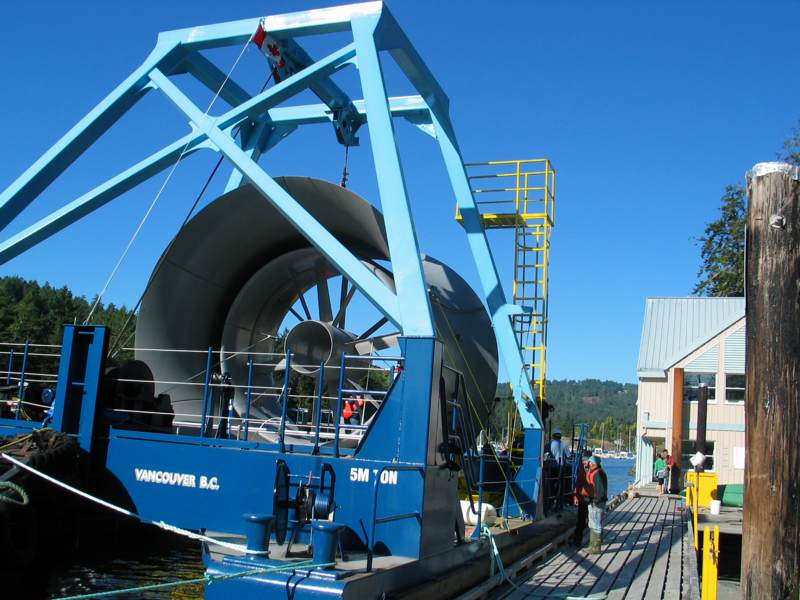
Test Installation of Tidal Energy Turbine in Pedder bay

Problems in the Installation of the Piling for the Tidal Energy Project

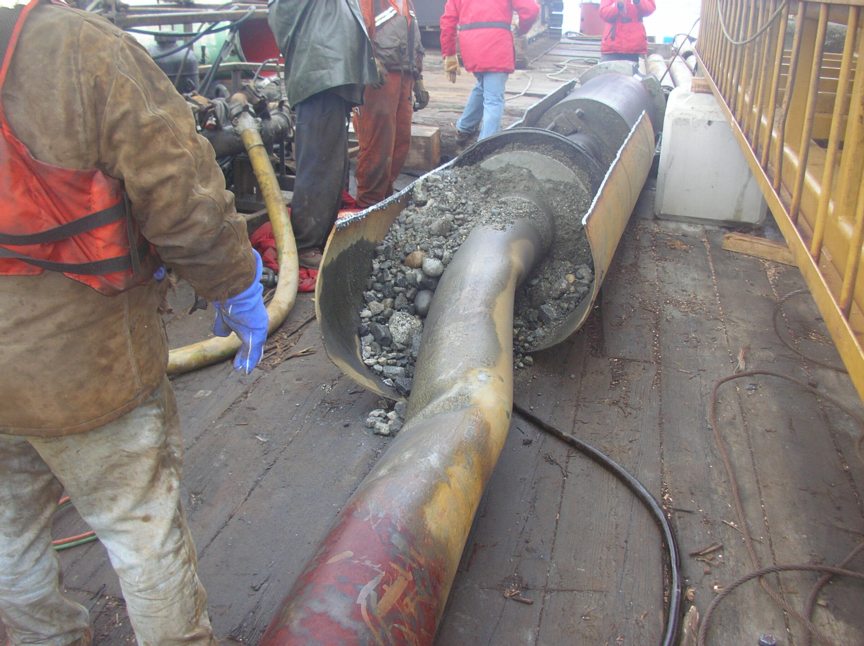
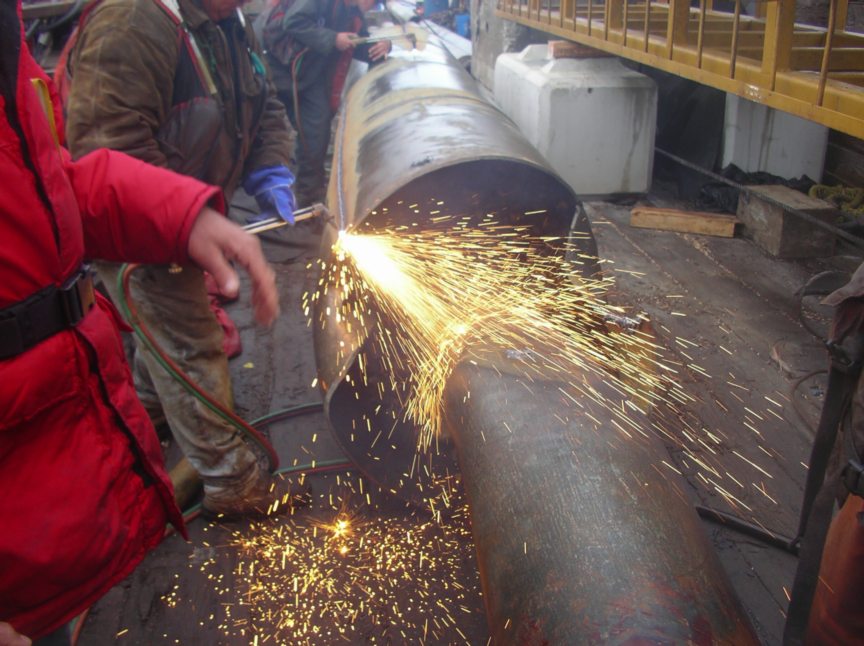
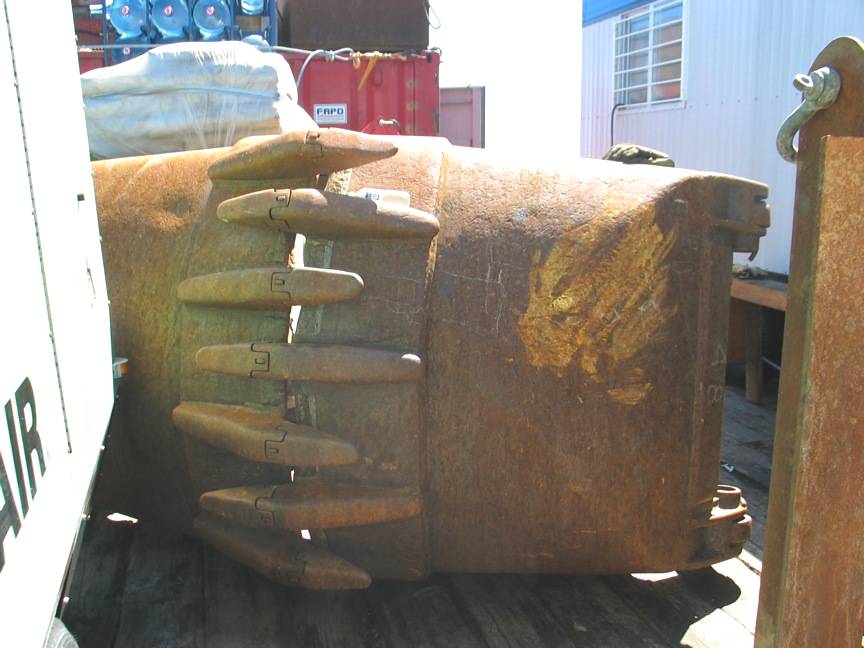
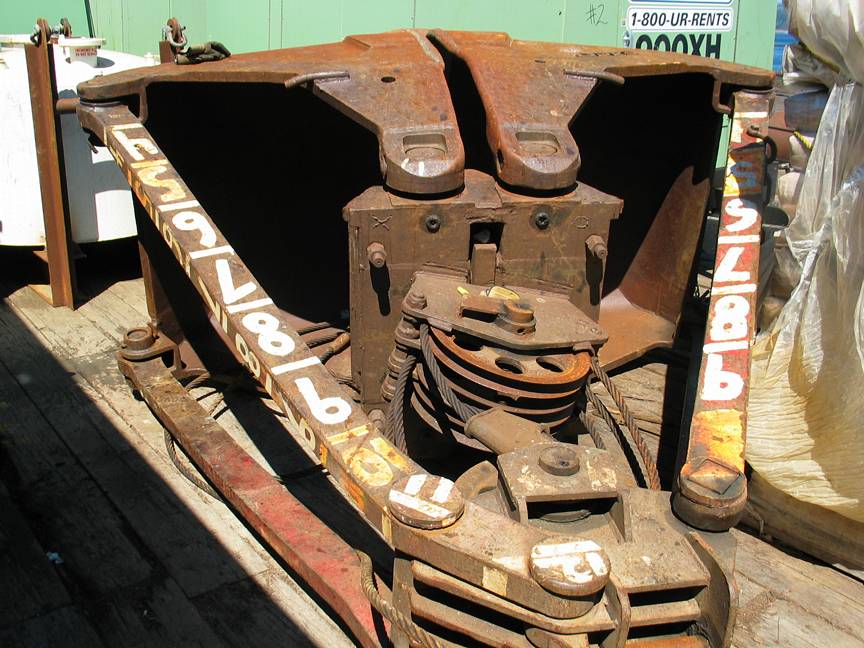
Not every aspect of the tidal Current energy project went perfectly without problems. At one point the project was within hours of being called off. A replacement drill bit had to be flown in and weather conditions threatened to suspend operation.  The most difficult stage in the installation was the breaking of the drill casing and drill bit. One morning when attempting to attach the barge, the casing which by this time was sunk in the bedrock, twisted off, trapping the drill bit in the ground.
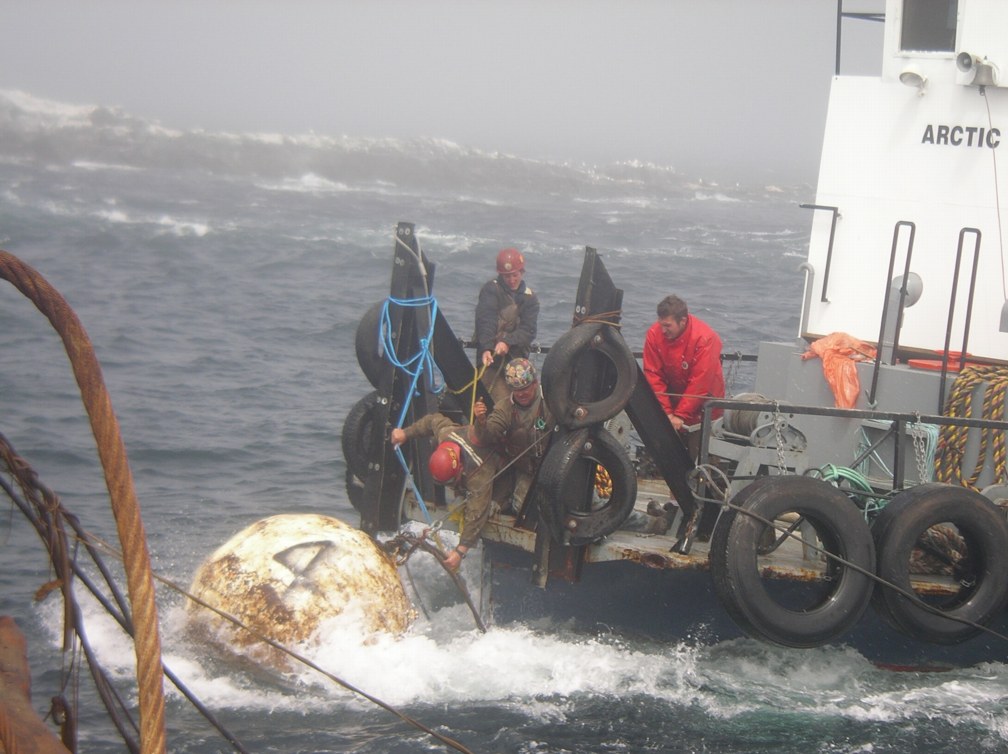
The conditions in August were marginal for the work at sea.

The most amazing part of thew process was that whatever the problems, the engineers proved to be very capable in meeting the challenge and coming up with a problem. This was particularly impressive in that it was the first kind of such an exercise and it was in an ecologically sensitive area  at a time of year when weather  could cause a stop to the process.
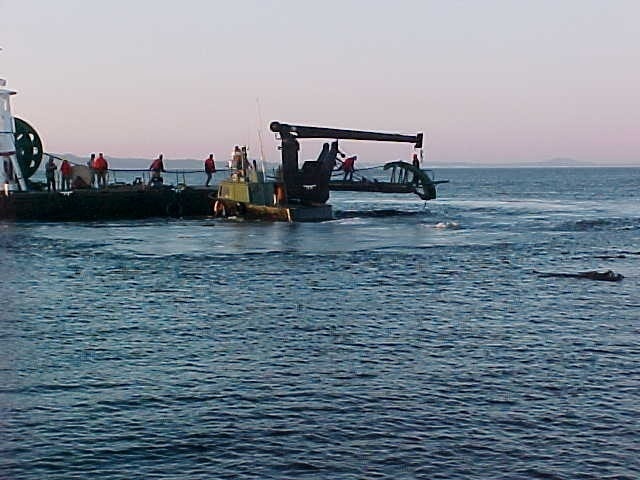
Cable laying for the Tidal Current Turbine Project

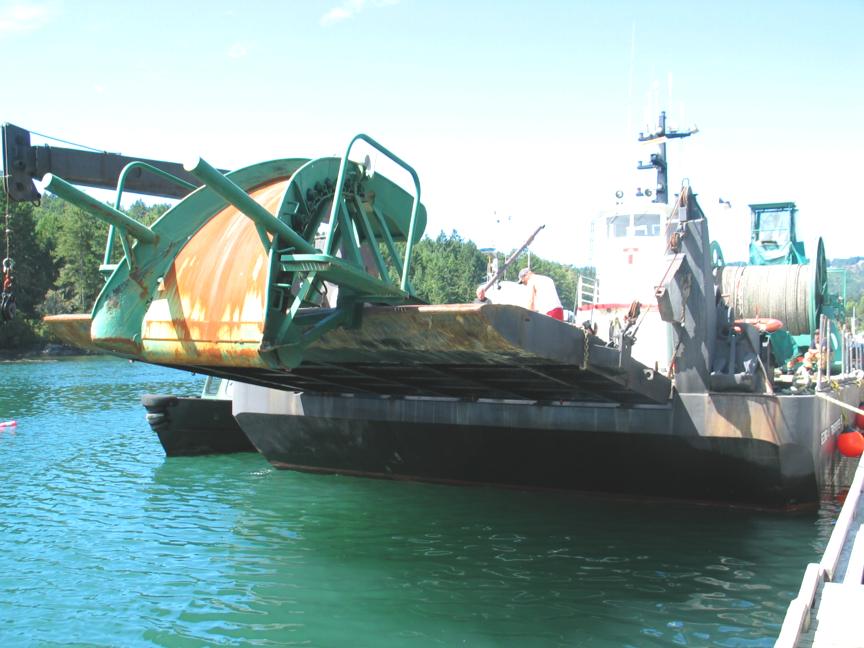
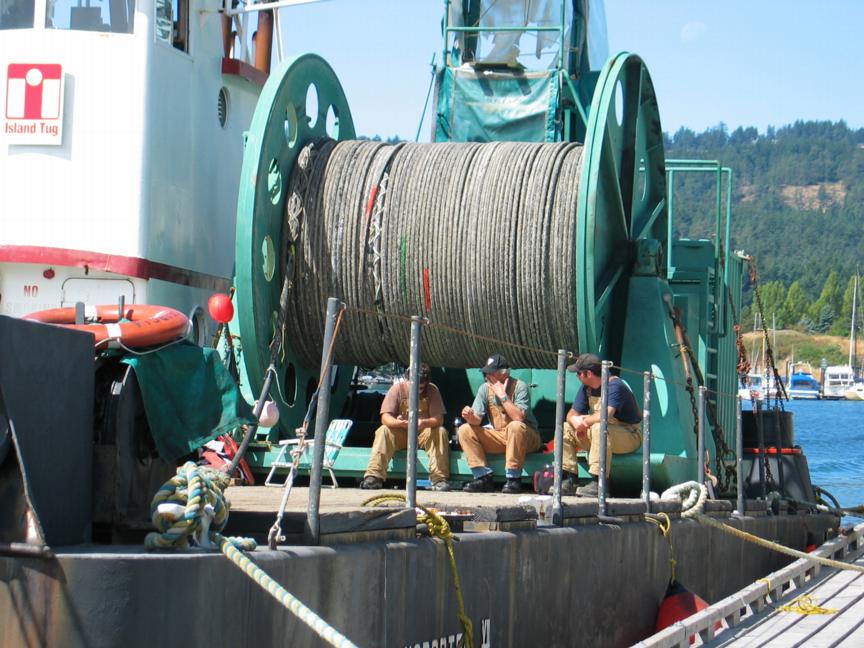
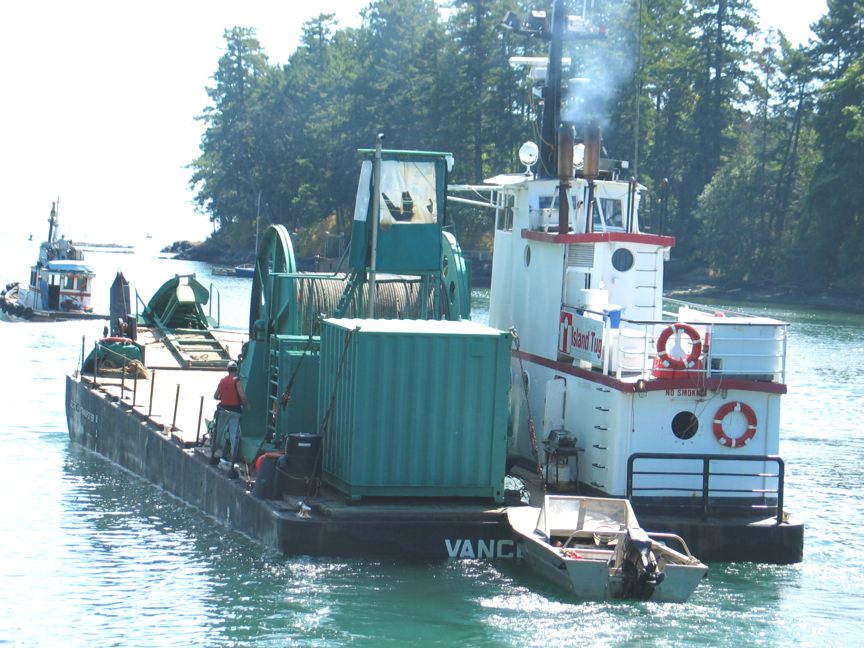
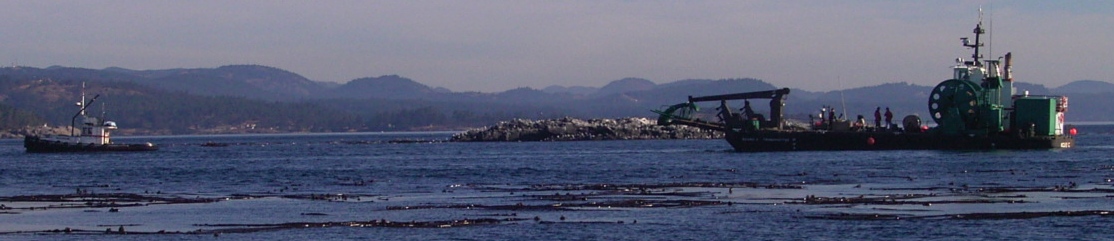
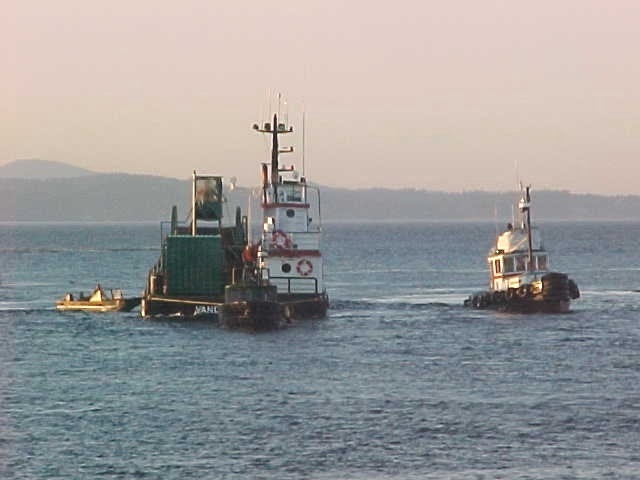
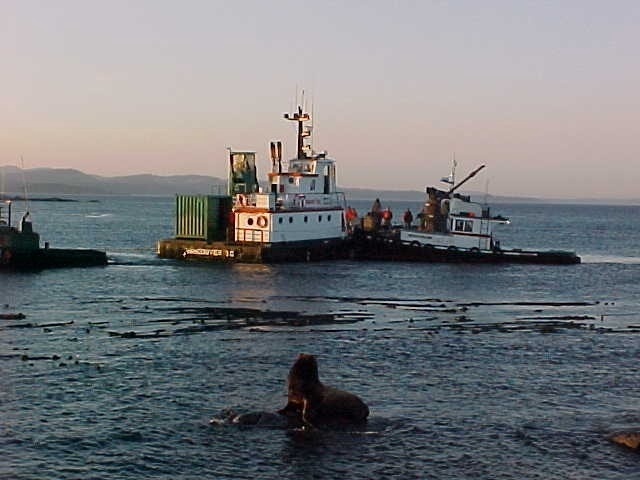
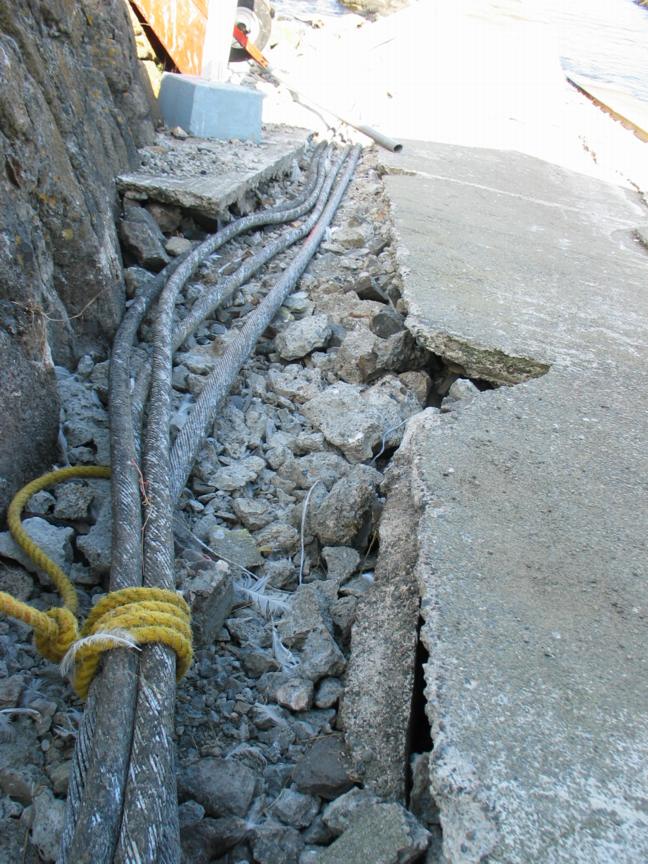
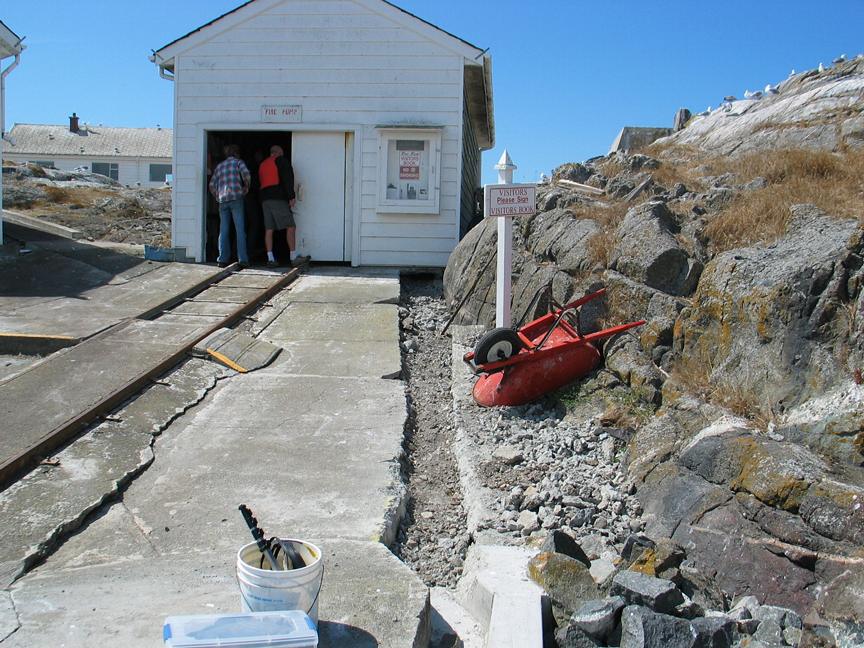
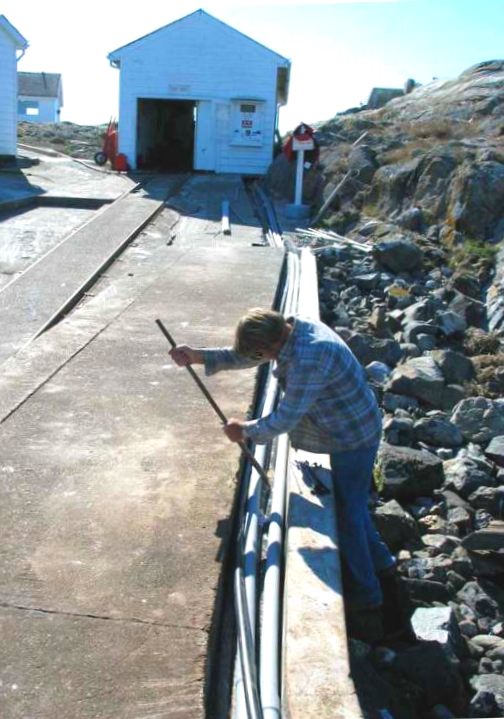
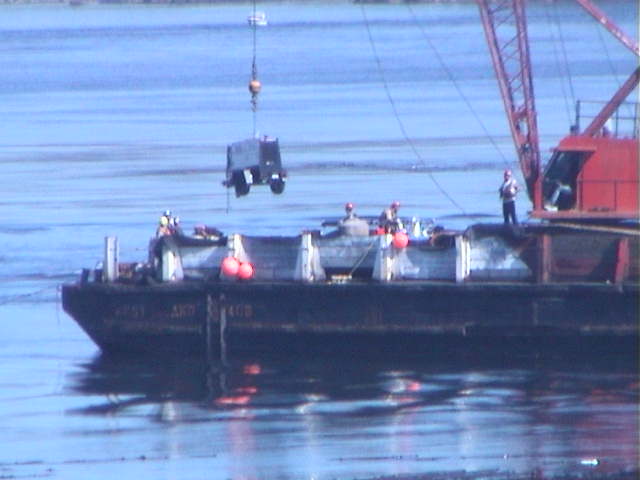
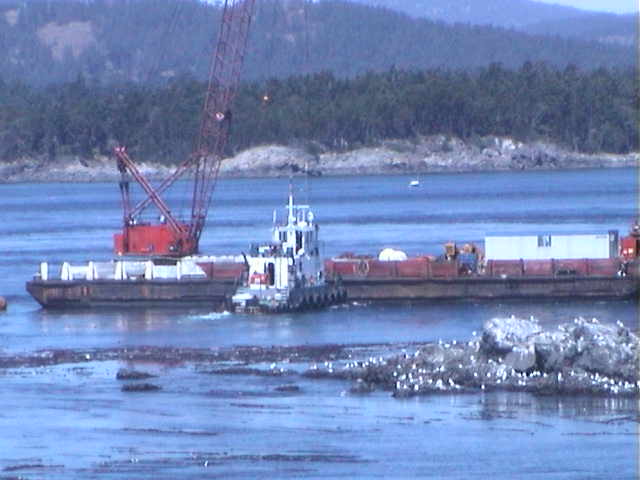
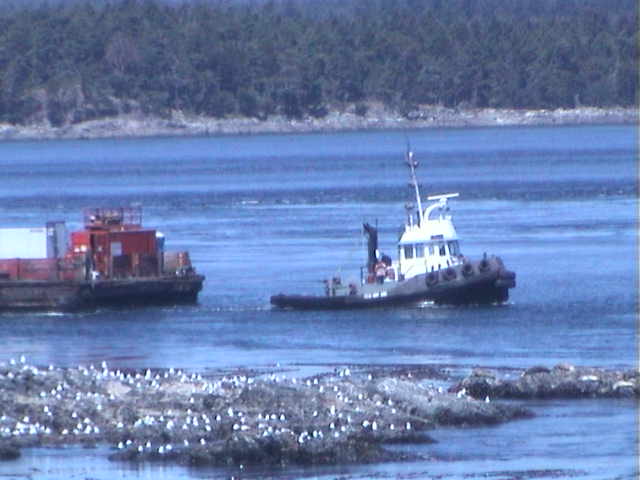
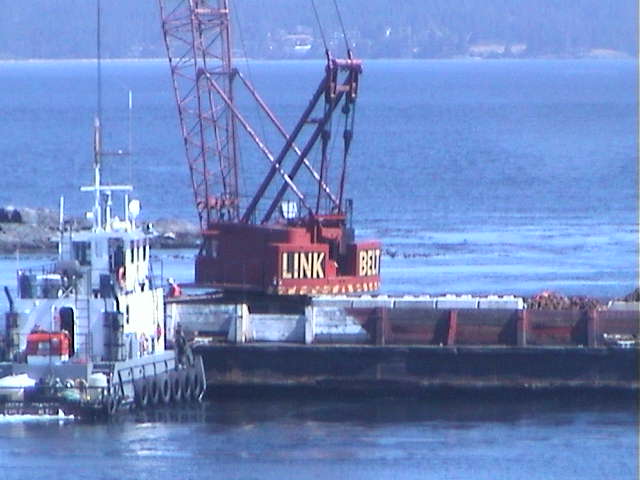
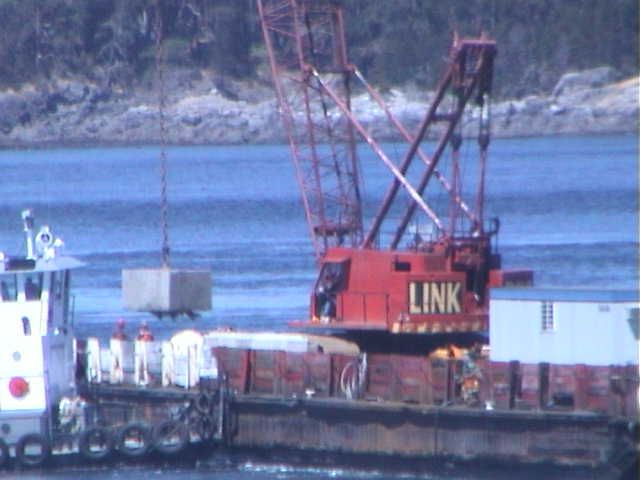
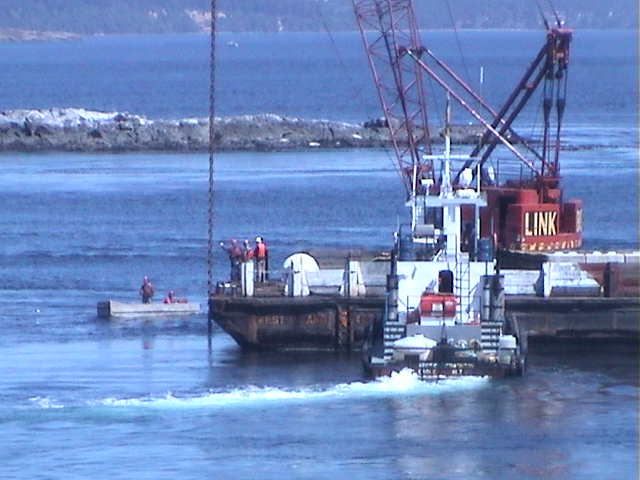
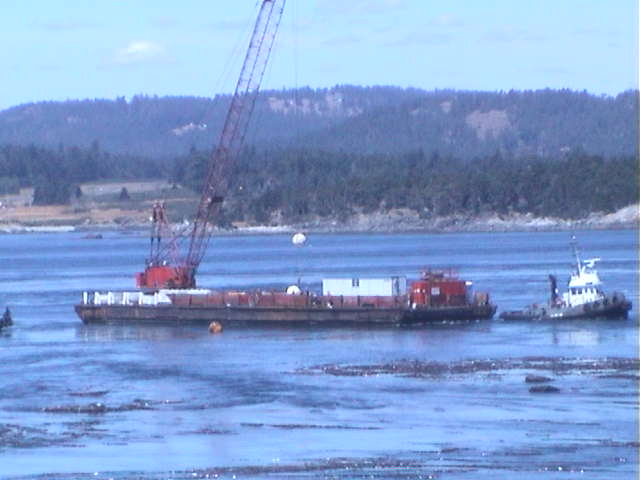
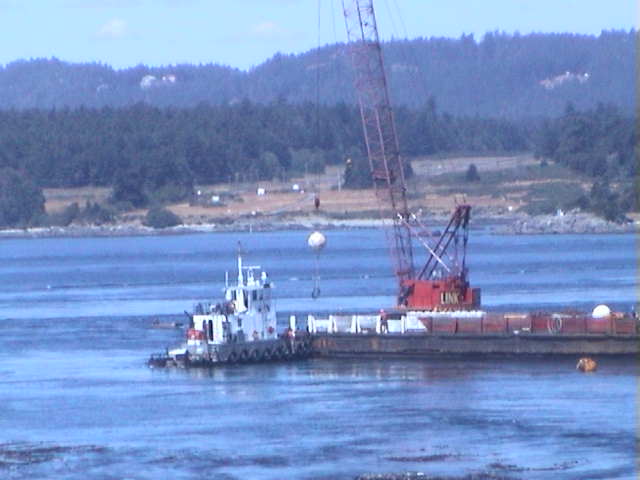
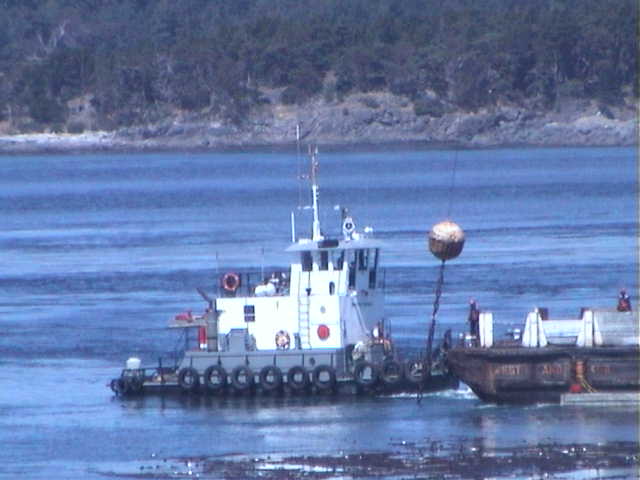
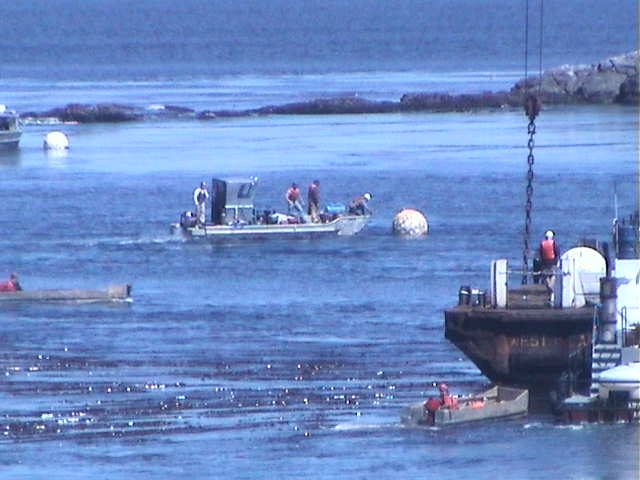
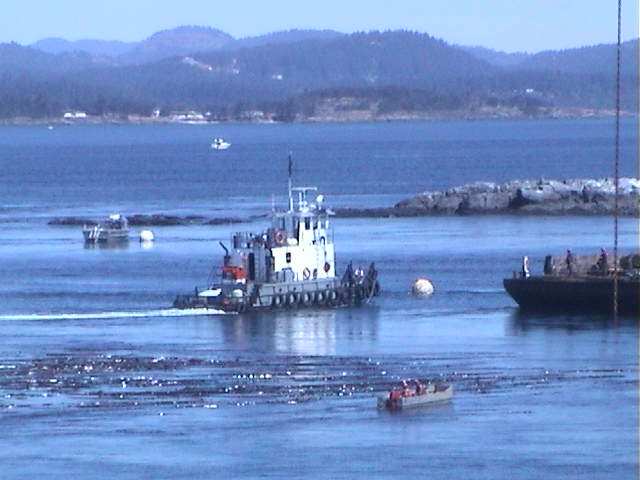
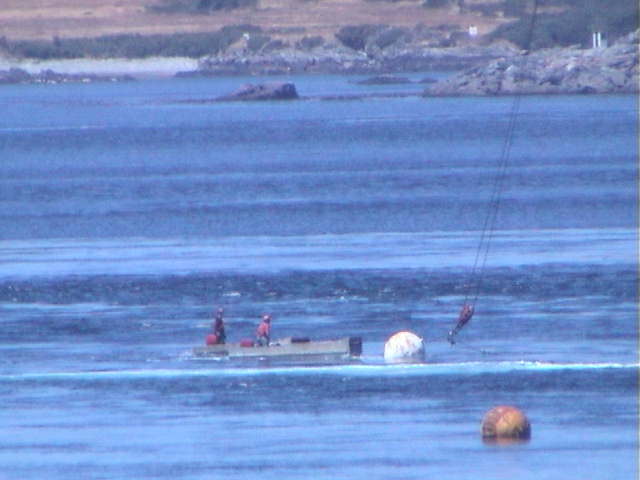
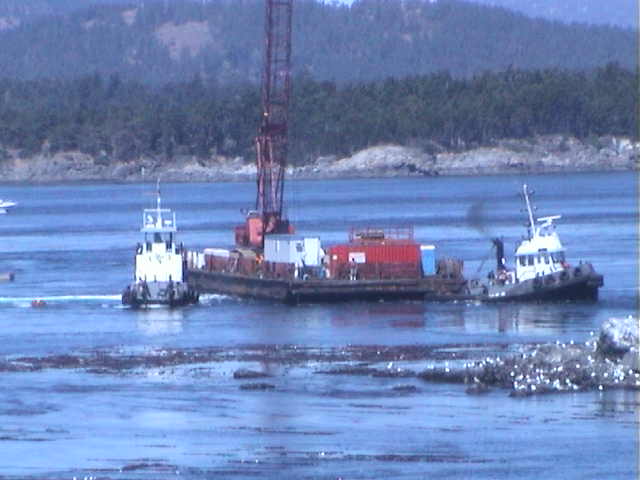
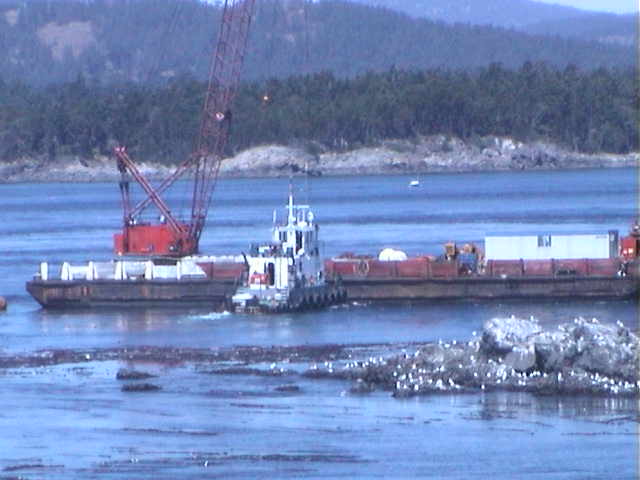
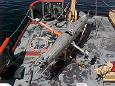
On August 20, 2006 the cable laying boat was deployed to start the process of laying the four electrical cables and a fibre optic cable which will take the energy generated by the turbine to the energy building on Race Rocks.
 

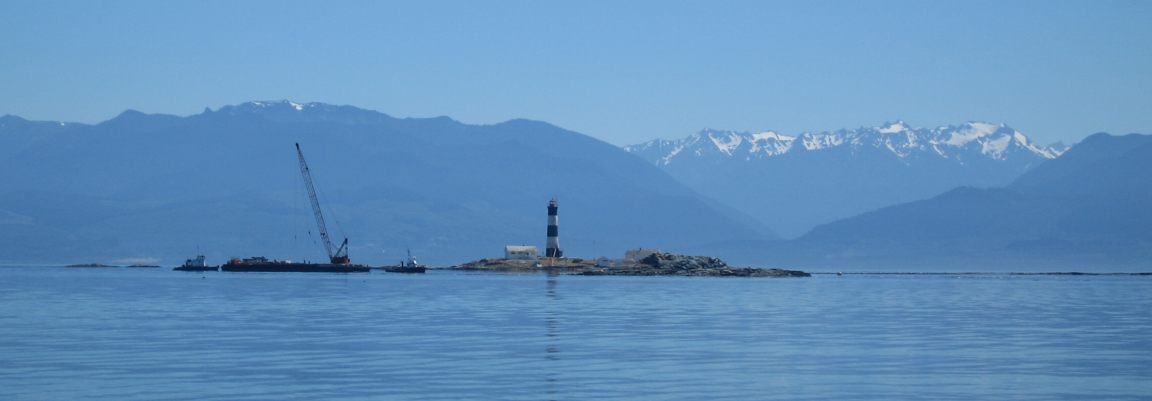
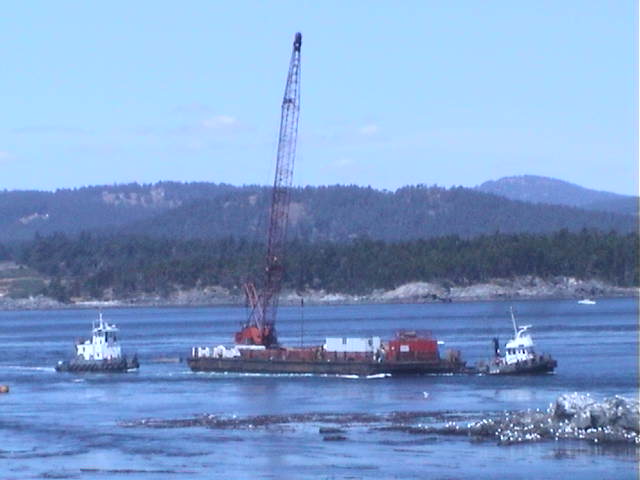
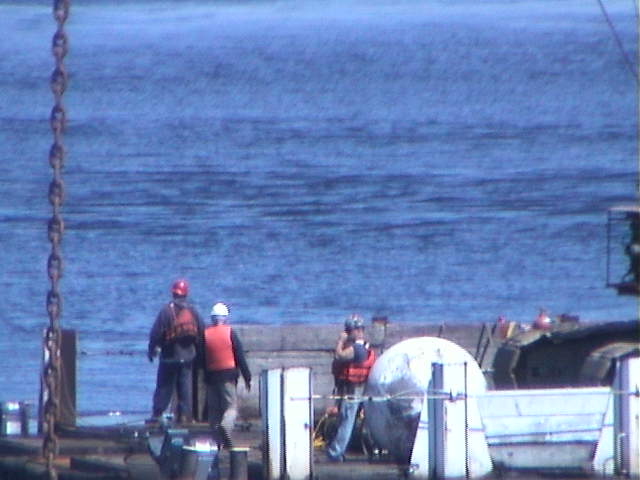
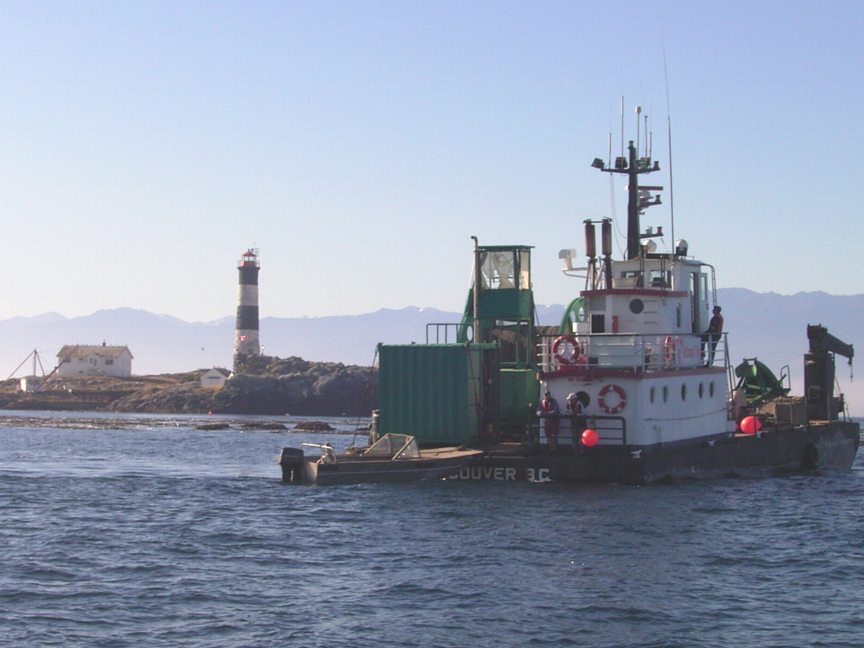
The cable laying barge is towed to the site to begin laying the cables


Photos taken by Mike Slater, Chris Blondeau and Garry Fletcher

Drilling for the piling for the Tidal Energy Project

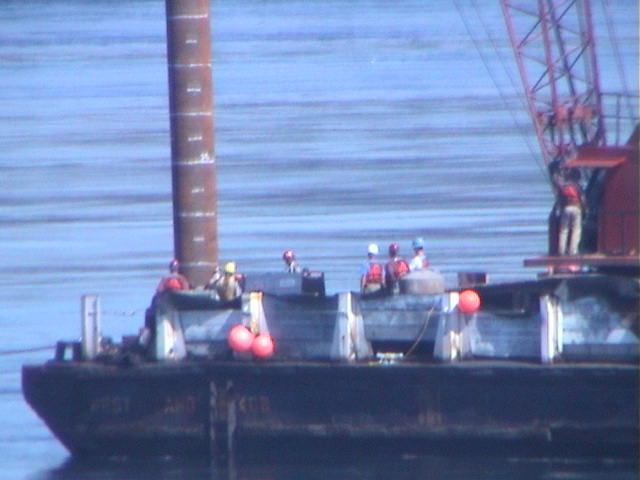
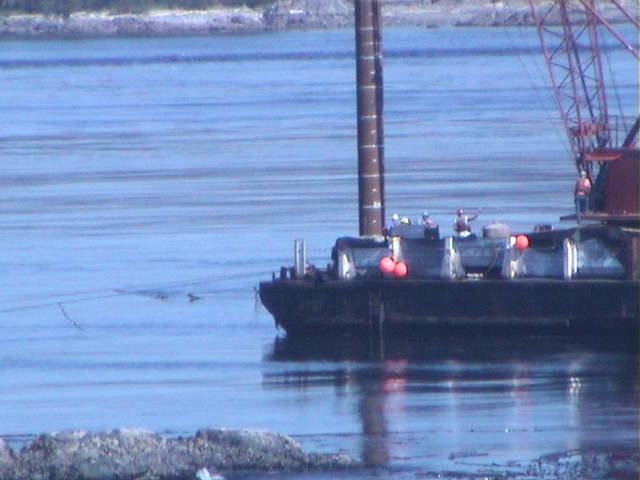
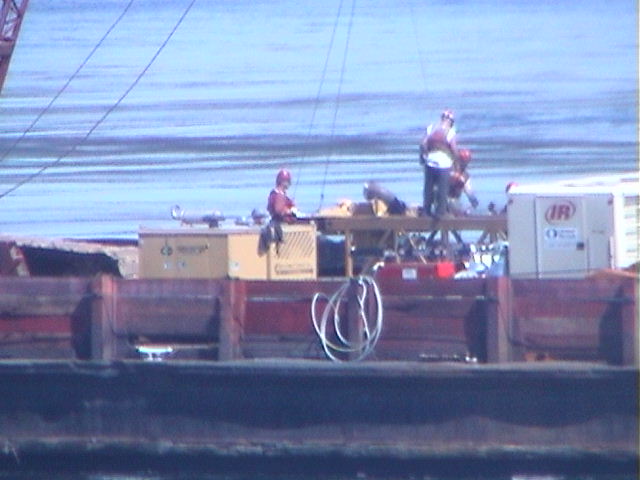
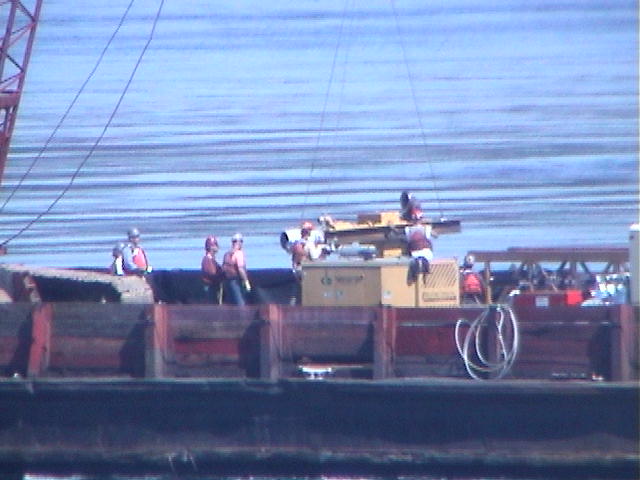
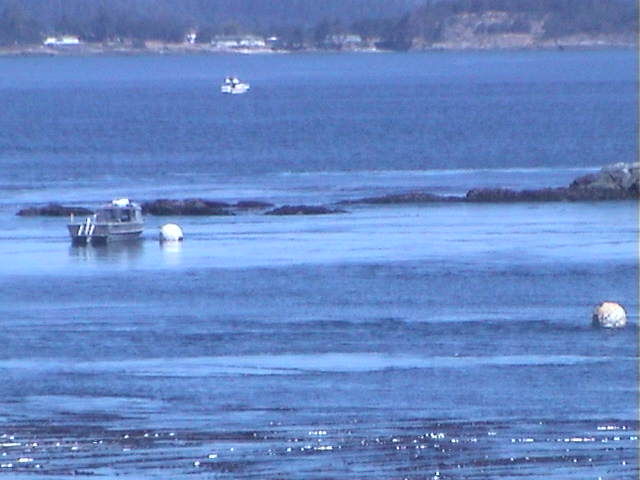
On July 24, 2006 the drilling took place throughout the day, with ever-increasing wind speed. The following pictures were captured from the remote Camera 5 on Race Rocks.
 

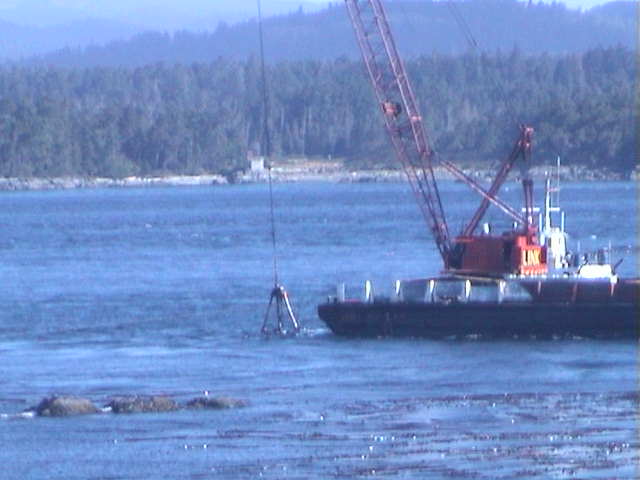
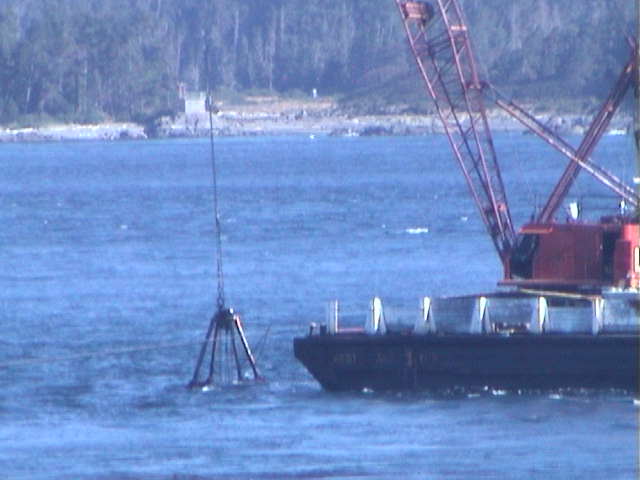
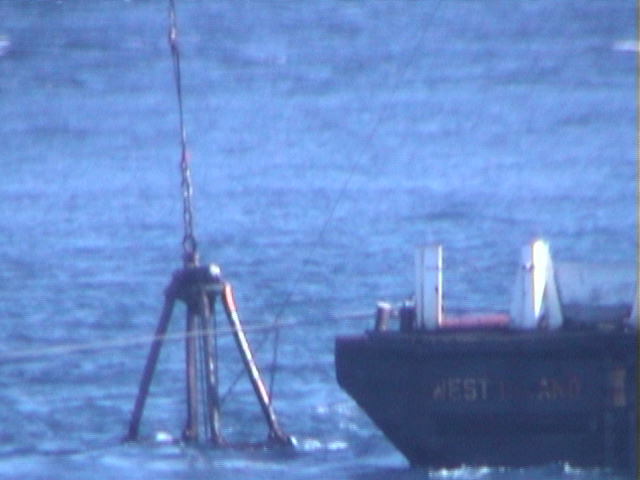
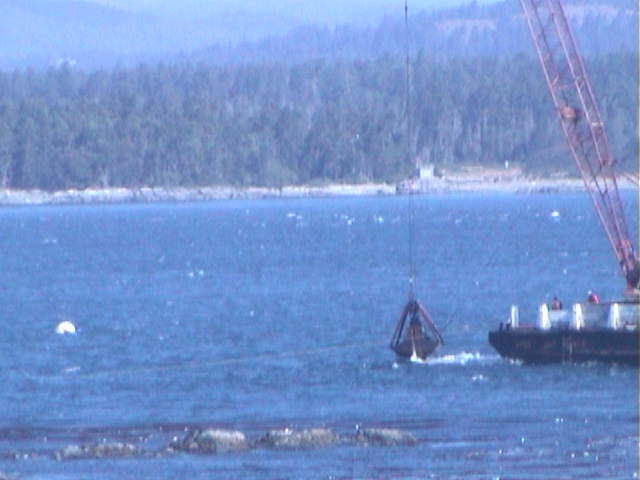
Dredging the Overburden for the Tidal Energy Installation

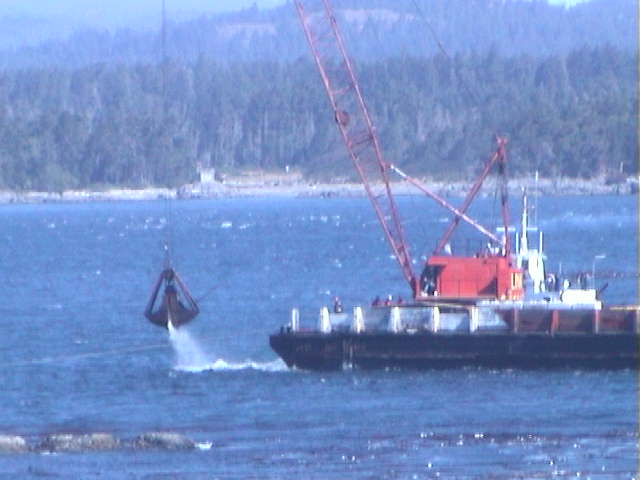
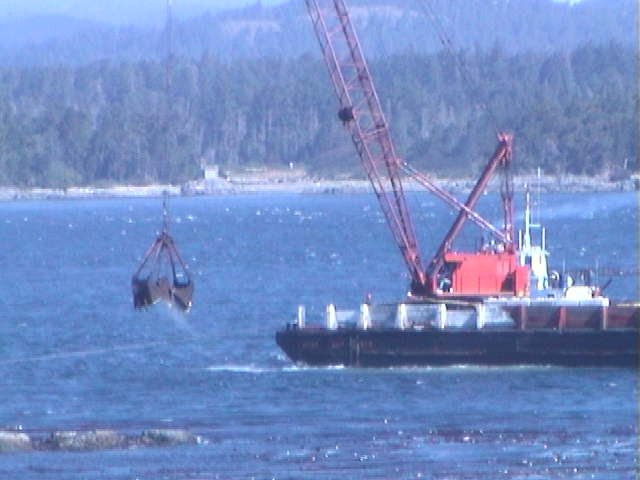
On July 17, 2006 dredging of the overburden on the selected site was started for installation of the piling.This operation was the most environmentally invasive of the project, but it was estimated that only about 20 square metres of the bottom were disturbed. Given that this is such a high current area, within a year there were no visible changes to the are around the piling.   The following pictures were captured from the
remote Camera 5. by G. Fletcher.


Installation of the Anchors for the Tidal Current Turbine Project


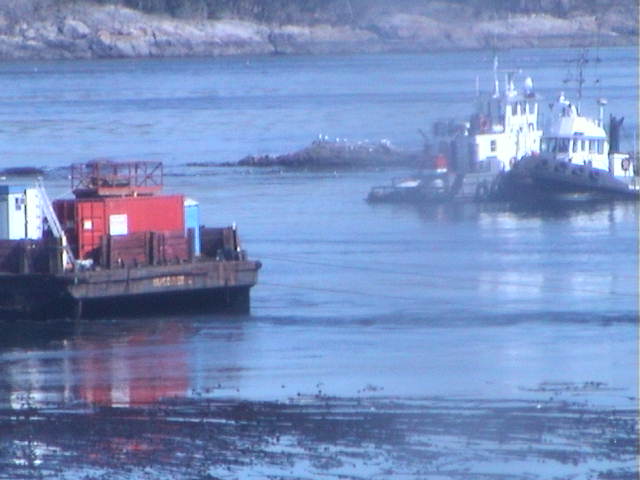
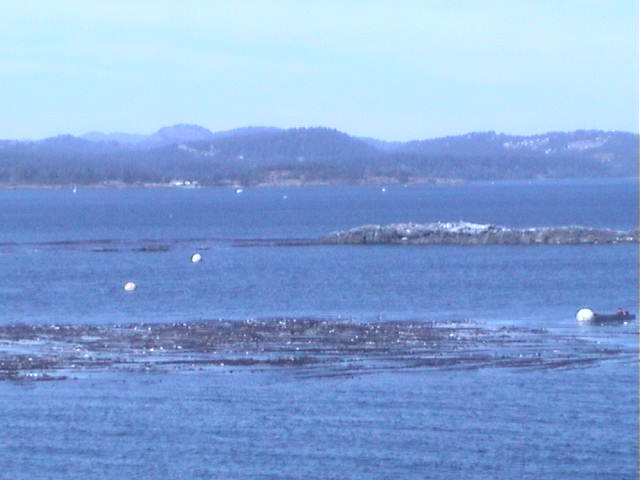
On July 16, 2006 the barge was moved on site for the installation of the piling. The first stage was the deployment of anchors for the positioning of the drilling barge. I captured the following pictures  from the remote Camera 5.

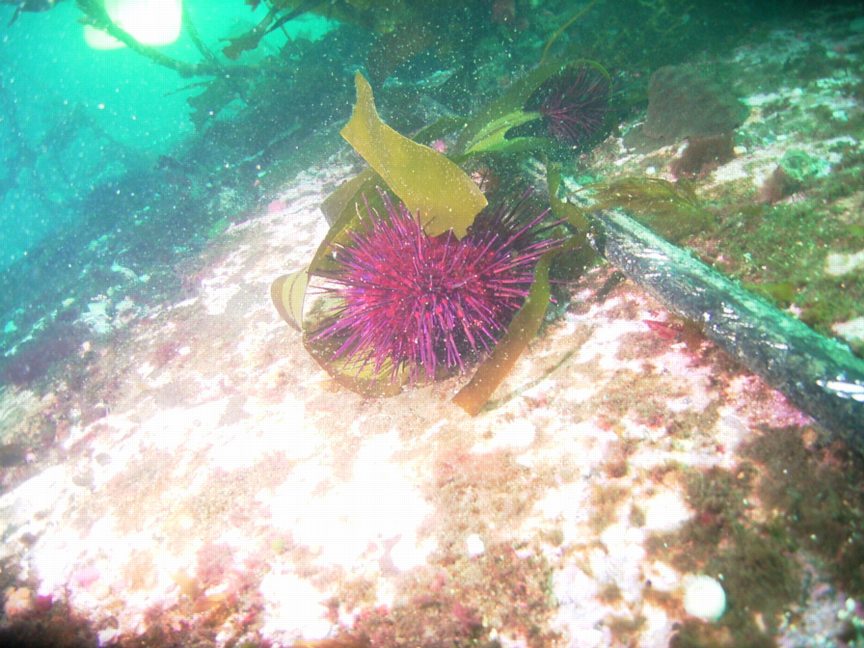
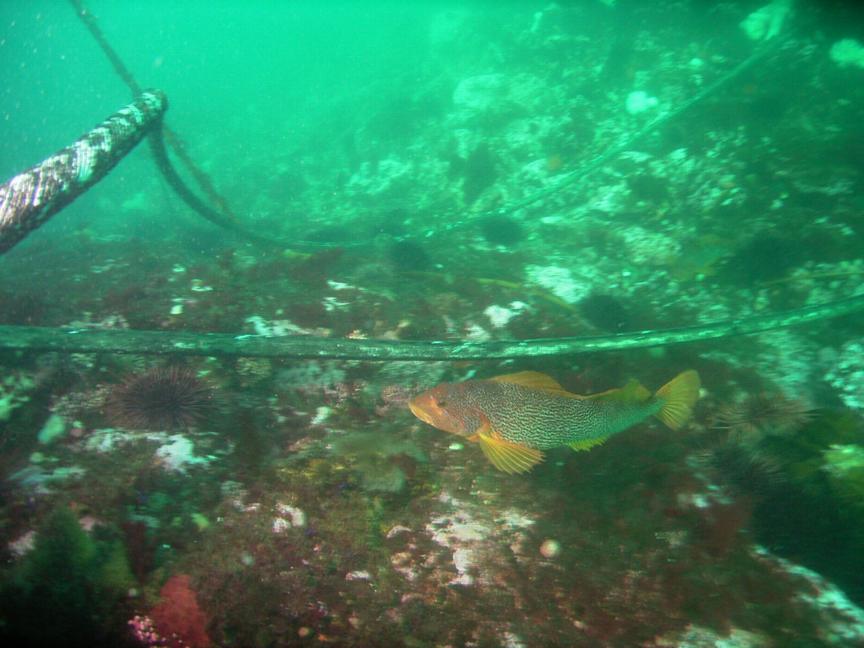
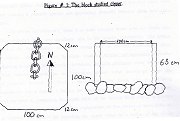
On July 18, 2006 Chris Blondeau and Mike Cameron dived on the west centre anchor blocks and took video of the blocks and chains and some of the effects on surrounding organisms. They also navigated on the same dive to the dredged site as well and we see the excavation and the pile of dredged materials in this video.

Tidal Currents and Current Measurement at Race Rocks

The current at Race Rocks had just changed to a flood – it would be getting up to 6 knots in a few hours, so it was probably at about 5 knots at this time.

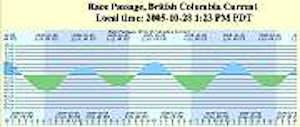
currentnowsTidal Current Predictions for  Race Passage
Prediction: Graph 


Race Passage Current tables, 2021


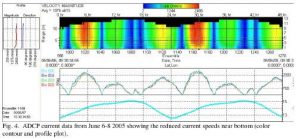
ADCP6Along with the installation of the Tidal Current turbine,  an ADCP was installed to give real time profiles of the Currents at Race Rocks. See the attached file for the type of profile that was generated:Sample of the result of the data analysis at Site 1:


sw24mThe Creation of the Race Passage Current Tables


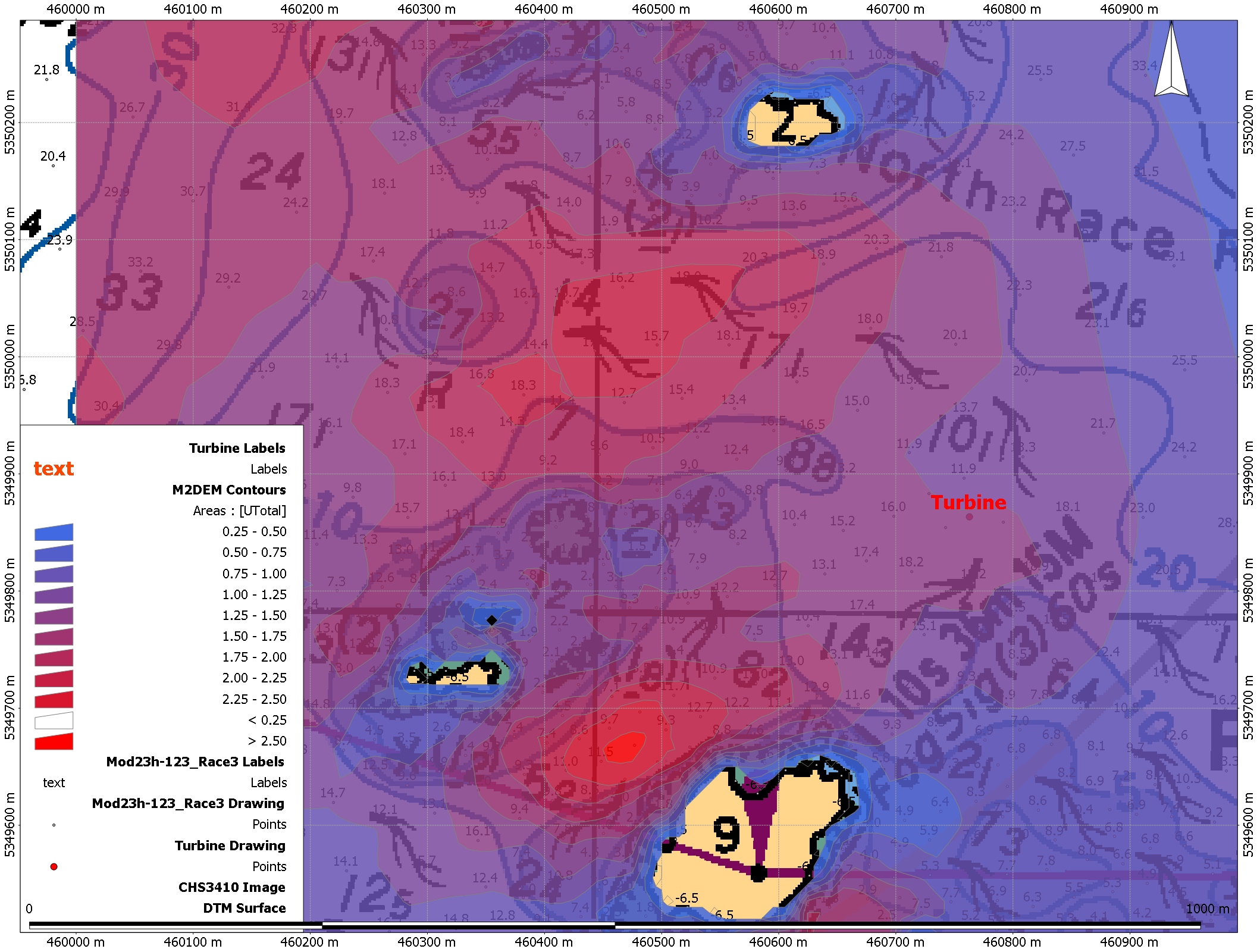
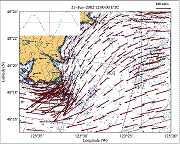
Map of Currents at Race Rocks from ADCP tests


awac2See the video on wave and current measurement using the Acoustic Wave and Current instrument.


waterpropertiesWater Properties in Juan de Fuca


cursymbField Lab on Current Studies using Drogues.


tomiondeck1stomiondeck1sOceanographic
Research on Mixing in upwellings
of Race Rocks


kallesKalle Kallestrom’s essay on The biotic associations on the Current meter Block


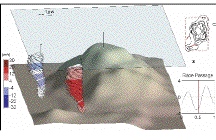
deweysStratified Tidal Flow over a Bump
Richard Dewey,et al–Interactions of stratified flow on an isolated topographic feature: a bump to the east of Race Rocks.


ebbs MATLAB charts of barotropic currents to the east of Race Rocks.


generatorsLink to the Tidal Current Power Project
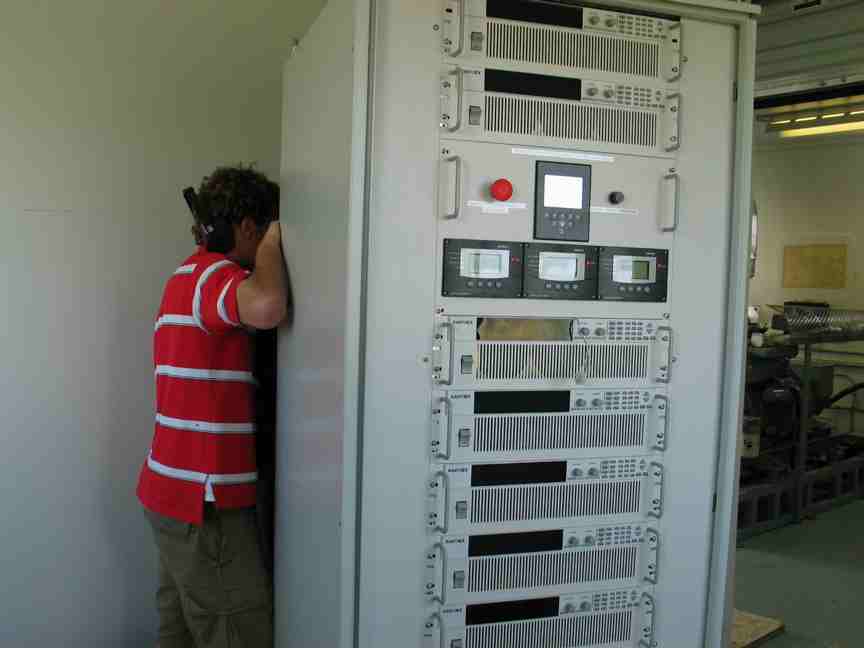
 

Propane generators to be used as a backup system

Once into the tidal generating process, the engineers found out that these generator units were no longer necessary, so they have been removed

Archived Video : Pearson College Diving Activity at Race Rocks

Underwater Webcasts by the Divers

David,Satoshi,Victor and others do the first Johan Ashuvud week at Race Rocks Testing of the underwater to surface DIVELINK communication system  Underwater Video at West Race Rocks.
Live underwater webcast to New York using underwater communication system
(Spring 2001)
Bluewater Diving- or tether diving, 2002. An initial test for the live webcasts in the June,2000 at Race Rocks.
Sea lions Visit Divers Video

The Underwater Environmental Data Sensor Bar.

kjkjkjkjk
In December 2000, the students and faculty of Pearson College install the first of the underwater environmental data sensors  Fouling -or succession– depends on how you look at it.

Underwater Work for the Tidal Energy Project

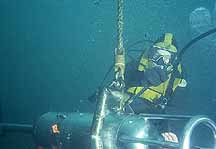
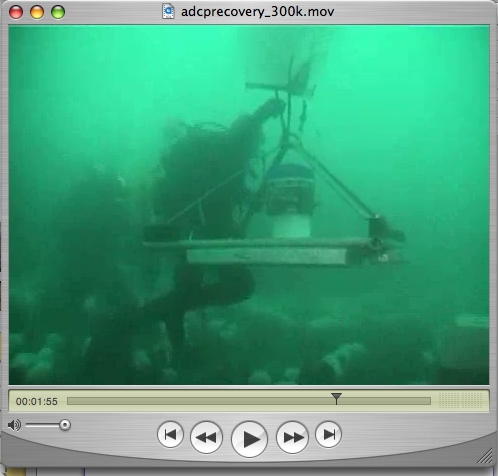
ADCP deployment for the Tidal Power Project Deployment and Retrieval of the ADCP from the Bottom of the Channel Succession Study of coatings and materials Chris Blondeau and Juan Carlos video the substrate at the site of the piling installation, and test the depth of the overburden.
turbsitehydroids
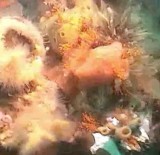
Turbine site hydroid survey by Chris Blondeau and Juan Carlos Yabar, 2006


Pam and Jason from Archipelago Marine do their underwater survey of the location of the Piling Drilling for the Current Energy Project. Video on the Pearson College, EnCana, Clean Current Tidal Power Demonstration Project at Race Rocks


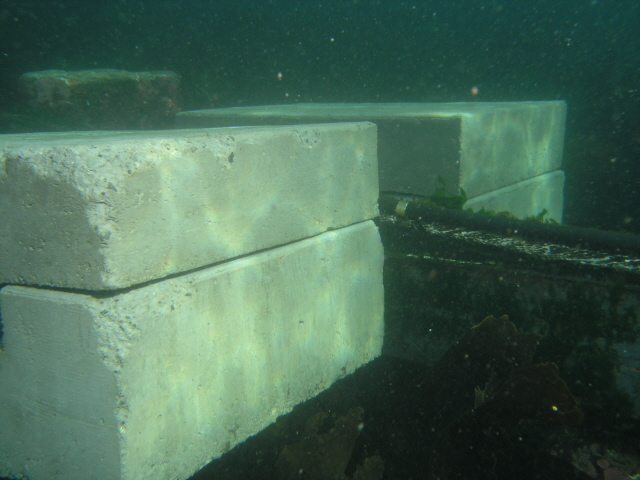
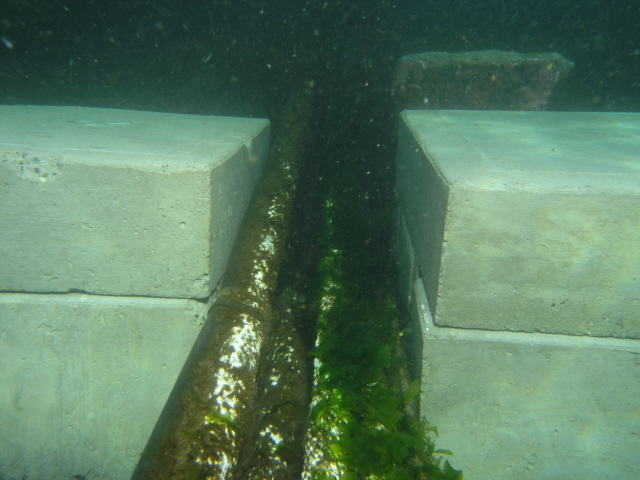
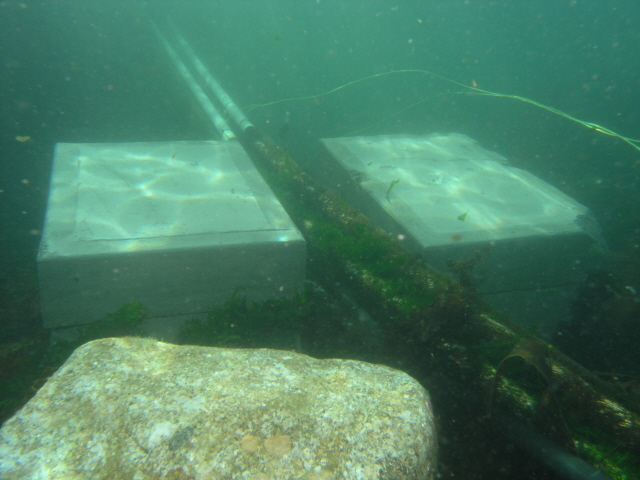
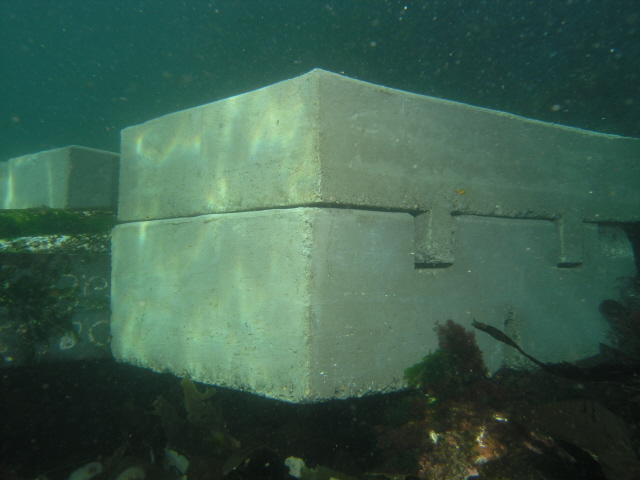
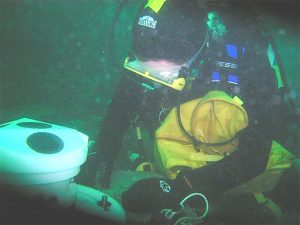
In December of 2007,The Pearson College Divers installed a set of junction boxes as part of a materials testing experiment for the tidal energy project.