Race Rocks Ecological Reserve Warden’s Report June 14 2024

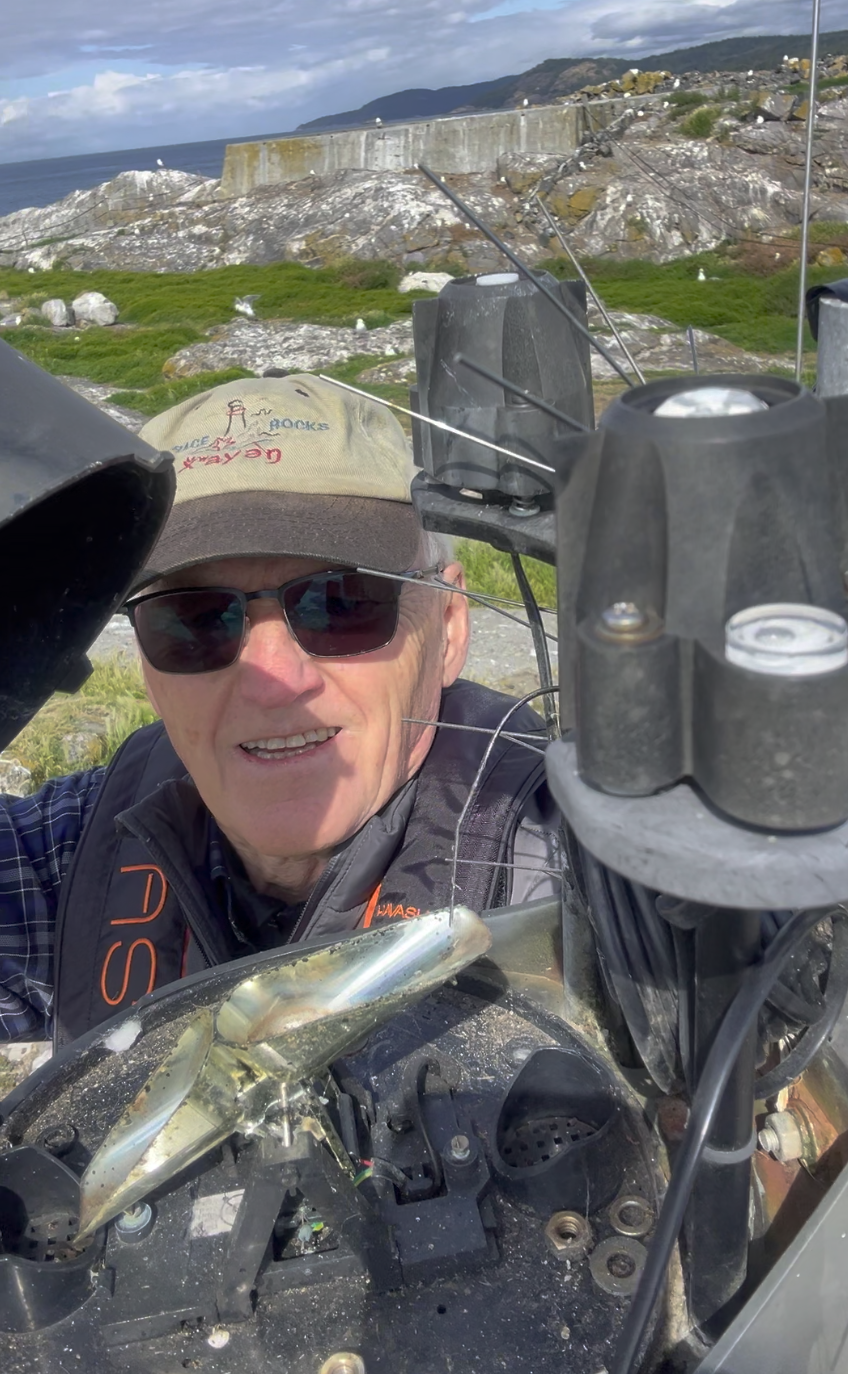
Garry Fletcher, ER Warden for Race Rocks visited the reserve on June 14, 2024
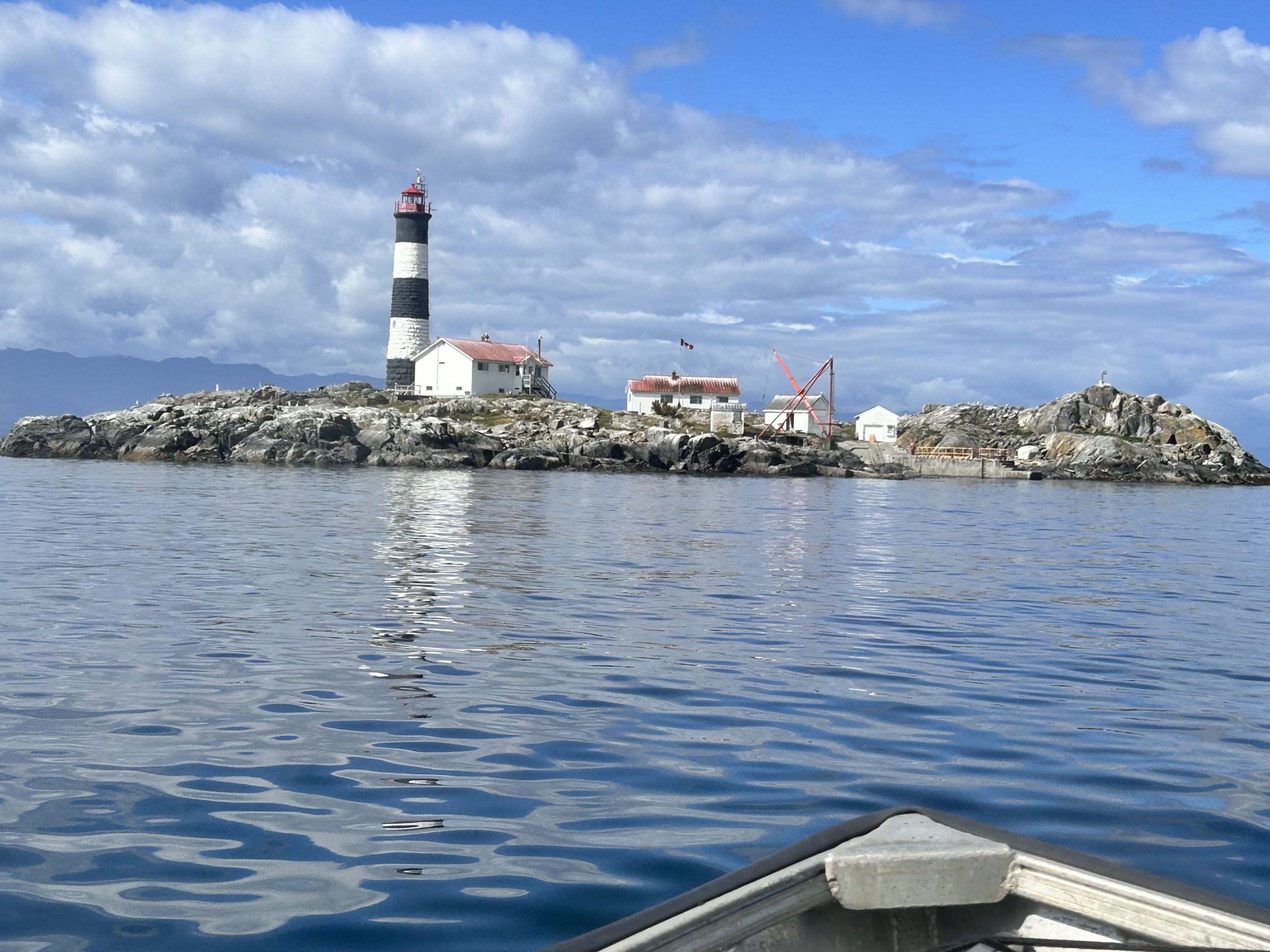
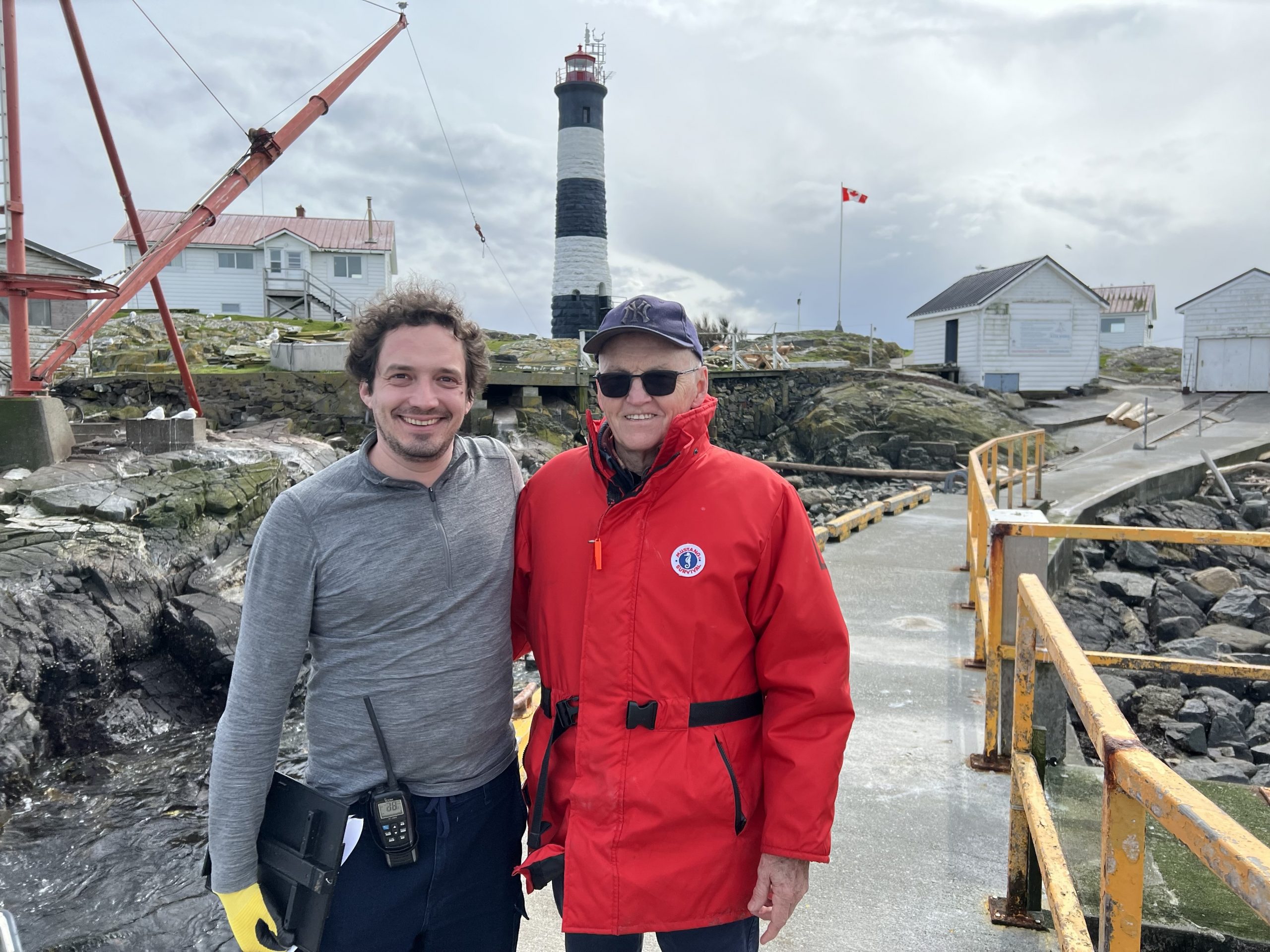
Greg Dickinson from Pearson College provided transport in Second Nature for the following group: 

  • Lisette and Mads – Mads is a  former student and both are volunteering at Pearson College
  • Garry Fletcher – Park Warden
  • James Tuohy – future Ecoguardian
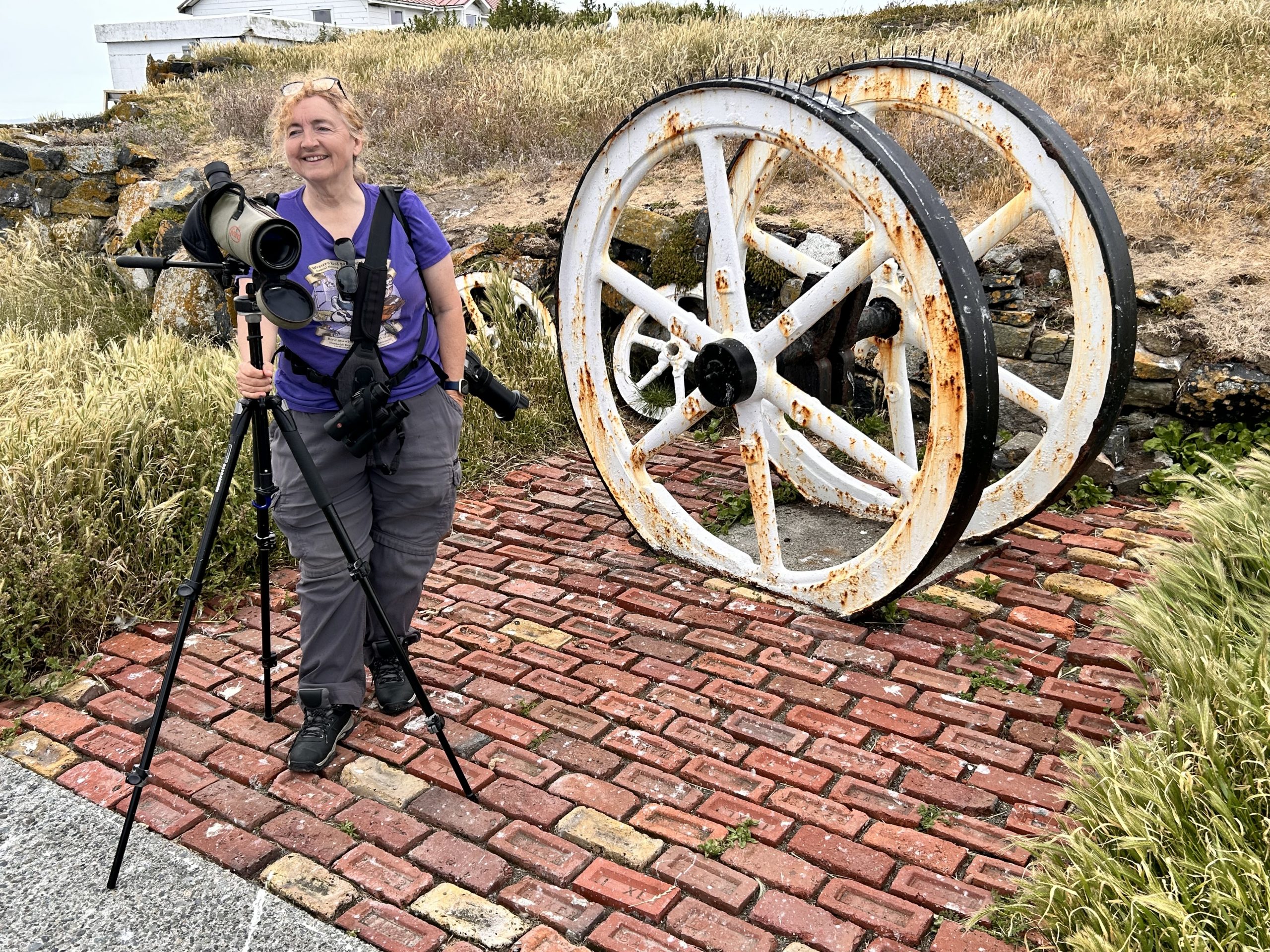
  • Ann Nightingale and Andrew Jacobs – Rocky Point Bird Observatory
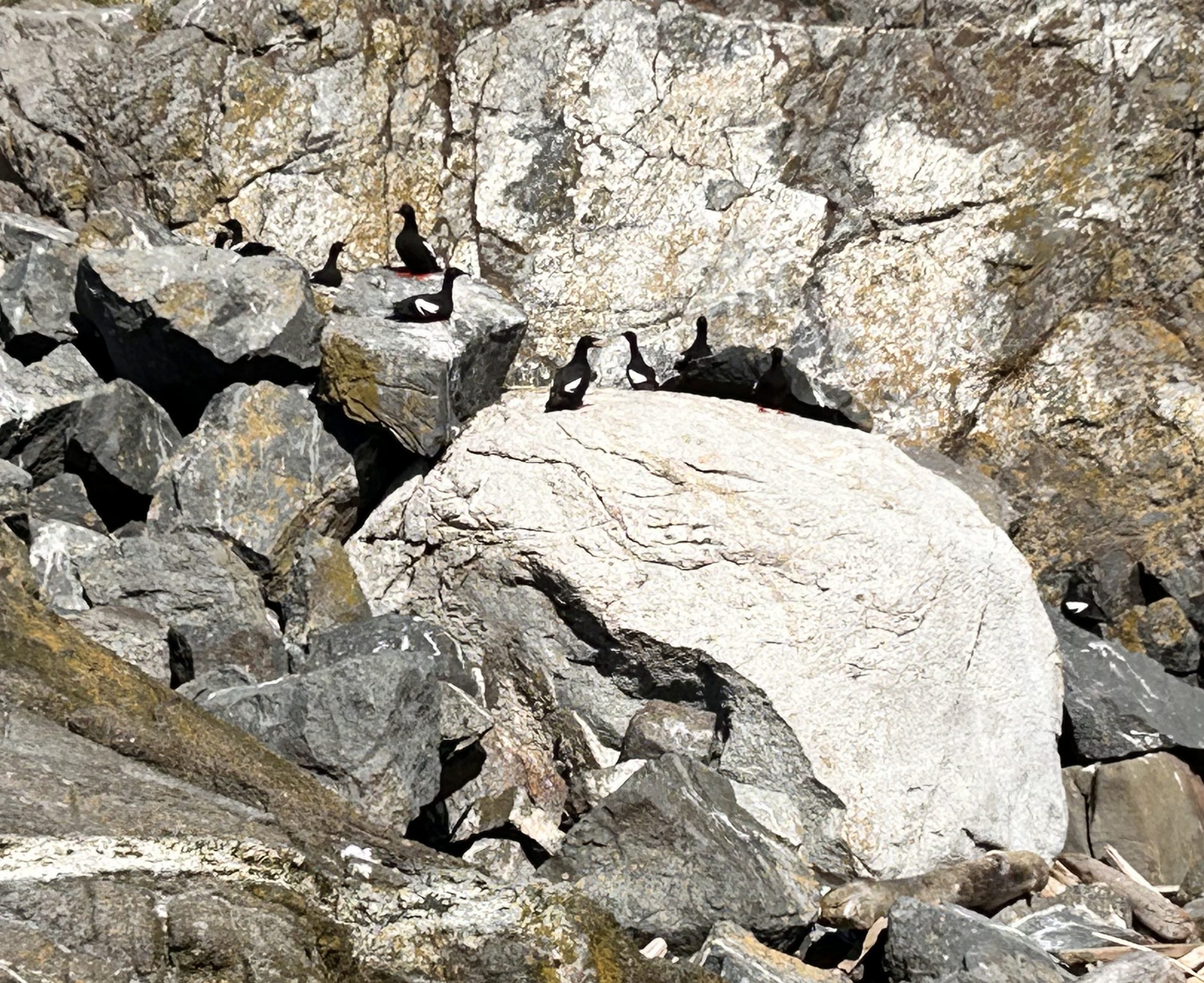
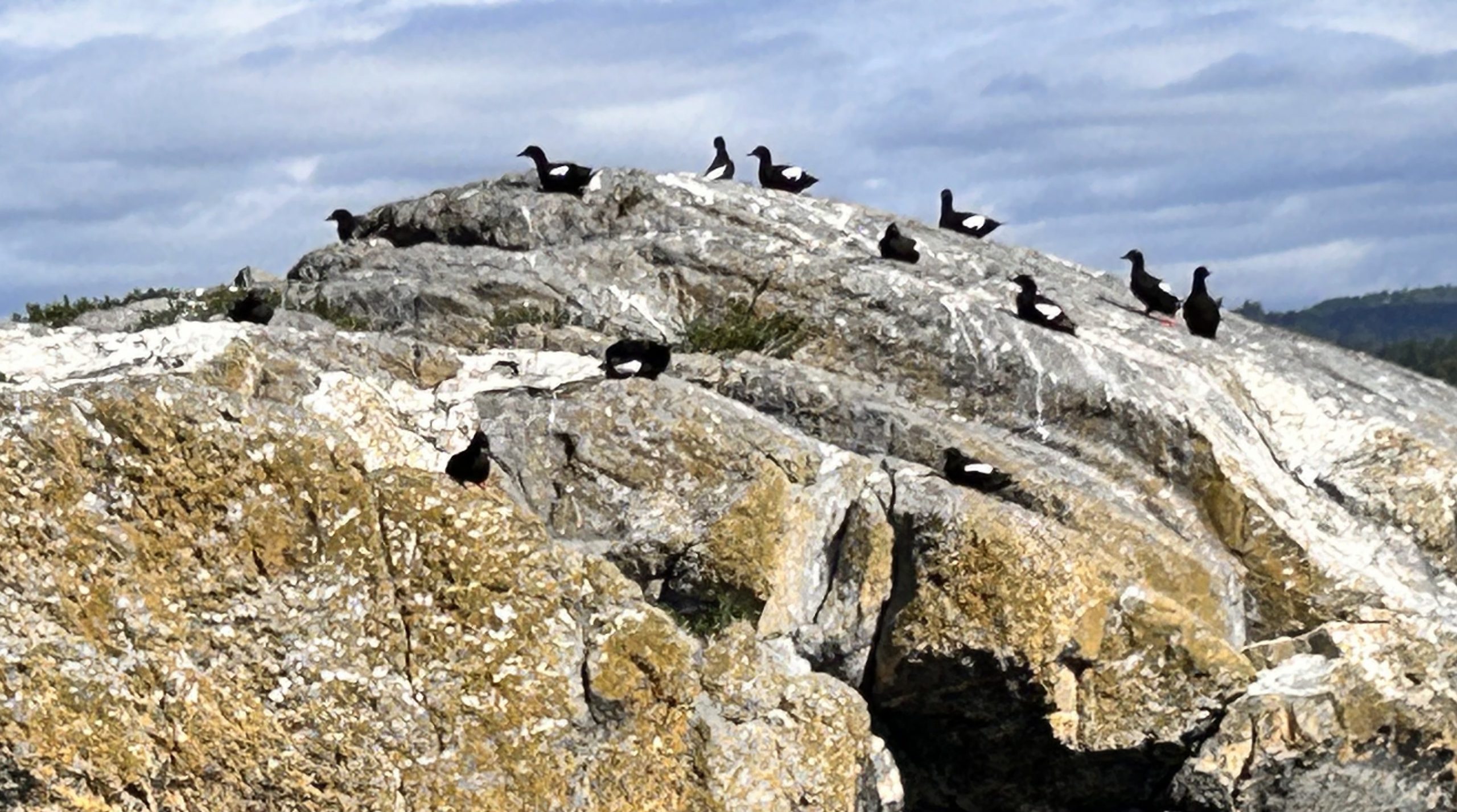
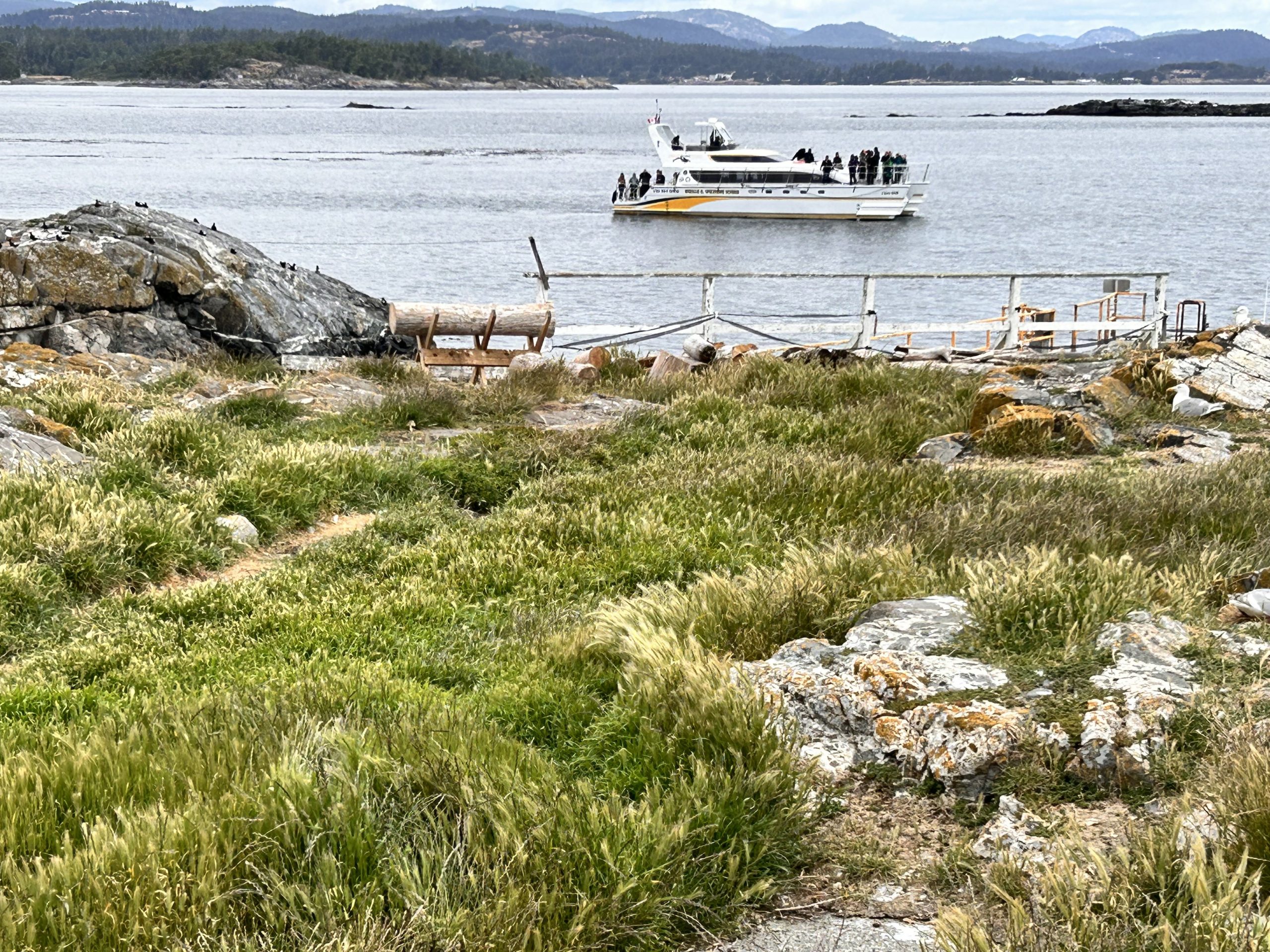
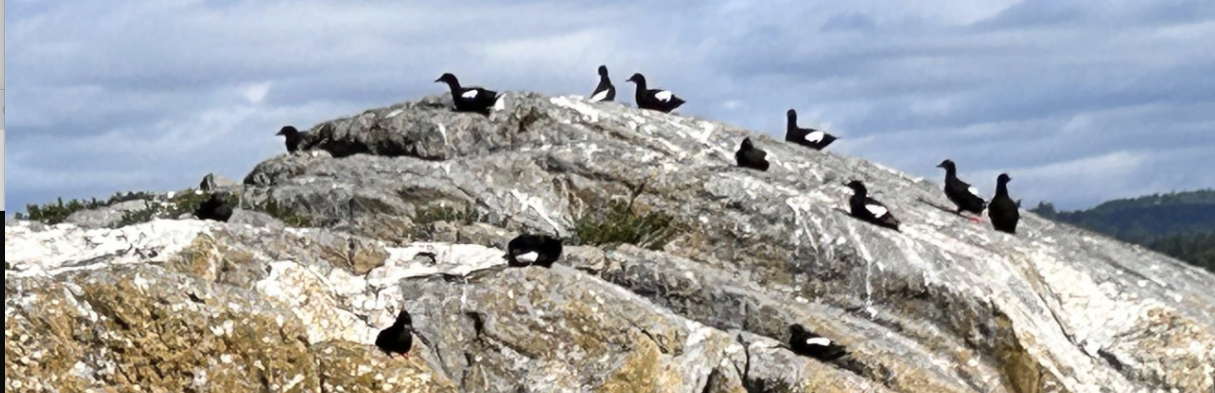
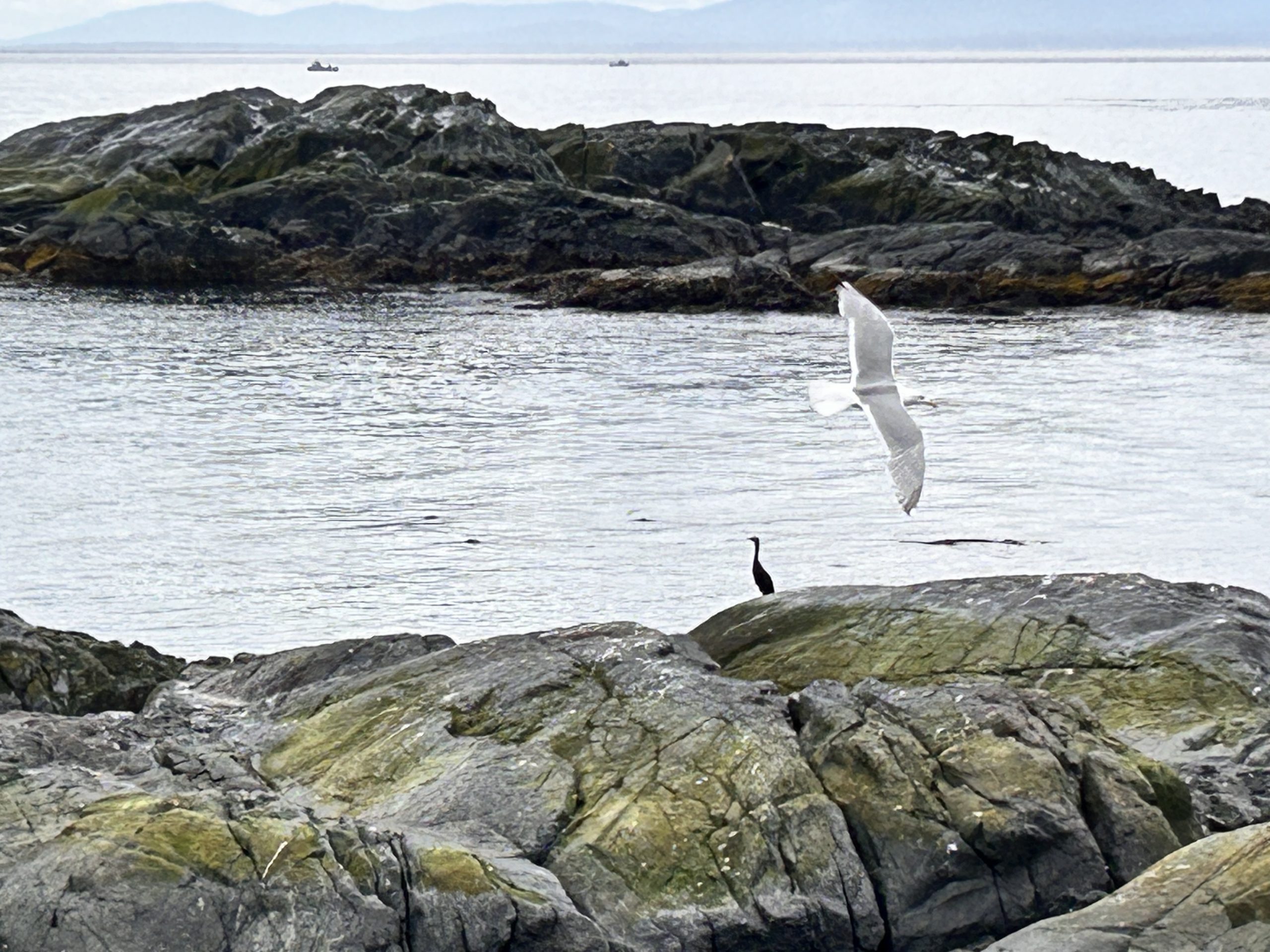
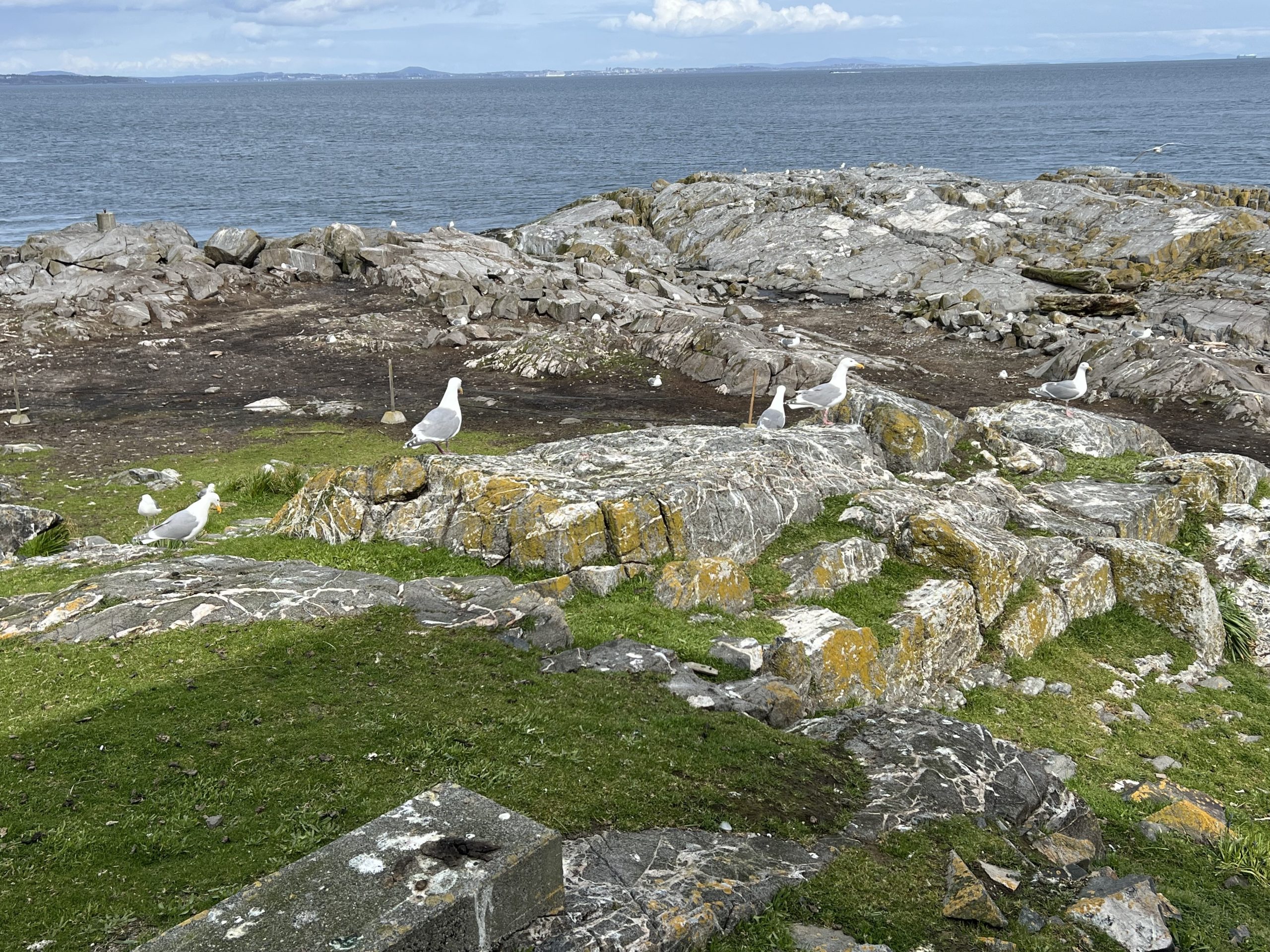
Upon docking I was struck by the number of Pigeon Guillemots on the rocks . Although I haven’t checked back in our records, there certainly seems to have been an increase in numbers 

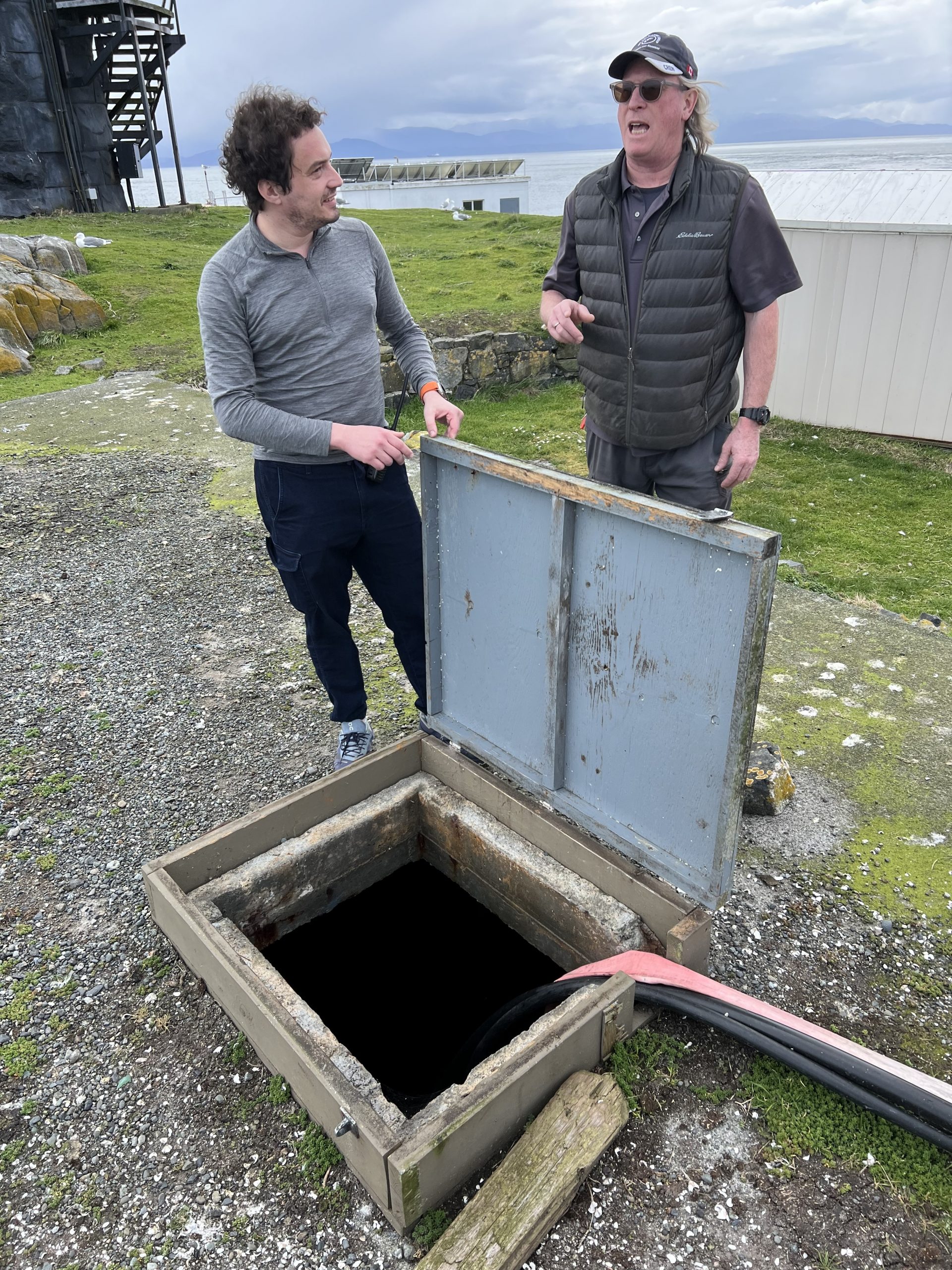
We were greeted by the new ecoguardian  Christine  Chourmouzis .  In addition to having a general survey of the reserve, I was able to direct Christine and James through the process of entering them as editors on racerocks.ca and creating a log and posting it on the Race Rocks website. 
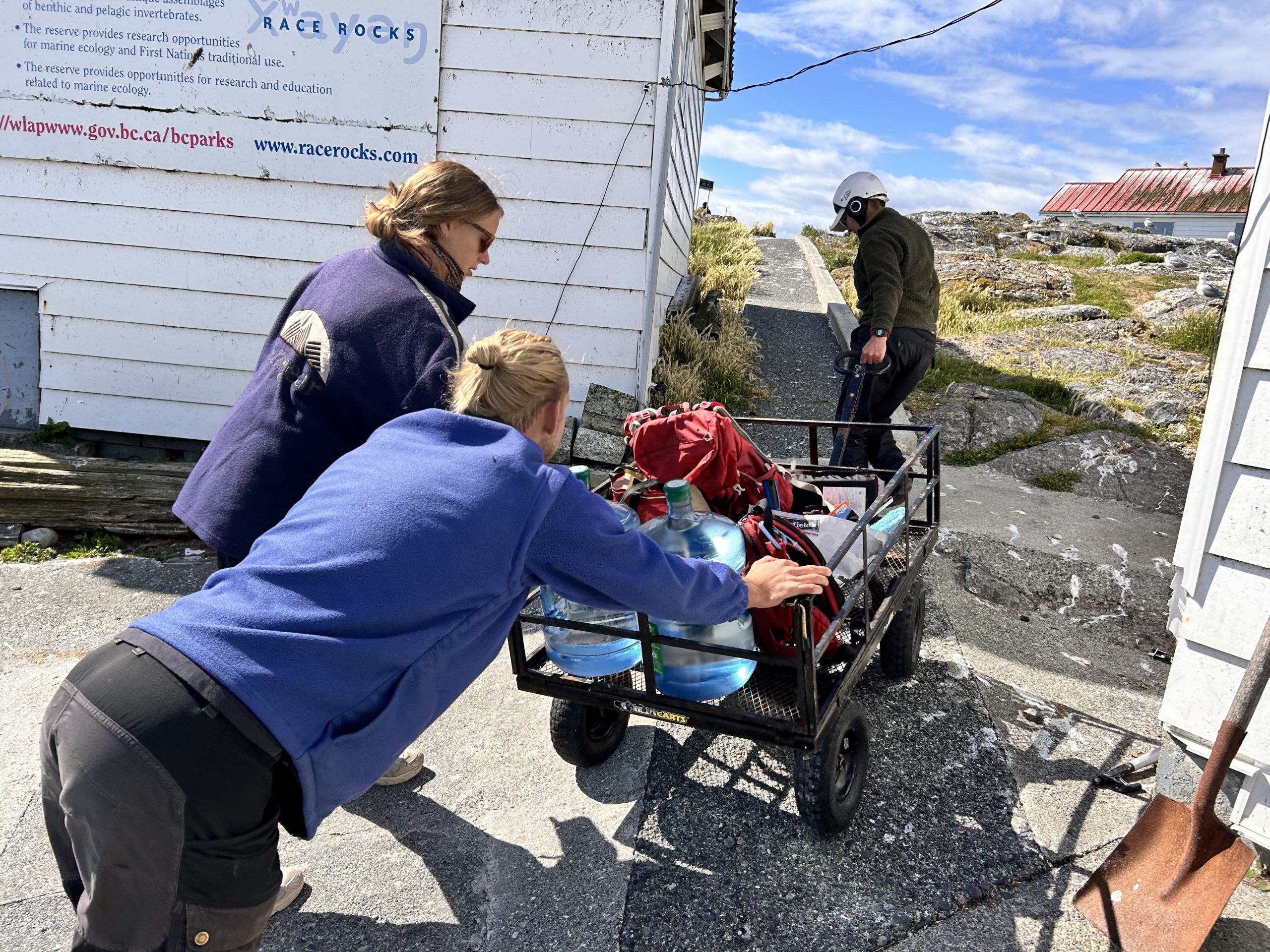
Supplies for the Ecoguardian are off-loaded


Pigeon Guillemots also nest on the island


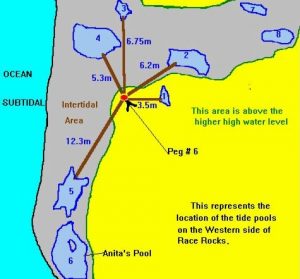
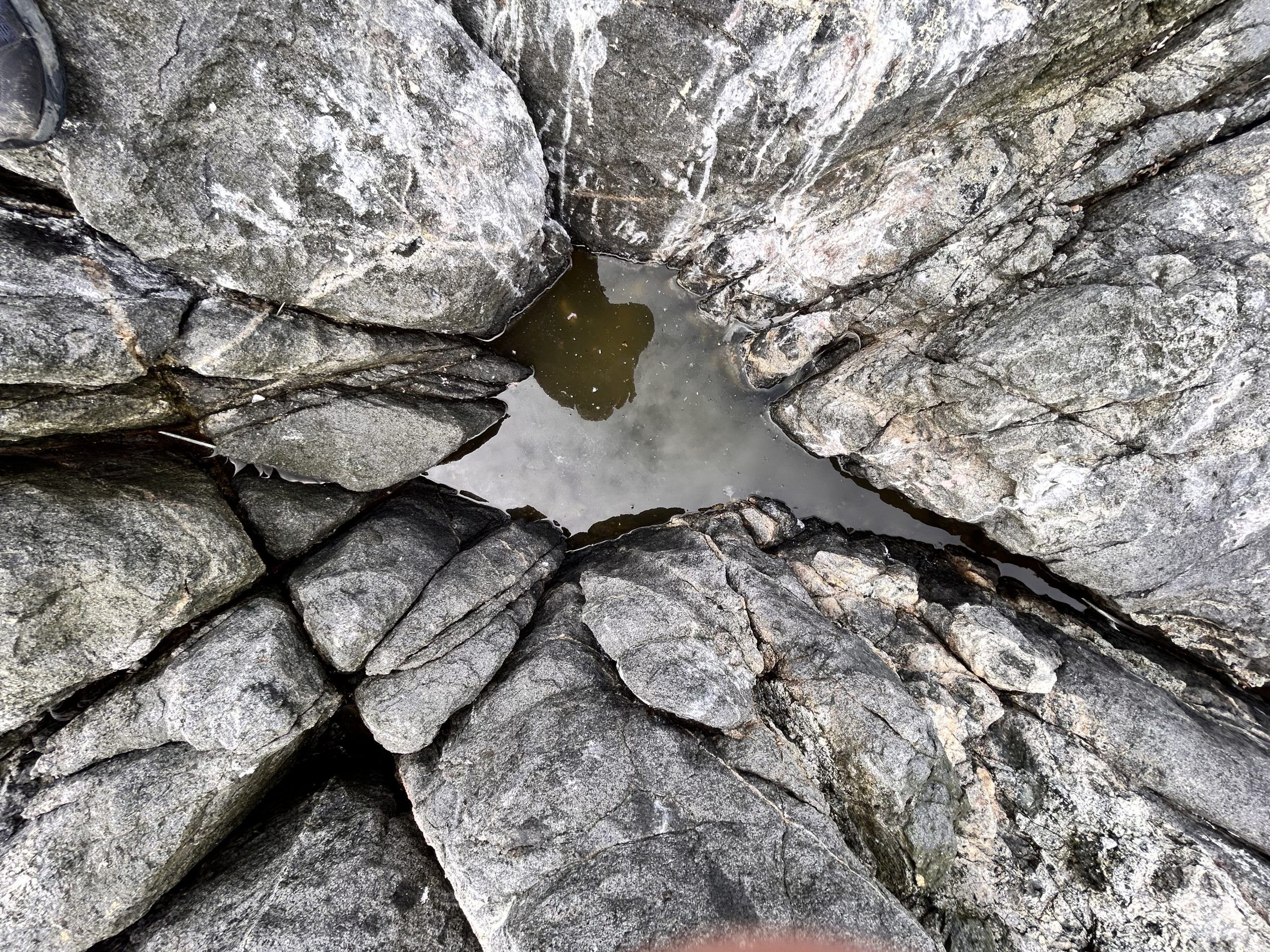
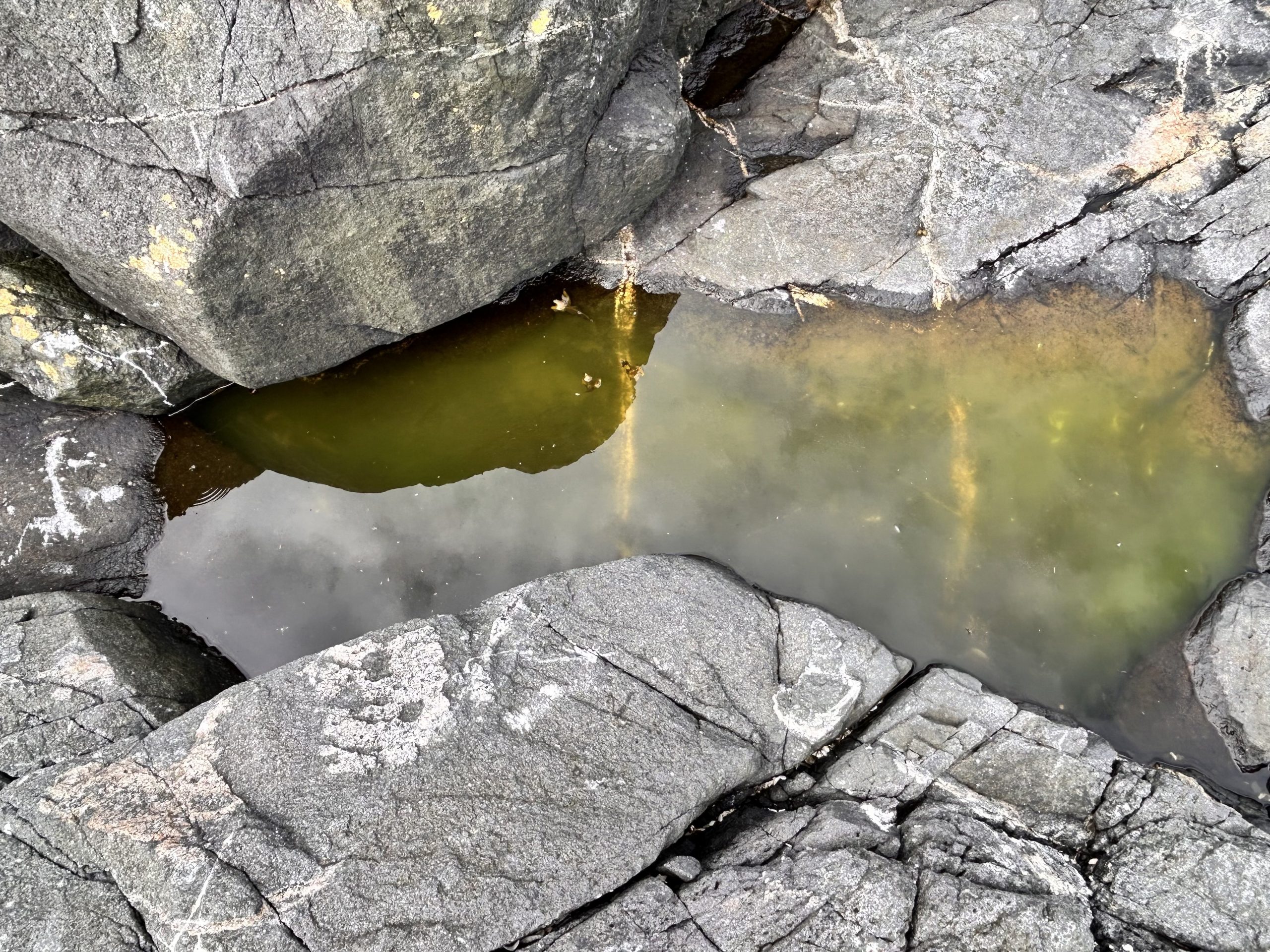
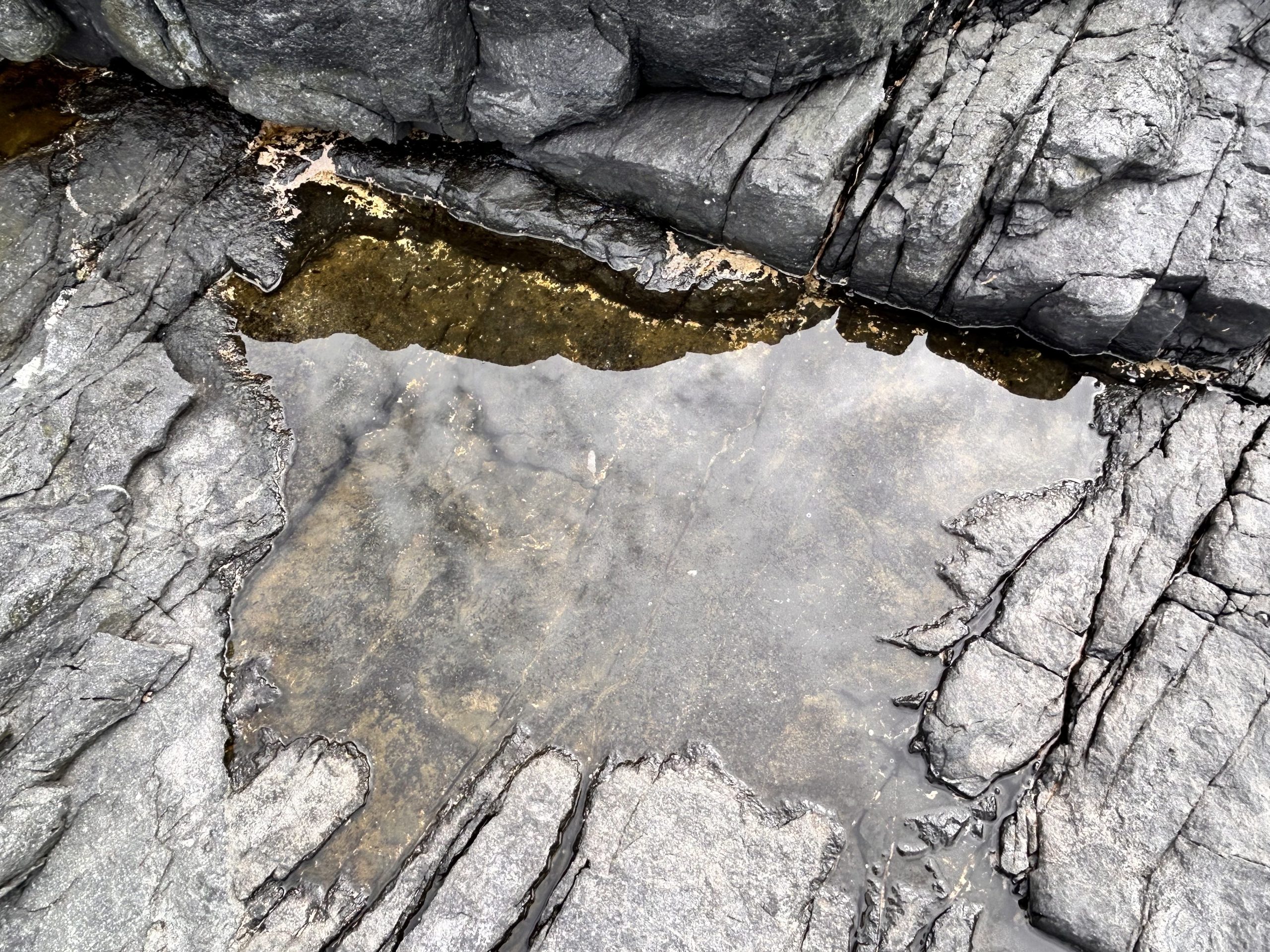
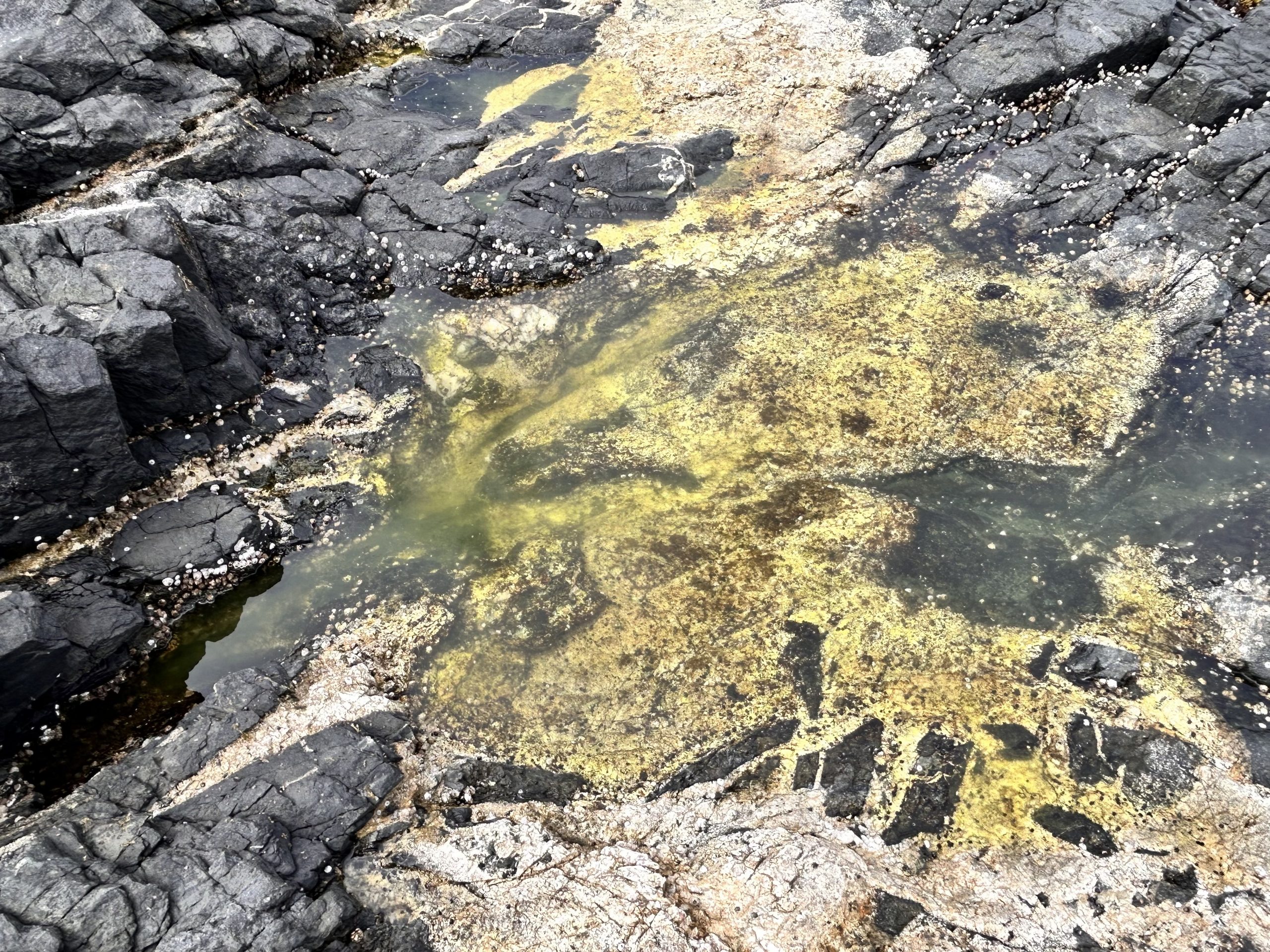
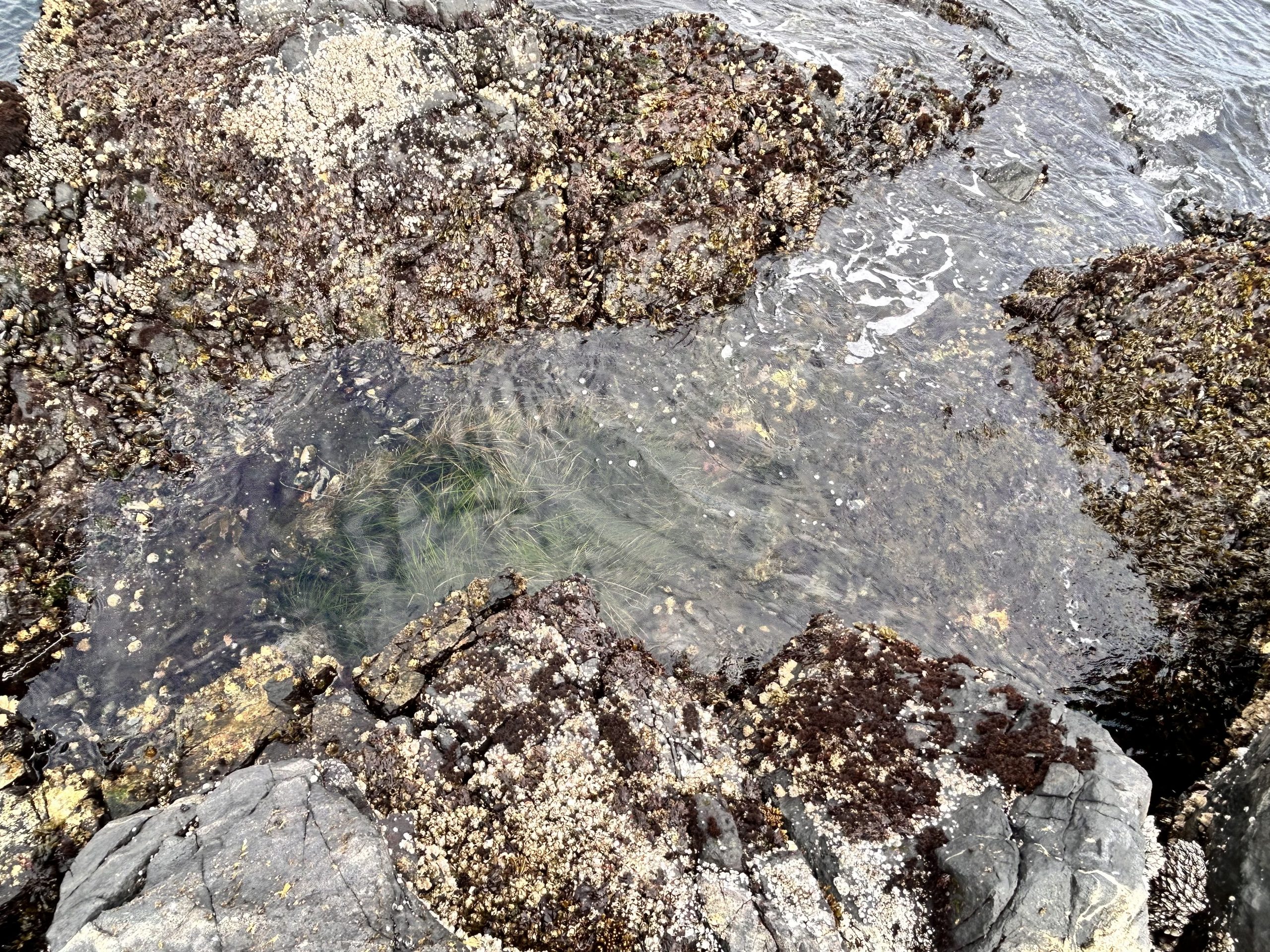
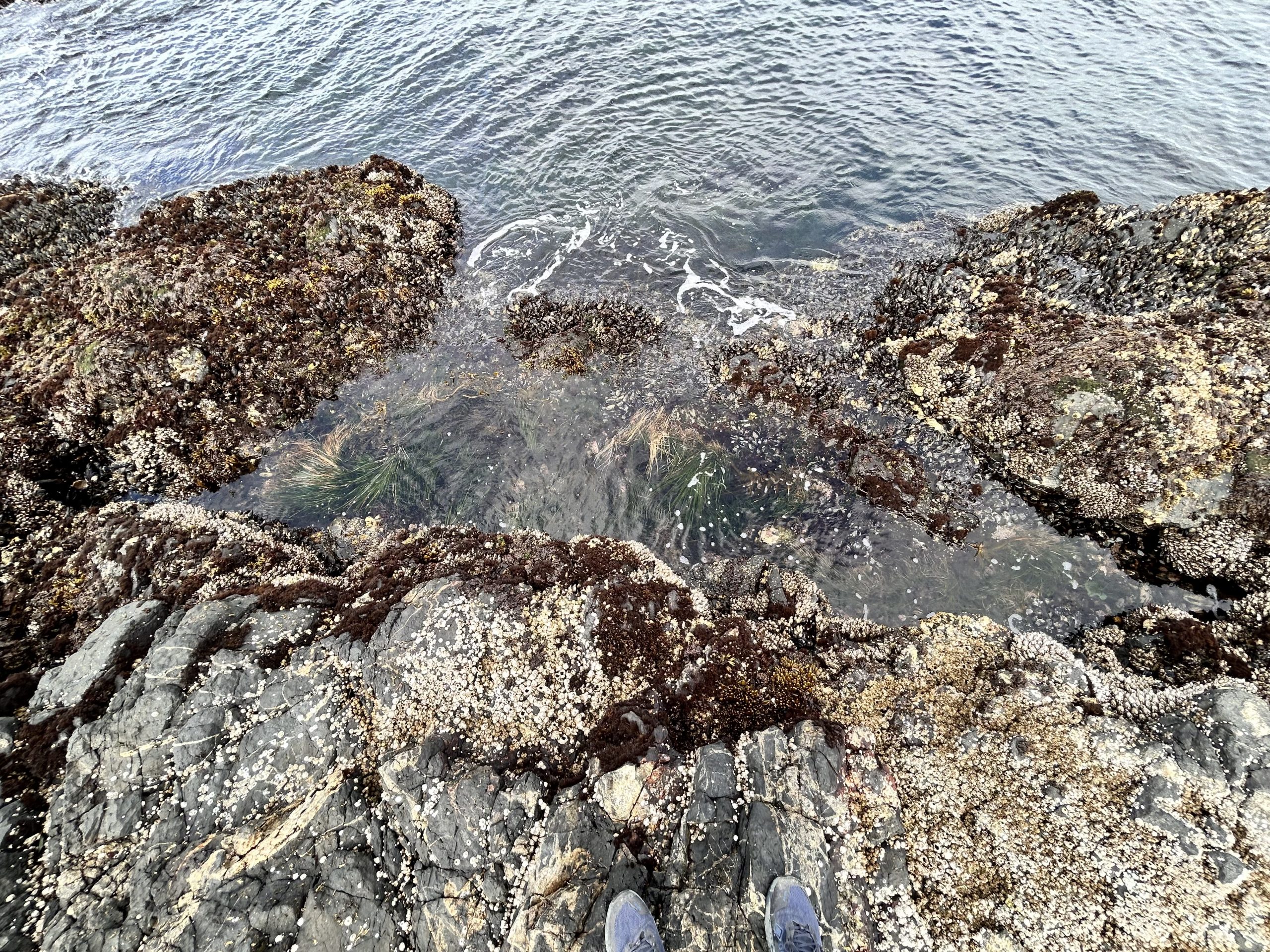
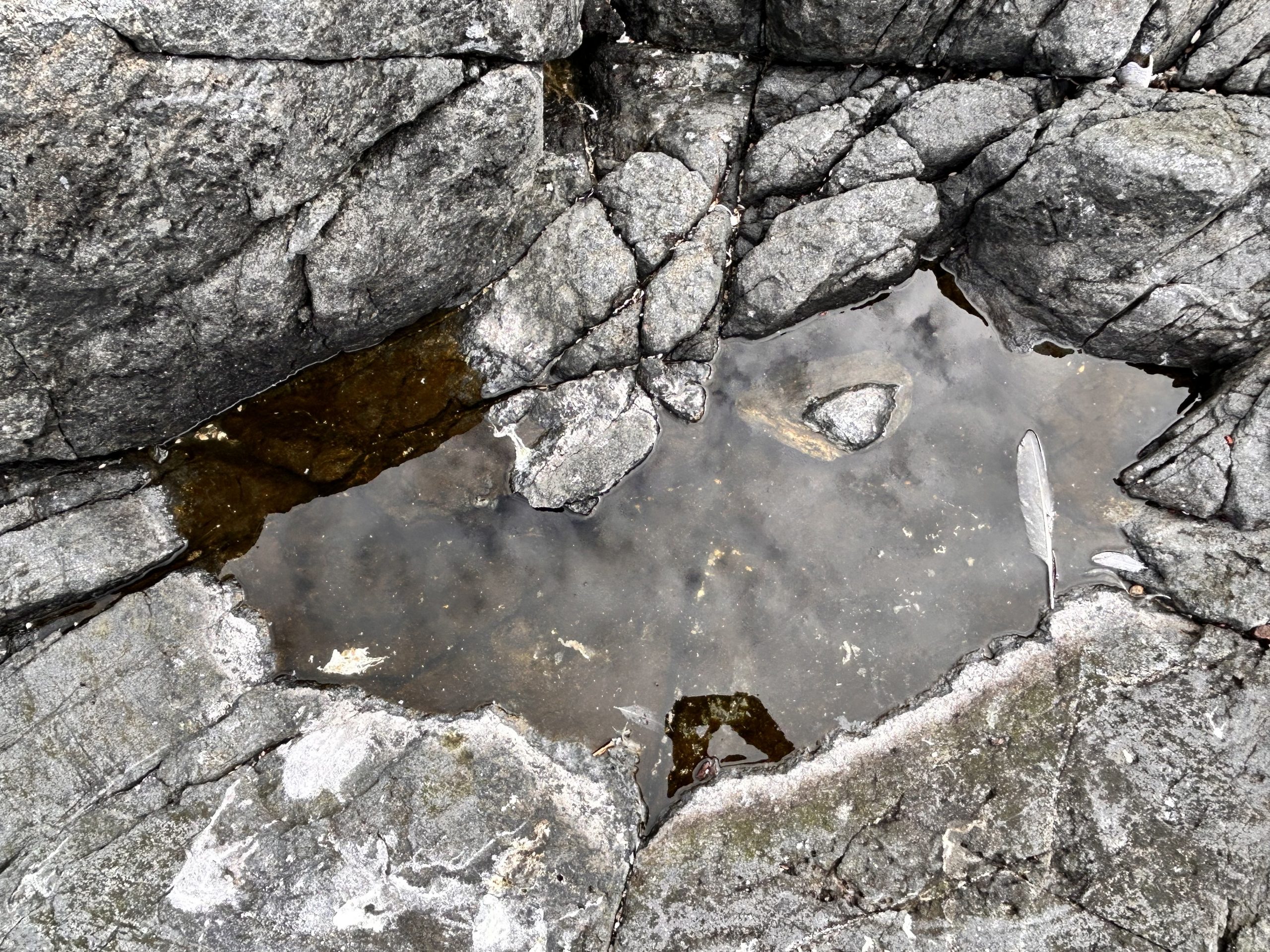
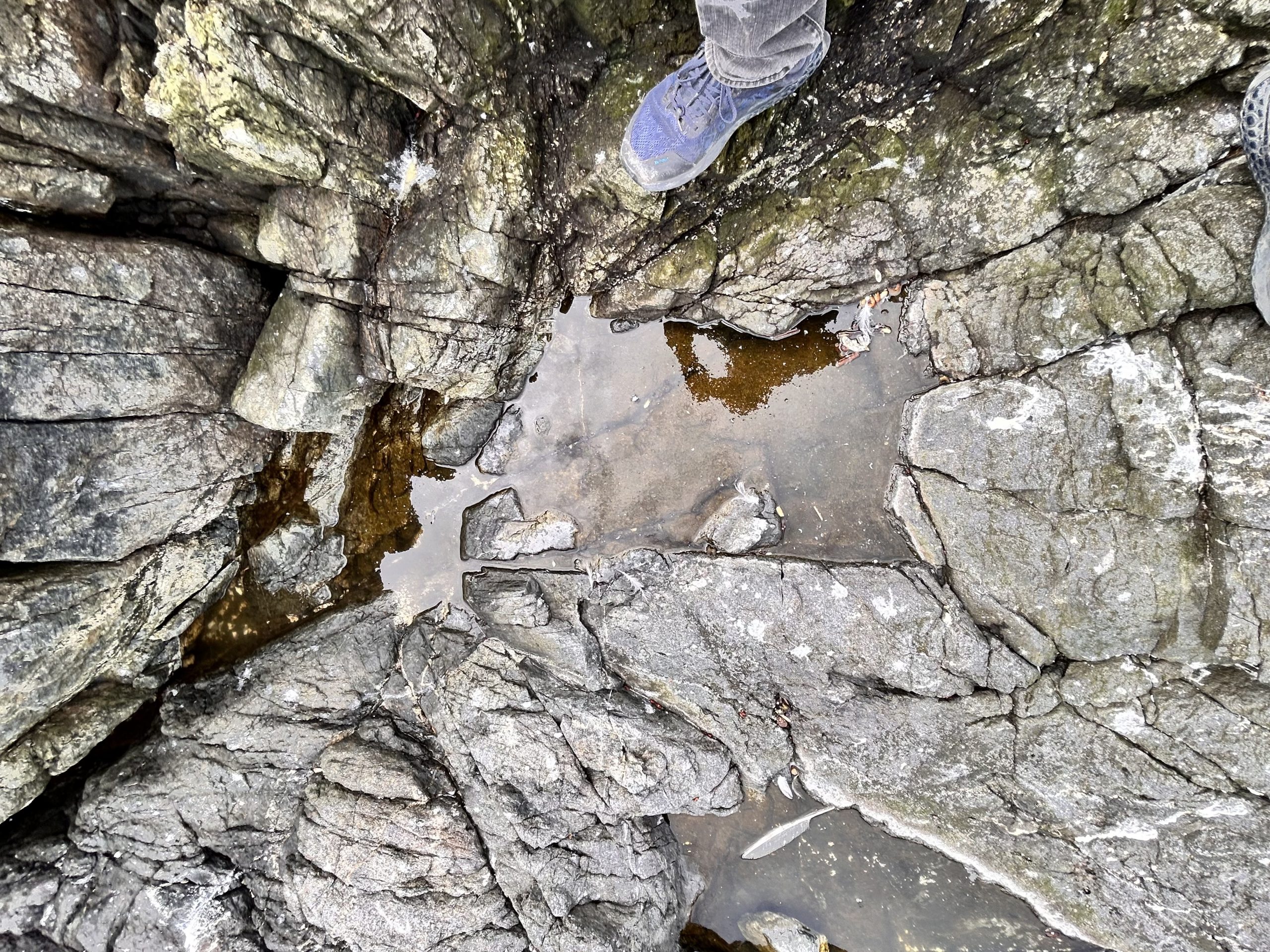
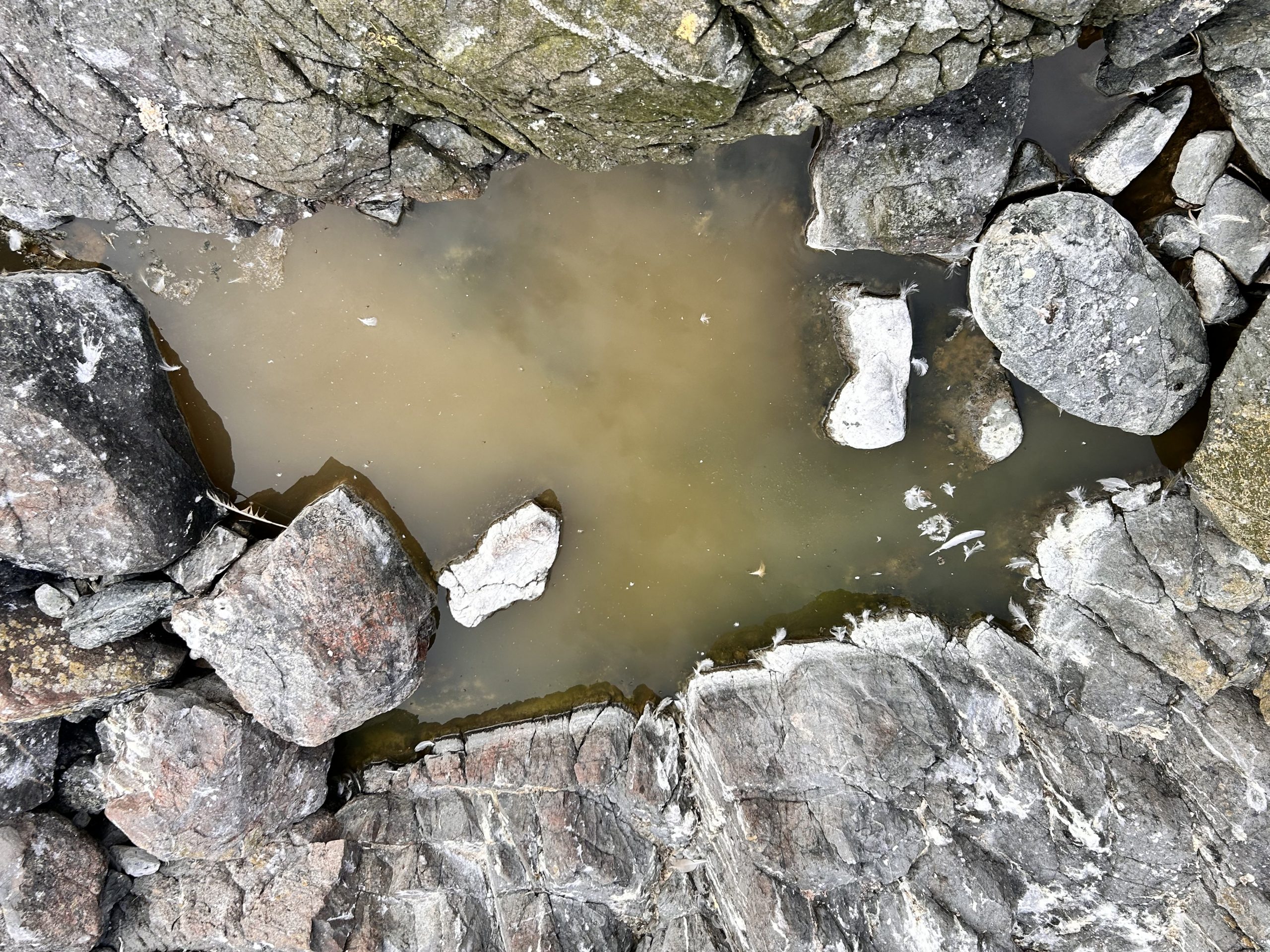
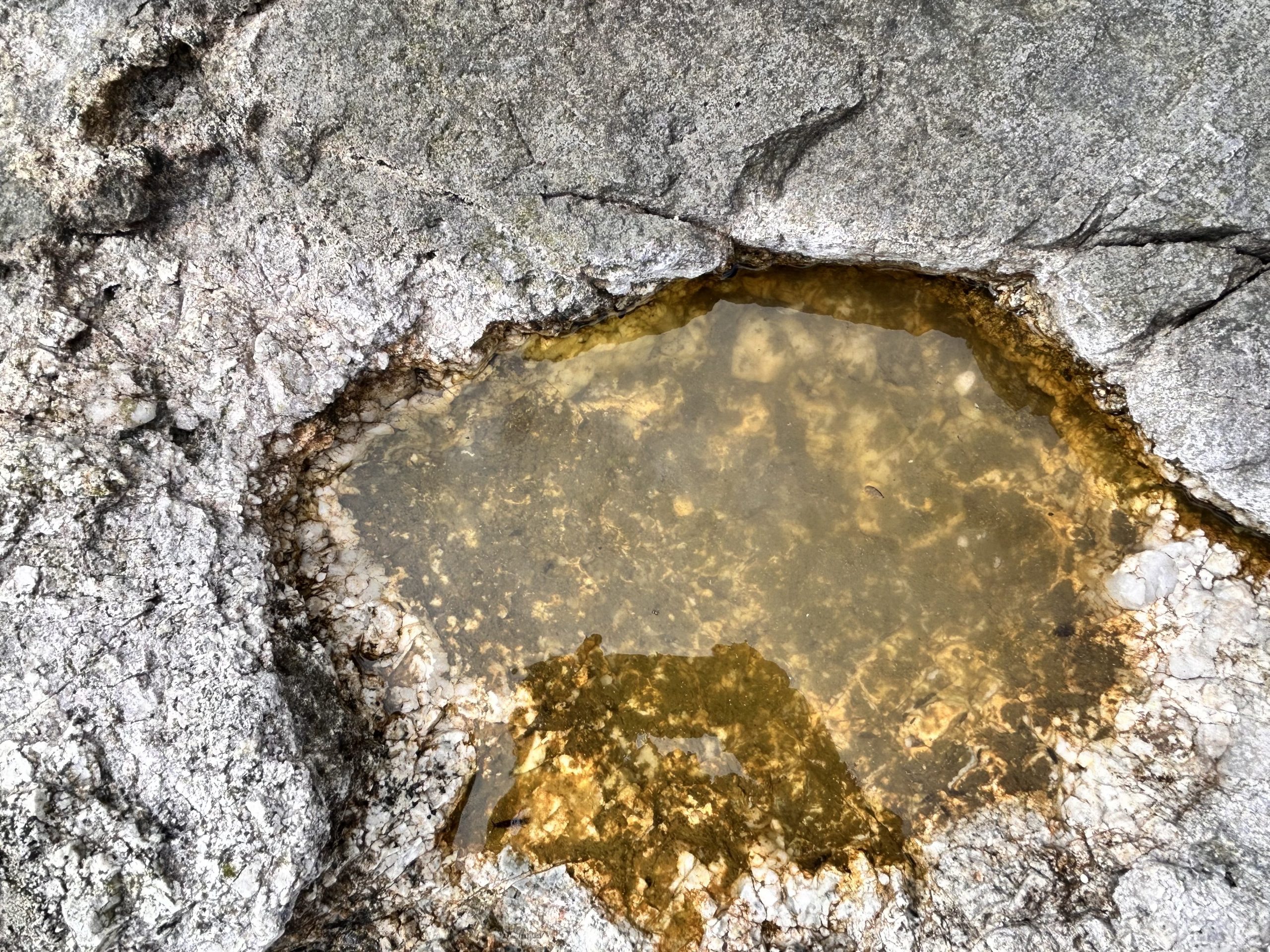
When I was teaching at Pearson College, we often monitored a set of tidepools out on the island’s West side. I checked out those pools again and took photos which show the state of algae growth. Some observations in the tidepool files provide a baseline for comparative studies in the future.  These files are on the tidepools

Today’s observations are in the set of photos below

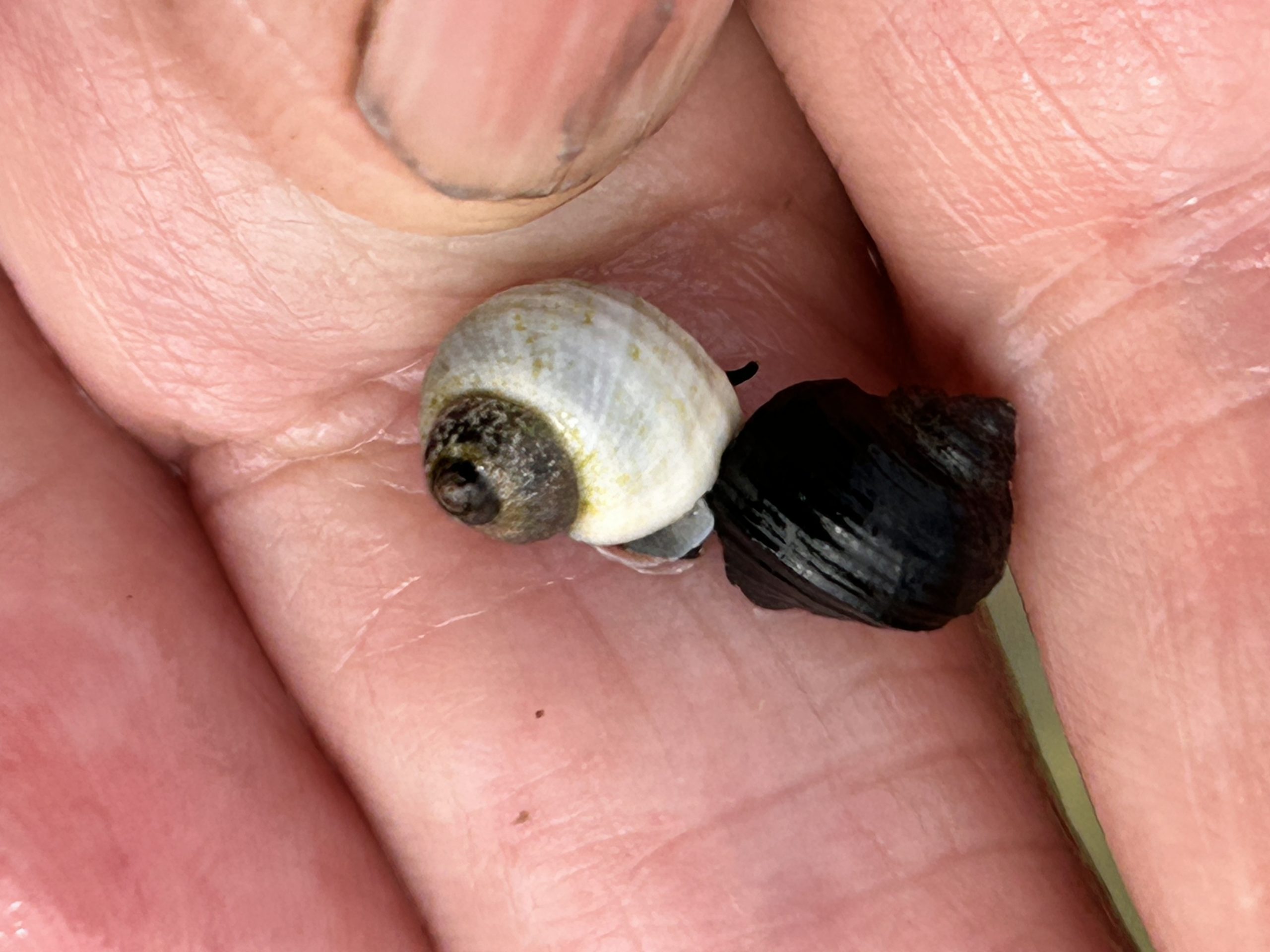
I checked pool #4 which has a white quartz intrusion through it to see if the white periwinkle snails were still there. 


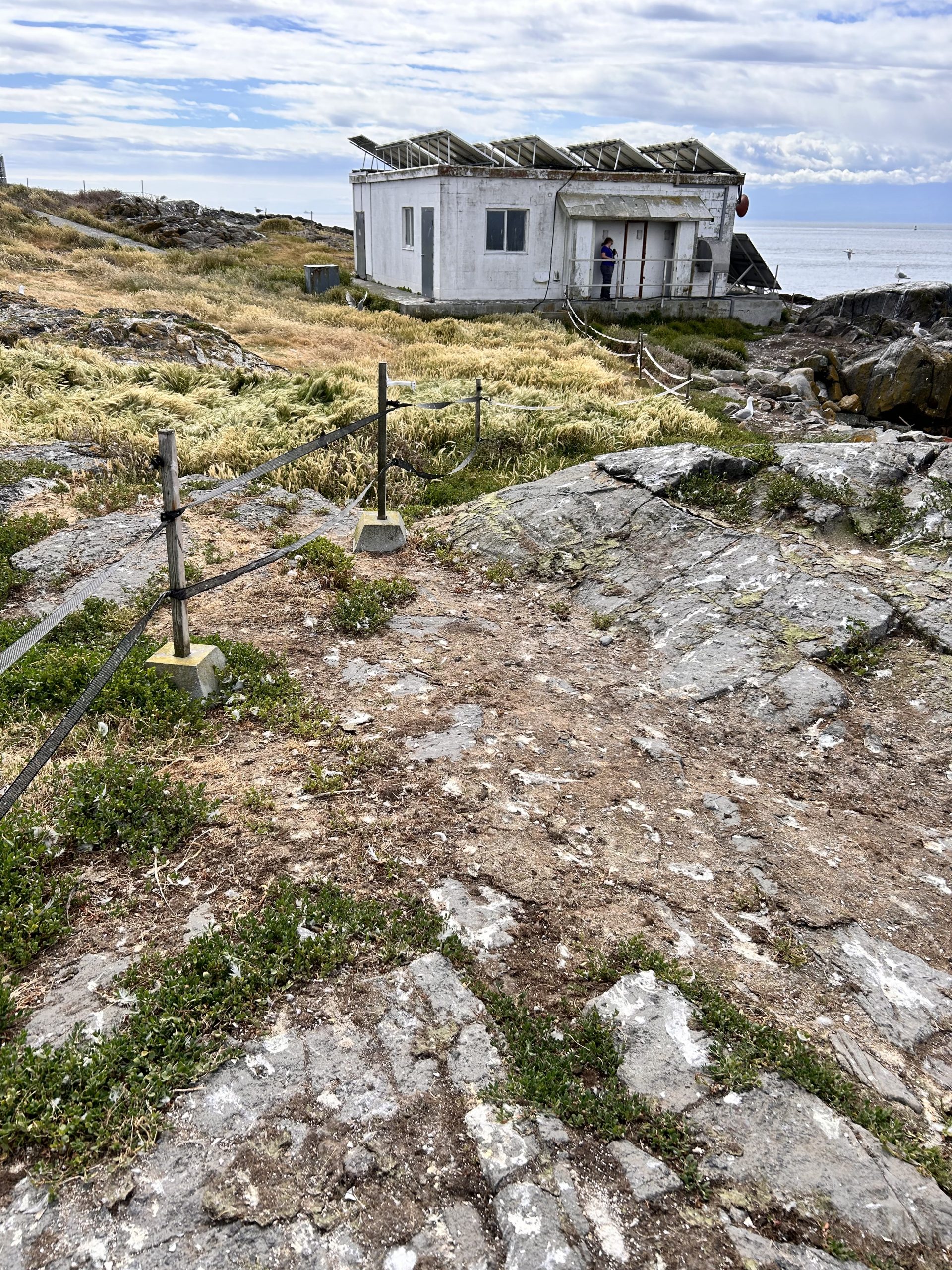
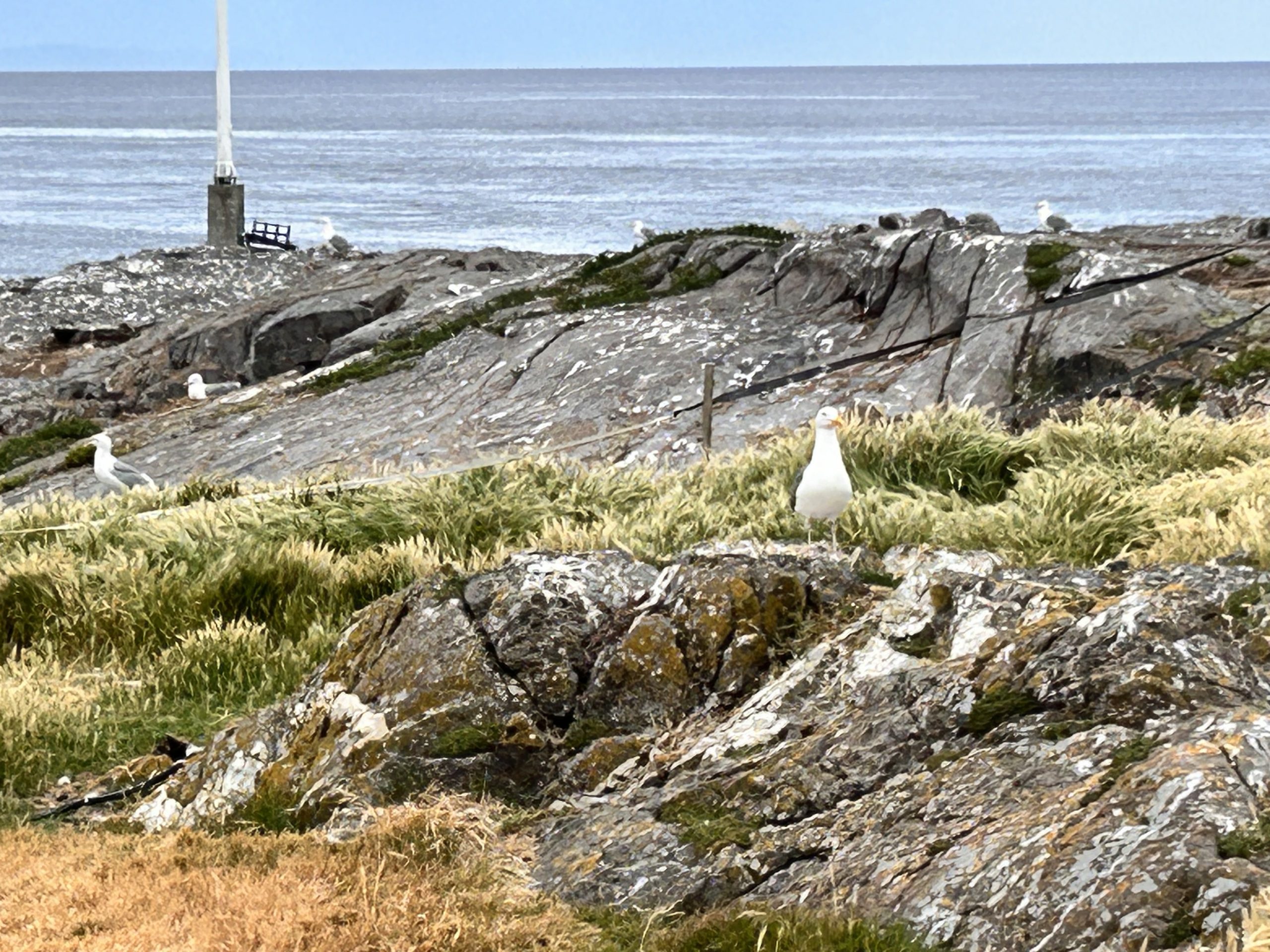
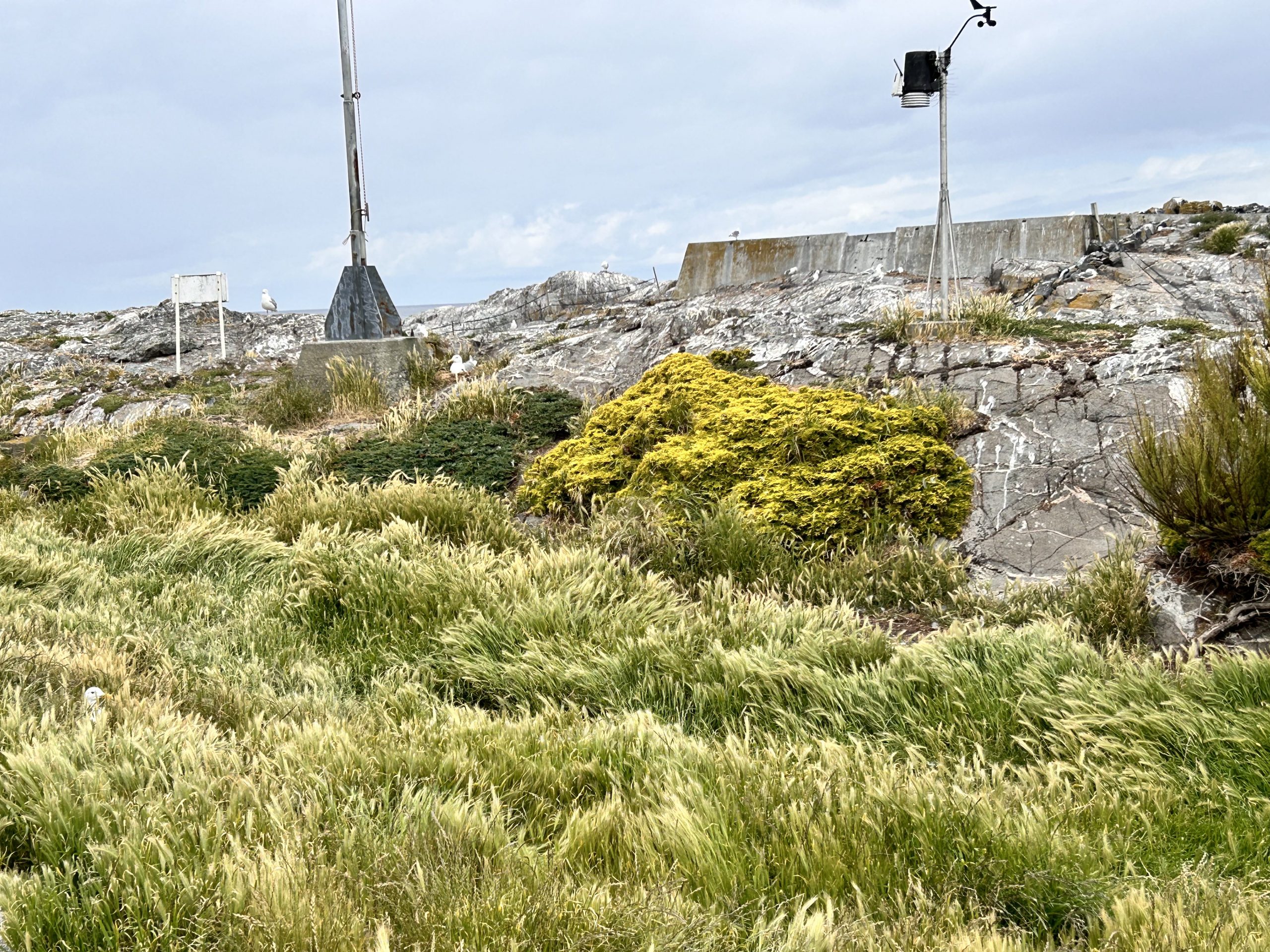
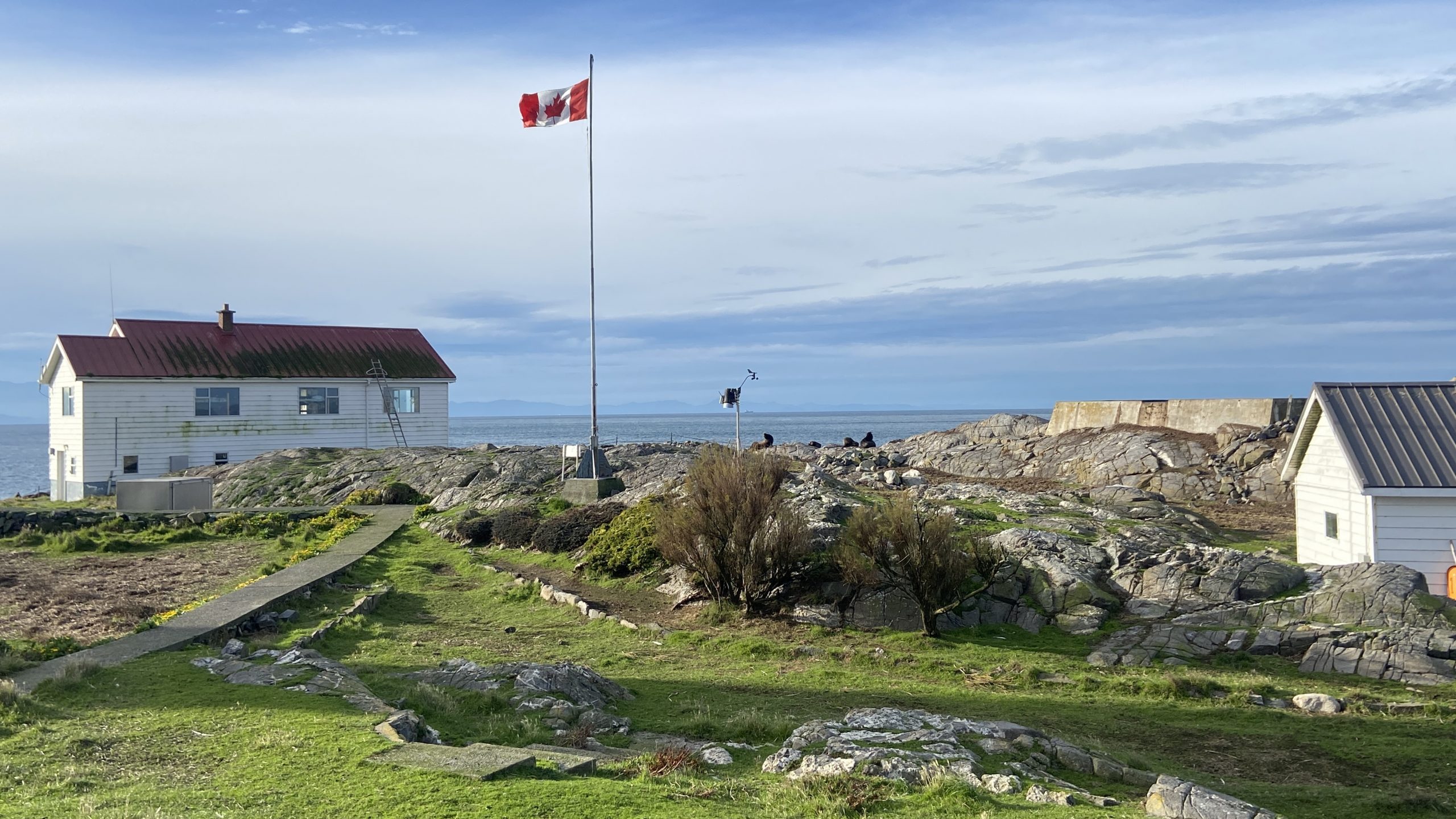
A review of some of the installations on the Island


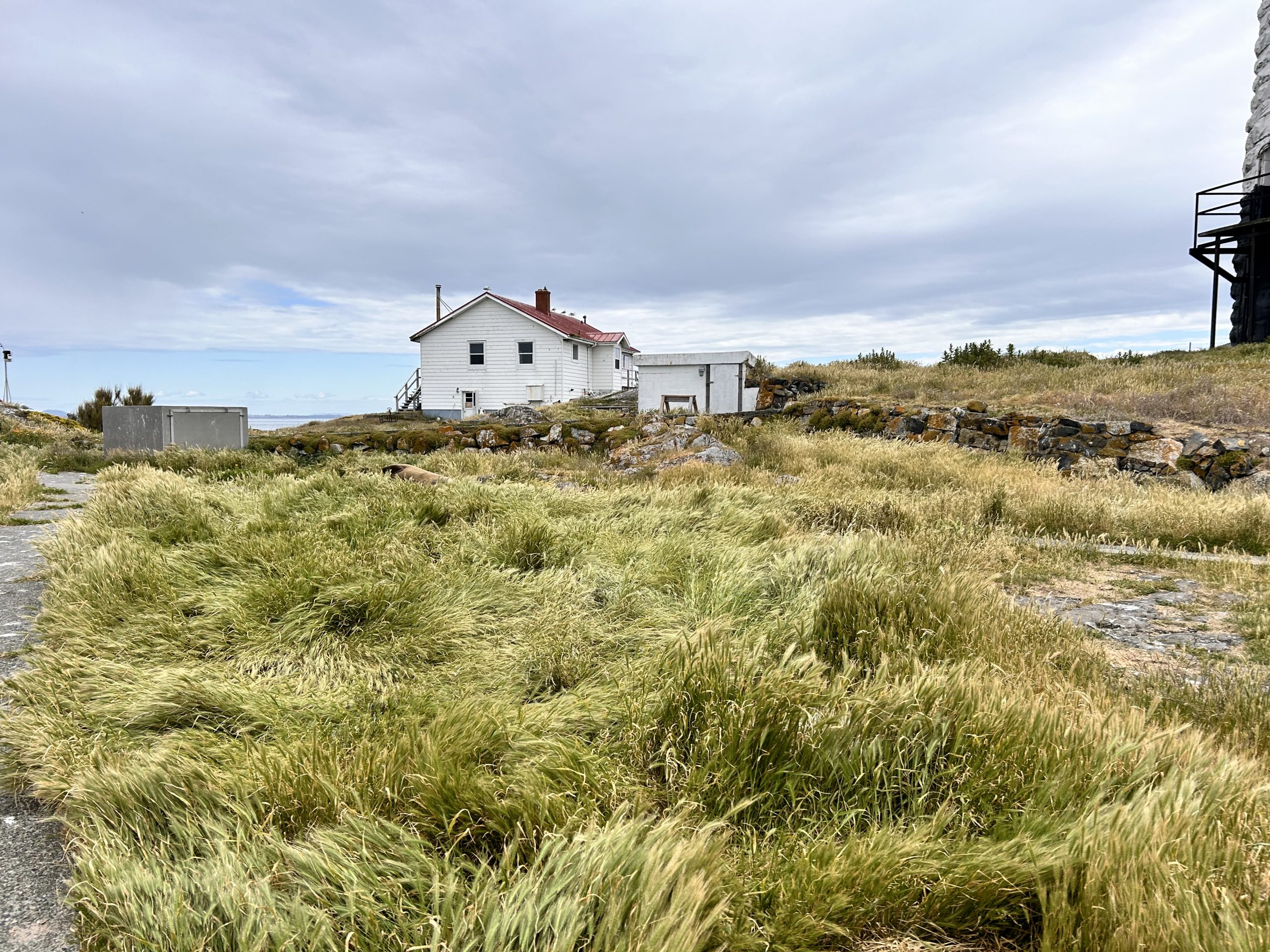
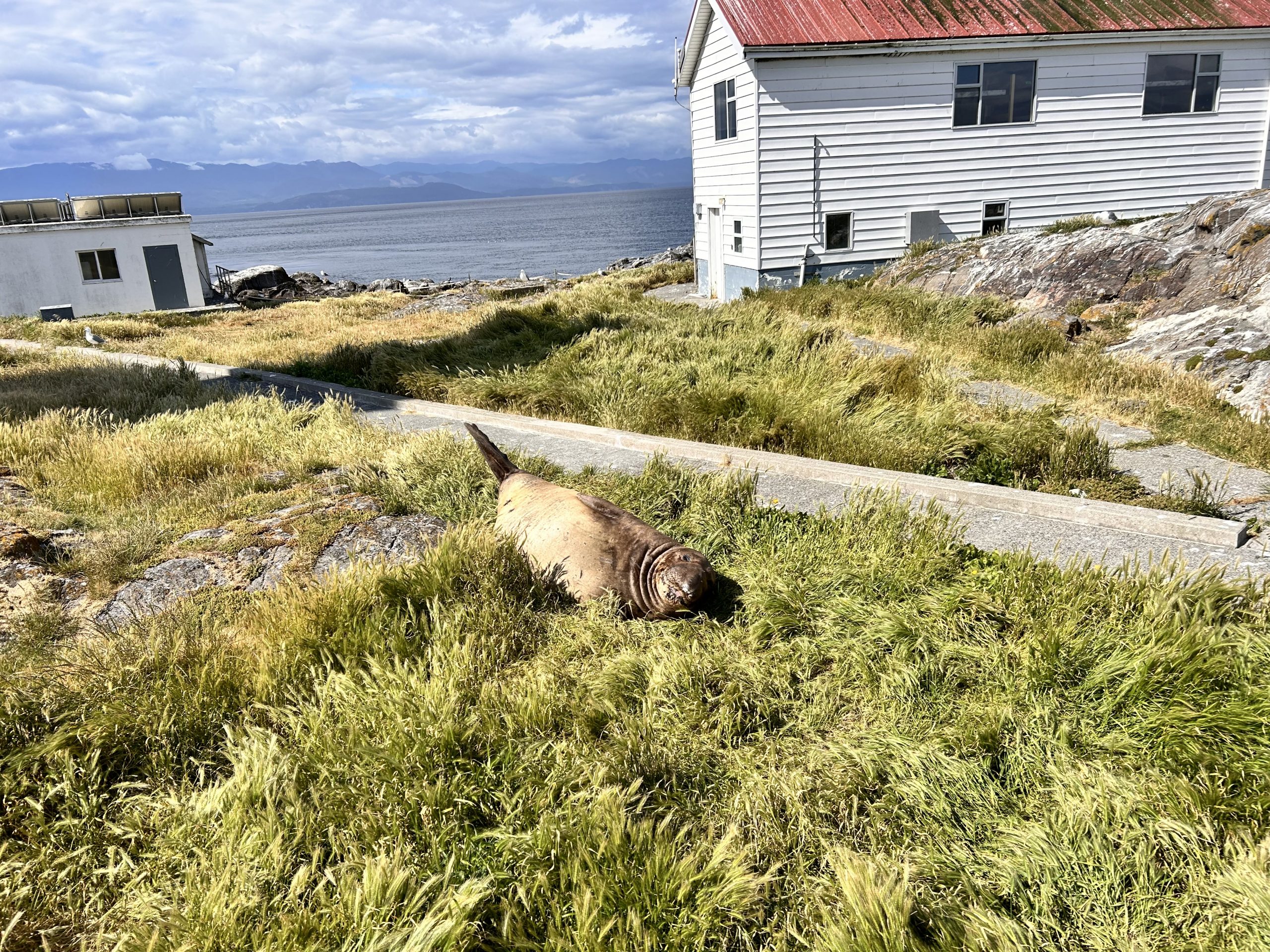
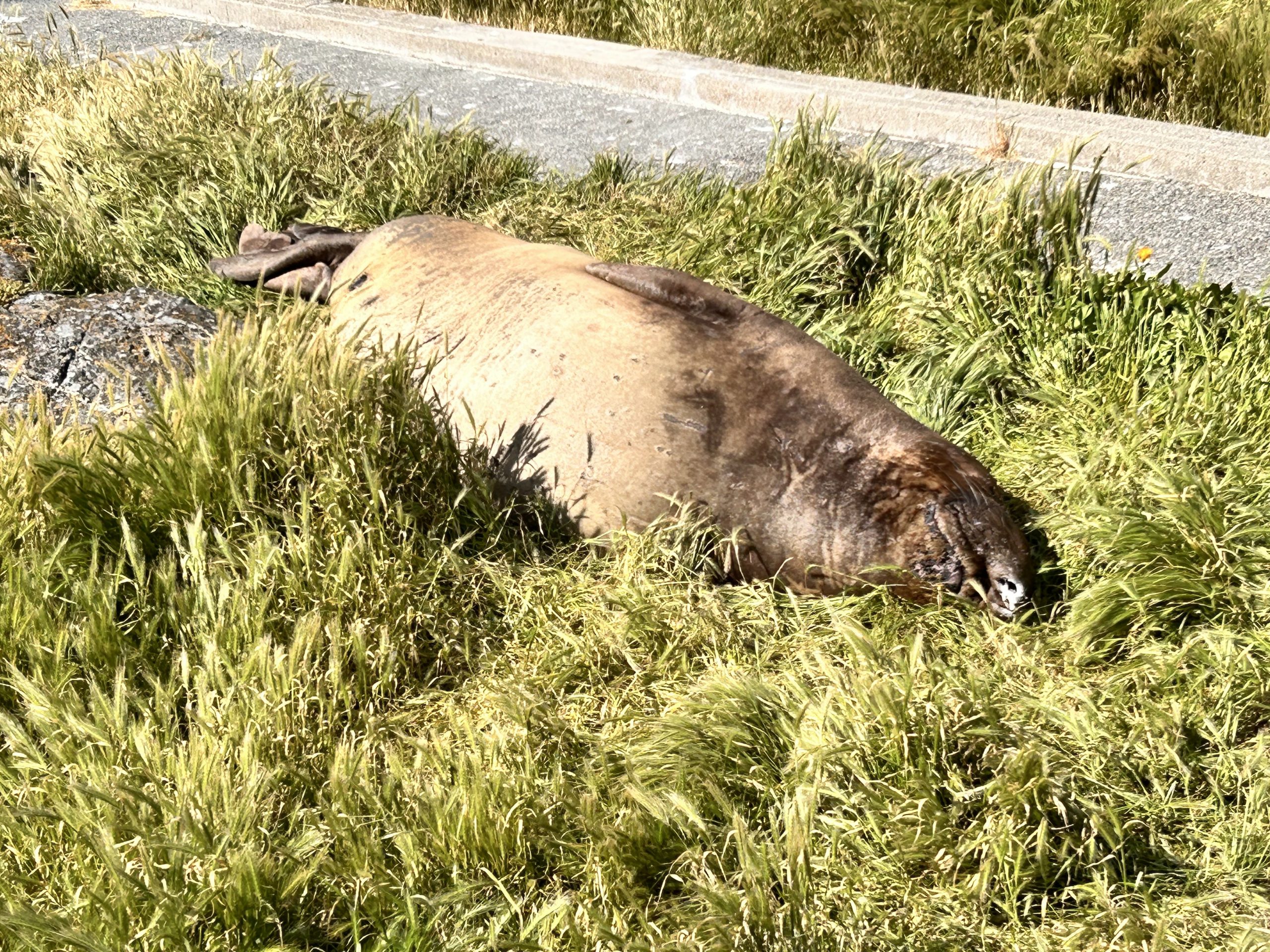
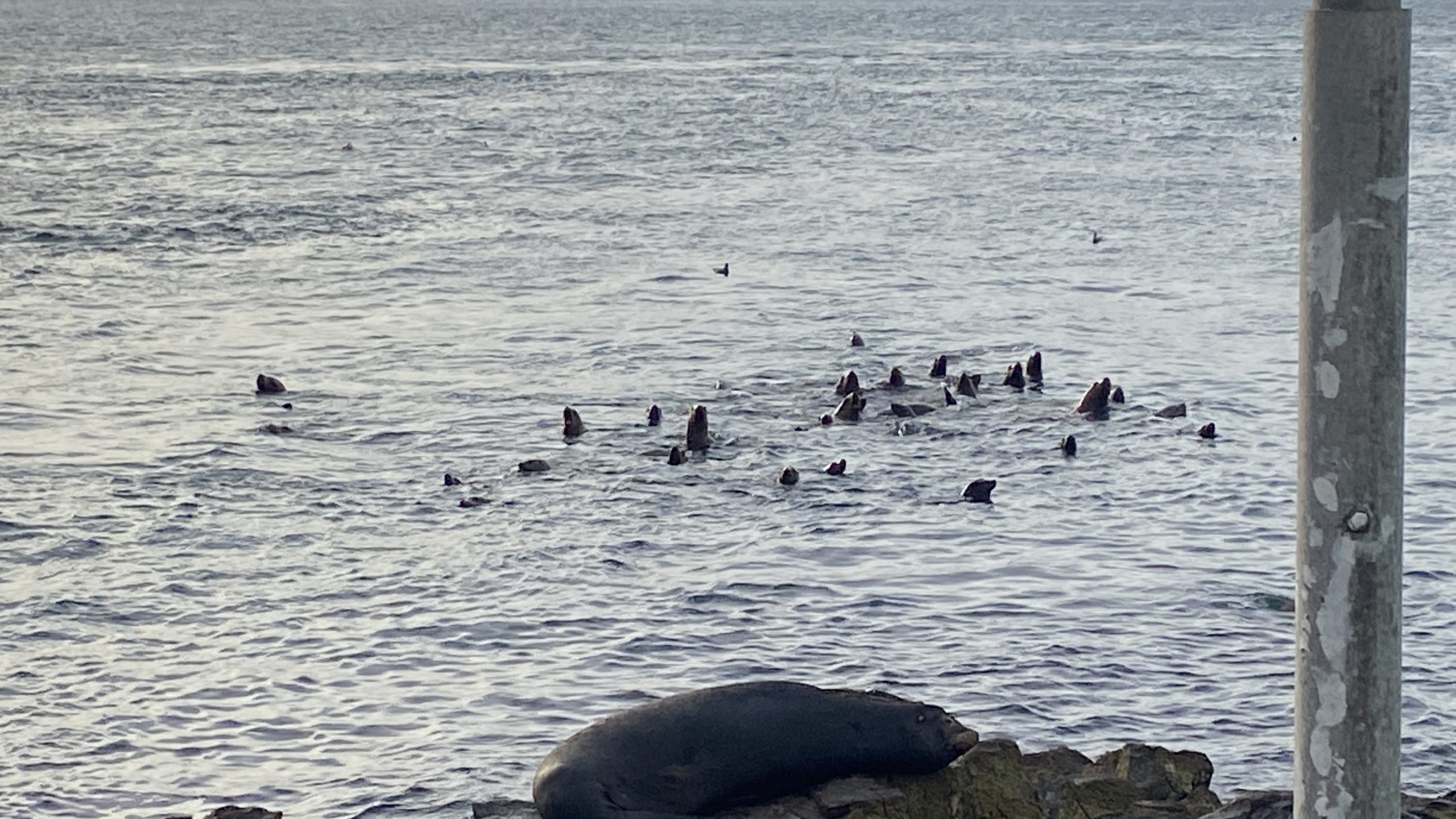
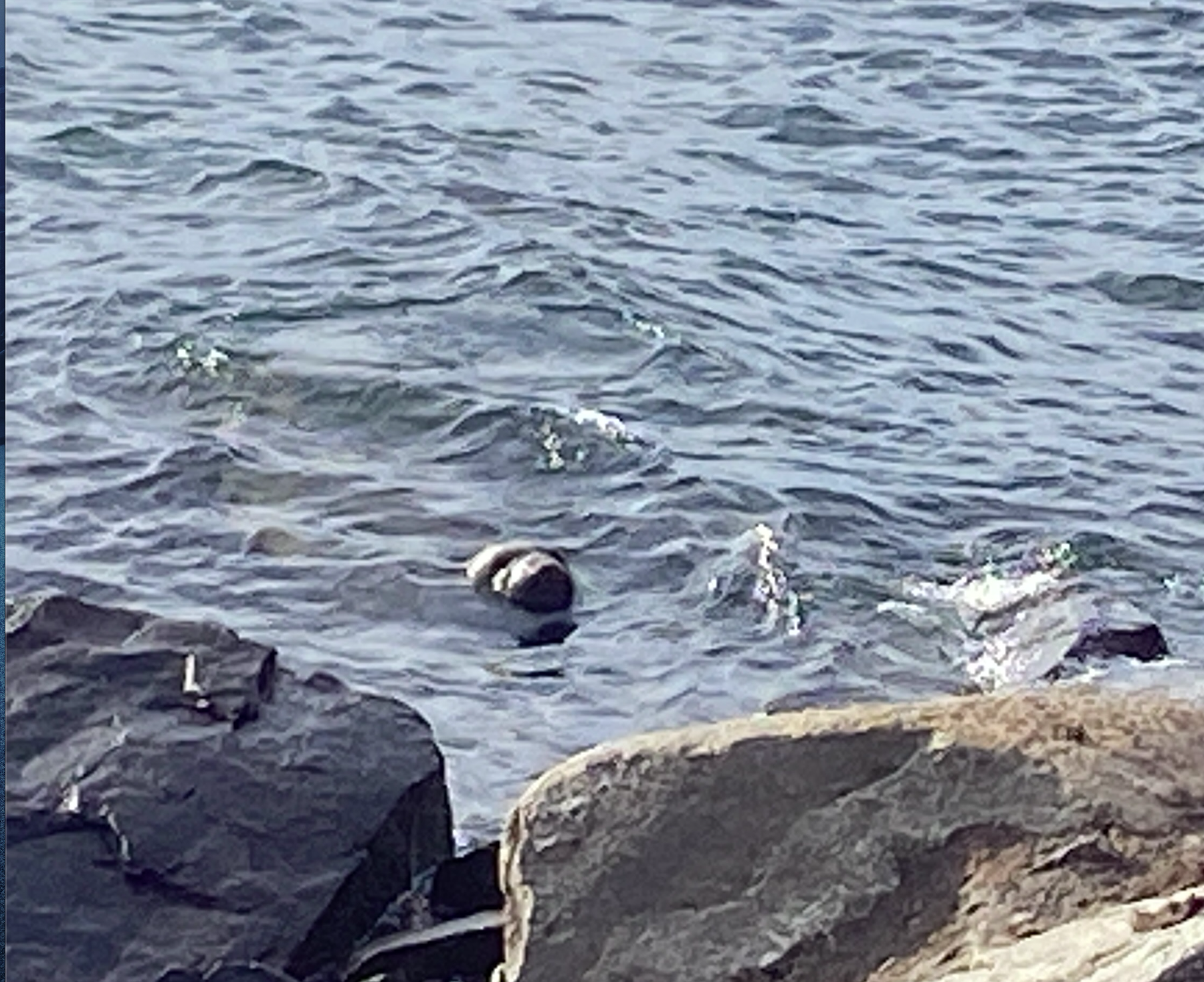
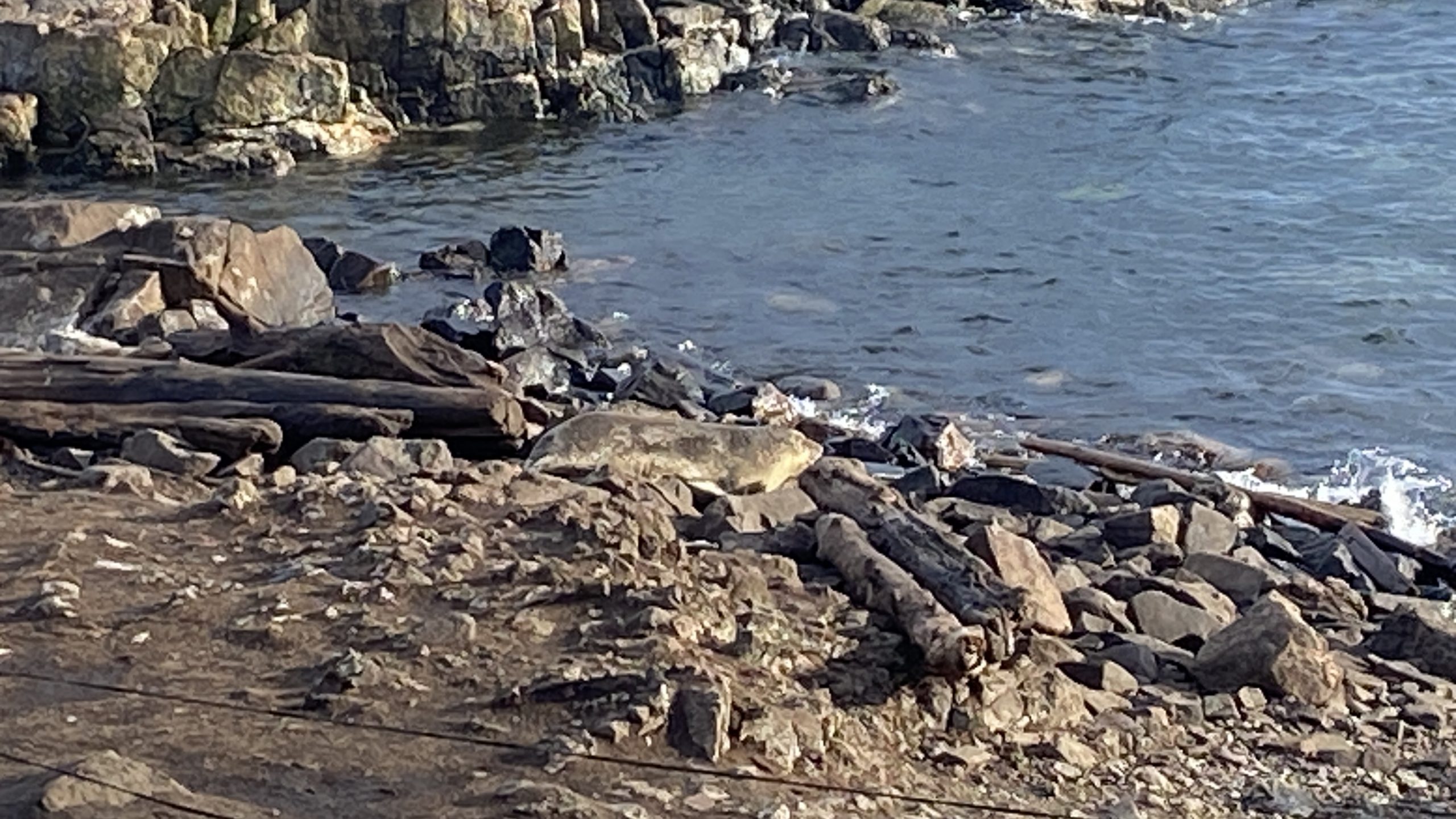
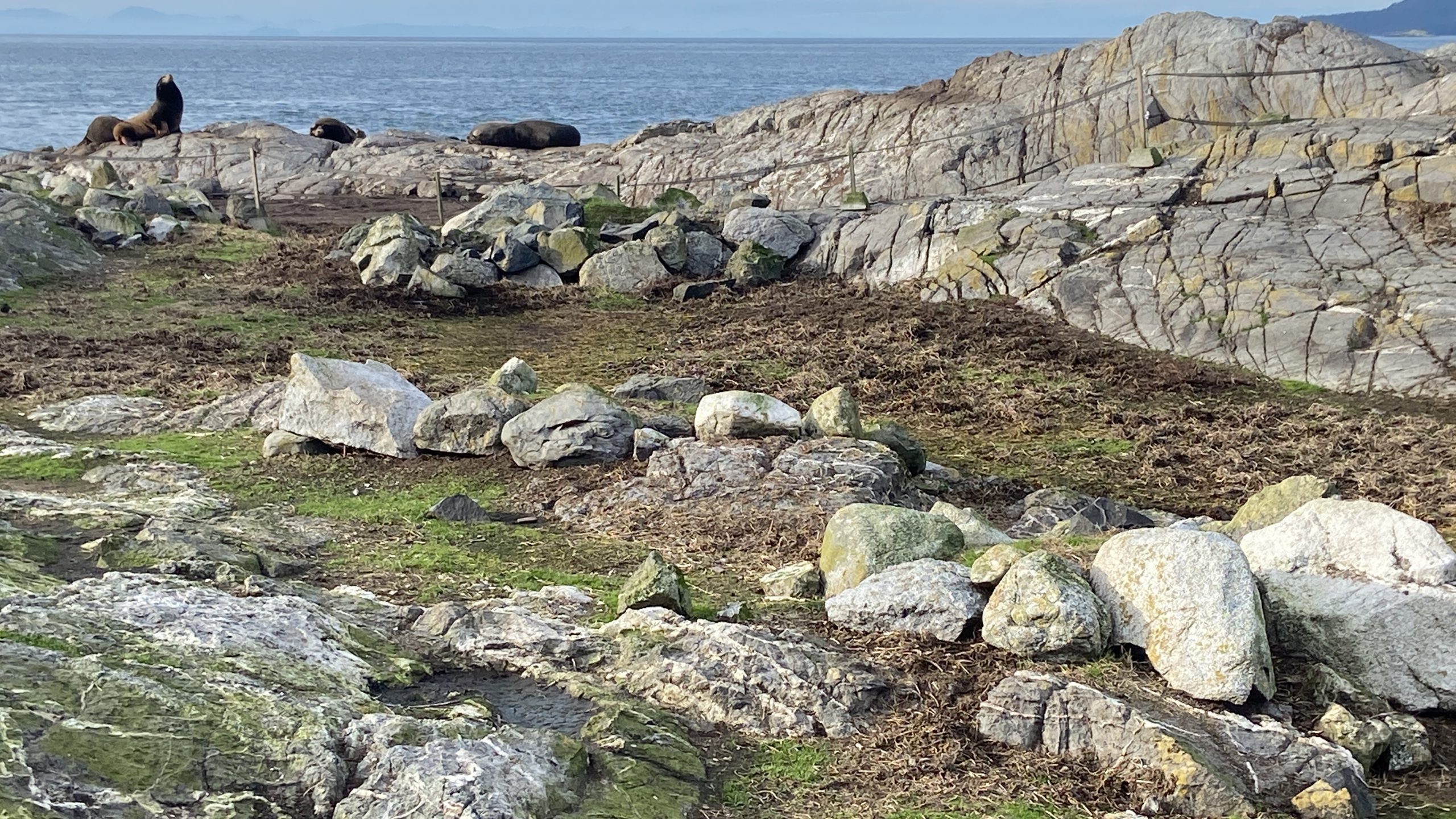
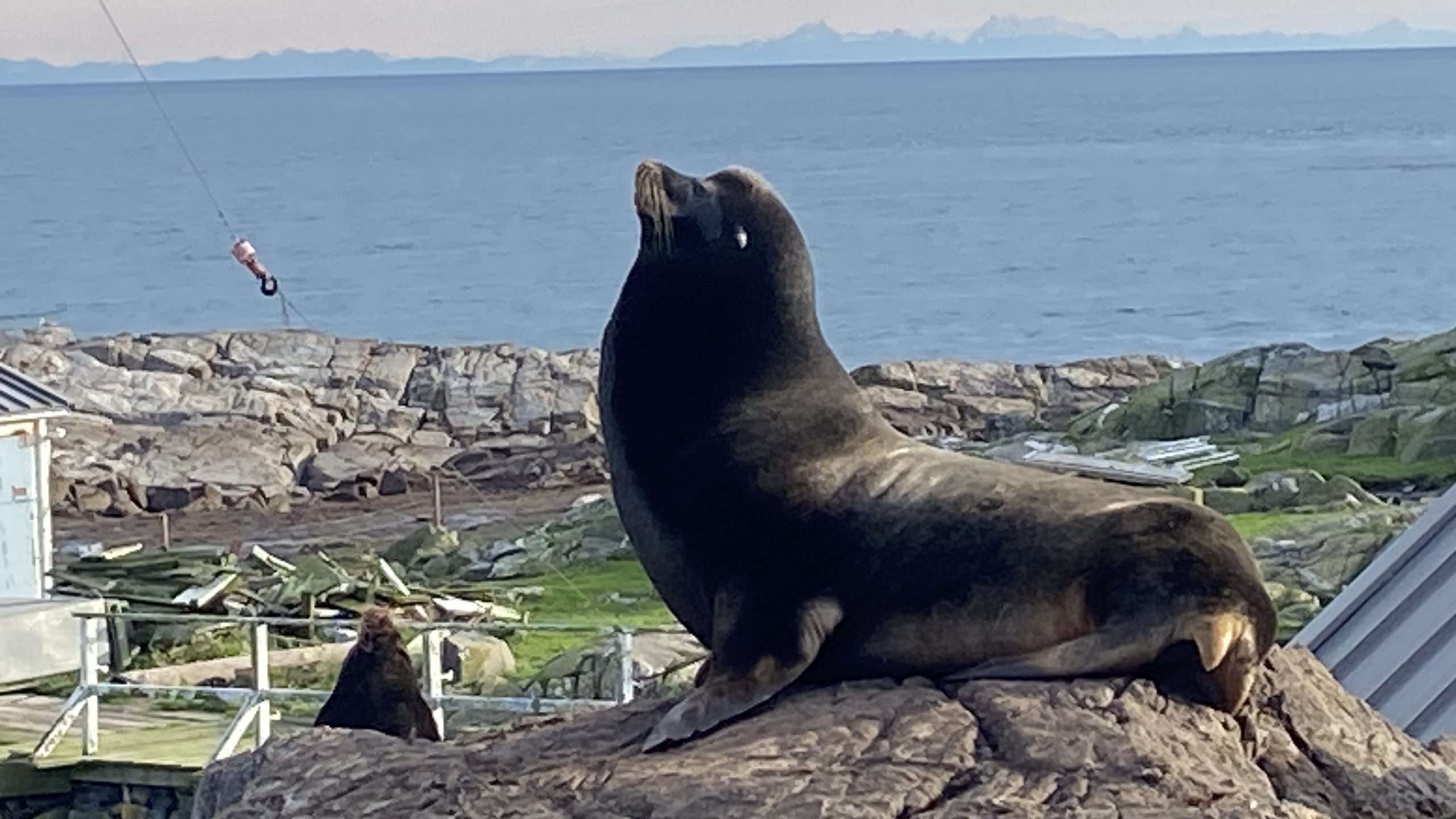
Due to recent notices on social media about the problems that pet owners are having when their dogs get exposed to foxtail , I was concerned about whether there was a similar problem with marine mammals. This guy certainly seems to be enjoying the location however. 

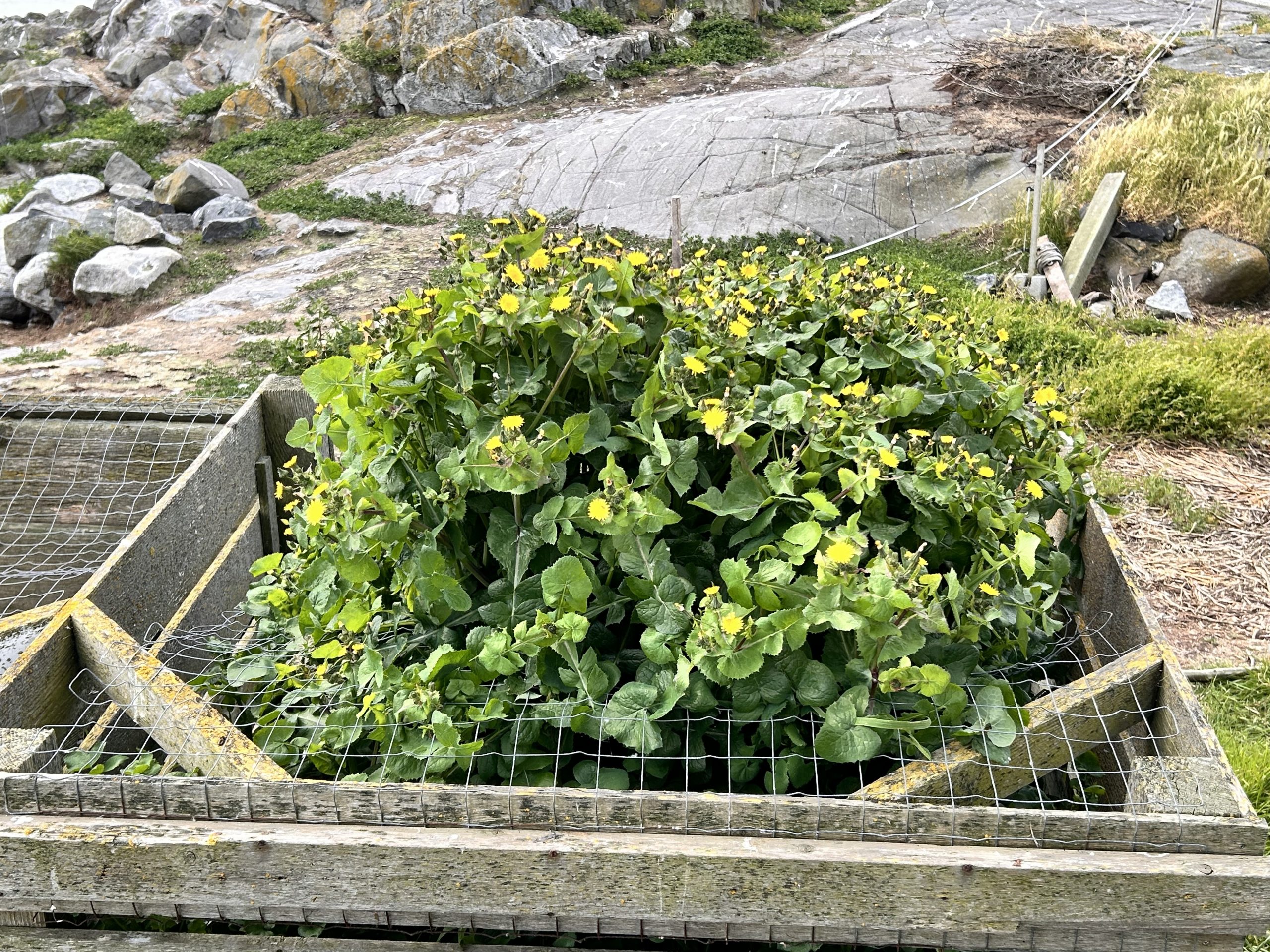
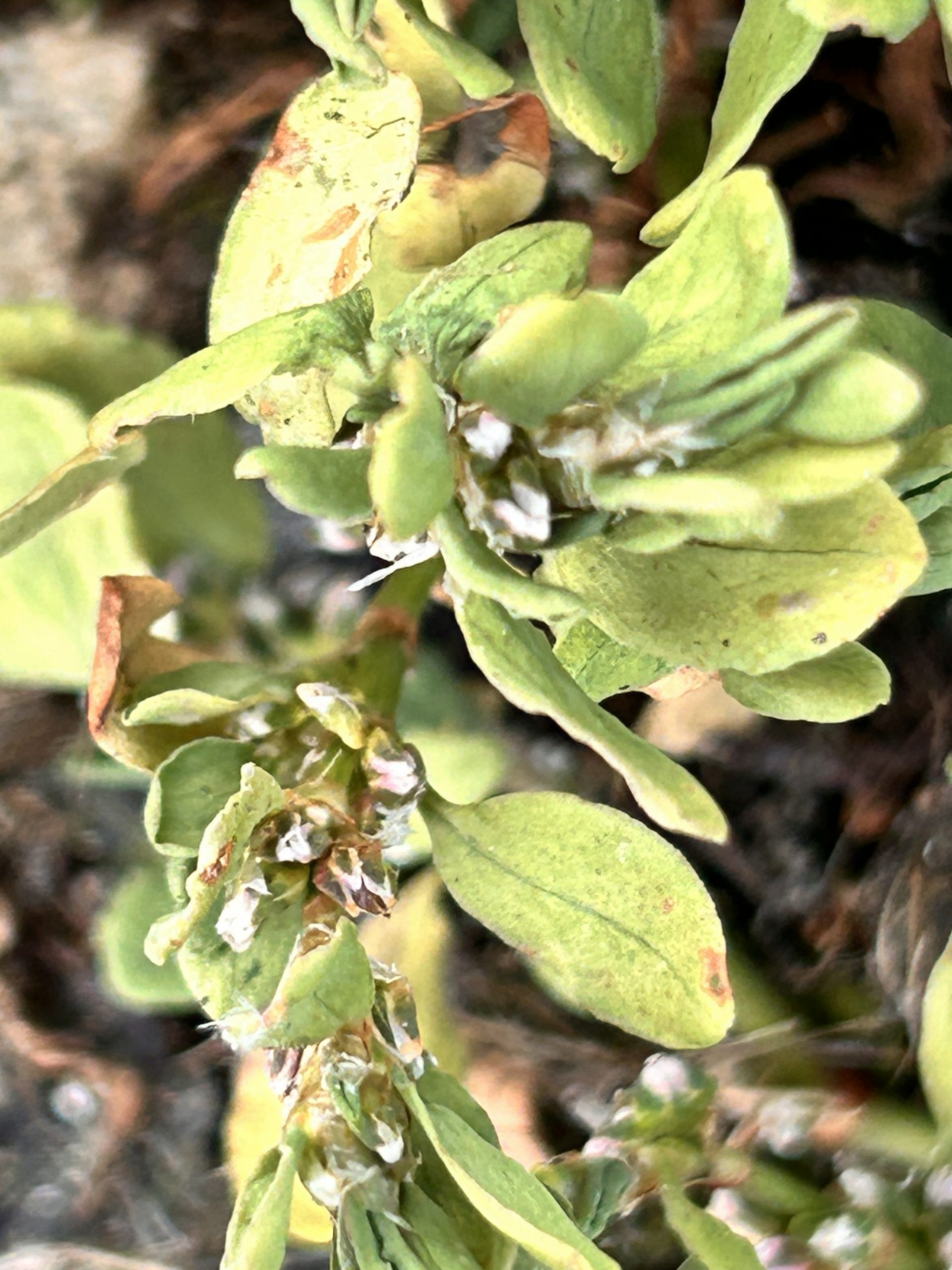
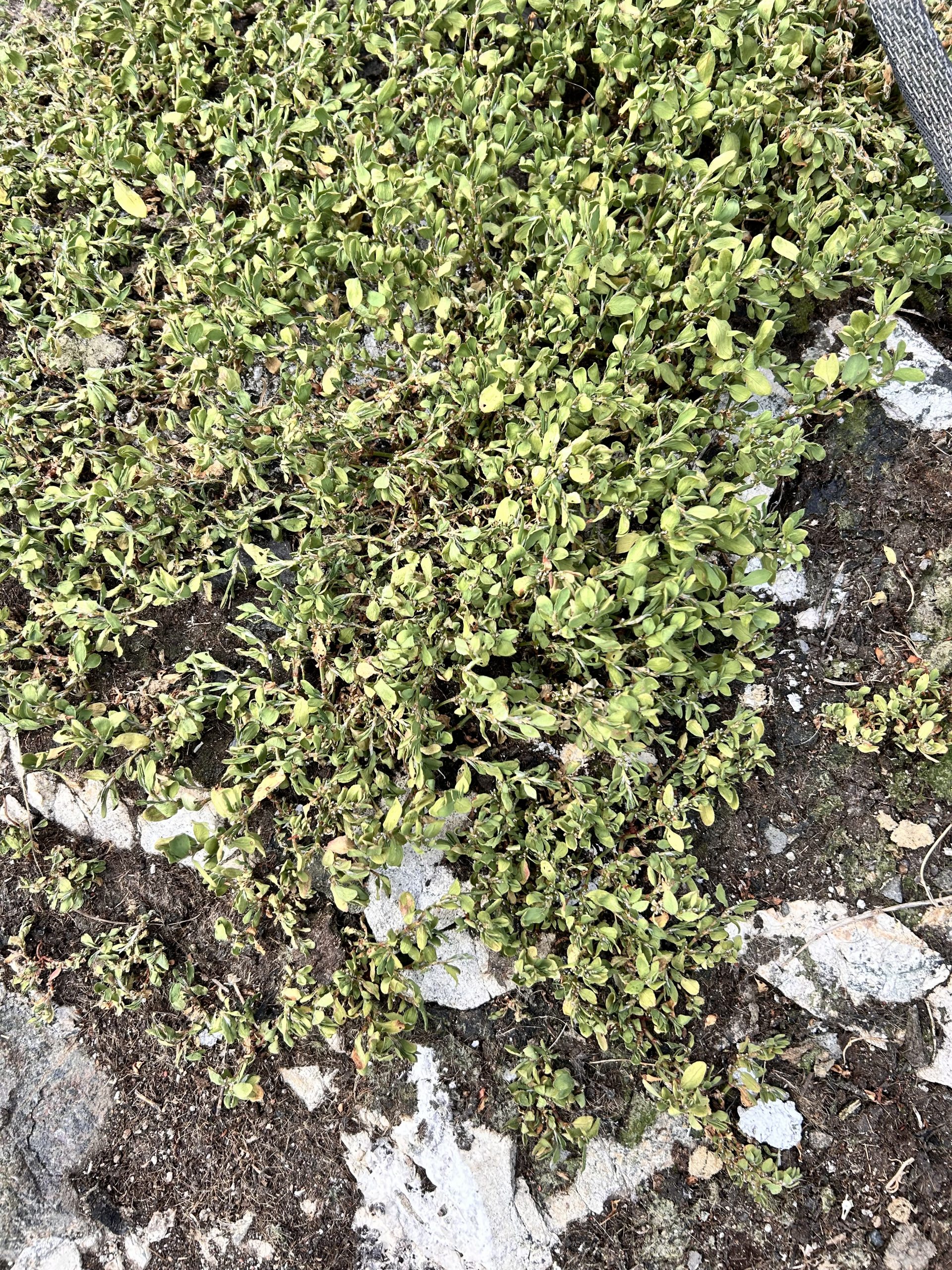
I tried to find the small patch of the rare plant  seaside  plant Romanzoffia on the rocks on the East side of the house.  Unfortunately the area was covered with knotweed now. We will have to check again in the winter. 
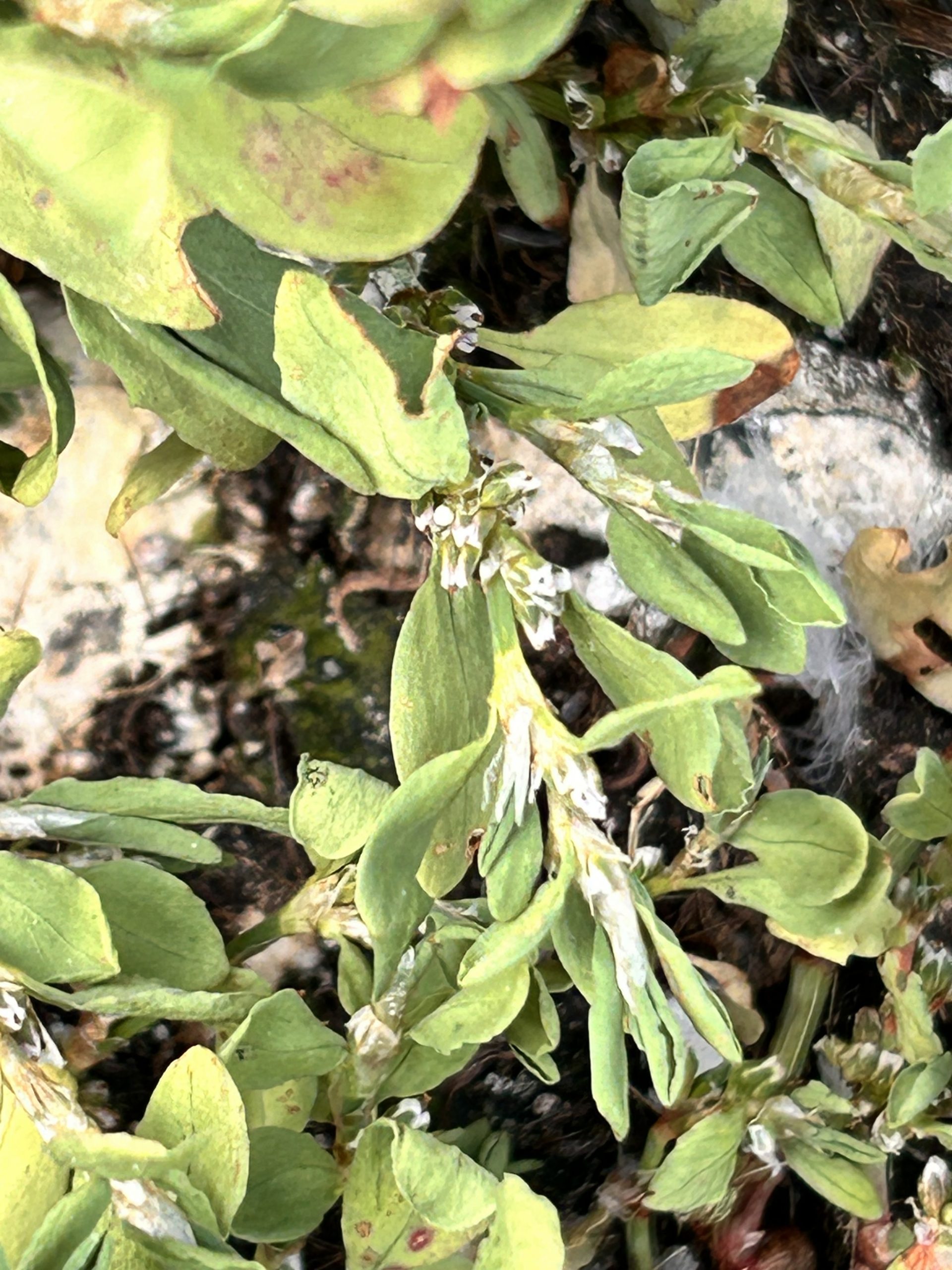
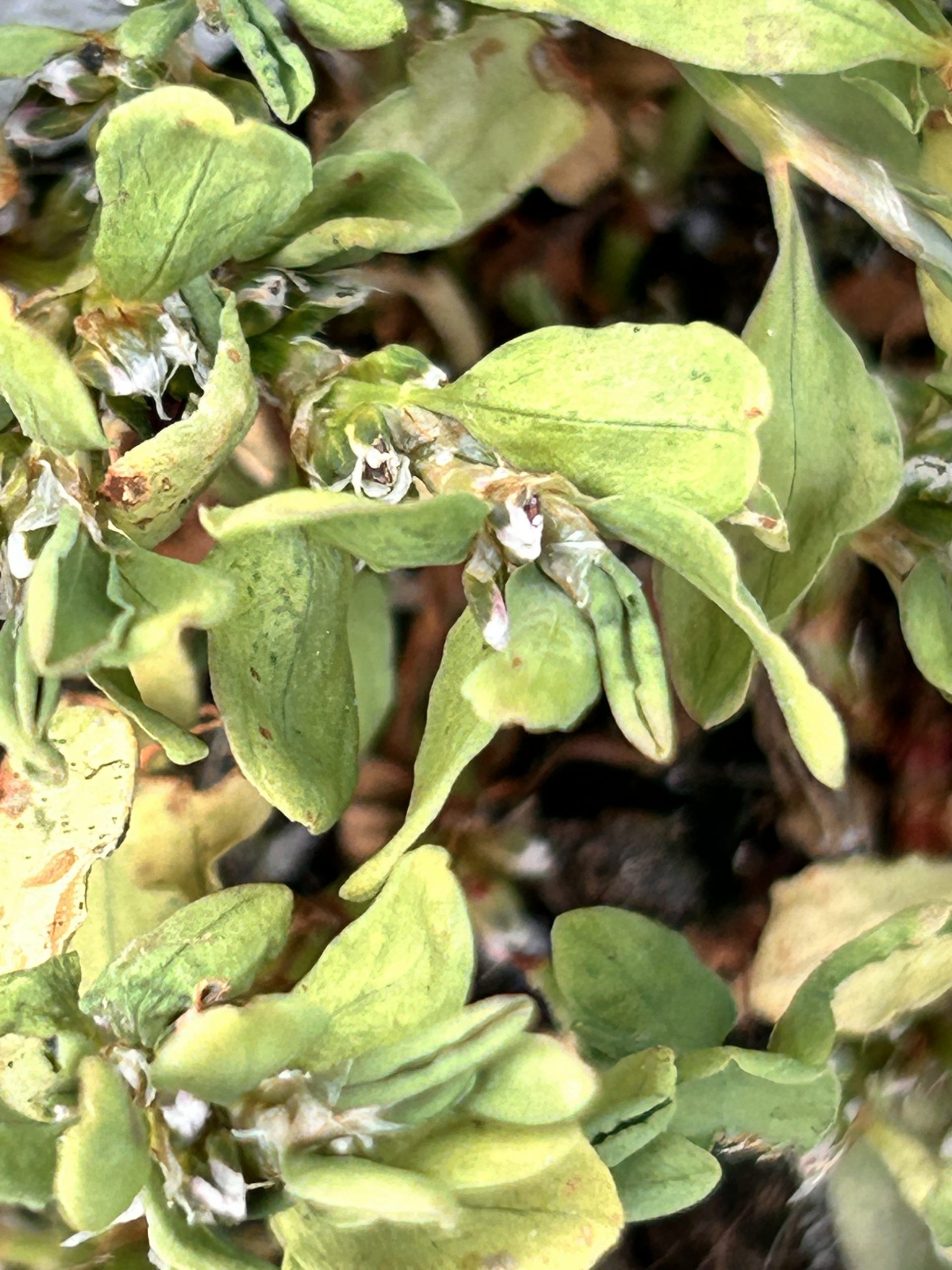
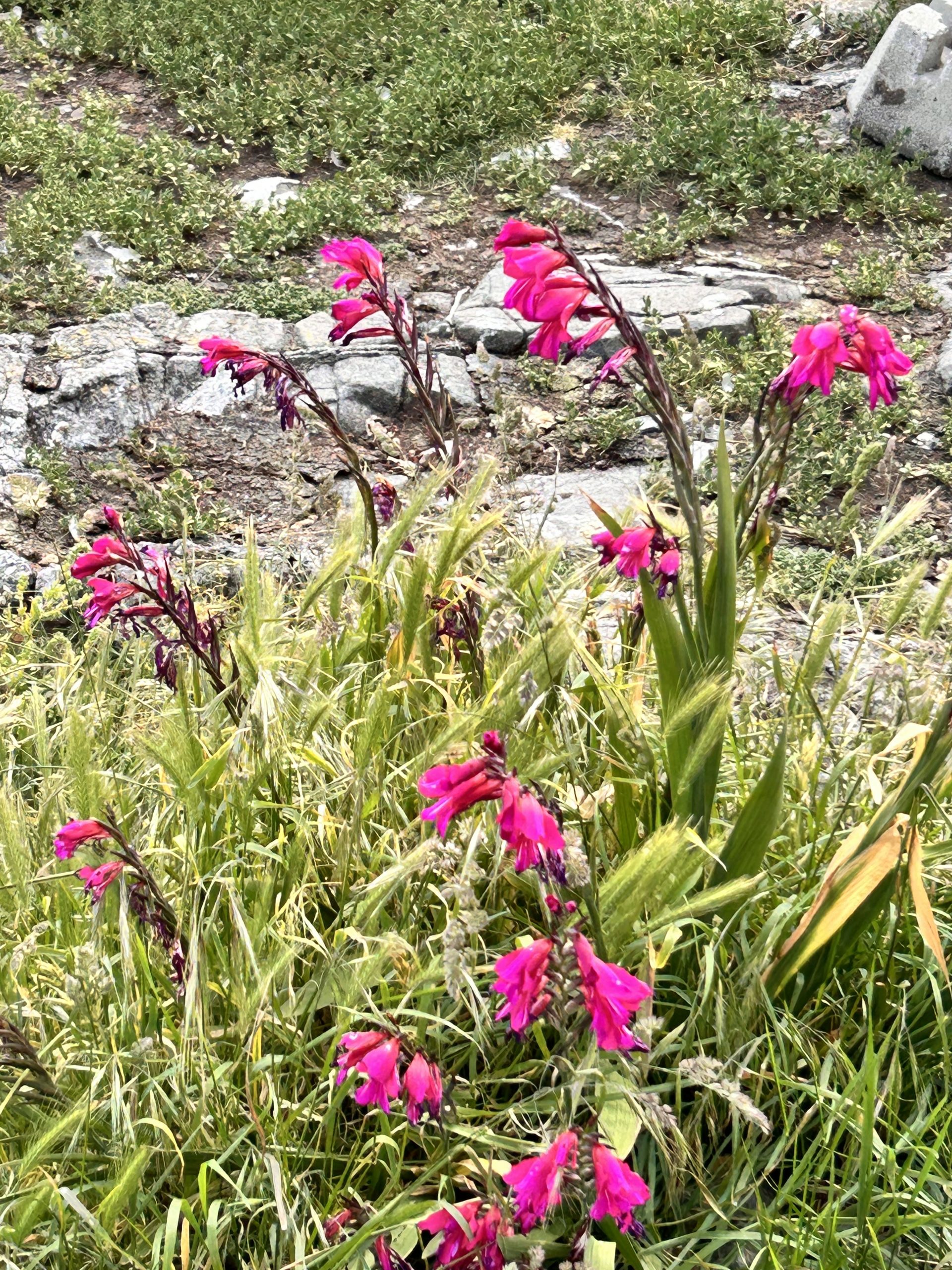
The Turkish marsh gladiolus is now in bloom. This is a good example of a garden escape, planted by lighthouse keepers probably as much as 80 years ago, they still come up every summer .


Race Rocks Ecological Reserve #97 warden’s report April 2024

For the past few weeks a former biology student whom I taught at Pearson College, Jerremy Prassl has been serving as the Ecoguardian at Race Rocks. He would be leaving on April 5 and returning to Britain where he is a professor at Oxford.

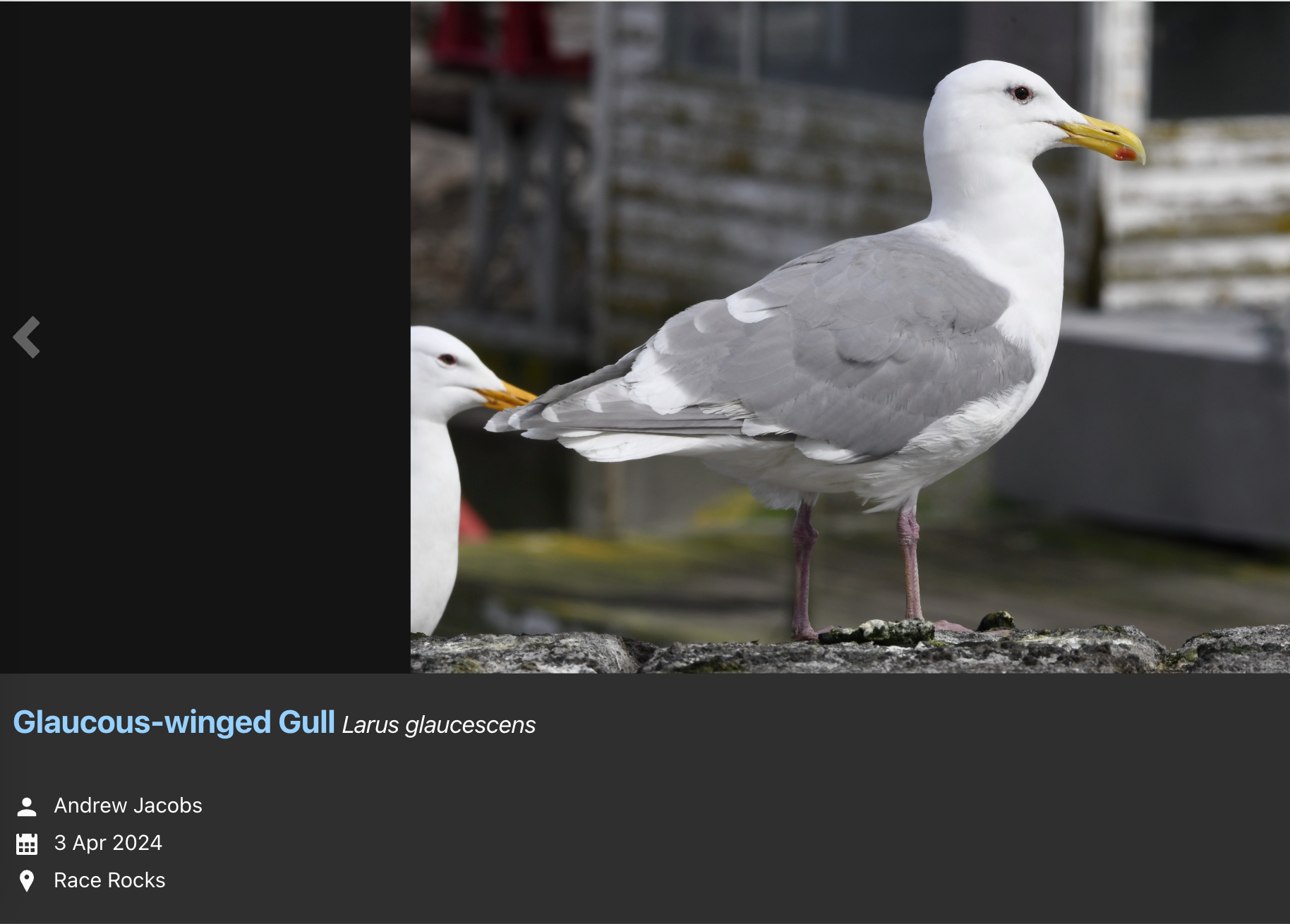
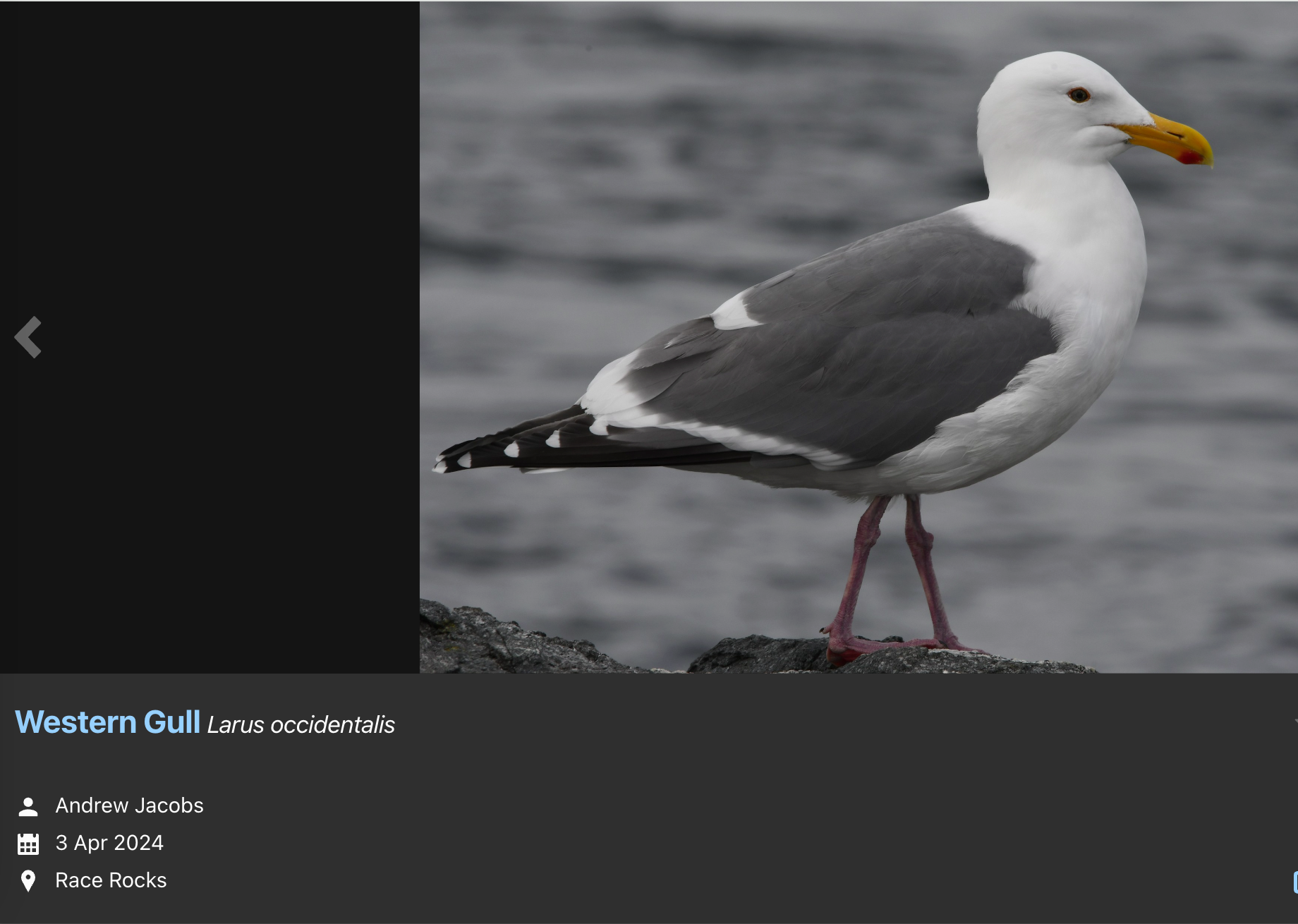
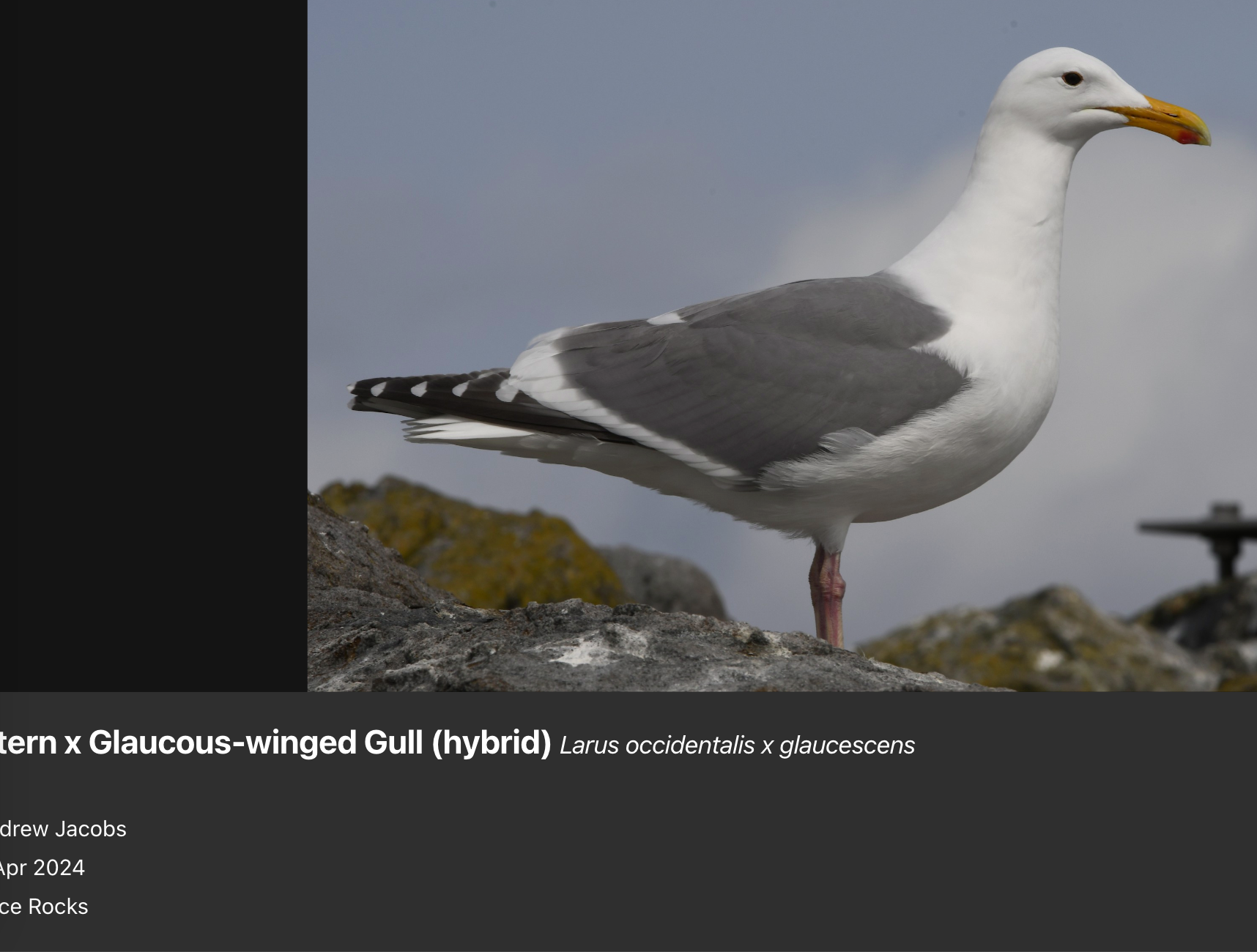
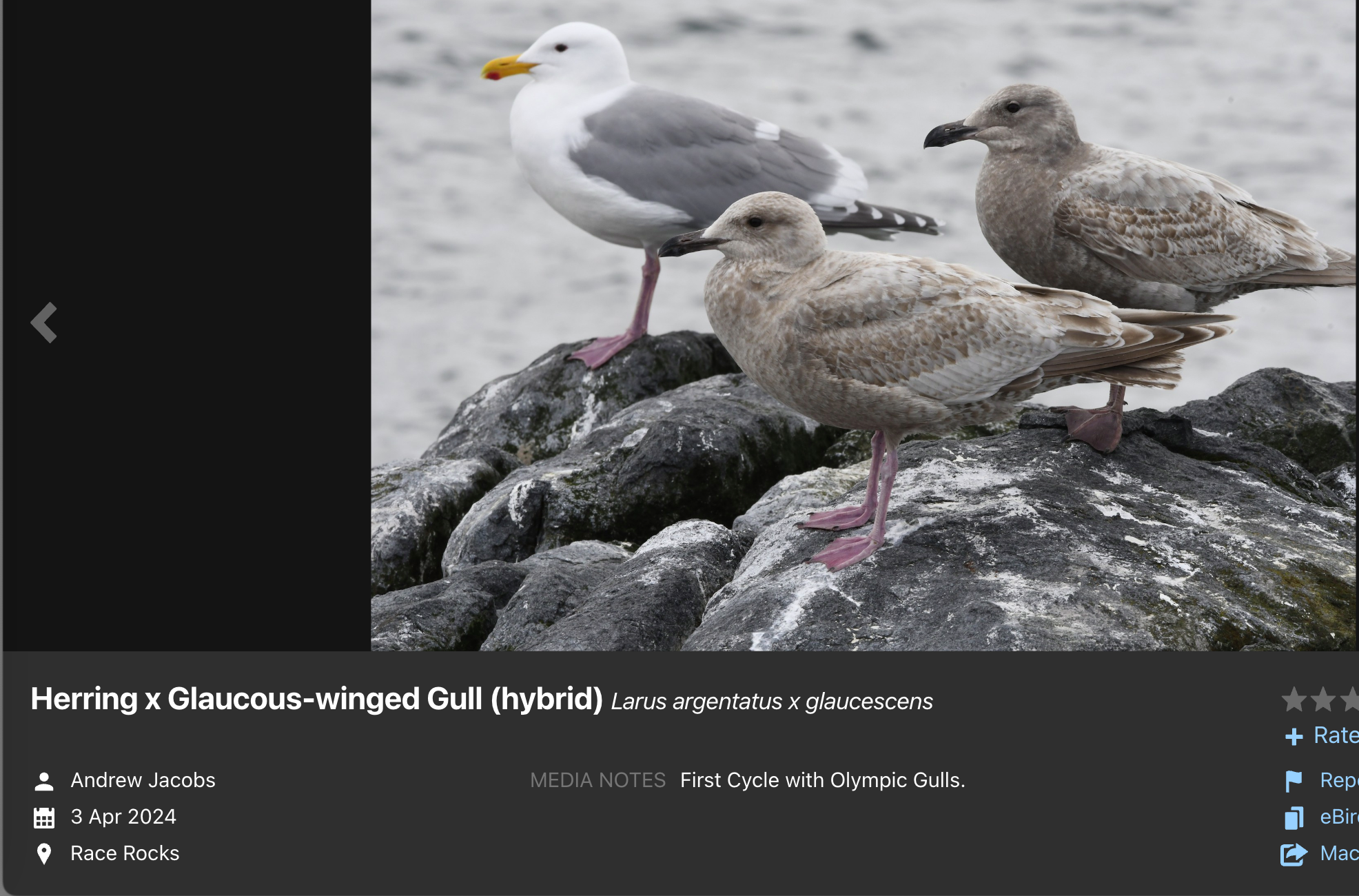
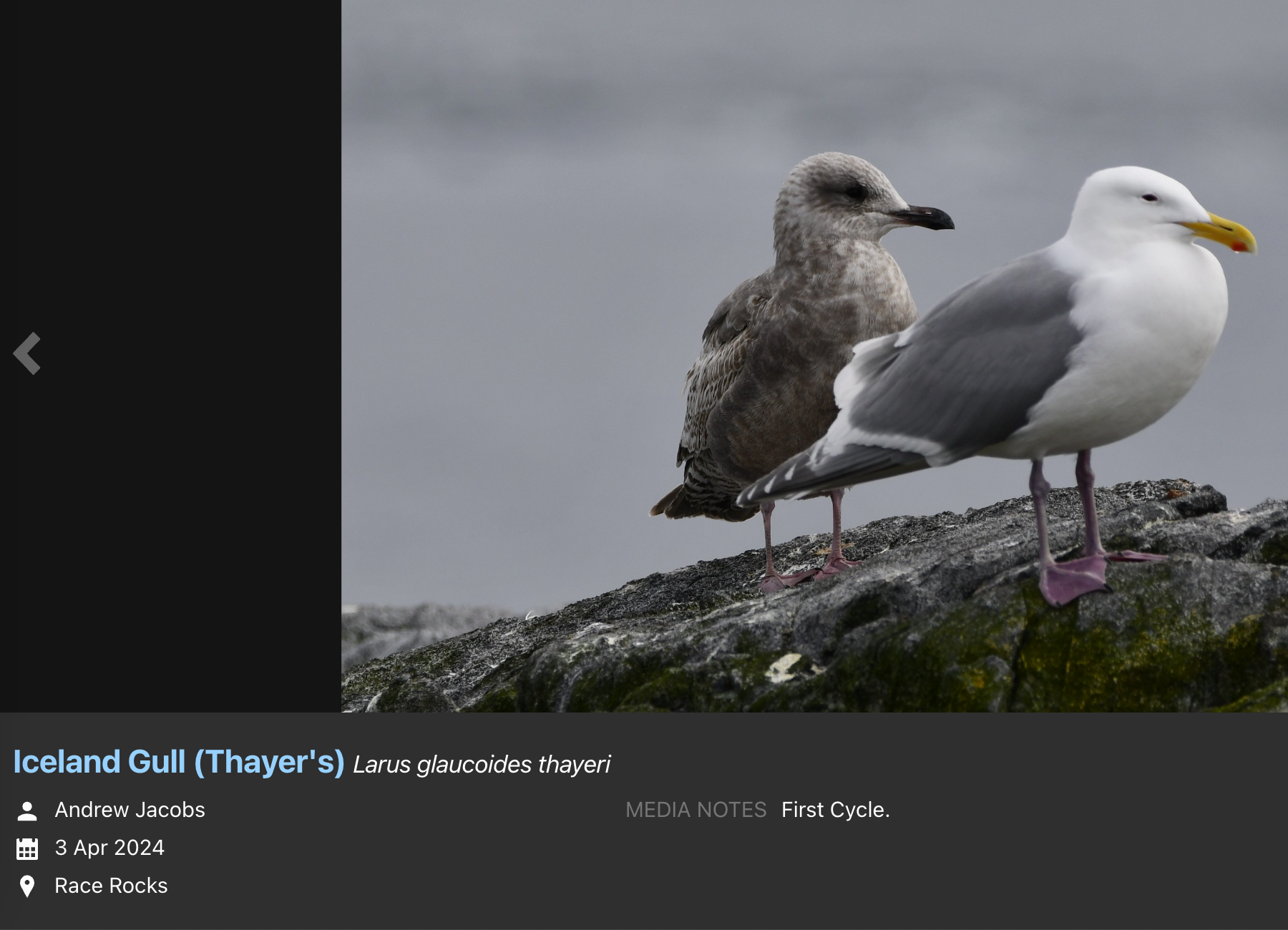
I got a ride out on Second Nature with Greg and we also took out two bird observers from the Rocky Point Bird Observatory ( RPBO) / BC Nature Gull survey, Andrew Jacobs and James Kennerley. The detailed observations and a link to the identification of the interspecific gull hybrids eBird Canada Checklist – 3 Apr 2024 – Race Rocks – 16 species (+2 other taxa) was a valuable addition to research in the Ecological Reserve. Below is a sample from Andrew’s photos on eBird of their identification of the different gulls:


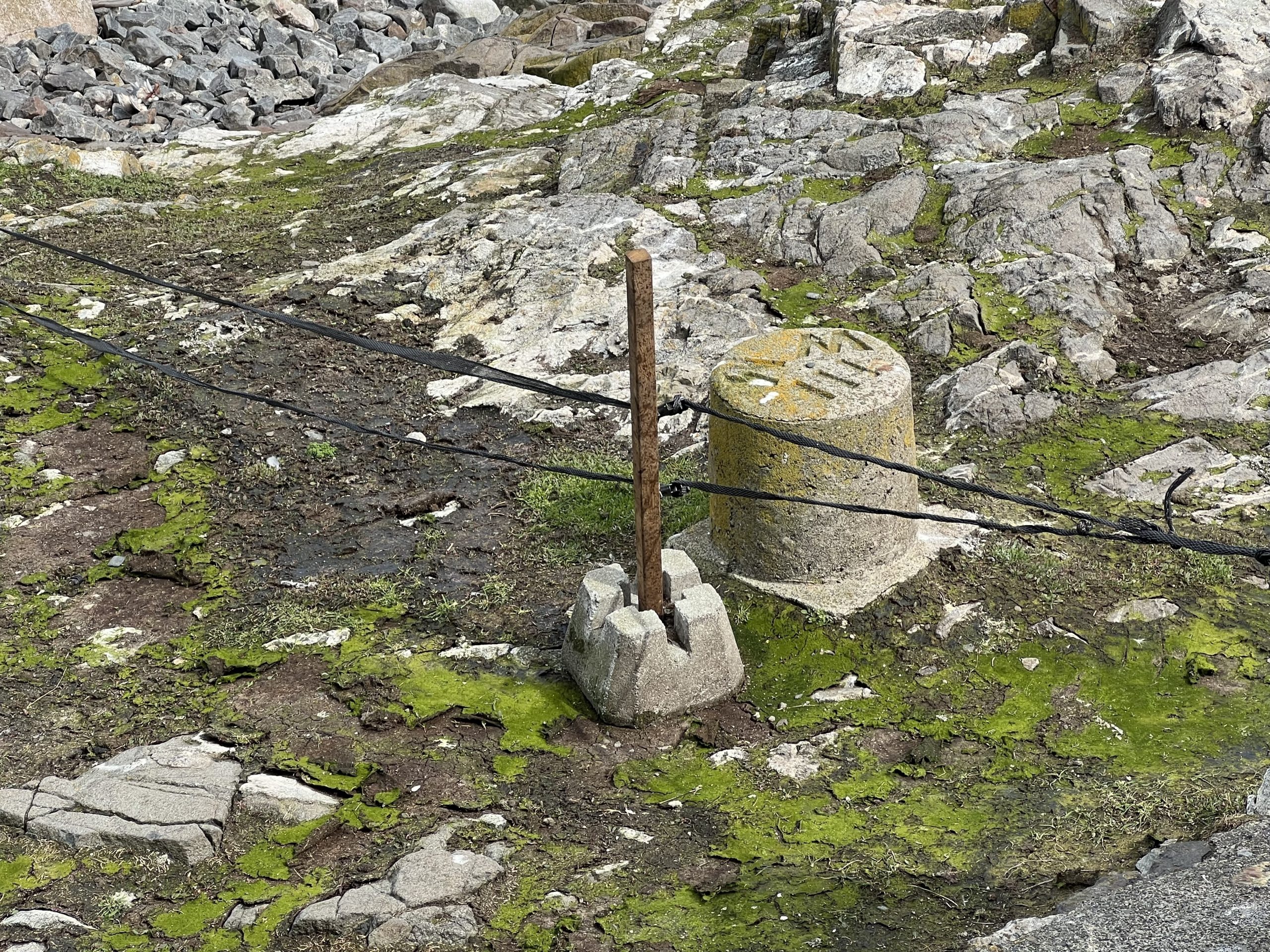
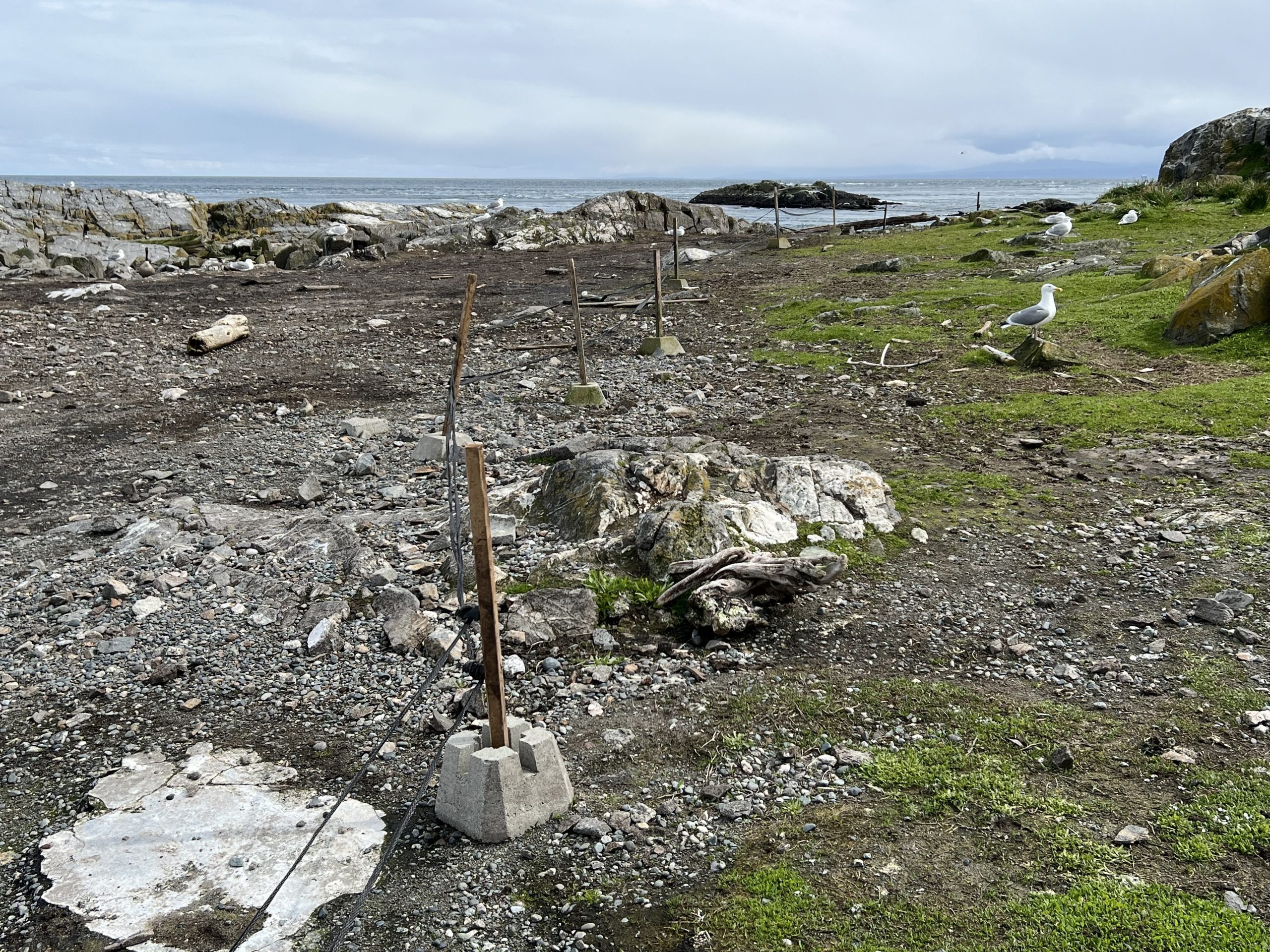
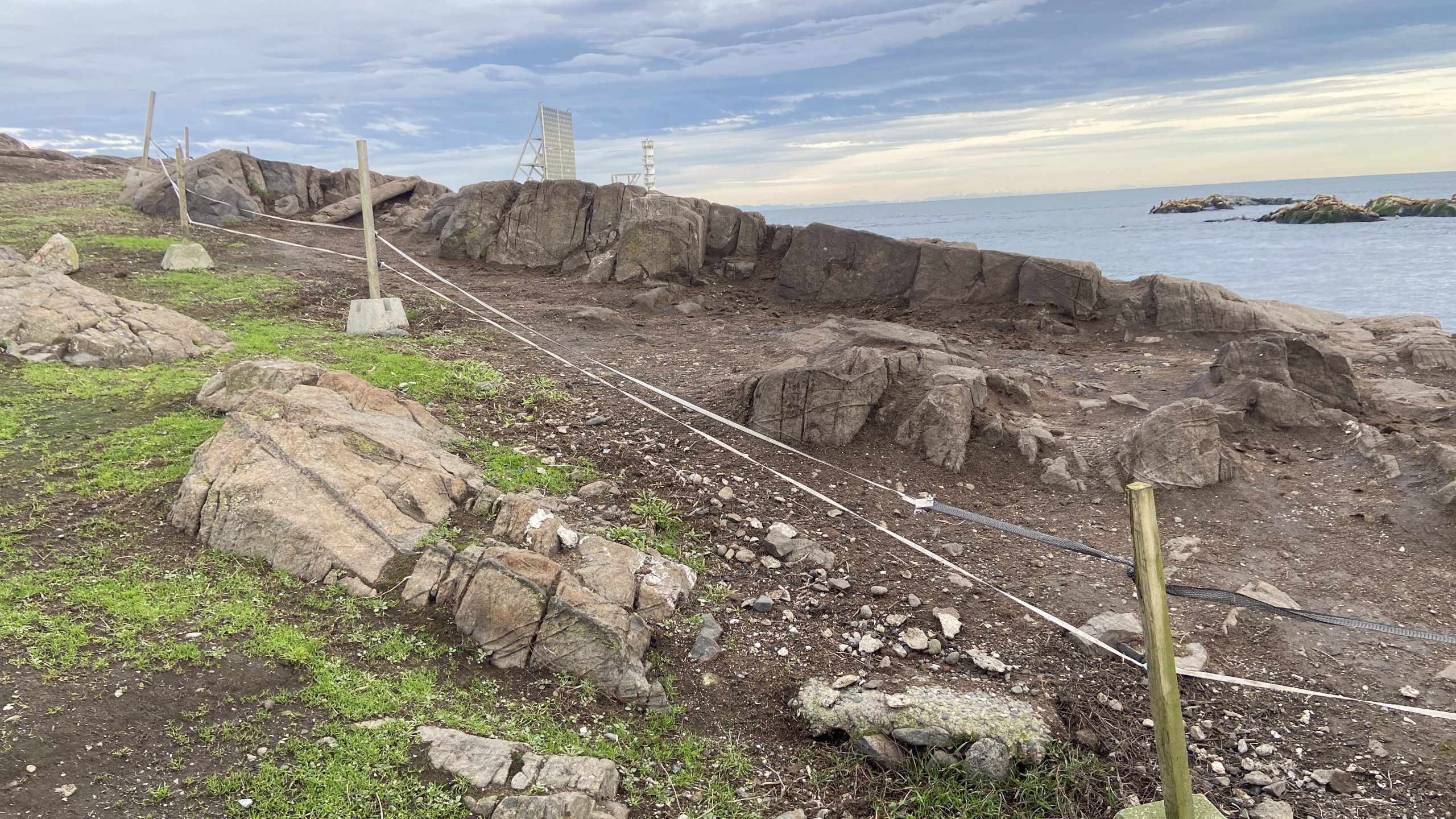
One project that needs to be done is a more permanent placement of stakes to hold the electric fencing which keeps the sea lions from damaging the vegetation and infrastructure on the island.

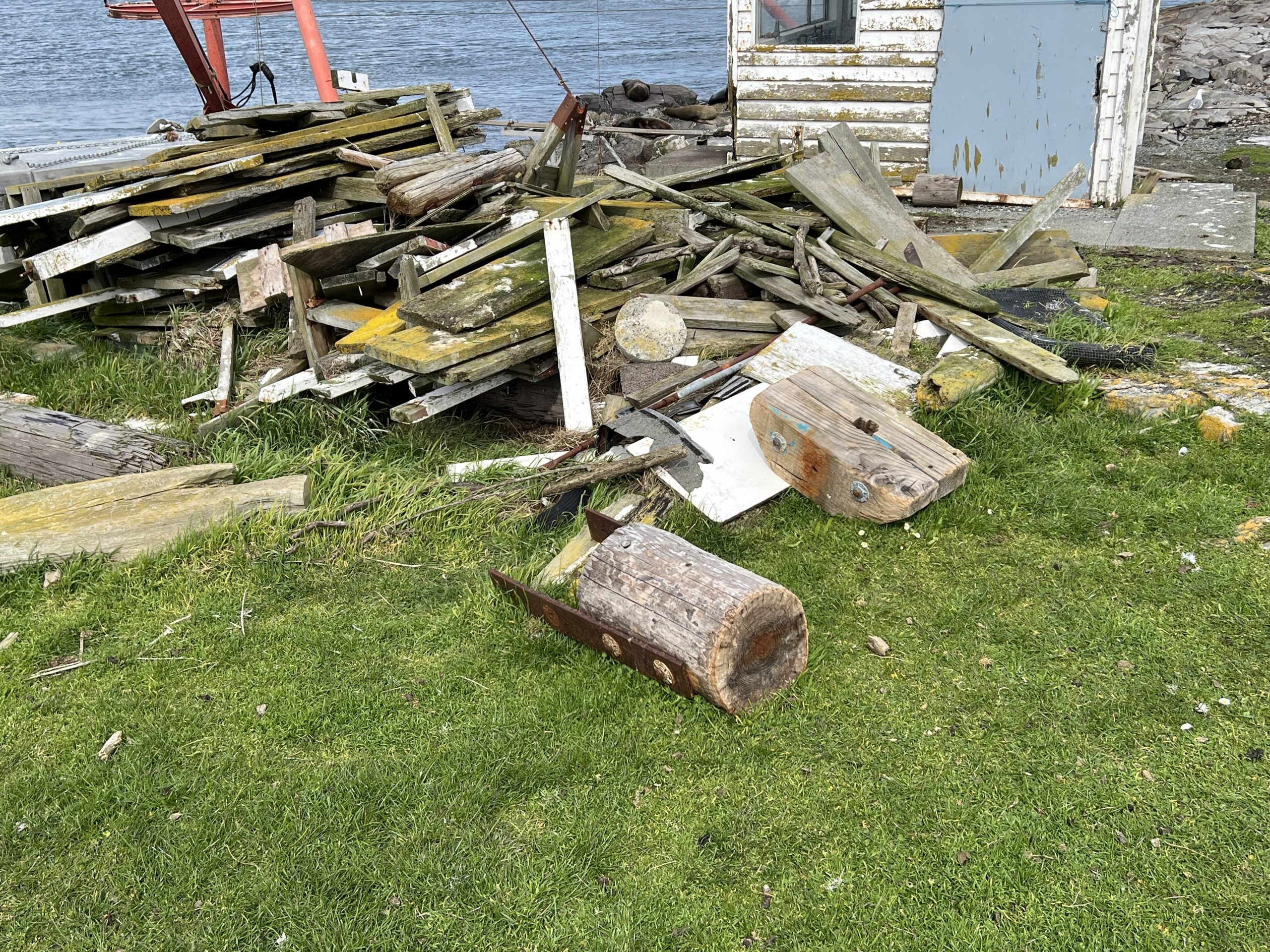
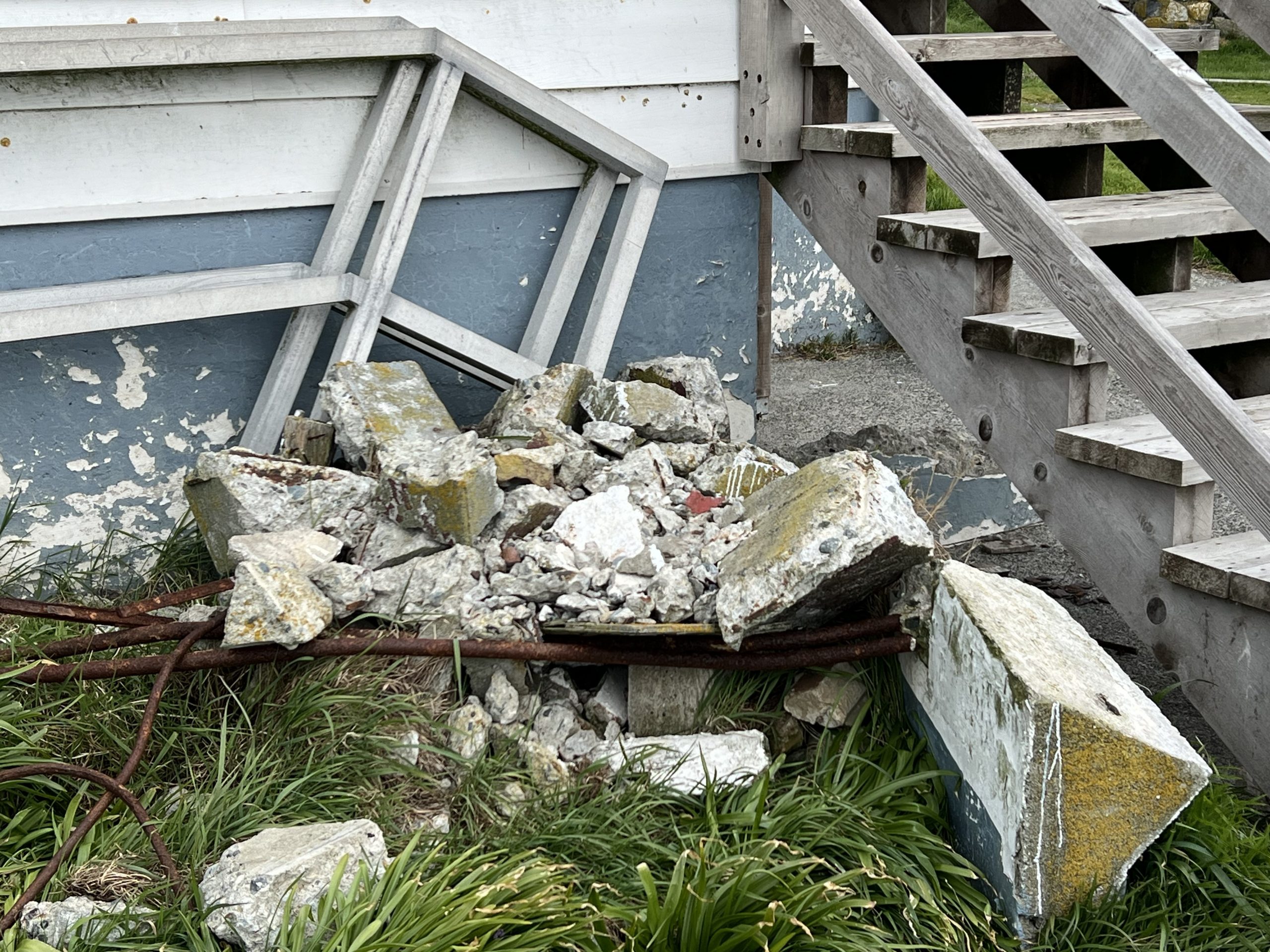
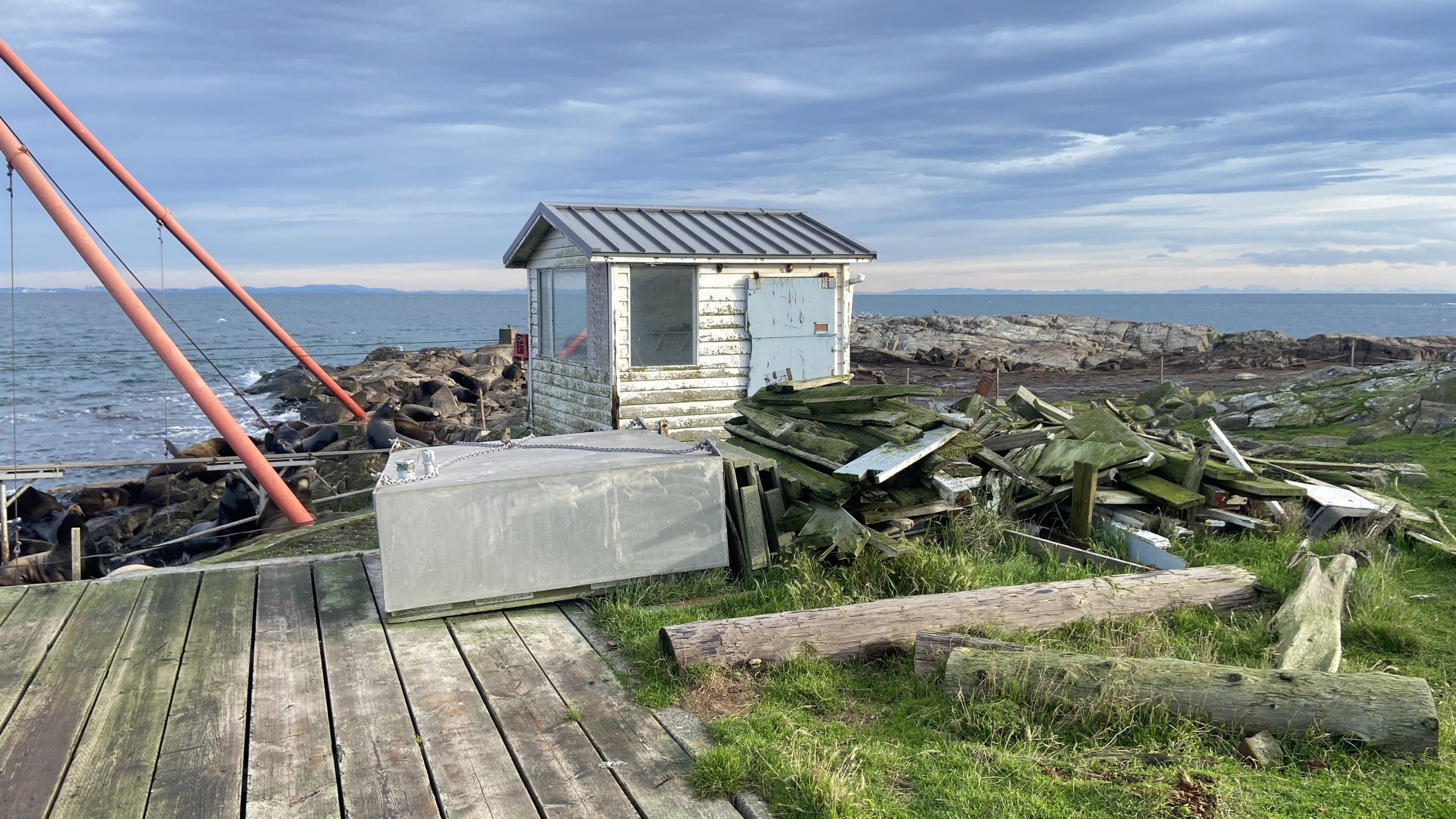
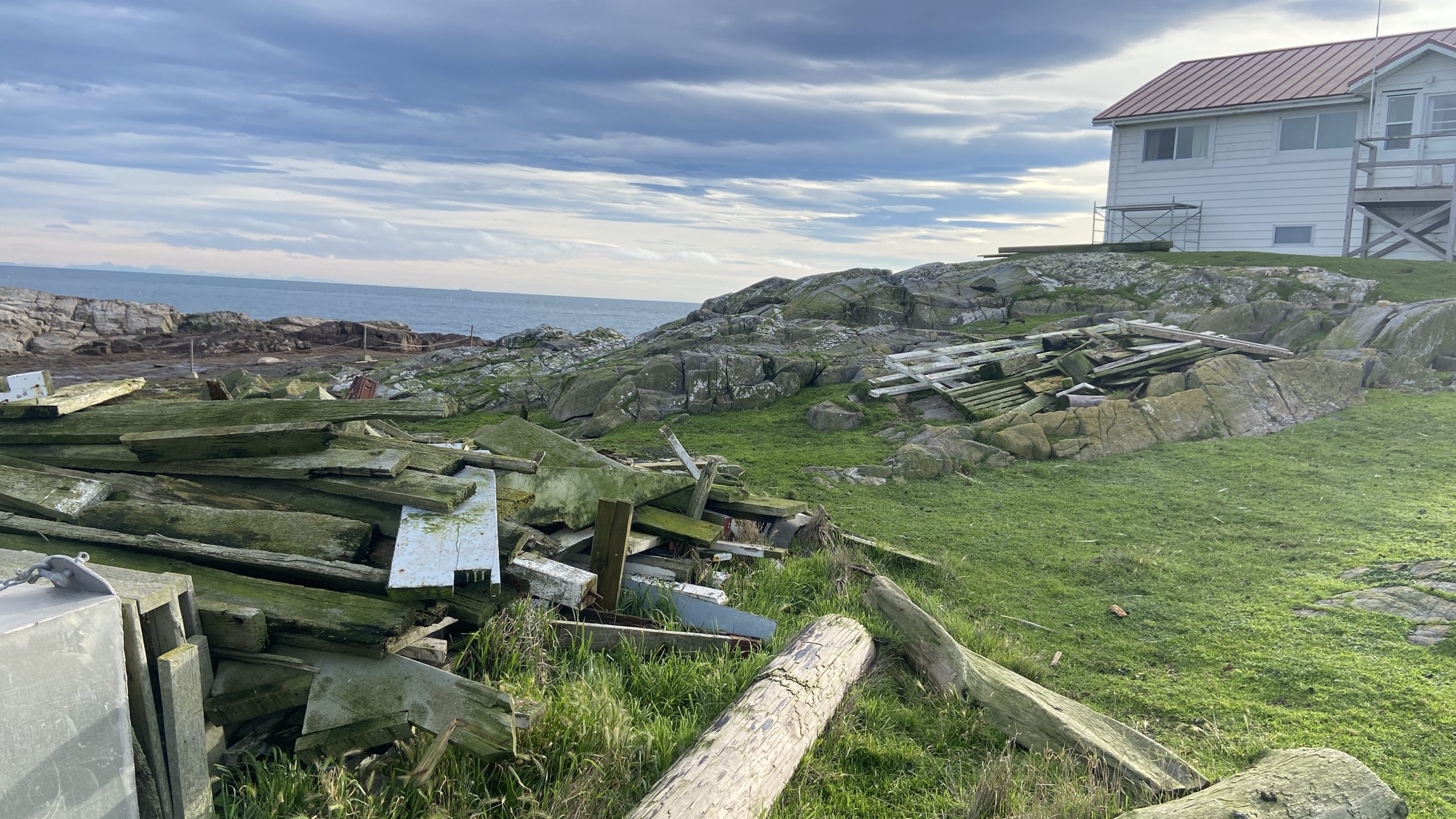
In my walk around the island I noted several areas that need attention, BC parks indicated several years ago that they would be out to remove several piles of construction waste. I think this has gone on too long and these piles are very unsightly and an intrusion into the ecosystem. Perhaps a reminder will elicit some action.


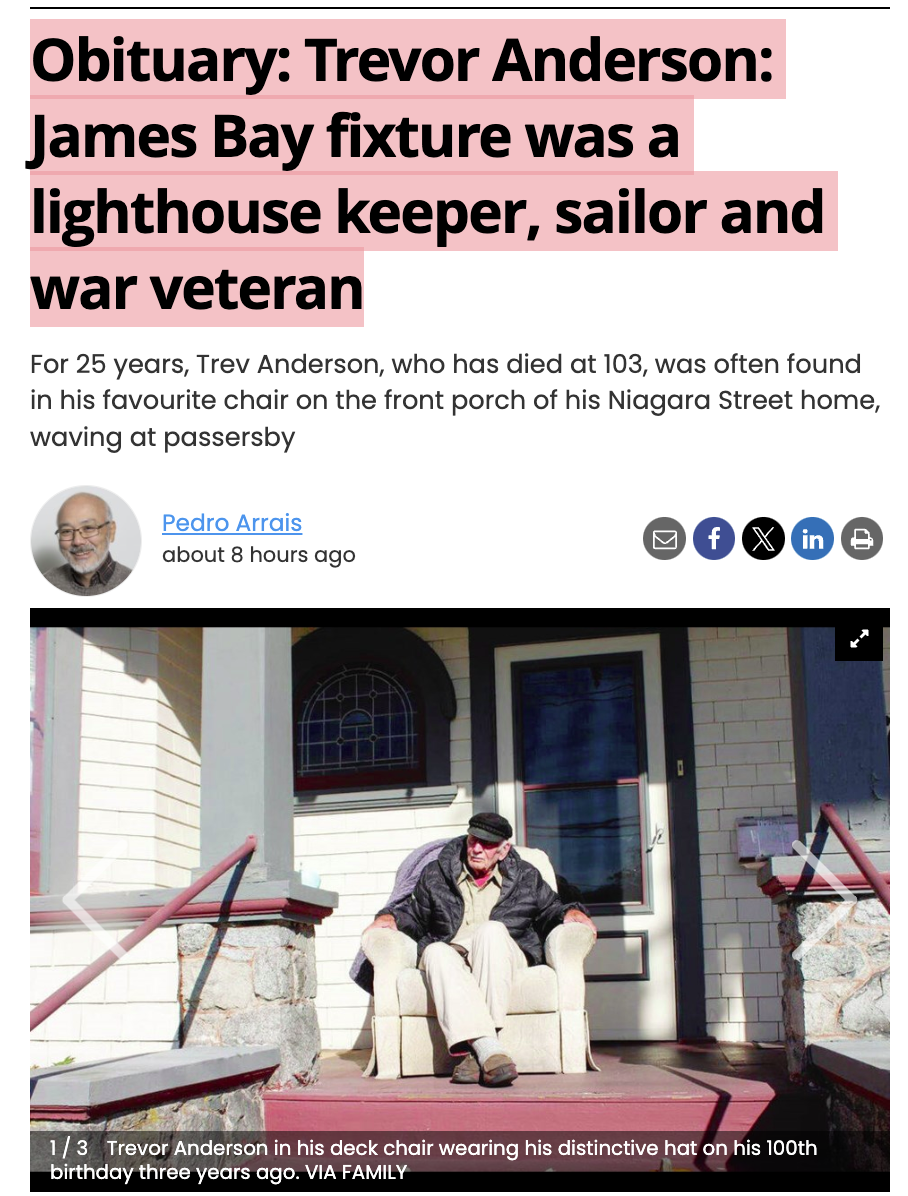
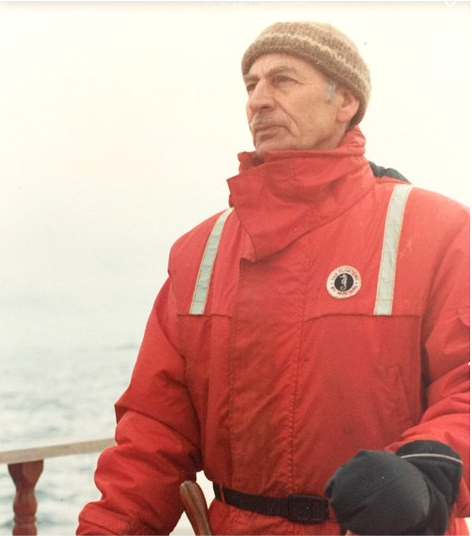
Trevor Anderson , former Light Keeper at Race Rocks dies at 103

Obituary: Trevor Anderson: James Bay fixture was a lighthouse keeper, sailor and war veteran

It was in the late 1970s that Trev and Flo Anderson convinced us at Lester Pearson College that we should seek some form of protection for the unique ecosystems at Race  Rocks. It was as a result of their urging that we worked to get the Archipelago of islands at Race Rocks  designated as a provincial Ecological Reserve in 1980.


 Link to the Victoria Times Colonist article

For more than 15 years, Trev Anderson was a fixture in James Bay, sitting in his favourite chair on the front porch of his Niagara Street home in his signature black hat, waving, chatting and even blowing the odd passersby a kiss.

In return, Anderson, who died Monday at the age of 103, got to pet all the dogs in the neighbourhood and a chance to taste a sampling of brownies for his sweet tooth.

Those he greeted would have little idea of the colourful life the friendly senior had lived.

That life included narrowly escaping after his plane was shot down in the Second World War, becoming a lighthouse keeper in the early 1960s, and building a 55-foot sailboat to live on board for eight years — despite little knowledge of how to sail.

“My dad was vivacious up to the end — that’s just how he lived life,” said Adrianne Lowden, the youngest of Anderson’s four children with wife Flo (Florence), who died in 2017.

“He was as tough as nails but he also had an incredible sense of humour.”

Trevor Maxwell Anderson was born in Regina, Sask., on Oct. 22, 1920. His family moved to northern British Columbia when he was around six and he spent some of his teenage years in Shawnigan Lake, finally moving to Victoria in his late teens.

He enlisted in 1941, receiving training as a wireless operator and gunner. He was stationed in Egypt, Libya, Tunisia and Sicily, flying in B-25 bombers attached to the Royal Air Force.

When not operating the Morse code machine, he was responsible for two 50-calibre machine guns in the bomber’s belly.

His plane was shot down on his fourth mission, crash-landing in the Mediterranean Sea — there is a picture of the stricken plane, taken from another plane in the formation, on the wall of his James Bay home.

“Dad told me that the only way out was through a 10-inch [square] window — he remembered kicking it,” said Lowden.

She said that her father can’t recall how he managed to fit through the small opening, as he was wearing heavy gear to keep out the cold and an inflatable jacket as well.

All the crew survived the crash and scrambled onto a life raft. They were picked up by a fishing boat, but the engine died, delaying their return to dry land for three days.

The experience did not deter Anderson from returning to the air. He completed a total of 55 missions, with the usual number for gunners typically running 25 to 30.

It was during his tour of North Africa that he began to write to Flo, his future wife.

In one of the letters, he asked her to marry him — and she accepted. They married in 1944 and the two were together until Flo’s death.

He enlisted with the Air Force upon his return from North Africa, retiring in 1960.

The following year, with Flo and two boys and two girls in tow, he became a lighthouse keeper, initially on Lennard Island, on the southwest entrance to Templar Channel, north of Tofino.

The family became “rock ­hoppers” stationed at various lighthouses, including Green Island, 40 kilometres northwest of Prince Rupert, the ­northernmost lighthouse that was staffed.

In 1966, they were assigned to Race Rocks, where they remained until Anderson retired for the final time in 1982.

While he was on Race Rocks, he got the notion of building a sailboat, though he was a novice sailor.

It took the couple seven years to build a 55-foot ketch — a two-masted sailboat — which they christened WaWa.

They learned to sail, cruising the Gulf Islands and circumnavigating Vancouver Island before heading to the South Pacific in 1985.

“My parents gave us incredible lives,” said Lowden. “My siblings and I had the fortune to grow up fully and share the adventure.”

She said both her parents wrote books about their experiences. Her mother wrote an autobiography called Lighthouse Chronicles about the lighthouse years, while her father wrote The War and I about his wartime experiences, with both of them collaborating on All At Sea about their time on the water.

After their South Seas adventure, they returned to Victoria in 1987, living aboard WaWa for another eight years. After selling the boat, they jumped into a camper and travelled around North America until 1999, when they returned to Victoria.

The couple settled into the 1904 house on Niagara Street that Flo’s parents had originally bought in 1959.

That’s where Anderson would sit on the front porch and greet passerby from his favourite old armchair. Once he determined that the neighbourhood was safe and secure, he would retire for his afternoon nap.

“He was up and about until about two weeks ago,” said Lowden

Since his 100th birthday, Anderson’s children, Adrienne, Beth, Stan and Garry, have been putting up a banner on the front porch saying “TREV, Happy Birthday,” followed by his age.

This week, the birthday wishes were replaced with Bon Voyage as a send-off for a life well-lived.

parrais@timescolonist.com

>>> To comment on this article, write a letter to the editor: letters@timescolonist.com

In what Ecoregion / Ecosection is Race Rocks Ecological Reserve ?

January 31 2024 is the deadline for public submission of comments on The Draft Framework on Bodiversity and Ecosystem Health. 

For an understanding of the differences in the many ecosystems in British Columbia and an appreciation of where Race Rocks Ecological Reserve fits in the classification, I have found this good description of Ecoregions and Ecosystems which includes a reference to Race Rocks, and the small percentage of the Ecosection in which it lies that is protected. 

The Evergreen Alliance has produced an important document detailing the current state of protected areas in British Columbia. In the BC Government’s new emphasis on the value of preserving Biodiversity and Ecosystem Integrity, it is interesting to note what percent of various ecoregions of British Columbia are in need of protection to meet the 30X30 goal . 
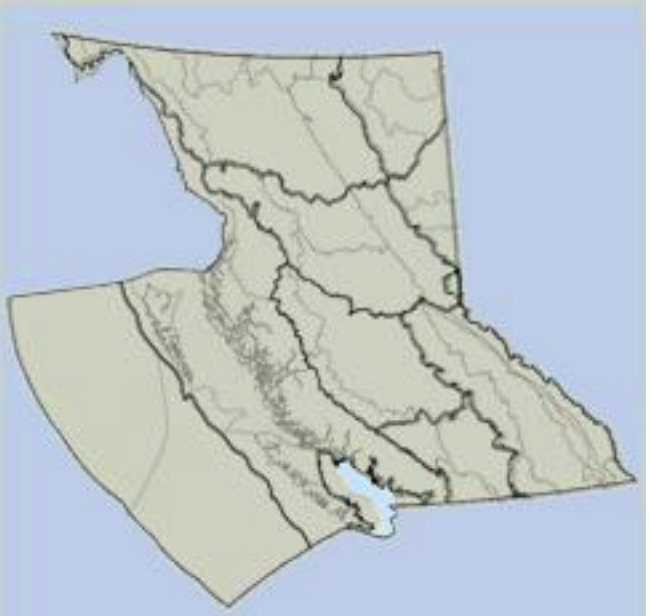
GPB Ecoregion

The Georgia Puget-basin Ecoregion

From:  An Introduction to the Ecoregions of British Columbia

In the OVERVIEW, There is a good definition of Ecosections:

“The Ecoregion Classification System was first adopted by the Ministry of Environment in 1985 to serve as a framework for recognizing small scale ecosystems in British Columbia. The Ecoregion Classification helps us to understand and to depict the great habitat diversity of the province. Since 1985, the Ecoregion Classification has been revised five times to reflect more detailed mapping. The fourth revision Ecoregion units was mapped at 1:250,000 using Landsat, topographic, Biogeoclimatic and marine ecosystem information, while the fifth revision has been mapped based on the earlier concepts plus detailed vegetation zonation mapping. The most current digital (GIS) database is Version 2.1 2006, but the supporting reports and descriptions is the third edition 2011. The Ecoregion Classification system is used to stratify British Columbia’s terrestrial and marine ecosystem complexity into discrete geographical units at five levels. The two highest levels, Ecodomains and Ecodivisions, are very broad and place British Columbia globally. The three lowest levels, Ecoprovinces, Ecoregions and Ecosections are progressively more detailed and narrow in scope and relate segments of the Province to one another. They describe areas of similar climate, physiography, oceanography, hydrology, vegetation and wildlife potential. Within each terrestrial ecoregion, climatic zones occur where specific soils, plant and animal communities and aquatic systems develop because of the interaction of climate with the land surface and surficial materials. These zones are best defined within the Biogeoclimatic Ecosystem Classification system. Ecological zones in marine ecosystems are products of temperature, salinity, sea-bed configuration and water depth. The Marine Ecoregion Classification system should be used to define the marine ecosystems. Each ecosystem is ultimately identified by sampling individual sites. At the lowest level in an ecosystem classification, attention is directed to specific parameters, such as topography, surficial materials, soil development, moisture regime, microclimate, floristics, succession, productivity and animal use. Ecoregions should be thought of as ‘big picture’ ecosystems. As such the province should be viewed first for its big, all-inclusive landscape chunks, then progressively through more detailed levels, and finally each area of the province has to be viewed with other classifications or the underlying geographical detail. The boundaries between units must be thought of in the same way, broad lines for small scale ecosystems progressing to greater precision for the larger scale ecosystems. For convenience, however, one boundary is used to define all ecosystem levels, from Ecodomain down through to the Biogeoclimatic or marine unit level……….
Ecoprovince Subdivisions
From page 47: The Georgia Depression Ecoprovince in British Columbia is subdivided into four ecoregions containing seven ecosections (One of those is a marine ecoregion and three are marine ecosections)…………

on page 53 there is a description of the GEB – Georgia Basin Marine Ecoregion: In British Columbia this marine ecoregion contains two marine ecosections.

• GEB – Georgia Basin Marine Ecoregion: In British Columbia this marine ecoregion contains two marine ecosections. o SOG – Strait of Georgia Marine Ecosection: This is a broad relatively shallow, semienclosed estuarine basin that separates southern Vancouver Island from the mainland. It is mainly marine waters, but it also contains several islands. The islands have very dry mild climates, such as southern Quadra, Cortes, Texada, Lasqueti, Denman and Hornby islands. The southern islands and lower portion of Texada Island area dominated by the dry Coastal Douglas-fir Zone, whereas the northern islands and the upper portion of An Introduction to the Ecoregions of British Columbia 54 Texada Island are dominated by the very dry maritime variant of the Coastal Western Hemlock Zone. The marine environment is dominated by the intertidal, nearshore, epipelagic and mesopelagic zones. 

JOS – Strait of Juan de Fuca Marine Ecosection: This a deep trough marine area with a strong “estuary-like” outflow current. It is the major water exchange conduit between the Georgia – Puget Basin Ecoregion and the open Pacific Ocean. Except for a few islets, such as Race Rocks, most of the ecosection is marine waters. The northern and southern boundaries approximate the outer limit of the nearshore zone; while the eastern boundary in British Columbia is south of Chain Islets & Discovery Island; in Washington it is south of the San Juan Islands and east of Whidbey Island. The southern deep-sea marine portion of Pacific Rim National Park – West Coast Trail Unit occurs in the far northwest portion of this ecosection. ” 

In the Juan de Fuca Strait Ecosection there is .01 %  of the protected areas in BC,  and 5.57 percentage of the area is protected.

Juan de Fuca Strait 0.01 5.57 GPB

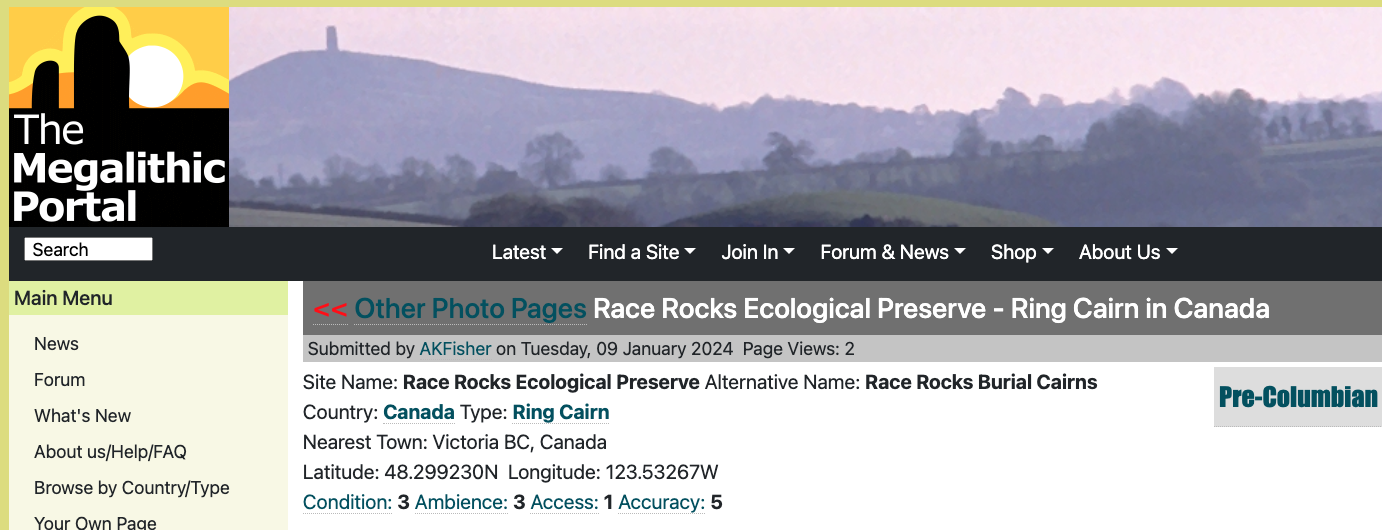
Race Rocks Ecological Reserve First Nations Burial Cairns added to the Megalithic Portal

This week a representative of the Megalithic Portal offered to include the First Nations Burial Cairns at Race Rocks Ecological  Reserve on their website.  Below is a link to the entry.  

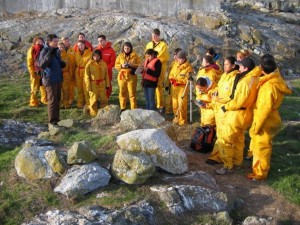
Darcy Mathews explains his findings on the burial cairns to the Anthropology Class from Lester B.Pearson College


Students from the  Anthropology class at Lester Pearson College accompanied Dr.Darcy Mathews on a field trip and received an explanation about the importance of these burial cairns in 2013.

Race Rocks Ecological Reserve #97 Wardens Report December 2023

Wardens Report by Garry Fletcher.. December 13, 2023

Past Wardens reports may be accessed at https://racerocks.ca/category/er-warden-report/

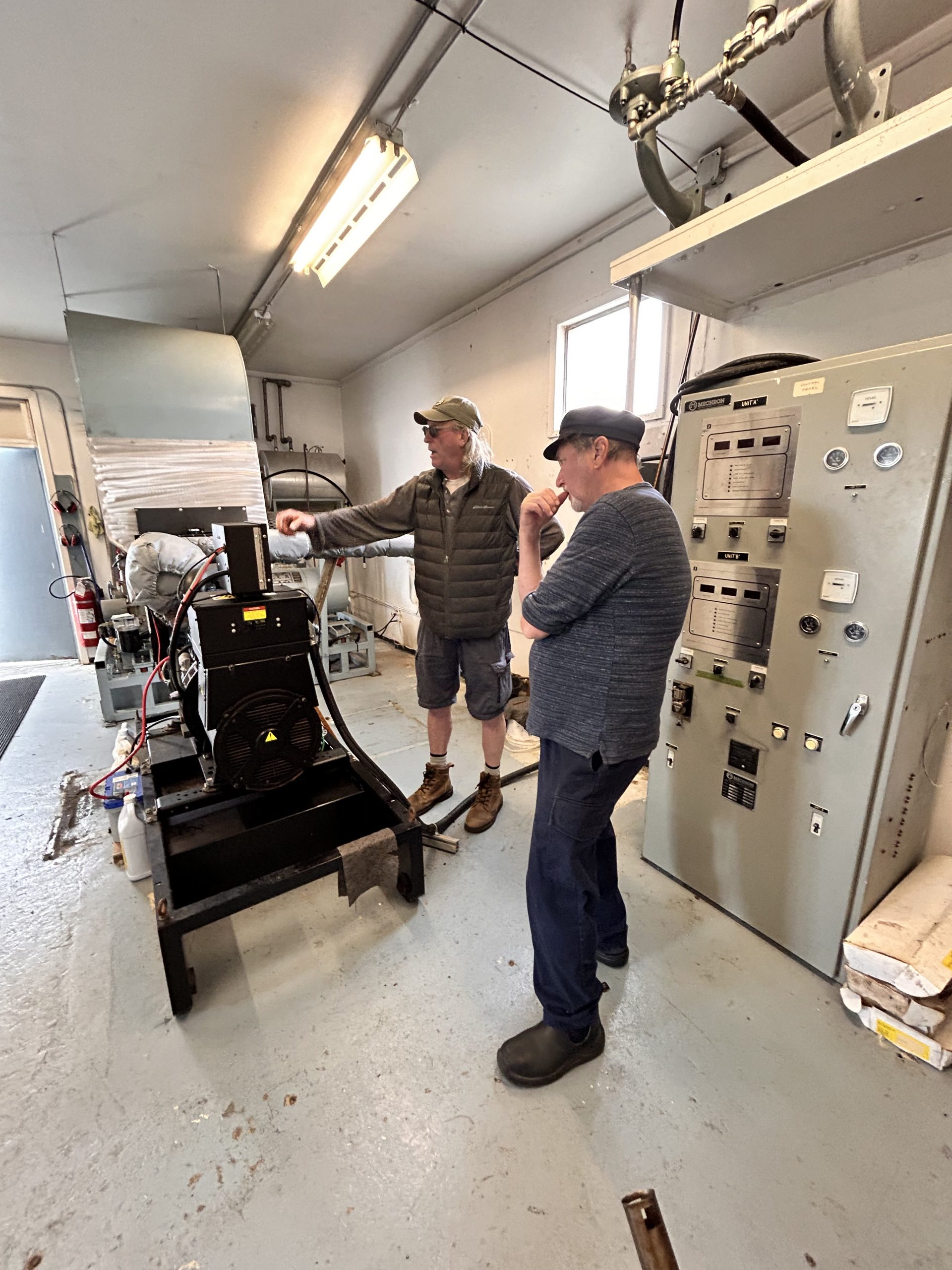
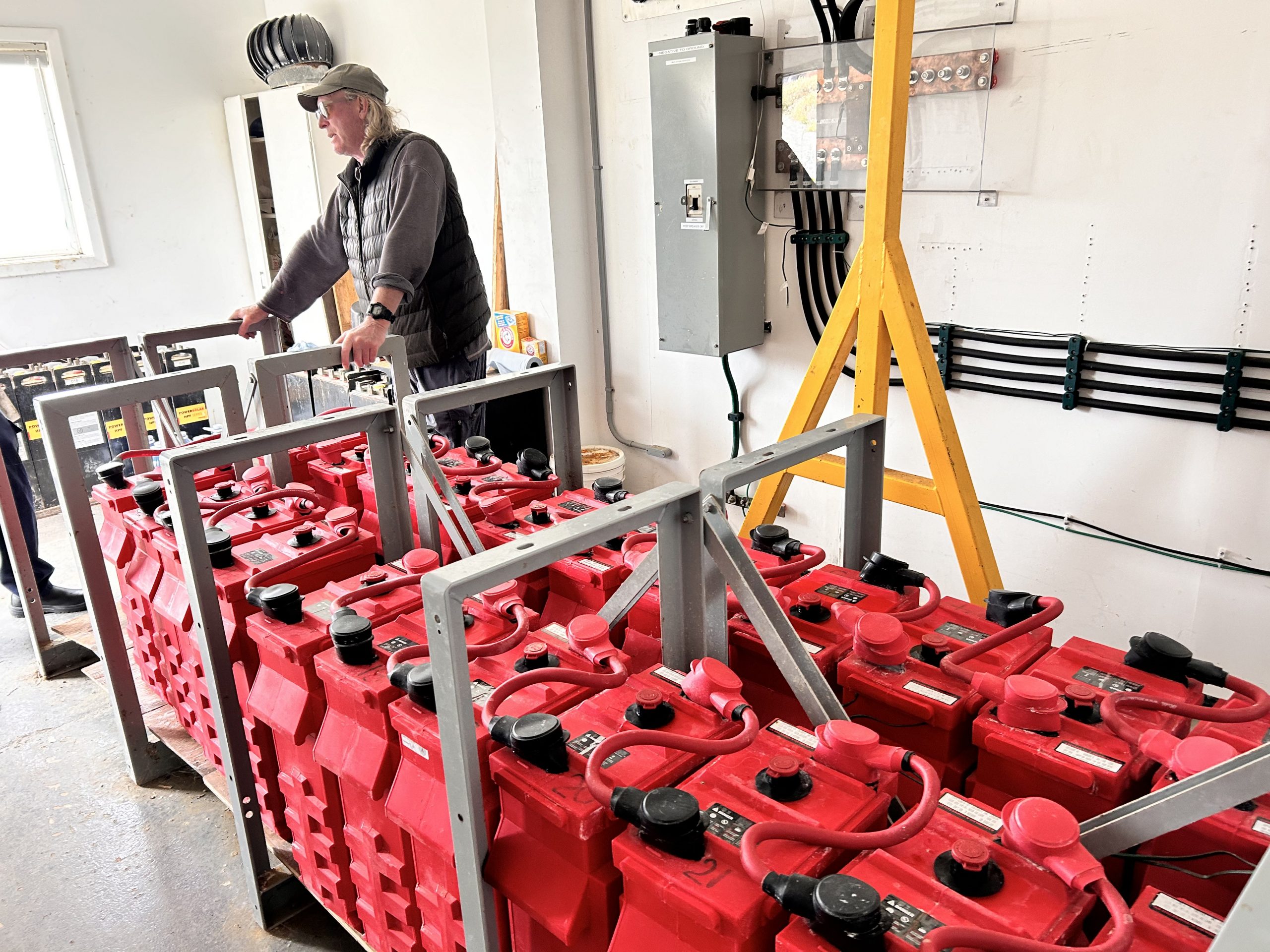
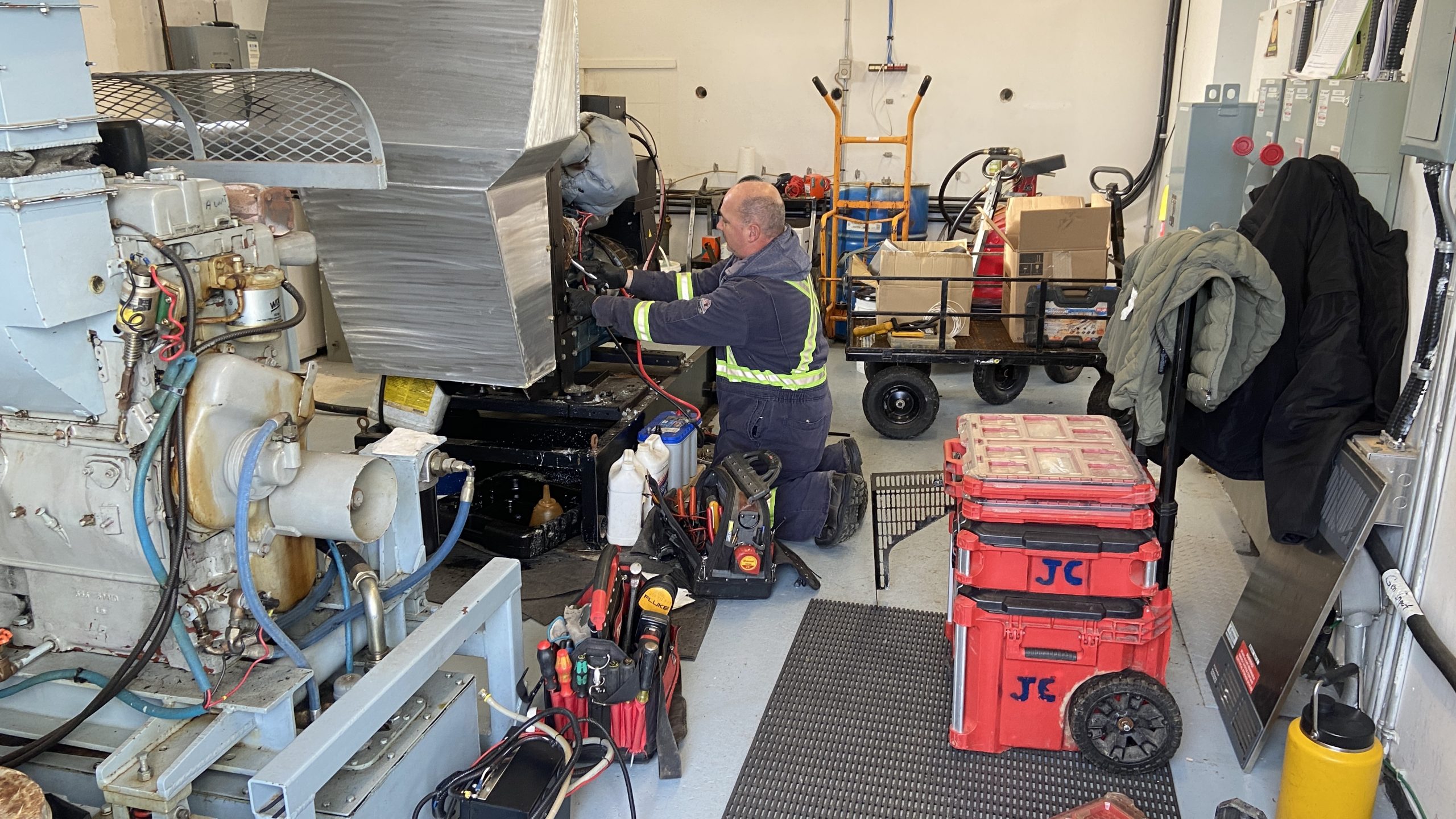
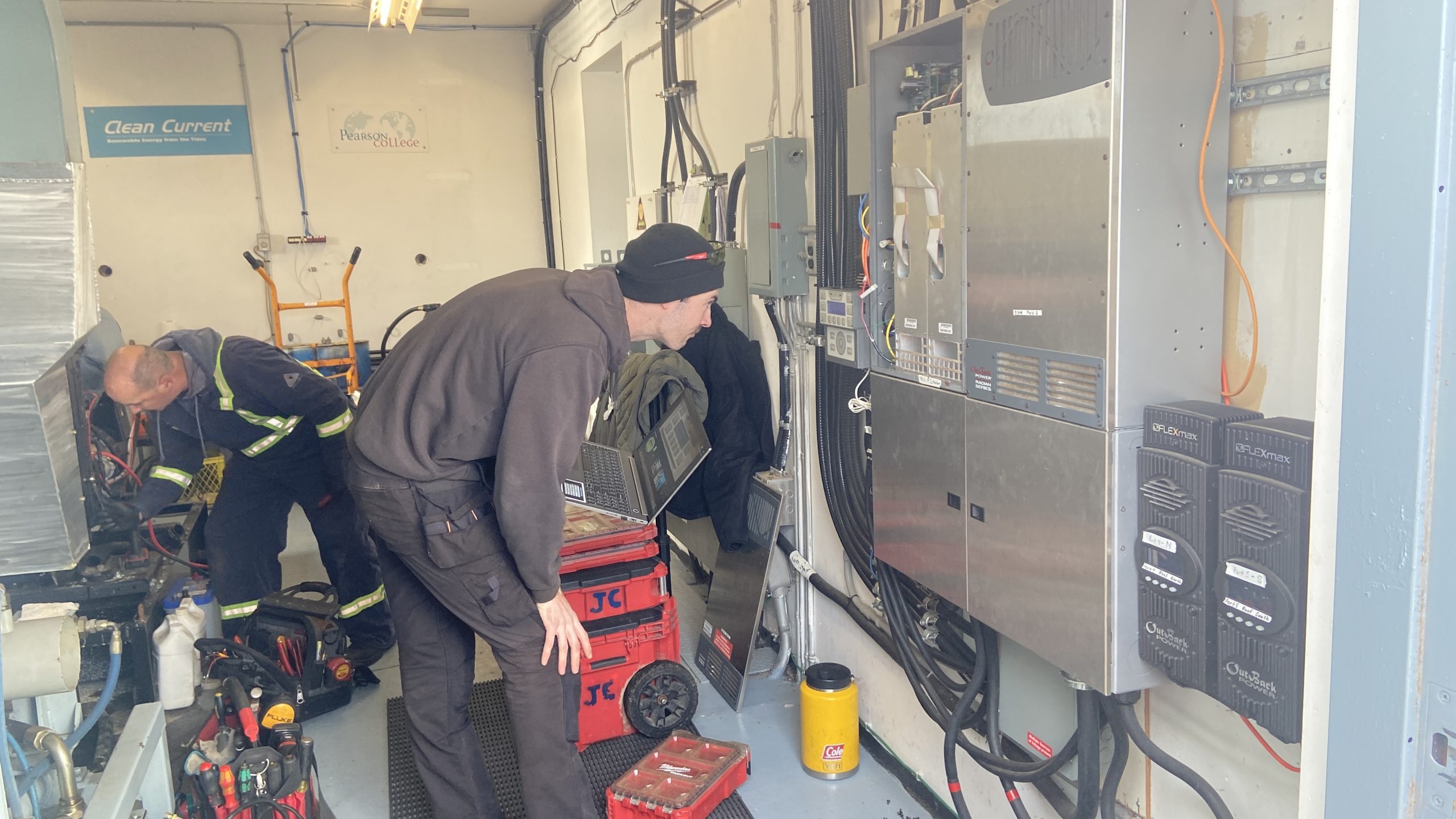
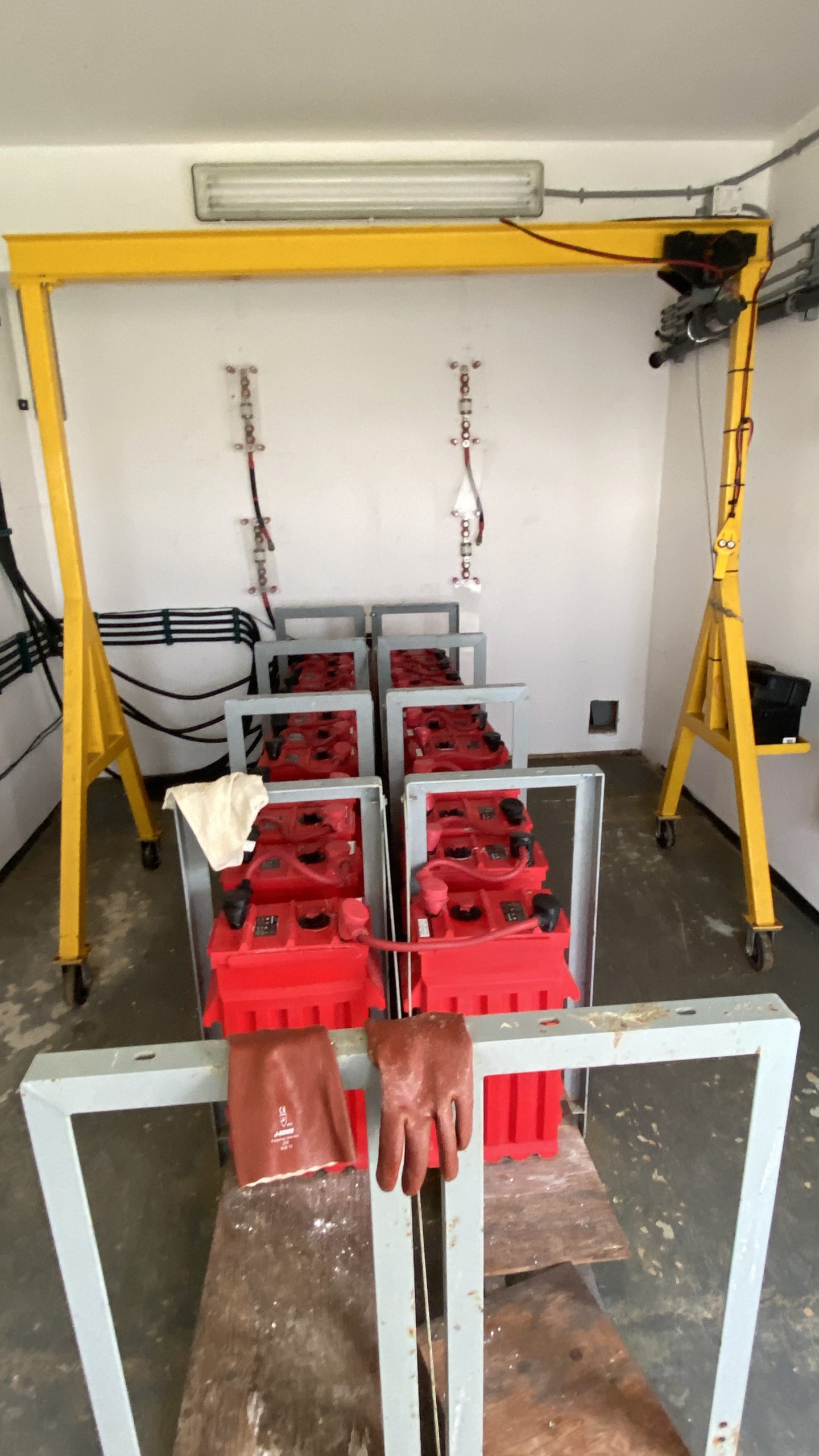
I got a ride out on the Second Nature vessel of Lester Pearson College. Greg and Cedrick were taking out two technicians to deal with problems with the Solar panels and the diesel engine. 

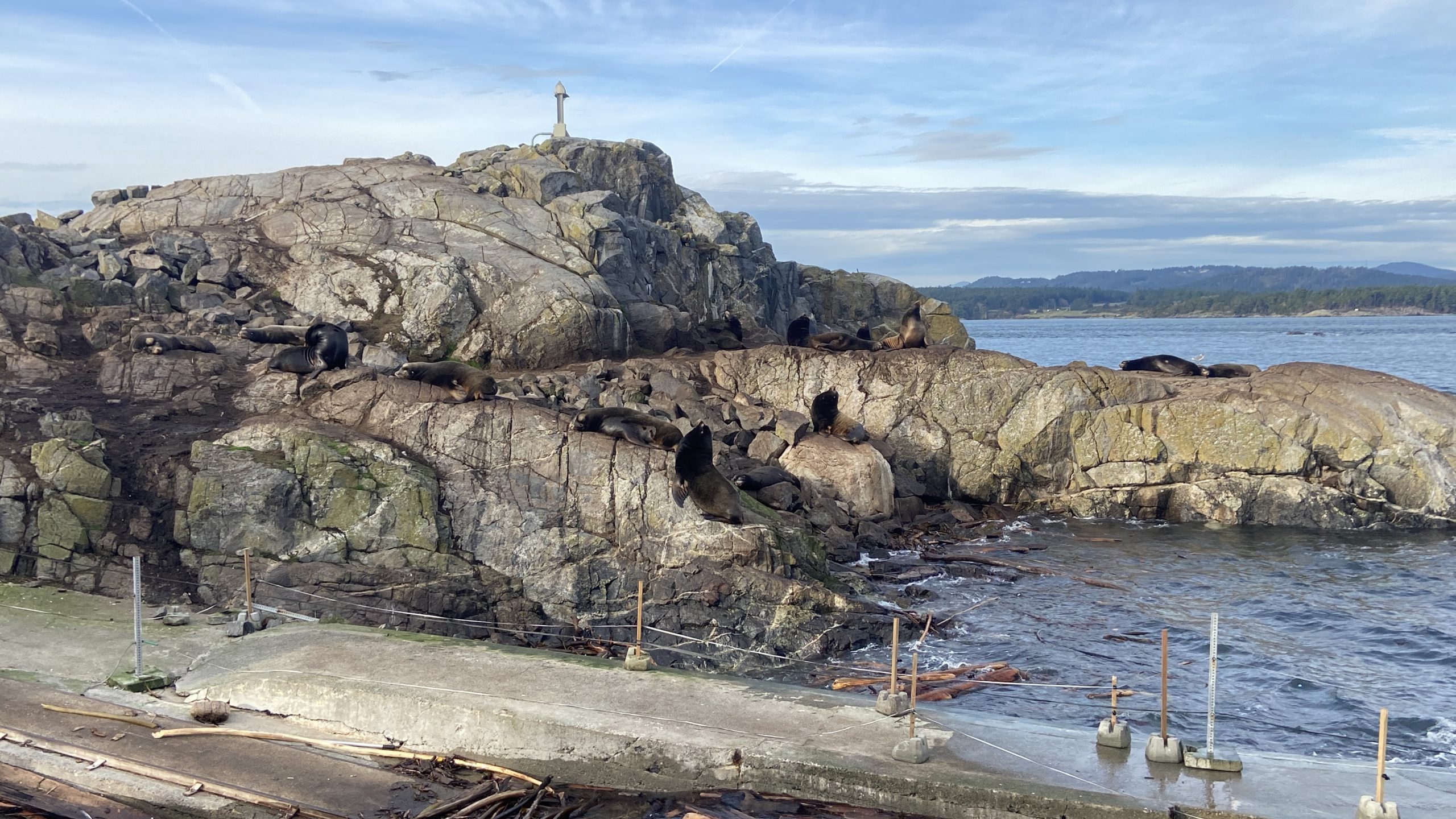
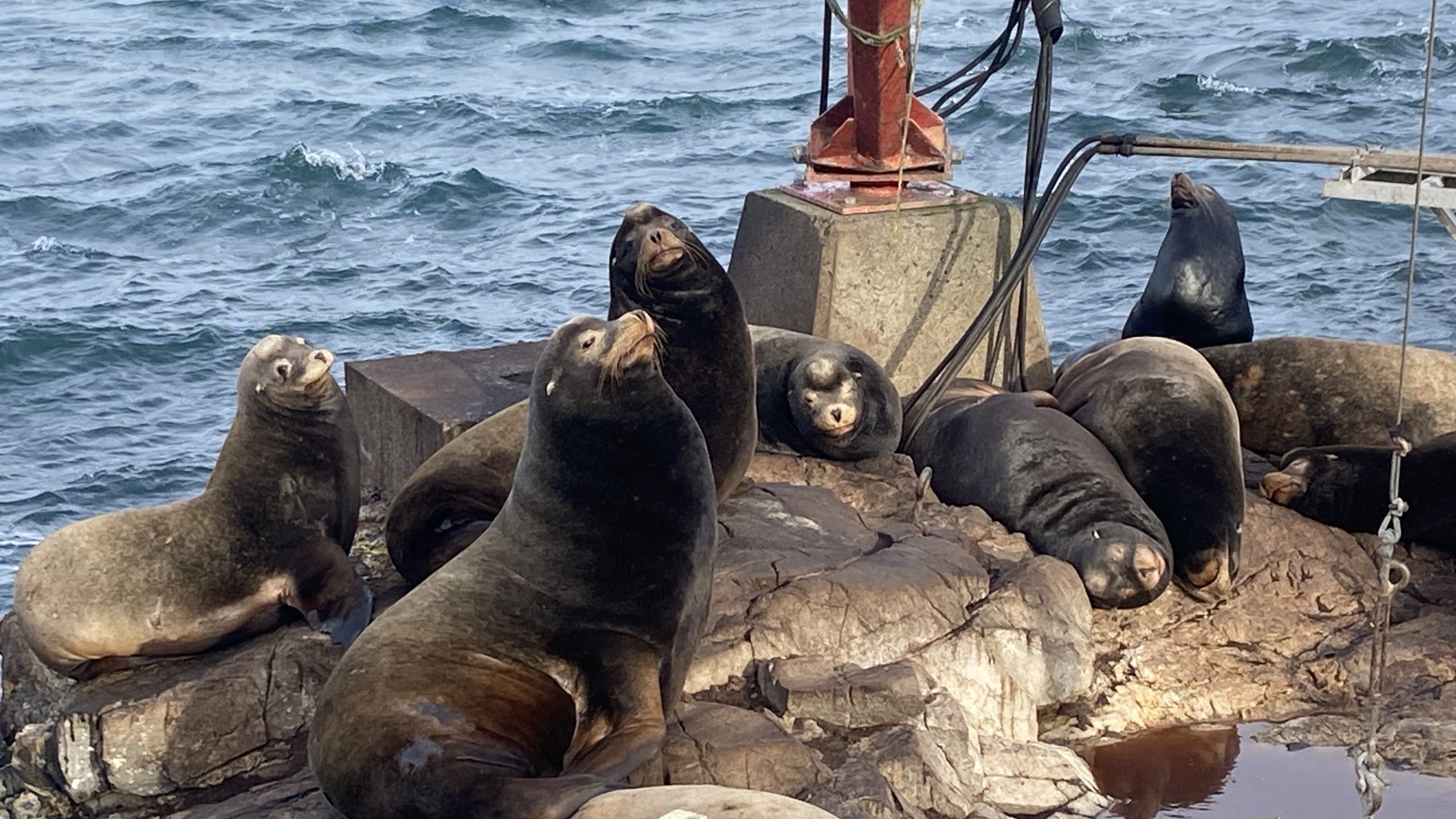
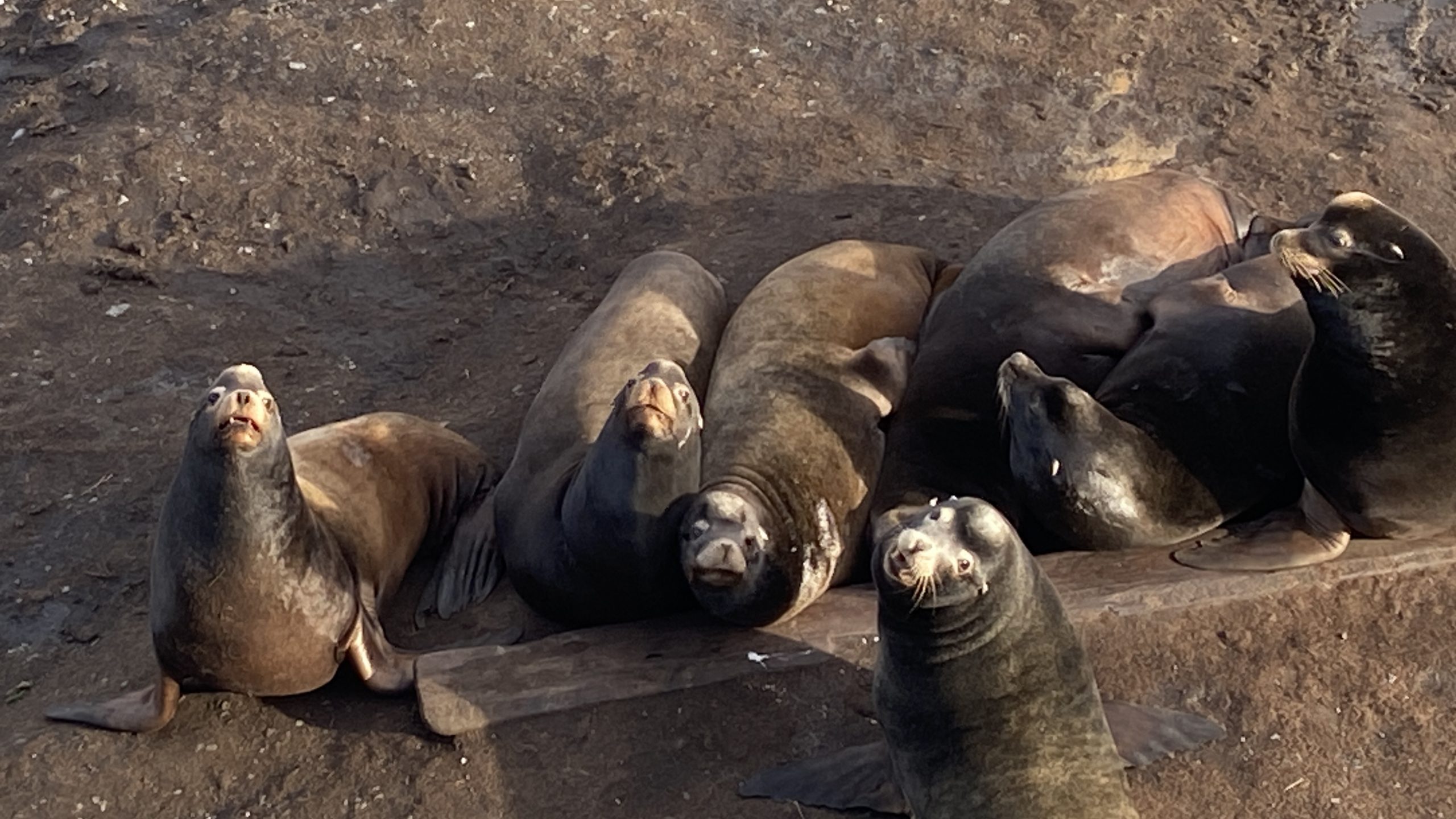
A herd of California Sea lions who have become accustomed to boats landing at the docks greeted us at the docks.

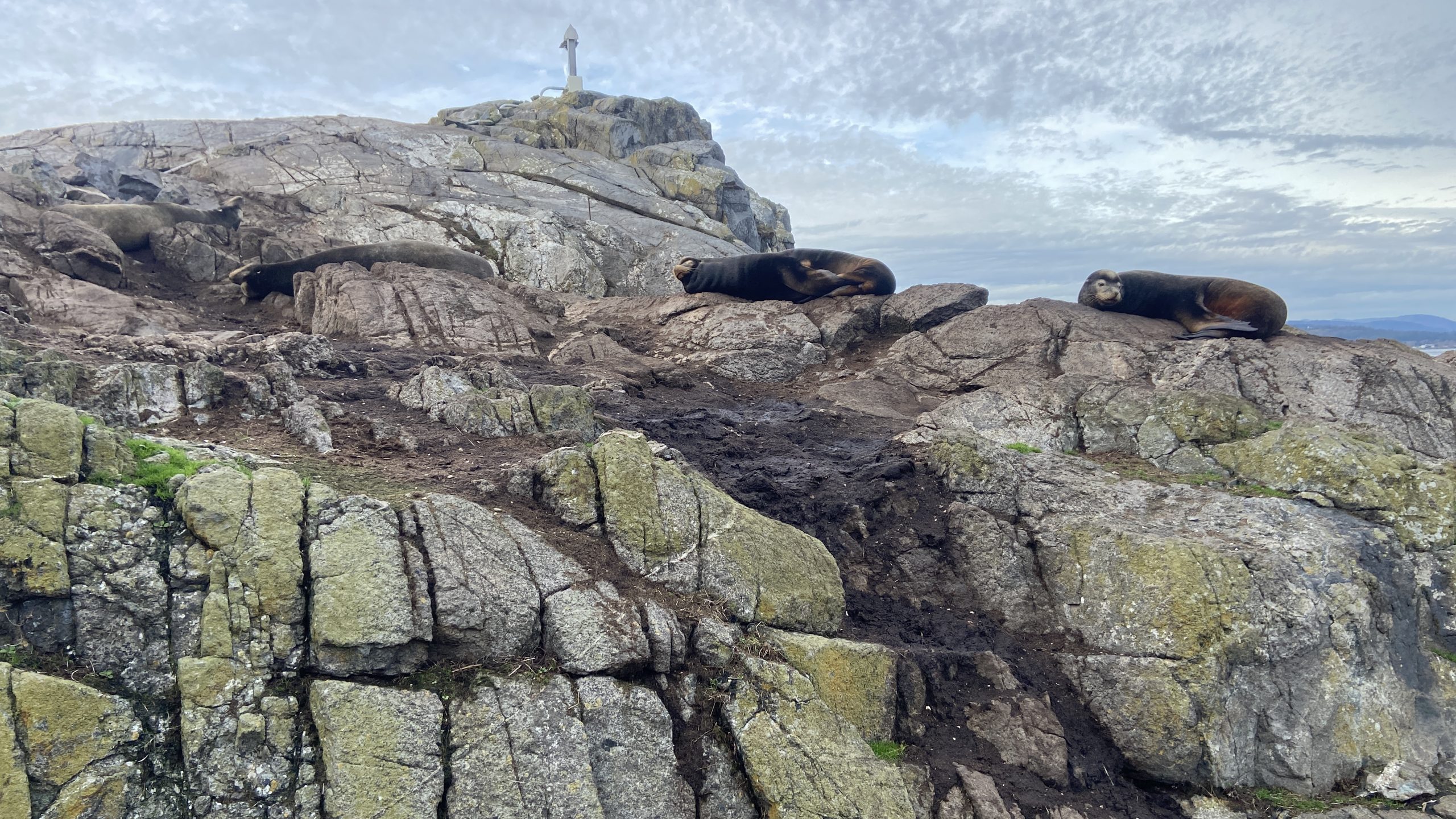
On the North side of the island there were mainly California sealions. 

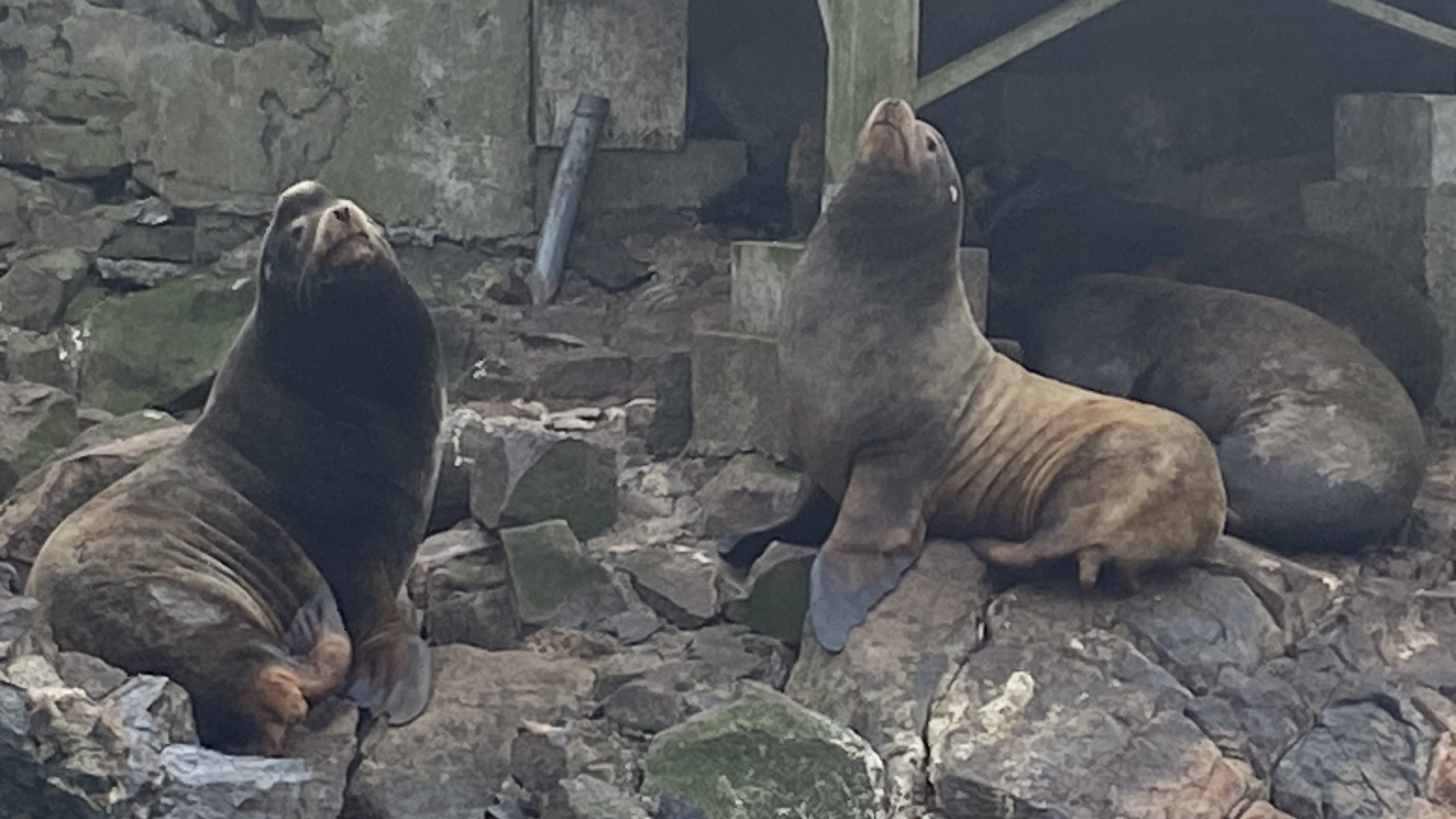
The Northern sealions predominated on the south side of the island Their distinctive growl and larger size sets them apart from the California Sea lions 

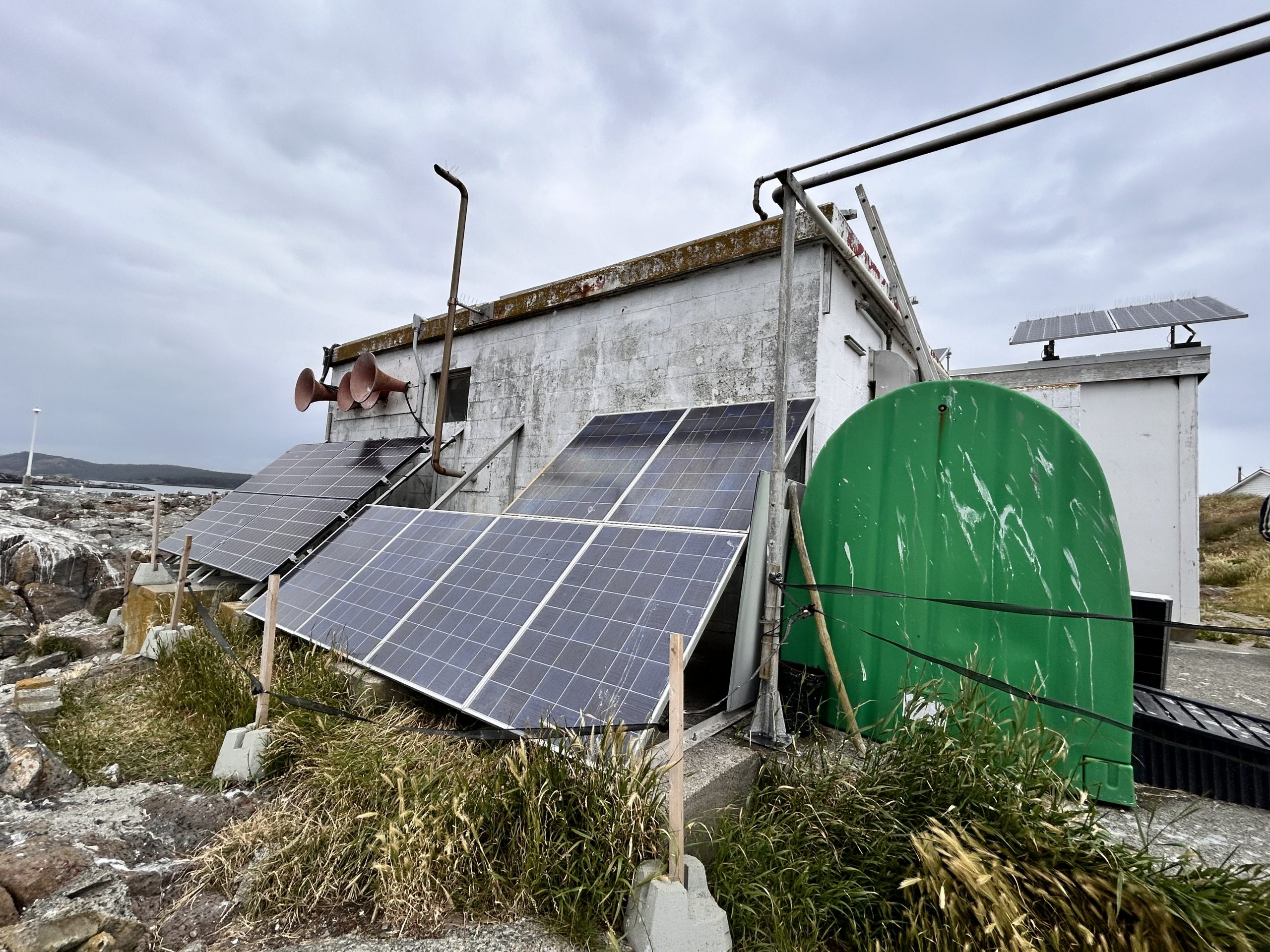
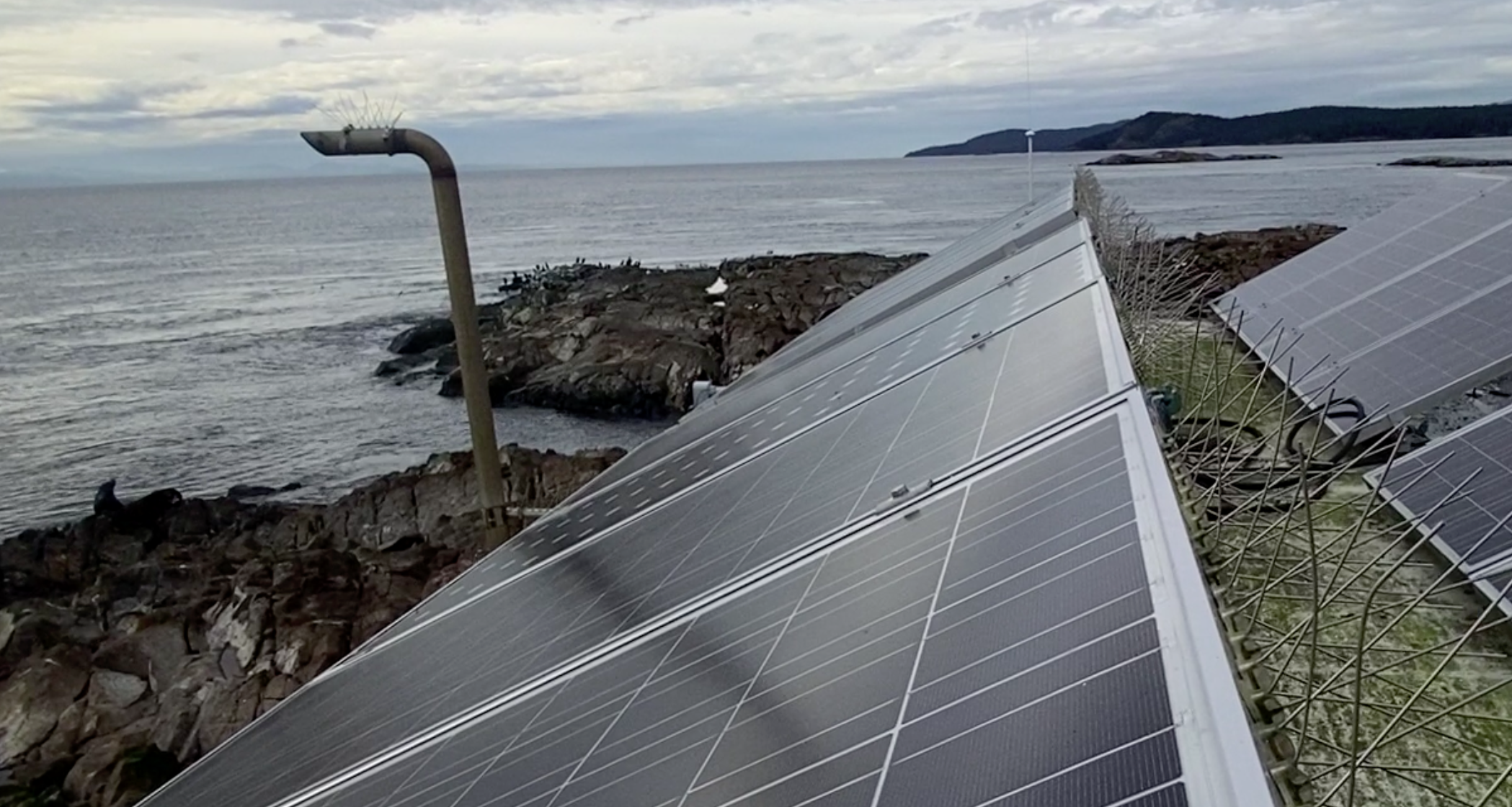
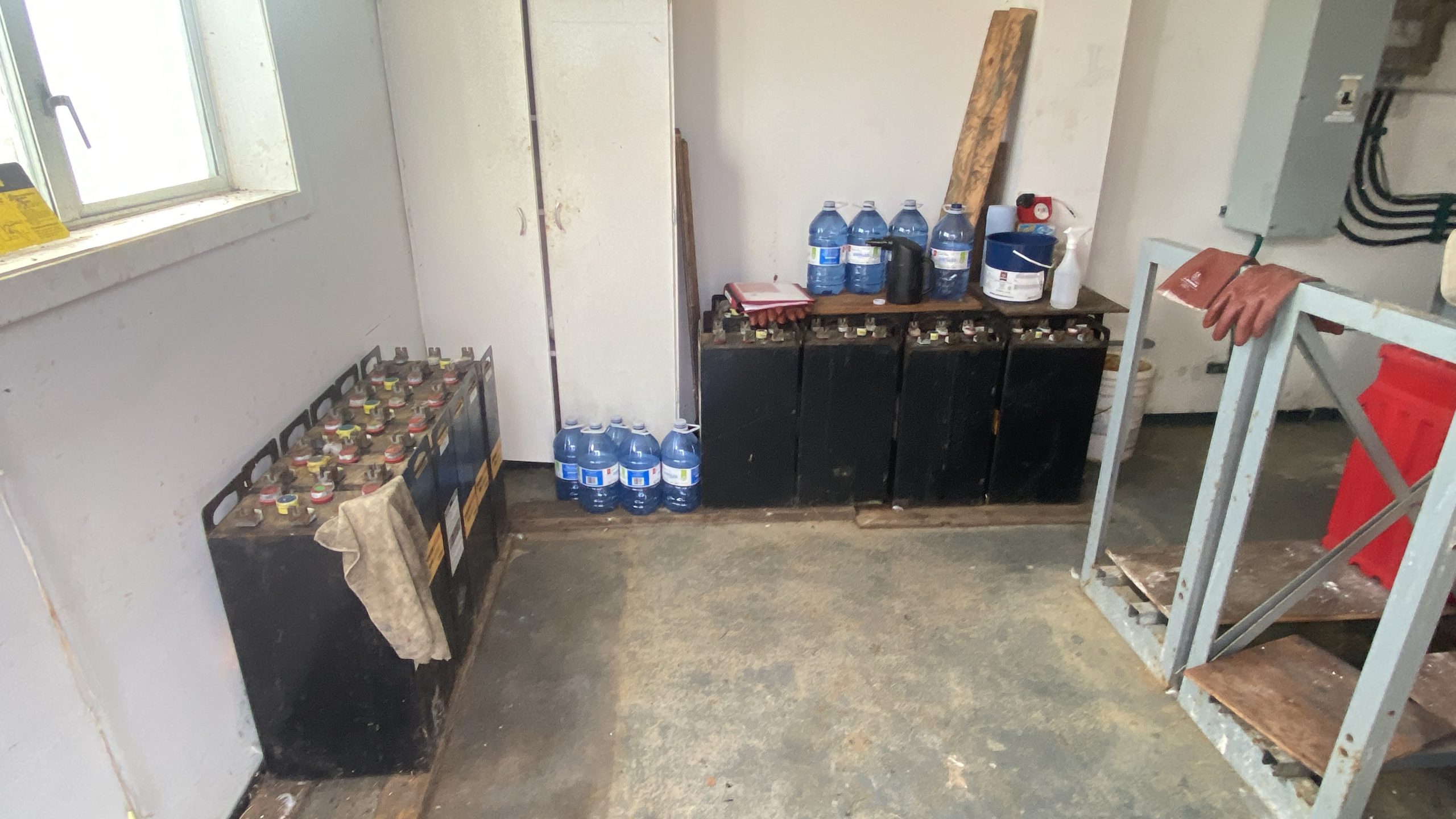
For the several hours that the technicians were busy in the engine room I could  check out the whole island. Additional solar panels have been added to the array shown in the video below taken from the roof of the energy building/engine room. In the winter the diesel engine has to run for a few hours to help charge the batteries. 


From the helicopter pad I observed a very nervous mixed herd of California and Northern sealions that were occupying the area on the West side of the island, preventing me from going in that direction to check out the tidepools. 

Race Rocks must be one of the few outdoor locations in British Columbia where flowers bloom year round because of the surrounding waters never dropping below 8 degrees C which moderates the temperature.

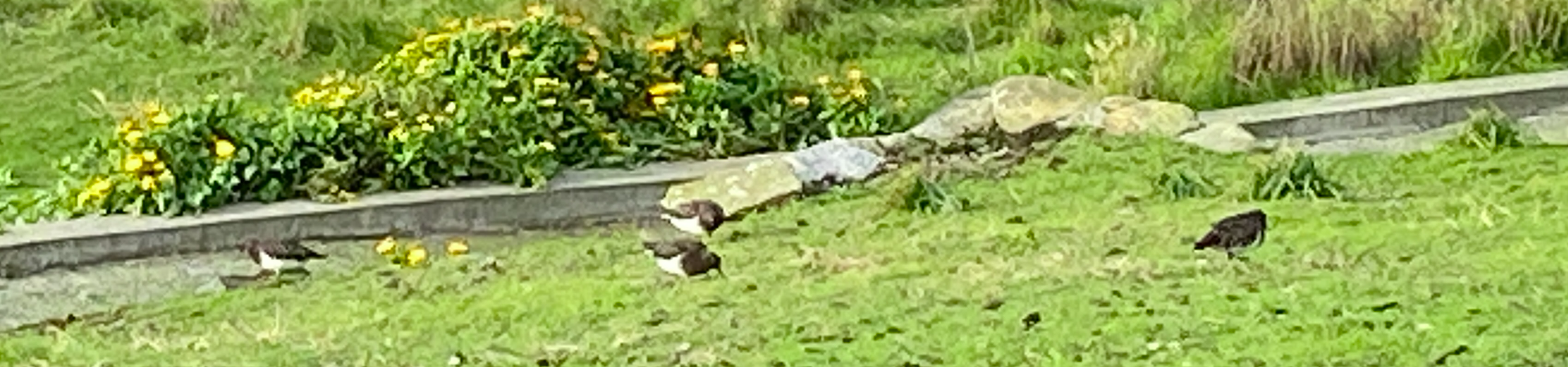
There were many Black turnstones around the island. They are found here year round although they are not known to nest here.


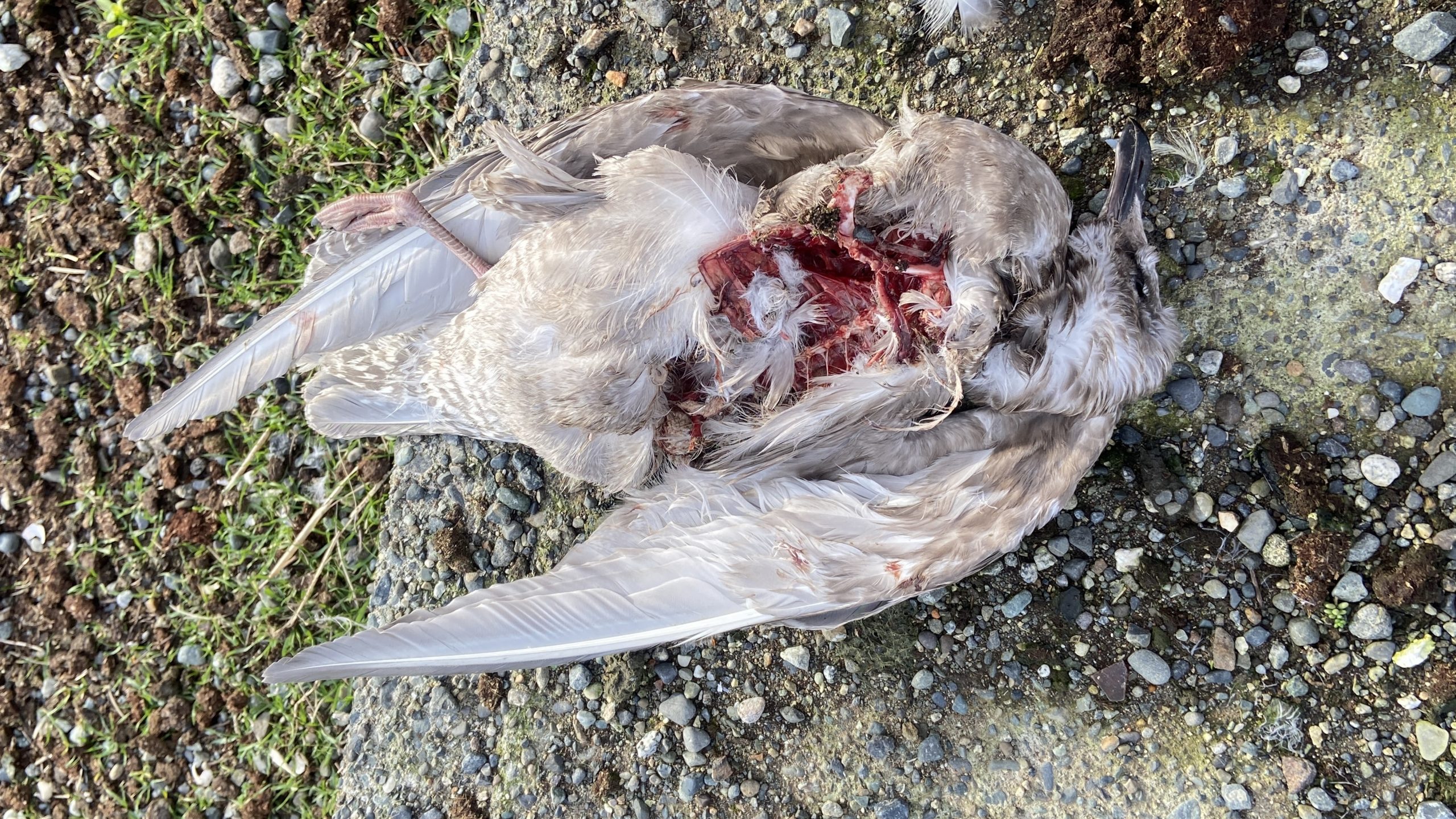
There has been a high number of gull mortalities this past year. This one is missing the breasts indicating it was a meal for the Bald Eagles. They now patrol the area regularly and this has probably contributed to the low number of overwintering gulls.

The absence in overwintering seagulls at this time of of year  was very obvious. Ined some years they have number in the thousands. The south-west corner which usually is heavily populated only had a dozen of probably brants cormorants, and a small flock of less than 100 gulls was on the north-east corner of the island

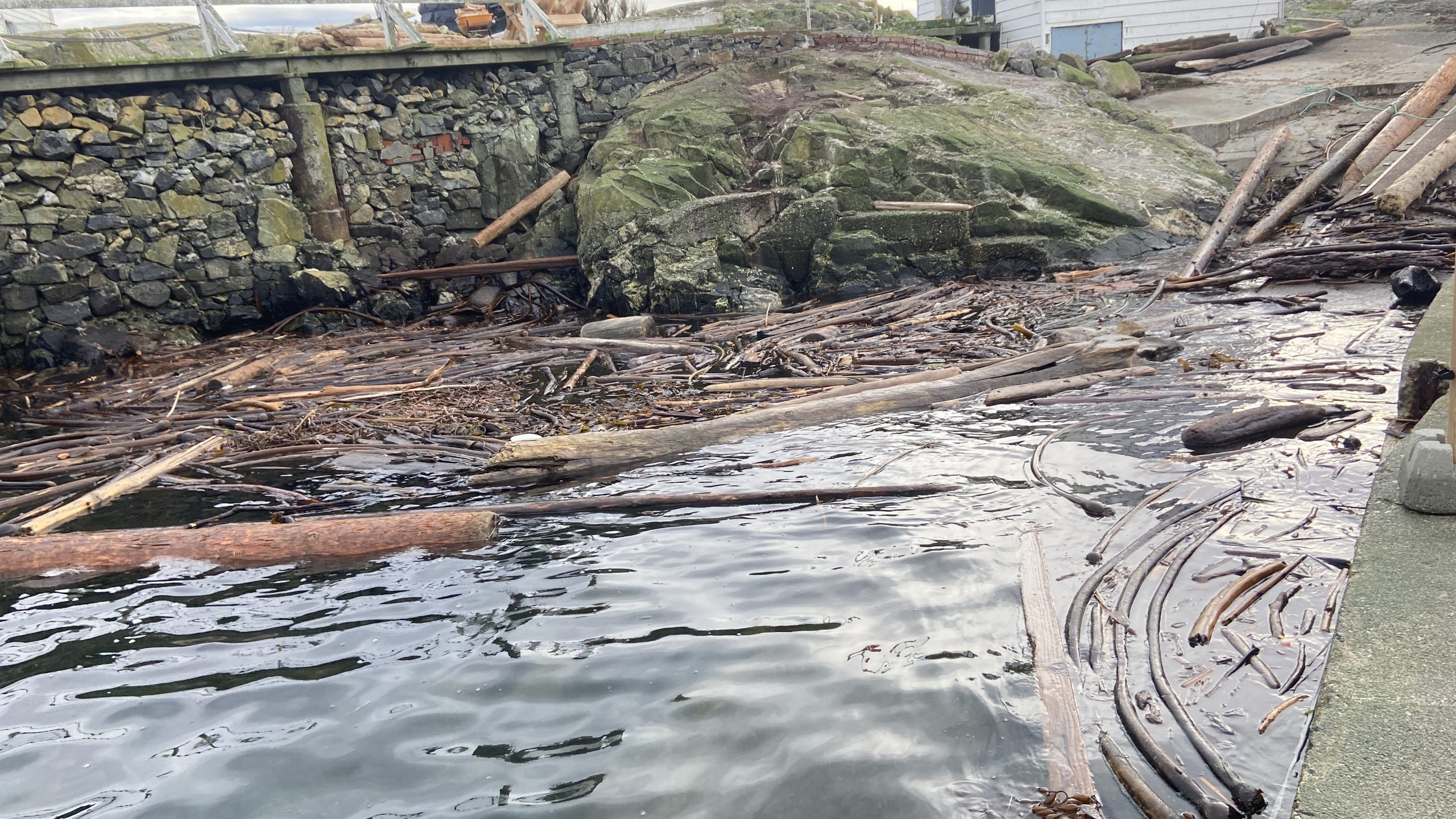
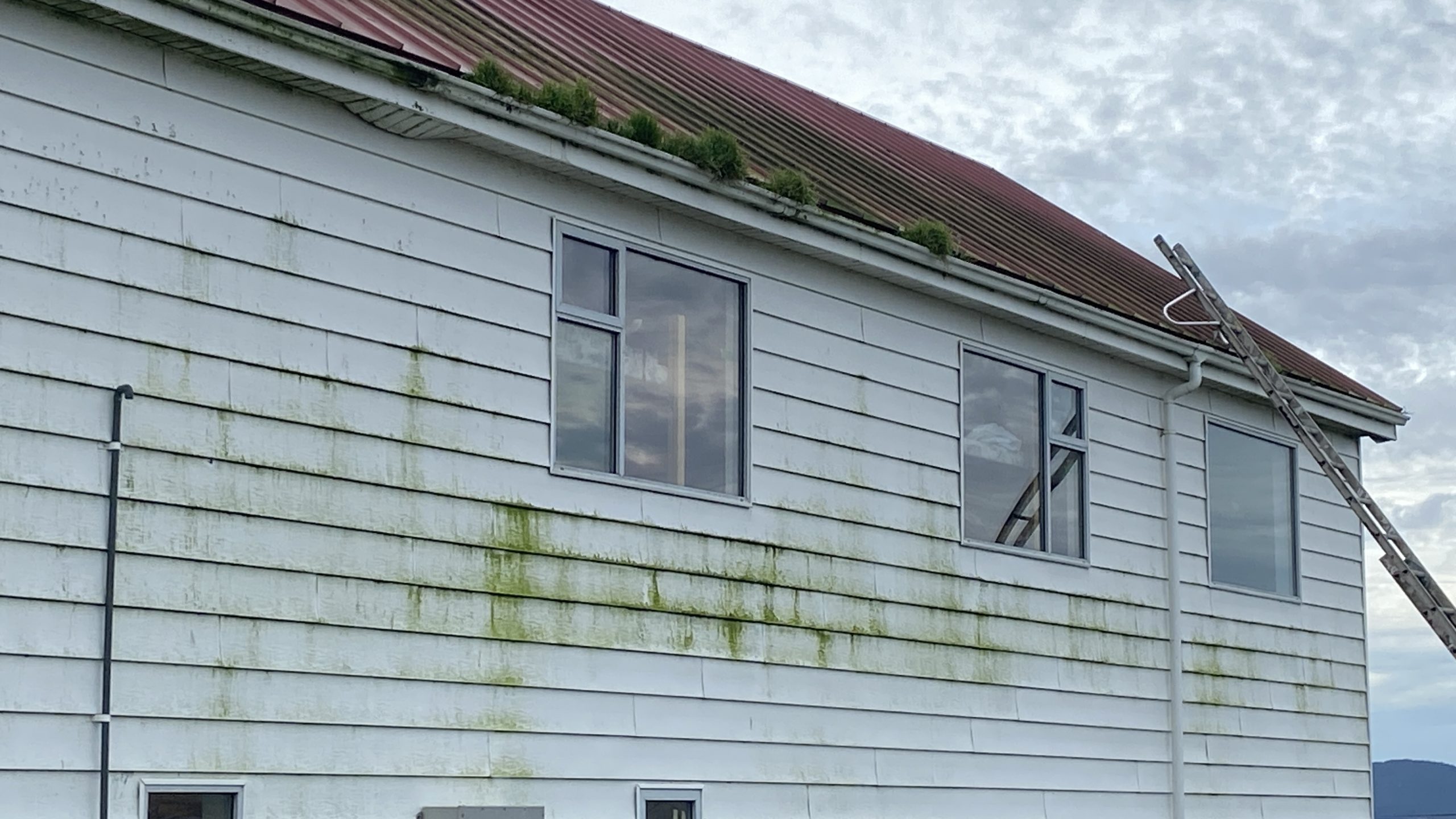
While I was there , Greg and Cedrick from Pearson College helped in cleaning gutters, definitely a two-man job for safety reasons, and hauling up some of the logs in the harbour by the slipway for cutting up for firewood. 

SOME WORK YET TO BE DONE: 

Managing a former light station and an Ecological Reserve can be a large job.  Pearson College does an admirable job in fundraising to keep the place going. It is after all the only Ecological Reserve in the province which has human dwellings and a full time Ecoguardian paid for by Pearson College. Since 1997 Pearson College has taken on the role of management of these facilities which require constant upkeep in a very demanding physical and biological environment. I will point out several items below that are needing attention. 


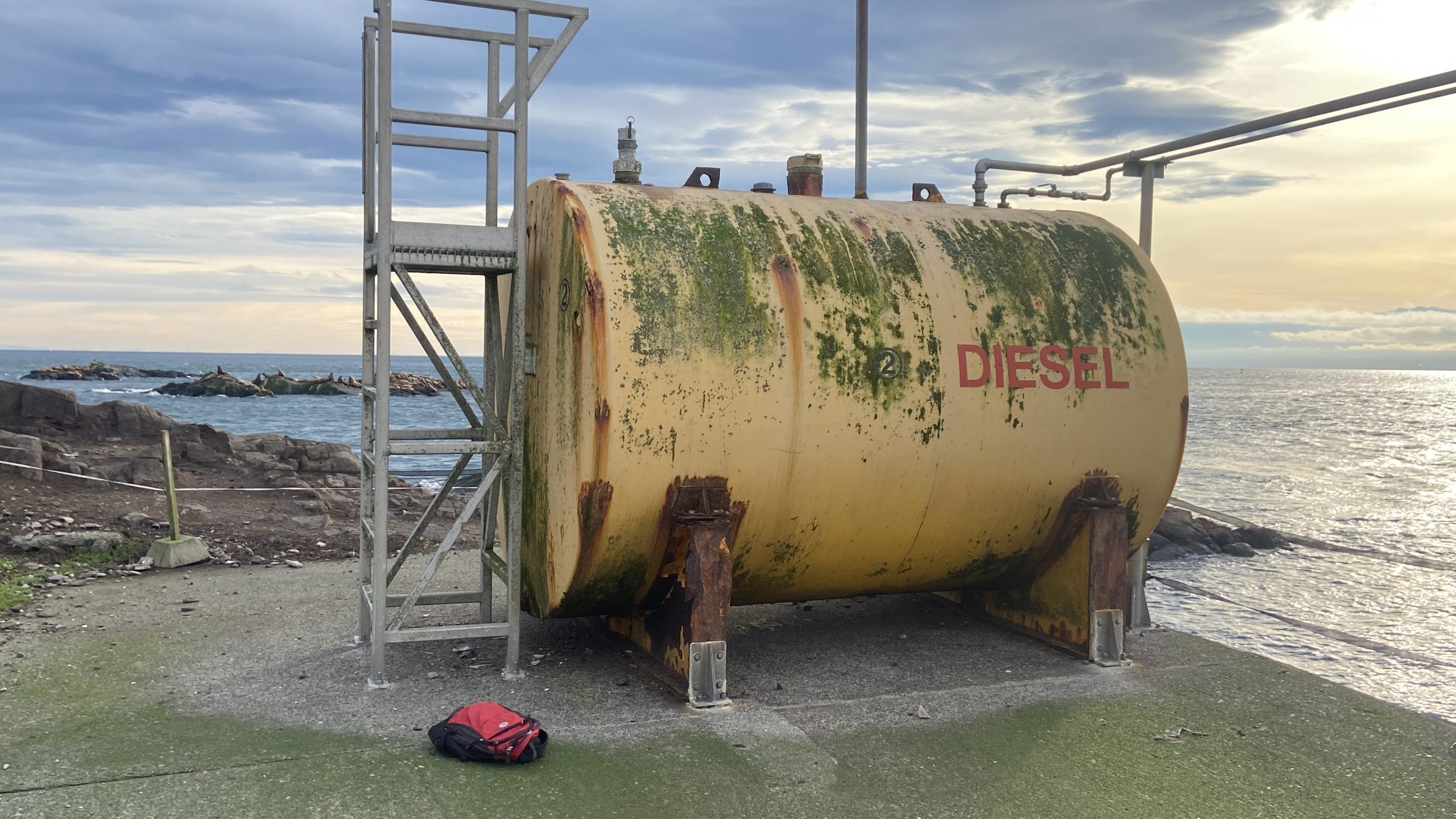
This is the last of the old storage tanks used by the coastguard. They await removal. It is just a matter of time until the salty environment encouraging the rust could cause further problems. 


Below are some suggestions I would like to make about things that are not urgent but to which attention may be paid in the future. 

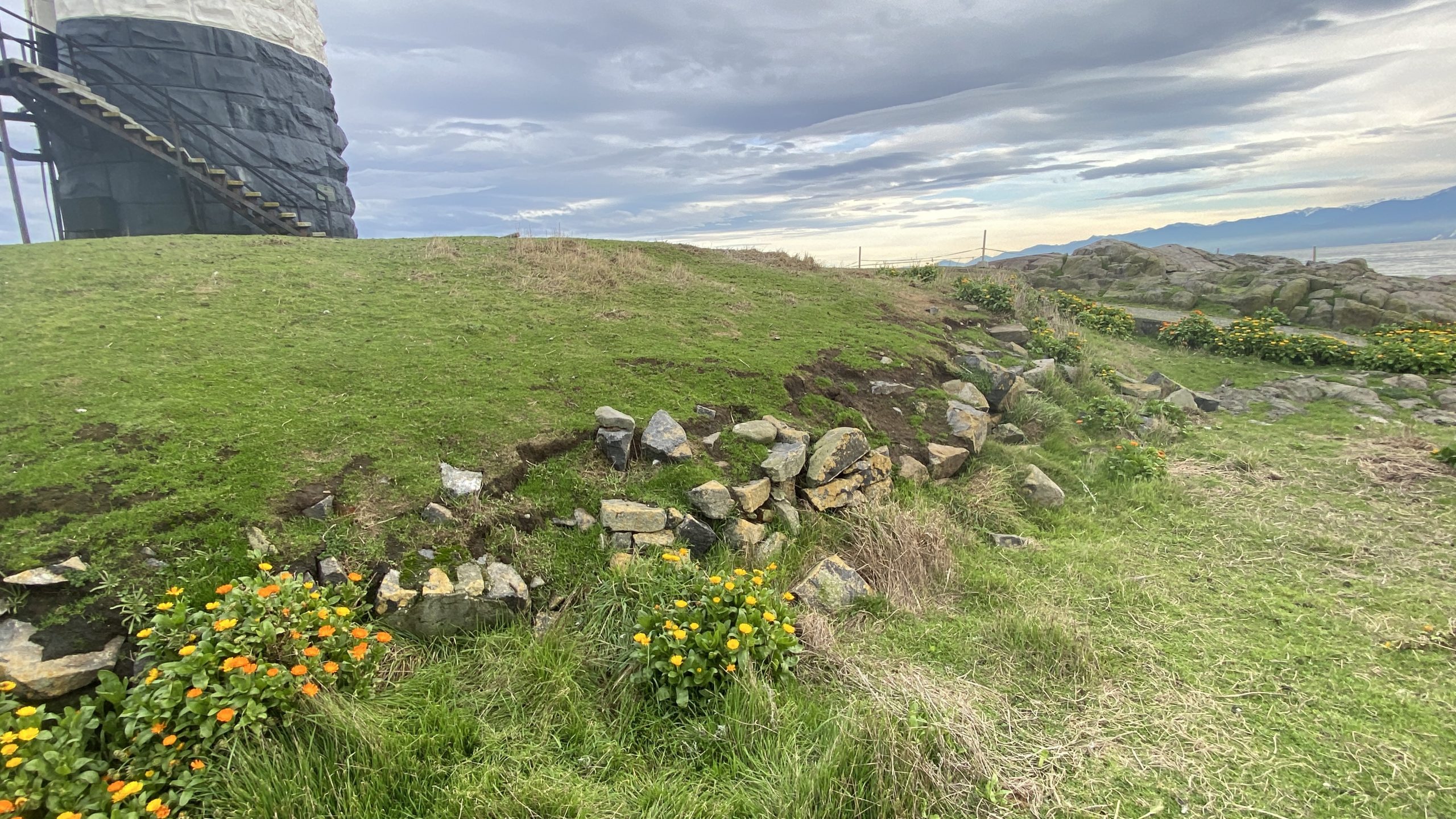
The rock wall which was eroded by the hurricane in 2006 Is still in a partly fallen state, contributing to bare soil and erosion.  It wouldn’t take much effort to repair this to improve the stability of the area. ( maybe a student project week item?)


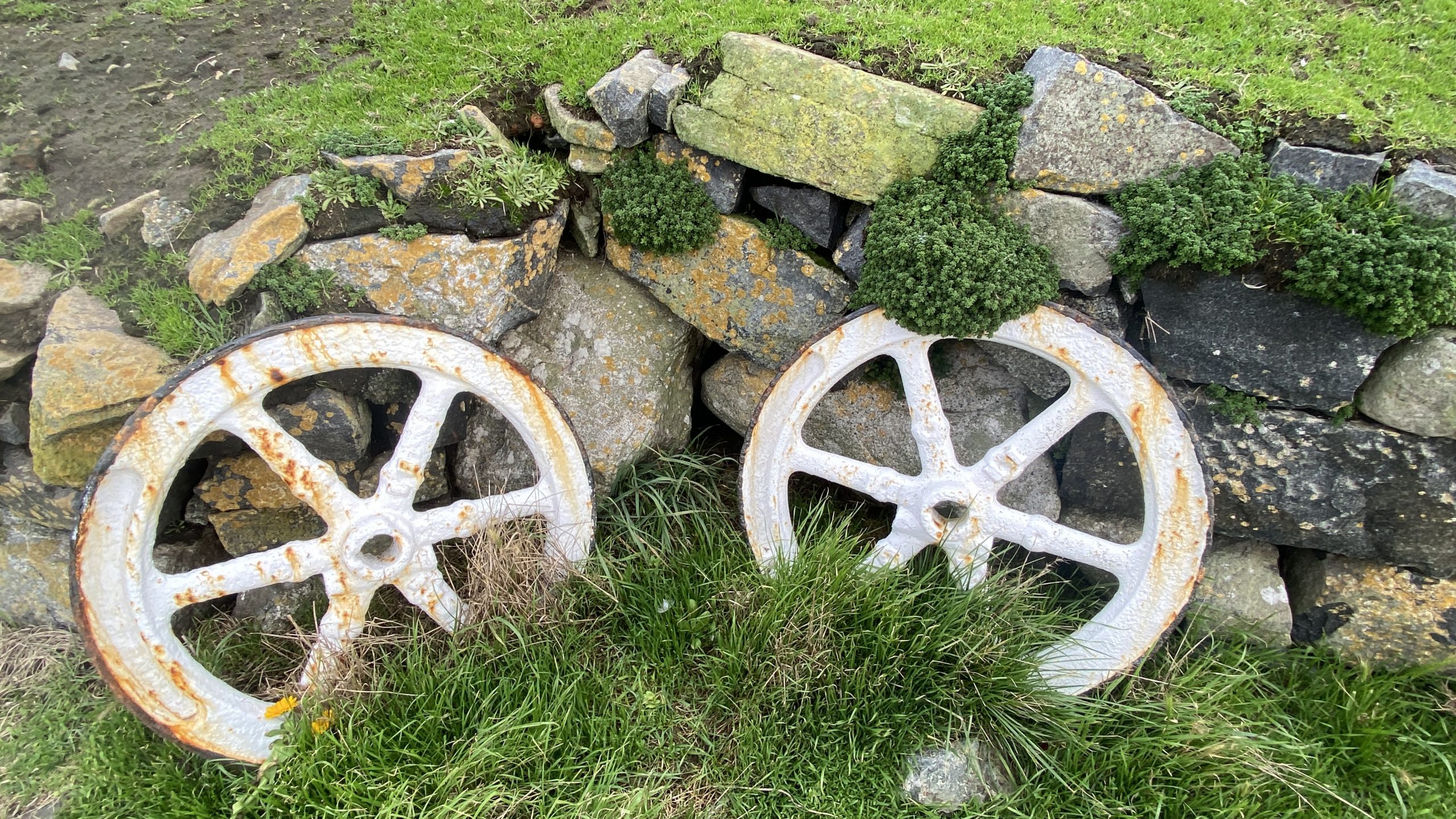
At one time the area under these artifacts was covered  with bricks from the original engine room. The bricks are still there but they are now overgrown with grass. Removal of the overburden would improve the appearance of the area. 


California Sealion


Trev Anderson , Former Lightkeeper at Race Rocks celebrates 103rd birthday

The Times Colonist reported this week the 103rd birthday of Trev Anderson, former lightkeeper at Race Rocks Ecological Reserve who lives in Victoria, BC.
https://www.timescolonist.com/celebrations/birthday-trevor-anderson-7703934


The following note was published here in 2020
https://racerocks.ca/the-origins-of-an-ecological-reserve-trev-anderson-turns-100/

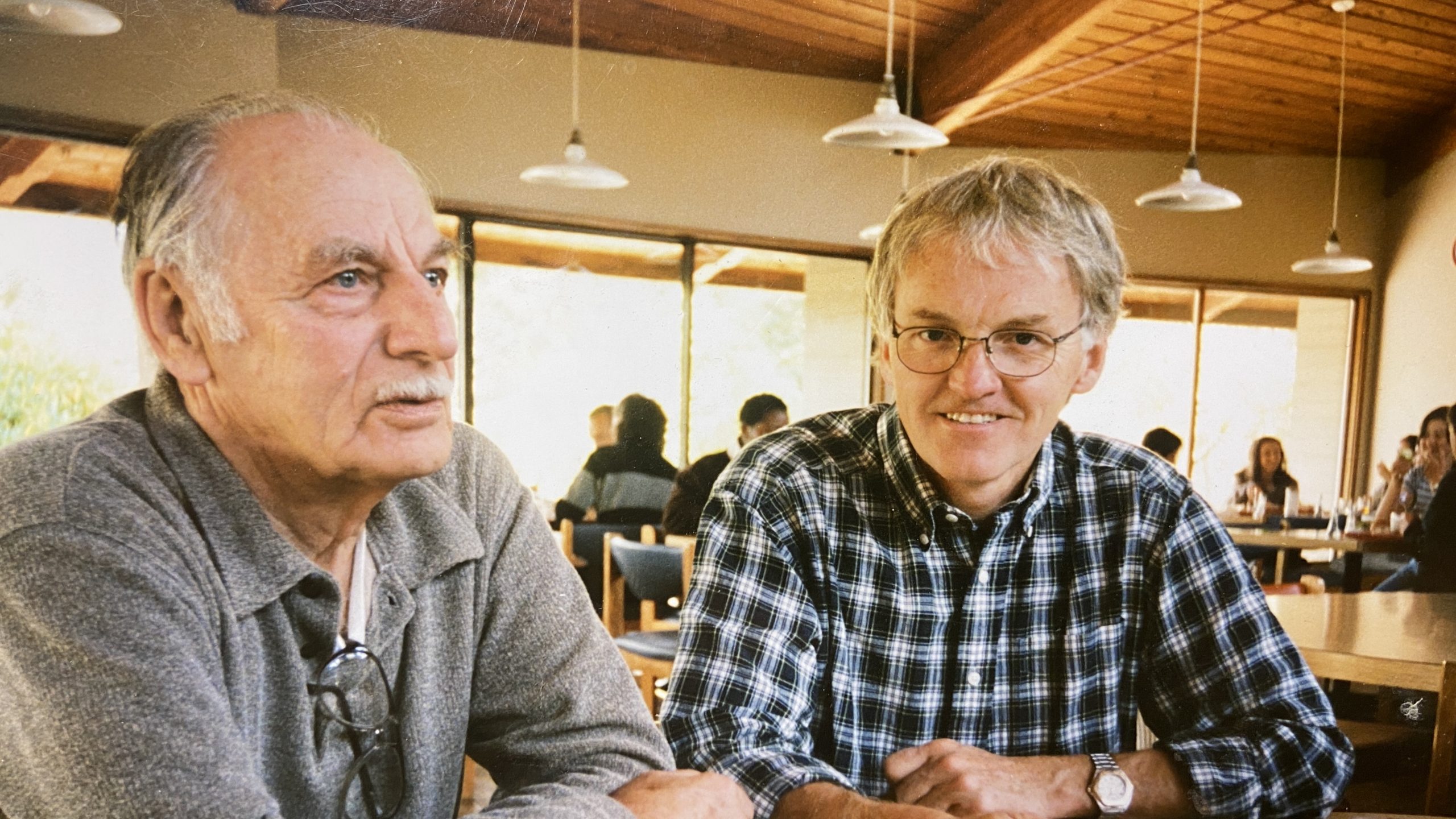
Trevor Anderson and Garry Fletcher in the dining hall at Lester B. Pearson United World College: September 21, 1998

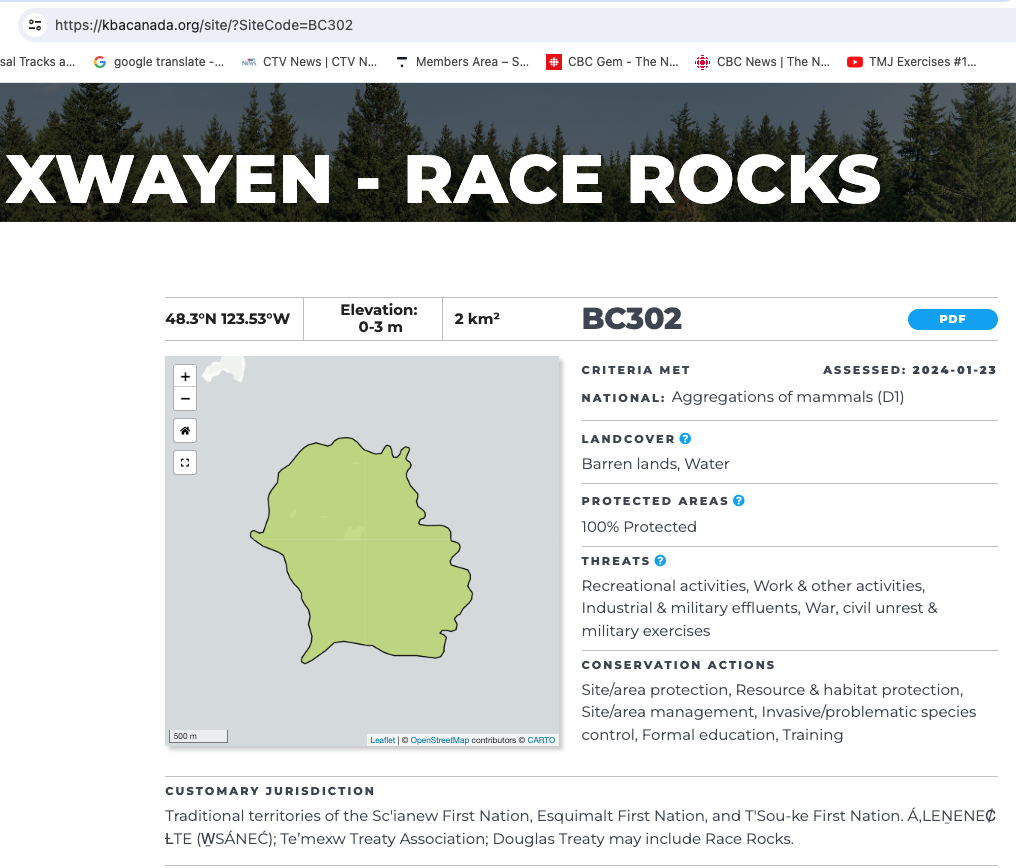
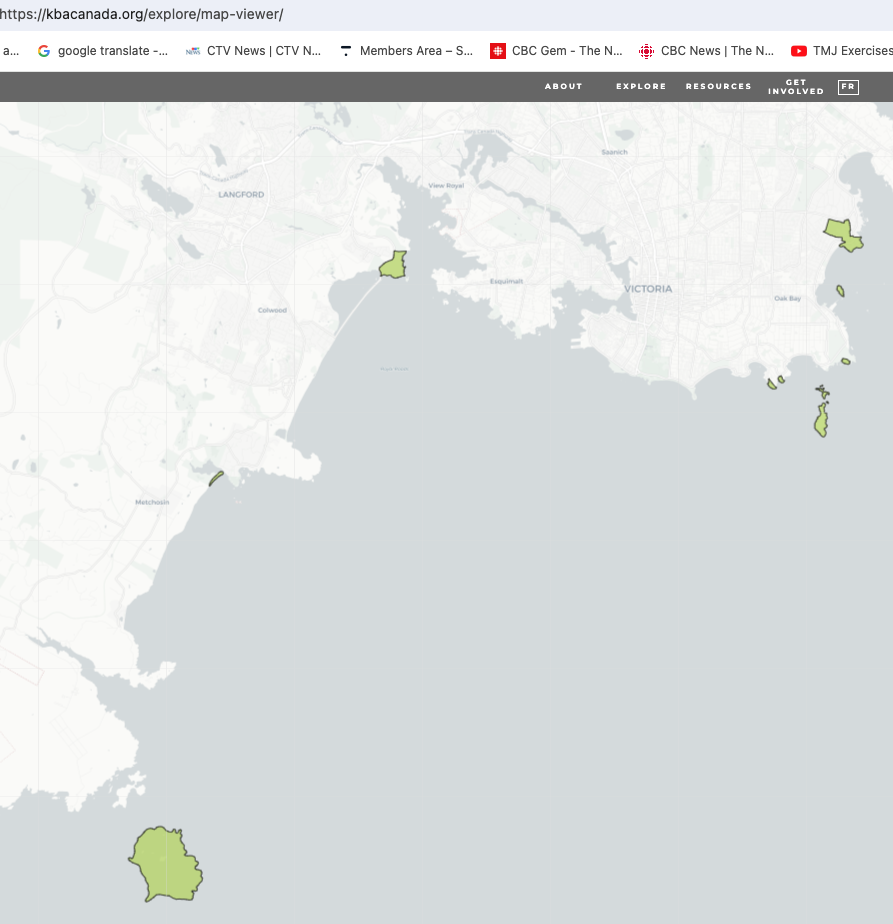
Race Rocks Ecological Reserve Proposed as a KBA – Key biodiversity area

In June 2023 Ian Adams presented for the Annual General Meeting of Friends of Ecological Reserves on the Key Biodiversity Areas program in Canada.  This presentation is available here: https://ecoreserves.bc.ca/2023/06/07/key-biodiversity-areas-ian-adams-fer-agm-june-2023/

The website of KBA Canada is here: https://gis.natureserve.ca/portal/apps/dashboards/8a89d50ea0b04c7790e19791ab9ae6e8


Race Rocks Ecological Reserve is on the list of proposed KBAs in British Columbia along with several other Ecological Reserves in the province .

See the pdf: KBASummary_GeneralReview_XwaYeNRaceRocks_2023-06-19 KBASummary_GeneralReview_XwaYeNRaceRocks_2023-06-19

Below is a copy of that document.:
XwaYeN (Race Rocks) KBA, British Columbia

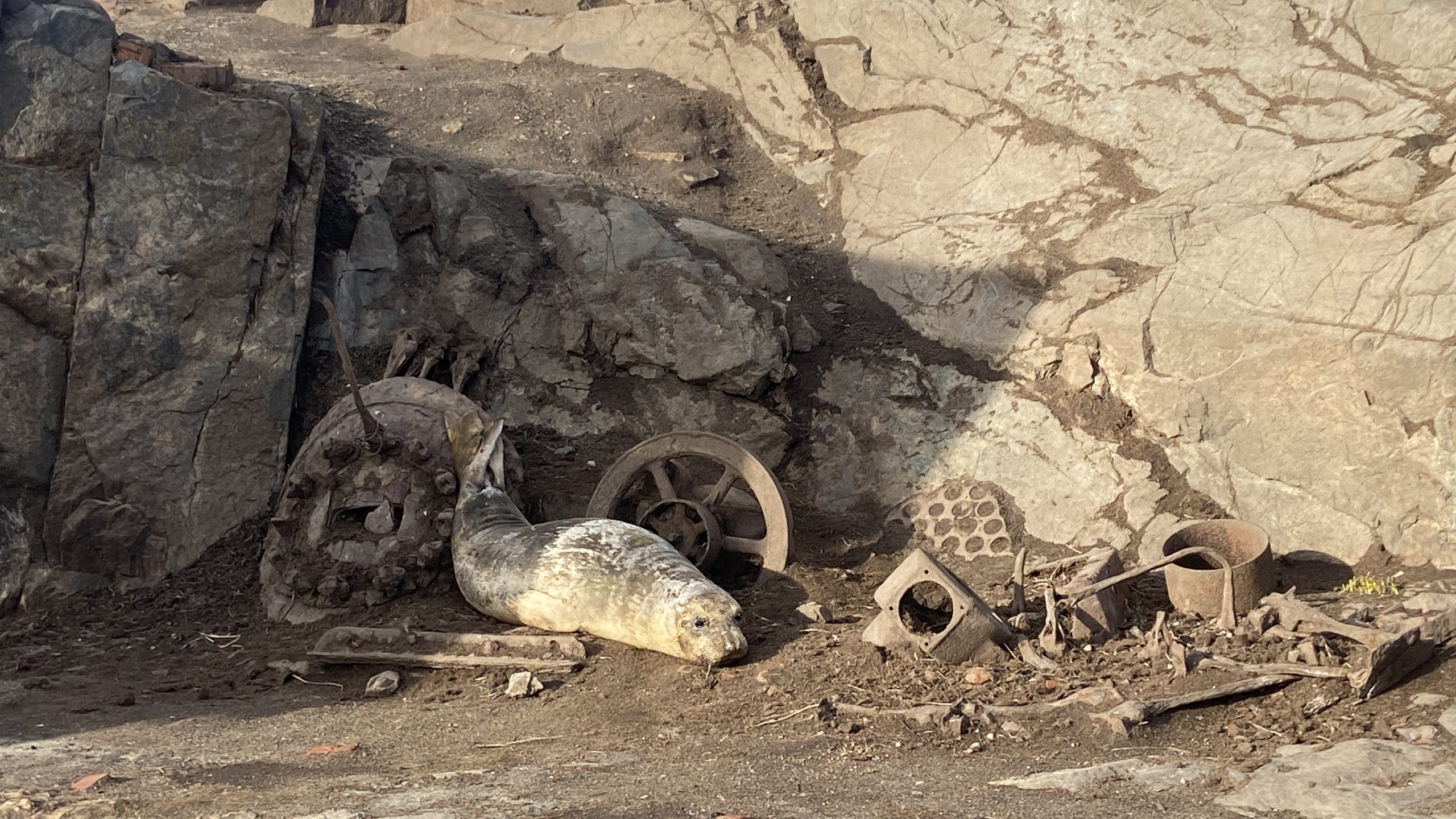
Northern Elephant Seal (Mirounga angustirostris)

Instructions for Reviewers
1. Read through the “Summary of Proposed KBA” section.
2. Answer the survey questions in the Online Review App.
3. For additional information, see:
 What are KBAs and how are they assessed?
 Instructions for reviewers

Summary of Proposed KBA
Please note that this summary was generated automatically, and as a result there may be species scientific names that are not italicized.
KBA Name: XwaYeN (Race Rocks)

Location (province or territory [mid-point lat/long]): British Columbia [48.297 /-123.53]
KBA Scope: National

Proposal Development Lead: Ian Adams
1.
5. Trigger Biodiversity Element(s):
● Species: Northern Elephant Seal (Mirounga angustirostris)
6. Site Status Summary:
XwaYeN (Race Rocks)
is a candidate National
KBA for the following KBA criteria:
● National D1a [criterion met by 1 taxon] – Site predictably holds an aggregation representing ≥1% of the national population size of a taxon,
over a season, and during one or more key stages of its life cycle (Mirounga angustirostris).
● National D1b [criterion met by 1 taxon] – Site predictably holds a number of mature individuals that ranks the site among the largest 10
aggregations known for the taxon in the country (Mirounga angustirostris).
7. Site Description:
The XwaYeN (Race Rocks) KBA overlaps with Race Rocks Ecological Reserve, which was created to protect intertidal and subtidal communities
that are extremely rich as a result of strong tidal currents. Energy and nutrient inputs attributable to the nearly continuous currents are large,
and light penetration in these shallow, clear waters is excellent. These factors result in a high production of algae and invertebrates, while the
varied topography promotes ecological diversity. Consequently, the marine communities here are unusually luxuriant and rich. XwaYeN is in the
Coastal Douglas-fir Moist Maritime biogeoclimatic zone (BC Parks 2022), though none of the islands are forested.

1 Meets criterion D1b because it is one of 10 largest aggregations in Canada for this taxon.

2 Composition of 10 Reproductive Units (RUs): Elephant seals are polygynous so 10 RUs is 10 adults females and 1 adult male. . Source of RU
data: IUCN 2016; Fletcher 2016; Race Rocks Ecoguardians 2022.

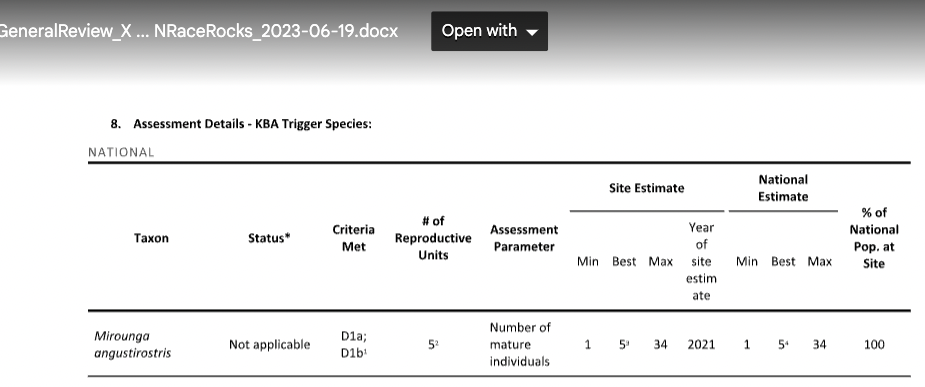
3 Derivation of site estimate: Other. Explanation of site estimate(s): Five Elephant seal pups were born at the site in 2021 (Race Rock
Ecoguardians 2022; BCCDC 2022). Race Rock Ecoguardian observation data collated for 1 Jan 2014 through 20 Jan 2016 found almost continual
presence of Northern Elephant Seal at Race Rocks. Counts range from 1 to 34 individuals, including all age classes: adults, sub-adults and pups.
A best estimate of 5 individuals is an approximate average during this time. Source(s) of site estimate(s): Race Rock Ecoguardians 2022;
Fletcher 2016; BCCDC 2022.

4 Explanation of national estimate(s): Five Elephant seal pups were born at the site in 2021 (Race Rock Ecoguardians 2022; BCCDC 2022). Race
Rock Ecoguardian observation data collated for 1 Jan 2014 through 20 Jan 2016 found almost continual presence of Northern Elephant Seal at Race Rocks. Counts range from 1 to 34 individuals, including all age classes: adults, sub-adults and pups. A best estimate of 5 individuals is an approximate average during this time. Source(s) of national estimate(s): BCCDC 2022; Race Rock Ecoguardians 2022; Fletcher 2016.

*The threat status displayed is the one that qualifies the species as a criterion A1 trigger under KBA rules, if applicable. Other statuses may exist.

9. Assessment Details – KBA Trigger Ecosystems: None
10. Delineation Rationale:
The ecological reserve boundary was followed due to the presence of rich intertidal and subtidal invertebrates that are not well documented as potential KBA eligible species. This also facilitates management options for the KBA.

11. Technical Review:

Name Affiliation Email
Garry Fletcher Lester B. Pearson College (retired); Director with Friends of Ecological Reserves Society garryf use the @ sign gmail.com

Strahan Tucker Fisheries and Oceans Canada Strahan.Tuckeruse the @ sign dfo-mpo.gc.ca

12. Additional Site Information:
Rationale for site nomination XwaYeN (Race Rocks) KBA is the only Northern Elephant Seal rookery in Canada. As such, it meets criteria as a national D1a and D1b KBA.

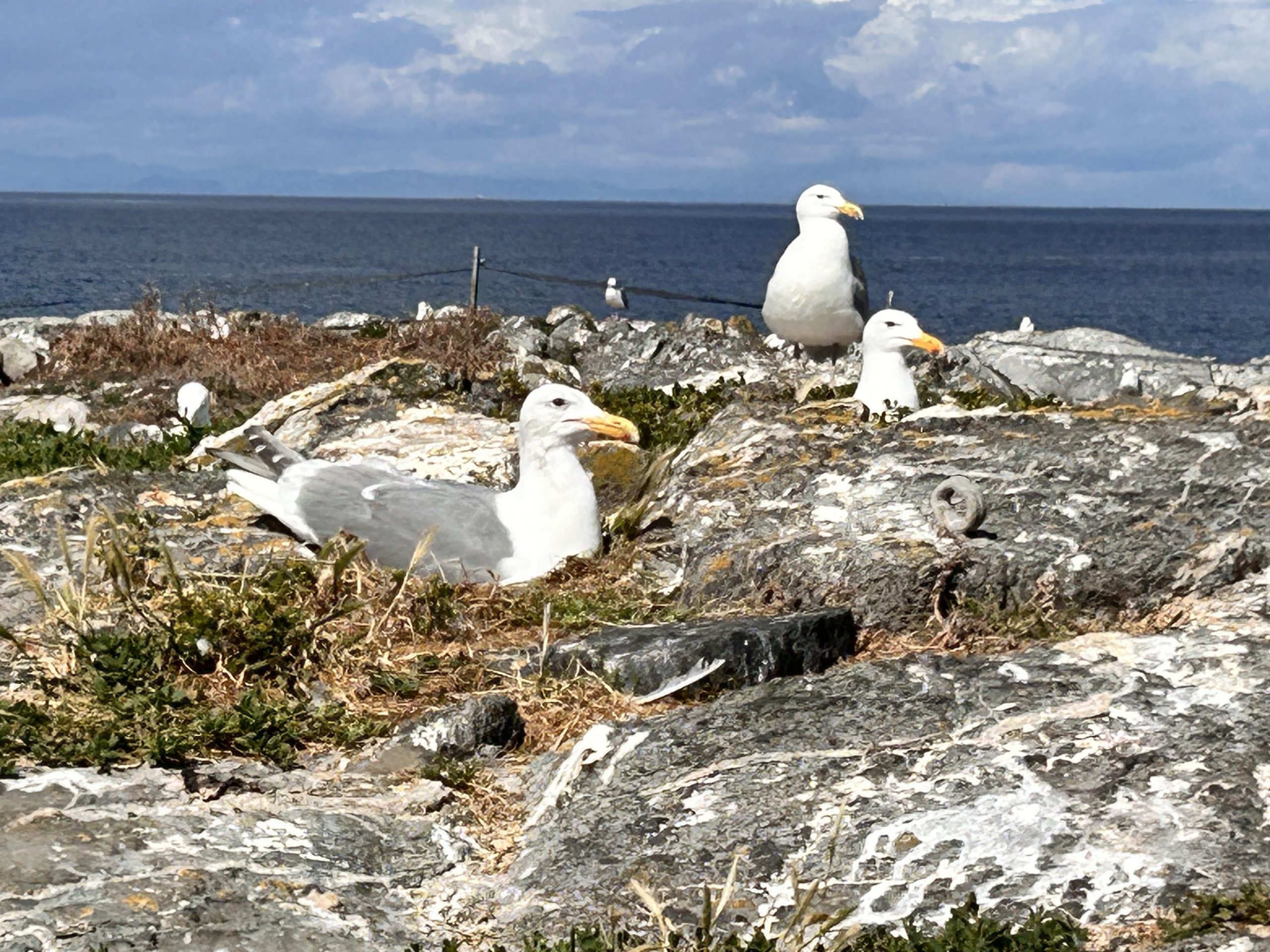
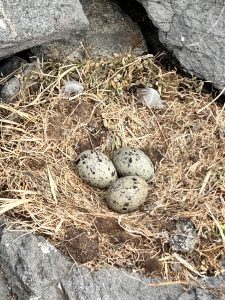
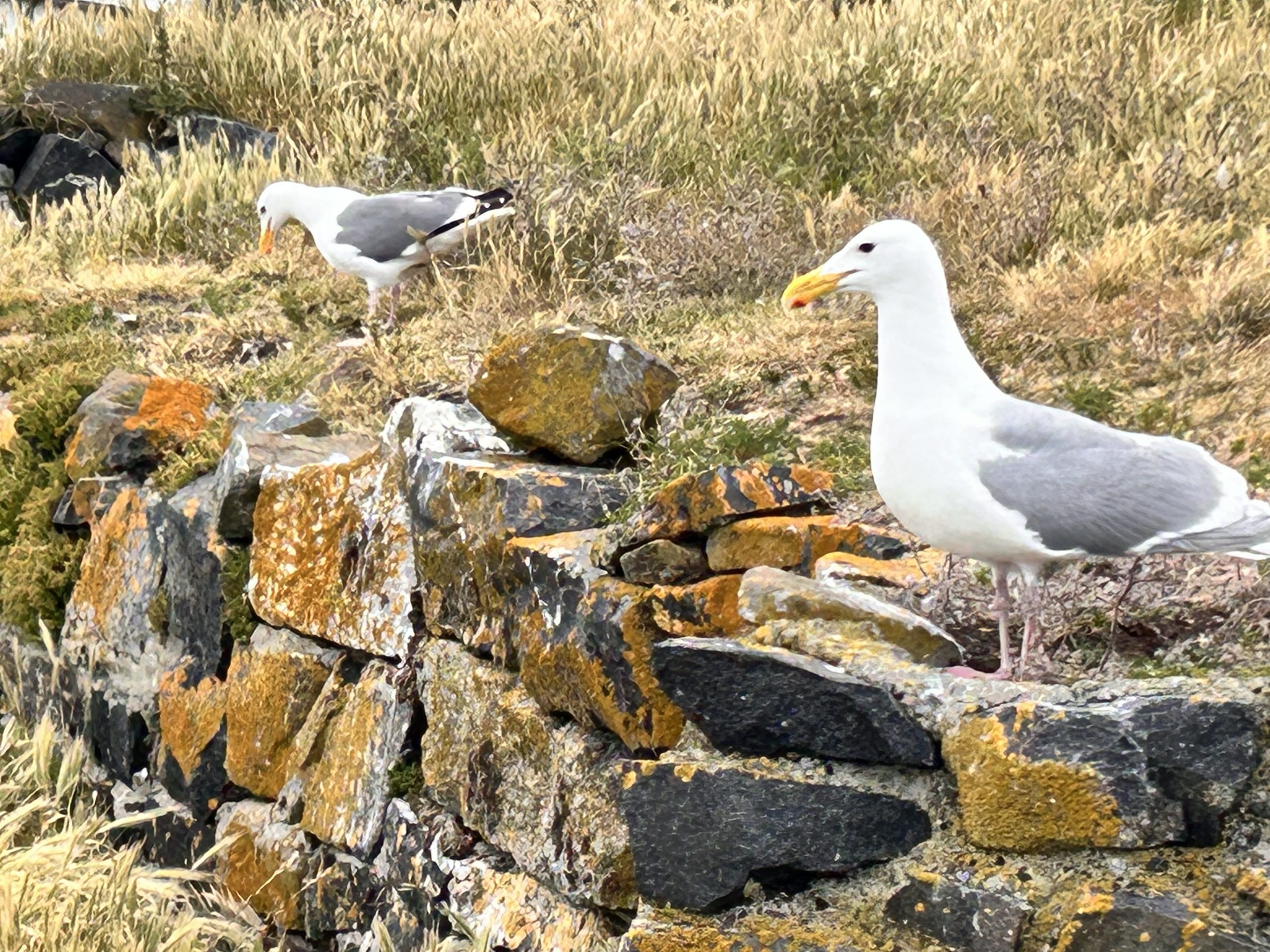
Additional biodiversity at the site A unique hydroid, Rhysia fletcheri, was described as a new species from this site (Brinckmann- Voss et al. 1993), but its abundance and range extent are unclear. Several bird species stop over at the rocks during migration,Including Red Knot (Calidris canutus roselaarim, COSEWIC. Threatened). There are nesting colonies for seabirds including Pigeon Guillemot (Cepphus columba), Black Oystercatcher (Haematopus bachmani) and Glaucous-winged Gull (Larus glaucescens). Brandt's Cormorants (Urile penicillatus) occur at the site but do not nest there.
Both Steller (Eumetopias jubatus, COSEWIC Special Concern) and California (Zalophus
californianus) sea lions use Race Rocks as a winter haul-out. Quillback rockfish (Sebastes
maliger, COSEWIC Threatened) are present and partially protected by a Rockfish Conservation Area (FAOC 2021, see Site Management). Plants including Sea Thrift (Armeria maritima) and Tracy’s Romanzoffia (Romanzoffia tracyi) are present. Rare lichens are present such as Orange Sea Lichen (Flavoplaca marina – previously called Caloplaca marina) and a Grey Lichen (Myriolecis straminea – previously called Lecanora straminea). Iceland Gull (Larus glaucoides) can be found in large numbers and will likely be added as a contributing species in the future.
A full list of species observed at the site is available at https://racerocks.ca/race-rocks-animals-plants/taxonomy-image-gallery/

Customary jurisdiction at site

Traditional territories of the Sc’ianew First Nation, Esquimalt First Nation, and T’Sou-ke First
Nation. Á,LEṈENEȻ ȽTE (W̱SÁNEĆ); Te’mexw Treaty Association; Douglas Treaty may include
Race Rocks.

Conservation:

The site is a BC Parks Ecological Reserve which is staffed and managed by Lester B. Pearson UWC (United World College). The site is part of a Rockfish Conservation Area, established by Fisheries and Oceans Canada to protect inshore rockfish;from all mortality associated with recreational and commercial fisheries; (FAOC 2021). Race Rocks is in Rockfish Conservation Area 19 (FAOC 2015). The KBA is within the Juan de Fuca Strait Ecologically and Biologically Significant Area (EBSA) identified by Fisheries and Oceans Canada as well as Critical Habitat for Southern Resident Killer Whale (Orcinus orca).

Ongoing conservation actions Formal education; Invasive/problematic species control; Resource & habitat protection;

Site/area management; Site/area protection; Training Ongoing threats Human intrusions ; disturbance; Pollution Conservation actions needed

Awareness ; communications; Compliance and enforcement; Formal education;
Invasive/problematic species control; Policies and regulations; Resource & habitat protection;
Site/area management; Site/area protection

13. References:
B.C. Conservation Data Centre. 2022. BC Species and Ecosystems Explorer. B.C. Minist. of Environ. Victoria, B.C. Available:
https://a100.gov.bc.ca/pub/eswp/ (accessed Mar 6, 2022).
BC Parks. 2022. Race Rocks detailed ecological reserve description. Available:
https://bcparks.ca/eco_reserve/racerocks_er/Race%20Rocks%20ER%2097.pdf?v=1646607034131 (accessed Mar 6, 2022).
Brinckmann-Voss A, Lickey DM, Mills CE. 1993. Rhysia fletcheri (Cnidaria, Hydrozoa, Rhysiidae), a new species of colonial hydroid from
Vancouver Island (British Columbia, Canada) and the San Juan Archipelago (Washington, U.S.A.). Canadian Journal of Zoology. 71: 401-406.
https://doi.org/10.1139/z93-056
Fisheries and Oceans Canada (FAOC). 2015. Rockfish conservation areas – Areas 19 and 20. Website: https://www.pac.dfo-mpo.gc.ca/fm-
gp/maps-cartes/rca-acs/areas-secteurs/1920-eng.html [accessed August 23, 2022]
Fisheries and Oceans Canada (FAOC). 2021. Rockfish conservation areas. Website: https://www.pac.dfo-mpo.gc.ca/fm-gp/maps-cartes/rca-
acs/index-eng.html#permit [accessed August 23, 2022]
Fletcher G. 2016. Marine Mammals Hauled out on Race Rocks Jan 2014-Feb 2016. online graph image available: https://racerocks.ca/marine-
mammals-hauled-out-on-race-rocks-2014-2015/ (accessed August 12, 2022)
Race Rocks Ecoguardians. 2022. Race Rocks species list and image gallery. Available: https://racerocks.ca/race-rocks-animals-
plants/taxonomy-image-gallery/ (accessed Mar 6, 2022).