Why are the Waters around Race Rocks so Nutrient Rich?

The productivity of the waters passing by Race Rocks contributes to the high biodiversity and abundance of organisms in the area.  Part 5 of the following journal article provides a clue for the incidence of high Nitrogen level throughout the Strait of Juan de Fuca.

Free Access

Influences of the Juan de Fuca Eddy on circulation, nutrients, and phytoplankton production in the northern California Current System

First published: 06 August 2008

https://doi.org/10.1029/2007JC004412

Citations: 37

5. Regional Effects of the Juan de Fuca Eddy

5.1. Nutrient Enrichment of the Northern CCS

[44] The Juan de Fuca Eddy has been described as an “upwelling center”, allowing water to be raised from deeper depths than in classical wind‐driven upwelling [Freeland and Denman, 1982]. Upwelling in the eddy enriches the deep waters that flow into Juan de Fuca Strait as part of the estuarine circulation return flow. The penetration into the strait of this nutrient‐rich water mass is evident in a vertical section of ambient nitrate concentration measured in September 2003 (Figure 13). At the mouth of the strait, nitrate concentrations below 100 m (the approximate depth of the division between inflow and outflow) are >34 μM. Similar concentrations are present in bottom water along the strait axis, reaching ∼150 km east of the Strait entrance where strong mixing in shallow regions of high tidal currents mixes them upwards.

image

Vertical section of nitrate concentration measured in an along‐axis Juan de Fuca Strait transect (18 September 2003). Station names are across the top of the section and geographically in the insert figure. Continue reading →
Pigeon Guillemots Return to Nesting Grounds.

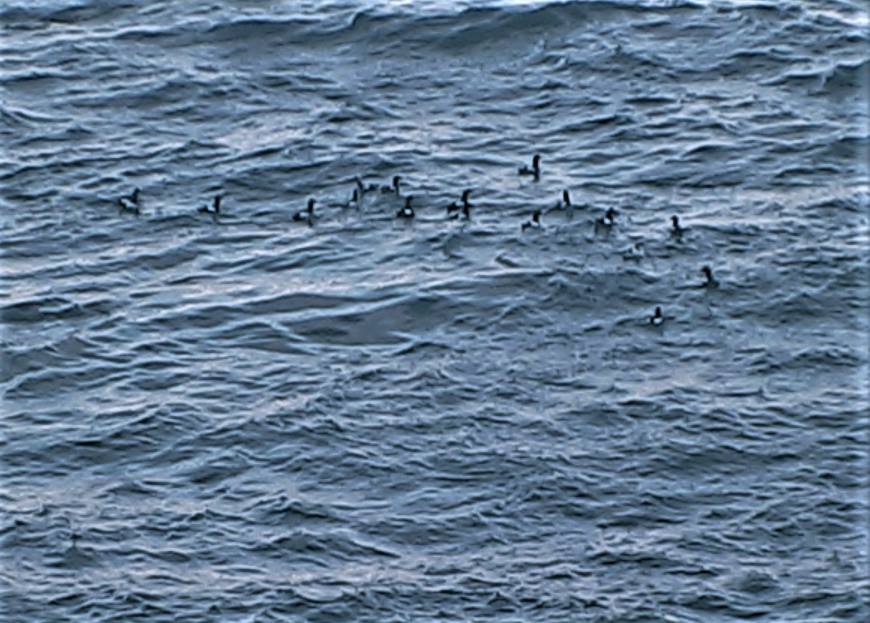
Pam Birley of England made the first observation today for this year using the remote control camera 5, of the return of the pigeon guillemots to their nesting  grounds here on Race Rocks . She commented: “I haven’t seen them mentioned by the guardian yet but I took this screenshot on 3rd Feb”.

Elephant Seals From the Remote Control Camera

Elephant seal pups

Three mother Elephant seals and two of the pups, the newest pup is hiding beyond the top right mom.

This year, so far there has been a very successful set of births of Elephant seals at Race Rocks. This is the 13th year that Elephant seals have been breeding and having births in the ecological reserve.  Currently three females and four pups along with a large male can be seen from the remote-controlled  camera 1 from the top of the tower:

Elephant seal pup and male

26 days old Elephant seal pup and the male ~8 year old male.

nursing Elephant seal pup

nursing Elephant seal pup born January 12 2021.

Elephant seal pup born in December

Elephant seal pup born December 22 2020.


Recent Changes and Updates on this website

A year ago , we lost the services of storage on a Telus service without any warning. As a result all files, photos and documents, which had URLs starting with racerocks.com were not accessible, but fortunately I had a backup, so now I have been  gradually getting caught up in transferring several hundred items to this wordpress site which now carries the racerocks.ca archives.

Some of the more significant files which have been updated are as follows:

  1. The Race Rocks Species list and Image Gallery- species photographed at Race Rocks
  2. Weather and Physical factors at Race Rocks– all the abiotic factors pages have been redone– example: tidal currents: and wind
  3. Media Coverage of Race Rocks stories
  4. Archive of Events at Race Rocks 
  5. .The History of the Development of the racerocks.com millenium  Project
  6. The Situation with MPA status for Race Rocks
  7. Archives of the Tidal Energy project
  8. The Contributions of Pam Birley of Leicestershire England
  9. Current and Archived Video
  10. Archival records 1859-1906
  11. A translate dropdown menu has been added to the top of most pages and it should always be embedded at the top of the log posts if one logs in from the URL racerocks.ca
  12. Two archival files from the 1980s and 1990s  have been added recently; The Salmon Enhancement Activity and CoastWatch program activity
  13. Transects for Environmental Monitoring at Race Rocks


Christmas Bird Counts 2017-present year

Records for 2017 to 2020–
THE ANNUAL CHRISTMAS BIRD COUNT AT RACE ROCKS
This data below may be highlighted, copied and pasted to an open EXCEL file. It will then be usable for statistical manipulations and graphing exercises.Some of the records reflect seabirds observed on the trip from Bentinck Island out while on the boat. Due to inclement weather ( that means a wind above 15 knots from the north East usually, ) In 2018 and 2019  observations were carried out from Great Race Rock Island only, and the surrounding area visible from there.
Linked below are the count returns by year. Included are some of the photographs taken of the members by those who were able to make it out for the counts, –Garry Fletcher

See this link for all past bird counts 

2020_ Matthew and Courtney Cameron

2019- Nick Townley ( stormy- observed from land only)

2018- Alex Fletcher (stormy , observed from land only)

2017- Kim Beardmore


SPECIES 2018 2019 2020 2021 2022 2023 2024 2025  
Double Crested Cormorant 10 20 208 10 –
Brandt’s Cormorant’s  14 50 ? 750
Pelagic Cormorant
18 75 59 20
Common Murre 1* 3500 0 25
Rhinocerous Auklet 0 4 0 0
Black Oystercatcher 42 24 4 0
Black Turnstone 59 38 42 50
 Surfbird 0 0 18 0
Dunlin 0 0 0 6
Ruddy Turnstone 0 0 0 0
Sanderling 0 0 0 0
Pigeon Guillemot 10 0 0 30
Marbled Murrelet 0 0 0 0
Ancient Murrelet 0 90 0 0
Pacific Loon 0 40 0 0
Common Loon 2 1 0 0
Red Throated Loon 0 1 0 0
Canada Goose 0 12 0 5
Harlequin Duck 10 10 6 0
Long-tailed duck 0 0 0 0
Bufflehead 0 0 0 0
Surf Scoter 55 4 0 0
Common Goldeneye 0 0 0 0
White winged Scoter 0 3 0 1
Red-breasted merganser 18* 2 0 0
Common Merganser 0 0 0 0
Hooded Merganser 0 0 0 0
Red-necked grebe 0 0 0 0
Horned Grebe 1 0 0 0
Harlequin Duck 10 10 6 5
Mew Gull 14 800 48 3
Thayer’s (Iceland) Gull 8 150 281 75
Herring Gull 0 0 0 2
Ring-billed Gull 0 0 0 0
Heermann’s Gull 0 0 0 0
Iceland Gull 0 0 0 0
California Gull 0 0 0 0
Western Gull 0 0 0 1
WesternXGlaucous-Winged Gull 2 1 0 0
Glaucous-Winged Gull
69
250
0
10
Harlequin Duck 10 10 6 0
Bonapartes Gull
0
0
0
0
Rhinocerous Auklet 0 0 0 0
Merlin 0 0 0 0
Peregrine Falcon 0 0 0 0
Bald Eagle, Immature. 0 0 5 ?
Bald Eagle, adult 4 10 25 15
Killdeer 0 0 0 0
Rock Sandpiper 0 0 0 0
Western Sandpiper 0 0 0 0
Black Bellied Plover. 0 0 0 0
Red-necked Phalarope 0 0 0 0
American Pipit 0 0 0 0
European Starling 0 0 0 0
Song Sparrow 0 1 0 0
Fox Sparrow 0 0 1 0
Savannah Sparrow 0 0 0 0
Snow Bunting 0 1 0 0
North Western Crow 0 0 0 0
Raven 0 2 2 1
Brown Pelican 0 0 0 0
Great Blue Heron 0 0 0 0
SPECIES 2017 2018 2019 2020 2021 2022 2023 2024 2025

Christmas Bird Count at Race Rocks 2020

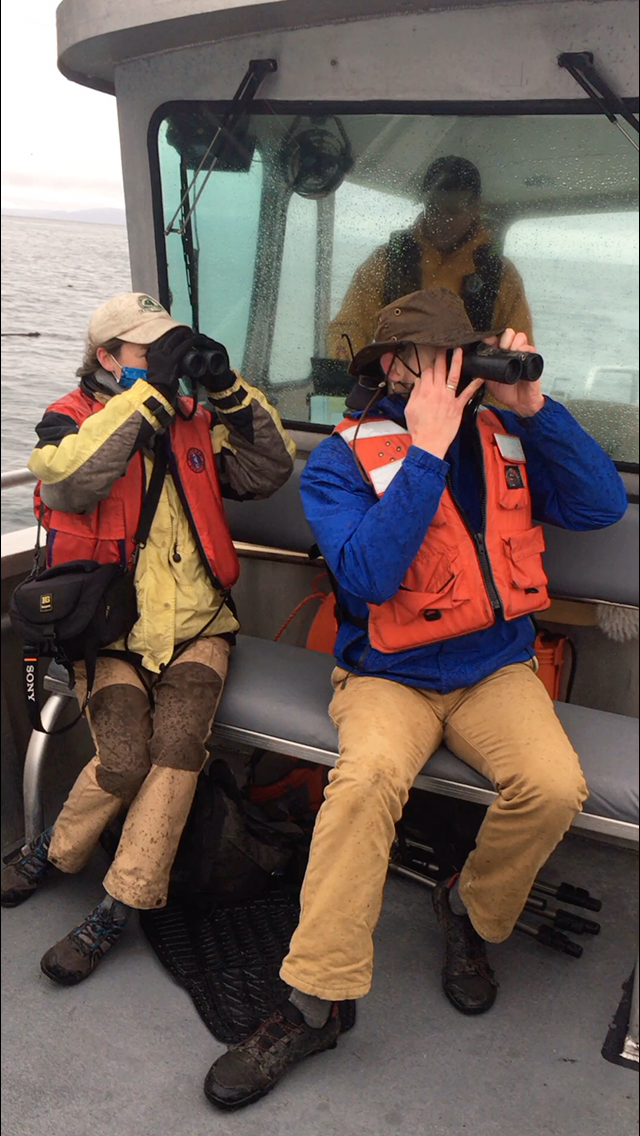
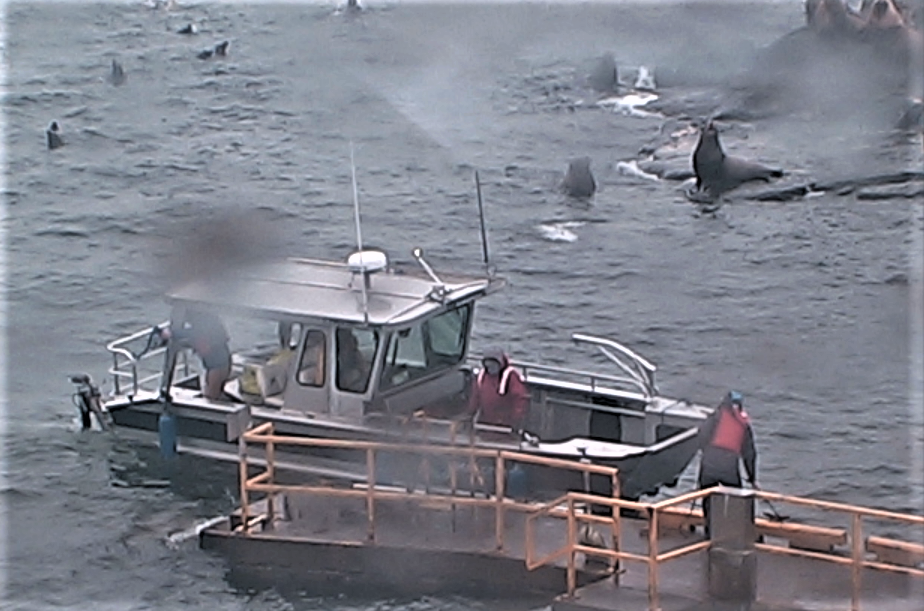
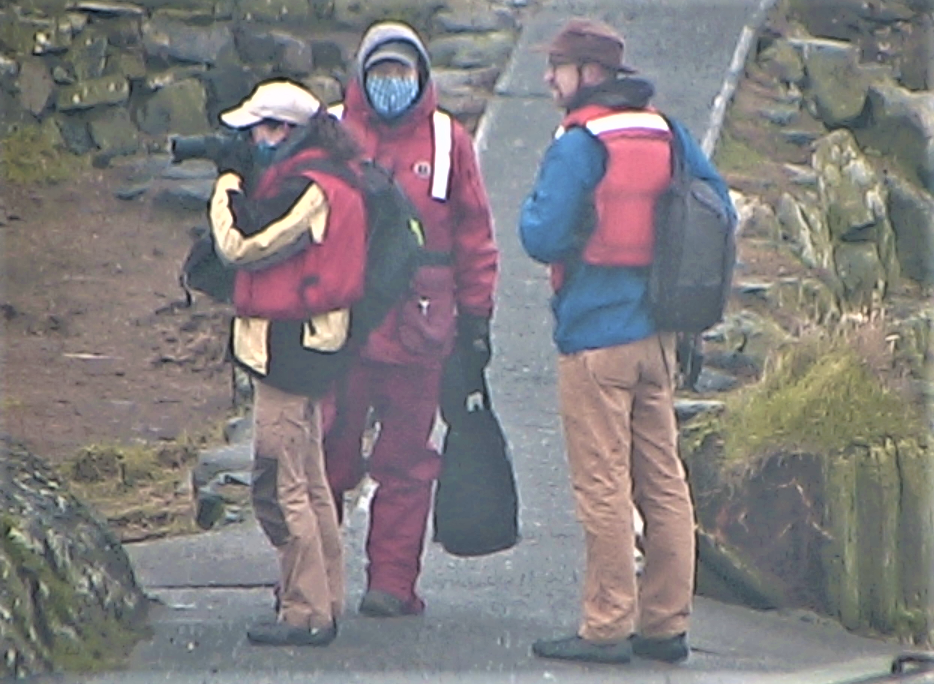
Today was the annual Christmas bird count. Martin Stewart provided the transportation on the boat Ecosphere for Matt and Courtney Cameron to go out to Race Rocks Ecological reserve from Pedder Bay with Garry Fletcher. 

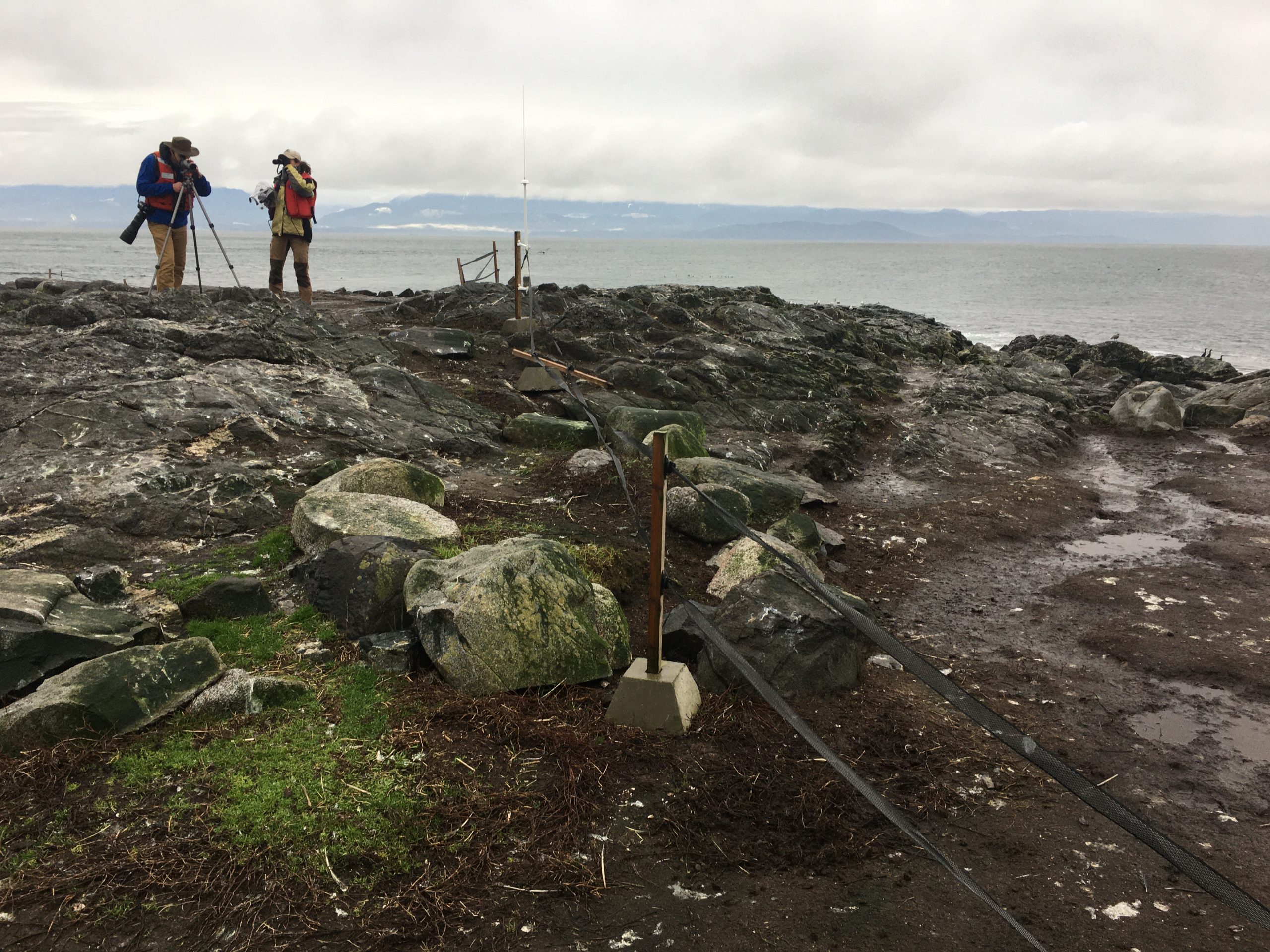
Observations were done from the marine a out through Pedder bay and then we docked at Race Rocks to be met by Courtney the Ecoguardian.  We had only a brief window of time, probably an hour  there before the wind started to pick up from the North East, but that was adequate to get a good count of the birds on shore.

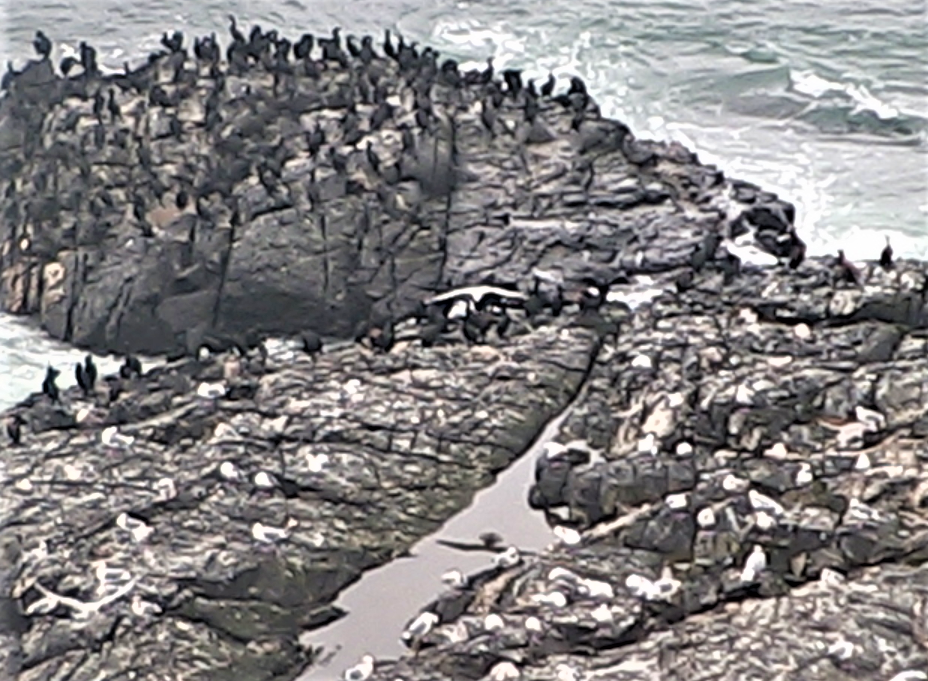
Pam Birley from England took these photos on camera 5 :

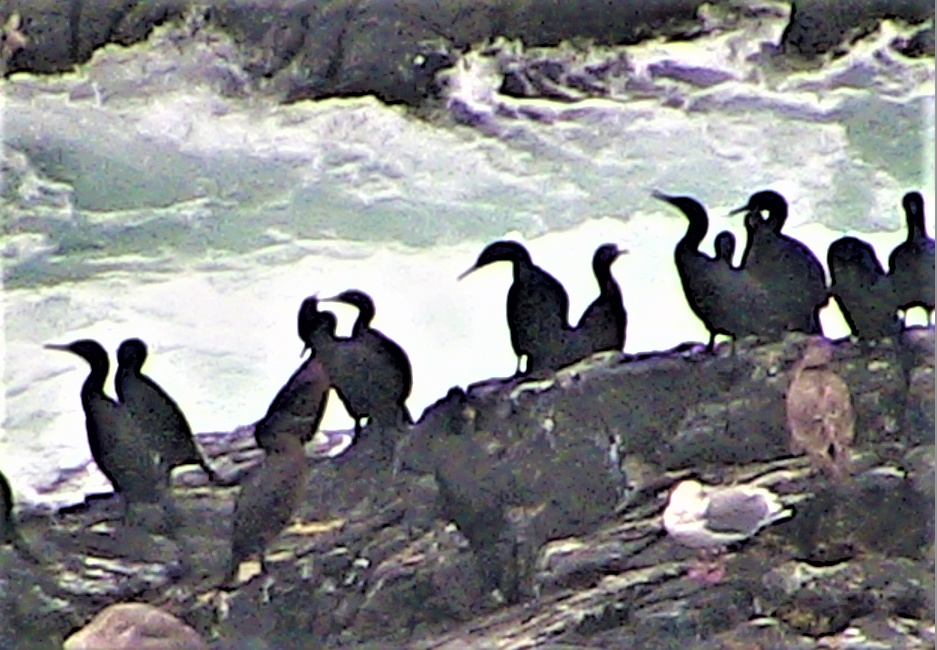
Striking in their abundance were the and Pelagic and Brandts Cormorants. On leaving we circled around the South side of the islands and out past West Rock where there were also large numbers of cormorants.  From West Race Rocks we went over to Emdyck Pass behind Bentinck Island and found another large gathering of Cormorants, and some alcids.  The other bird that seemed much more frequent than previous years were the Black Turnstones

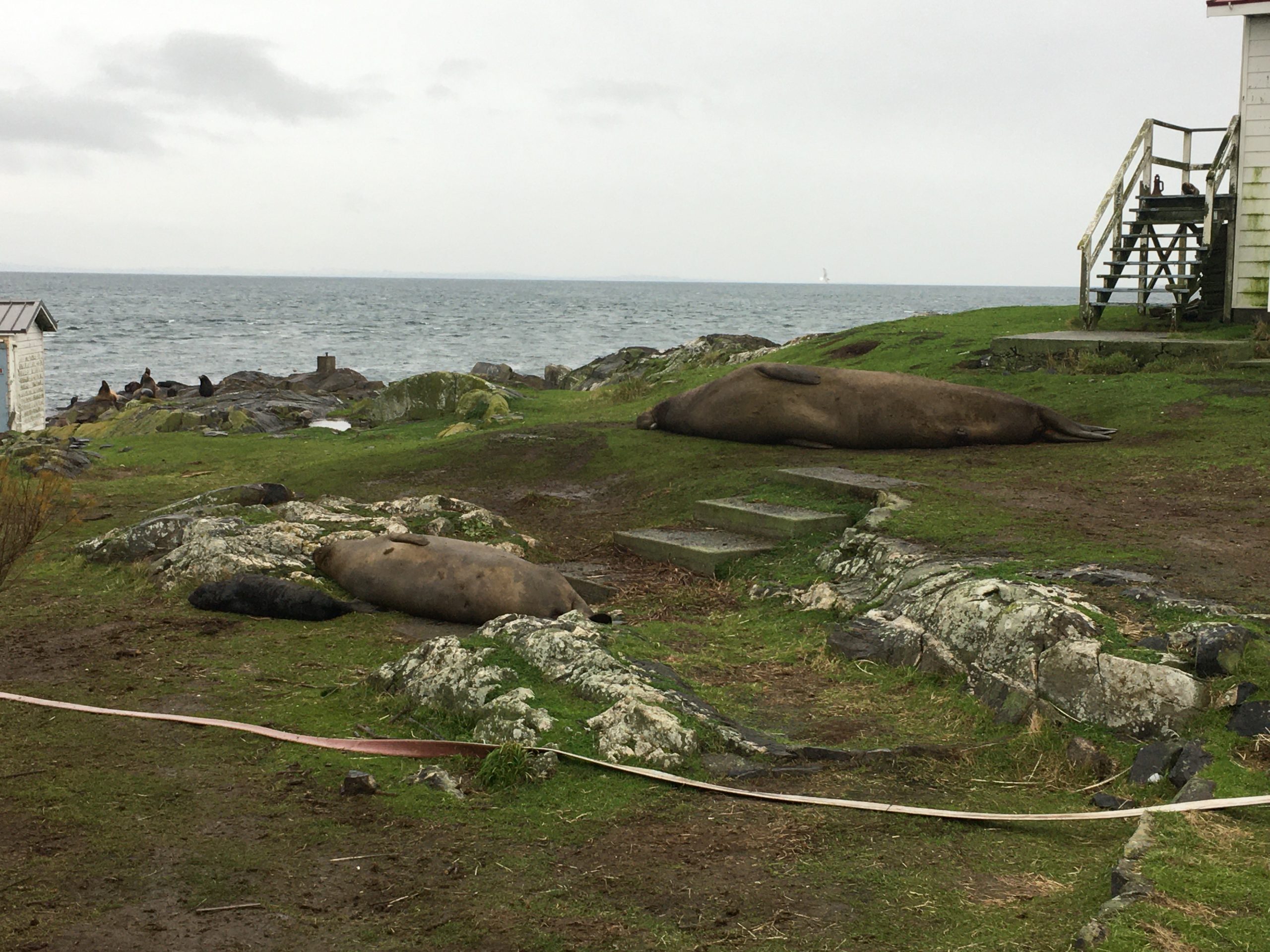
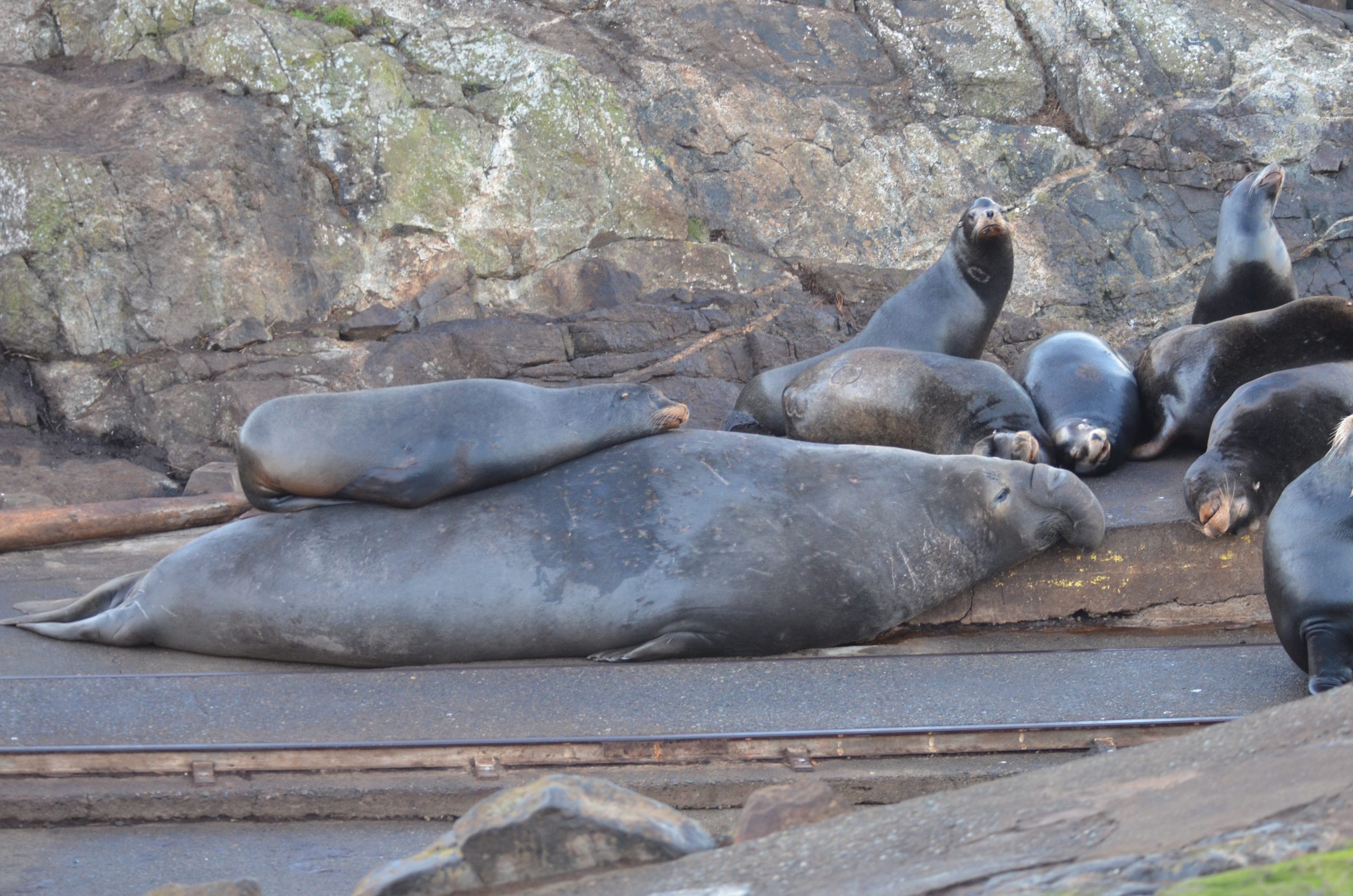
On the island, after stepping carefully past a male elephant seal on the jetty, we were able to view the new pup and mother elephant seal with the large male up on the lawn by the house. 

The following three sets of data are from their e-bird posts,

Continue reading →
The Problem with Ocean Fouling/succession-

When installing equipment underwater in a high current zone where the water is laden with nutrients from upwelling as it is at Race Rocks, it becomes obvious very soon that any new substrate placed underwater becomes an instant habitat for the settlement of many invertebrate and algal species. For this page I have brought together different examples from the work we did over the years at Race Rocks.  . It should be noted that the word “fouling”is a rather perjorative term, seen from the point of view of a natural process interfering with human wishes.  However,  it simply represents ecological succession, a perfectly natural event in a highly productive environment, and too bad that it inconvieniences us!
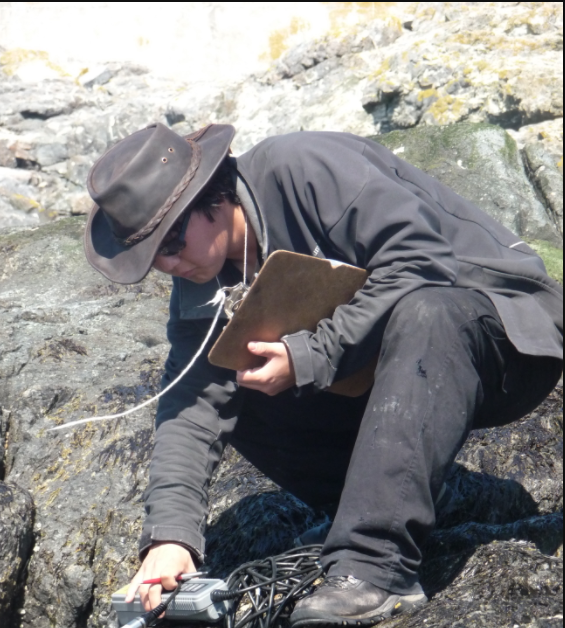
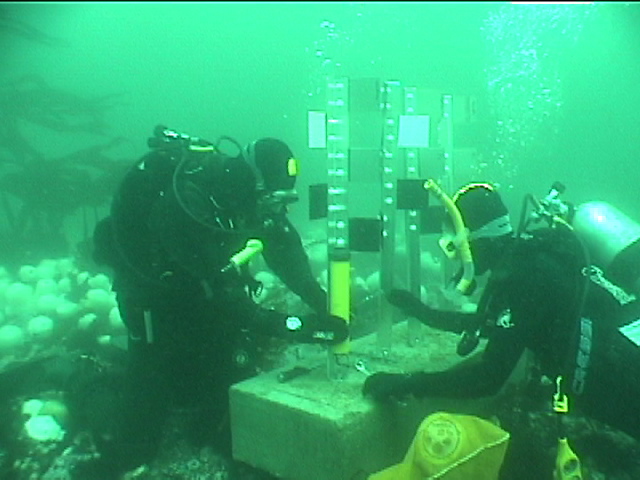
This video from 2001 shows what the condition of the growth of life was on a sensor bar that we installed in water at 8 meters depth just off the Jetty at Race Rocks: The sensors were for monitoring Oxygen, salinity, ph, and turbidity. Without constant attention by our divers getting accurate data from sensors like these over a long term would not be possible. This video was taken after three months in the water .


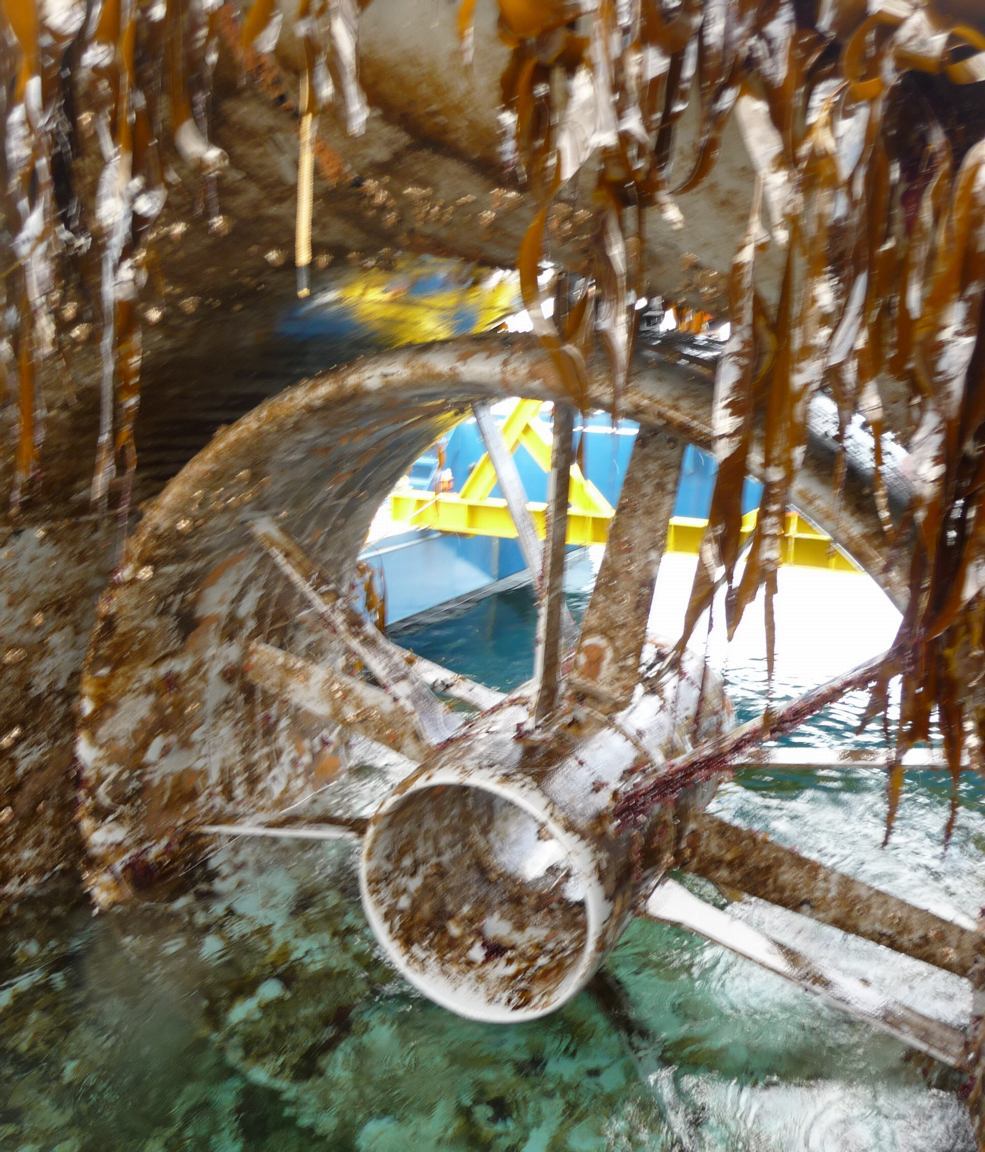
In September of 2011 we ended the experimental Tidal energy Project at Race Rocks.  This file has images of the turbine covered in fouling organisms when it was raised for the final time: 


Examination of the tidal energy installation after being installed for 6 months


The engineers concern for the kind of materials they were going to use in constructing the turbine were addressed by having the Pearson College Divers install a series of succession plates that could be monitored for growth over several months.


Video inspection done by Chris Blondeau on turbine inspection before removal, June, 2011 The growth of Invertebrtates is quite incredible. Since ther is little opportunity for predators like starfish to browse on this column, growth is unimpeded. This led us to decid that the i meter wide .. 15 metre high column should remain in place after the turbine was removed as such it has turned out to be such a unique  habitat.


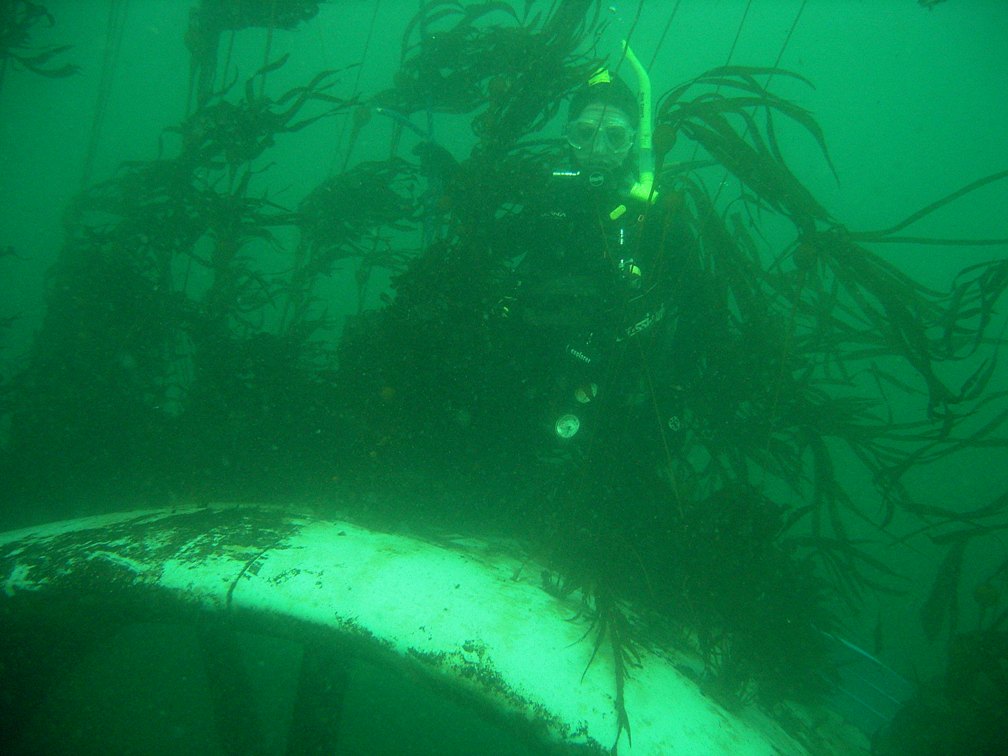
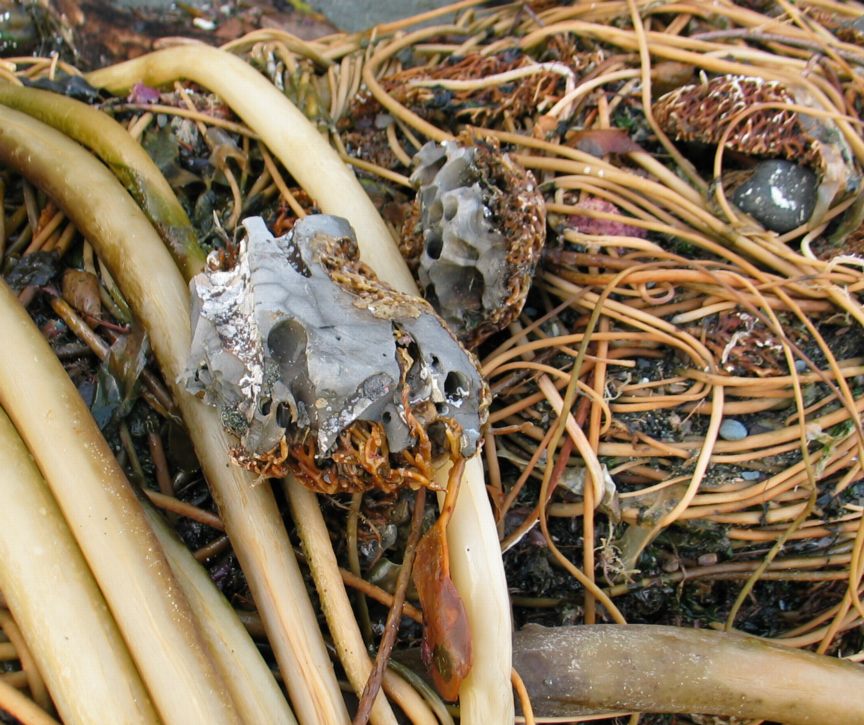
Another example of succession is evident in the way that kelp attaches to a solid substrate and can end up in modifying the environment. In this case moving rocks from ocean to shore.


Measurement Exercise

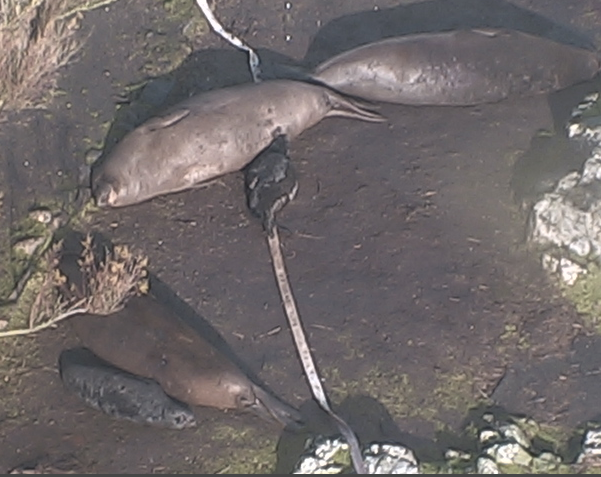
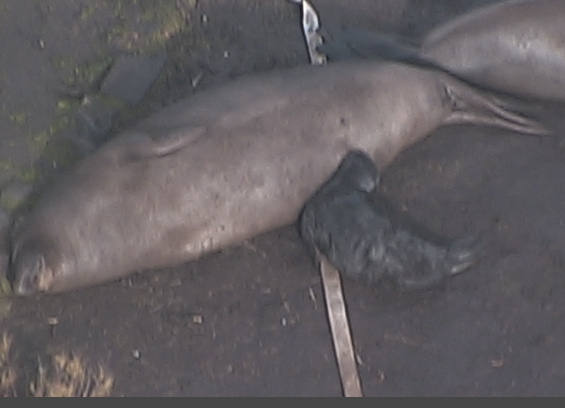
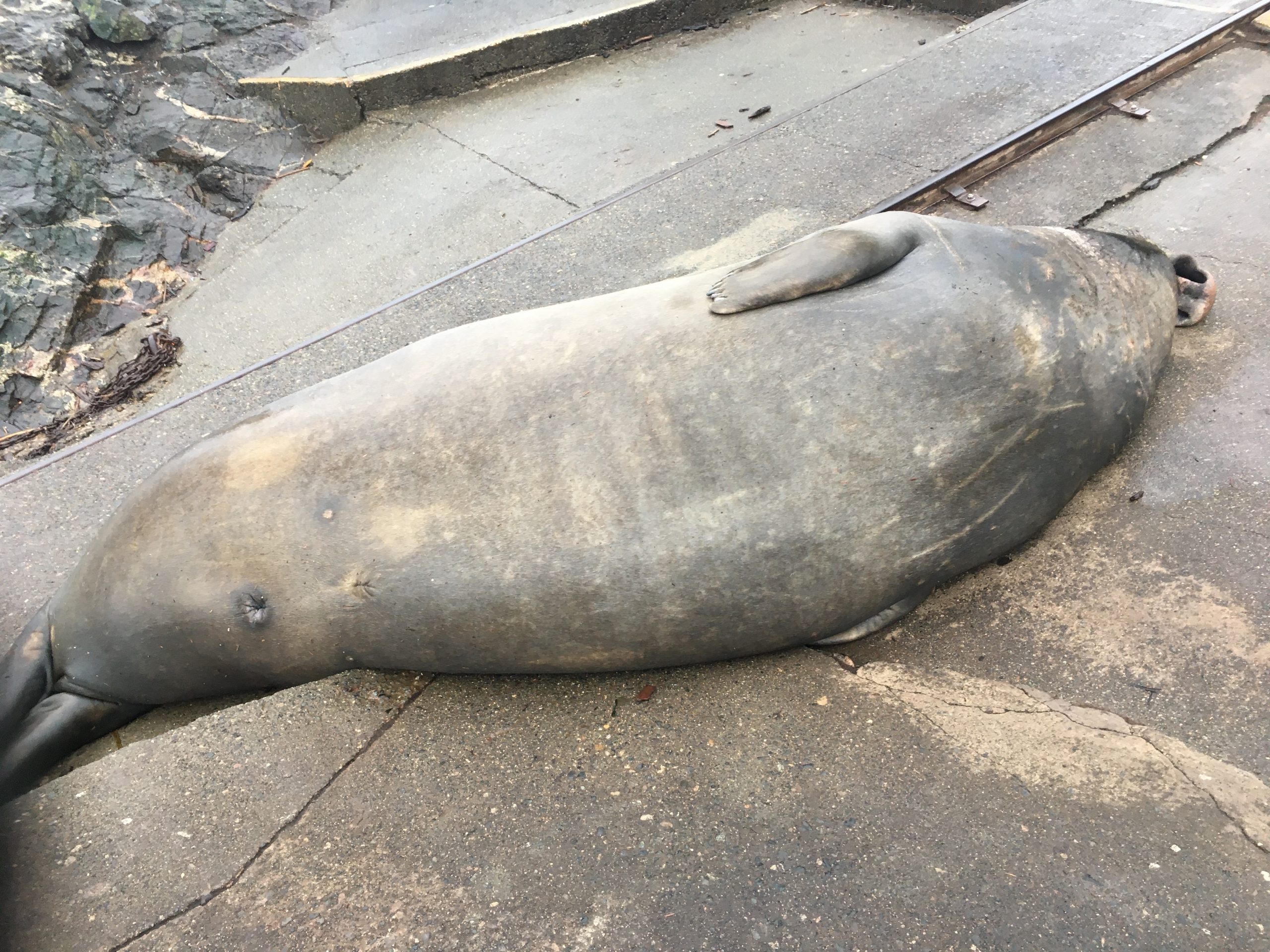
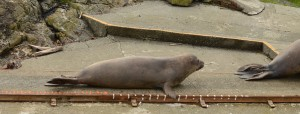
Today we had a request from Meghan Byrne, a 6th grade science teacher in the San Francisco Unified School District. She was doing a lesson with her students on size and scale and she was interested in using the following picture from this blog of the elephant seal measuring device – and letting students determine its length.


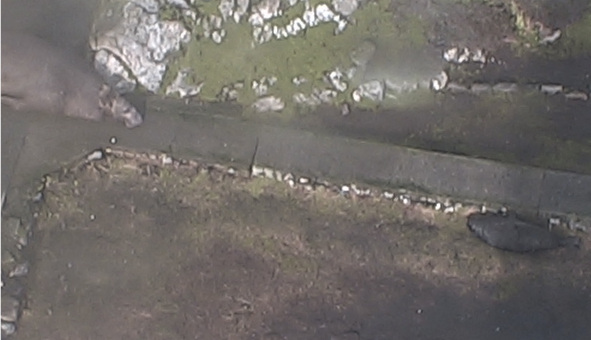
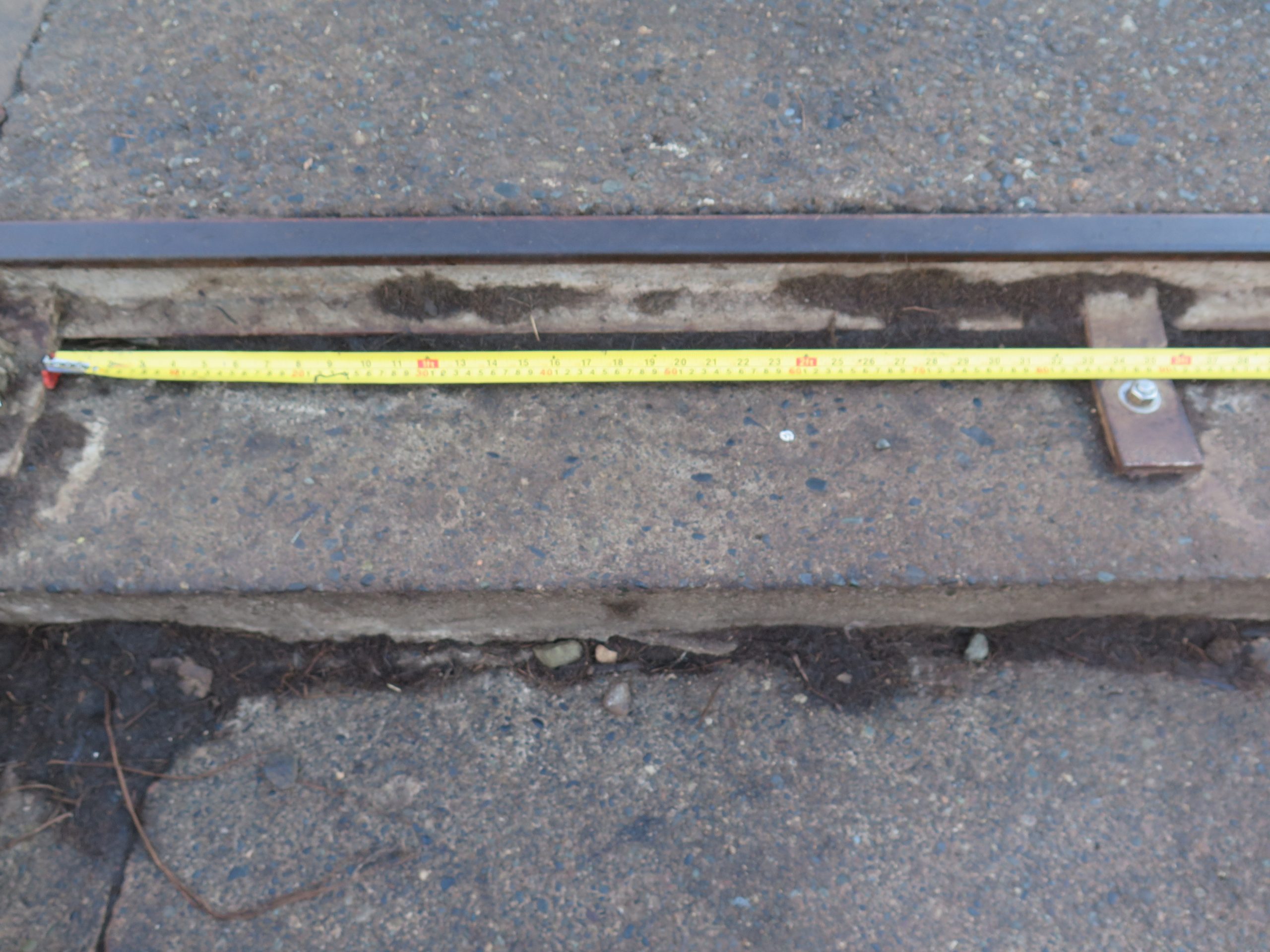
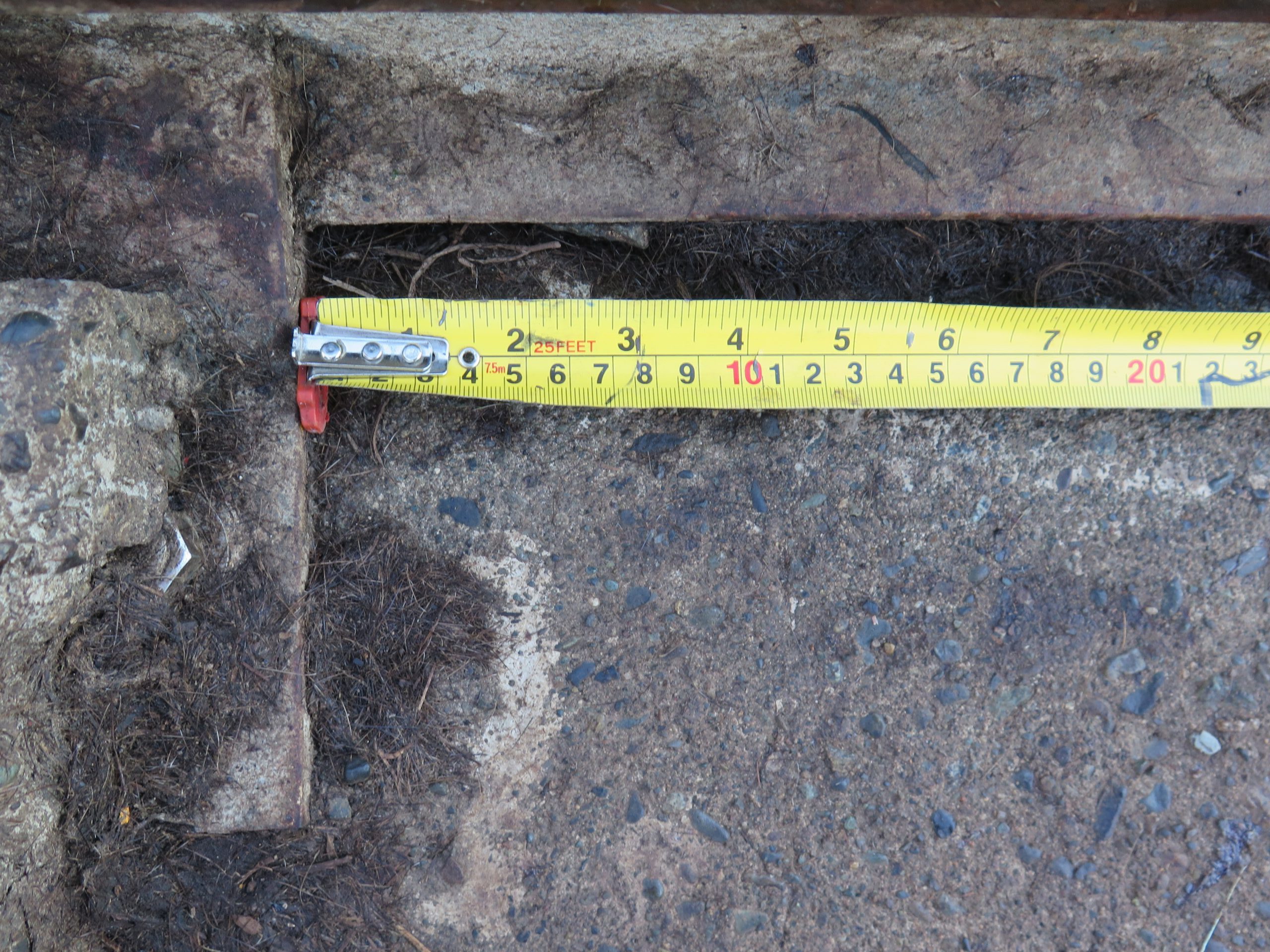
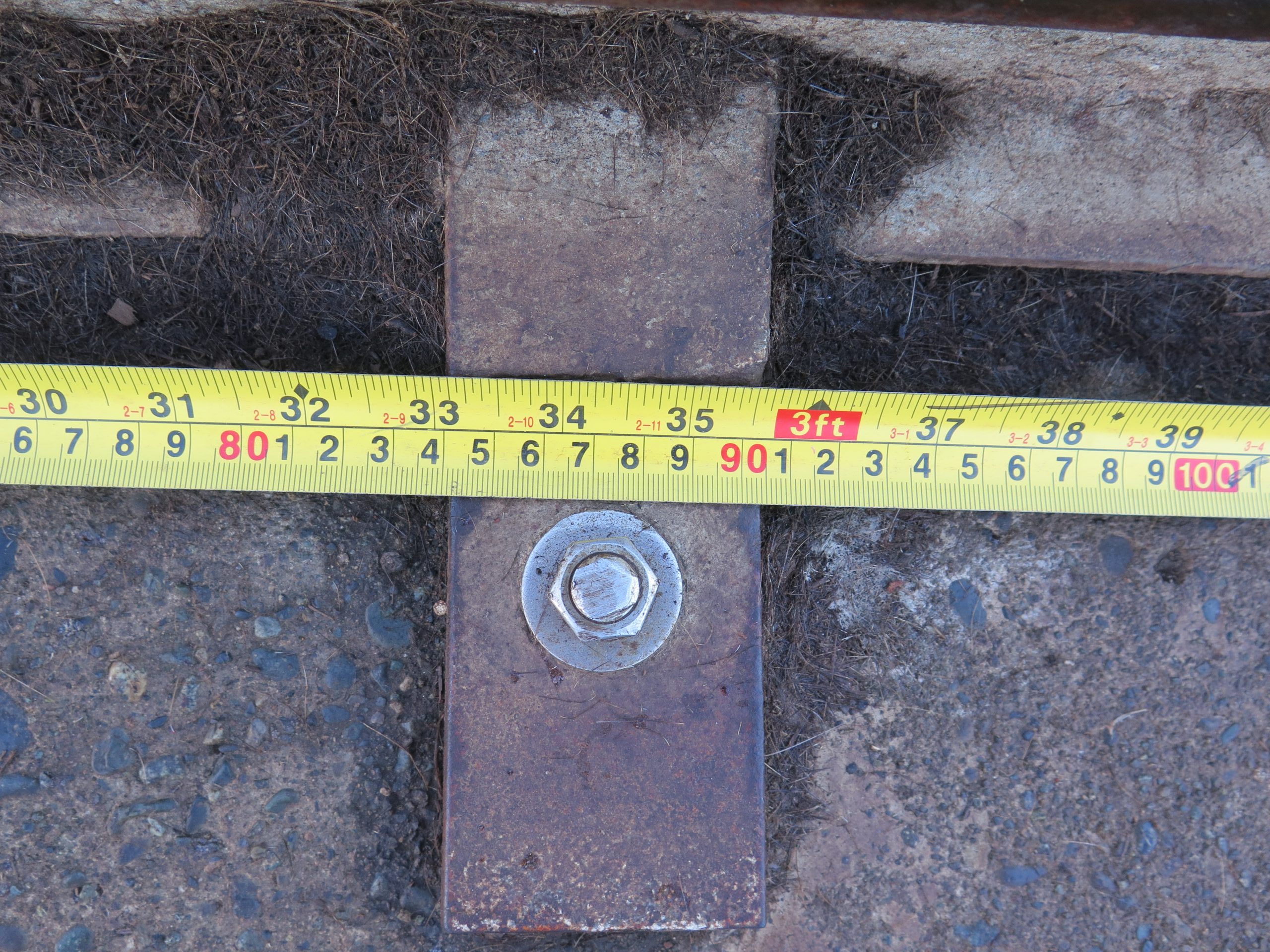
So I thought that would be a good exercise to include here for school students. Ecoguardian Mara has provided the following photos of the boat ramp rail so you can now calculate the length of the small elephant seal. 

Be sure to calculate the length of the Elephant seal in both centimeters and in inches.  Then you can also convert it to Metres and Feet . 

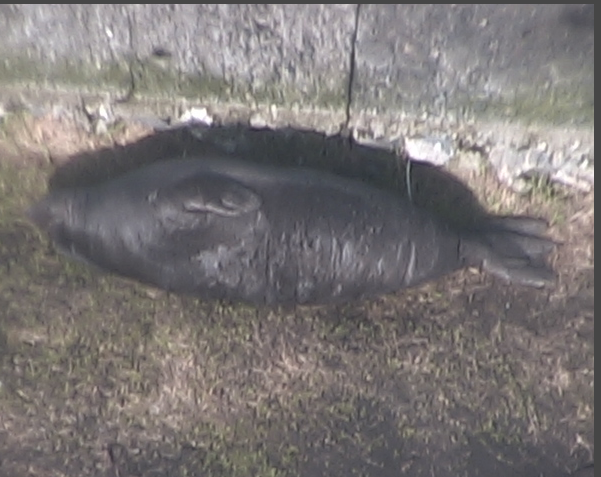
Mara sent another picture of a larger male, the brackets on the rail can just be made out so calculate his size.


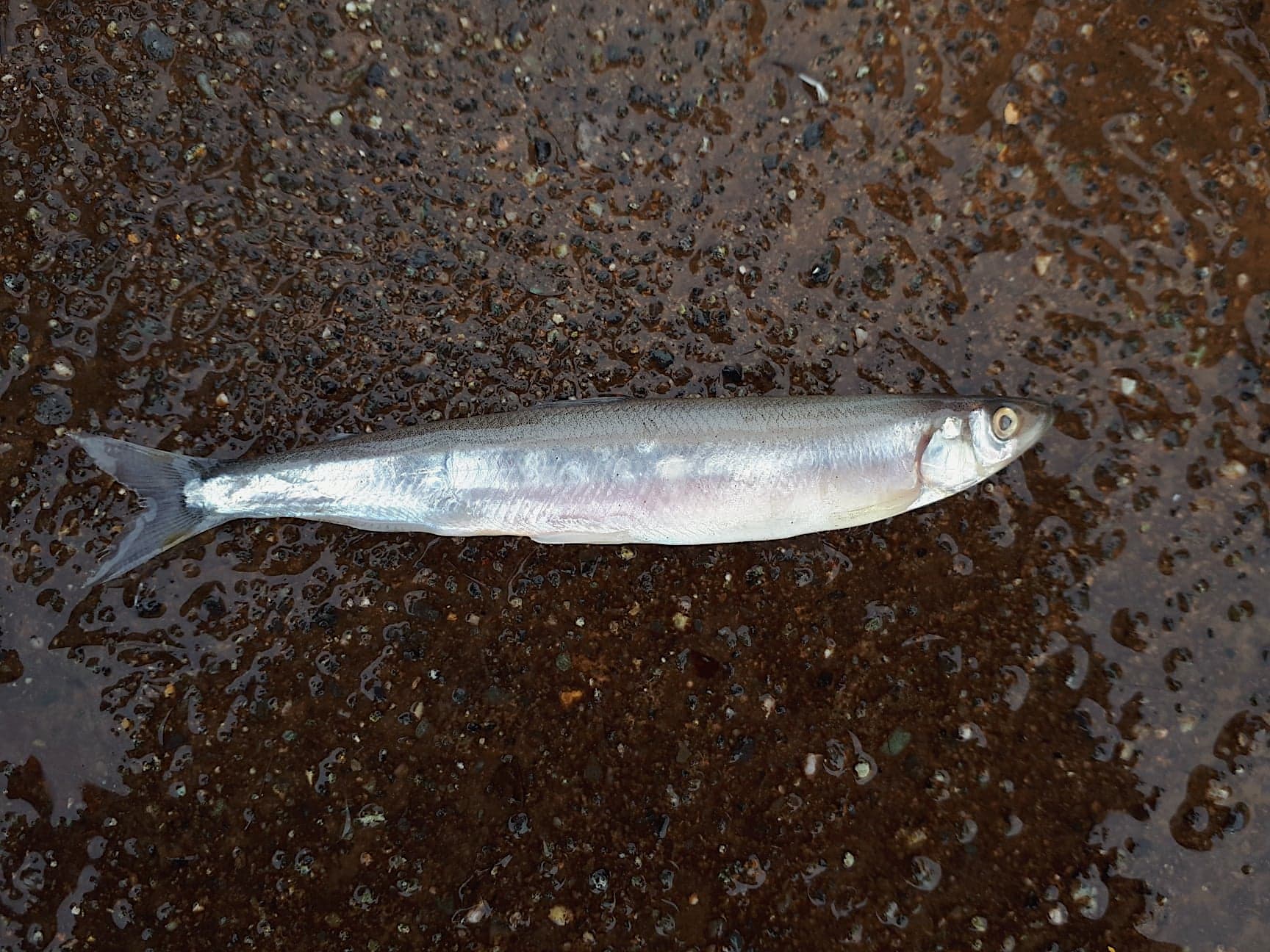
Engraulis mordax: Northern Anchovie- The Race Rocks taxonomy


 This specimen was found today at Race Rocks see  the ecoguardians post


Classification
Kingdom: Animalia

Phylum: Chordata
Class: Actinopterygii
Order: Clupeiformes
Family: Engraulidae
Genus: Engraulis
Species: E. mordax

common name:  Northern Anchovie
Other Other fish at Race Rocks.

–Garry Fletcher

see this excellent reference: https://animaldiversity.org/accounts/Engraulis_mordax/

taxonomyiconReturn to the Race Rocks Taxonomy
and Image File
pearsonlogo2_f2The Race Rocks taxonomy is a collaborative venture originally started with the Biology and Environmental Systems students of Lester Pearson College UWC. It now also has contributions added by Faculty, Staff, Volunteers and Observers on the remote control webcams.


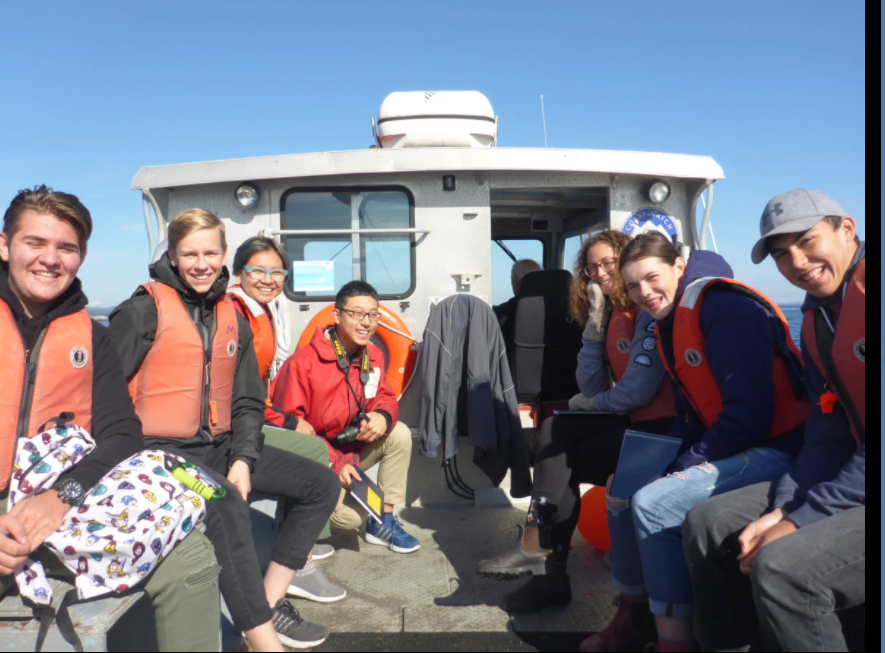
Pearson College Student Field Trips to Race Rocks

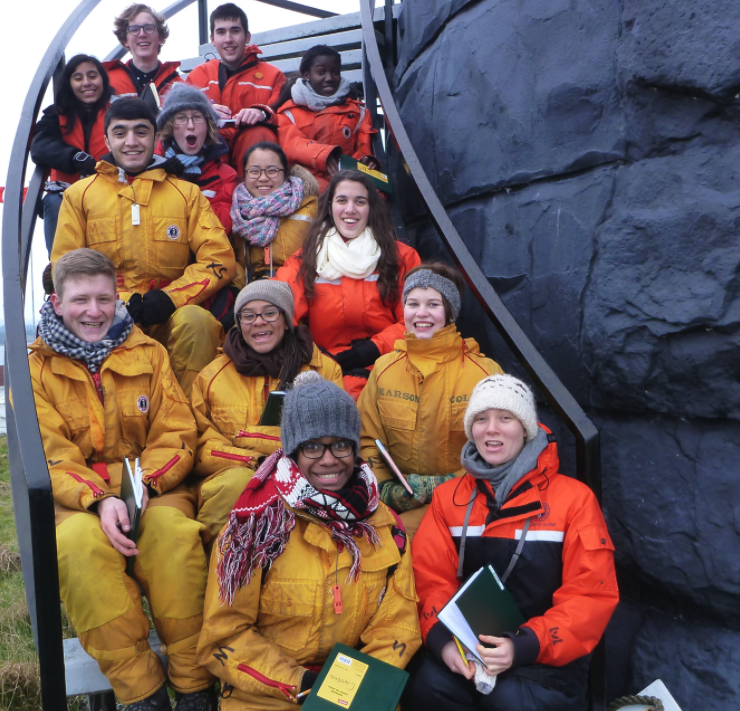
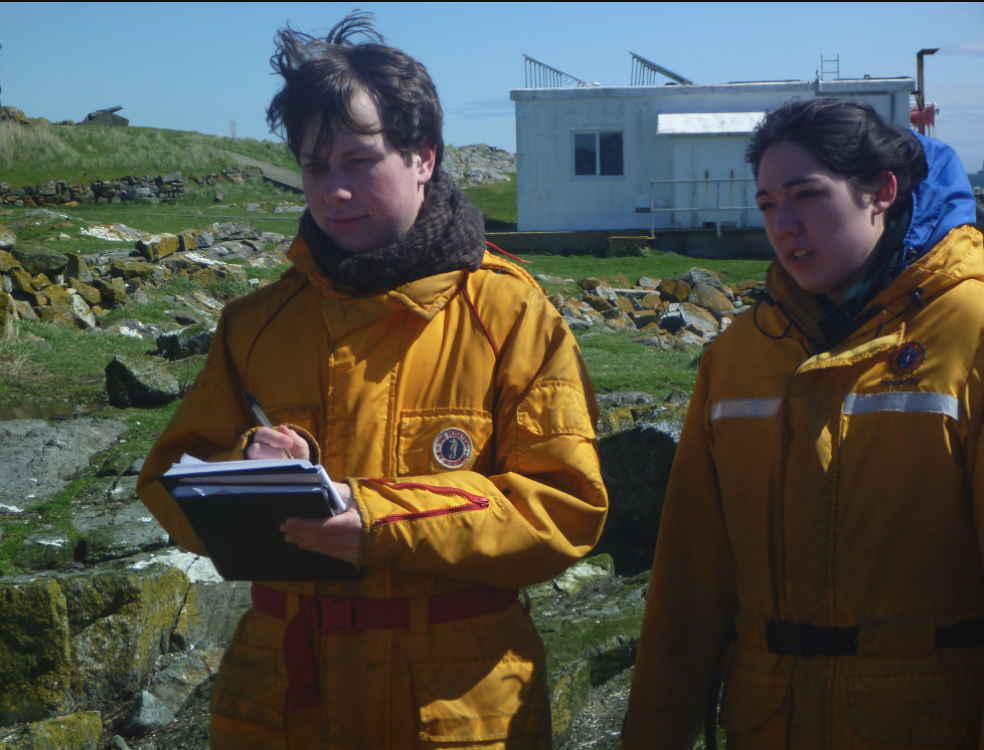
This file is an index to the Student Field trips to Race Rocks after 2010. Most of the Events posted here are in links to the blog created by Laura Verhegge to document some of the field trips taken by her Marine Science classes

For other tagged occurrences of Pearson College students being involved at Race Rocks  documented here  use this link:  


EVENTS 2018:
Four Trips to Race Rocks in Three Days-Laura Verhegge Oct 2018


 Northern Elephant Seals at Race Rocks.. The First Year Field Exam, 2017

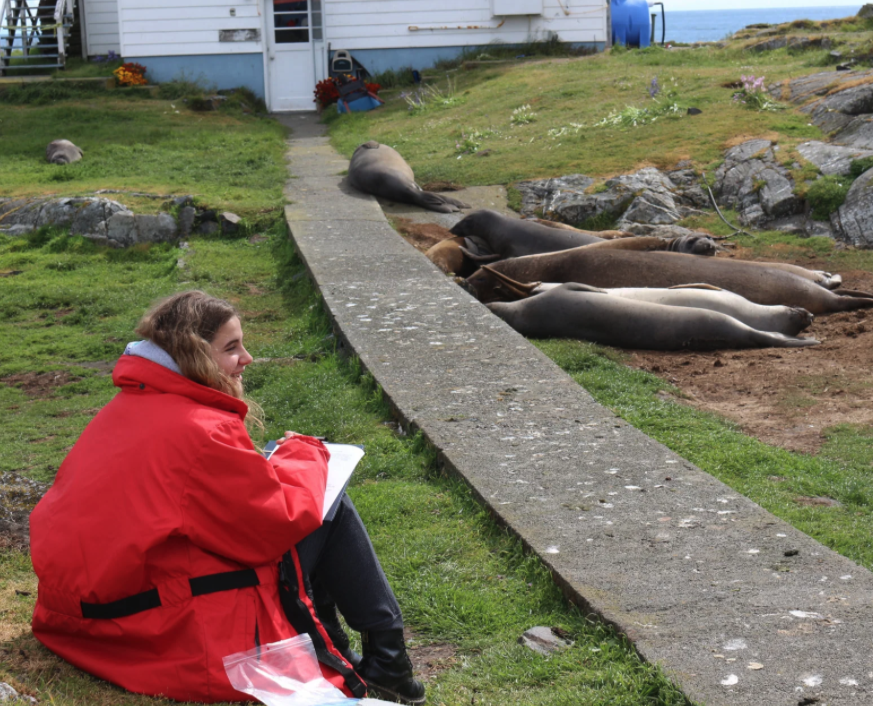
there were 11 northern elephant seals (Mirounga angustirostris) that provided both entertainment and answers to the students writing the exam.


Field exam at Race Rocks 2016

On Monday 9 May, 26 Marine Science students travelled to Race Rocks on Hyaku or the Discovery Shuttle (chartered from Ocean River Sports since ‘Second Nature’ is still in the shop) to write their first year field exam.


Sea lions, seals and orcas, oh my!

First year marine scientists had a wonderful experience at Race Rocks on Friday September, 2016
Also: Orcas! The trip that never made it to Race Rocks


What a day for mammals!. September 30, 2015– 

Later in the day, a first year class was welcomed ashore at Great Race Island by the usual suspects, California sea lions, Stellar sea lions and a Northern elephant seal

Race Rocks visits with Year 41 students

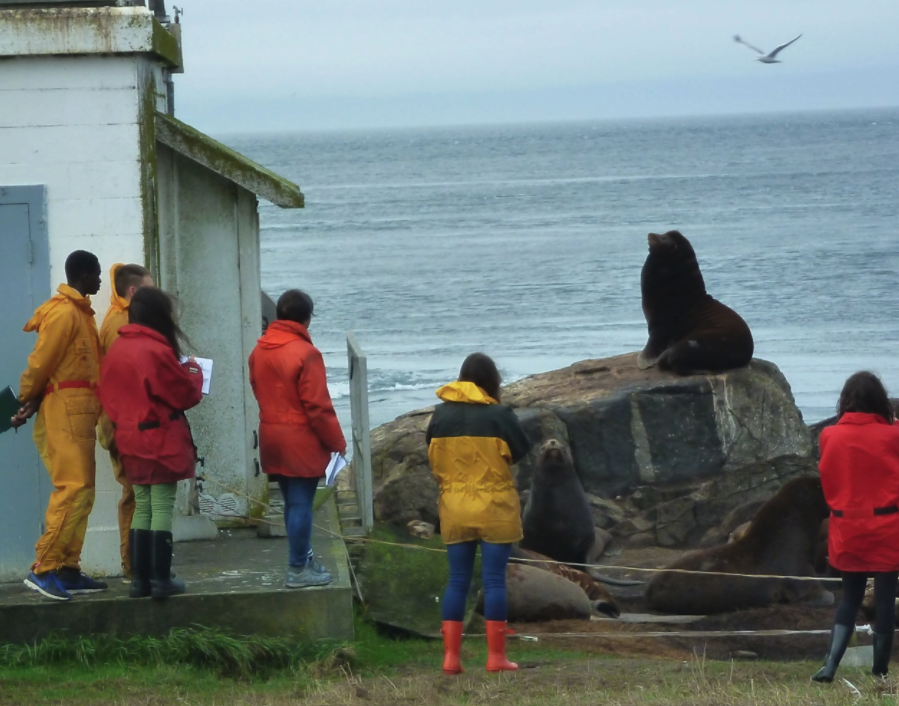
Three great afternoons at Race Rocks with the three blocks of first year Marine Science students – Tuesday, Wednesday and Friday. We observed and photographed many sea lions, both California (Zalophus californianus) and Stellar or Northern sea lions (Eumetopias jubatus).


Field May 19 2014 – A block

Better late than never, right?  On 16 May 2014, the other class of first year marine scientists (A block) wrote their field exam at Race Rocks.  Here are a few photos of their experience.


Field Exam 2014 – D block

It was a stunningly beautiful Thursday morning when eight D block marine scientists travelled to Race Rocks to complete their field exam.


Tidal pools and abiotic factors at Race Rocks


Baby is growing up fast.February 2014
One class of Marine Science students had the chance to visit a newborn Northern Elephant Seal pup when it was just a few days old, during our first week back in class, in January.


Pearson College Marine Science Blog by Laura Verhegge.  Race Rocks exploration – 11 April 2013


Field exam May  2012

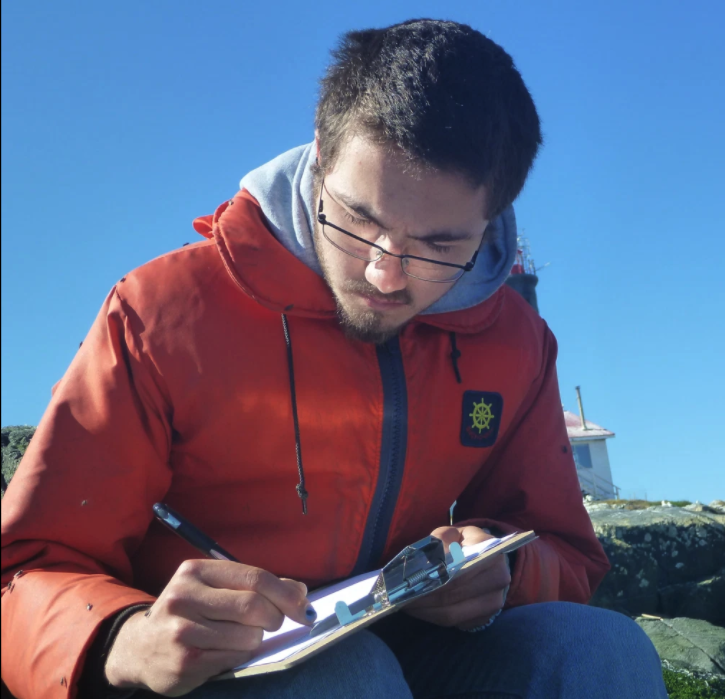
It was sunny and warm with a just gentle breeze yesterday when first year marine scientists went to Race Rocks to complete their last challenge of the year – the field exam!