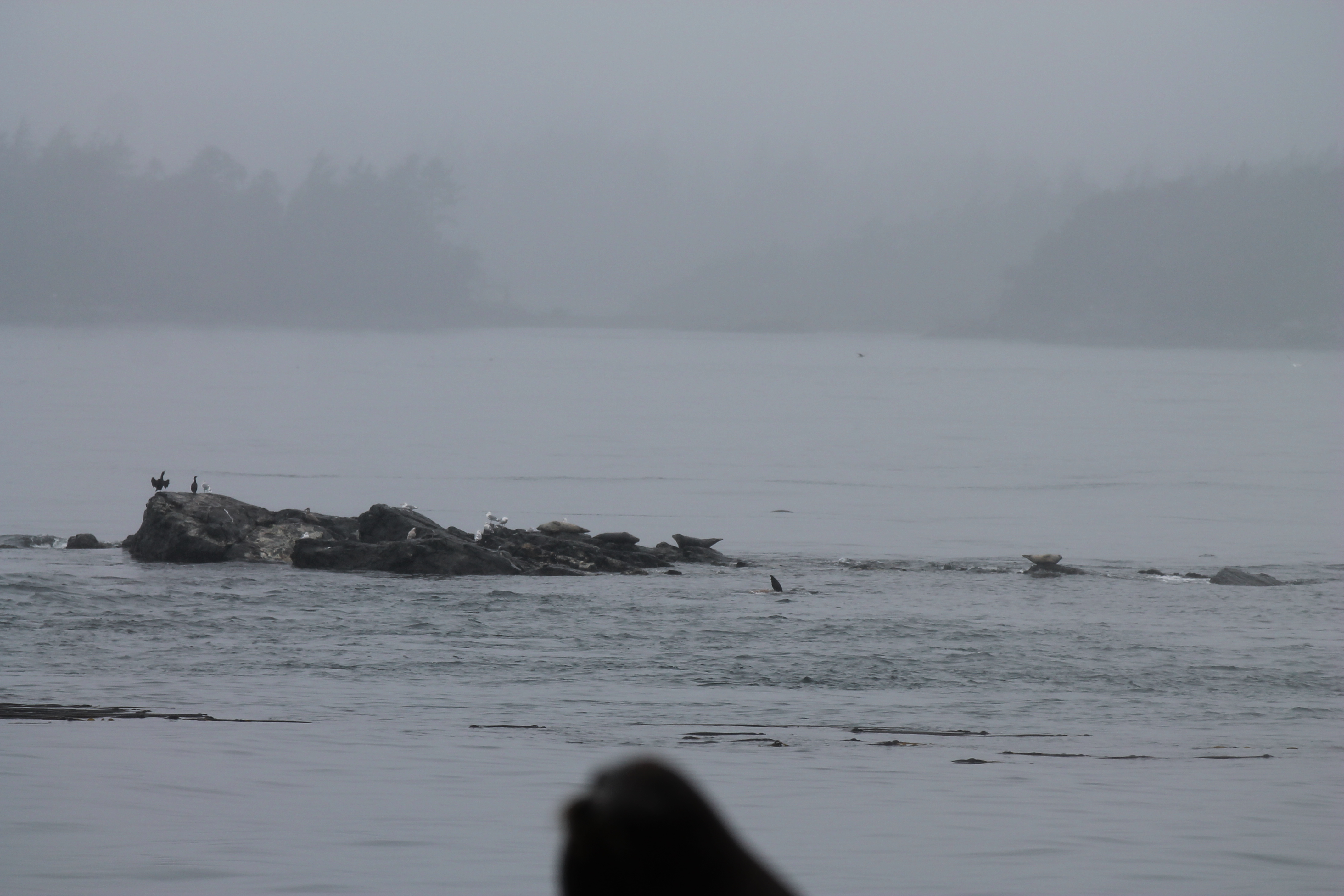
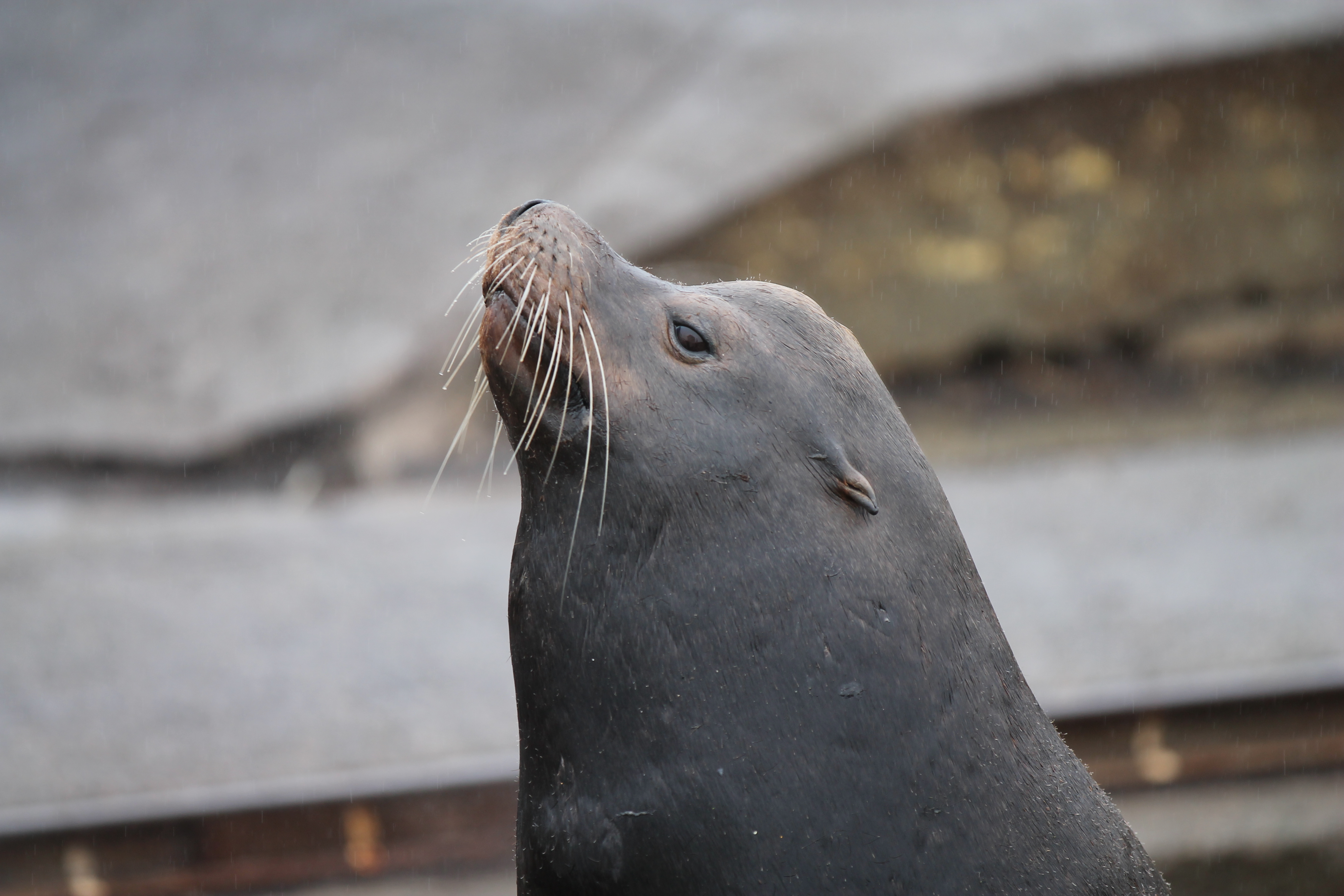
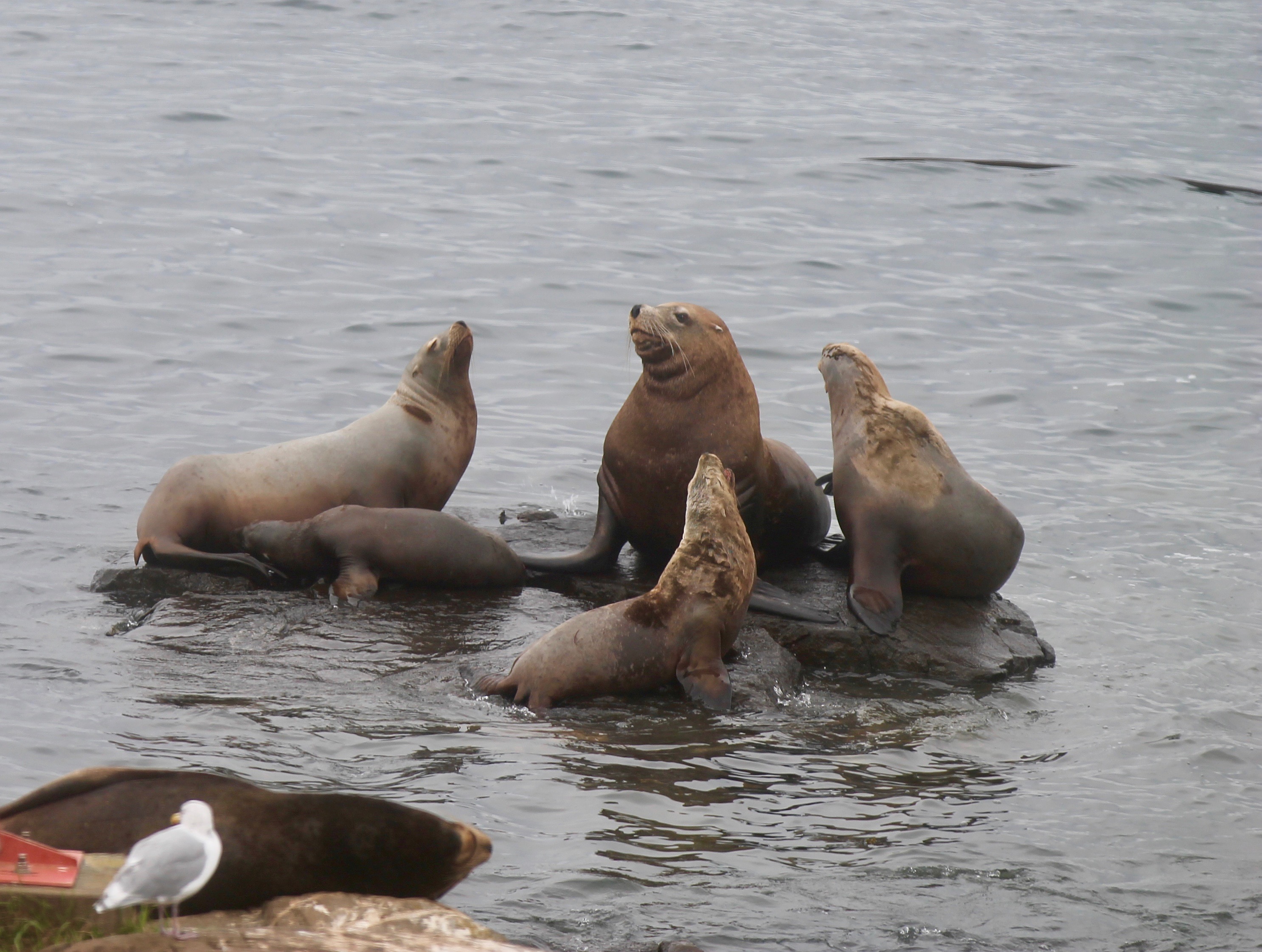
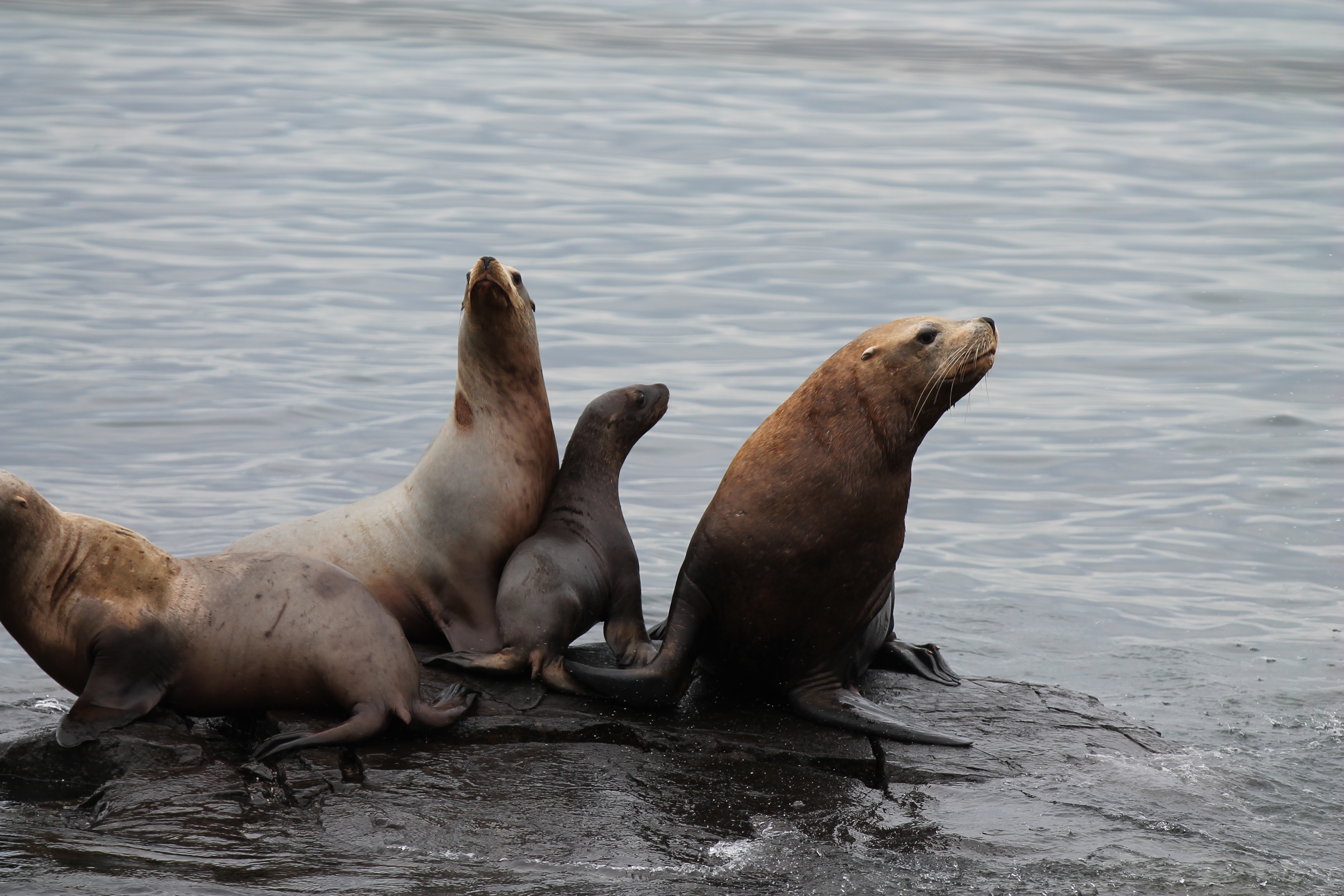
There was also a greater yellow legs running around which flew off before I get a photo of it
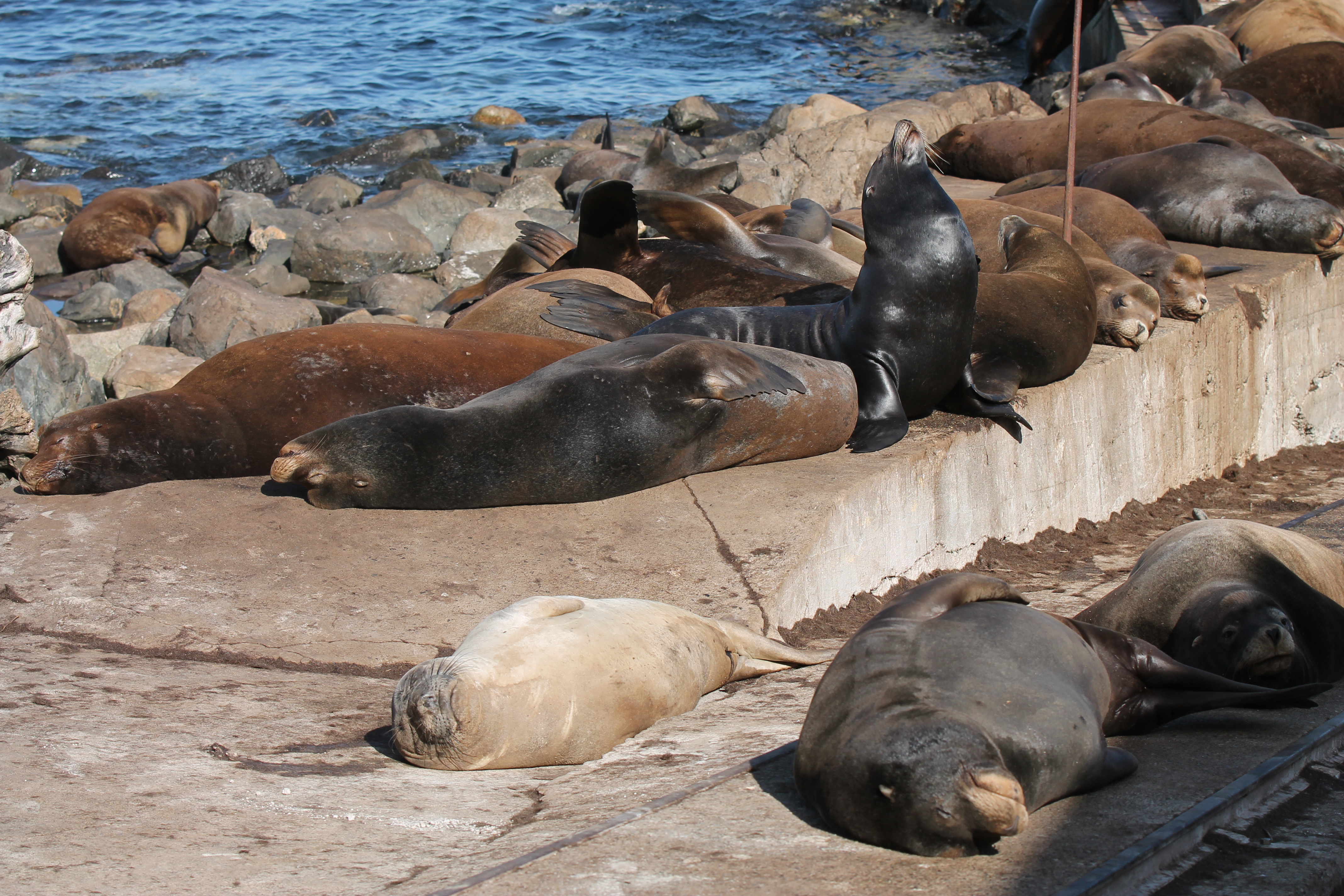
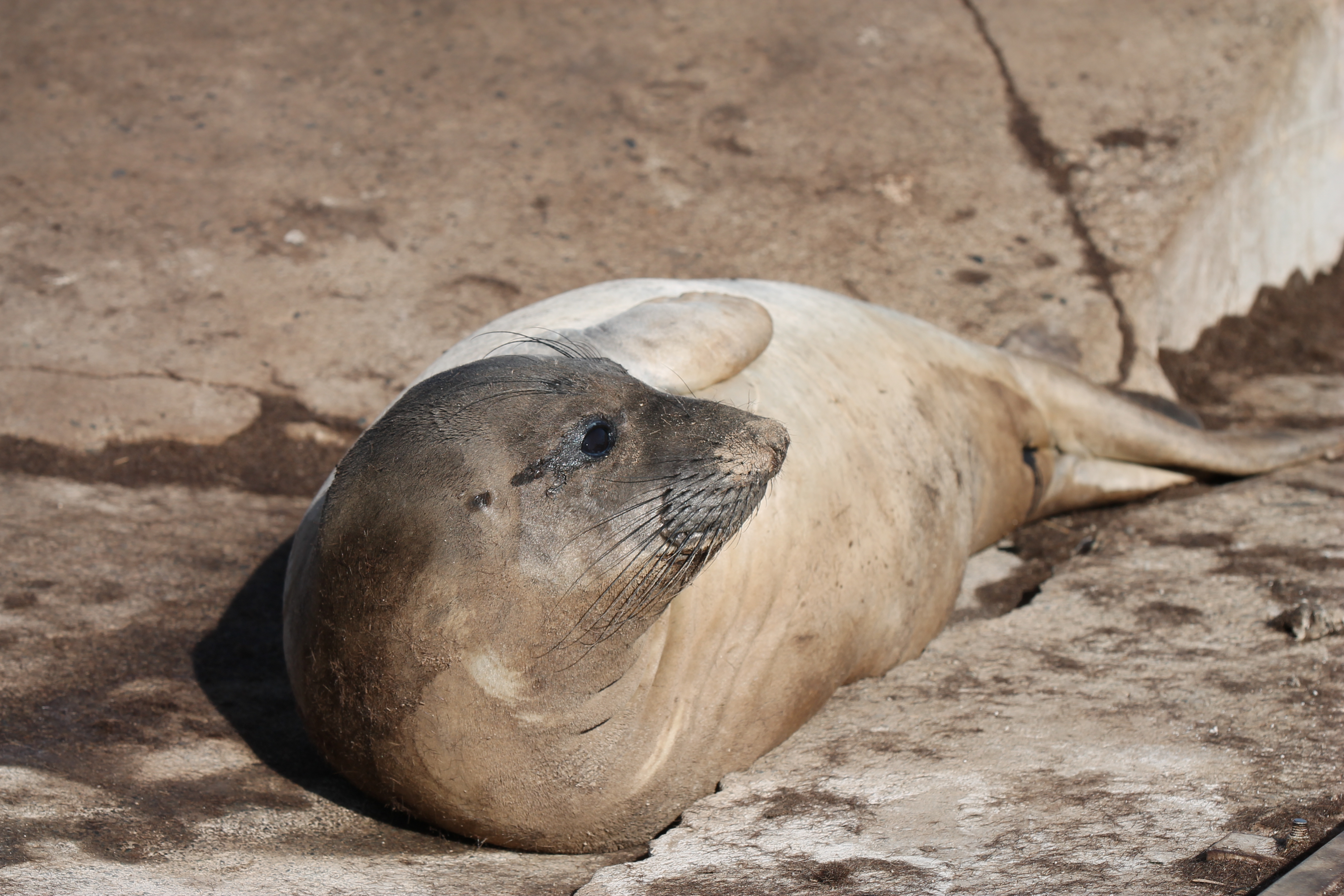
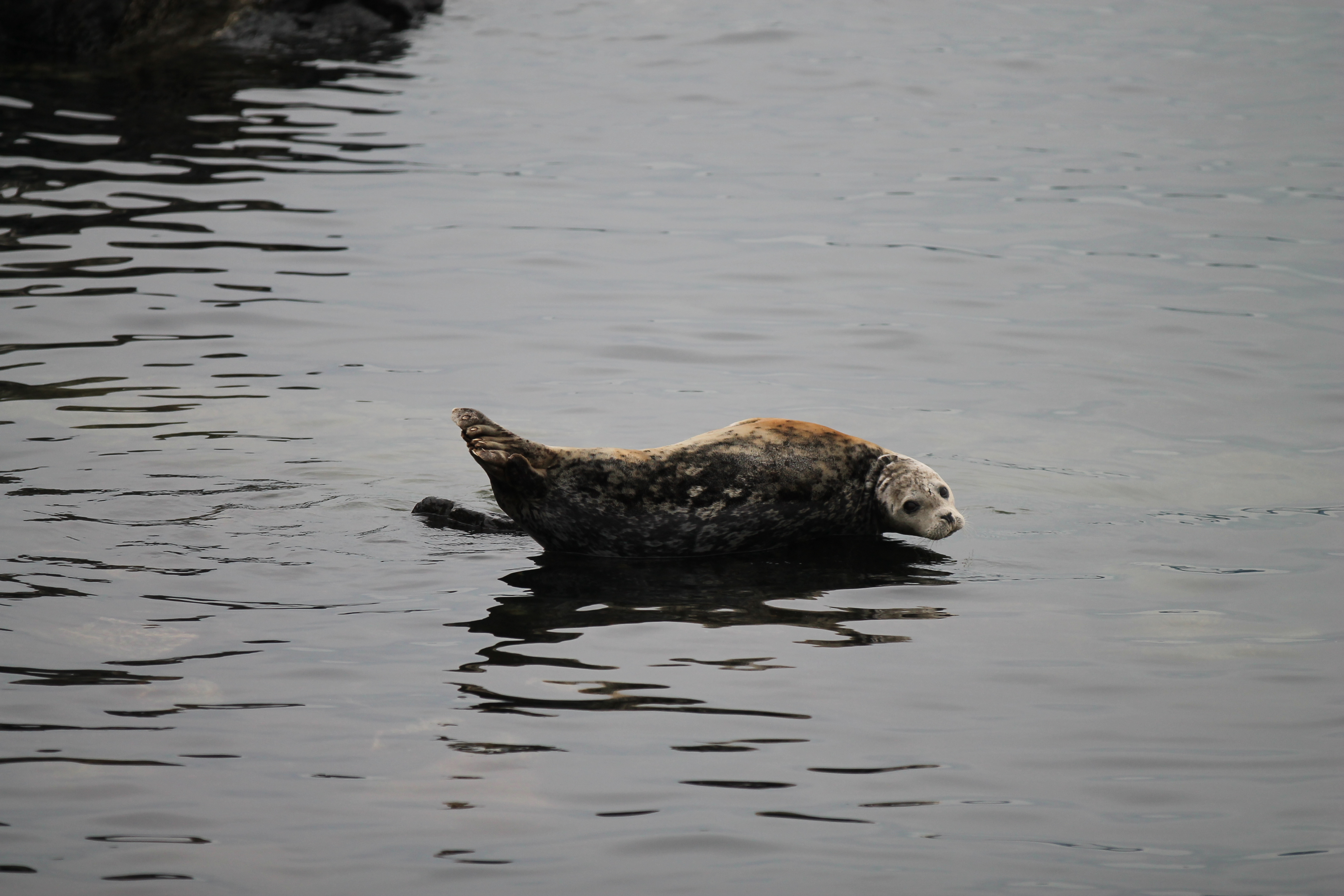
The elephant seal has been hanging out around the jetty for a few days but took off yesterday and I don’t expect to see her returning anytime soon
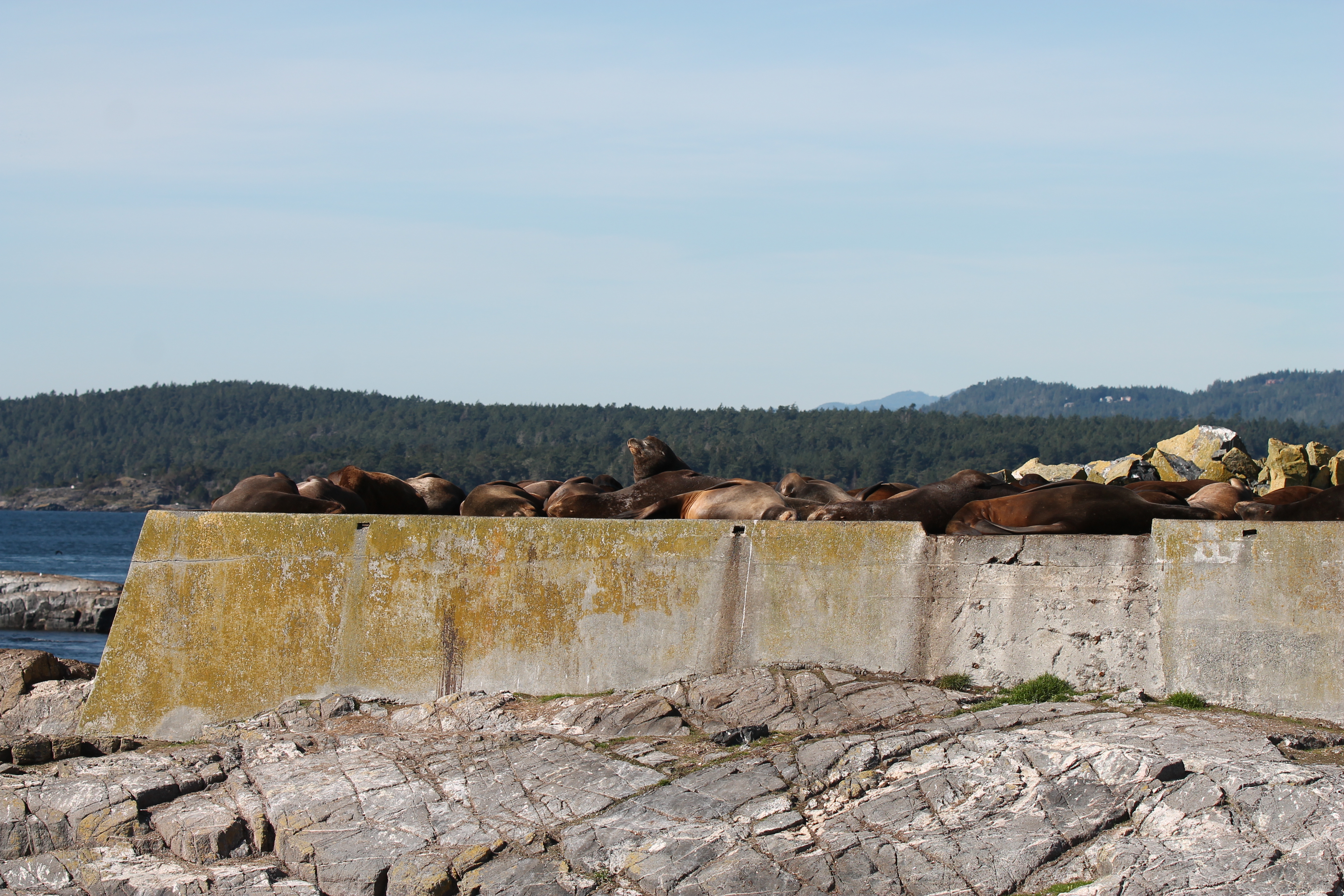
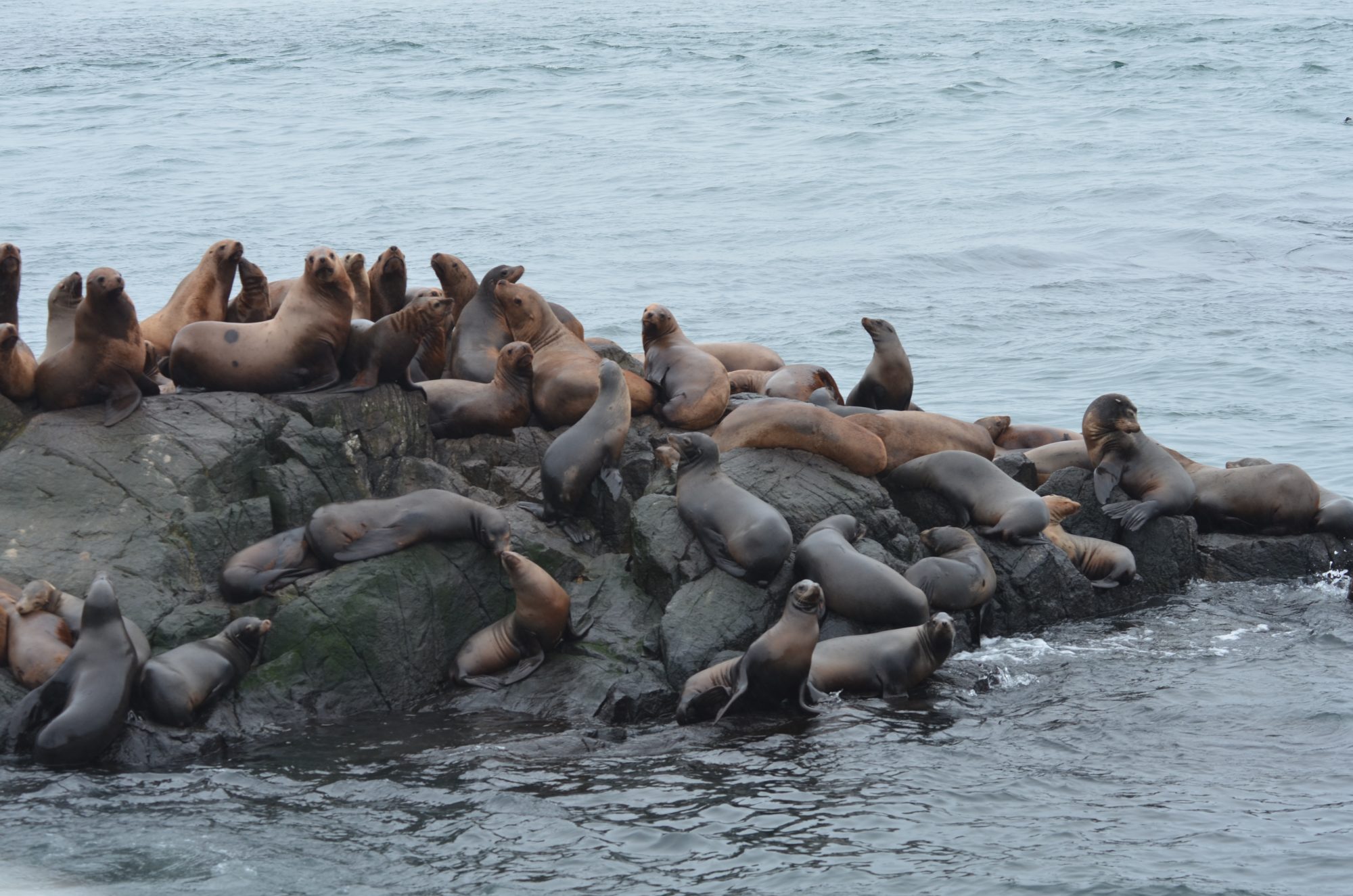
plenty of sea lions around and I’m having a difficult time keeping them away from the lighthouse, they come back as soon as I am out of their line of sight, would like to extend the fence to protect the burial cairns and lighthouse but we just don’t have all the material we need, we’ll see about that next season though
A few boats cruising by today, mostly pleasure crafts and a couple tour boats and even a couple sailboats
No visitors today but yesterday Greg came by with a couple guests and also help with some decluttering moving fuel around and firewood, now that its getting a bit colder out I will be using the fireplace a lot more
There is a particular dive boat that has been coming around almost daily with divers who are getting pretty close to the animals
Ecological
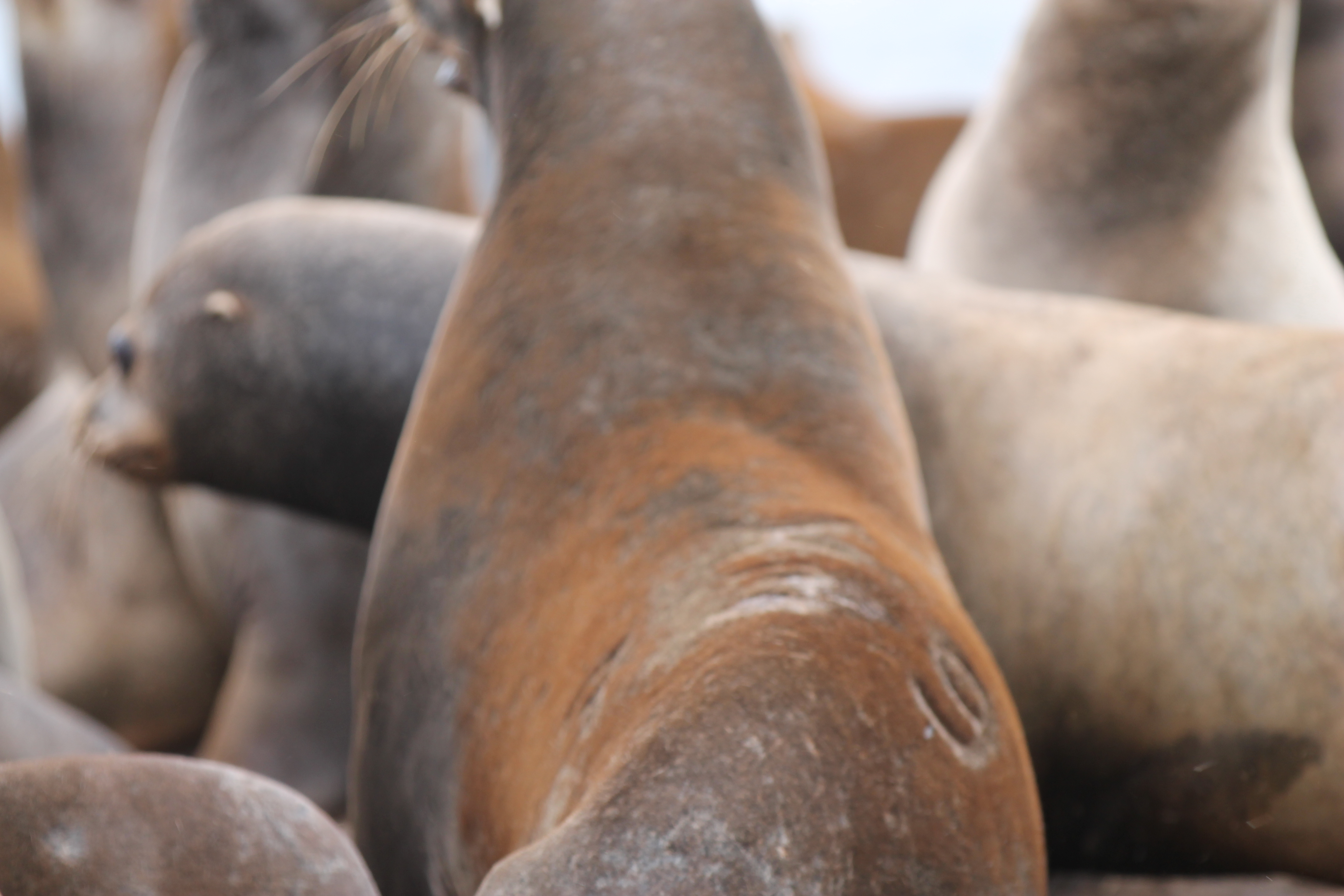
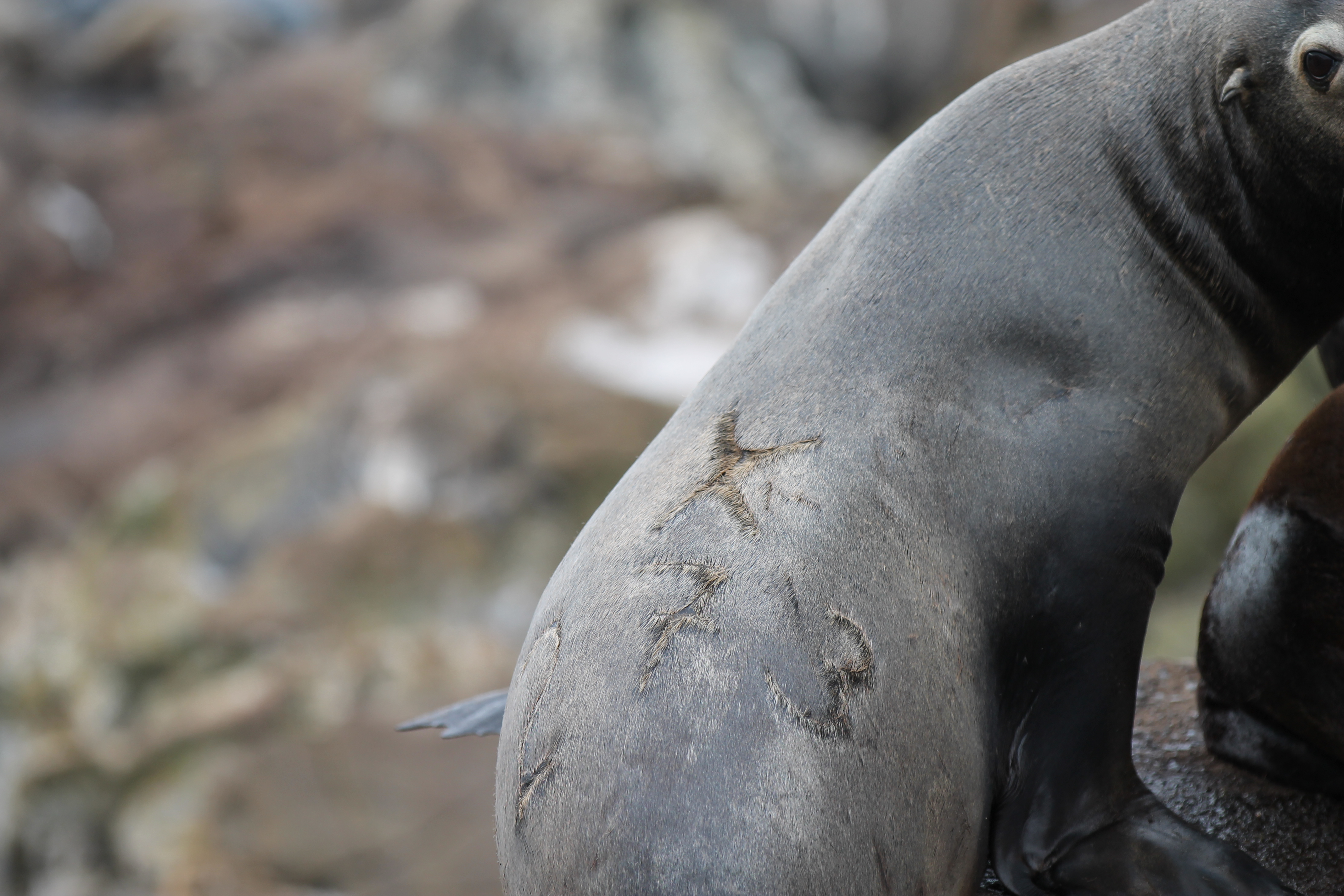
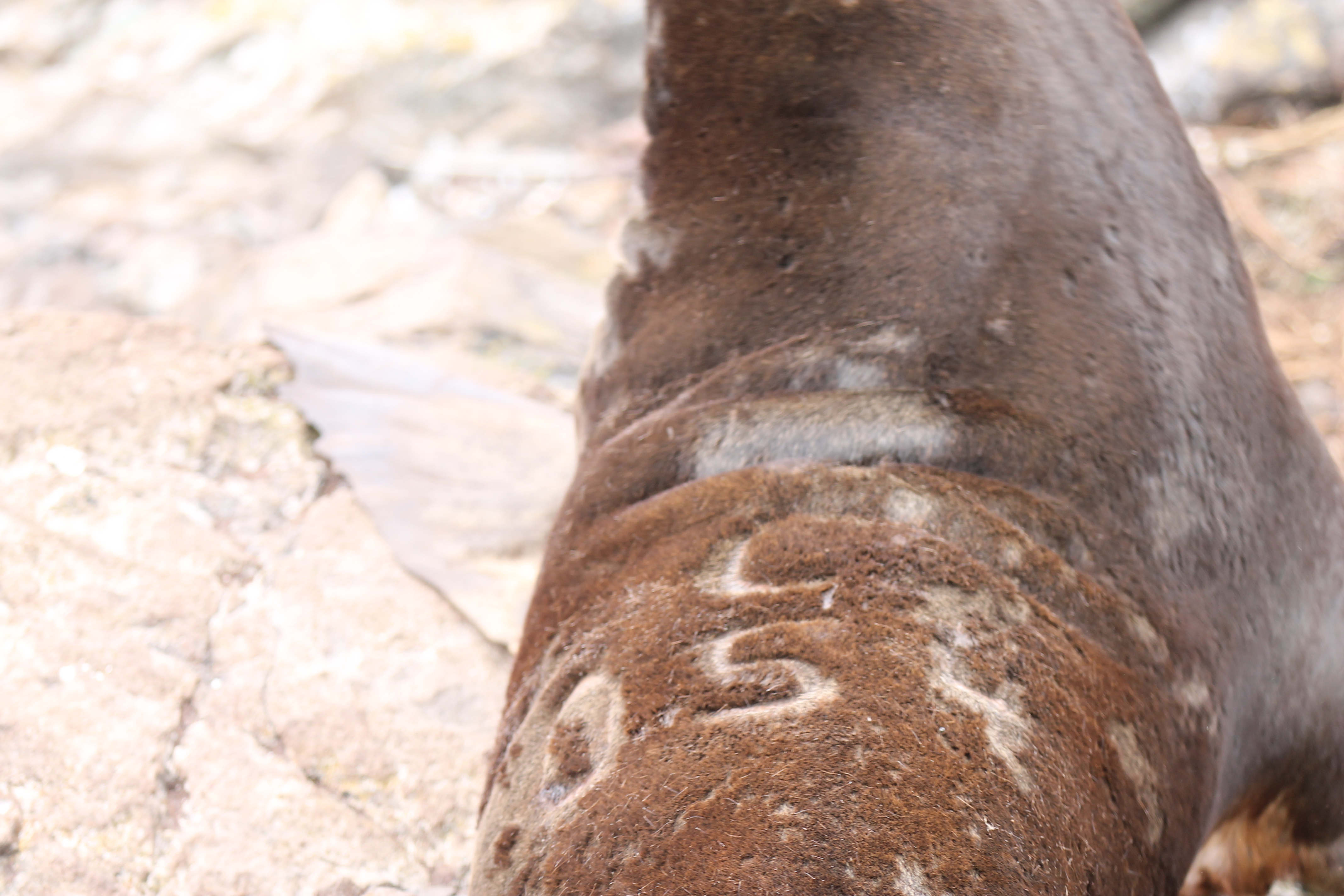
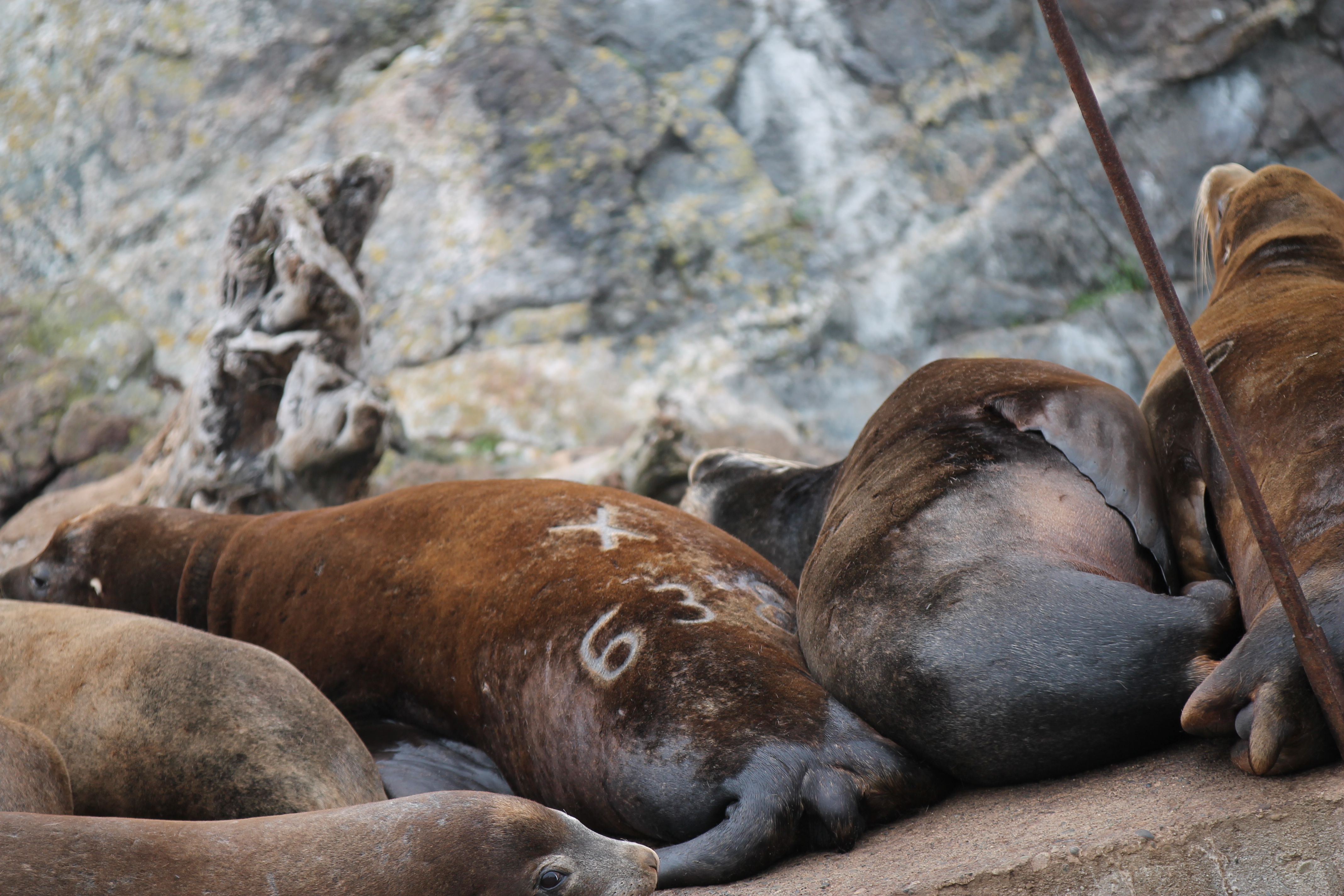
there are quite a few of branded sea lions around, I have photos of a few of them but I could not clearly make out a couple of them but managed to get some clear shots
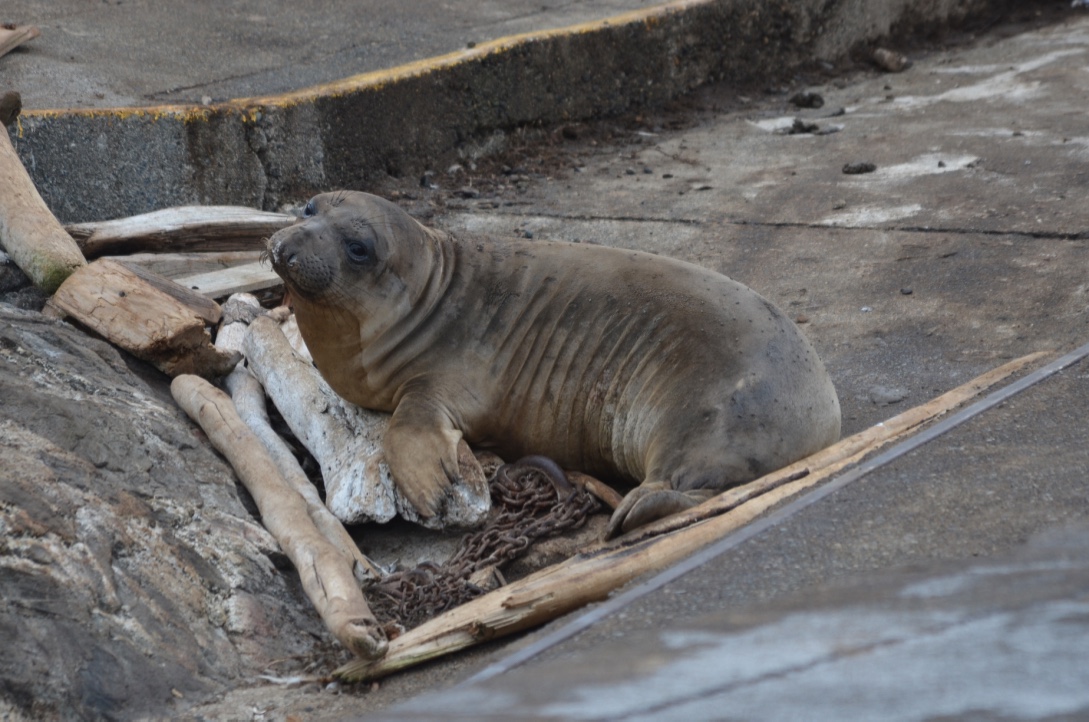
the young elephant seal is still here which is unusual but I expect her to be on her way soon
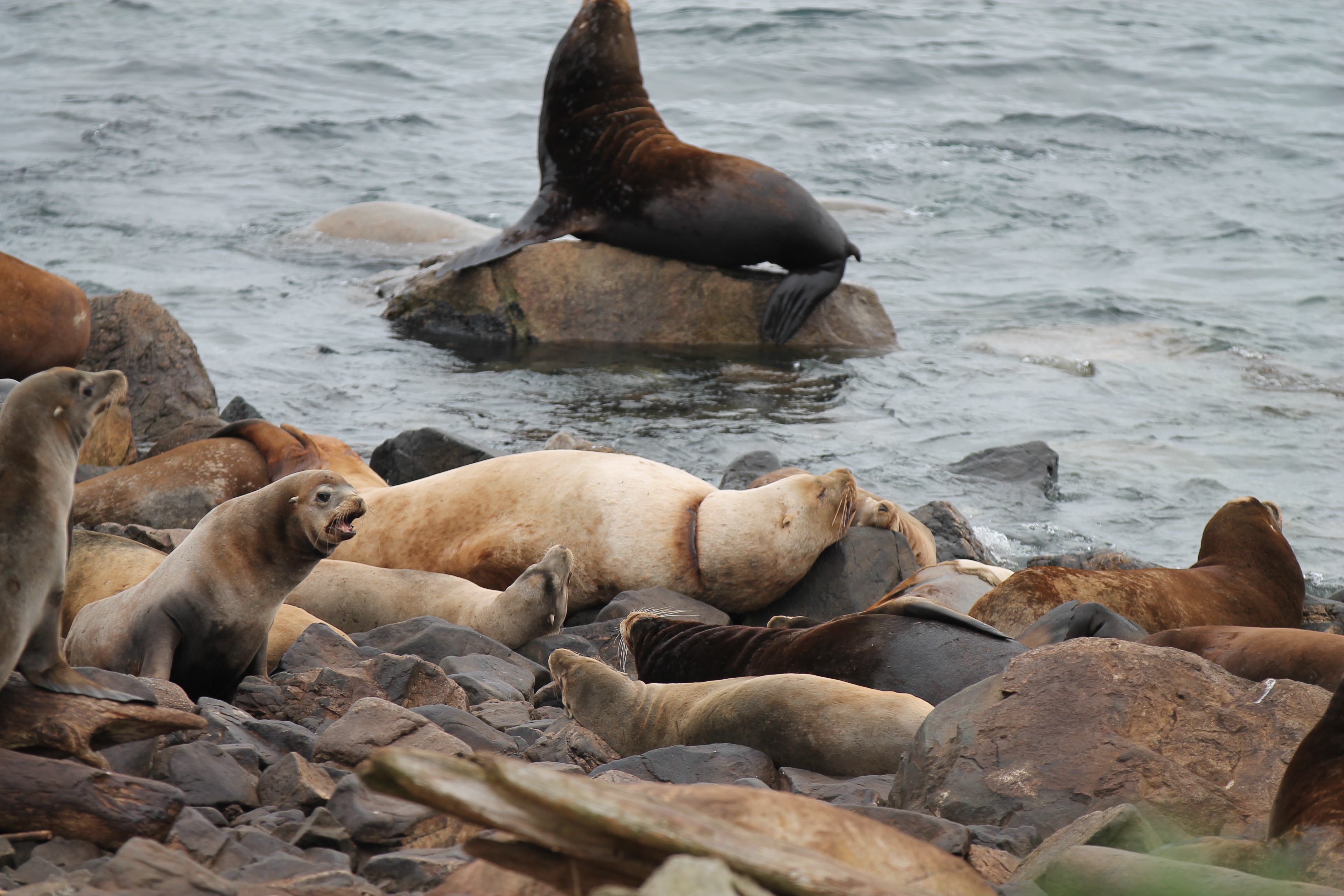
we also have a stellar who appears to have something around his neck
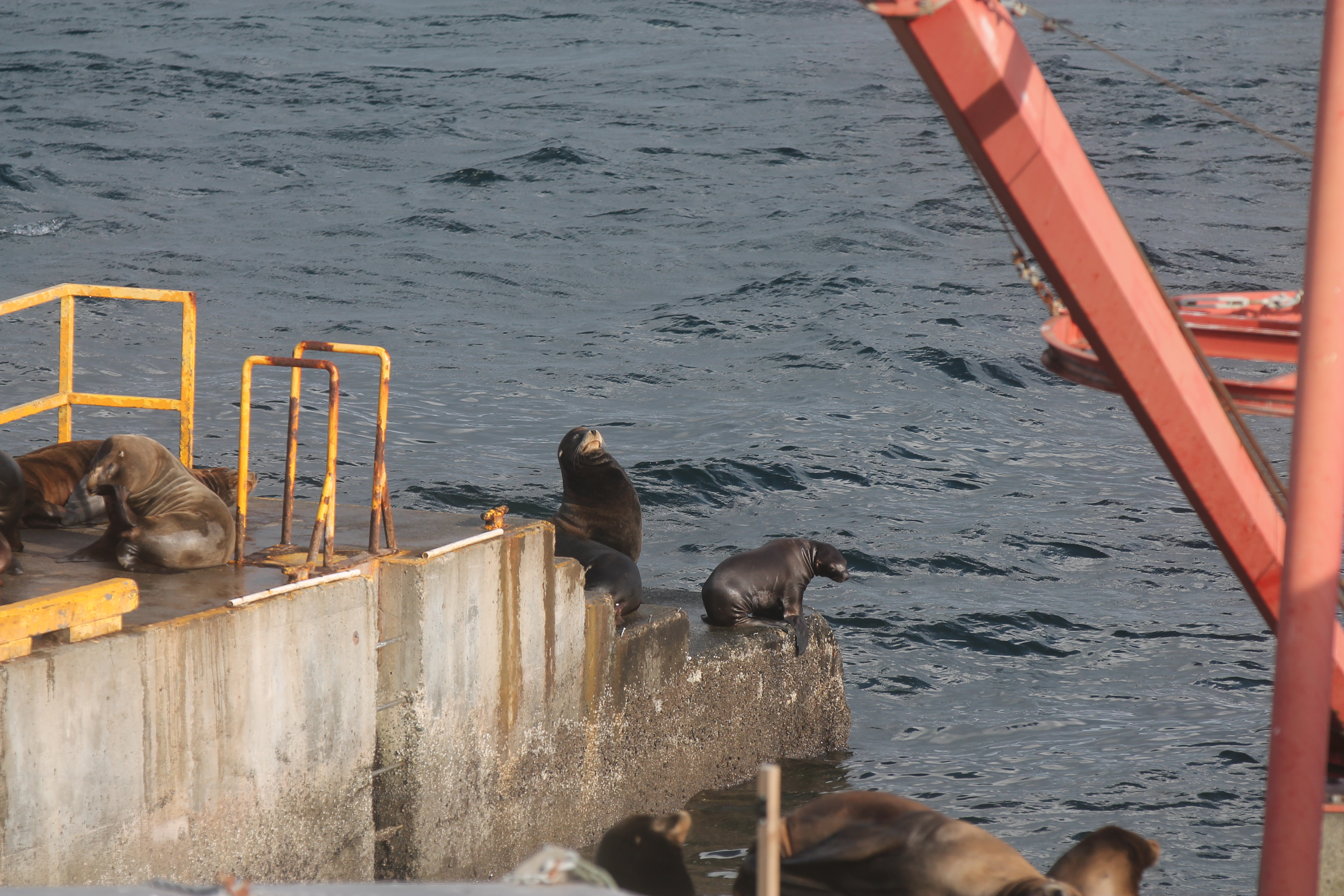
and a few adorable young stellers on the rock in front of the crane
A few boats cruising by today, mostly pleasure crafts and a couple tour boats and even a couple sailboats and kayaks on this beautiful day
Greg will also be dropping by this afternoon to bring some water and food
Ecological
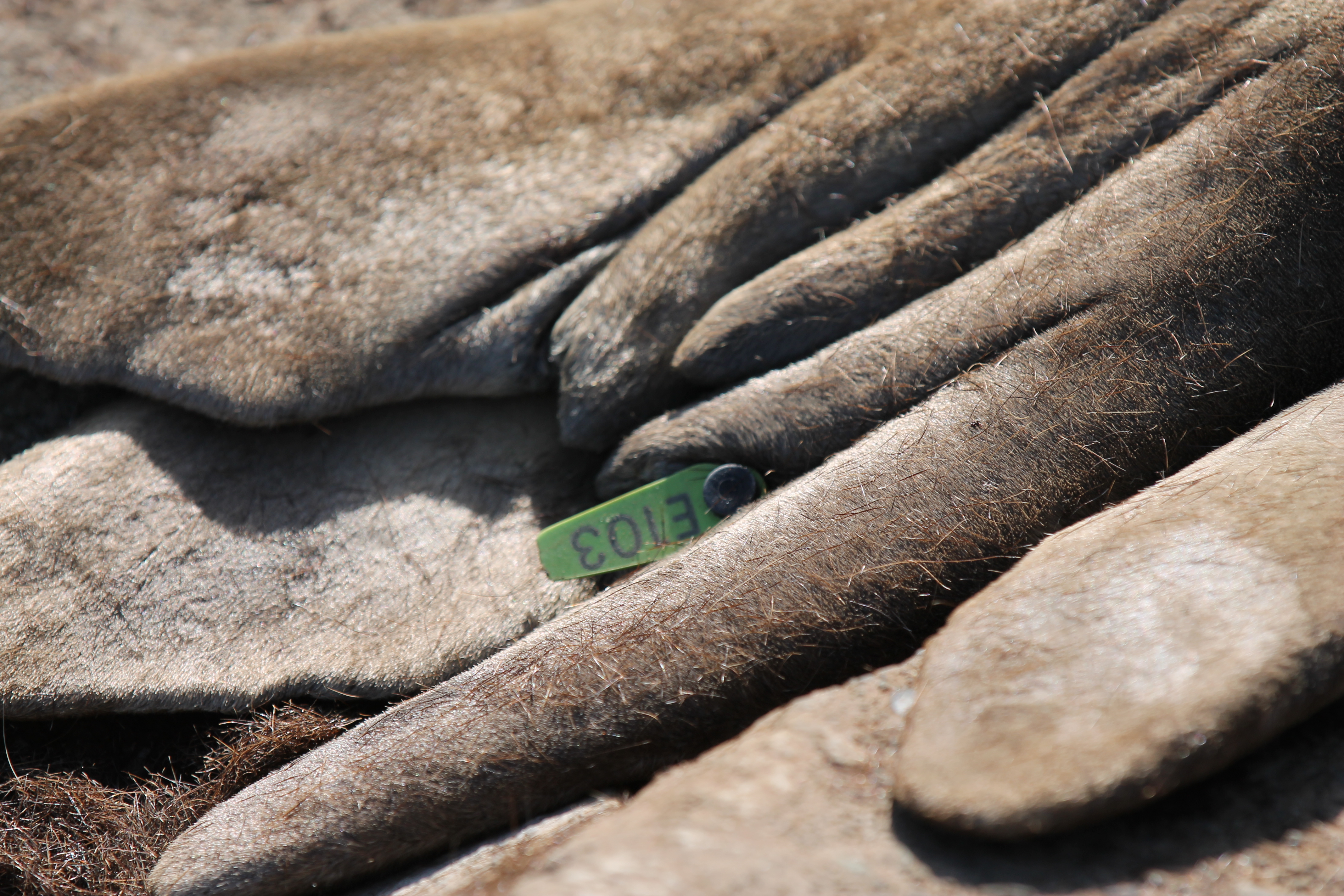
the tagged elephant seal that the previous ecoguardians named Eric turns out to be an Erica, she is female
It is unusual for a juvenile elephant to be sticking around an area for this length of time, typically they would be moving along the coast now
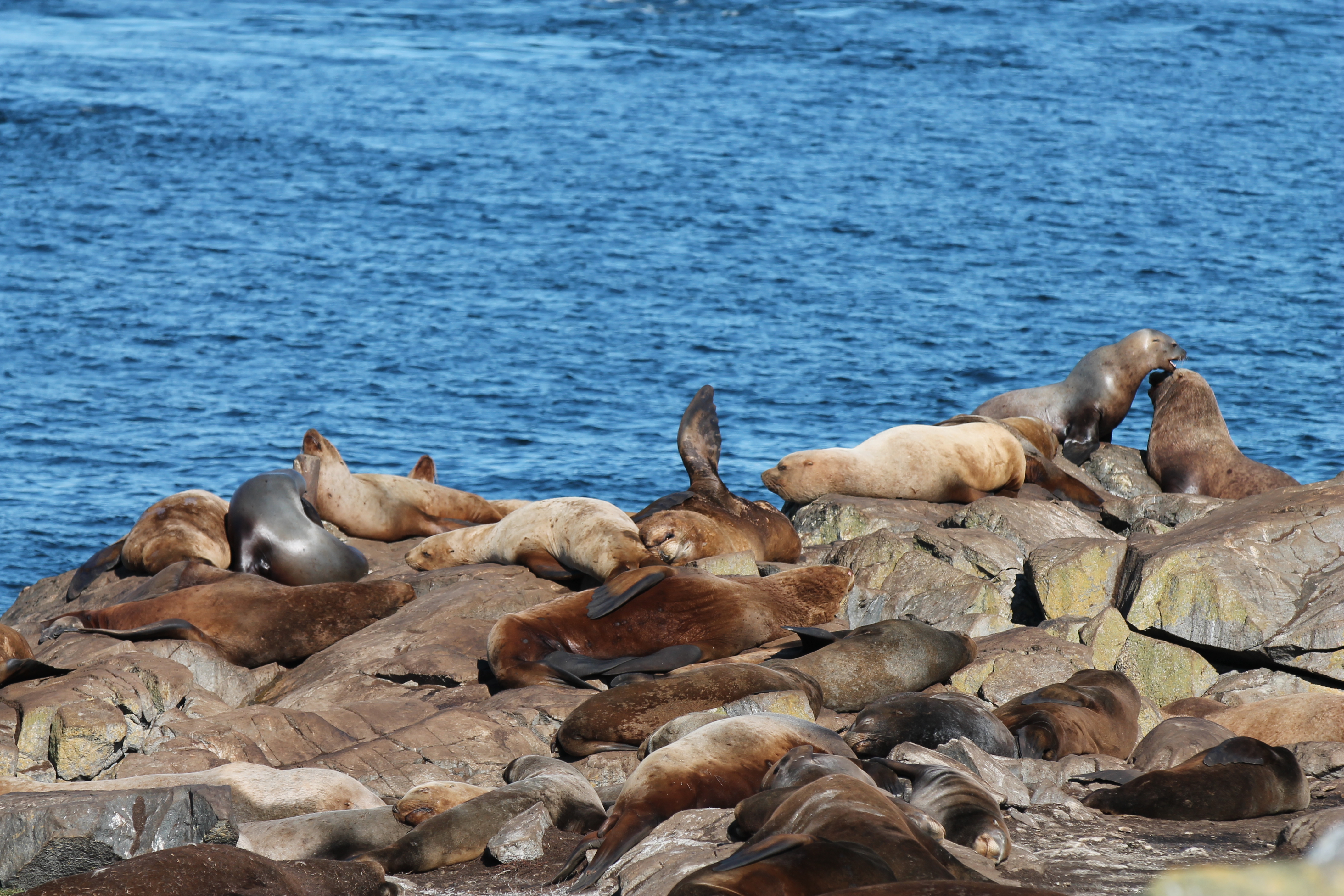
There are so many sea lions right now and it seems she does not mind the smell or the noise but it isn’t unusual for elephant seals and sea lions to be hanging out together
More boat traffic on the nice days and there was also a dive boat with a couple divers on the east side of the island, it looked recreational
Ecological
The little steller is still around and adorable
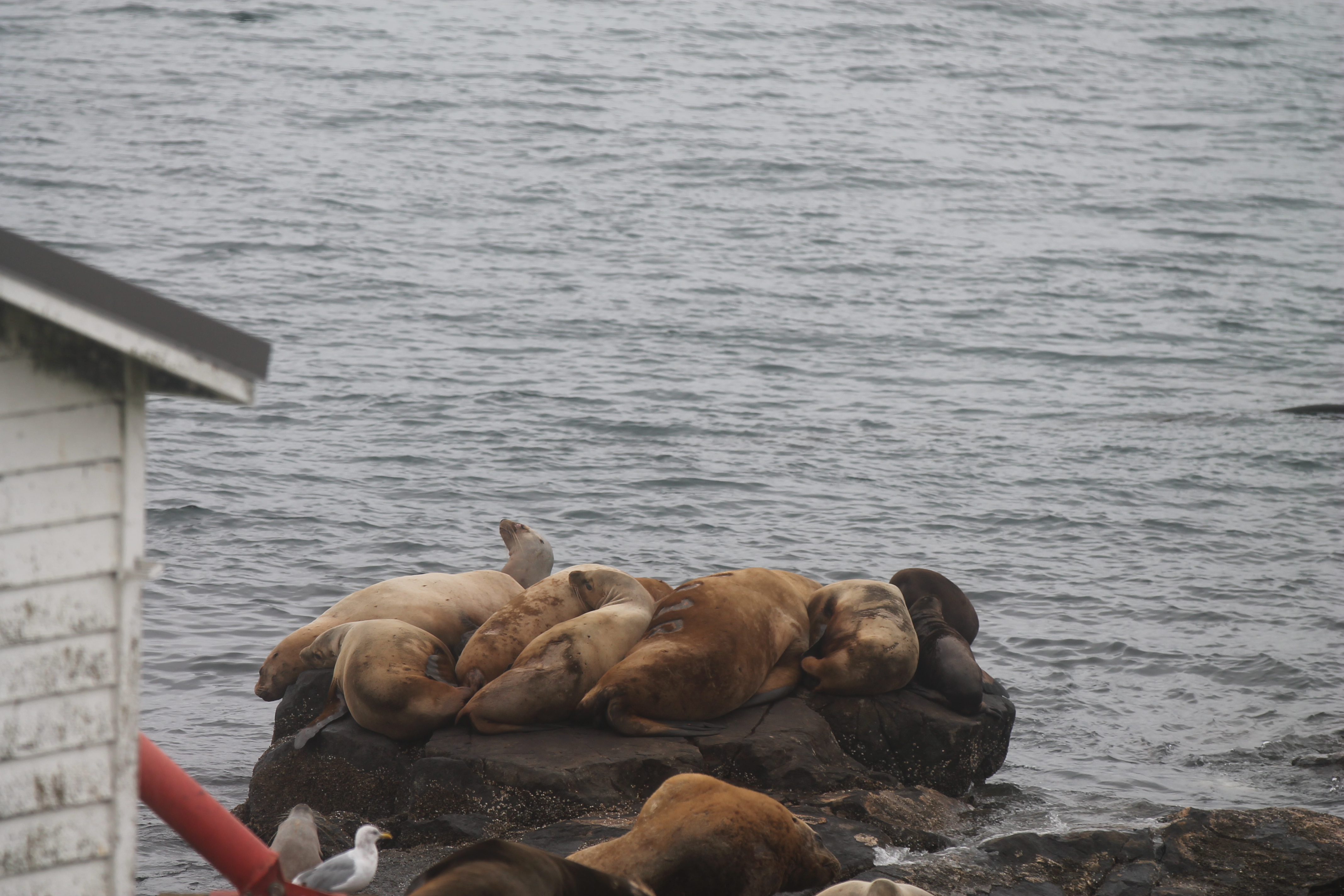
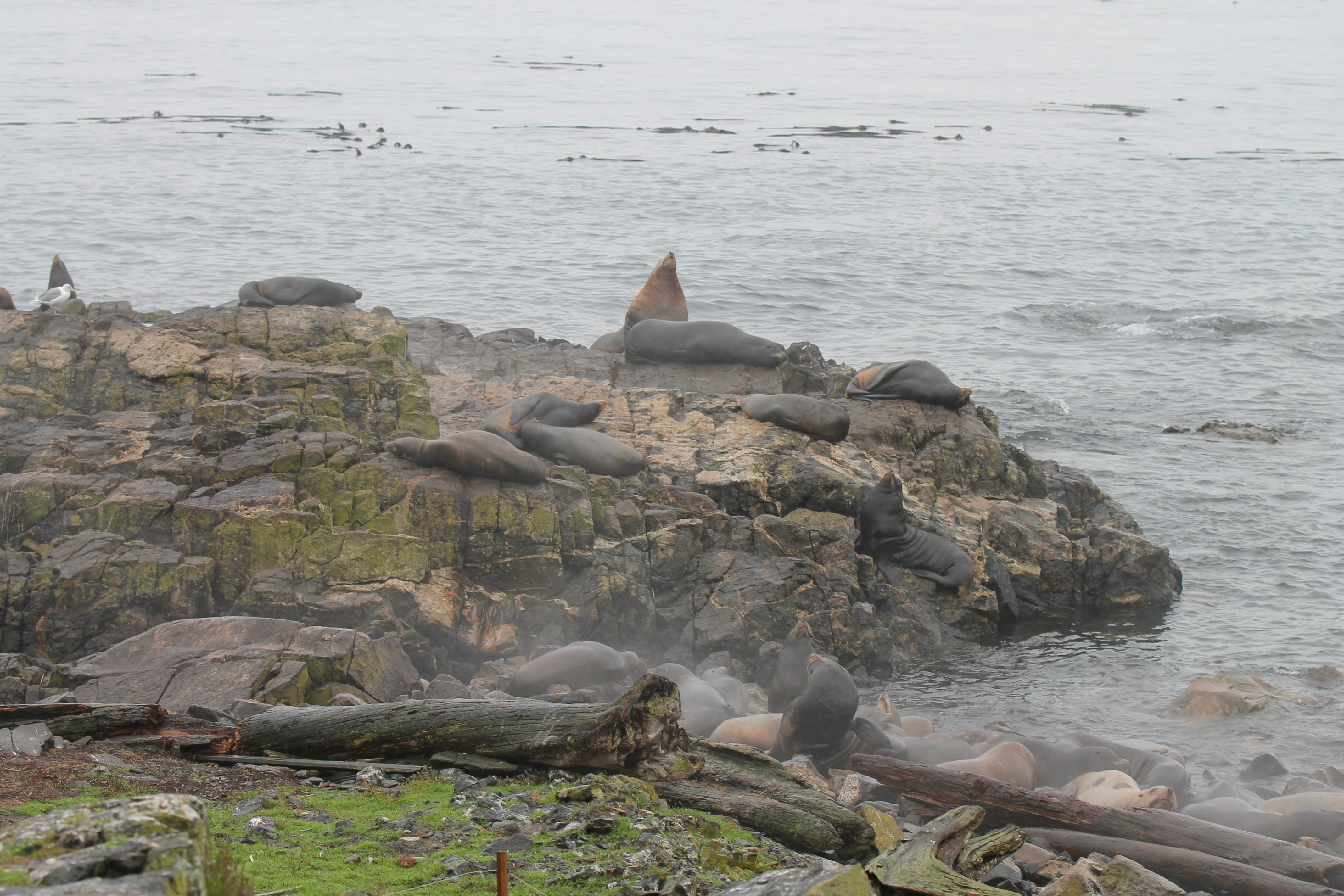
seems like even more sea lions today but that might be because they are so concentrated around the helipad and the jetty but at least they are away from the burial cairns and the generator room/lighthouse
Maintenance
Fuel and water have been delivered recently and hopefully in the next week we get more decluttering done around the island and start bucking up some more firewood so we have enough to last the year since driftwood does take months to dry out enough to be usable
The past few days we have seen more pleasure crafts than tour boats and these pleasure crafts get way too close and I can never find them on the radio because it is very hard to know which channel they are on
A group students stayed Saturday night to film around the island looking at ecological impacts which around here are mostly due to sea lions trampling all the green and turning it into mud
Ecological
The little steller is still around, haven’t noticed any new injuries on any of the sea lions
the sea lion that was by the jetty before that seemed lethargic and didn’t really respond to people left for 2 maybe 3 days and is now back in the same spot and it is much more energetic and responsive than before
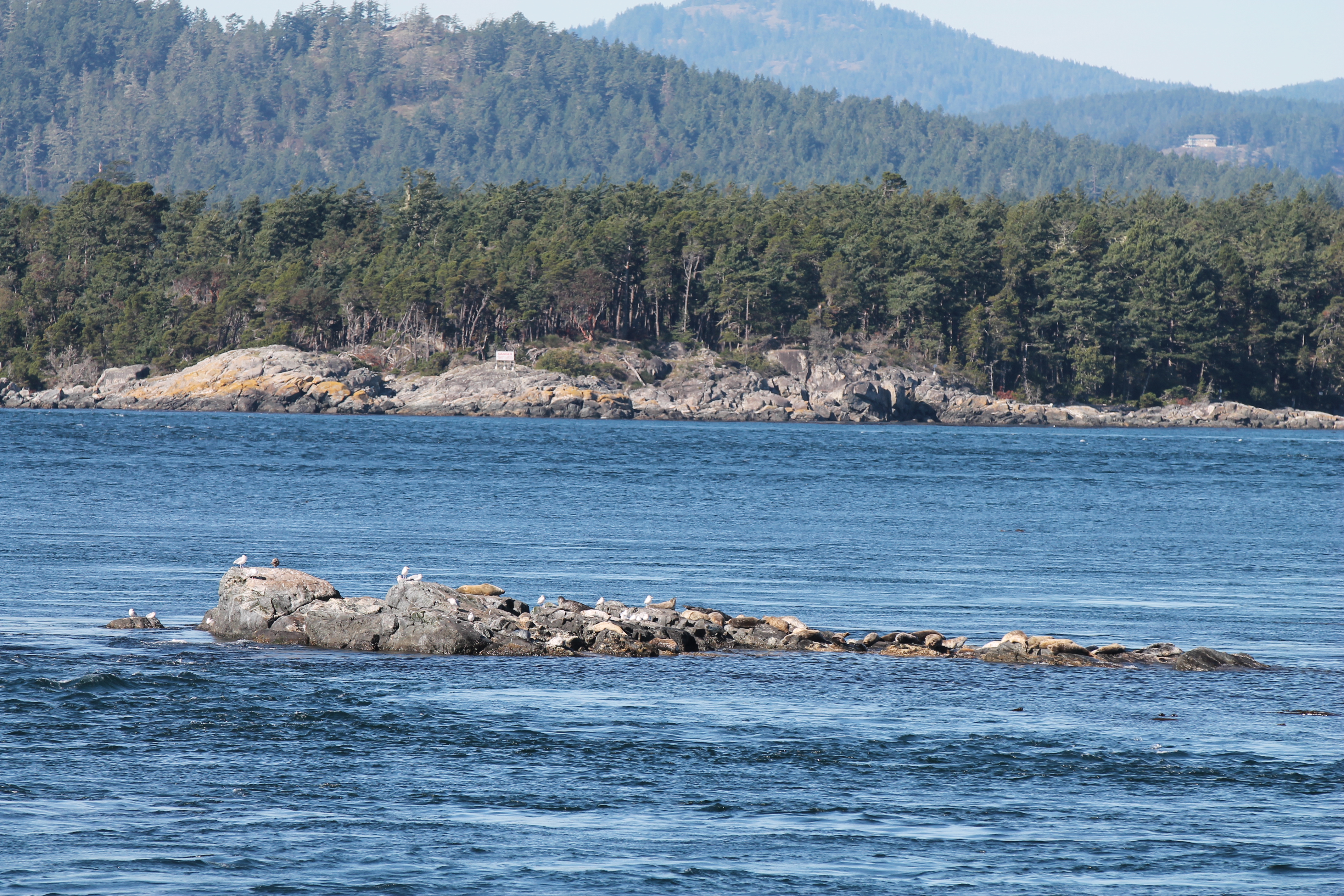
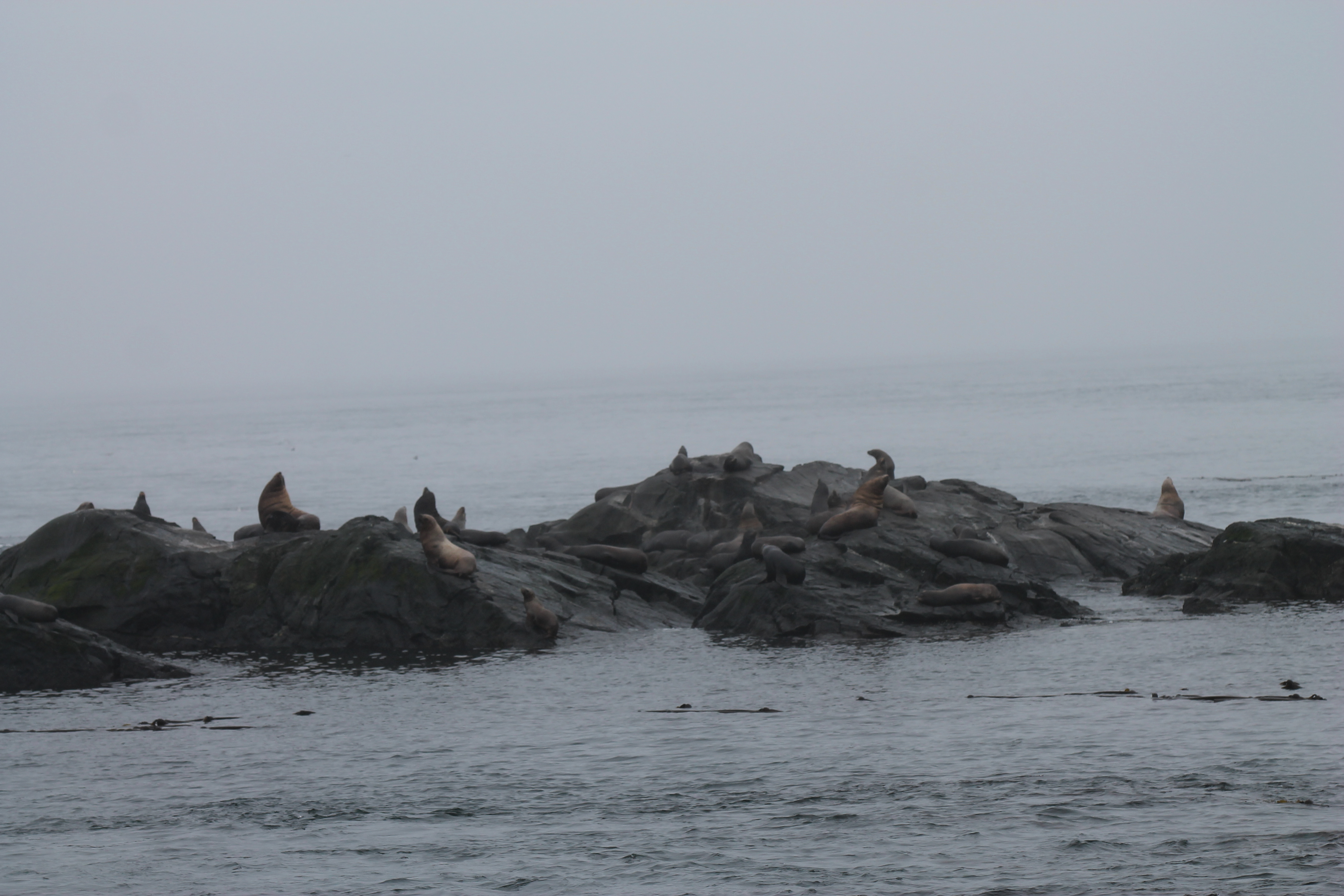
the number of sea lions seems to have gone up from the last census by about 100, will post more numbers below
I have been consistently seeing about two humpback whales per day
Maintenance
The fence now only needs typically one minor repair per day, the sea lions are getting used to staying away from it
I still need to stay on top of clearing them away from certain areas, they seem to not crowd the entrance to the generator room anymore or the burial cairns as much, but they have taken a strong liking to the grass around the lighthouse
Since I got back on Tuesday there have been approximately 15 boats per day, the number varies a bit each day
On tuesday and thursday we had visitors from the eagle wing crew come for a tour on Race Rocks. It was so nice for them to be able to come check out what Race Rocks looks like from the land after seeing it from the water so many times
Greg and Guy are coming by today so we can do a more in depth orientation on the projects and maintenance going on around the island
Ecological
After my walk around I noticed a couple interesting things, first there was a young steller, not a baby but he was still nursing.
Then an elephant seal, which was so nice to see and it had a green tag on it. Unfortunately by the time I got my camera it was already gone.
There have also been humpbacks nearby lately, the past two days there have been 4. Yesterday when the eagle wing crew was here was saw a fishing boat getting way to close to the whales, the whales were clearly upset and one jumped right out of the water because of it. Luckily we saw one of the whale watching boats from BC tours and got a hold of them and they let us know they had a word with the fishing boat about keeping its distance from the animals.
Maintenance
The fence still needs to be repaired twice a day but the sea lions are starting to stay away from the entrance to the generator room with regular clearing which will also start happening around the burial cairns between the student house and the helicopter pad. The sea lions have started shifting the stones around a lot and we want to preserve this important historic area.
I am back on Race Rocks, this is my third year but I’m only staying for 3 months this time. I am very happy to be back and look forward to a beautiful and productive autumn.
Today I plan to take a good look around the island and see if any of the sea lions have any injuries and just do a good once over.
I’ve spent the last 5 months with the whale watching community and here are some things I have learned. The whale watchers care about these animals as much as I do and our goal is education. We enjoy sharing this beautiful ocean and our knowledge of these animals with other people. The observations I’ve made during this summer are that many commercial boats do keep a respectful distance. The whale watching boats actually help me out as an ecoguardian. There are plenty of areas in the reserve that are out of my sight and if they see an injured animal they notify me and tell me where it is so I can monitor it and let marine mammal rescue know. If someone is doing activity within the reserve that shouldn’t be like fishing or snorkeling in a dangerous area they let that boat know that they can’t do that. I have a very difficult time trying to get a hold of pleasure crafts because they are always on different radio channels so this really helps me when others look out for the safety of the reserve and others within the reserve.
This island is a special place for many people and so much goes into protecting this ecological reserve and I just wanted to acknowledge a group of people who have helped in many ways to protect Race Rocks.
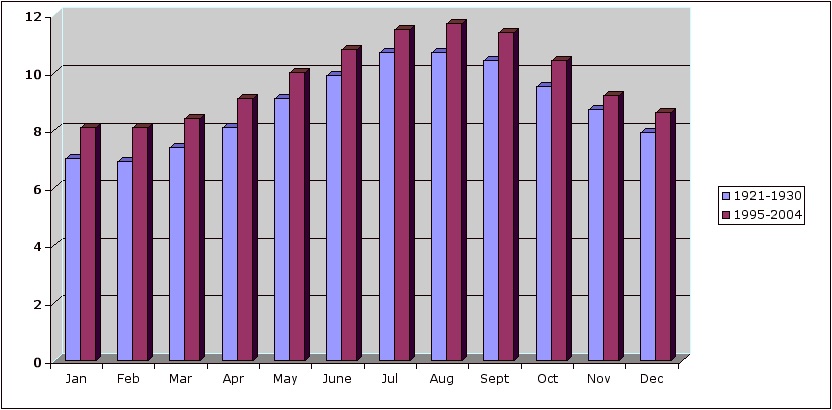
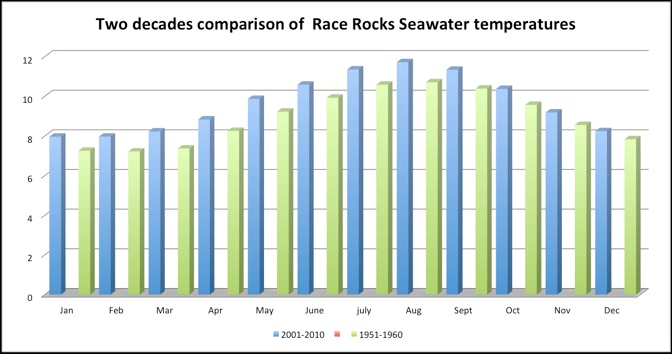
Monthly Means
2001-2010 1951-1960
Jan 7.96 7.25
Feb 7.96 7.21
Mar 8.22 7.36
Apr 8.83 8.25
May 9.86 9.22
June 10.58 9.92
july 11.34 10.58
Aug 11.71 10.7
Sept 11.33 10.38
Oct 10.36 9.56
Nov 9.17 8.55
Dec 8.24 7.83
Note, The blanks for the years 1940-41 are due to the Second World War. Apparently during that time, data was not collected by a lightkeeper.Original data was sent by the Lightkeepers and now by the Marine Protected Area Guardian of Race Rocks to the Institute of Ocean Sciences where it is compiled and displayed at http://www.pac.dfo-mpo.gc.ca/science/oceans/data-donnees/lighthouses-phares/index-eng.htm Decade analysis by G. Fletcher.. NOTE probable evidence of climate change
Race Rocks Light Station: 48.2996 123.5318
We received a response from the scientists who had tagged the elephant seal mentioned and pictured in this previous post. They were able to share some interesting information about GE103, whom we nicknamed Eric. GE103 was part of a mother and pup interaction study, as well as the subject of a blubber biopsy study.
“Eric”, GE103
Juliette Linossier, a researcher working under a Fyssen grant at UC Santa Cruz/Año Nuevo Reserve, was able to tell us more about the early life of this animal and others. She told us that shortly after the birth of another elephant seal (GE338), there was a huge storm at Año Nuevo and GE338 was separated from it’s mother. The pup was stuck on the beach, and his mother in an protected elevated area. They called to each other for a long while, but were never able to return to each other. GE338 did survive but was nursed by another female in the colony.
The now ’empty nest’ mother of GE338 became attached to GE103! She nursed him, and stayed close to him and his mother, G9474. Thus, GE103 (or as we call him, Eric) was able to take advantage of more than one milk source as a pup; the two mothers even fought over him from time to time.
According to her bio, Juliette wants to investigate the link between allonursing and maternal cognitive abilities using new approaches. Using time-lapse photography, chemical profiles and other techniques she plans to look at variables such as maternal age, pup similarity, genetic connection, spacial proximity and more to further understand what drives allonursing in these interesting creatures. Thanks for sharing, Juliette!
GE103’s blubber biopsies were taken for the purpose of furthering the understanding of pollutants bioaccumulating in marine mammals. Read more about this subject here.
Many thanks to Patrick Robinson, director of Año Nuevo Reserve and lecturer at UC Santa Cruz, for helping us learn more about this work.
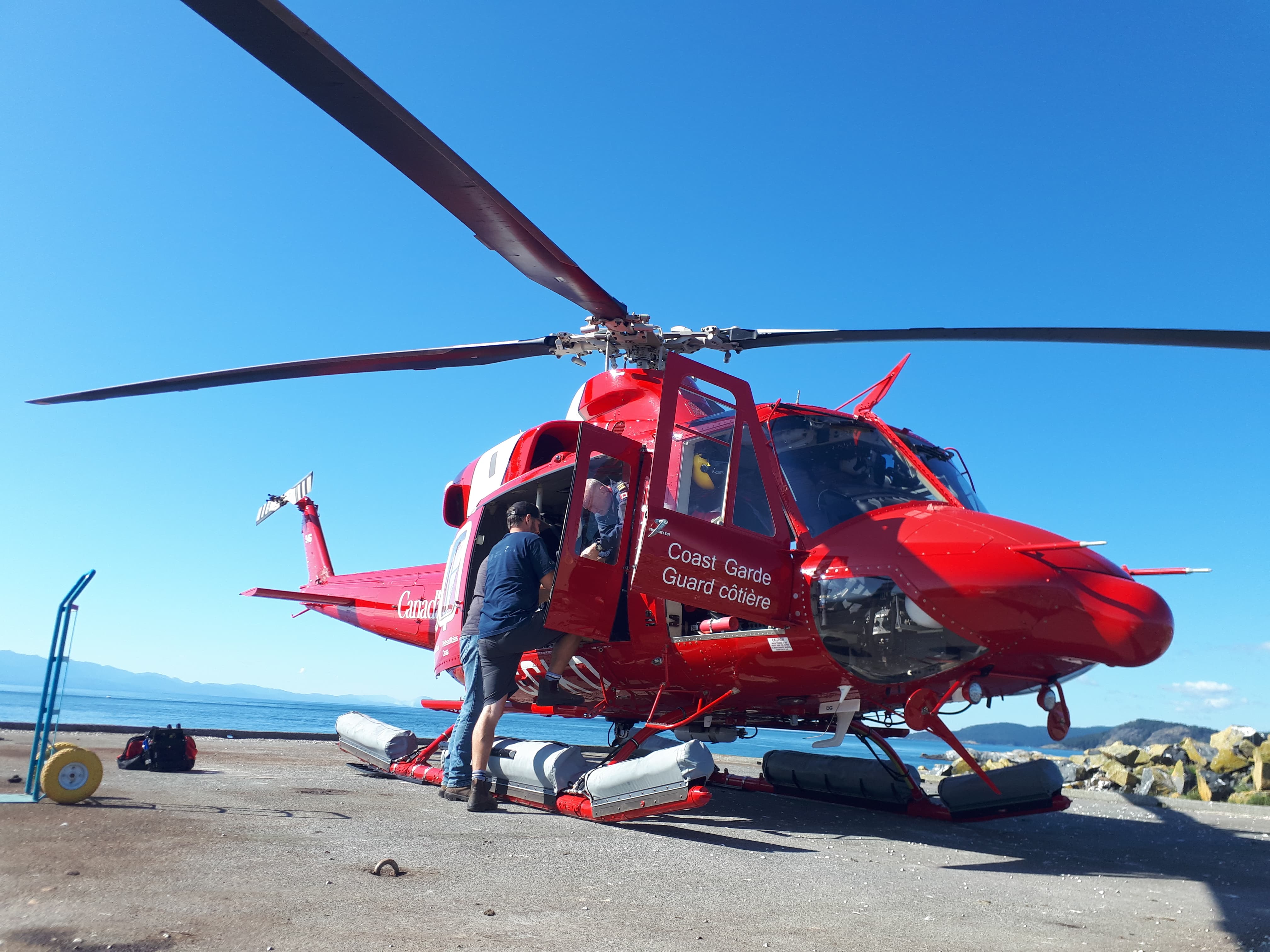
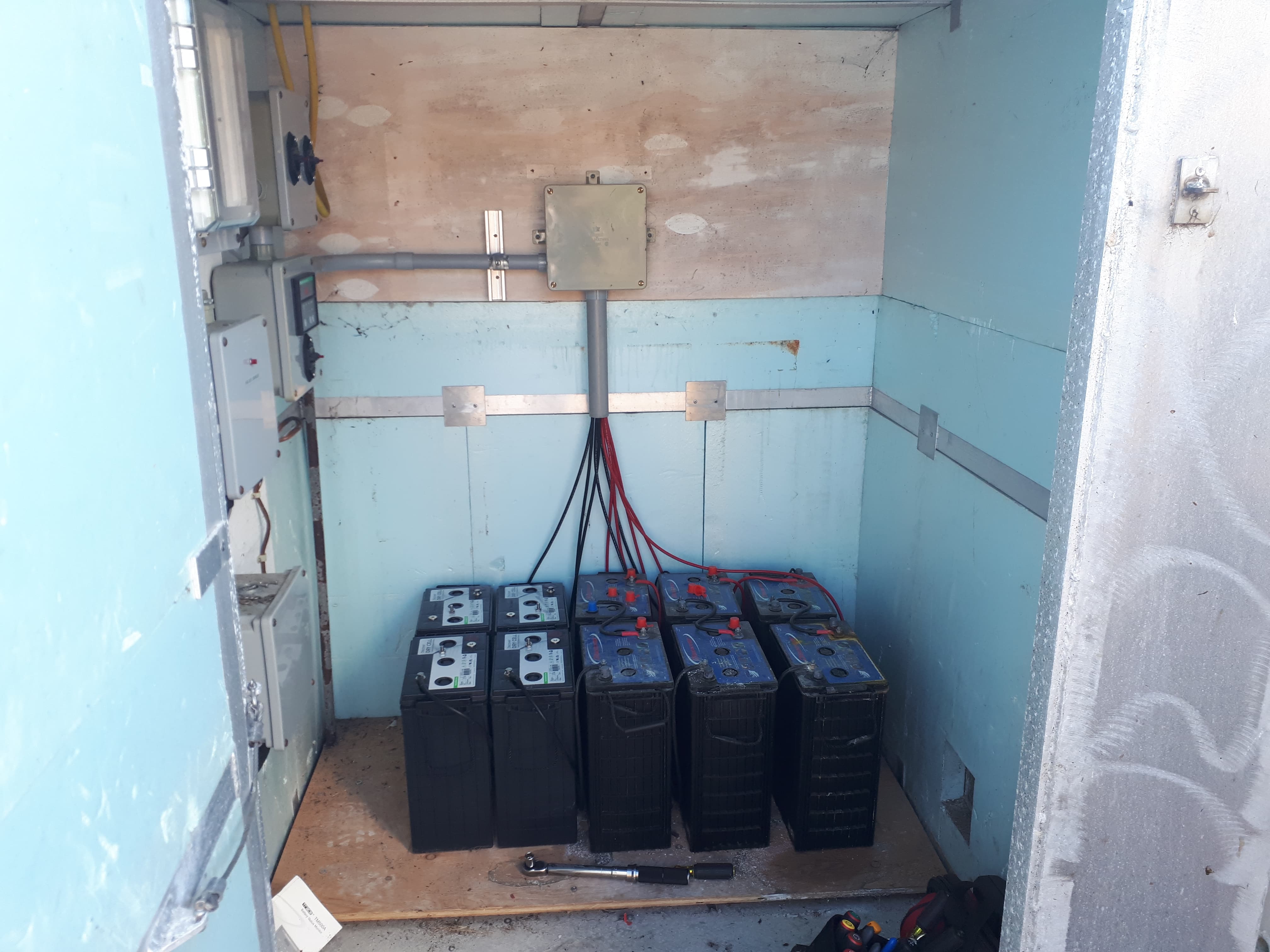
We left Race Rocks last Monday (October 30th), and hours before leaving we were surprised by the landing of a Bell 412EPI Coast Guard helicopter. They came to Race Rocks in order to replace the solar battery bank beside the foghorn (near the base of the lighthouse). We were able to get great video of them landing as well as taking off!
Unfortunately, as one can see at the left of the video the landing scared many sea lions off of the rock in a rush. Without knowing that they were coming we had no chance to gently move any vulnerable animals away from the helicopter pad. We were able to speak with someone at the college about this, and the Coast Guard will hopefully be able to better work with Race Rocks in the future to ensure the safety and comfort of the animals.
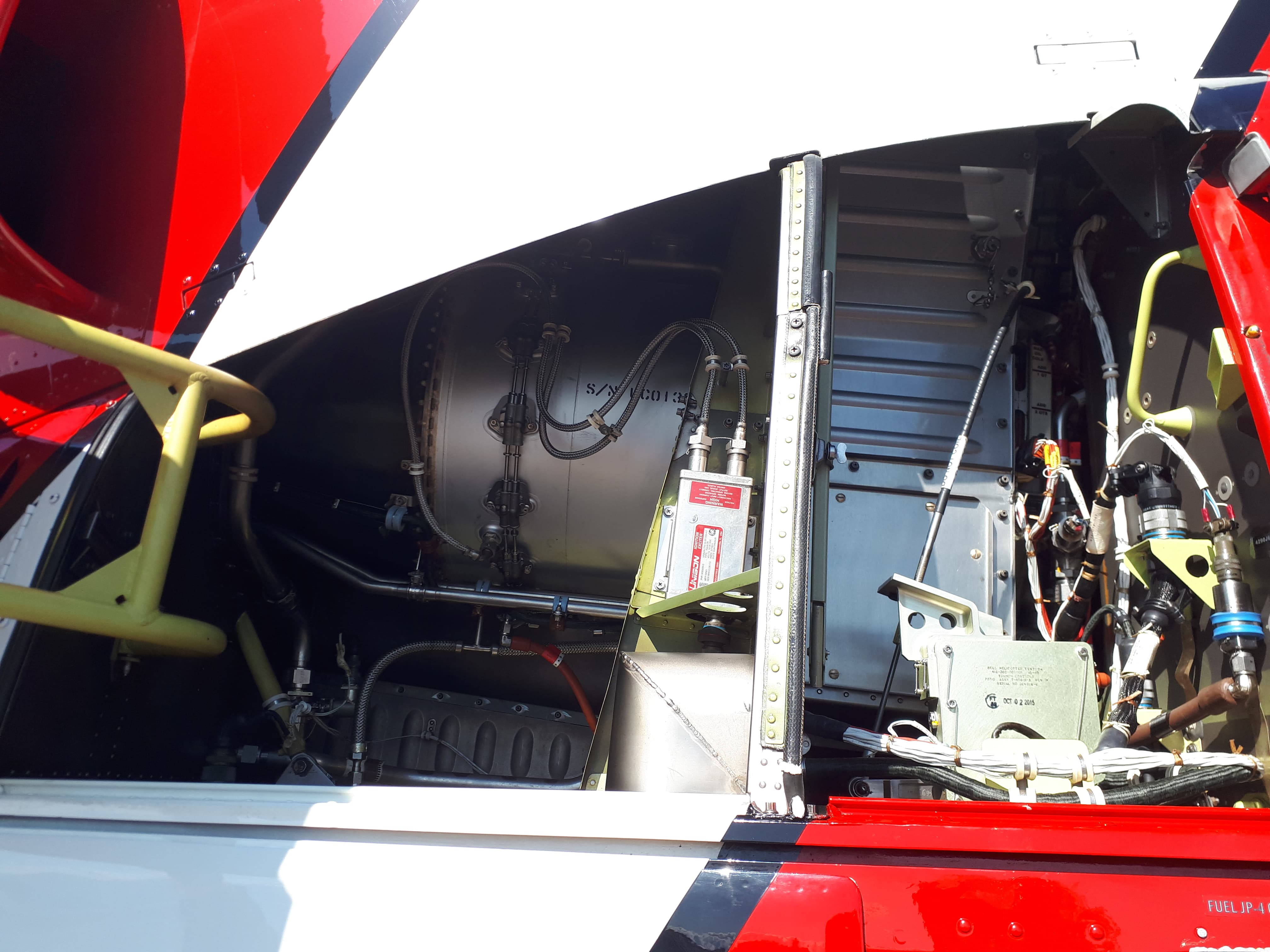
The pilot was kind enough to take a moment to show us around and allow us to take some pictures. He explained that a smaller helicopter could have been landed near the house, but the 412EPI’s cargo capacity (over 6000lbs) was needed to transport the batteries. The helicopter is powered by a Pratt & Whitney PT6T-9 turboshaft engine that makes over 2000hp (about 1500kW), and it’s made in Canada!
Loading old batteries into the helicopter.
Fresh batteries getting installed.
That’s not your regular engine!
We enjoyed our time at Race Rocks (a big thanks to everyone who supported us during our term), and hope to return and continue this work protecting and observing the fragile ecosystems and the animals within. Until next time!