In what Ecoregion / Ecosection is Race Rocks Ecological Reserve ?

January 31 2024 is the deadline for public submission of comments on The Draft Framework on Bodiversity and Ecosystem Health. 

For an understanding of the differences in the many ecosystems in British Columbia and an appreciation of where Race Rocks Ecological Reserve fits in the classification, I have found this good description of Ecoregions and Ecosystems which includes a reference to Race Rocks, and the small percentage of the Ecosection in which it lies that is protected. 

The Evergreen Alliance has produced an important document detailing the current state of protected areas in British Columbia. In the BC Government’s new emphasis on the value of preserving Biodiversity and Ecosystem Integrity, it is interesting to note what percent of various ecoregions of British Columbia are in need of protection to meet the 30X30 goal . 
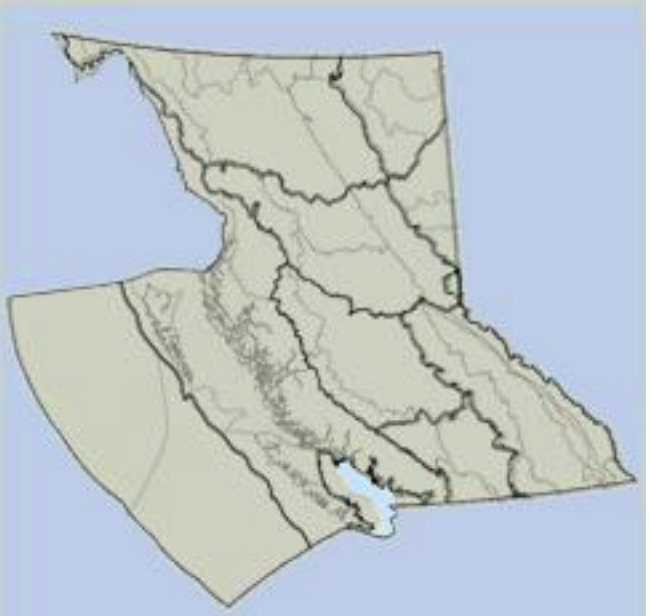
GPB Ecoregion

The Georgia Puget-basin Ecoregion

From:  An Introduction to the Ecoregions of British Columbia

In the OVERVIEW, There is a good definition of Ecosections:

“The Ecoregion Classification System was first adopted by the Ministry of Environment in 1985 to serve as a framework for recognizing small scale ecosystems in British Columbia. The Ecoregion Classification helps us to understand and to depict the great habitat diversity of the province. Since 1985, the Ecoregion Classification has been revised five times to reflect more detailed mapping. The fourth revision Ecoregion units was mapped at 1:250,000 using Landsat, topographic, Biogeoclimatic and marine ecosystem information, while the fifth revision has been mapped based on the earlier concepts plus detailed vegetation zonation mapping. The most current digital (GIS) database is Version 2.1 2006, but the supporting reports and descriptions is the third edition 2011. The Ecoregion Classification system is used to stratify British Columbia’s terrestrial and marine ecosystem complexity into discrete geographical units at five levels. The two highest levels, Ecodomains and Ecodivisions, are very broad and place British Columbia globally. The three lowest levels, Ecoprovinces, Ecoregions and Ecosections are progressively more detailed and narrow in scope and relate segments of the Province to one another. They describe areas of similar climate, physiography, oceanography, hydrology, vegetation and wildlife potential. Within each terrestrial ecoregion, climatic zones occur where specific soils, plant and animal communities and aquatic systems develop because of the interaction of climate with the land surface and surficial materials. These zones are best defined within the Biogeoclimatic Ecosystem Classification system. Ecological zones in marine ecosystems are products of temperature, salinity, sea-bed configuration and water depth. The Marine Ecoregion Classification system should be used to define the marine ecosystems. Each ecosystem is ultimately identified by sampling individual sites. At the lowest level in an ecosystem classification, attention is directed to specific parameters, such as topography, surficial materials, soil development, moisture regime, microclimate, floristics, succession, productivity and animal use. Ecoregions should be thought of as ‘big picture’ ecosystems. As such the province should be viewed first for its big, all-inclusive landscape chunks, then progressively through more detailed levels, and finally each area of the province has to be viewed with other classifications or the underlying geographical detail. The boundaries between units must be thought of in the same way, broad lines for small scale ecosystems progressing to greater precision for the larger scale ecosystems. For convenience, however, one boundary is used to define all ecosystem levels, from Ecodomain down through to the Biogeoclimatic or marine unit level……….

Ecoprovince Subdivisions
From page 47: The Georgia Depression Ecoprovince in British Columbia is subdivided into four ecoregions containing seven ecosections (One of those is a marine ecoregion and three are marine ecosections)…………

on page 53 there is a description of the GEB – Georgia Basin Marine Ecoregion: In British Columbia this marine ecoregion contains two marine ecosections.

• GEB – Georgia Basin Marine Ecoregion: In British Columbia this marine ecoregion contains two marine ecosections. o SOG – Strait of Georgia Marine Ecosection: This is a broad relatively shallow, semienclosed estuarine basin that separates southern Vancouver Island from the mainland. It is mainly marine waters, but it also contains several islands. The islands have very dry mild climates, such as southern Quadra, Cortes, Texada, Lasqueti, Denman and Hornby islands. The southern islands and lower portion of Texada Island area dominated by the dry Coastal Douglas-fir Zone, whereas the northern islands and the upper portion of An Introduction to the Ecoregions of British Columbia 54 Texada Island are dominated by the very dry maritime variant of the Coastal Western Hemlock Zone. The marine environment is dominated by the intertidal, nearshore, epipelagic and mesopelagic zones. 

JOS – Strait of Juan de Fuca Marine Ecosection: This a deep trough marine area with a strong “estuary-like” outflow current. It is the major water exchange conduit between the Georgia – Puget Basin Ecoregion and the open Pacific Ocean. Except for a few islets, such as Race Rocks, most of the ecosection is marine waters. The northern and southern boundaries approximate the outer limit of the nearshore zone; while the eastern boundary in British Columbia is south of Chain Islets & Discovery Island; in Washington it is south of the San Juan Islands and east of Whidbey Island. The southern deep-sea marine portion of Pacific Rim National Park – West Coast Trail Unit occurs in the far northwest portion of this ecosection. ” 

In the Juan de Fuca Strait Ecosection there is .01 %  of the protected areas in BC,  and 5.57 percentage of the area is protected.

Juan de Fuca Strait 0.01 5.57 GPB

Wood and log season

Ecological Notes:

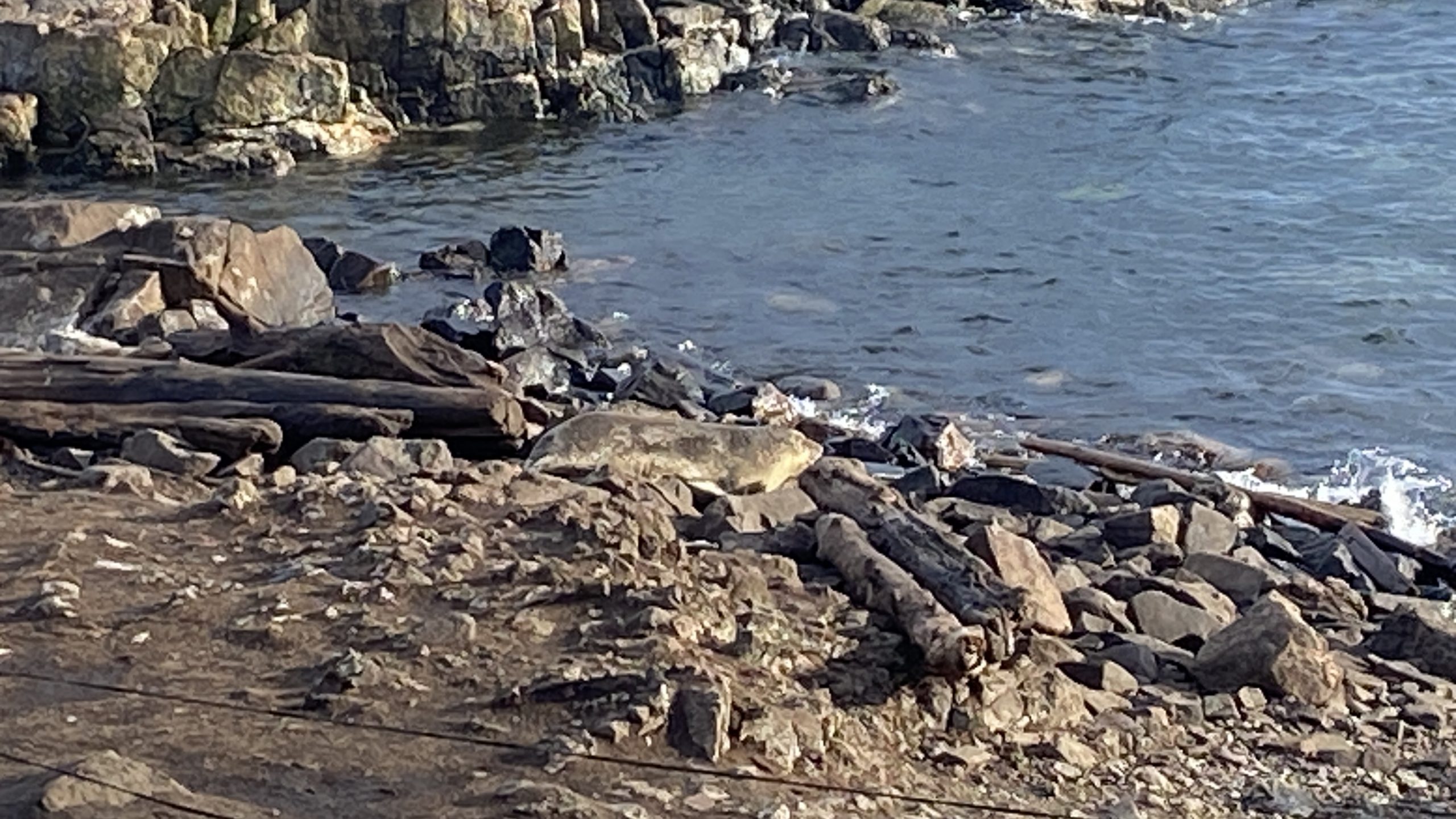
  • Still no Elephant Seals hauled out
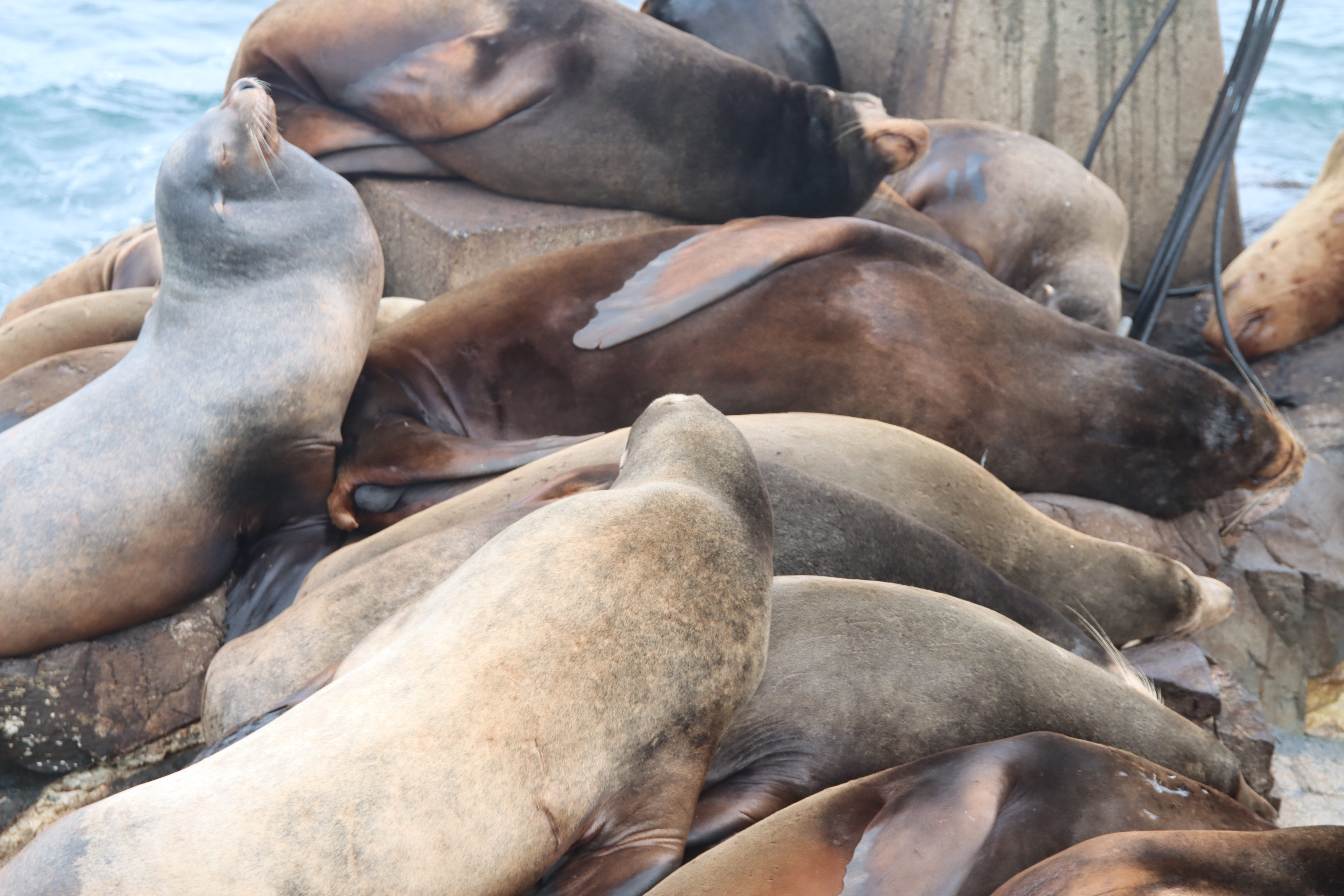
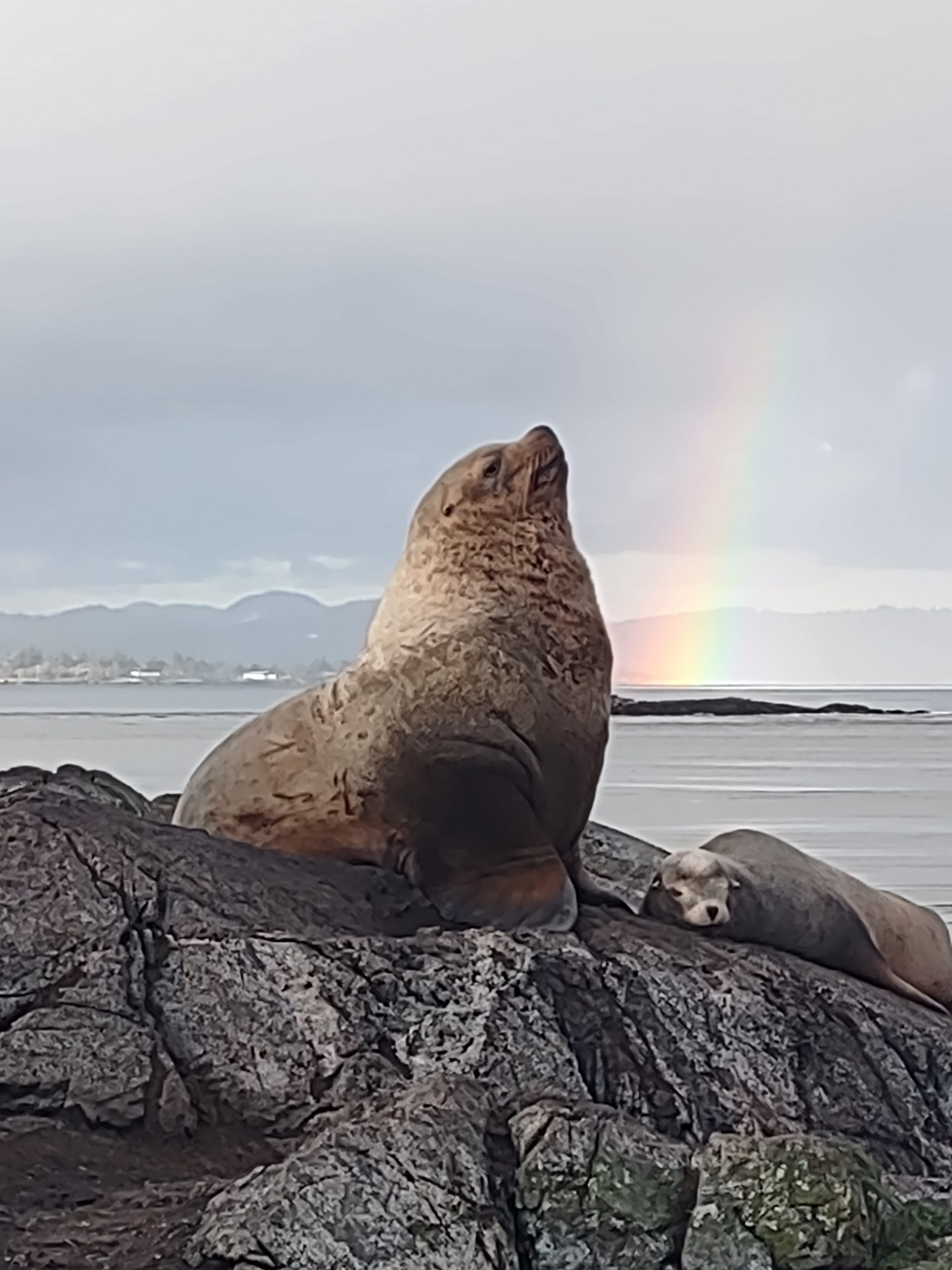
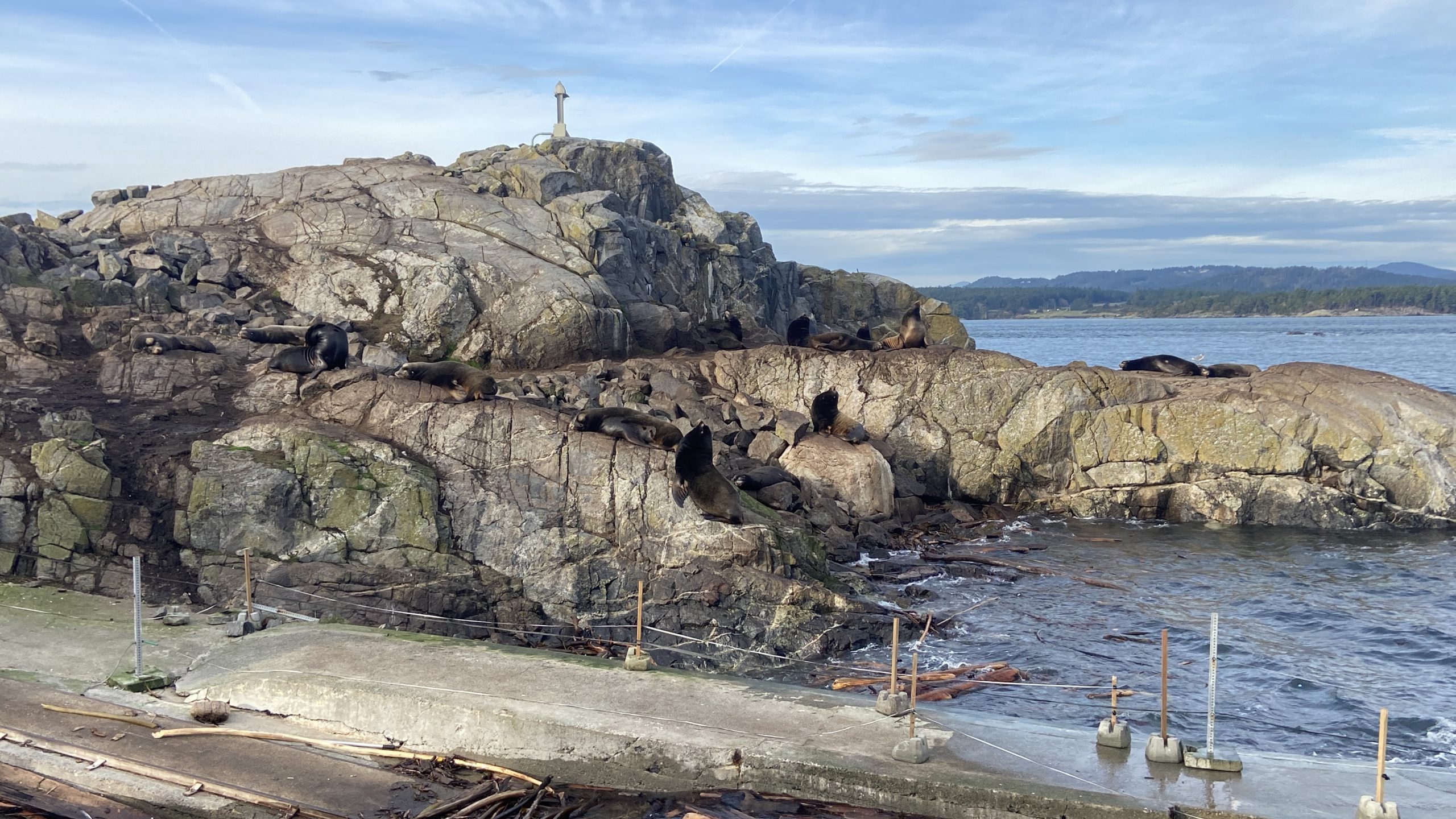
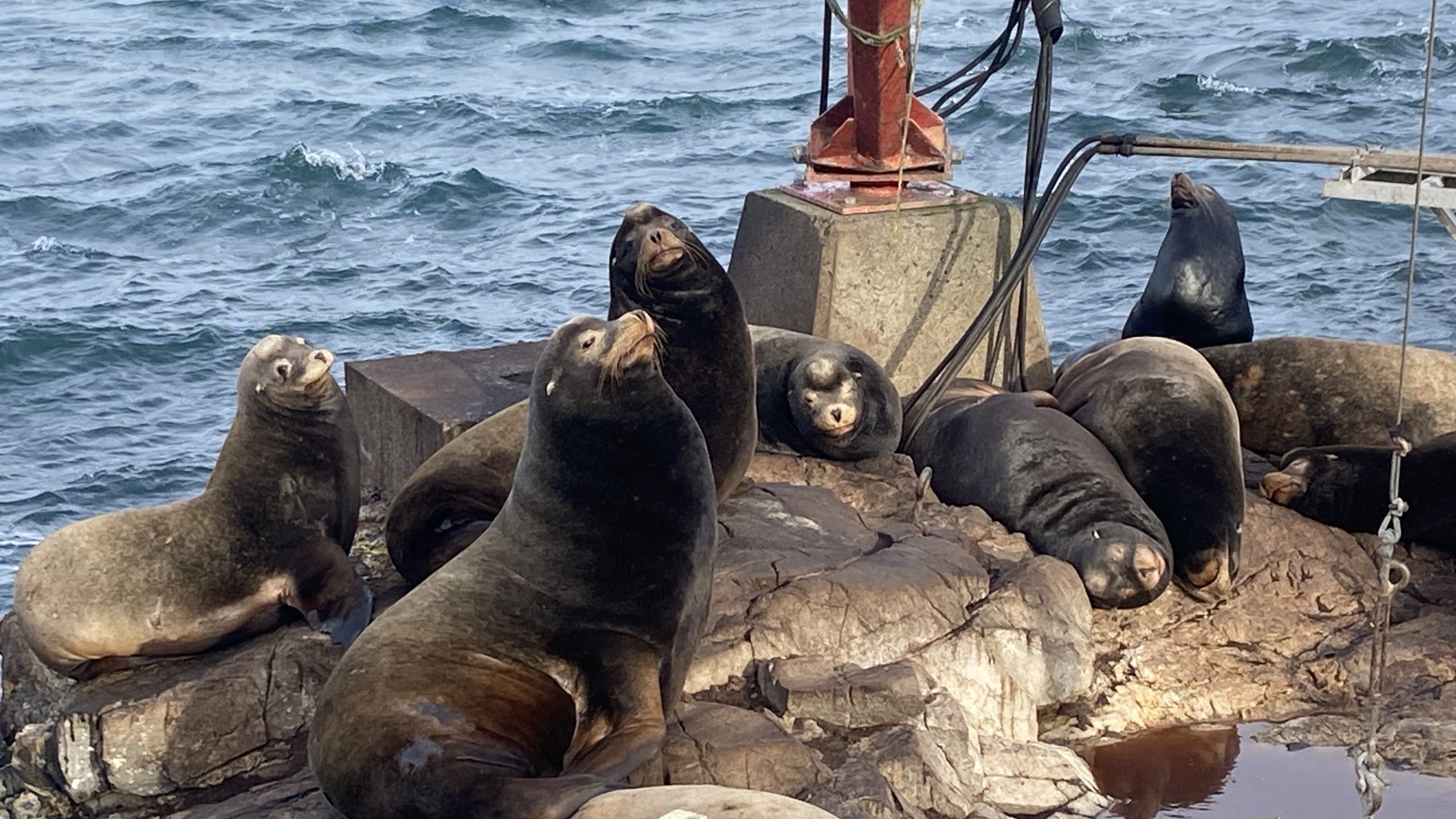
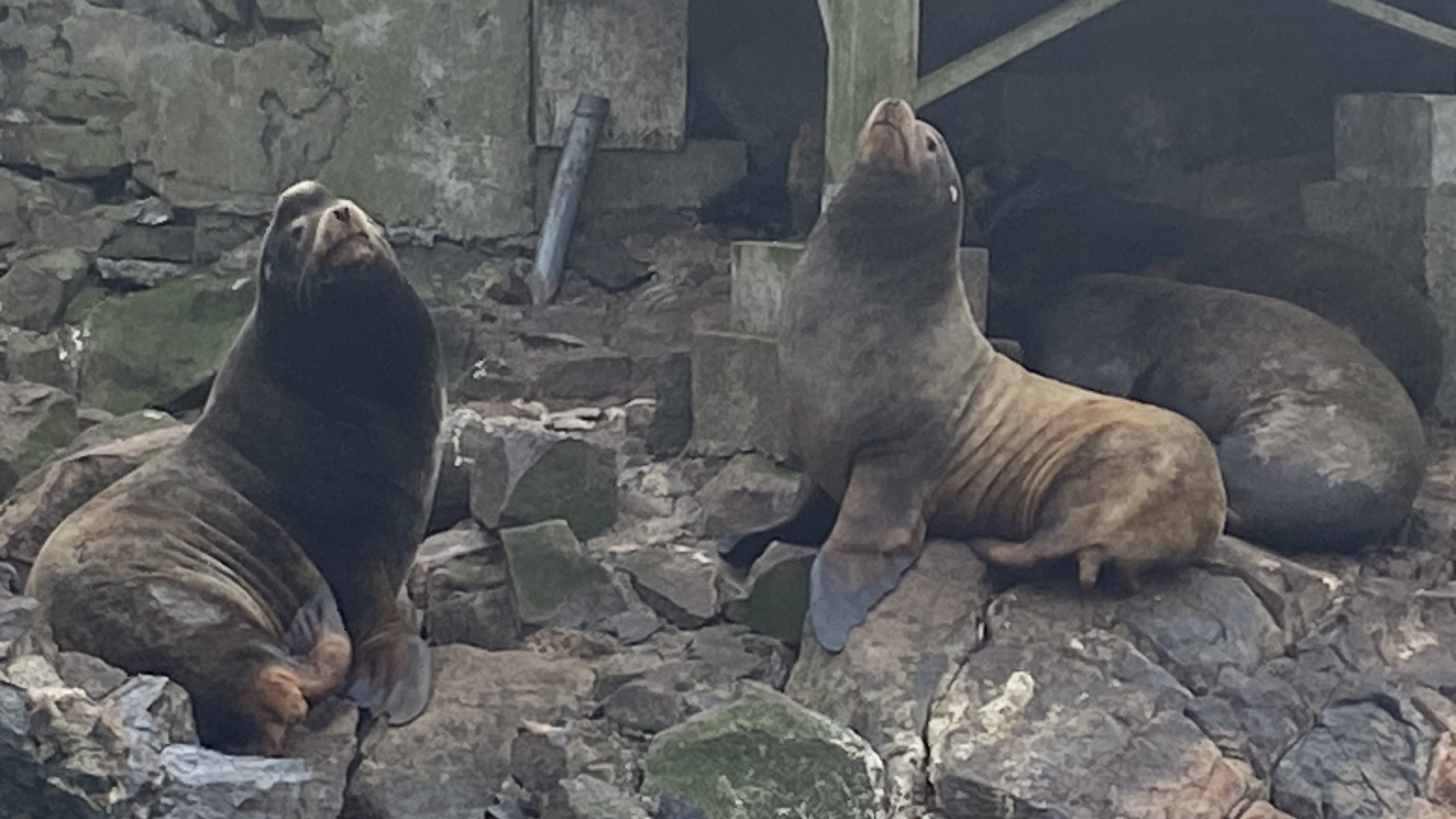
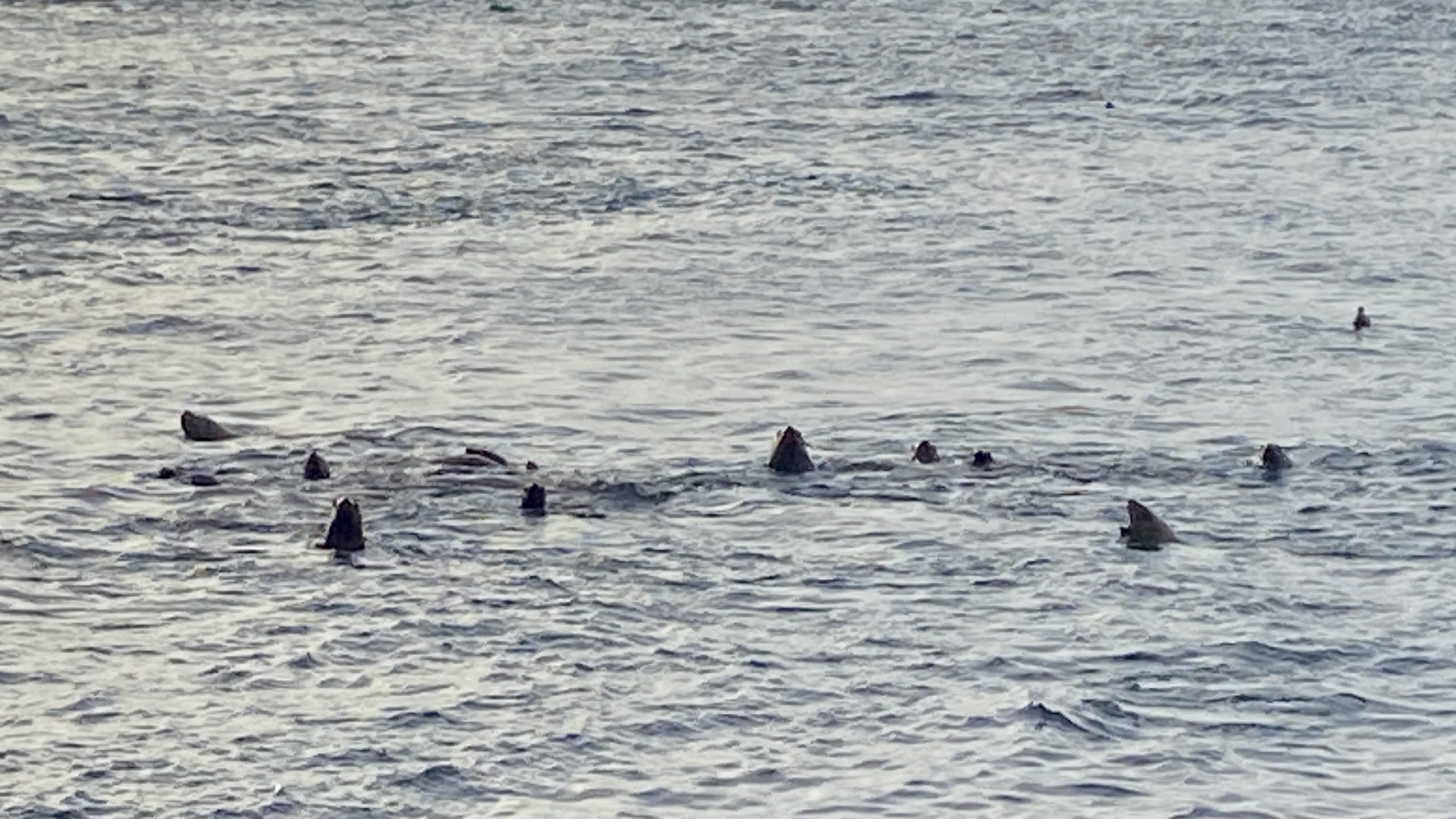
  • Many Sea lions here, but behaviour seems a bit different. Normally the California Sea Lions are pretty chill, but they all seem really jumpy, suggesting maybe many of these are not regulars here. I’ve also had 3 very aggressive encounters, where they see me coming and charge towards me. 
  • Really important to always stay on your toes and assume nothing!


  • A resurgence of Oyster Catchers as well, pairing off and picking there own little territories.
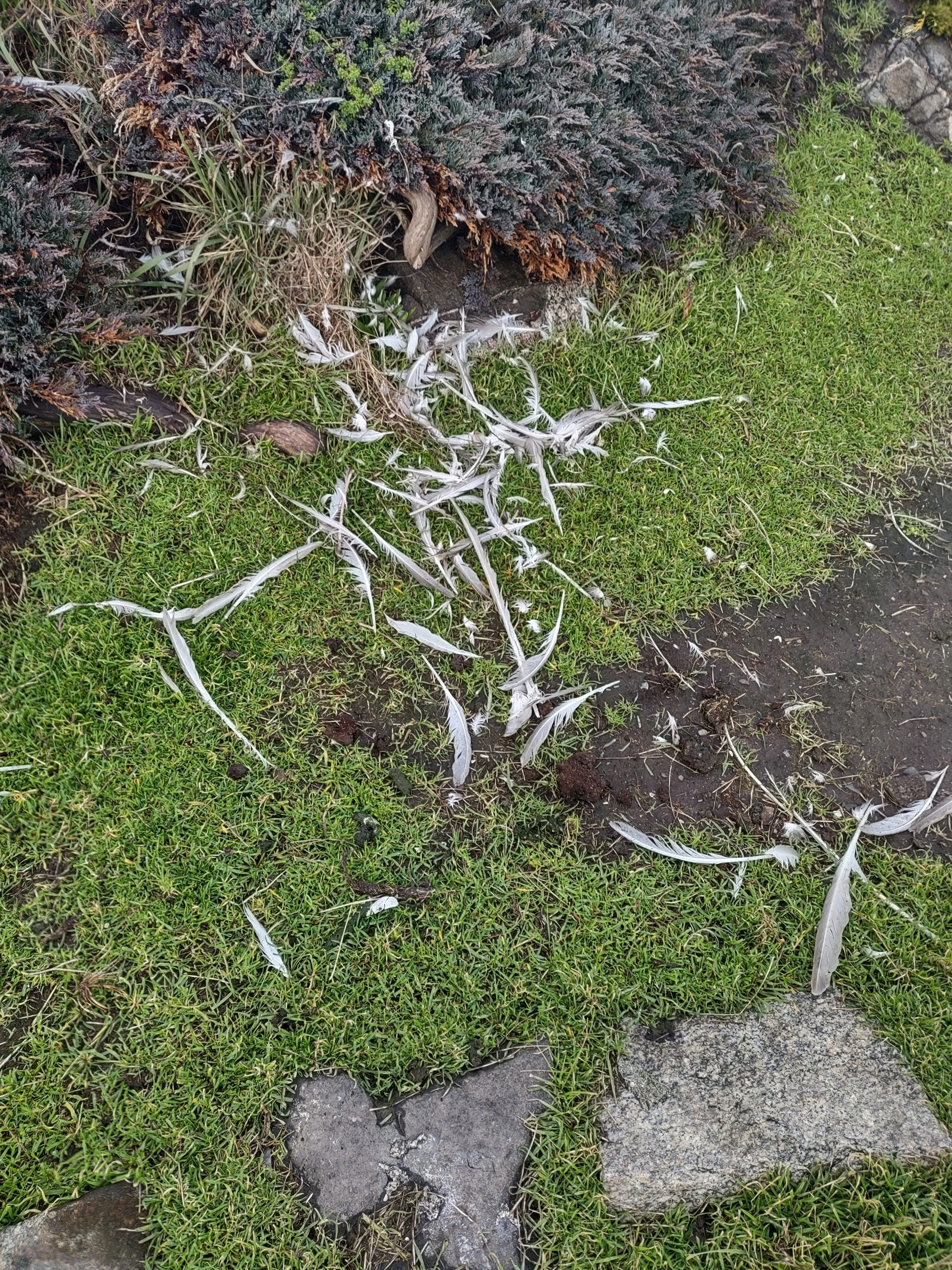
  • Many Eagles present each morning, leaving remains of successful hunts on gulls.

Visitors:

  • Students for Pearson College came for short visit, and working on Ocean Temperature and Salinity readings.
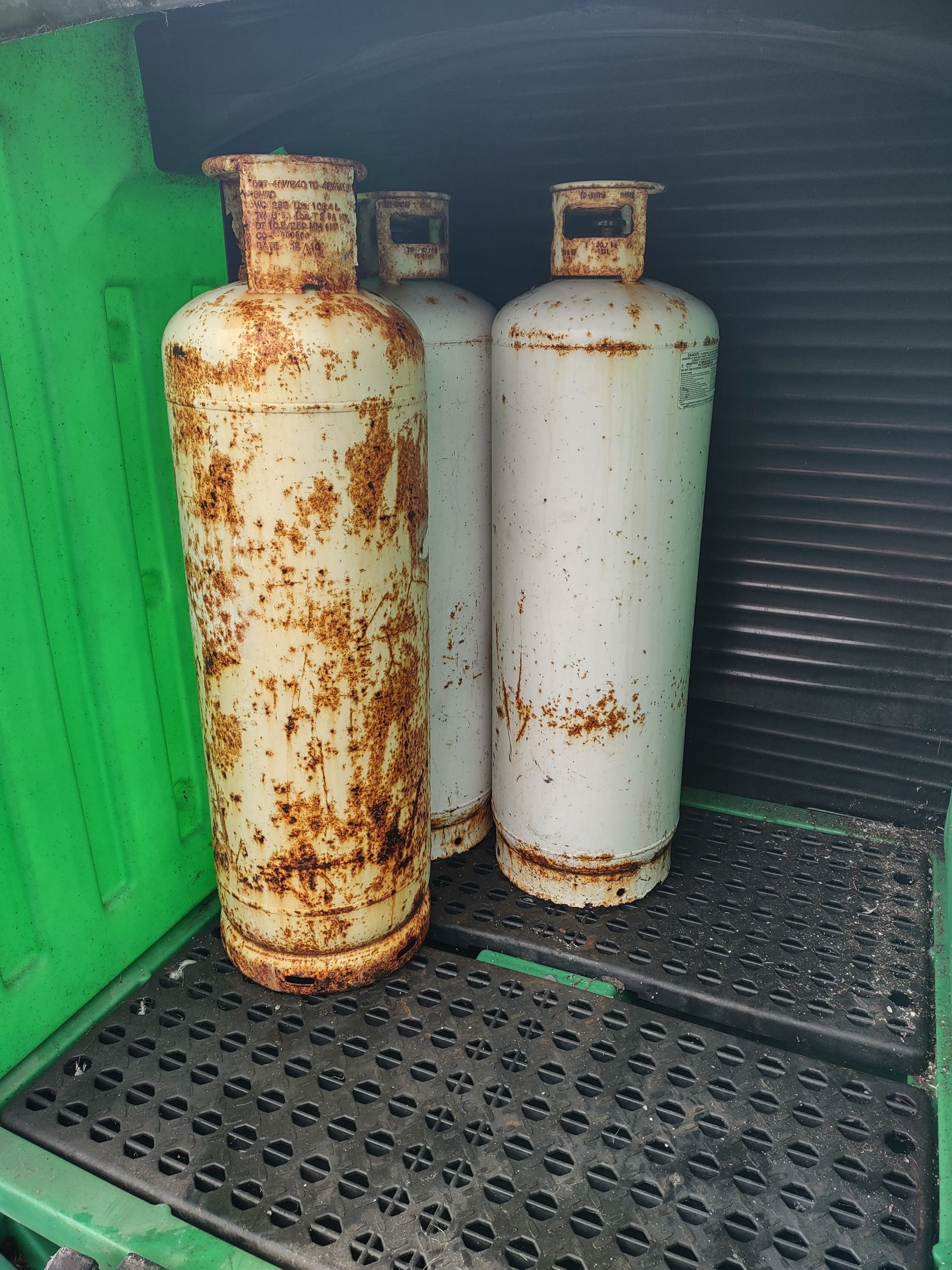
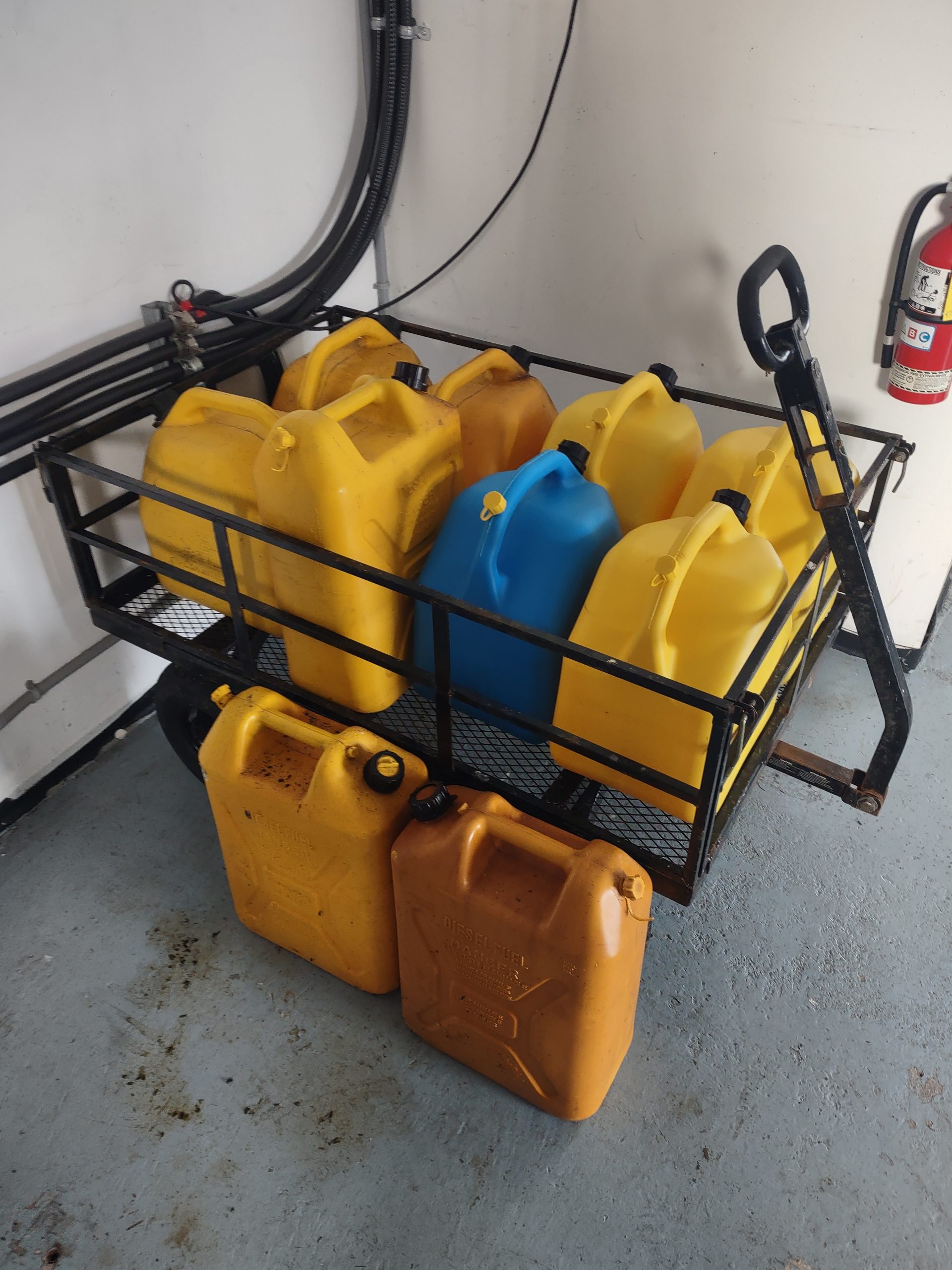
  • Supply, fuel, and propane deliveries. Weather and other logistics prevented the large fuel tank delivery of diesel, so it was delivered in Jerry cans.

Facility Work:

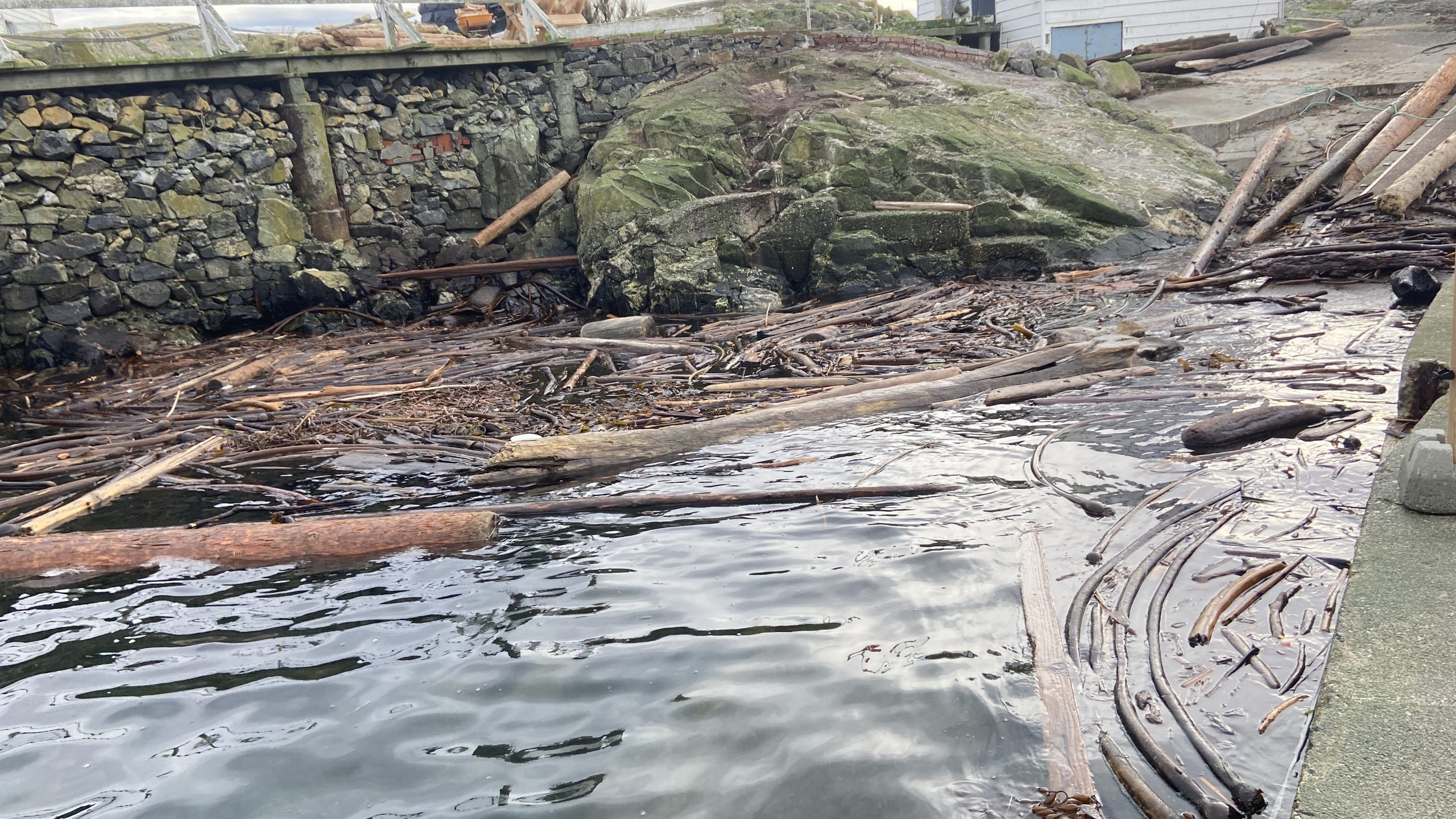
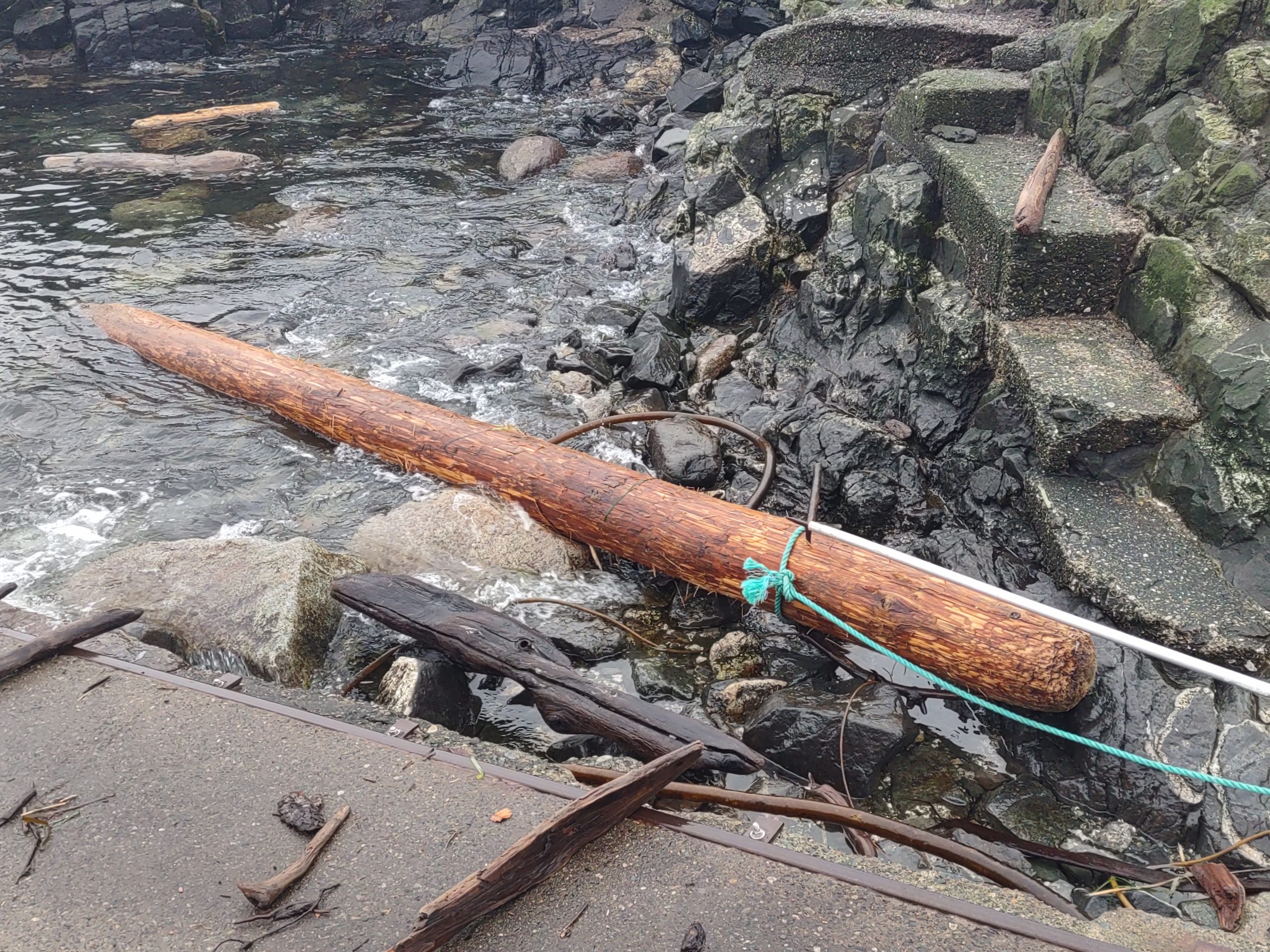
  • Weather permitting, near daily cleanup of the dirftwood and logs at the boat ramp and pier area. This is important to keep clear for deliveries and potential emergencies
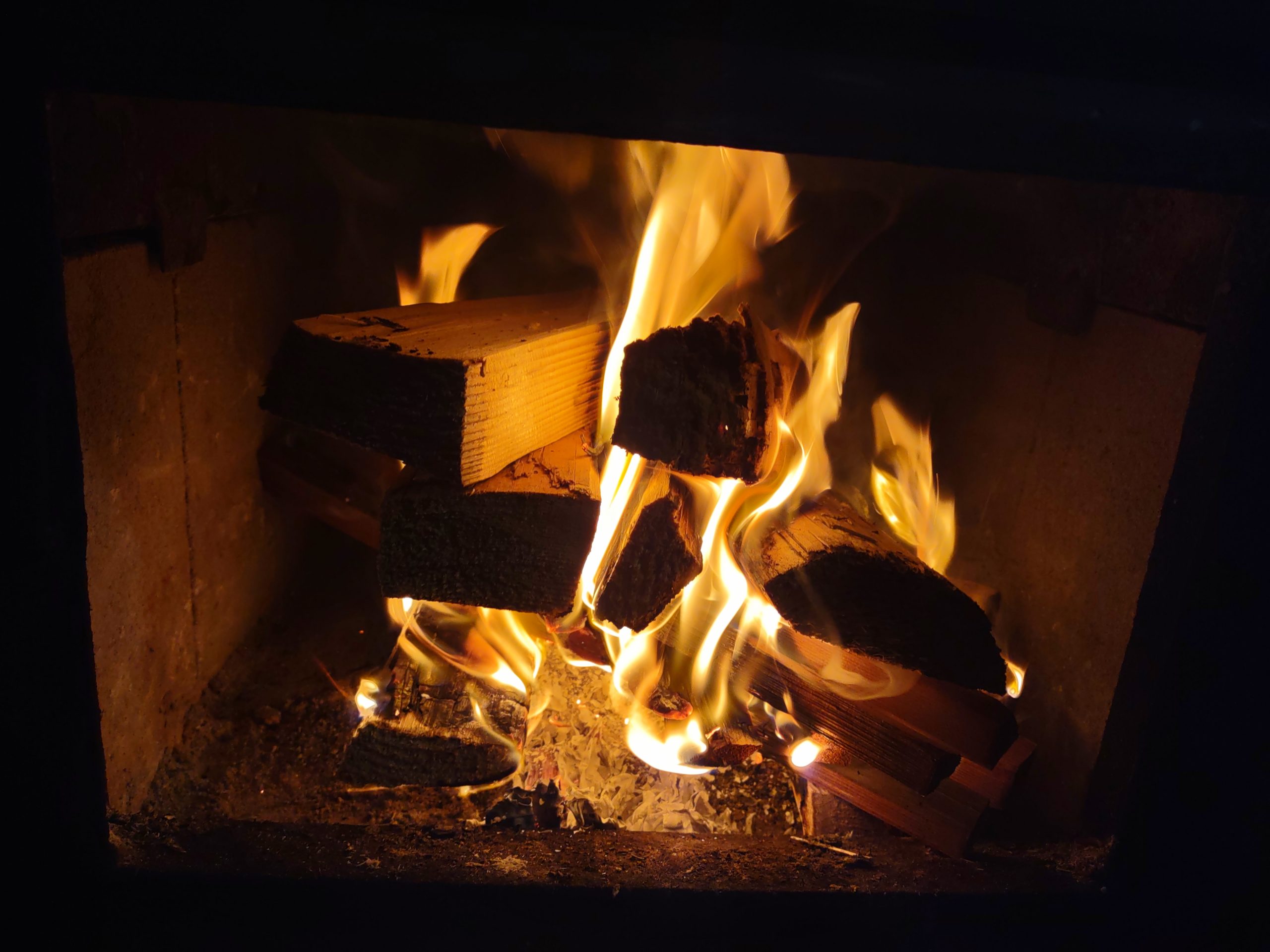
  • As the weather has warmed up, there is less use of electricity, allowing the return to running the generator normally only once a day now. Also easier for the wood stove to keep the main area of the house warm in the evening

Noted Vessel Traffic:

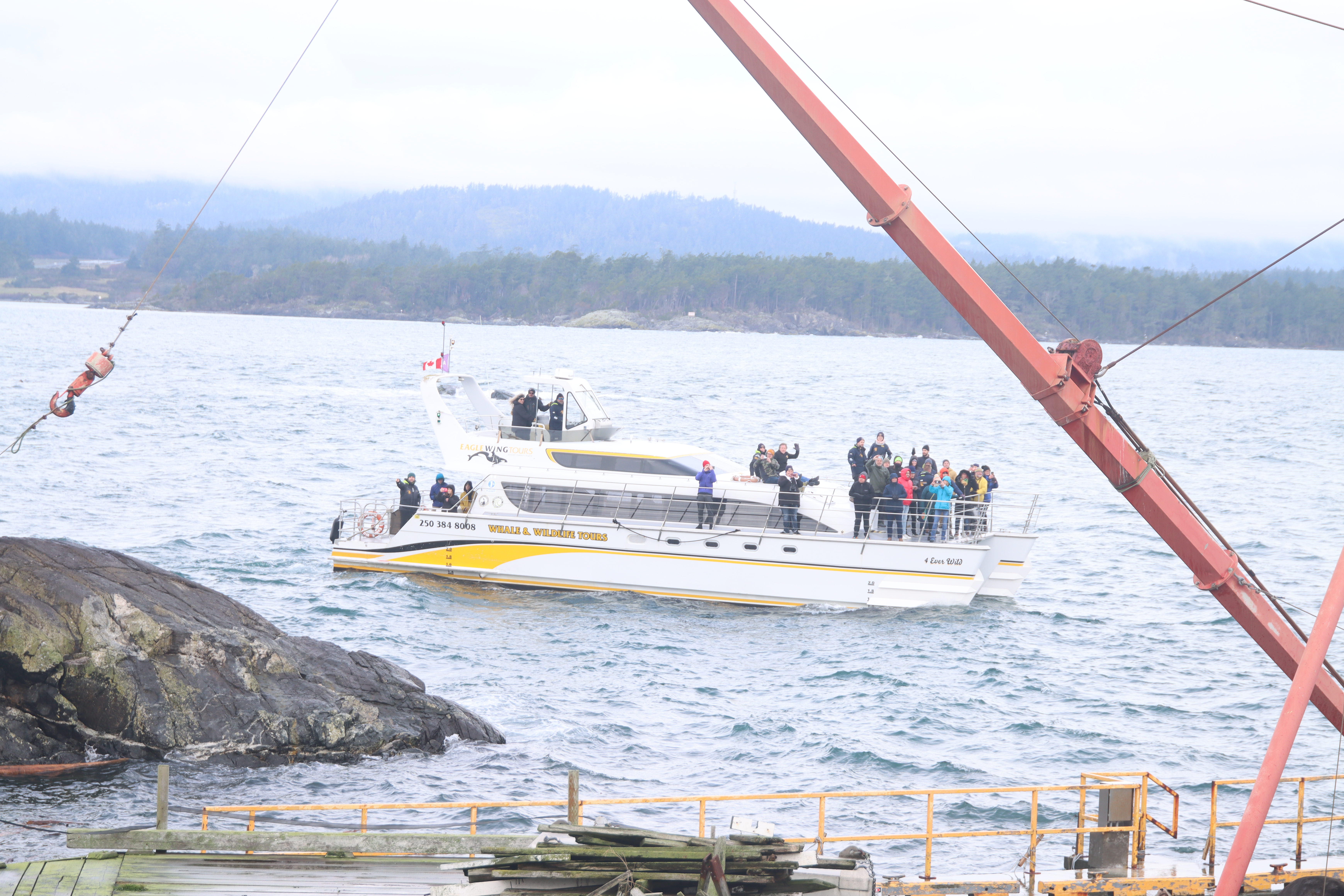
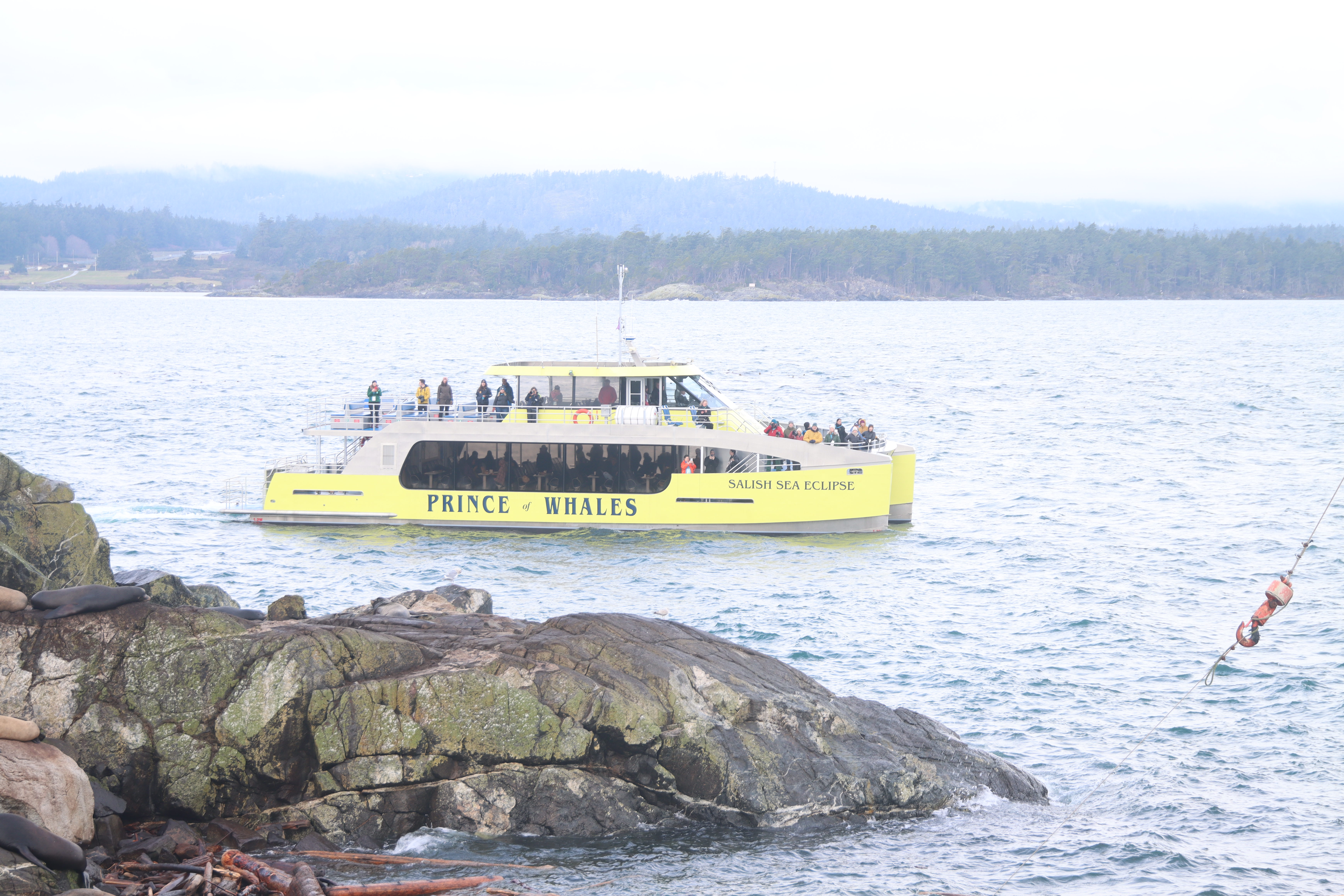
  • Vessels from 2 Eco-Tourism spent time in the reserve with attendees from the Tourism Victoria IMPACT program. Included was a visit to Lester B. Pearson College, and marine observations in the area. https://www.tourismvictoria.com/impact/day-impact
  • Eco-Tourism vessels continue to visit the reserve
  • Educational programs  with Eaglewing Tours also visit the reserve almost daily

Weather Events:

  • Tuesday, January 23:
    • Sky: Fog in the morning, giving way to high overcast mid day, a couple periods of very little rain sprinkles
    • Wind: Rotating through the compass, most 0-5kts, a little peak in the afternoon of W 15kts
    • Sea: Light ripple all day
    • Temperature Low 8.1oC, High 9.6oC
  • Saturday, February 04:
    • Sky: High overcast, occasional brief rain showers
    • Wind: N 20-25kts early morning, dropping gradually to N 5kts by evening
    • Sea:  light chop
    • Temperature Low 7.5oC, High 9.6oC


** All wildlife photos taken at the furthest distance possible, and may be cropped to improve detail! **


Weather – Current:

http://www.victoriaweather.ca/current.php?id=72


Weather – Past:

http://www.victoriaweather.ca/station.php?

After the storm, awaiting the cold!

Ecological Notes:

  • Still no Elephant seals hauled out
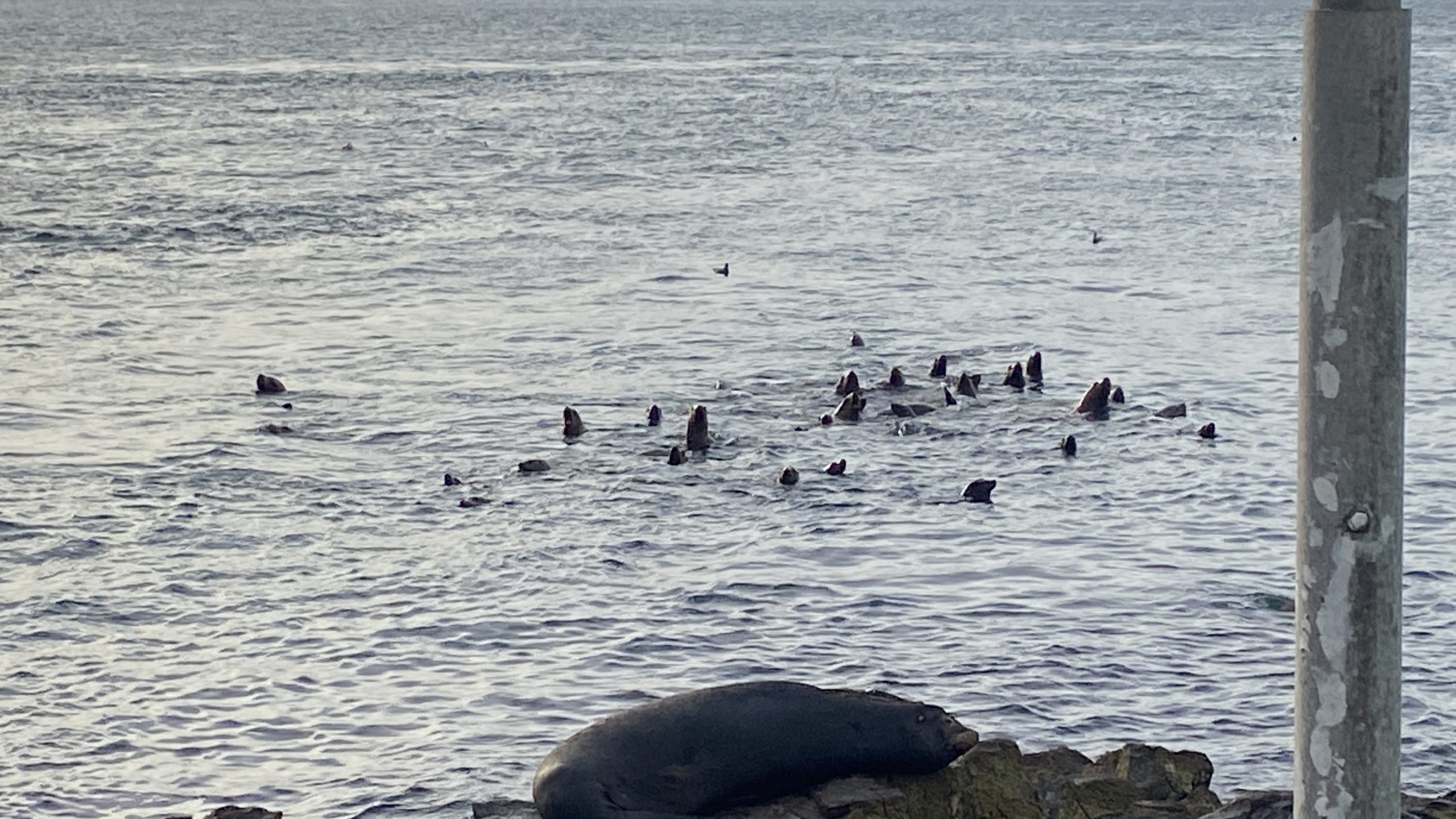
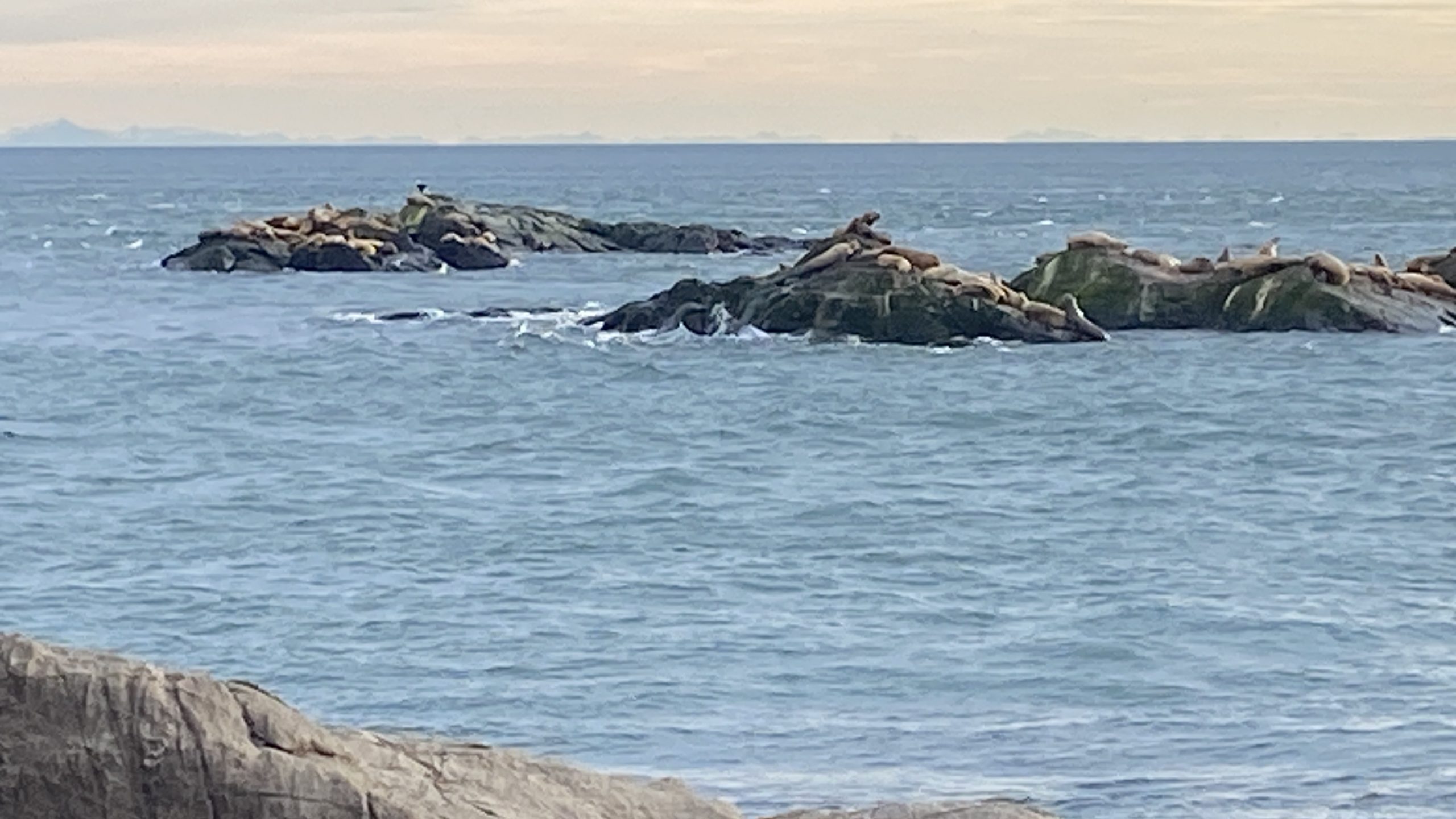
  • After the big storm on the 9th, there is a massive increase in the number of Sea Lions

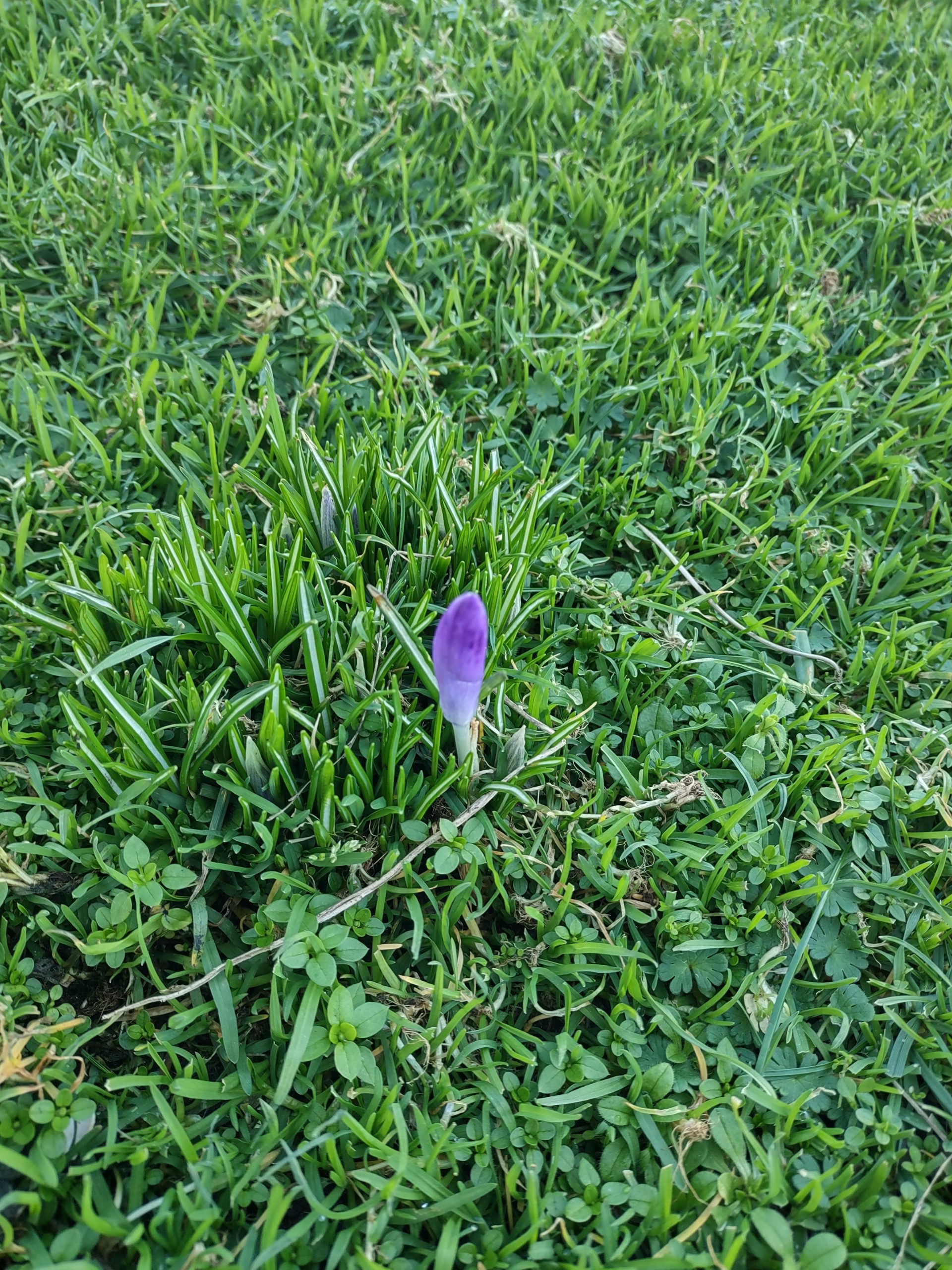
This early crocus may find it was a bit too early!

Visitors:

  • Recent fuel, grocery, and parcel delivery.

Facility Work:

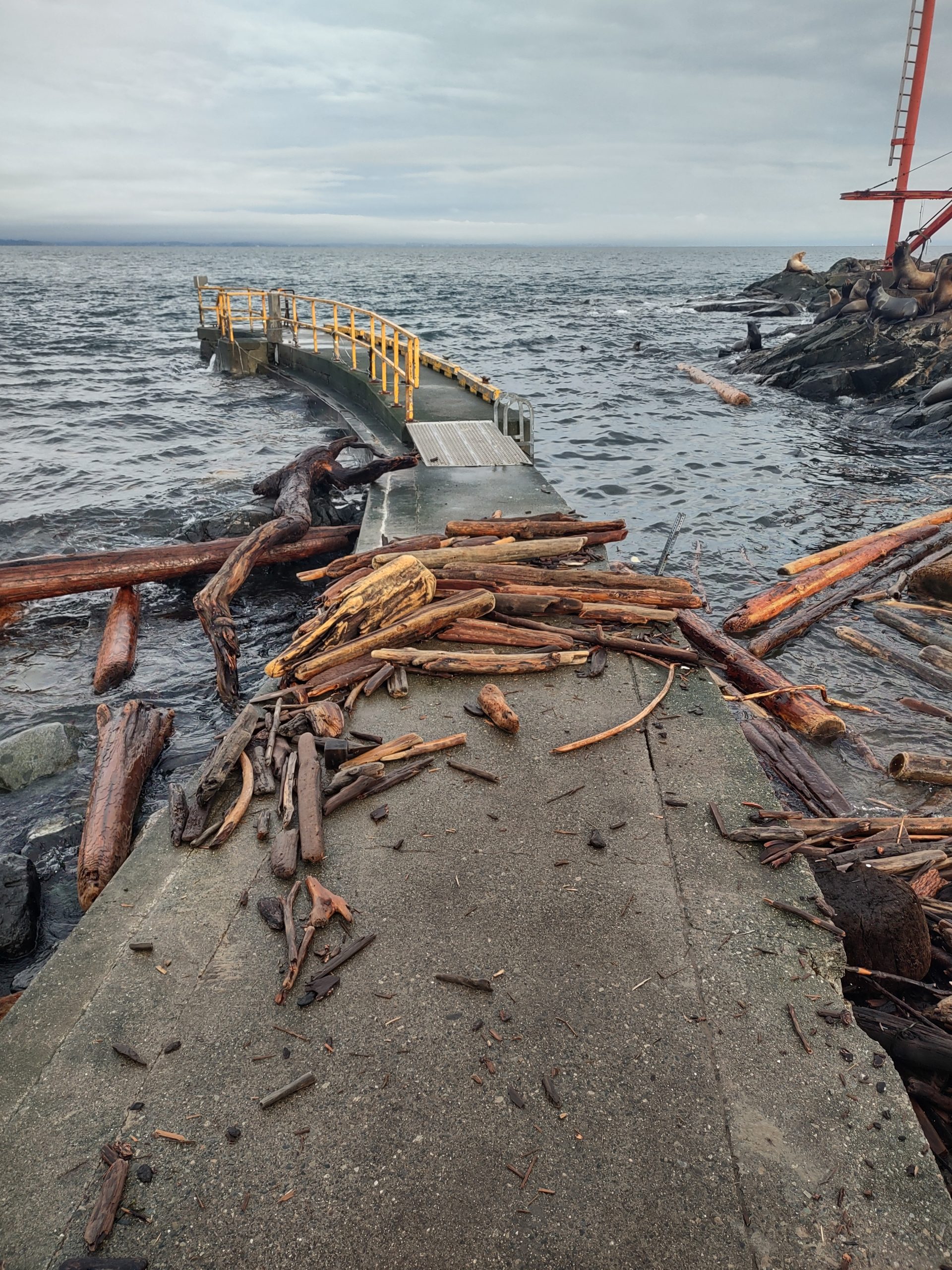
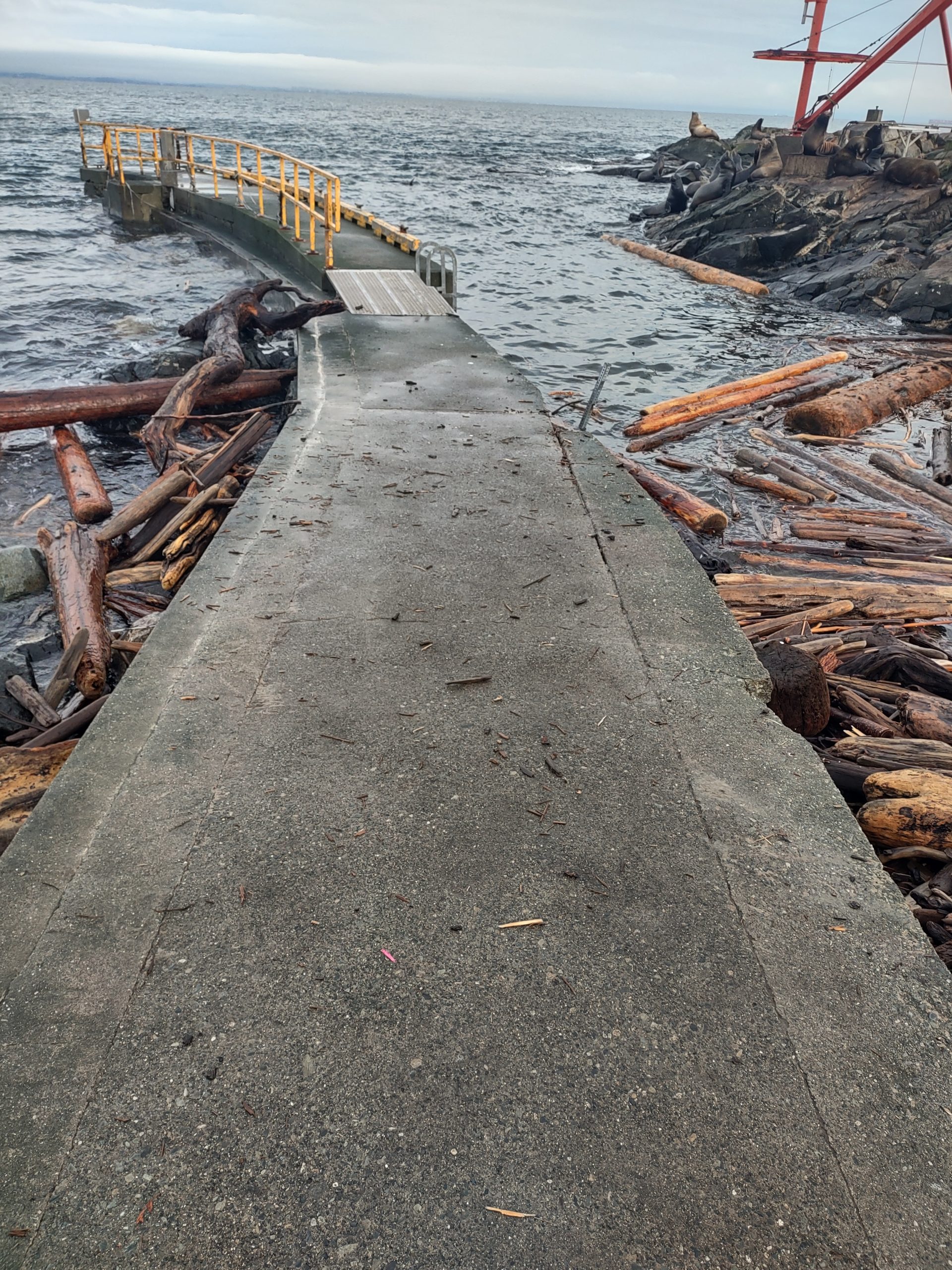
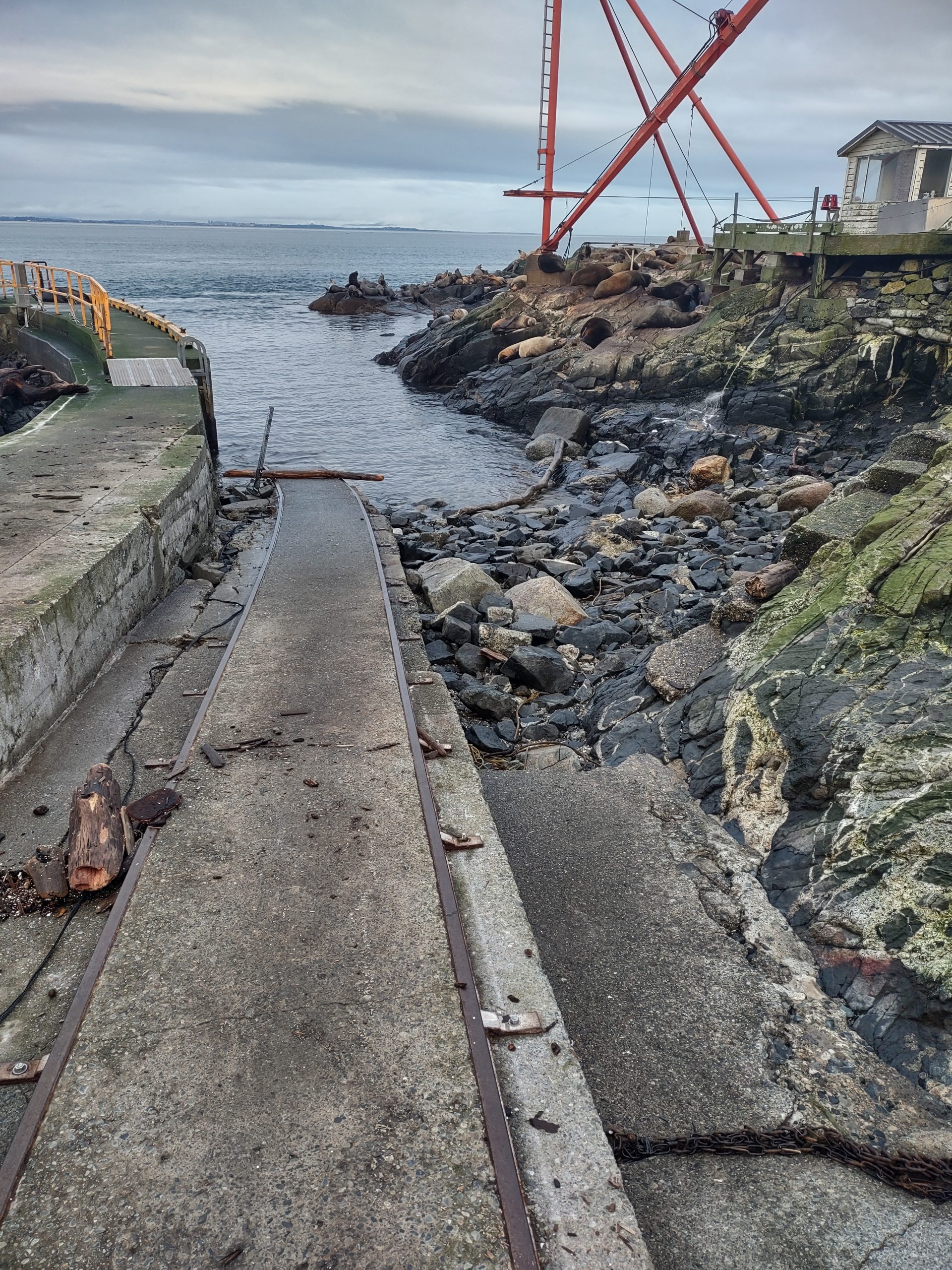
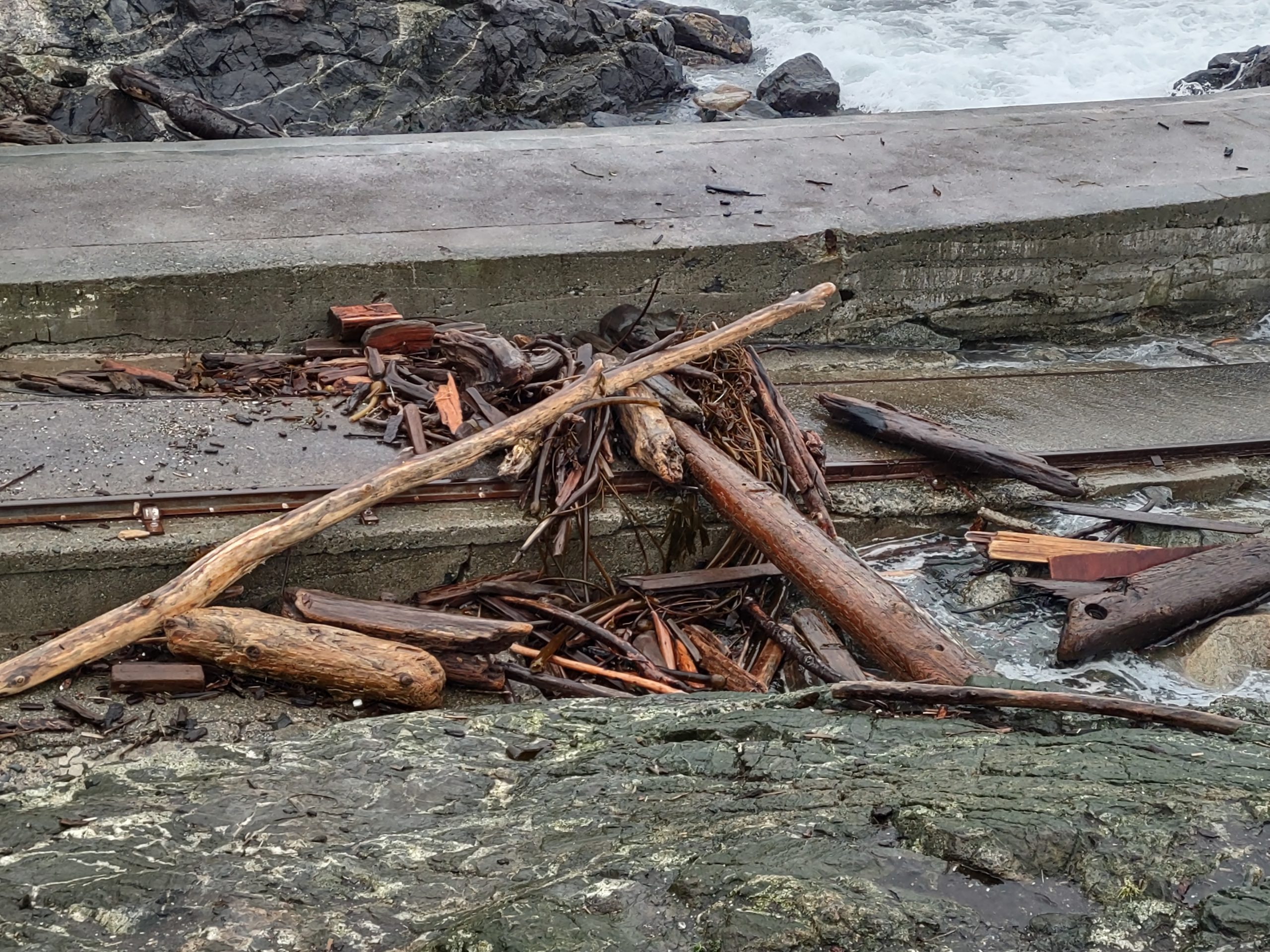
  • Lots of ongoing debris removal from the boat ramp and pier area. Important to ensure it’s clear in case of emergencies, and to aid in moving the cart through for deliveries.

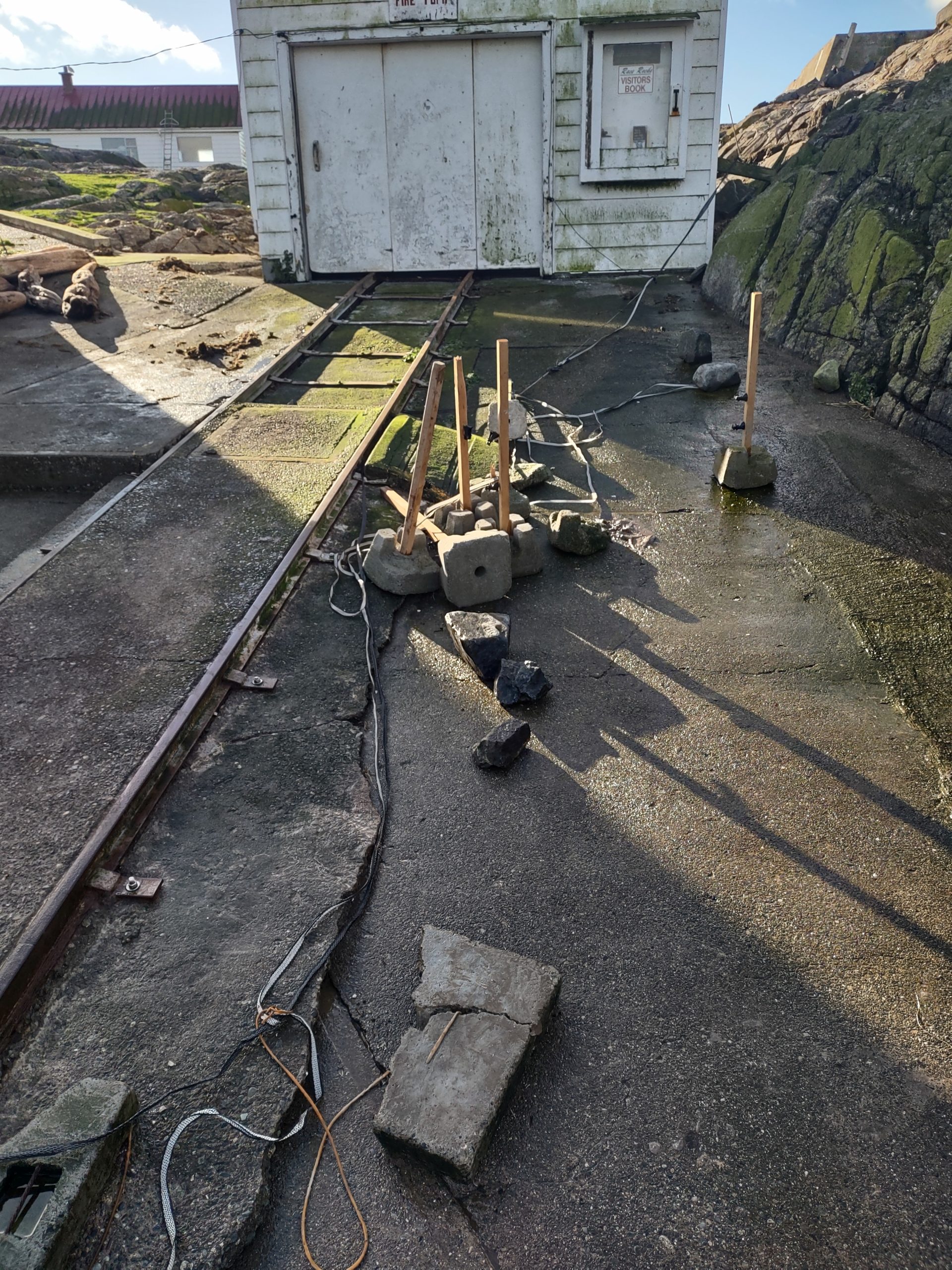
Although these were already disconnected… they storm moved then about 4 meters

Returns as fast as you move it

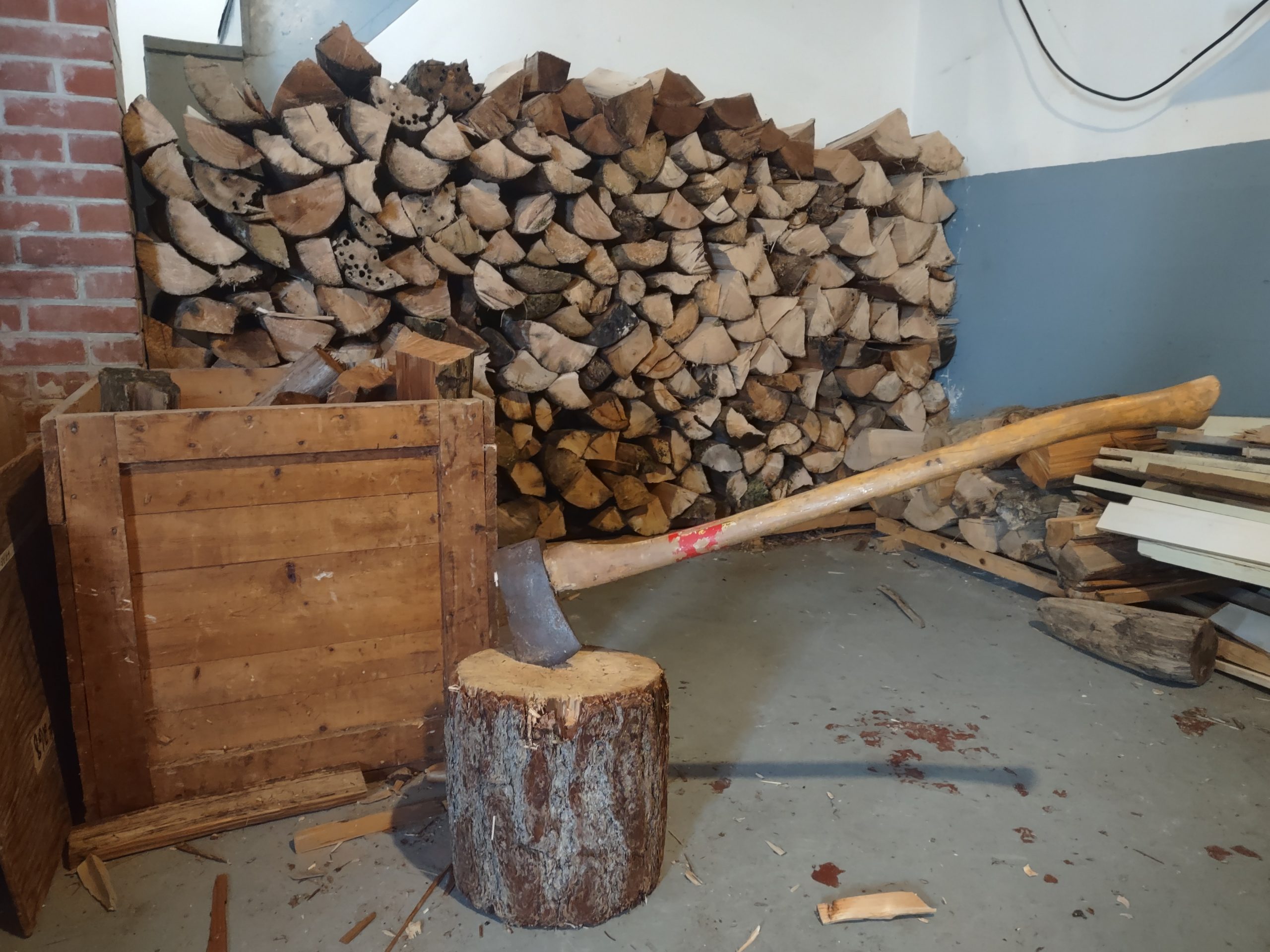
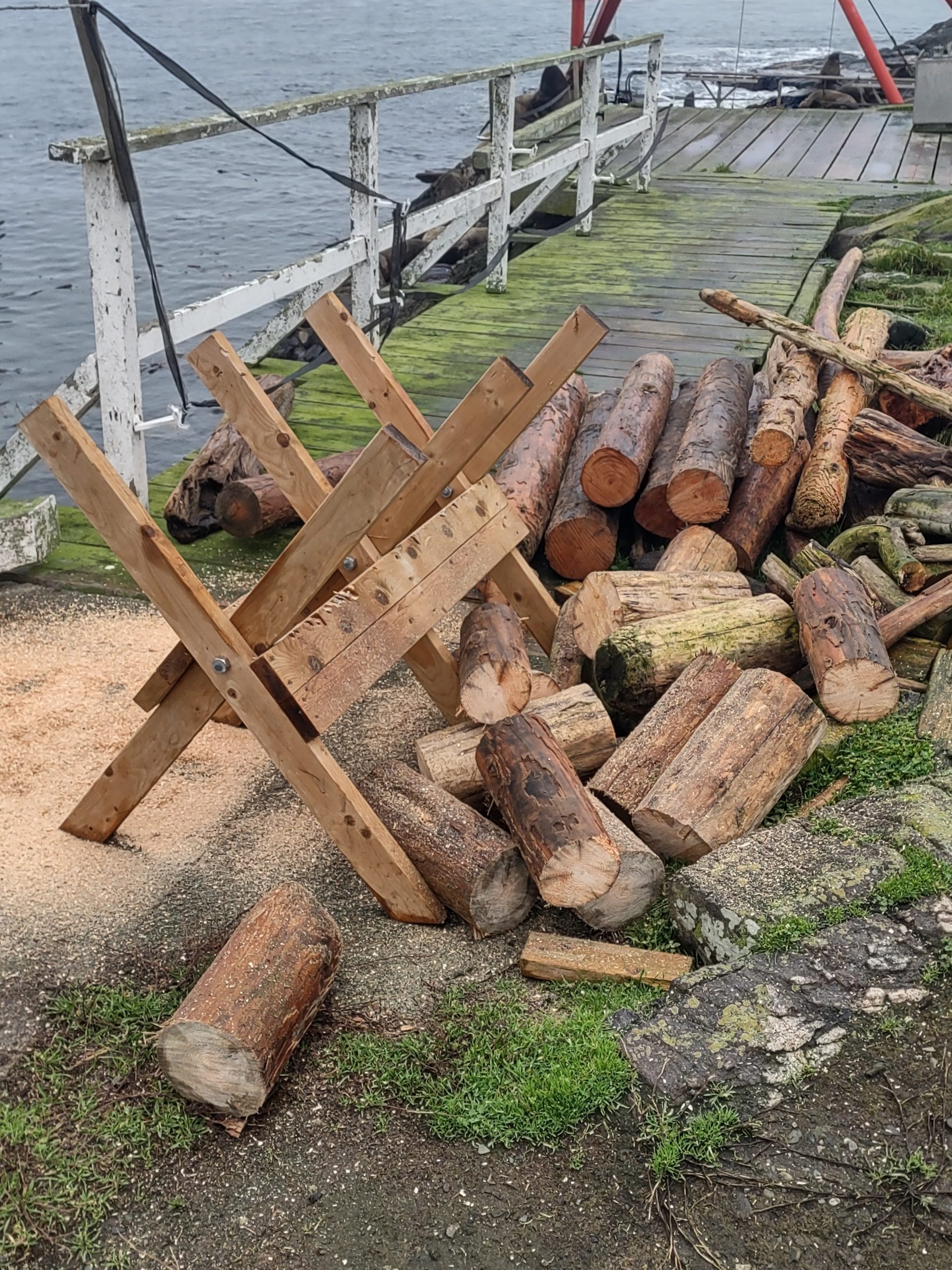
  • More firewood bucking and splitting to keep gaining on the  stored wood available

  • Set up and pumped sea water into the cistern for the desalinator unit
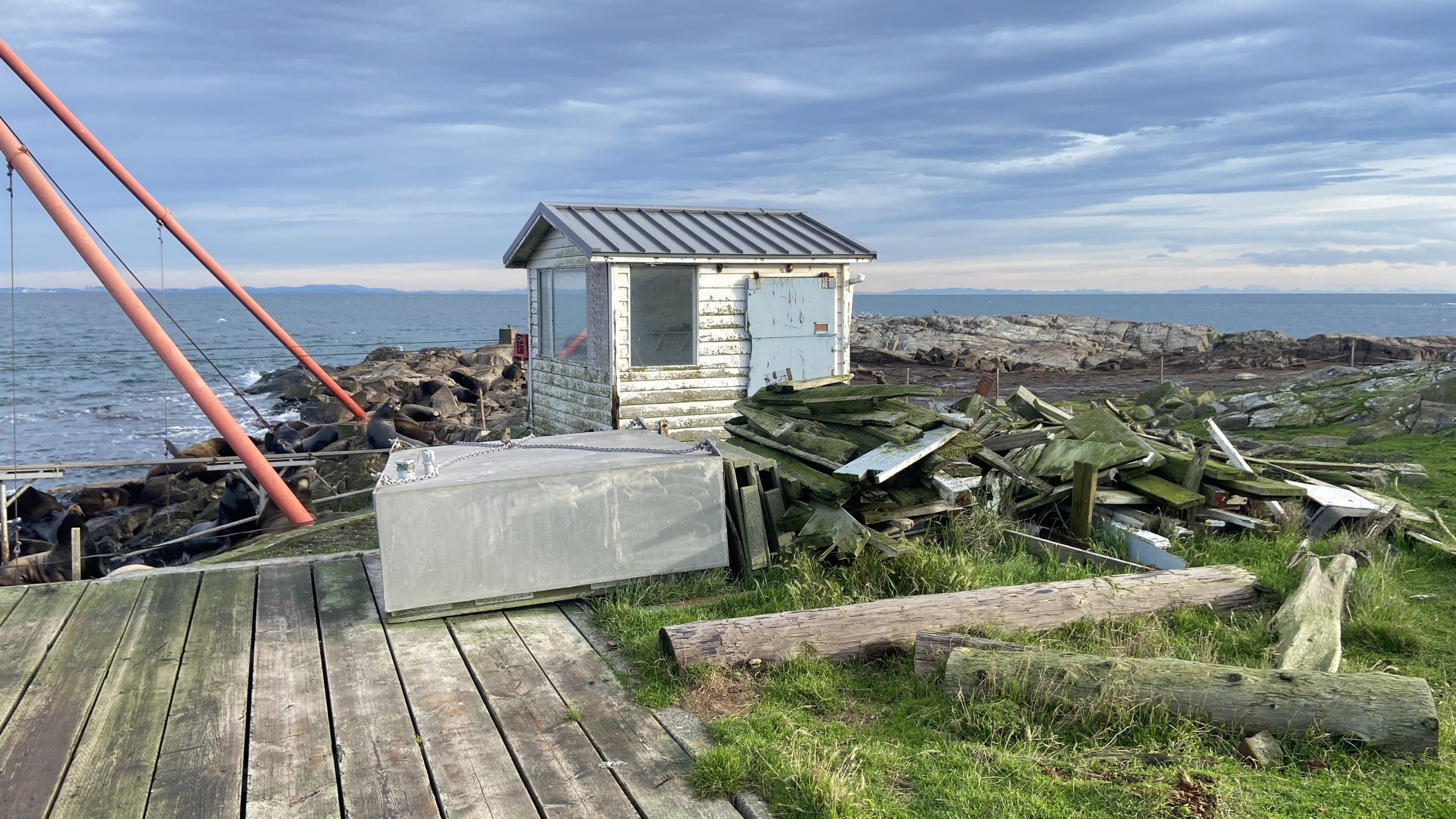
  • Assessed, tidied up, and did temporary fixes to storm damaged  buildings
  • Transferred all delivered fuel to local drums and tanks, freeing the main tank for the next delivery and moved to the generator building so none has to be transferred during the potential snowfall. Added some to the main house tank, to keep the chill off during the freezing weather to prevent the pipes for freezing.
  • Checked and ran new extension cords to the heat tape on the outside pipes from the water tank
  • Verified operation of the wail heater in the deslinator building, again to prevent freezing

Noted Vessel Traffic:

  • Eco-Tourism vessels, mostly the same 3 rotating through daily, depending on weather conditions

Weather Events:

The storm on the 9th was one of the greatest I’ve seen out here. Westerly winds up to 60 knots combined with low pressure and extremely high tides created the perfect storm. Waves crashing on the western shore were producing spry well over the Helicopter pad and the Student house. It was hitting so hard, the wind was carrying  pieces of wood half way across the island. One 12 foot log hit end-wise on the pier,; and was thrown in the air high enough to clear the rail. Water and debris washed all the way up the ramp to the boat house.

  • Tuesday, January 9:
    • Sky: Heavy storm clouds, rain and highwind squals
    • Wind: w 45-50kts, gusting to 60 kts
    • Sea:3 meter swells with higher wind chop, breaking high on the west side of the main island
    • Temperature Low 5oC, High 8oC
  • Wednesday, January 10:
    • Sky: Foggy until mid-afternoon, clear and sunny to overcast
    • Wind: wind rotating through the compass, 5-10kts, rising to W 30kts during the night
    • Sea:  1m swells and chop
    • Temperature Low 5oC, High 10oC
  • Thursday January 11:
    • Sky: mix of sun and cloud, giving way to overcast and mixed rain/snow mid afternoon
    • Wind: averaging  N 25 kts gusting up 45 mid afternoon
    • Sea: high waves and swells
    • Temperature high of 7, dropping rapidly to freezing late afternoon, expected low of -9 tonight


** All wildlife photos taken at the furthest distance possible, and may be cropped to improve detail! **


Weather – Current:

http://www.victoriaweather.ca/current.php?id=72


Weather – Past:

http://www.victoriaweather.ca/station.php?

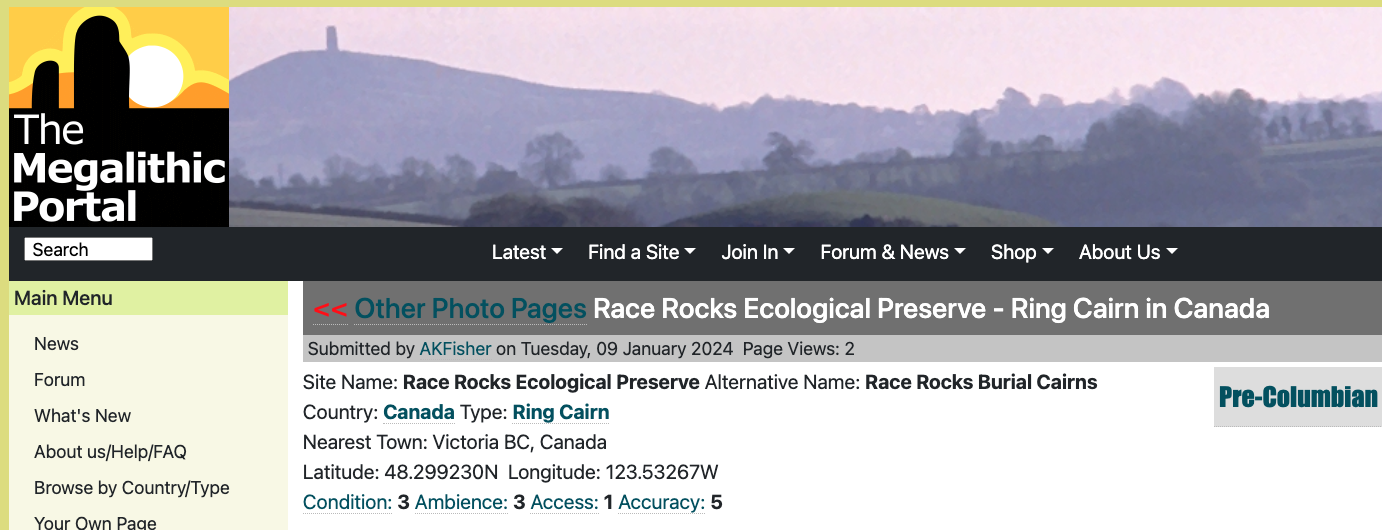
Race Rocks Ecological Reserve First Nations Burial Cairns added to the Megalithic Portal

This week a representative of the Megalithic Portal offered to include the First Nations Burial Cairns at Race Rocks Ecological  Reserve on their website.  Below is a link to the entry.  

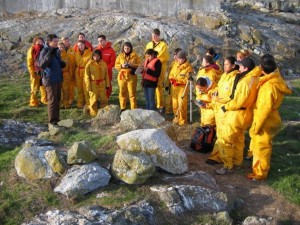
Darcy Mathews explains his findings on the burial cairns to the Anthropology Class from Lester B.Pearson College


Students from the  Anthropology class at Lester Pearson College accompanied Dr.Darcy Mathews on a field trip and received an explanation about the importance of these burial cairns in 2013.

December 2023 Seawater Data plus UPDATE

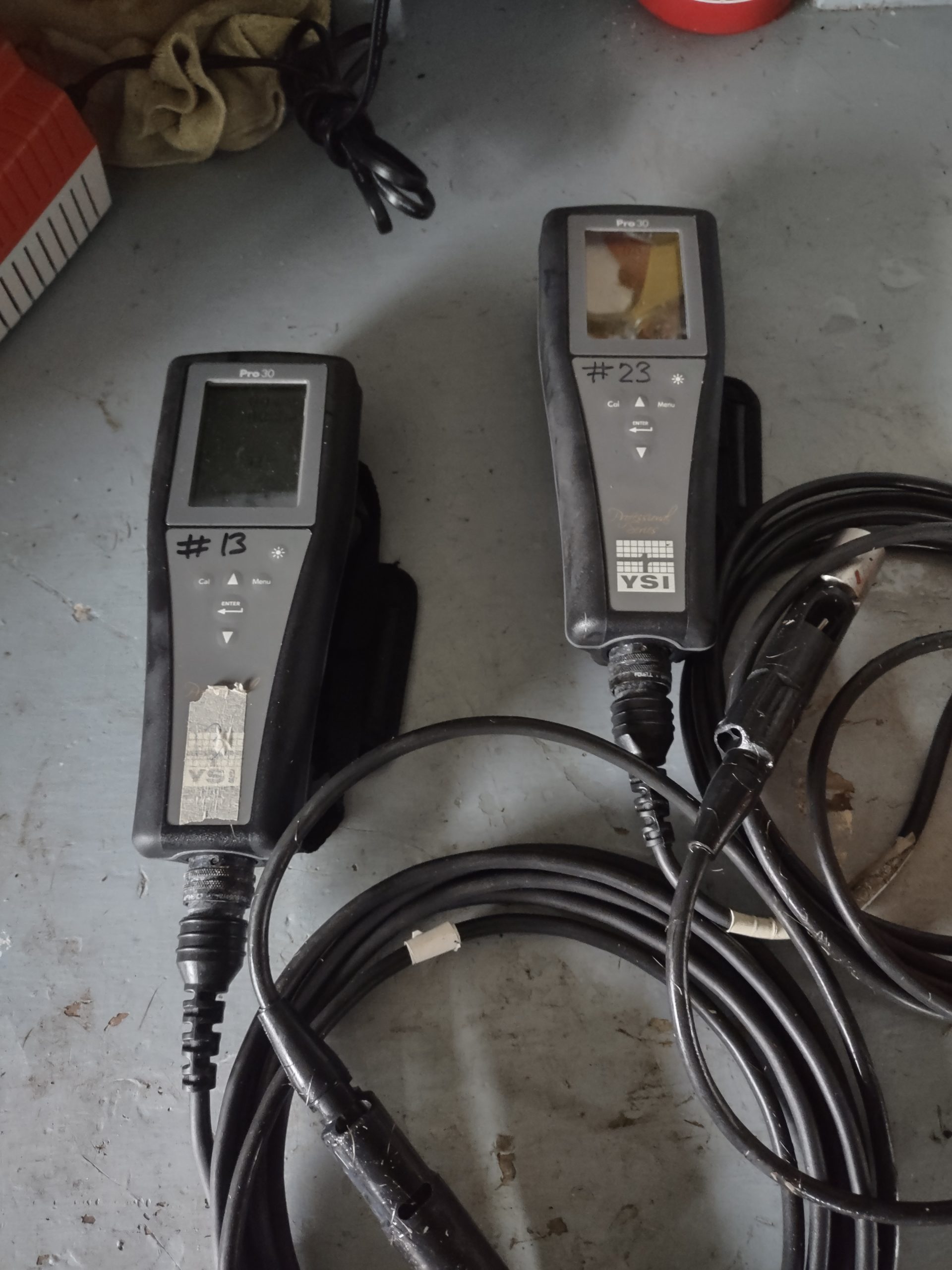
Updates …… there has been an ongoing error with the Salinity Measurement unit, correct with a newly calibrated unit mid month  (unit 23)

readings until December 8 (and past months) will be recalculated and update when available ….. parallel readings after dec 21 will help with the re-calculations

DAILY SEA SURFACE TEMPERATURE AND SALINITY OBSERVATIONS
Institute of Ocean Sciences, North Saanich, B.C., V8L 4B2
Station: RACE ROCKS
Observer: Derek Month: December
YSI ID: 13 then moved to 23 Year: 2024
YSI YSI
Temp Sal
Day Time ºC ppt
unit13 1 14:30 9.8 33.2
2 15:00 9.4 33.4
3 15:30 9.6 33.4
4 16:00 9.4 33.2
5 8:30 10.0 33.2
6 8:30 9.4 33.4
7 9:30 9.2 33.2
8 10:30 9.2 33.3
unit23 9 10:45 9.2 30.6
10 11:30 9.2 31.3
11 12:00 9.2 31.9
12 12:40 9.0 31.7
13 13:30 9.0 31.7
14 14:00 9.1 31.9
15 14:50 9.2 31.9
16 15:30 9.1 31.7
17 17:00 9.1 31.9
18 18:30 9.2 31.7
19 19:30 9.0 31.9
20 8:30 9.0 31.8 unit 13 readings
21 8:45 9.2 31.7 33.10
22 9:30 9.1 31.9 33.30
23 10:30 9.1 31.7 33.10
24 11:15 8.9 31.7 33.10
25 11:55
26 12:30 9.1 31.8 33.20
27 13:20 9.0 31.9 33.20
28 14:00 9.1 31.7 33.10
29 14:40 8.9 31.8 33.30
30 15:30 9.0 31.9 33.20
31 16:30 9.1 31.7 33.10


Animal Census Jan 3, 2024

This last month, the daily numbers vary dramatically, possibly  due to rapid changes in weather and ultra high tides (?) Still no Elephant Seals hauling out.


Birds

  • Harlequin duck              – 6
  • Bald eagle adult            – 4
  • Bald eagle juvenile       – 12
  • Turnstones                    – 18
  • Gulls                               – 43
  • Cormorants                    – 74
  • Oyster catcher               – 6
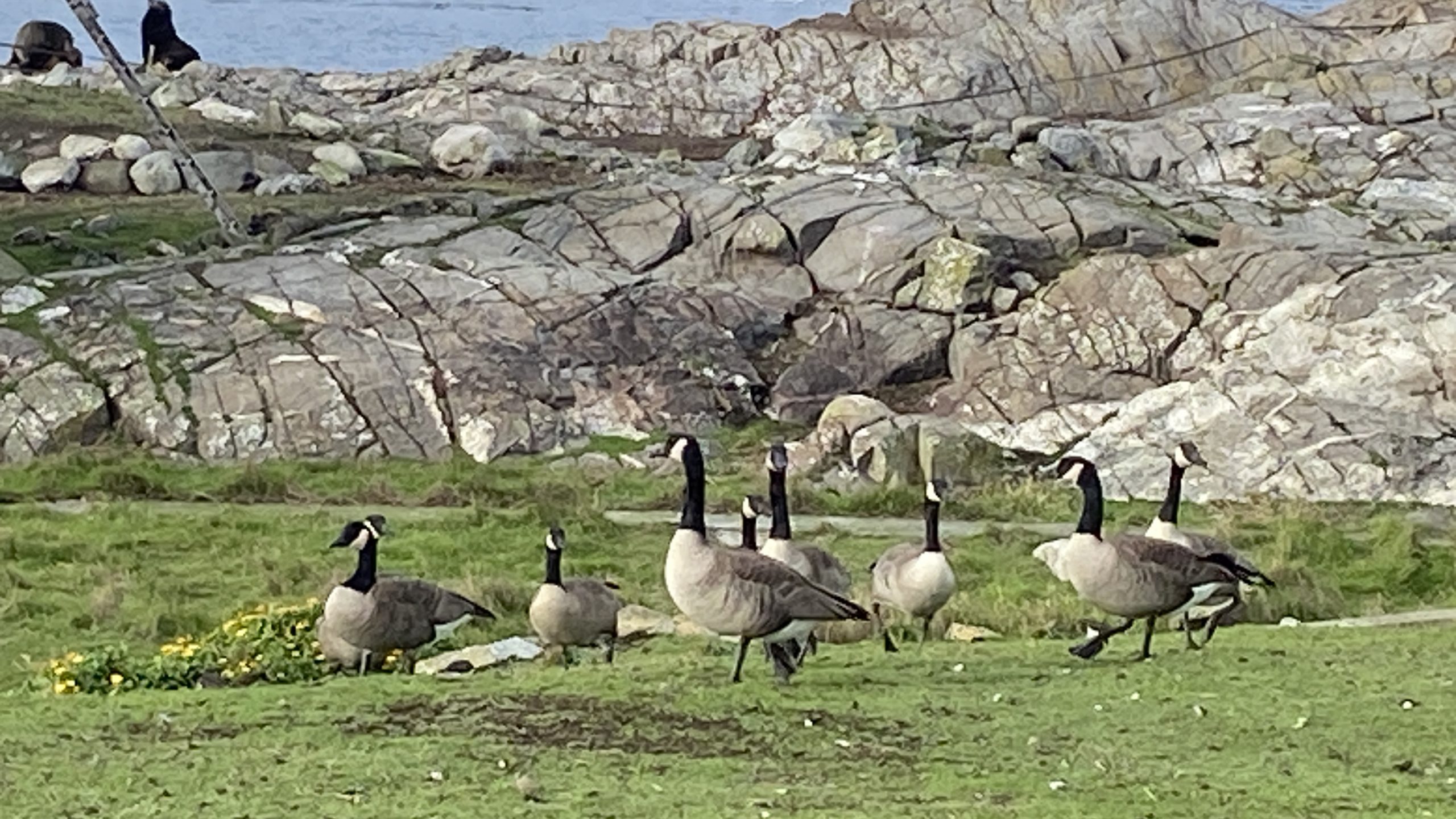
  • Canadian goose             – 16
  • Dunlin                              – 4


Mammals

  • Steller sea lion                   – 132
  • Harbour seal                       – 22
  • California sea lion              – 41
  • Sea otter                              – 1     (reported to me by Eco-Tourism vessel)

Holiday Storm

Best Wishes to you if you celebrate anything special this time of year!

Ecological Notes:

  • Still no Elephant Seals hauling out.
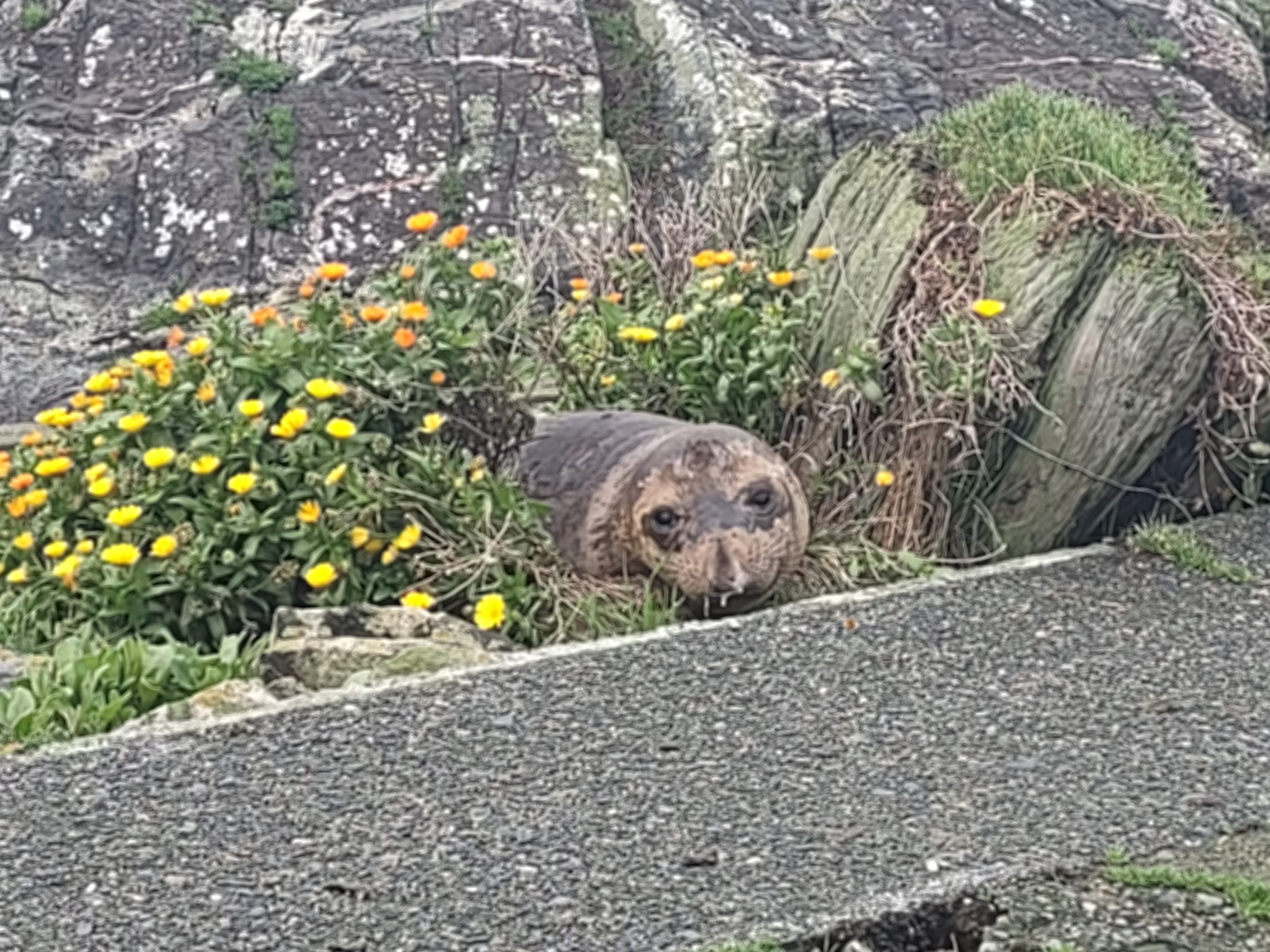
  • 1 yearling(?) came ashore for a couple days. When if first arrived it spent half a day moving around the central area, “calling” loudly (perhaps checking for others to haul out with?)

“You can’t see me here”

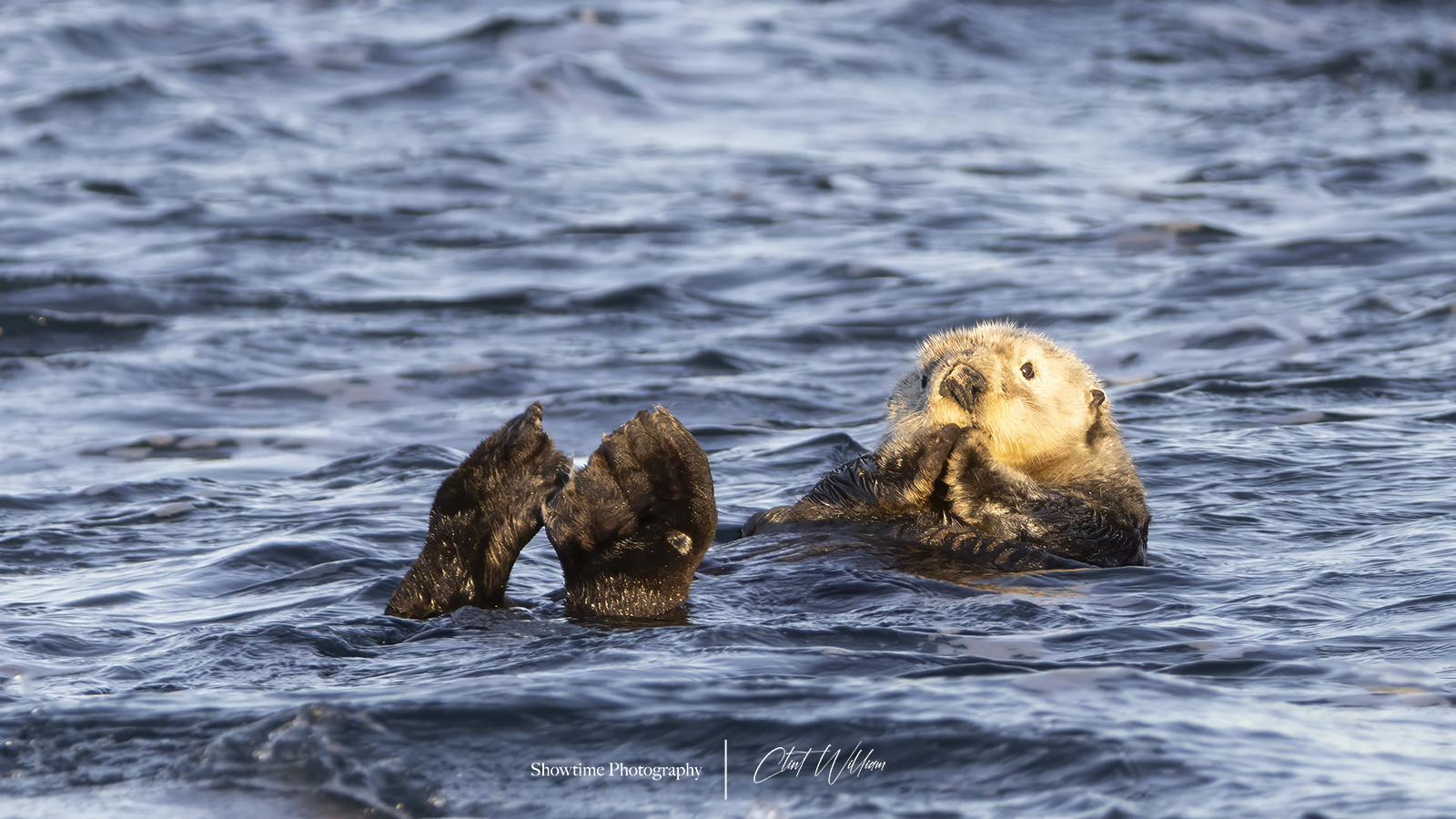
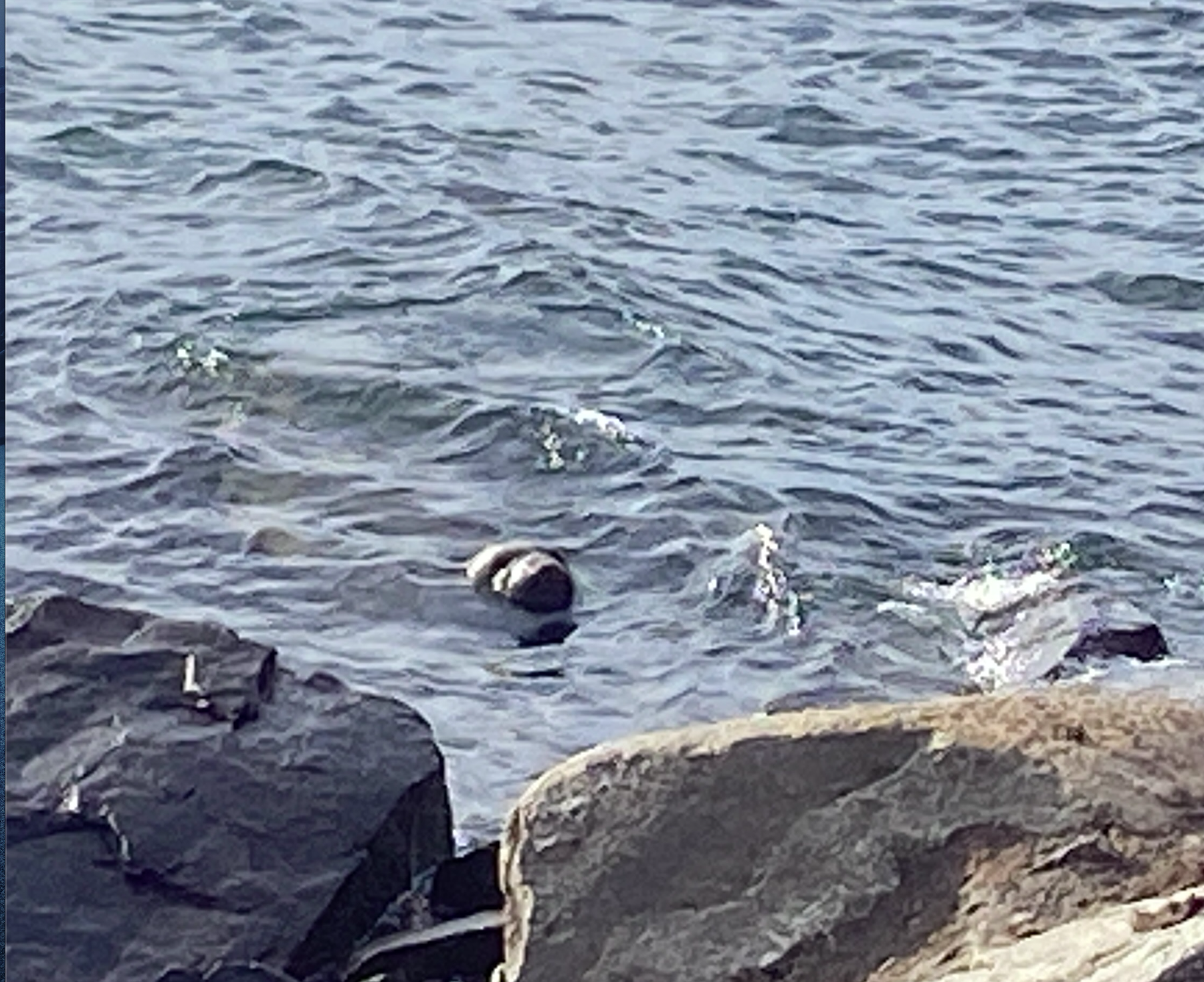
  • The Sea Otter – “Ollie” – was reported to be just off Helicopter rock by a photographer out on one of the EcoTourism boats. It’s nice to get updates on this animal, as his teeth are failing, and he is relatively old for a Sea Otter

    “Ollie” the sea Otter Photo submitted by Clint William

  • After dropping to very low numbers, there seems to be another surge of both Steller and California Sea Lions to the haul outs
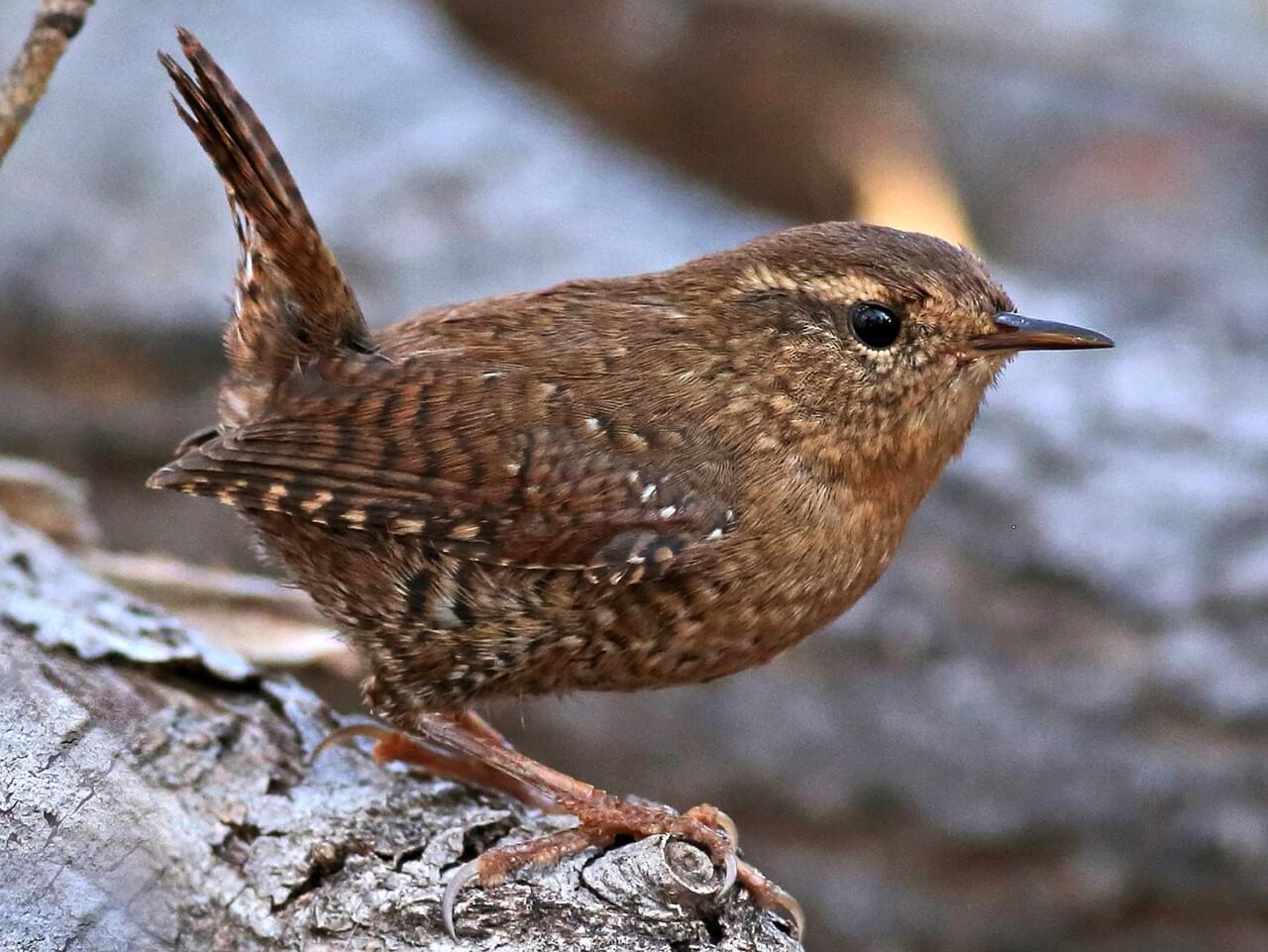
  • There have been 2 or 3 small wrens in the flower beds, with help from Ann Nightingale, we believe these to be Pacific Wrens … too fast for me to get my own photo ….

photo by Mason Maron

Visitors:

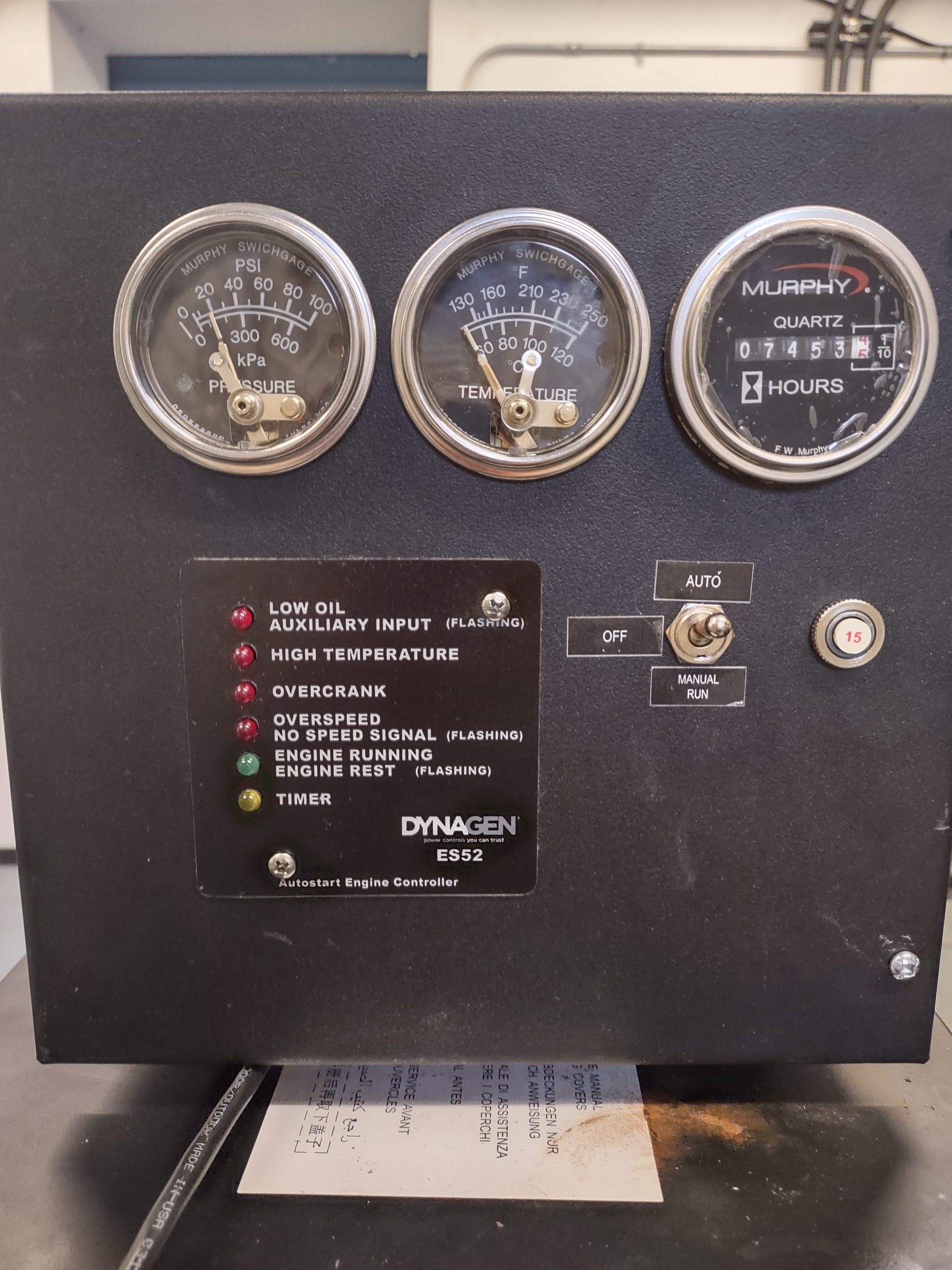
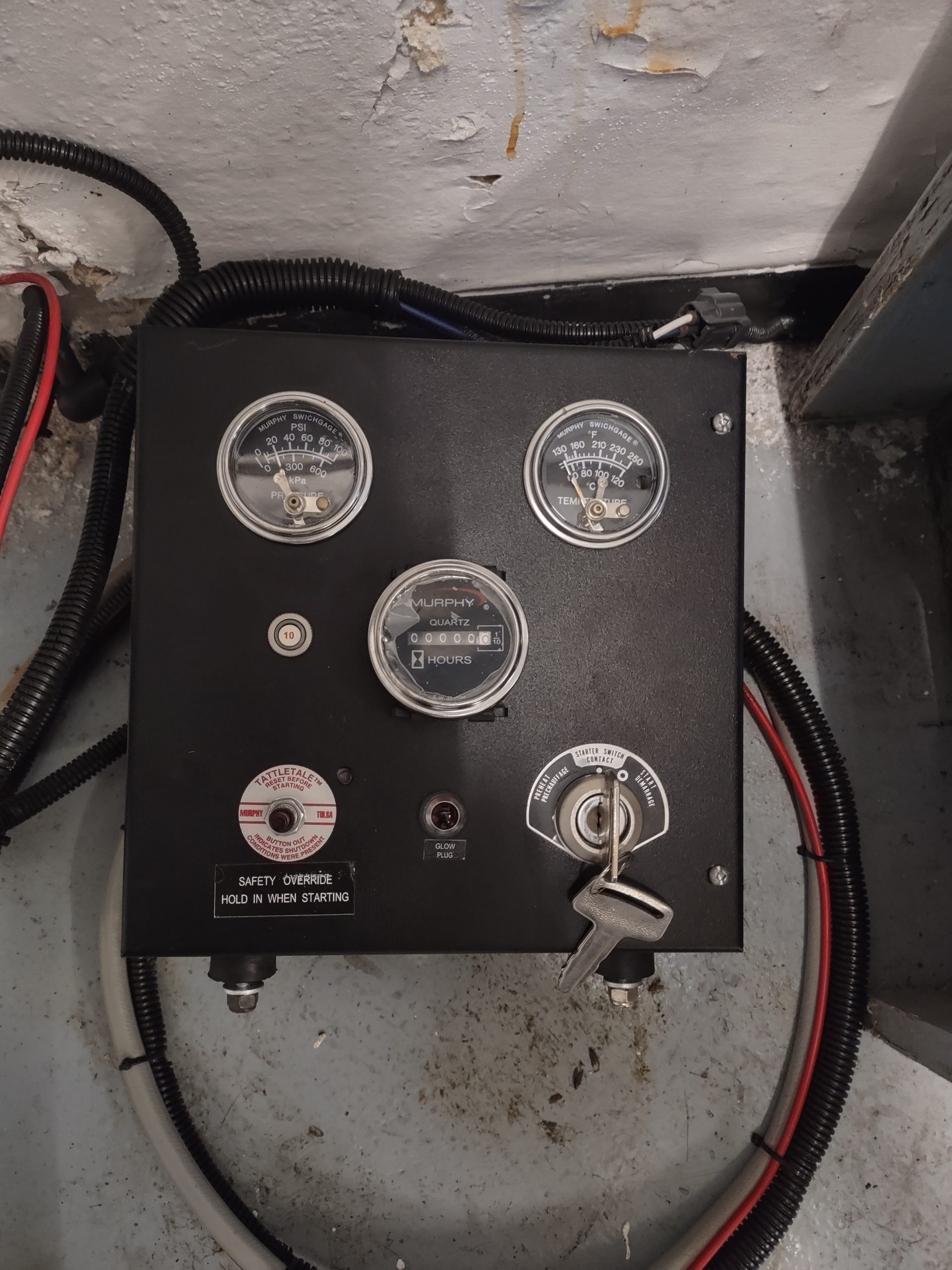
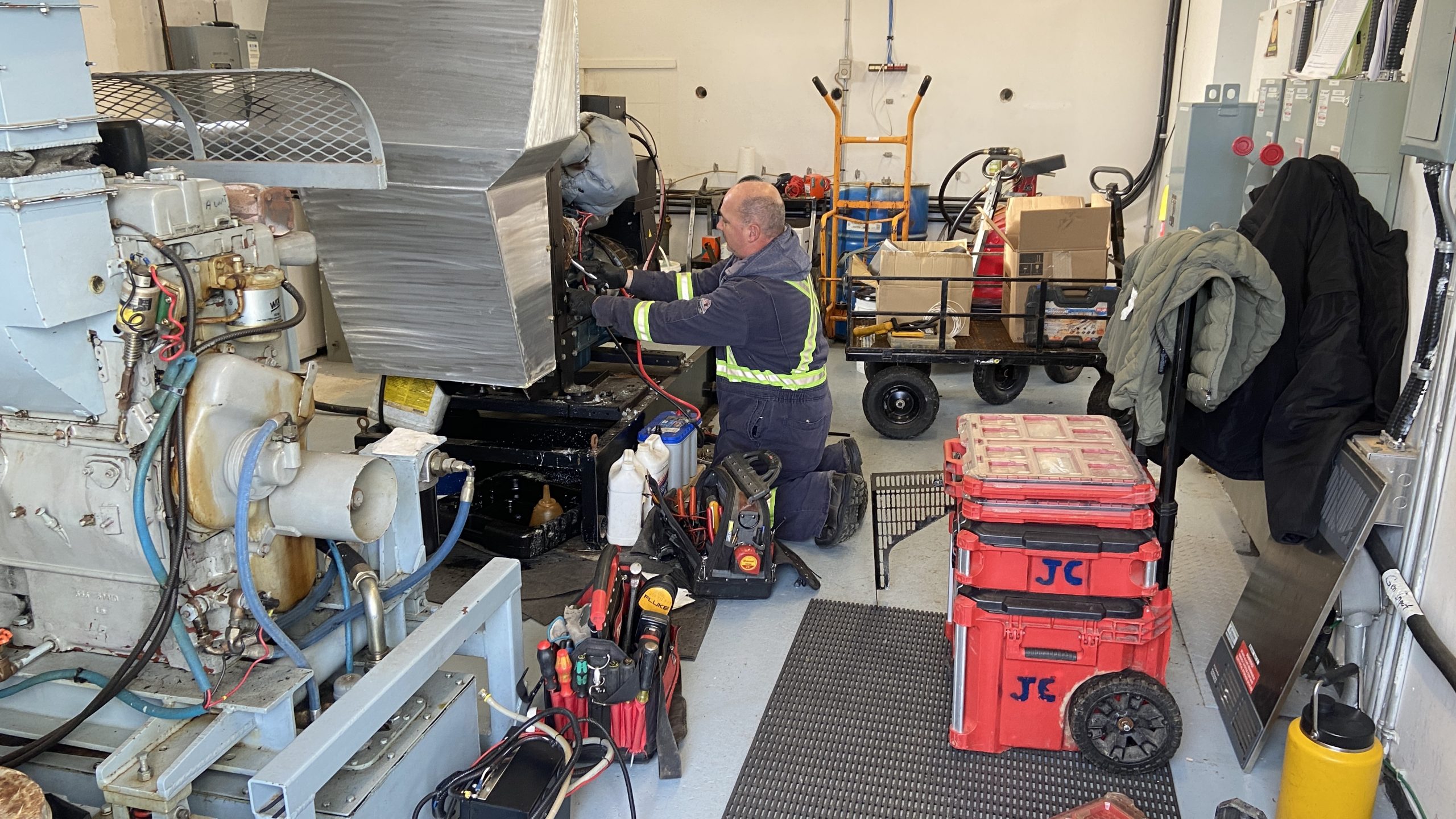
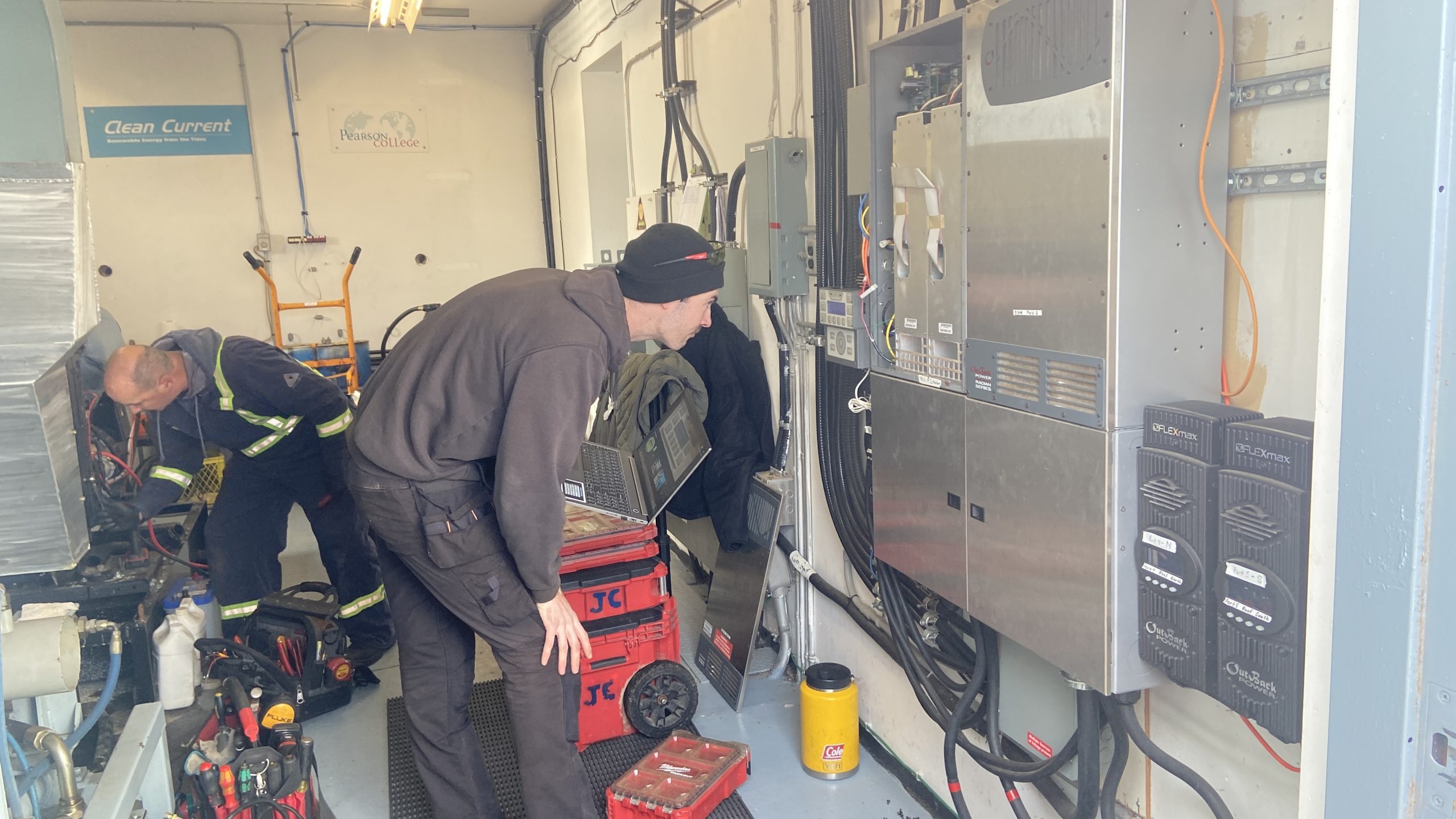
  • 2 contractors from Viriidian Energy came and serviced the generator and upgraded the control system with an Auto Start/Stop system
  • Park Warden Garry Fletcher visited, and in addition to gaining an overview of the park and facilities, spent time with the Eco-Guardian providing interesting stories and history around the facility

Facility Work:

  • Spent some time analyzing and making adjustments to the new control system for the generator system
  • Initial setting on the Auto system proved to be problematic in that they resulted in very extended runs times(up to twice as long = twice the fuel burn and fuel transport!) Discussed with the programmer and they remotely adjusted the unit  to more appropriate times. Also, found out how to properly override the system for a manual run,  to ensure once a week full charges can still be done.
  • Will re-visit with the technician after the holidays
  • After help to secure some more logs … ongoing bucking and splitting to build up firewood stocks for the winter.
  • Did full maintenance on the chainsaw
  • Now running both the old, and the new Seawater data units, to give both readings to adjust  older incorrect readings

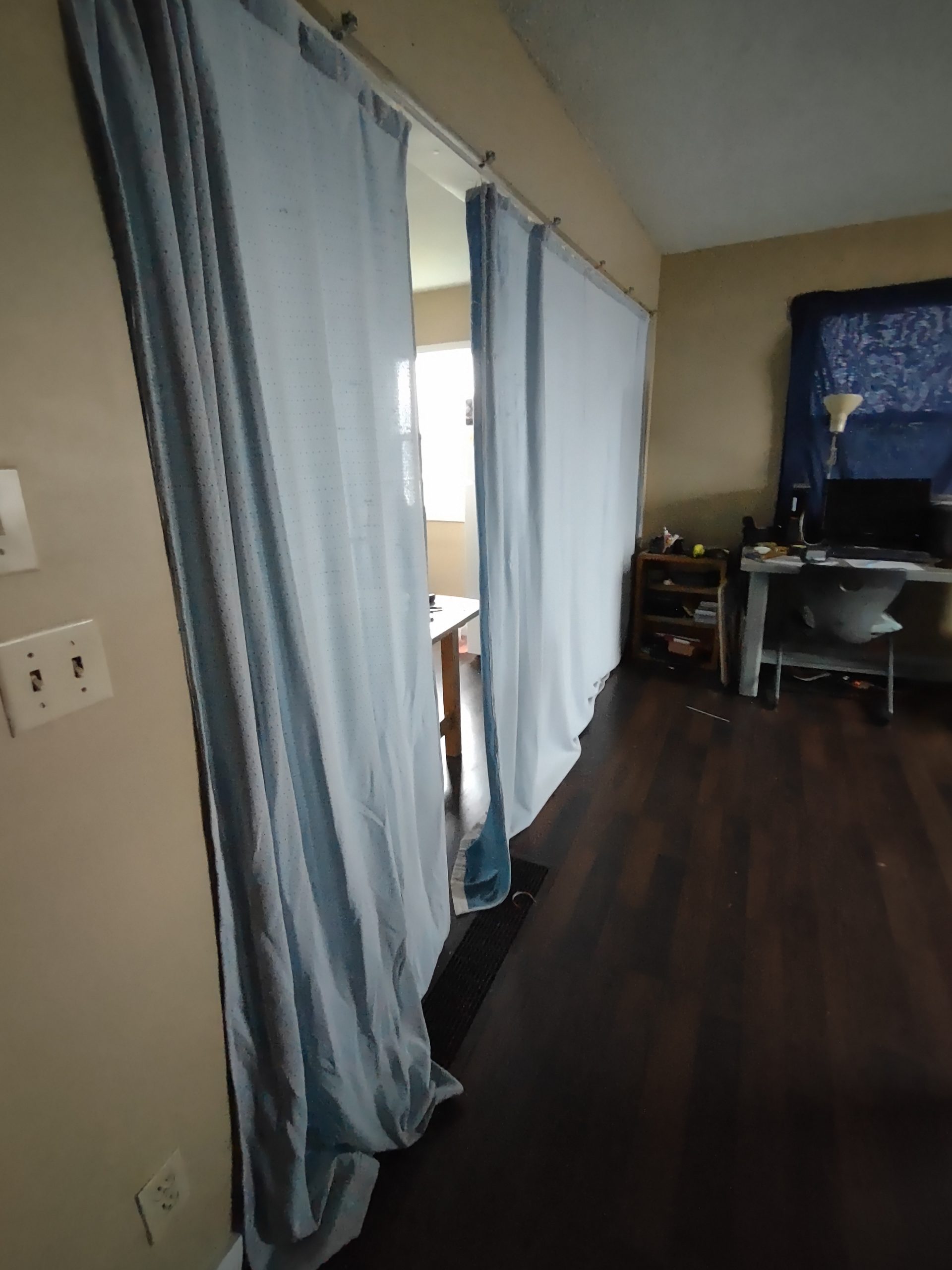
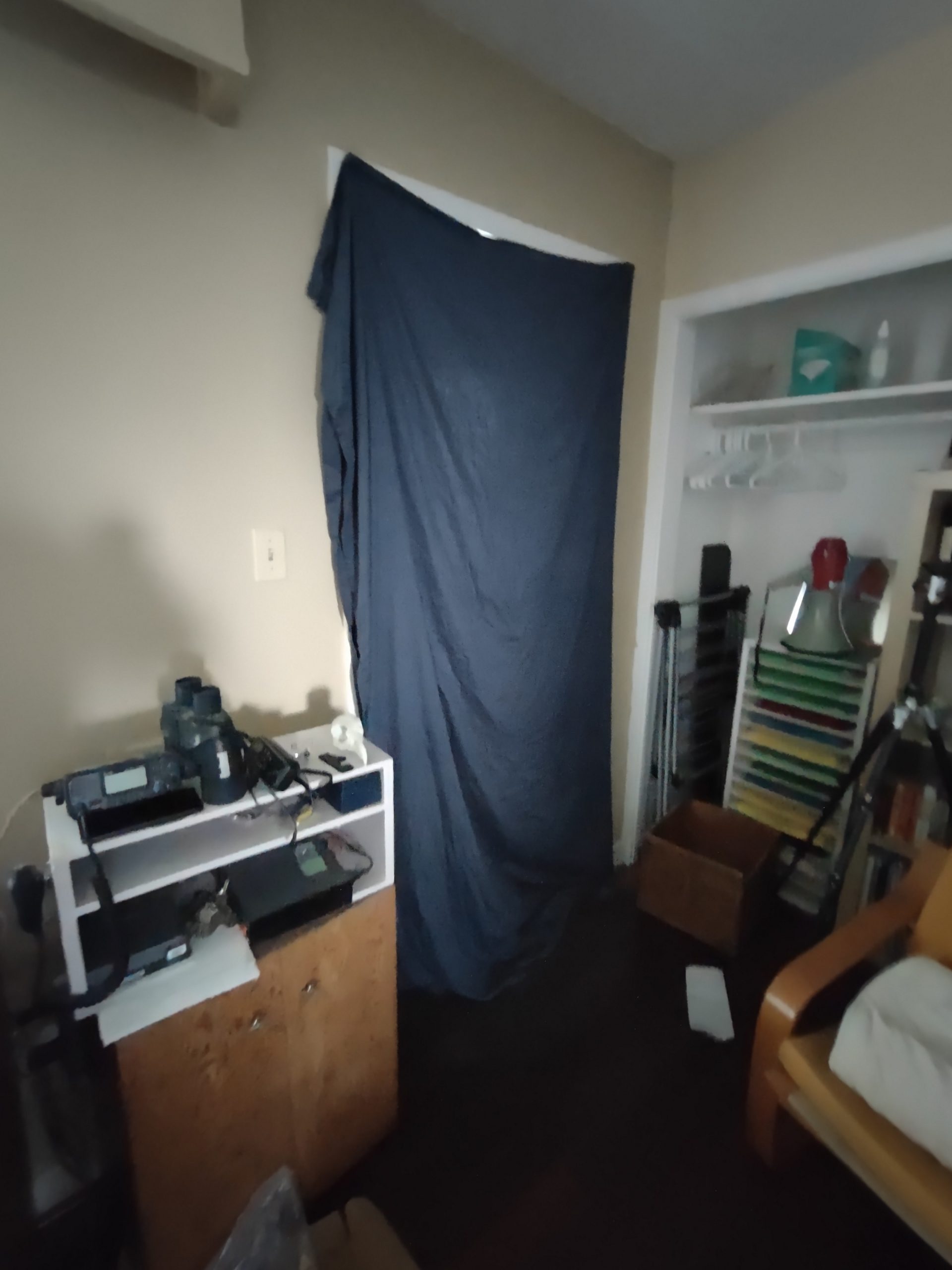
  • Proof on Concept: As the damp wood produces less heat in the woodstove, I decided to try to curtain off some areas, such as the front doorway and the kitchen. Using found materials , the main curtain is very thin, and does not cover the top very well, but it still produces a very noticeable temperature difference on either side

Noted Vessel Traffic:

  • Ongoing Eco-Tourism vessels in the park
  • Several private vessels visiting, no noted infractions

Weather Events:

Ongoing winter weather, unseasonably warm, winds direction shifting daily, very little rain

  • Monday, December 25::
    • Sky: Dense, High overcast, very light sprinkles threatening rain, but none occurred
    • Wind: ENE 5-15 kts during the day, rising to nighttime winds gusting to 35 kts
    • Sea:1 meter swells from the East
    • Temperature Low 8.5oC, High 11oC
  • Tuesday, December 26:
    • Sky: Bright overcast sky
    • Wind: ENE, calm in the morning, expected to rise to 25kts during the day and up to 45kts by evening
    • Sea: Large rolling swells from the east
    • Temperature Low 9oC, High 11.5oC


** All wildlife photos taken at the furthest distance possible, and may be cropped to improve detail! **


Weather – Current:

http://www.victoriaweather.ca/current.php?id=72


Weather – Past:

http://www.victoriaweather.ca/station.php?

Index of Articles Published on Race Rocks ER in the Friends of Ecological Reserves Log-1988-2023

ECOLOGICAL RESERVES — NEWS/ARTICLES: 

#97 Race Rocks: threatened loss of keeper — Fall 1996

#97 Race Rocks: marine protected area — Autumn 1998

#97 Race Rocks Marine Protected Area — Winter 2000

#97 Race Rocks news update — Winter 2001

#97 Race Rocks: ER to Marine Protected Area — Spring 2003

#97 Race Rocks: An Unusual Model — Winter 2004
===========================================

VISITS and REPORTS:

#97 Race Rocks — Spring 1988

#97 Race Rocks — October 1989

#97 Race Rocks — Spring 1997

#97 Race Rocks — Fall 1997

#97 Race Rocks field trip — Winter 2005

#97 Race Rocks field trip — Winter 2006

#97 Race Rocks field trip — Spring/Summer 2013

#97 Race Rocks: Pungent to Educational — Winter 2007

#97 Race Rocks Visited — Autumn 2008

#97 Race Rocks Re-Visited — Spring/Summer 2010

#97 Race Rocks Trip — Spring/Summer 2014
===============================================

ARTICLES:

Race Rocks ER: Marine Protected Area — Aut./Win. 2009

Elephant Seal Born at Race Rocks — Winter 2008

Race Rocks: Elephant Seals Born — Spring/Summer 2018

===============================

PROFILES:

Trev Anderson — Autumn-Winter 2020

Pam Birley — Autumn/Winter 2010

=====================================

Link to the Index of publications on British Columbias other Ecological reserves 


Race Rocks Ecological Reserve #97 Wardens Report December 2023

Wardens Report by Garry Fletcher.. December 13, 2023

Past Wardens reports may be accessed at https://racerocks.ca/category/er-warden-report/

I got a ride out on the Second Nature vessel of Lester Pearson College. Greg and Cedrick were taking out two technicians to deal with problems with the Solar panels and the diesel engine. 

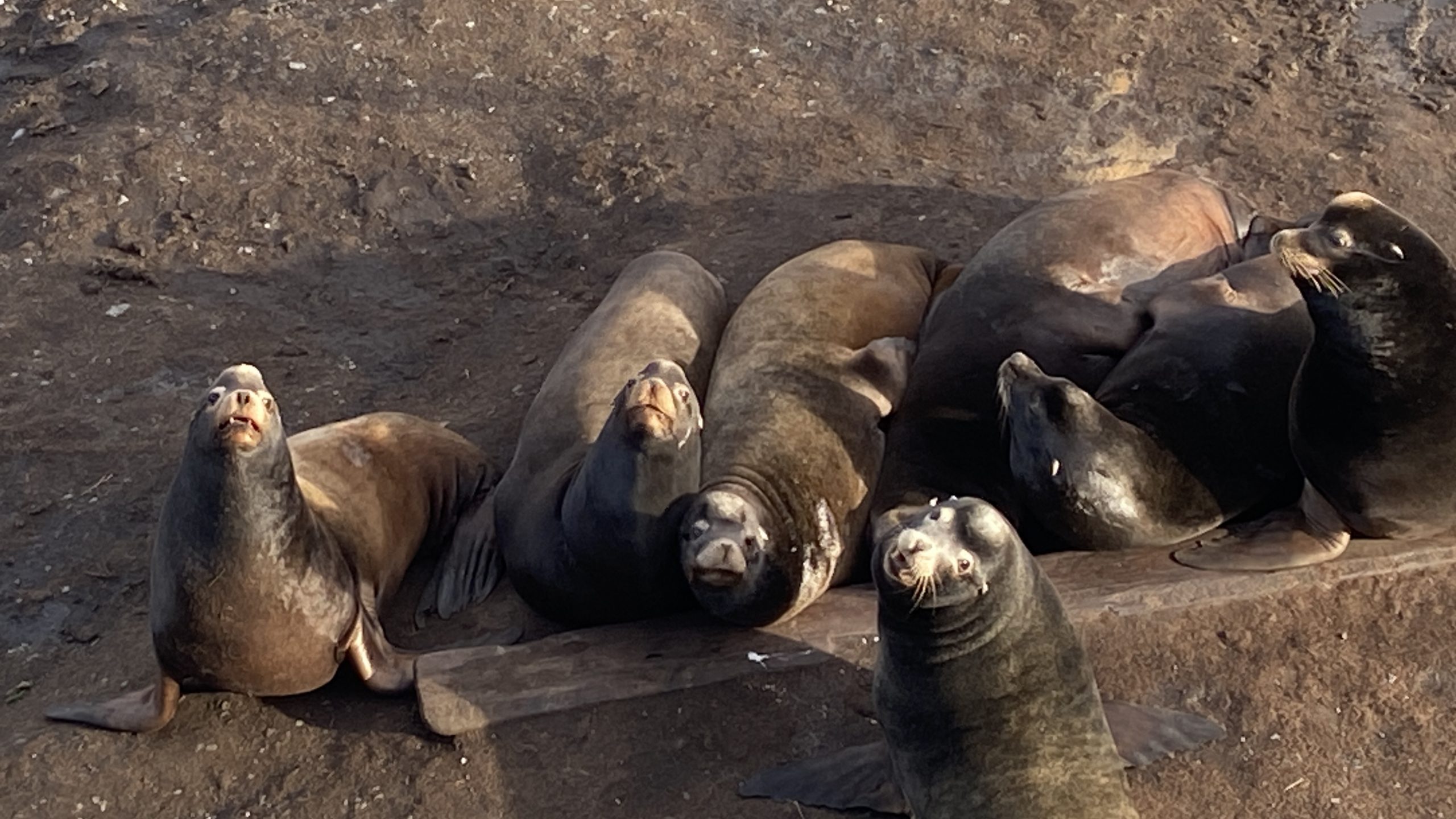
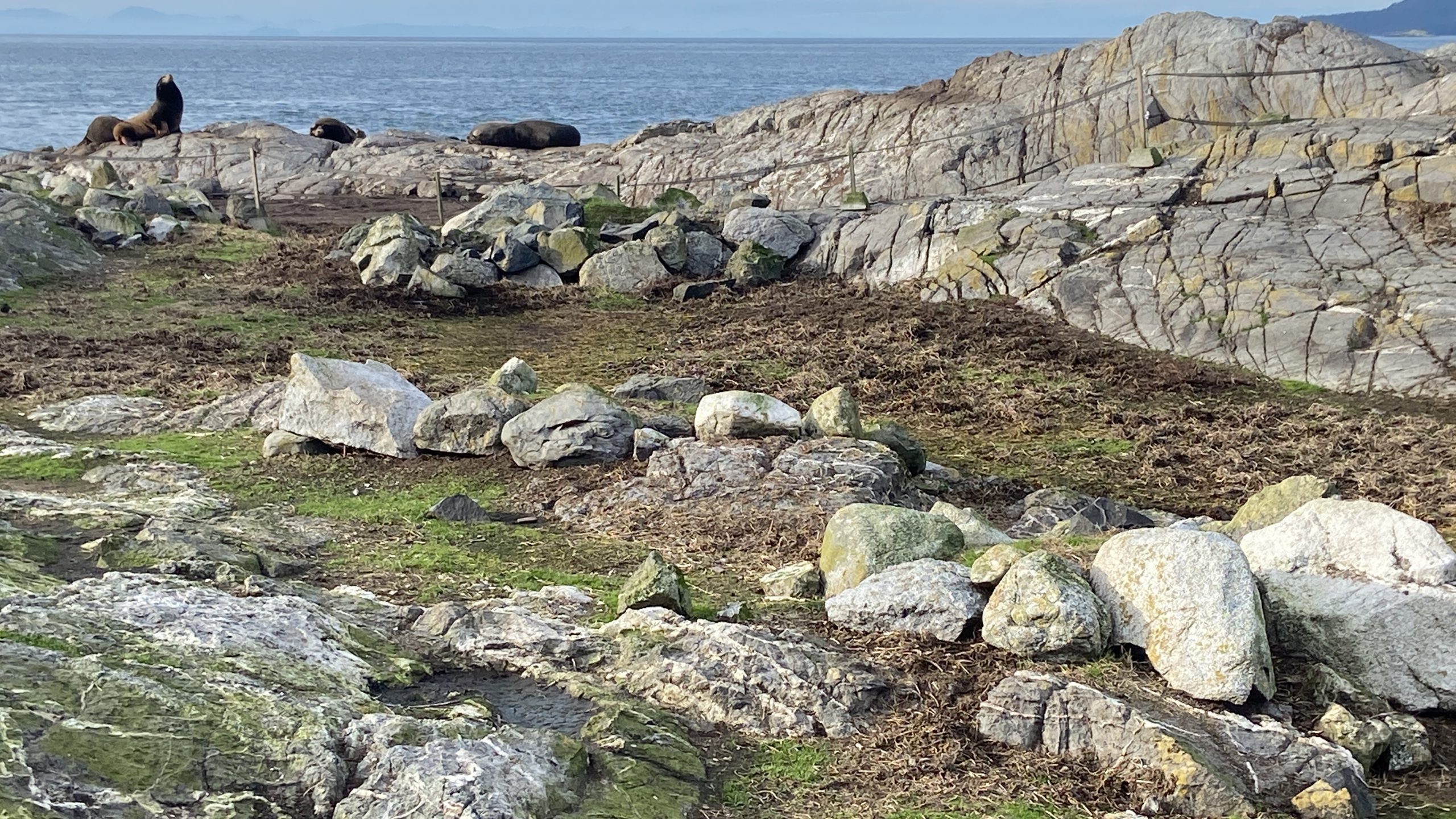
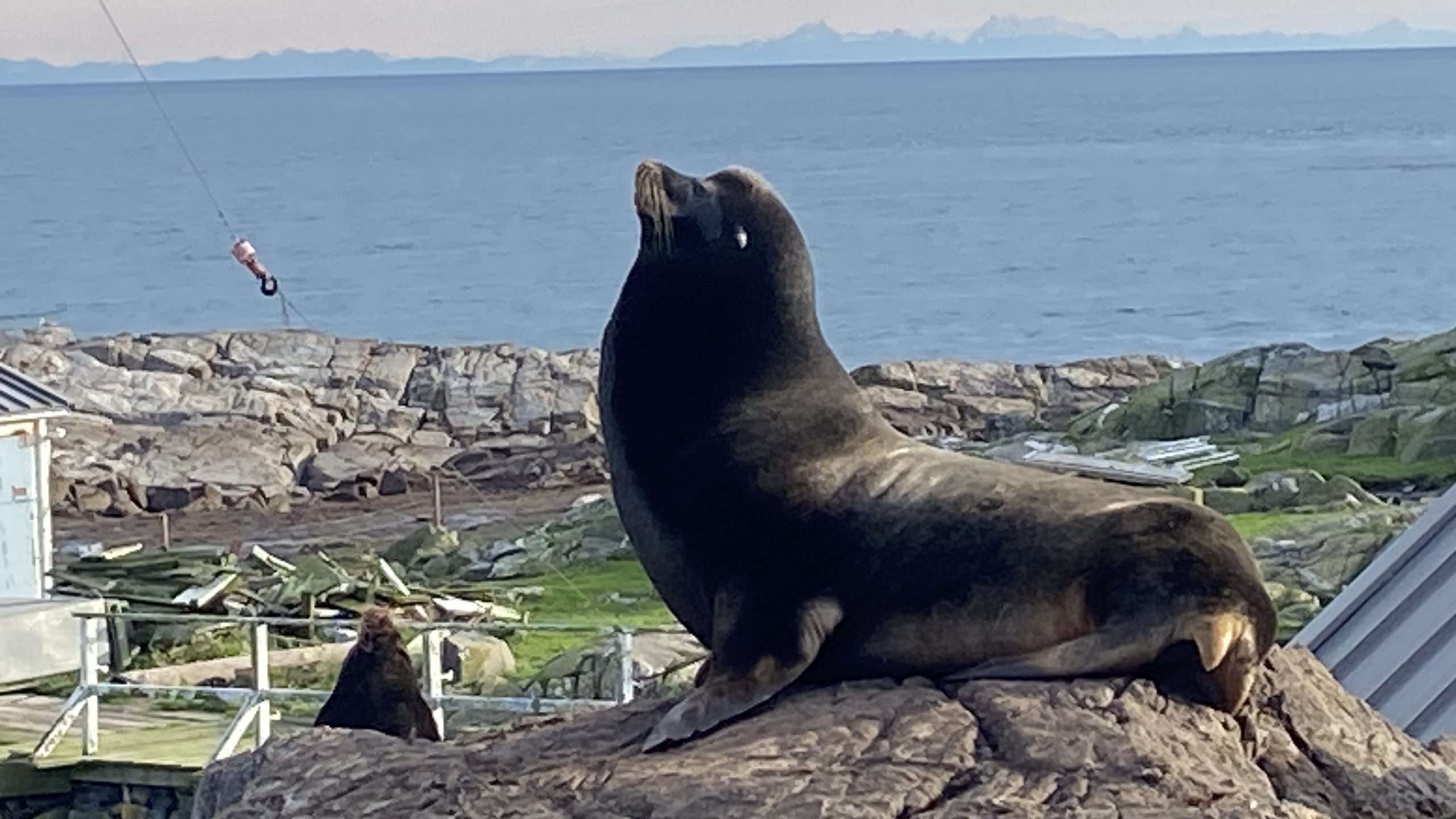
A herd of California Sea lions who have become accustomed to boats landing at the docks greeted us at the docks.

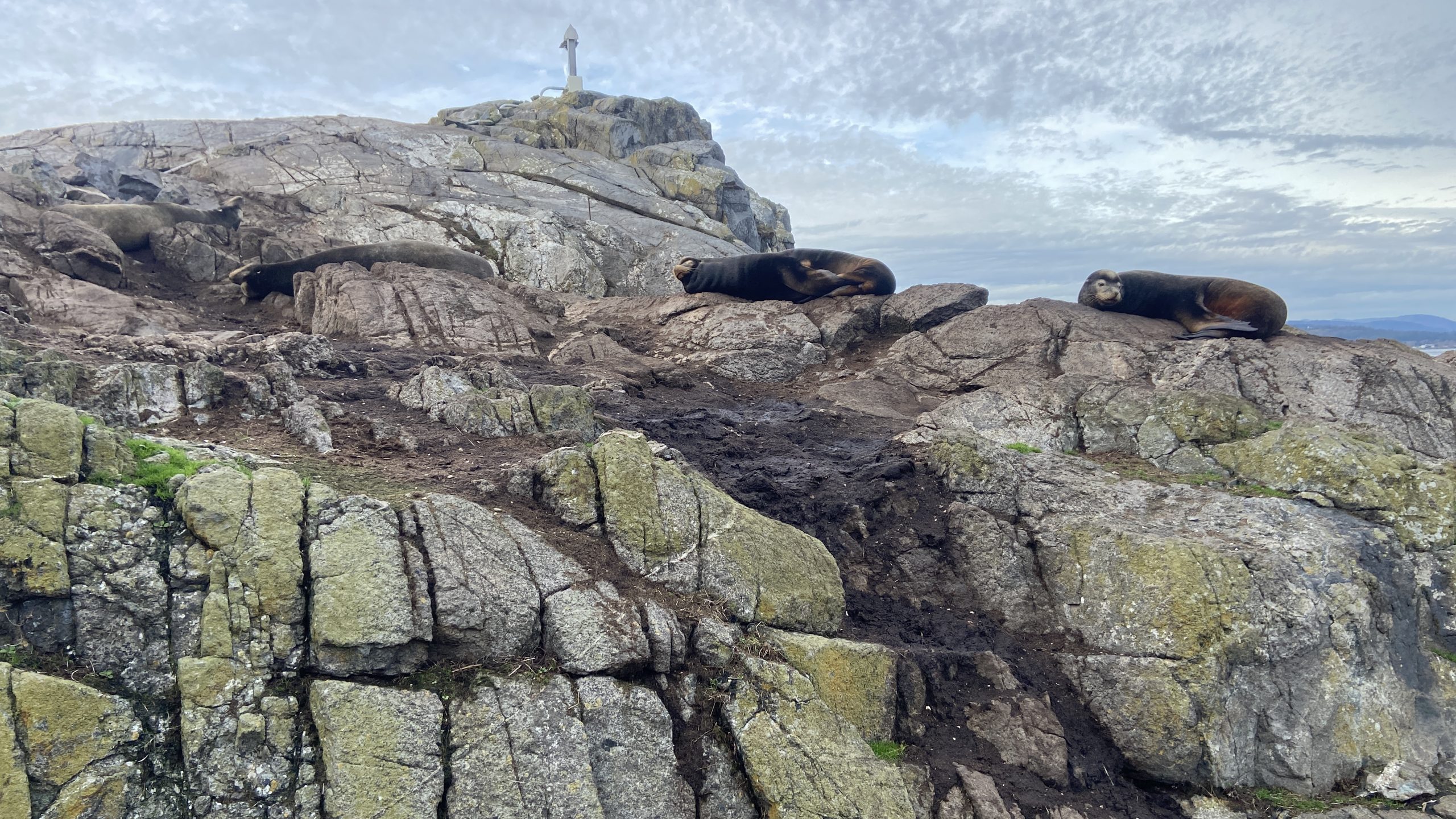
On the North side of the island there were mainly California sealions. 

The Northern sealions predominated on the south side of the island Their distinctive growl and larger size sets them apart from the California Sea lions 

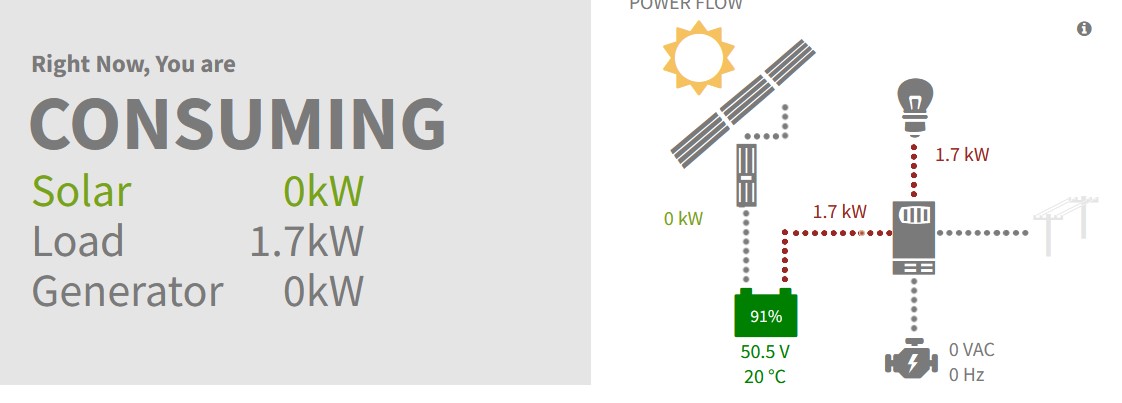
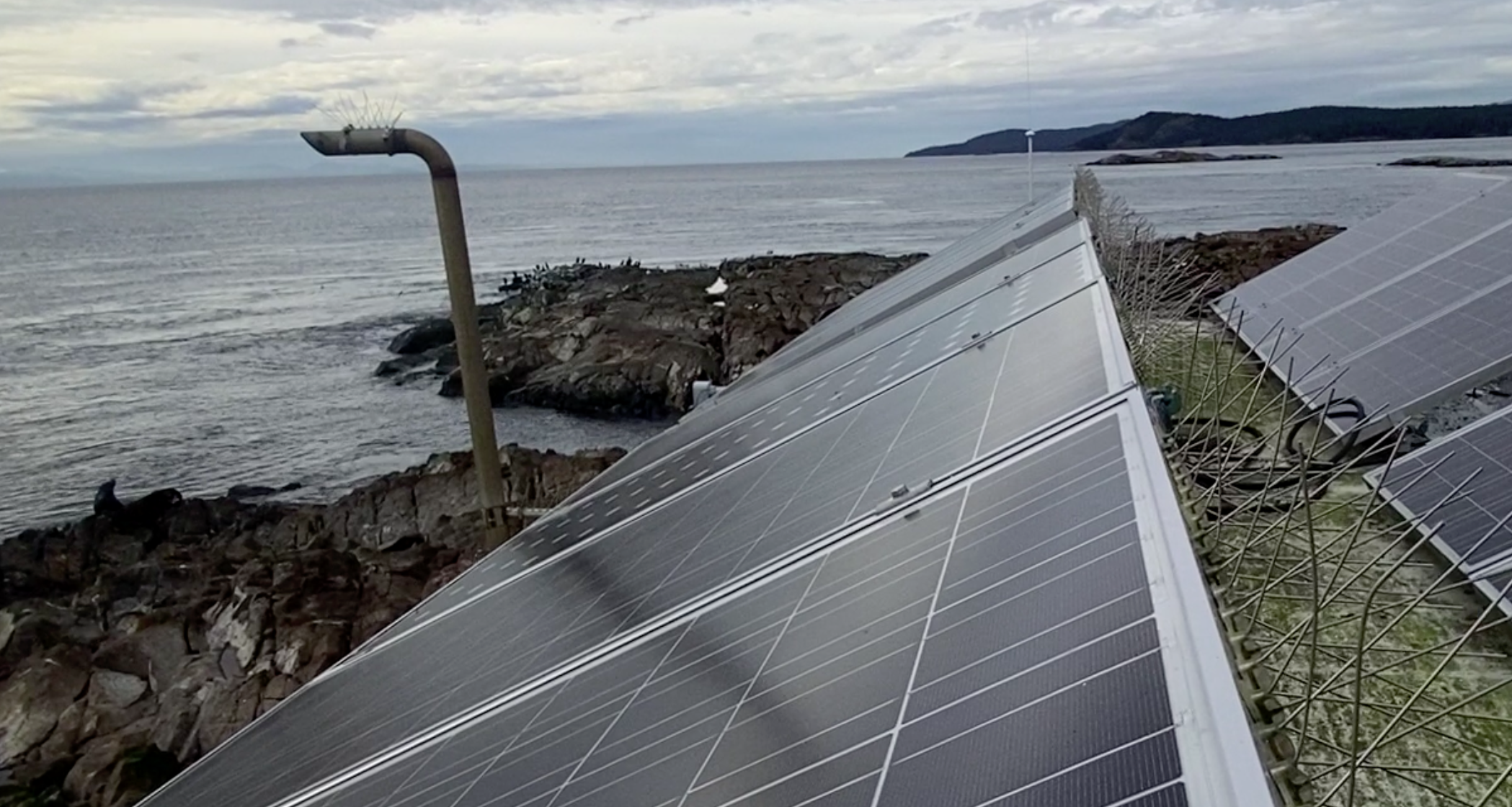
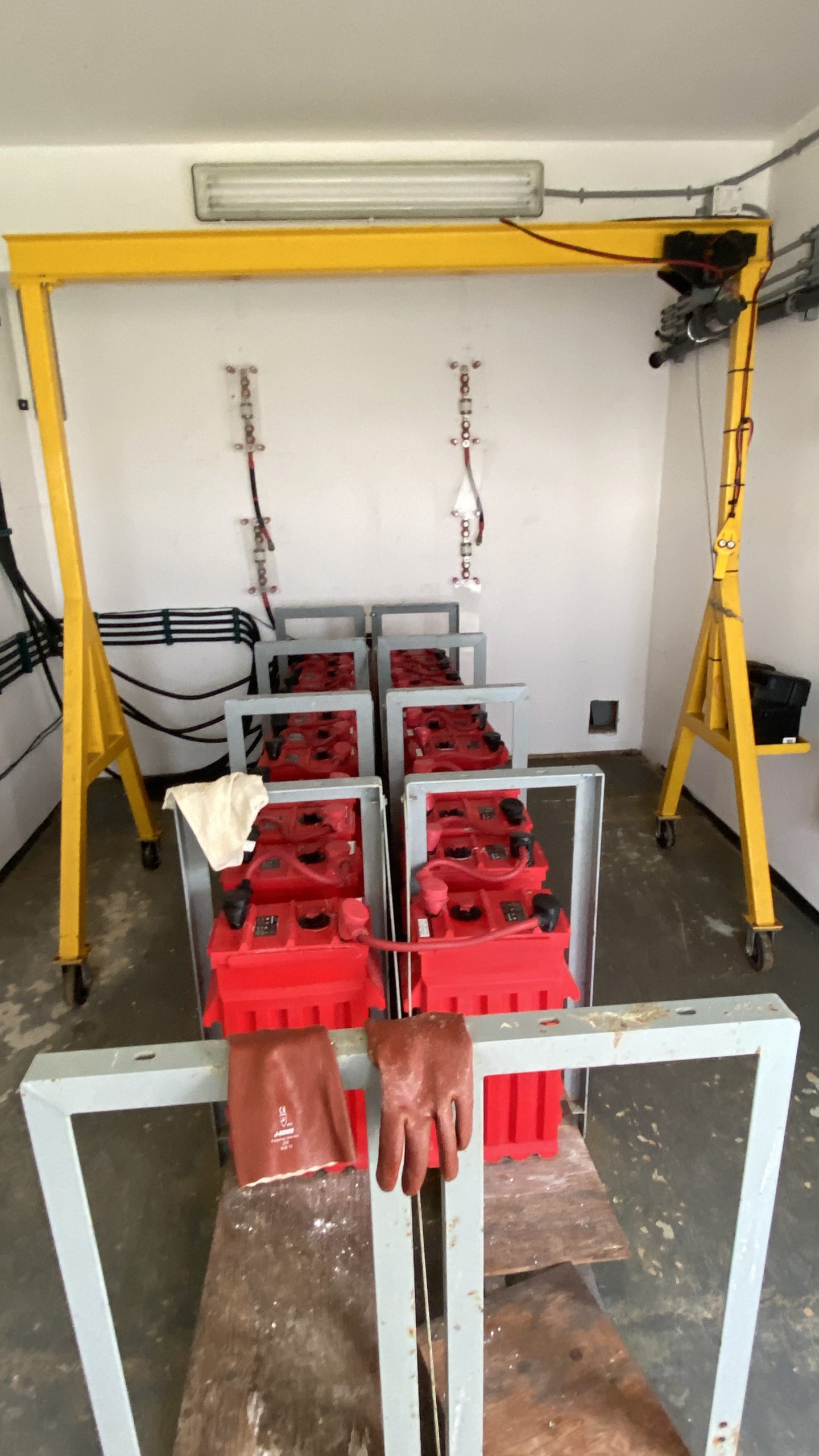
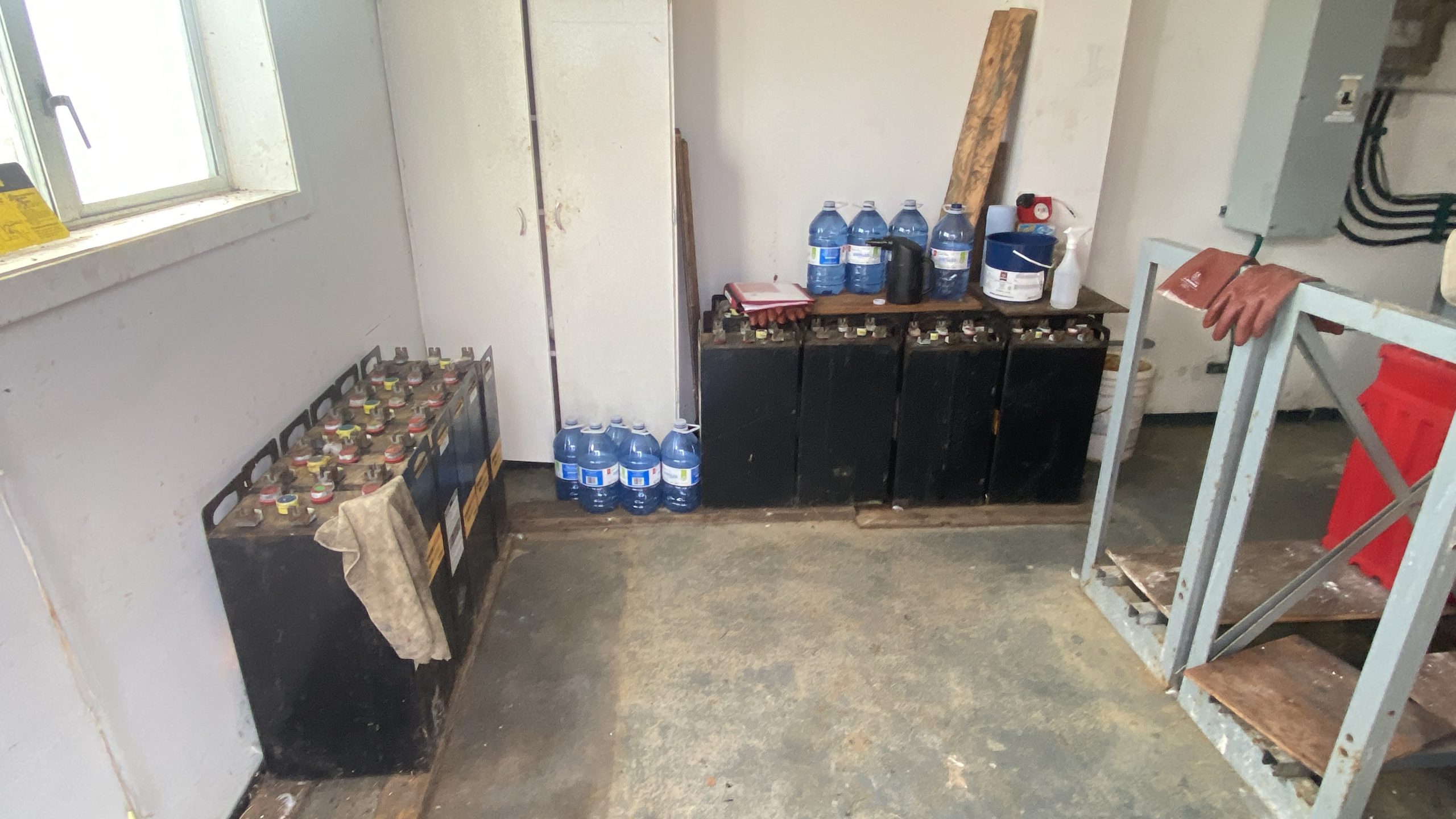
For the several hours that the technicians were busy in the engine room I could  check out the whole island. Additional solar panels have been added to the array shown in the video below taken from the roof of the energy building/engine room. In the winter the diesel engine has to run for a few hours to help charge the batteries. 


From the helicopter pad I observed a very nervous mixed herd of California and Northern sealions that were occupying the area on the West side of the island, preventing me from going in that direction to check out the tidepools. 

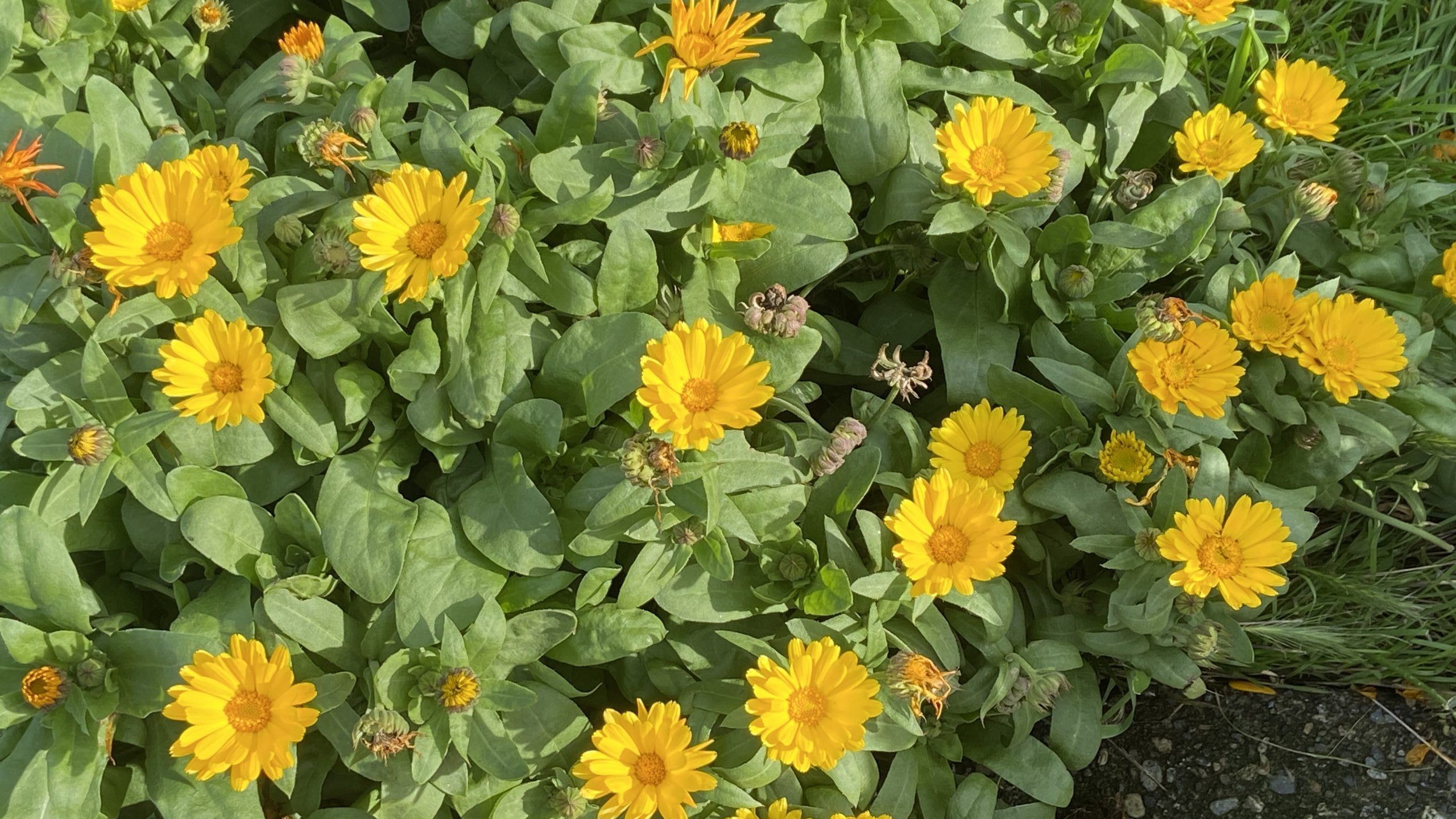
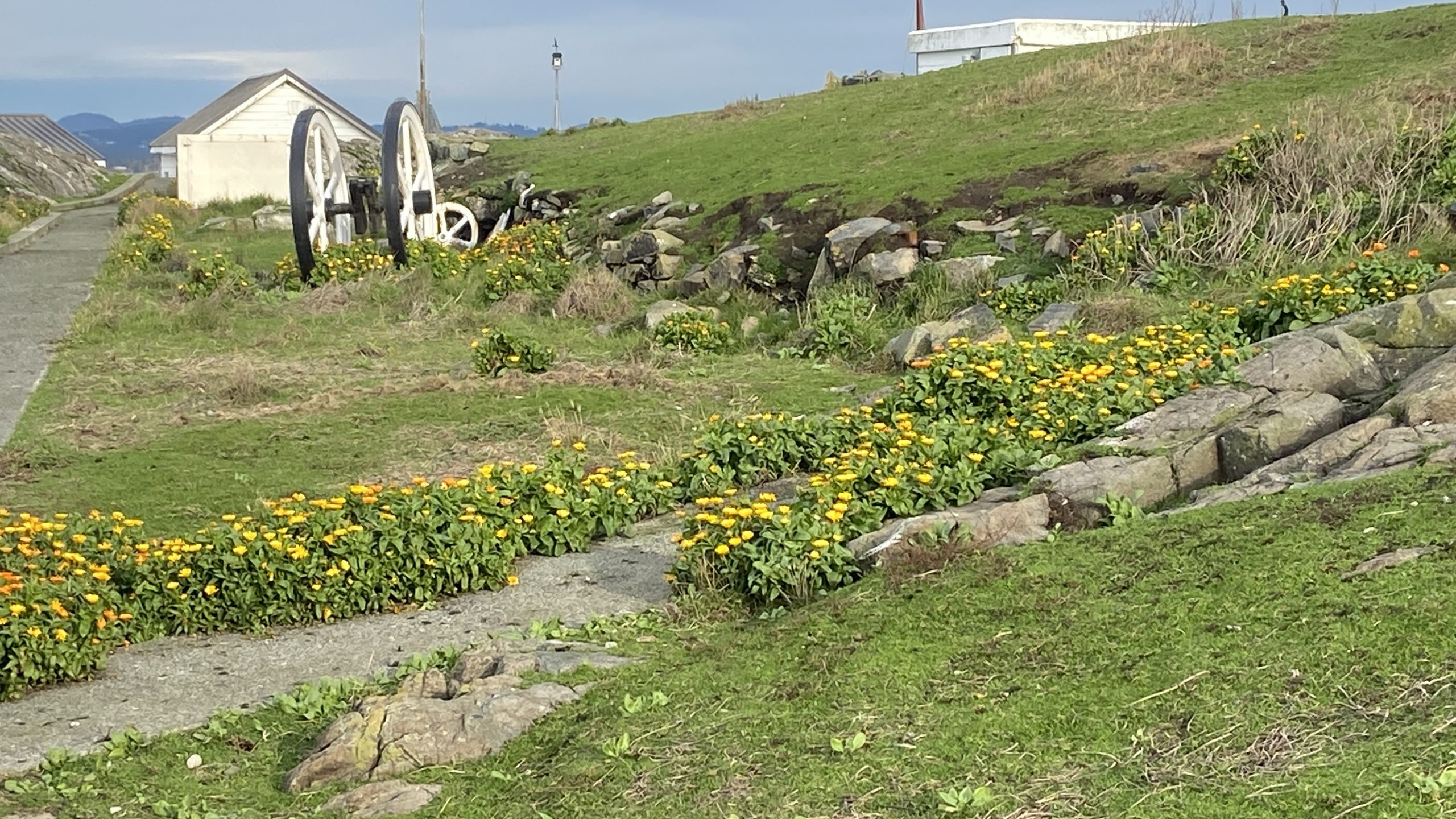
Race Rocks must be one of the few outdoor locations in British Columbia where flowers bloom year round because of the surrounding waters never dropping below 8 degrees C which moderates the temperature.

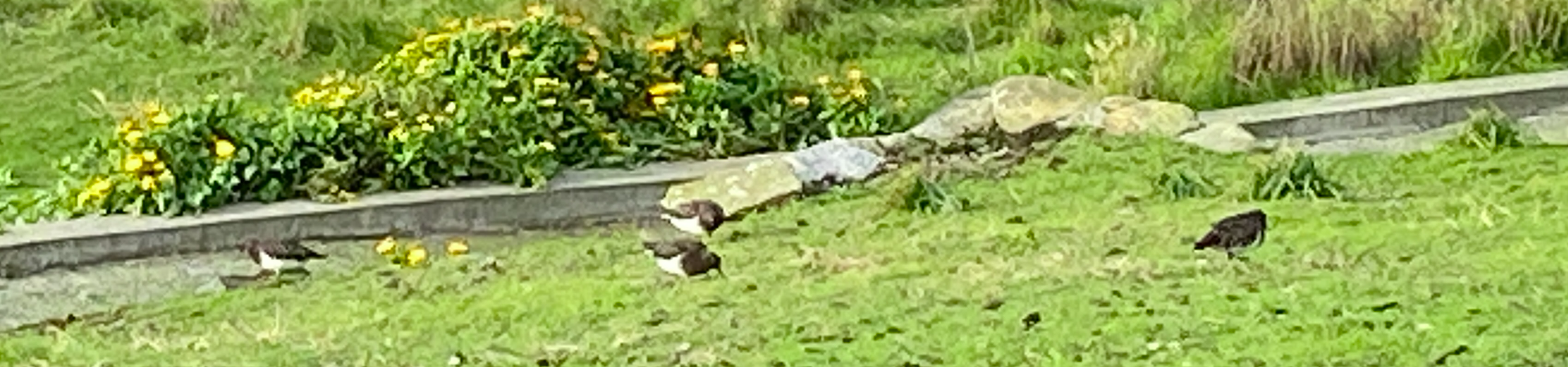
There were many Black turnstones around the island. They are found here year round although they are not known to nest here.


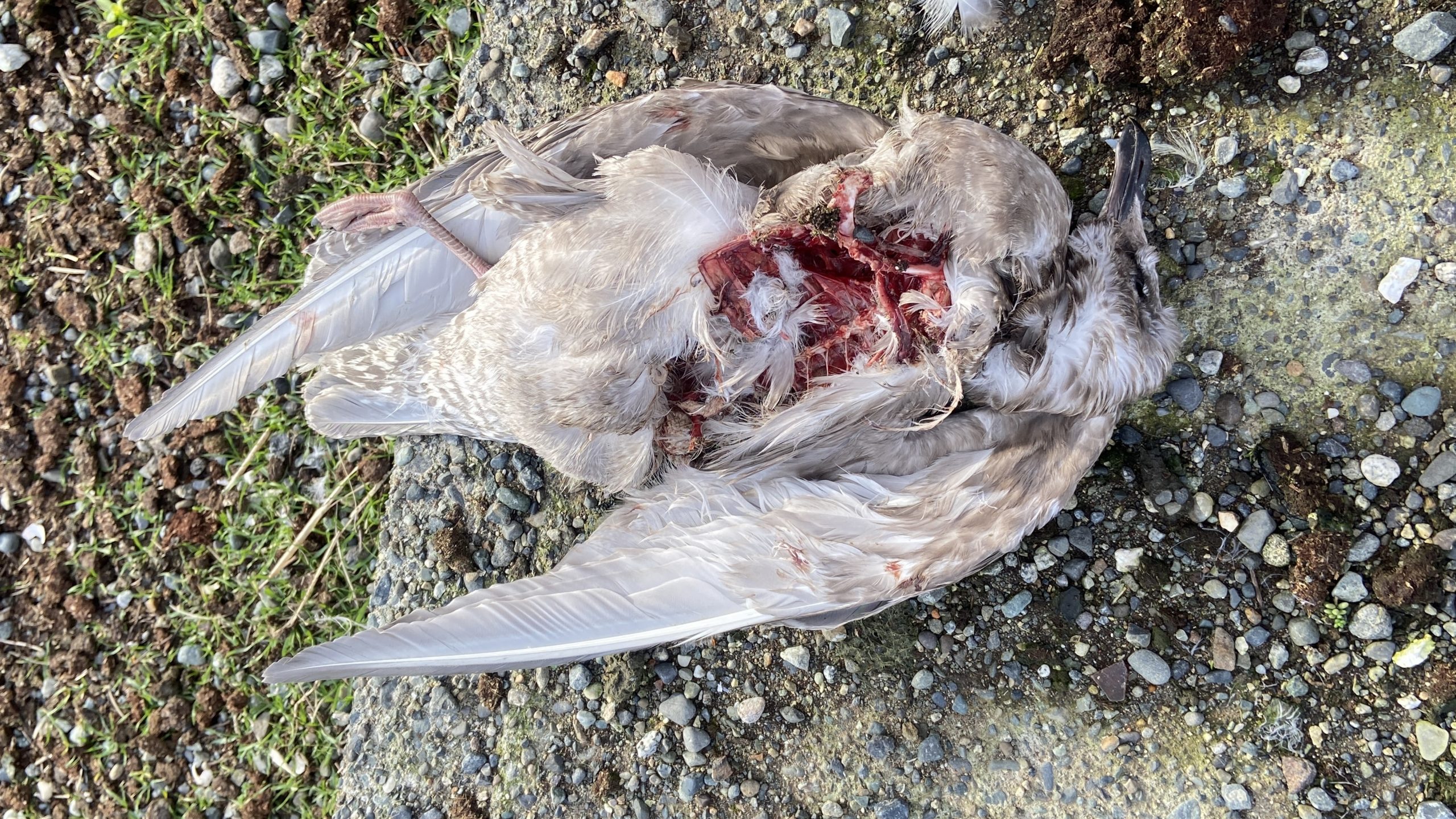
There has been a high number of gull mortalities this past year. This one is missing the breasts indicating it was a meal for the Bald Eagles. They now patrol the area regularly and this has probably contributed to the low number of overwintering gulls.

The absence in overwintering seagulls at this time of of year  was very obvious. Ined some years they have number in the thousands. The south-west corner which usually is heavily populated only had a dozen of probably brants cormorants, and a small flock of less than 100 gulls was on the north-east corner of the island

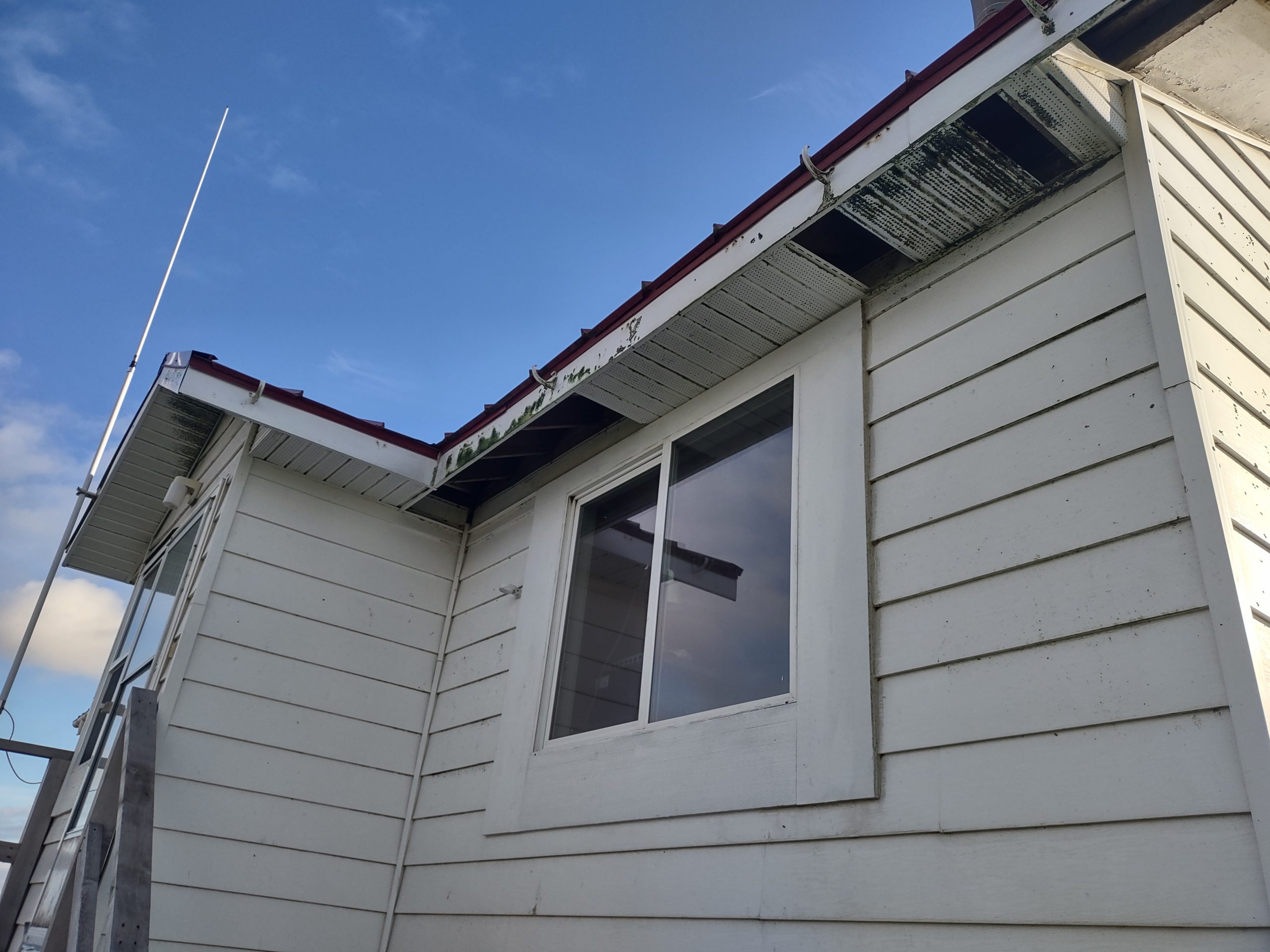
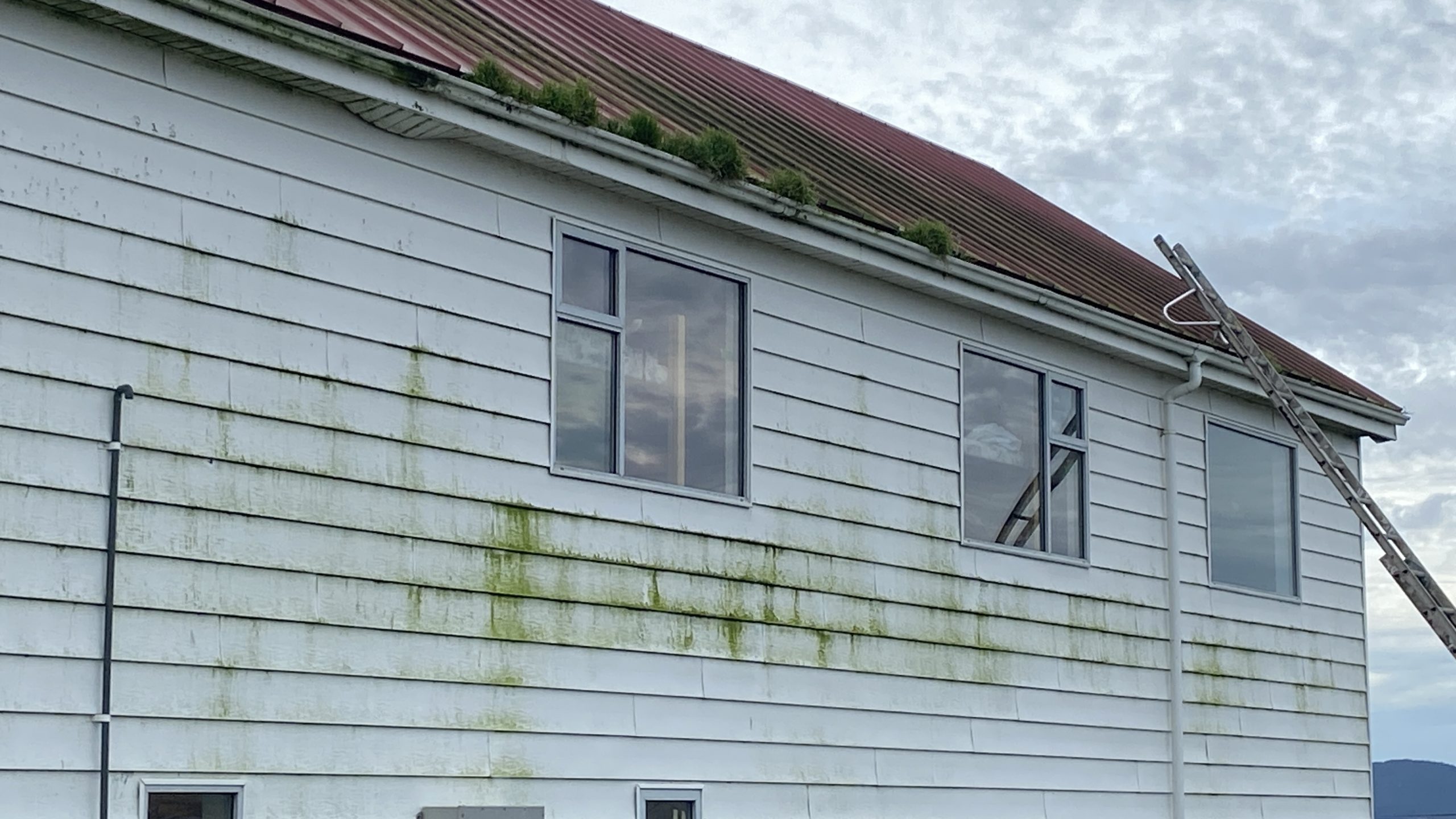
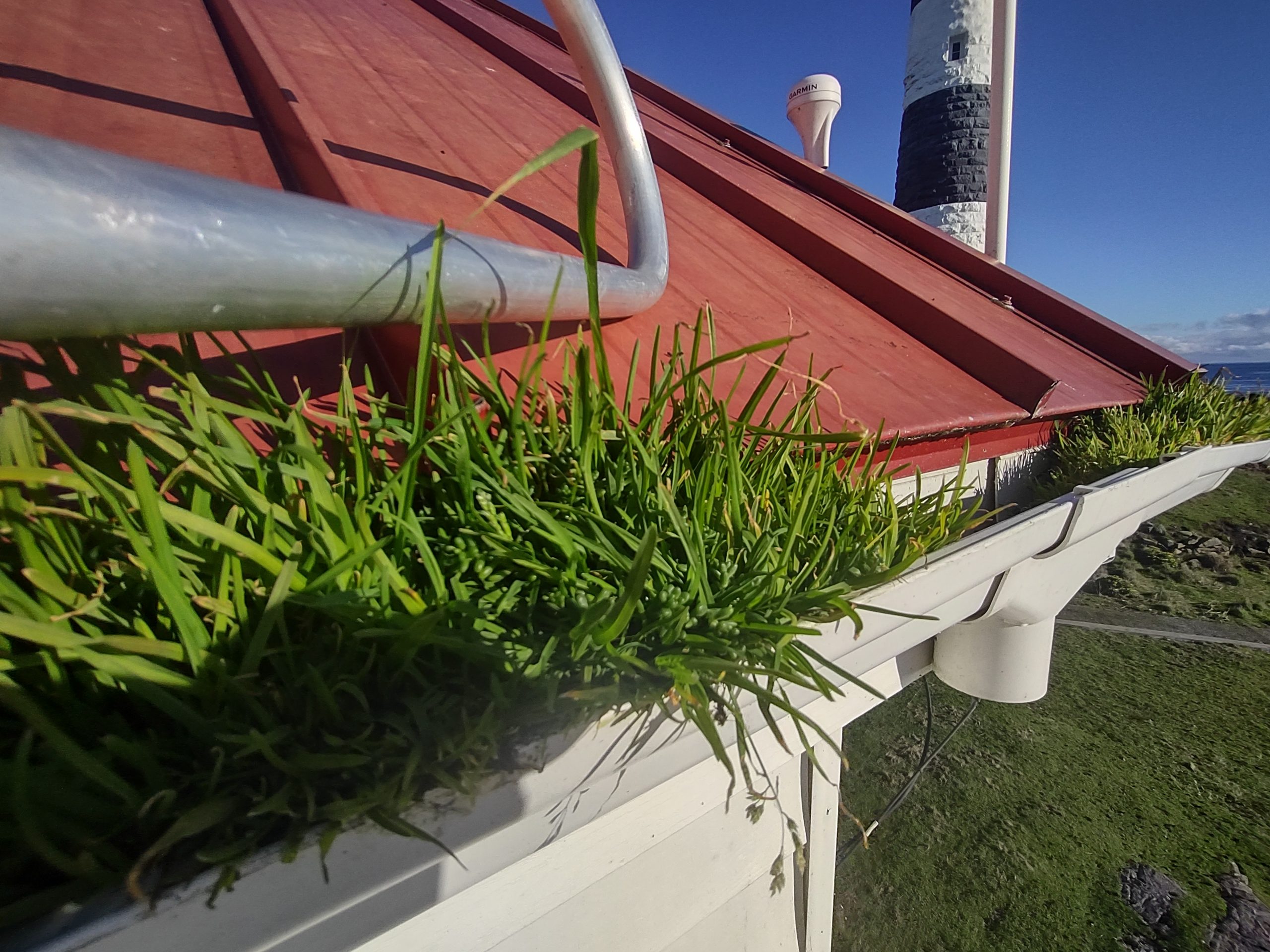
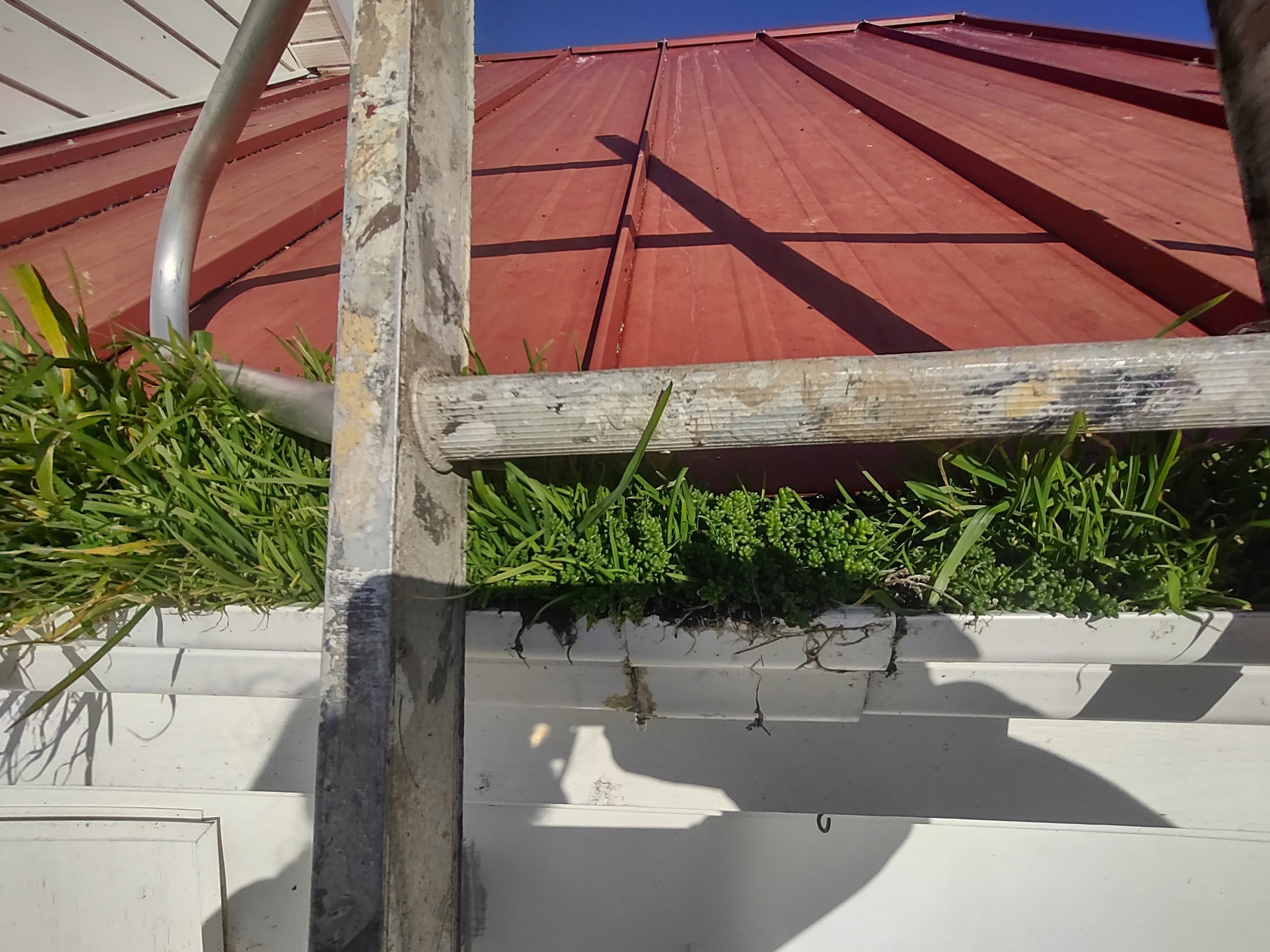
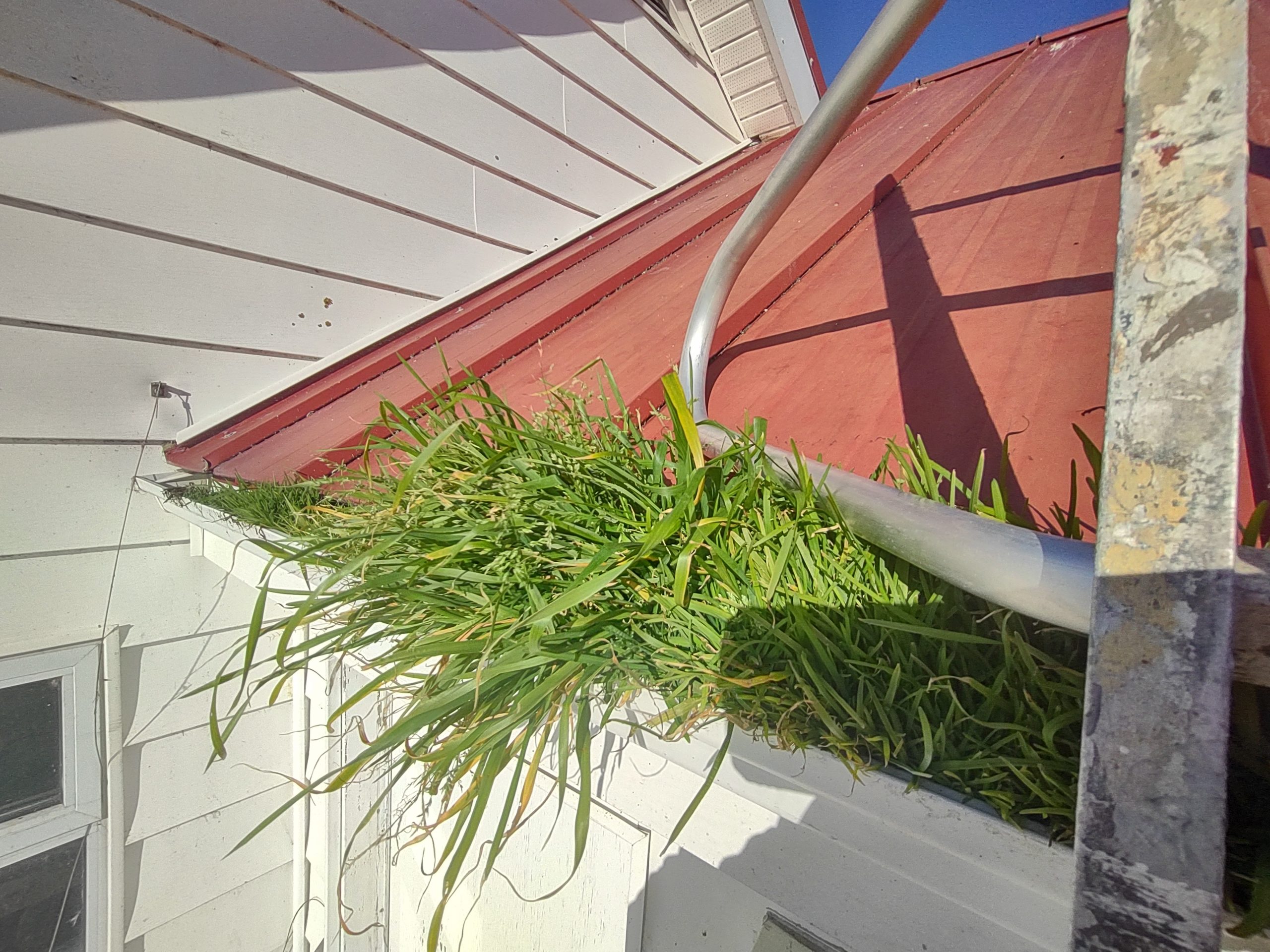
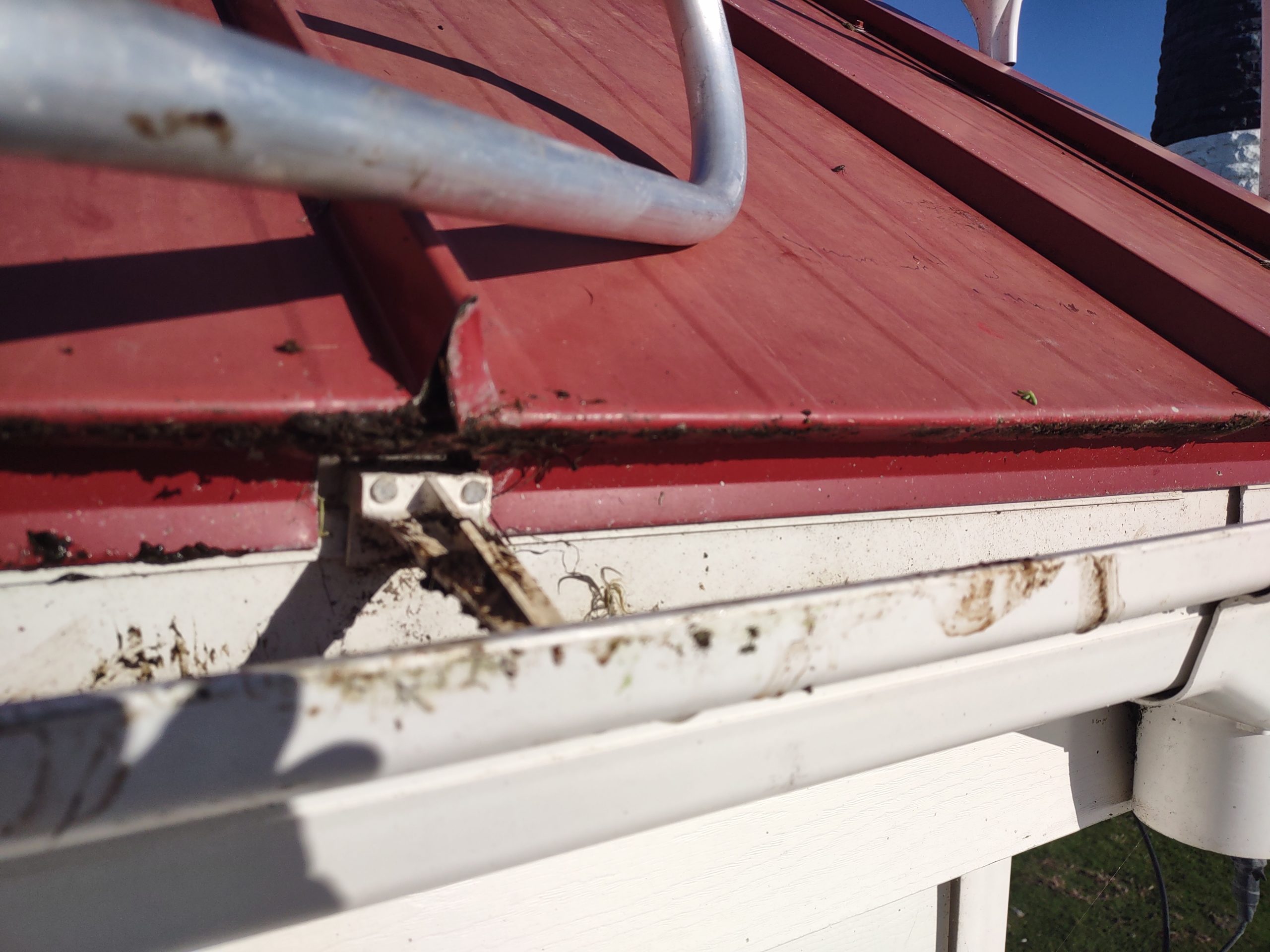
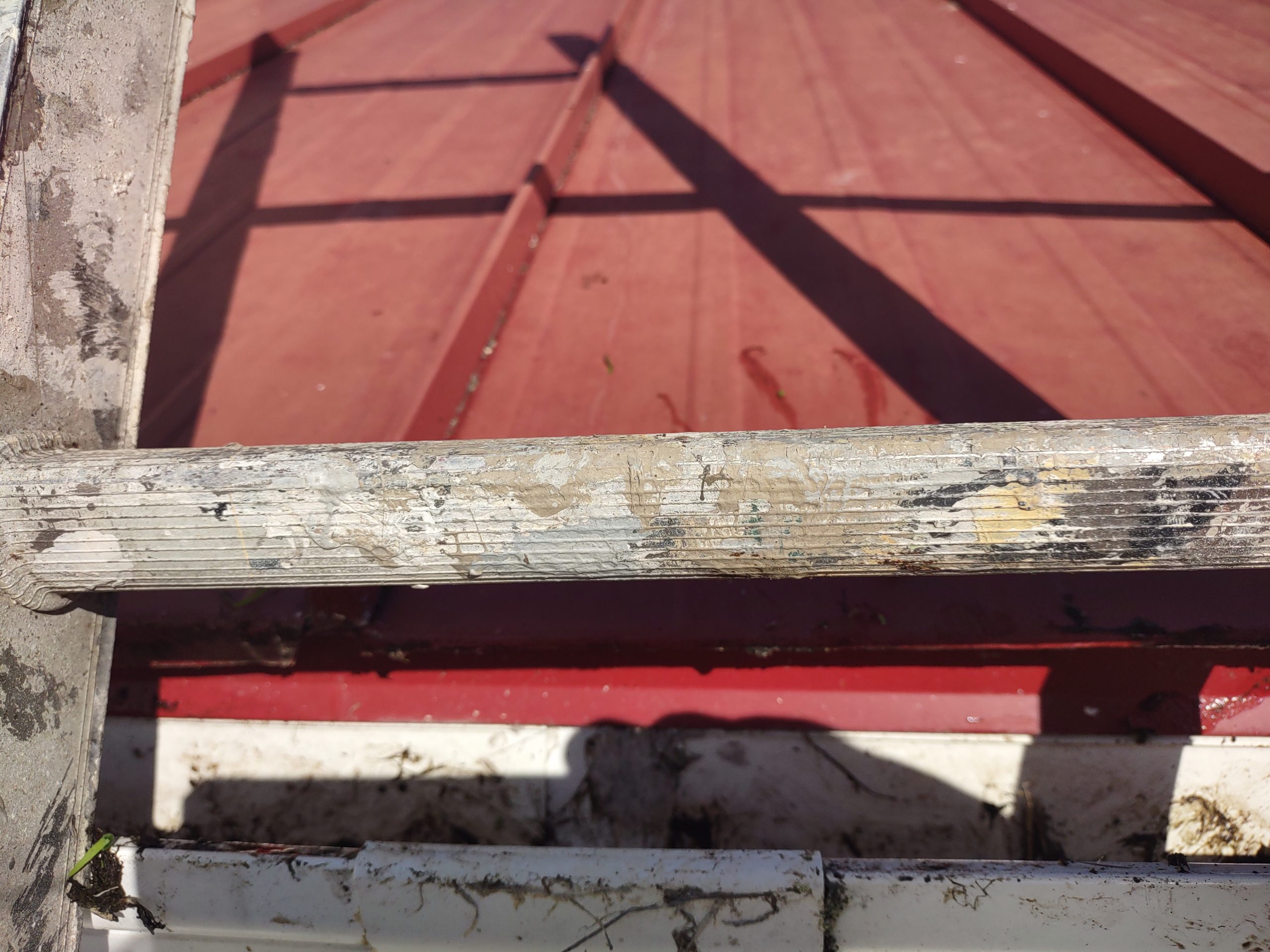
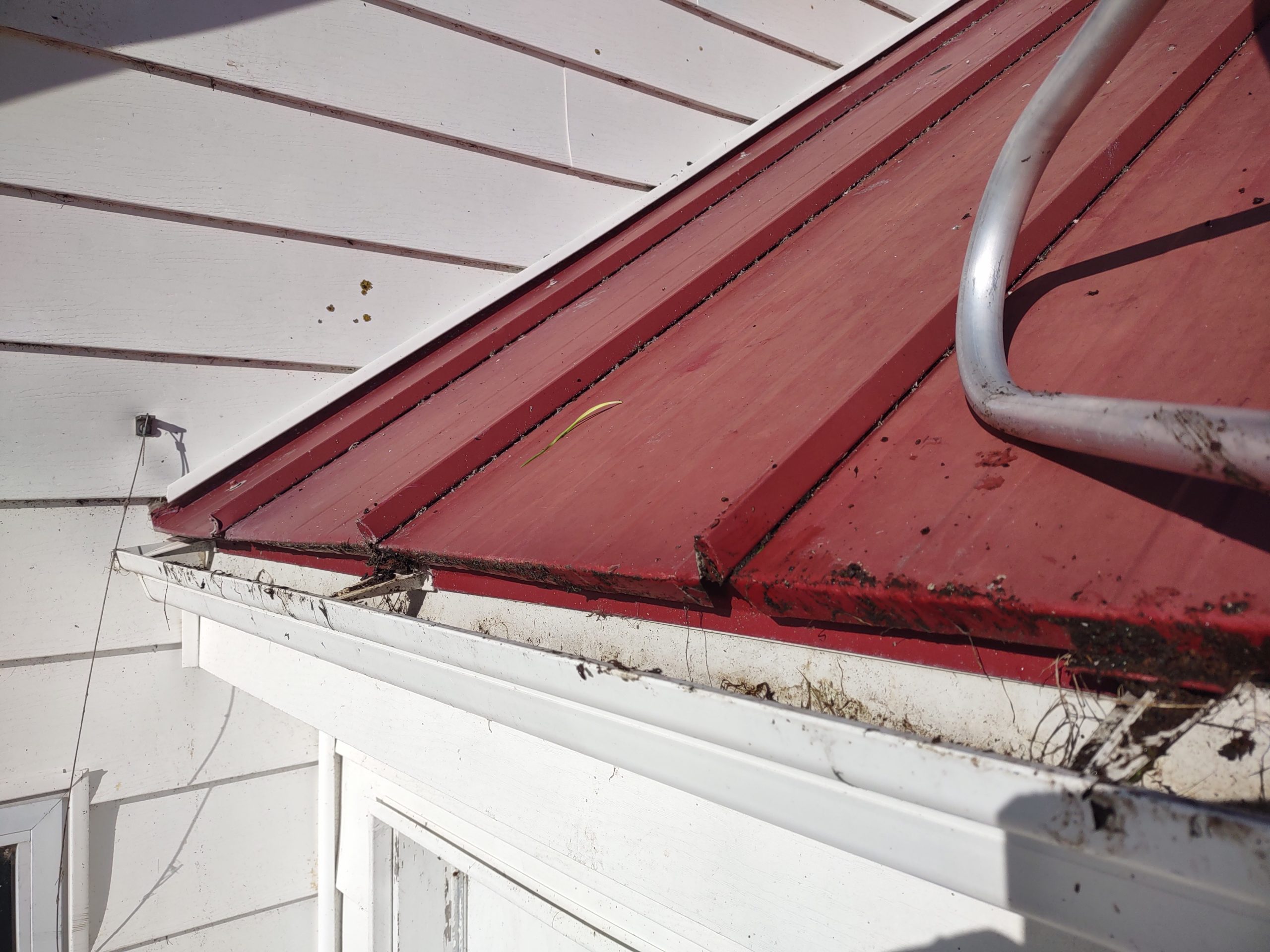
While I was there , Greg and Cedrick from Pearson College helped in cleaning gutters, definitely a two-man job for safety reasons, and hauling up some of the logs in the harbour by the slipway for cutting up for firewood. 

SOME WORK YET TO BE DONE: 

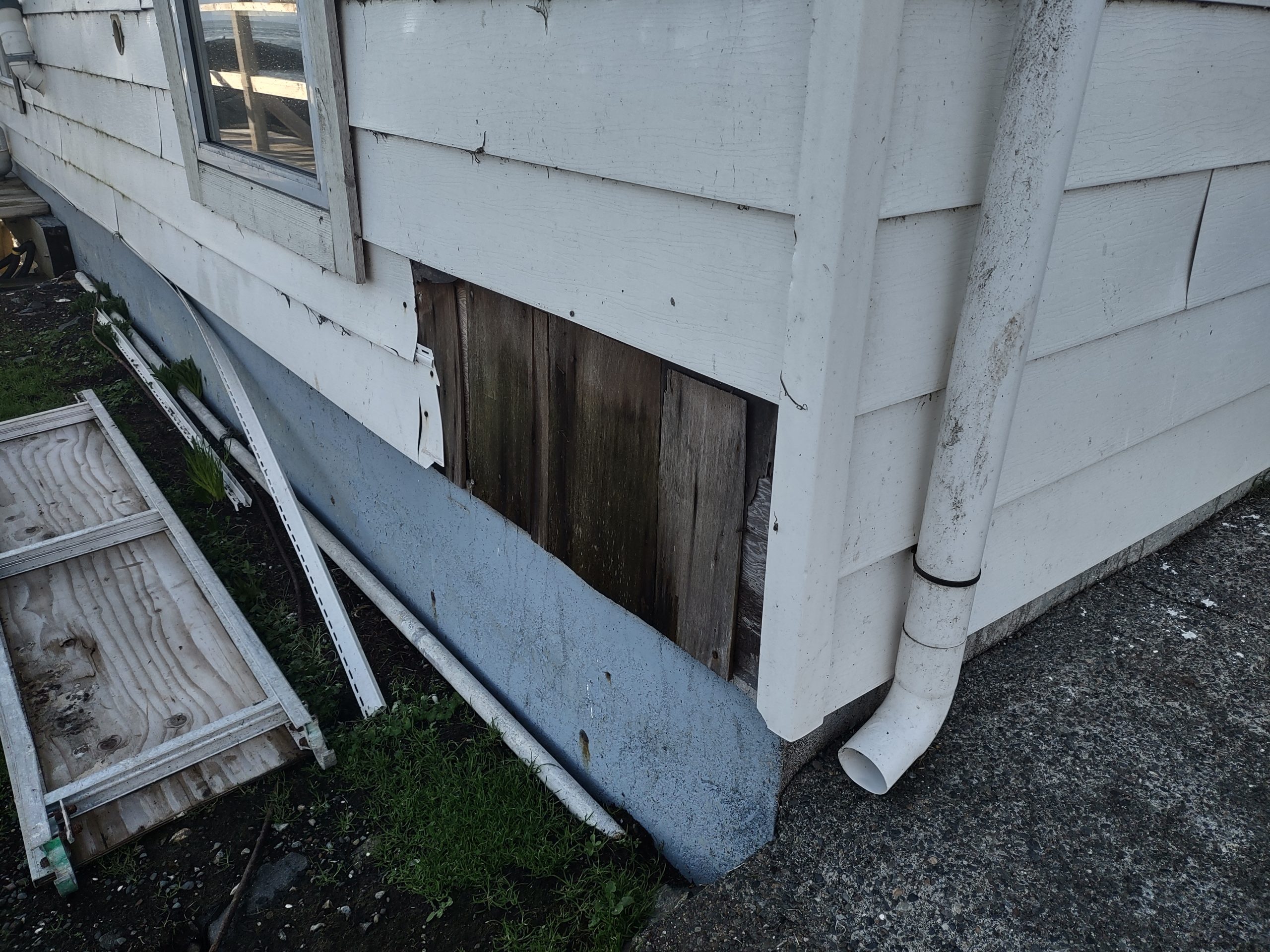
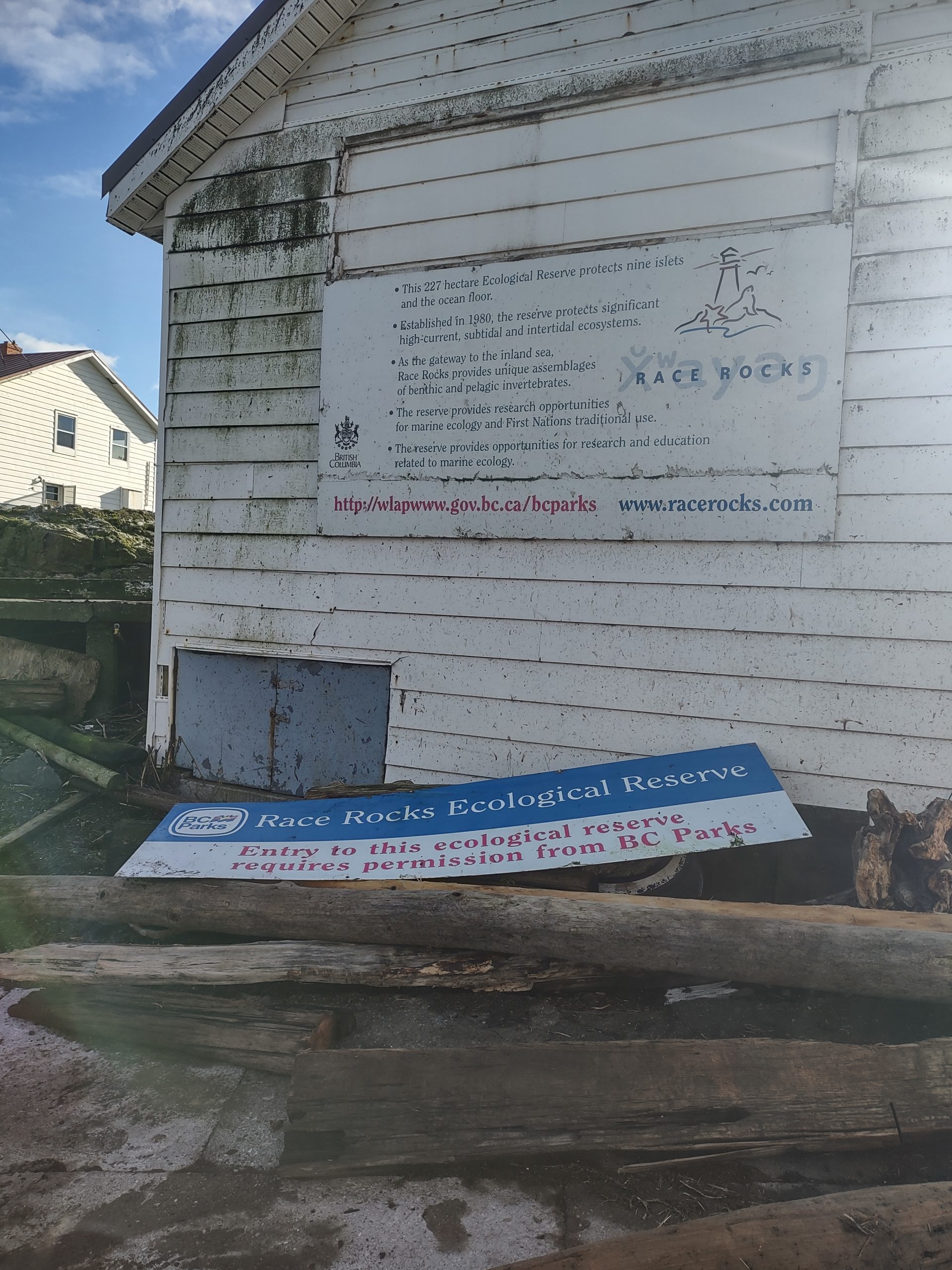
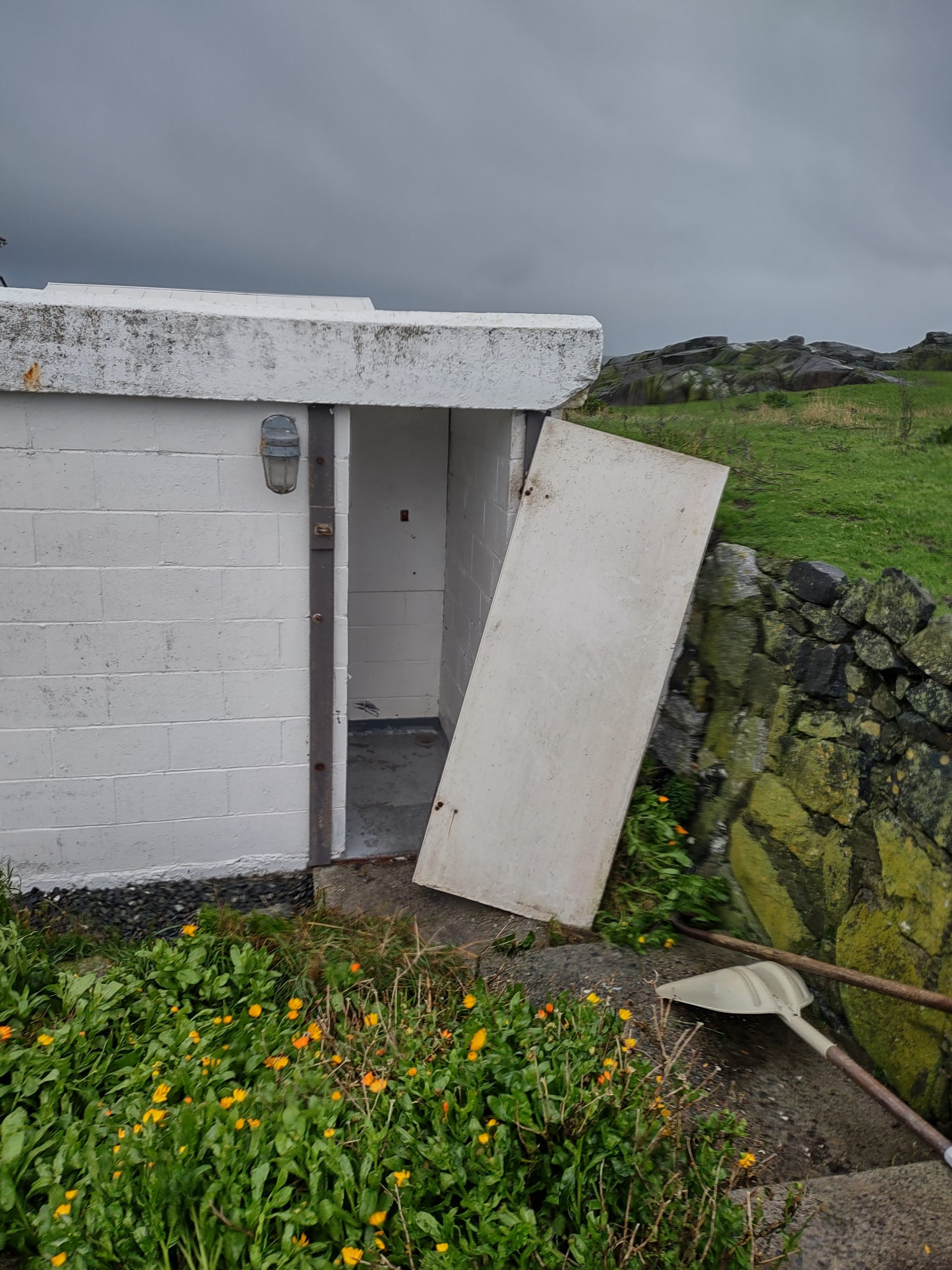
Managing a former light station and an Ecological Reserve can be a large job.  Pearson College does an admirable job in fundraising to keep the place going. It is after all the only Ecological Reserve in the province which has human dwellings and a full time Ecoguardian paid for by Pearson College. Since 1997 Pearson College has taken on the role of management of these facilities which require constant upkeep in a very demanding physical and biological environment. I will point out several items below that are needing attention. 


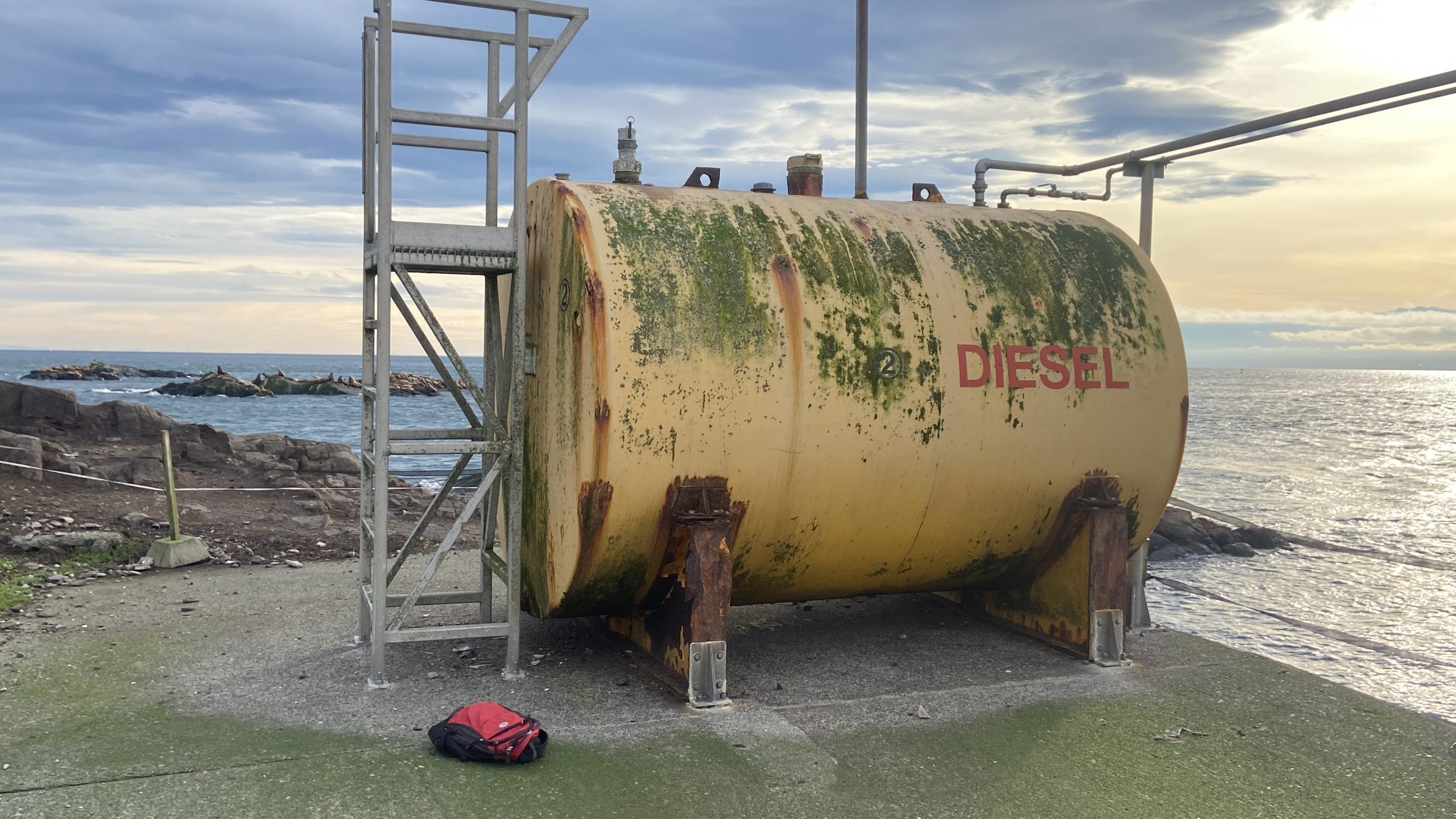
This is the last of the old storage tanks used by the coastguard. They await removal. It is just a matter of time until the salty environment encouraging the rust could cause further problems. 


Below are some suggestions I would like to make about things that are not urgent but to which attention may be paid in the future. 

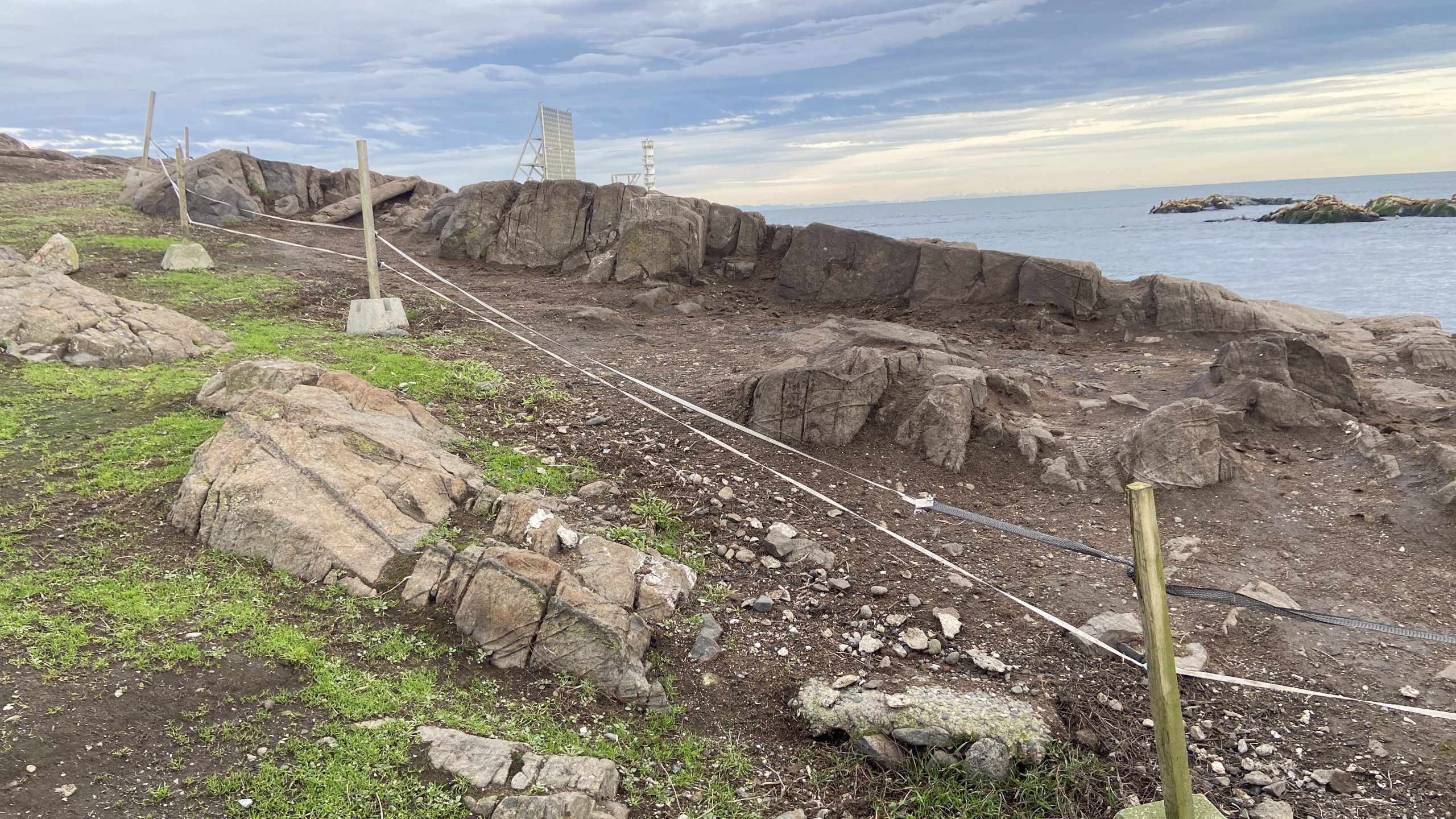
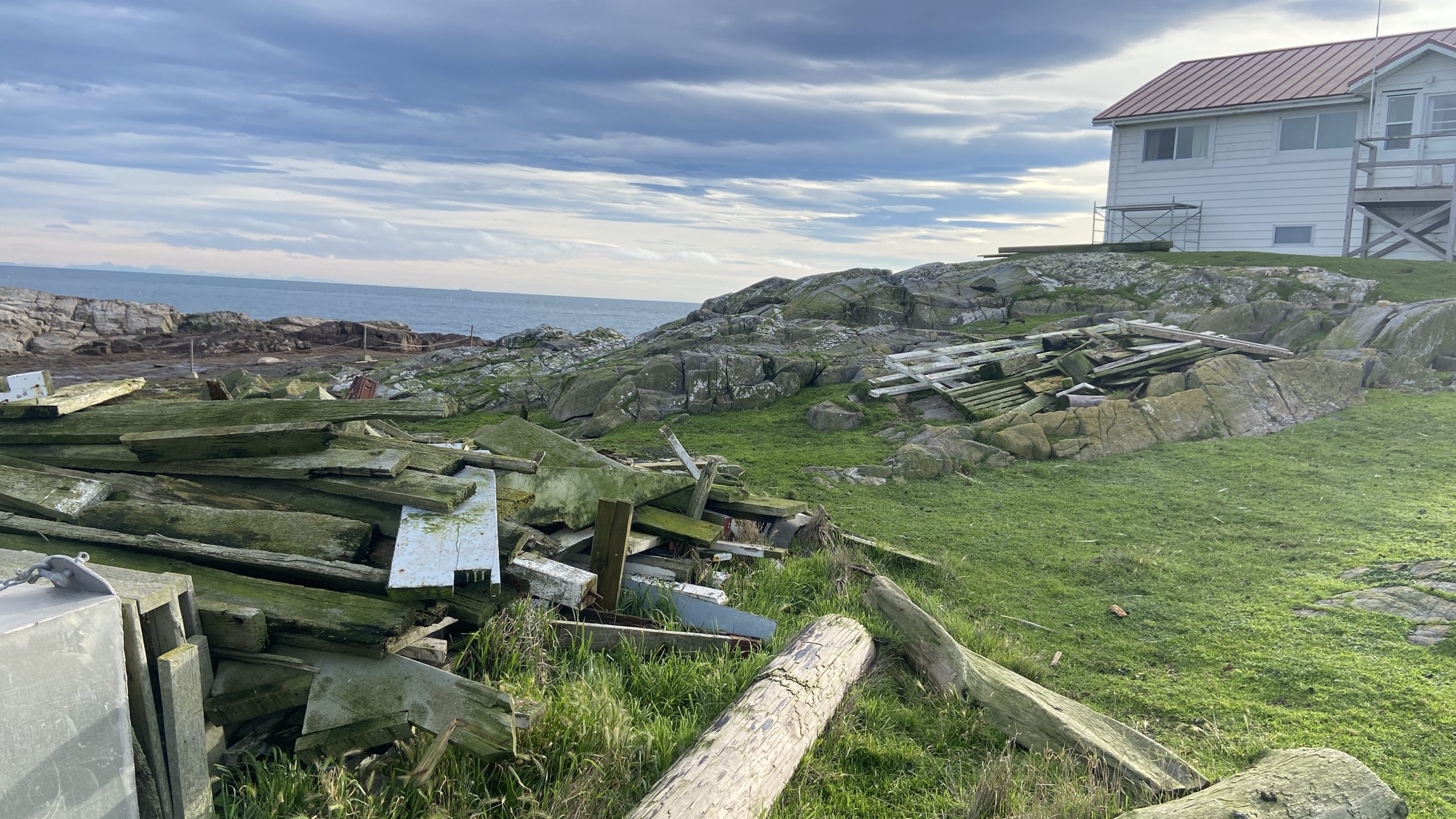
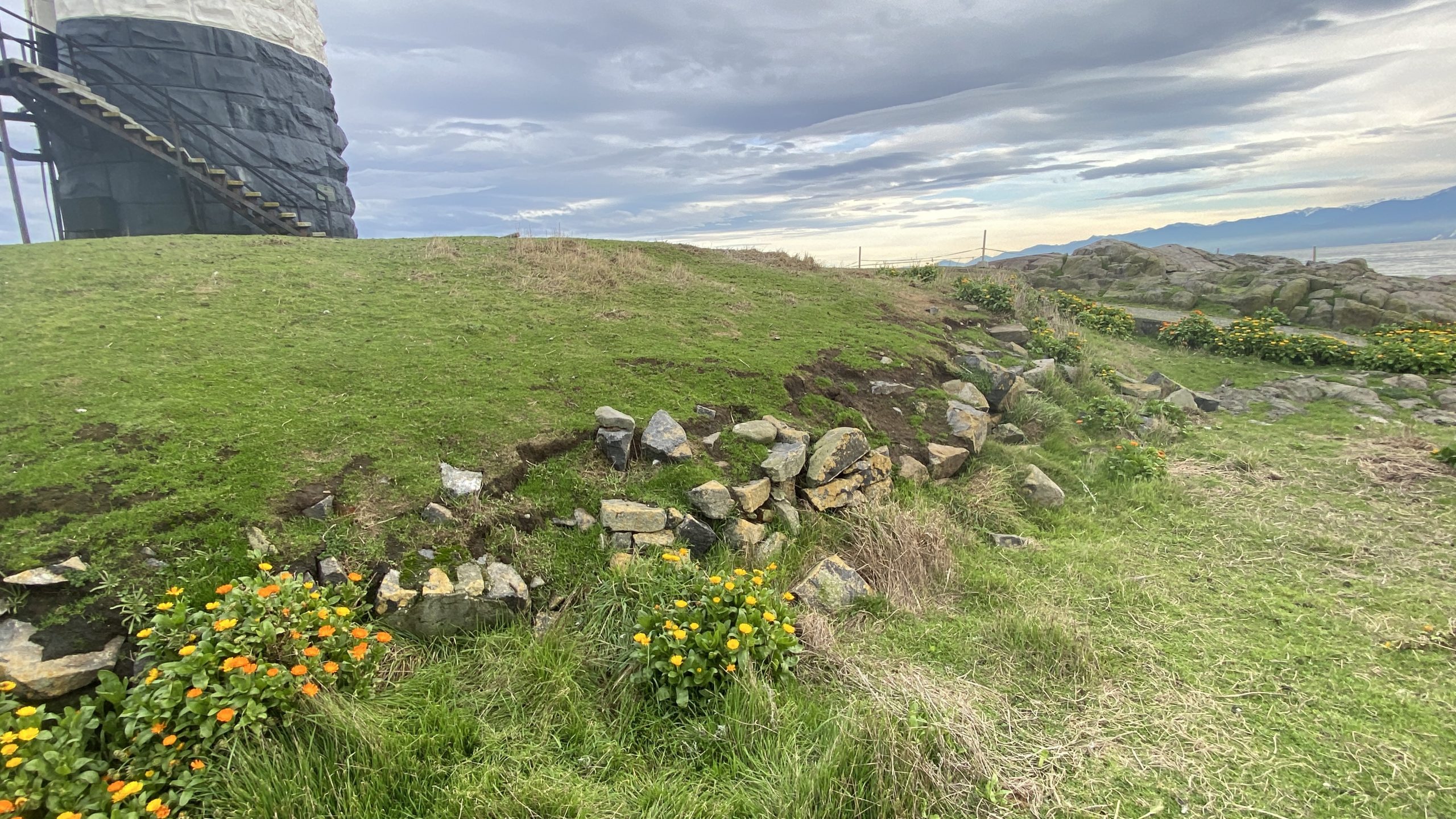
The rock wall which was eroded by the hurricane in 2006 Is still in a partly fallen state, contributing to bare soil and erosion.  It wouldn’t take much effort to repair this to improve the stability of the area. ( maybe a student project week item?)


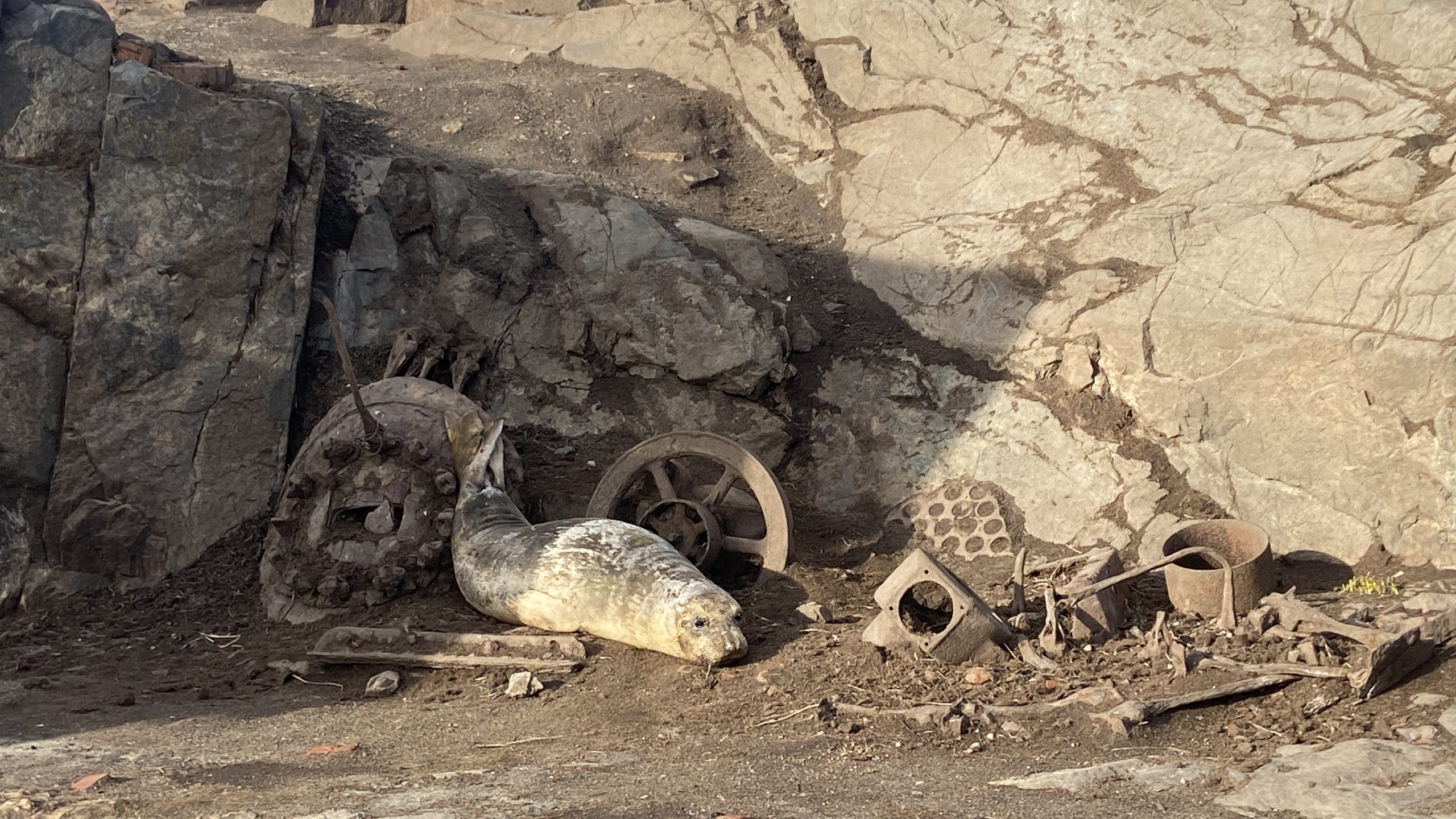
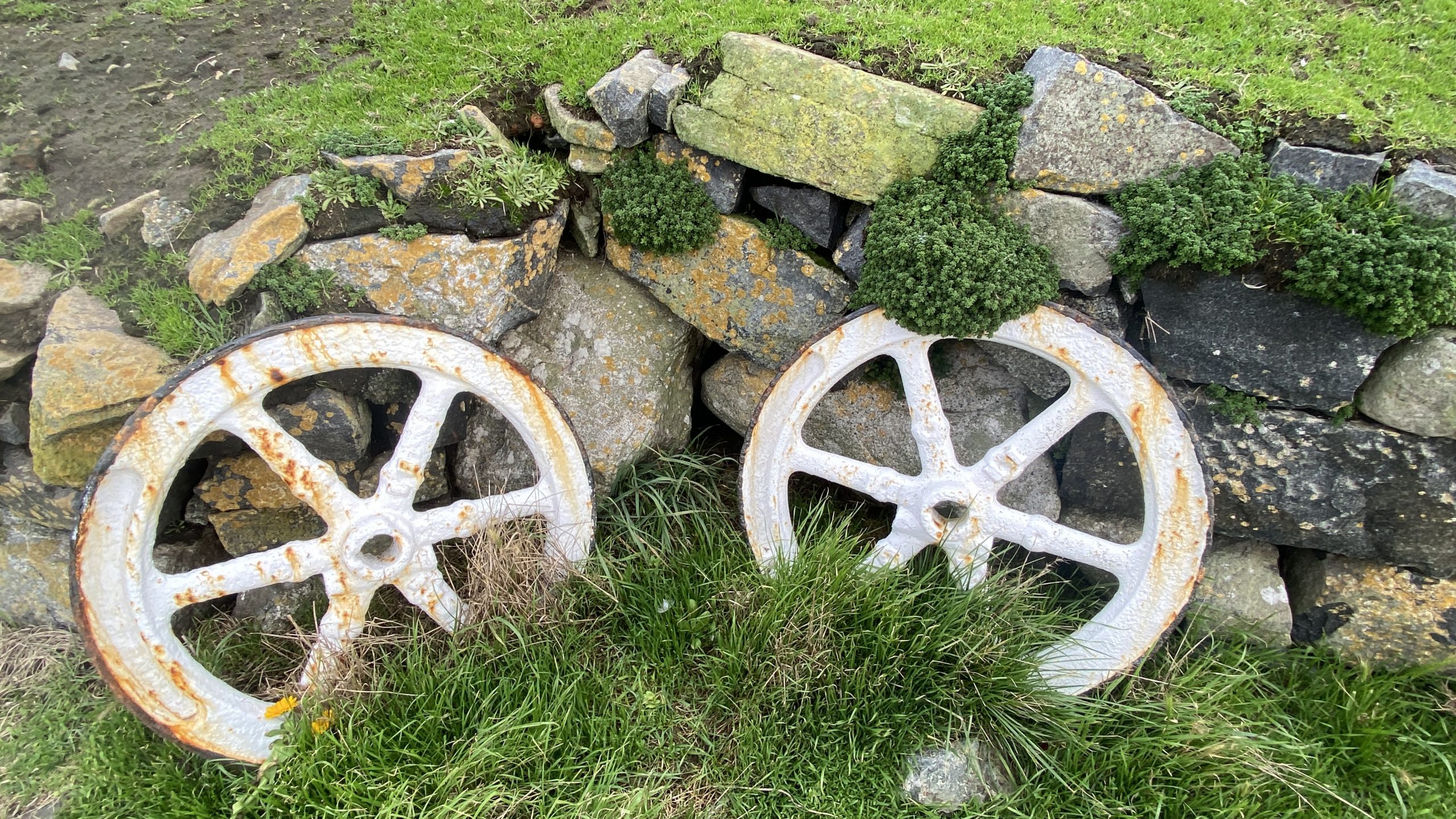
At one time the area under these artifacts was covered  with bricks from the original engine room. The bricks are still there but they are now overgrown with grass. Removal of the overburden would improve the appearance of the area. 


California Sealion


Winter Storms and High Tides

Ecological Notes:

  • 1 small  Elephant Seal out on Helicopter rock (reported to me by an ecotourism vessel)
  • 1 Female Elephant Seal (looked like it was in season to pup), only made it to the boat ramp. When the sea lions above her were startled and stampeded down, she was very vocal and left.
  • Up to 20 eagles here each morning, preying on gulls for the most part
  • Over 300 Steller Sea Lions here….. quite a few very small one, only found 2 actually nursing pups (last year was the first time I had ever personally seen pups nursing here, and have been observing from the water for 20 years)
  • Turnstones and other small birds nave returned now that the Barred Owl has left

Visitors:

  • contractors
  • Cedric brought a few faculty staff out for a quick visit

Facility Work:

  • Continued work by contractors in the main house, some window trim and painting
  • Started cleaning the gutters on the student house, a job that should only be done when there is someone here to hold the ladder!
  • More storm logs are now starting to come in, collecting them when able
  • Now able to start bucking up for firewood
  • Other note: exchanges the ocean temp/salinity device, and obtaining more reasonable numbers now

DND events:

  • Ongoing blasting ….. My opinion! … is the Steller sea lions are far more reactive to the blasts, and after heavy blasts, they seem to move to the southern rocks

Noted Vessel Traffic:

  • Ecotourism vessel, and an educational vessel
  • Some private vessels, no noted infractions or fishing

Weather Events:

    • A full mix of typical fall weather. more and more days of N and NE winds
    • 2 full on storms, accentuating the seasonal high tides


** All wildlife photos taken at the furthest distance possible, and may be cropped to improve detail! **


Weather – Current:

http://www.victoriaweather.ca/current.php?id=72


Weather – Past:

http://www.victoriaweather.ca/station.php?