Dramatic Weather

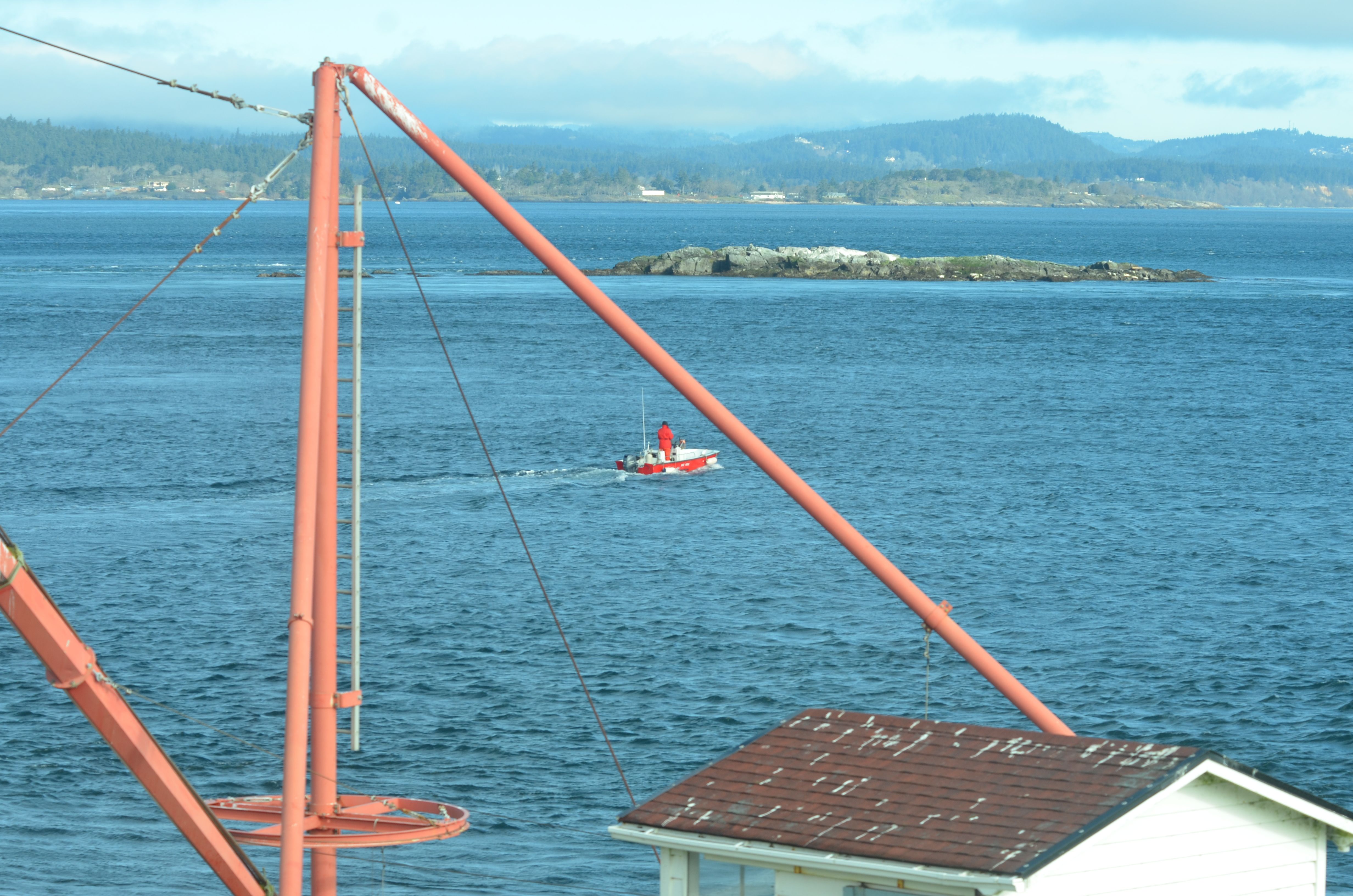
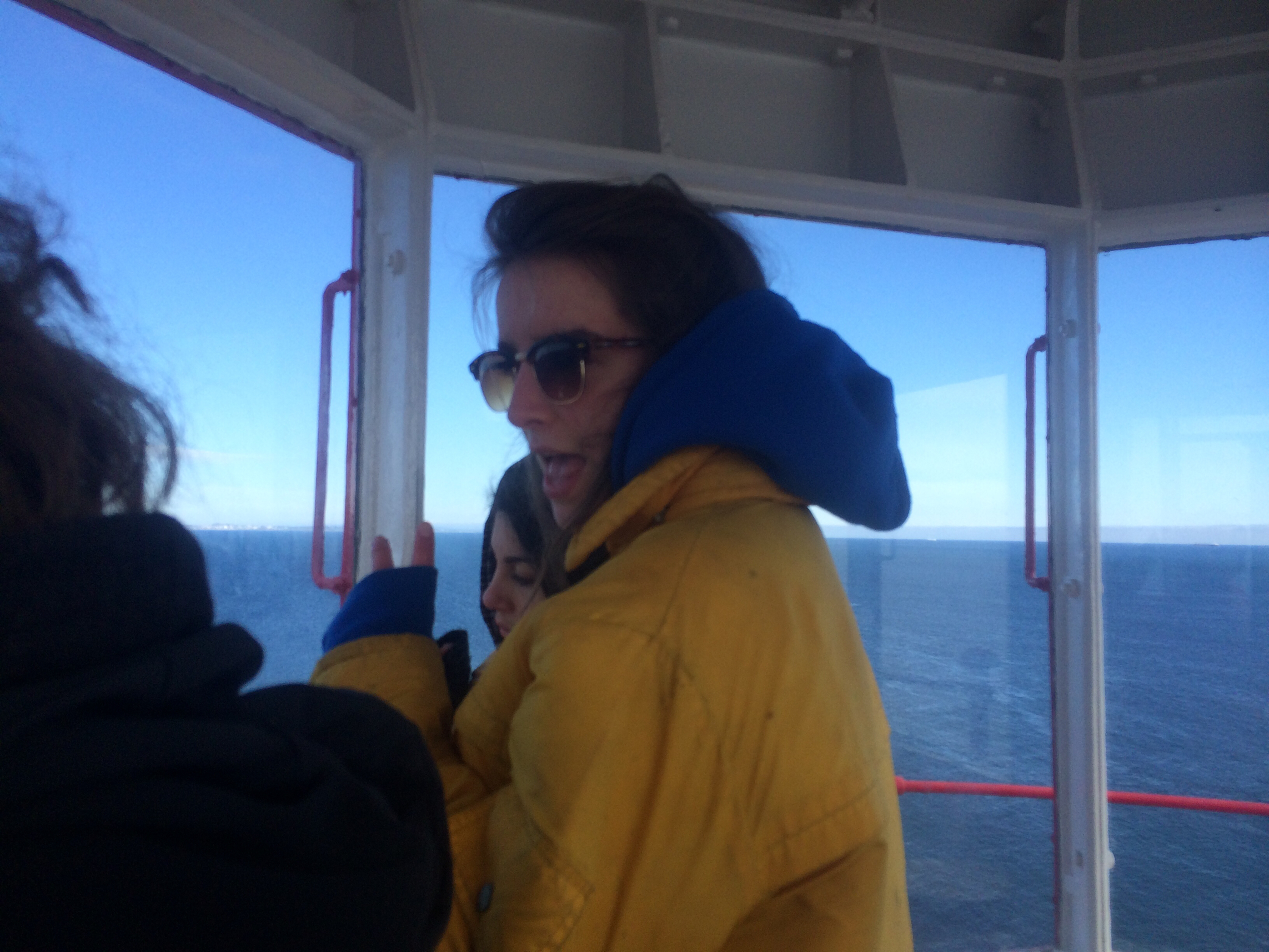
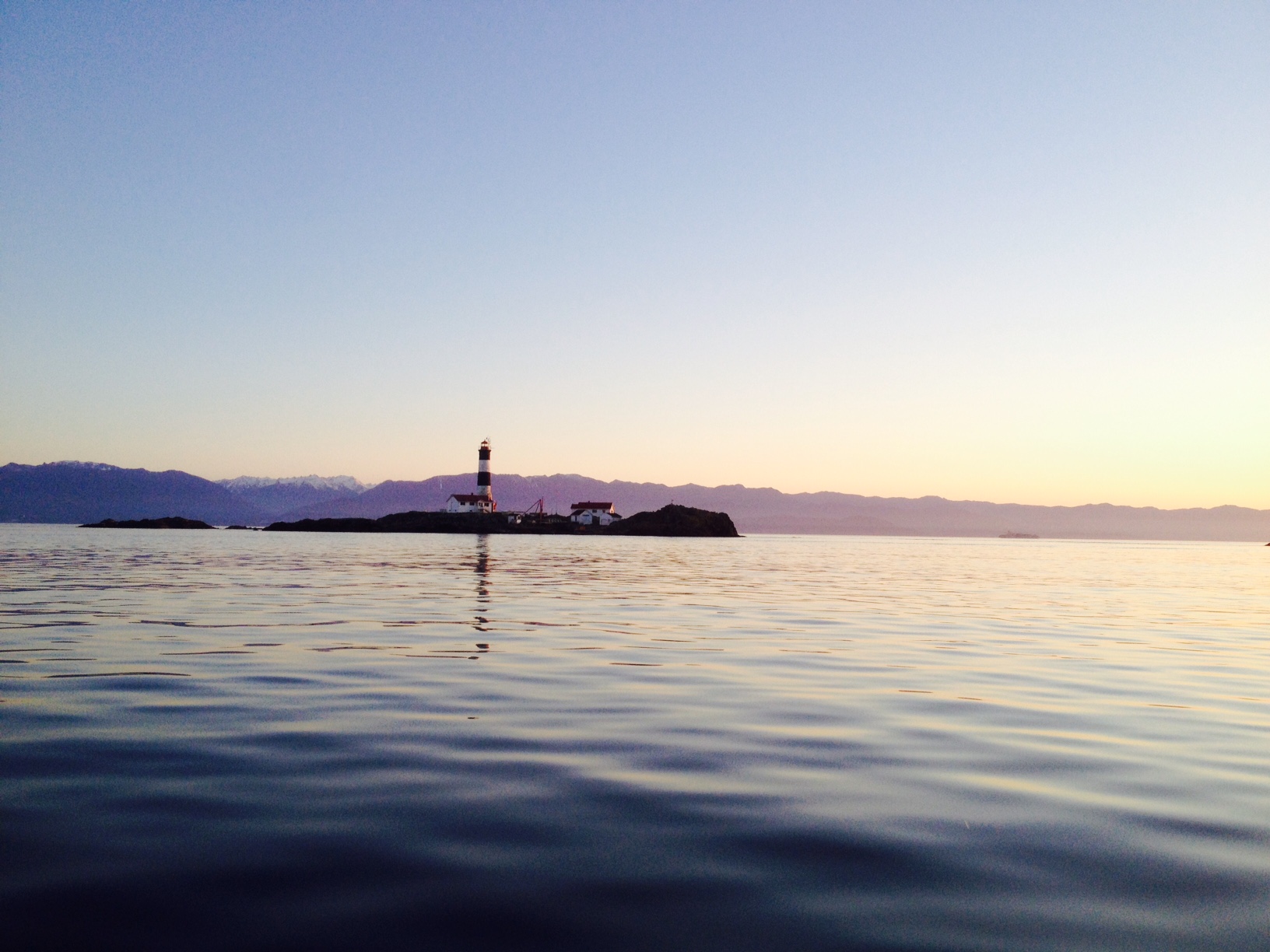
Strong west-southwest winds blew all day with a continuous cycle of showers and dramatic clouds scudding through. Wind velocities ranged from 10 to over 30 knots, up the tower. A low snowline could be seen in the Olympic Mountains from time to time and the air was chilly. The barometer has been climbing steadily since last night and the forecast is for more of the same with a risk of thunderstorms.

No tour boats or fishers were observed in the Ecological Reserve and Rockfish Conservation Area today.

A Sea Otter was spotted in the main channel in front of the eco-guardians’ house again today. As the tide turned, it swam over to Turbine Rock and on arrival was surrounded by six or seven small Harbour Seals. The adult seals remained uninterested, asleep on the rock. Through the spotting scope, it looked like interspecies play with lots of exaggerated diving and washing up onto the rock and back out. This is one of the first times I have looked at a sea otter for any length of time when it was not eating, grooming or sleeping.
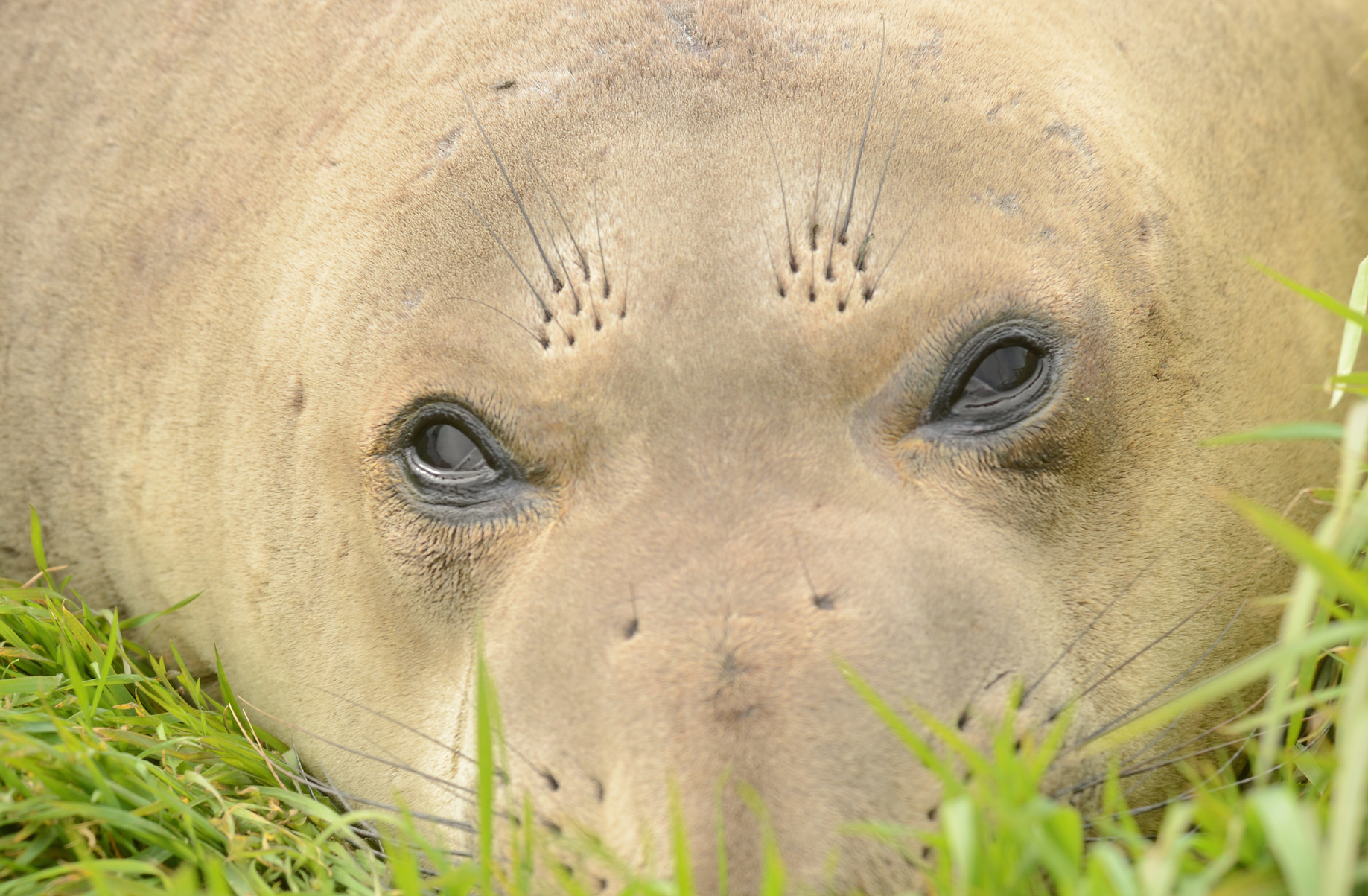
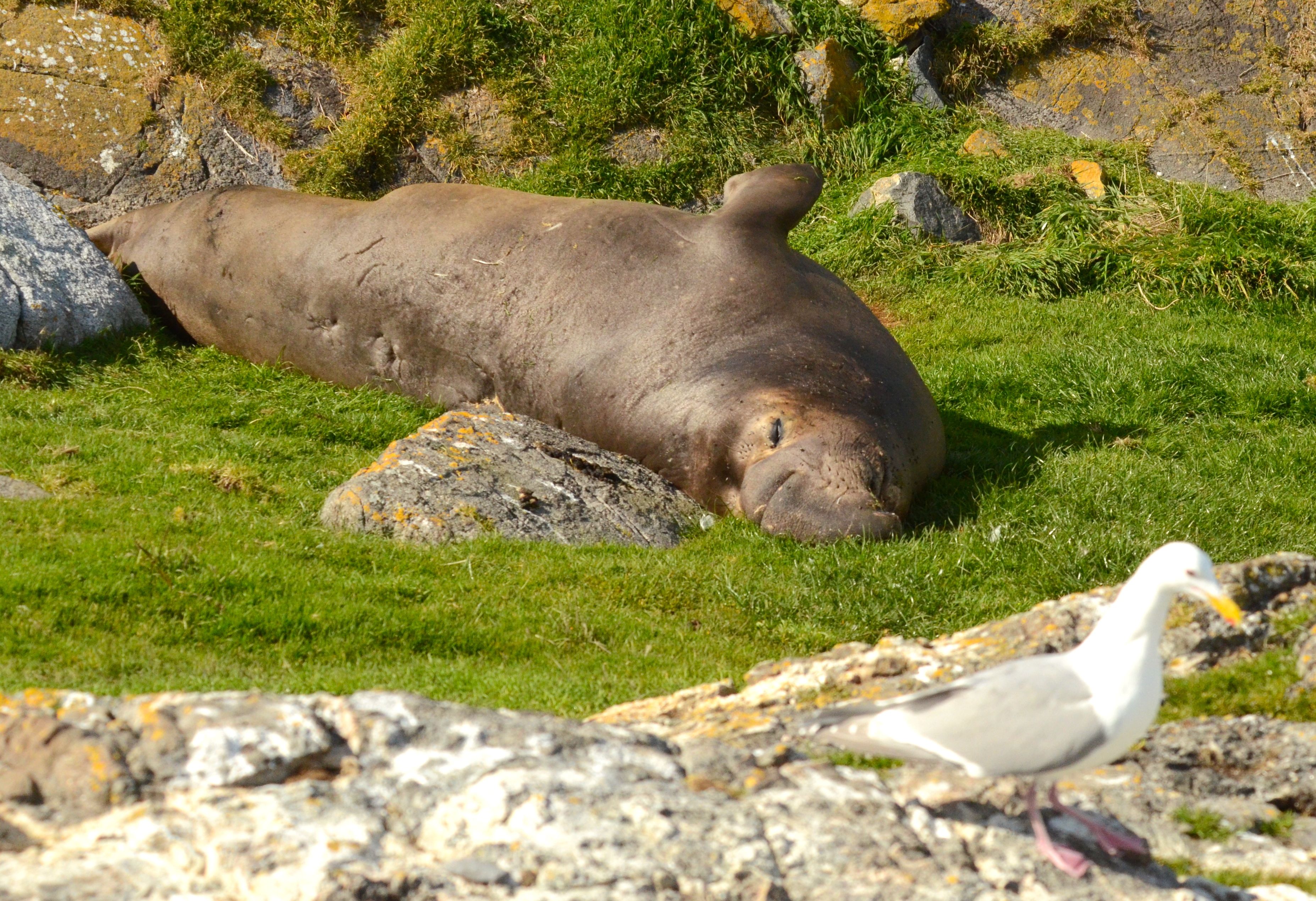
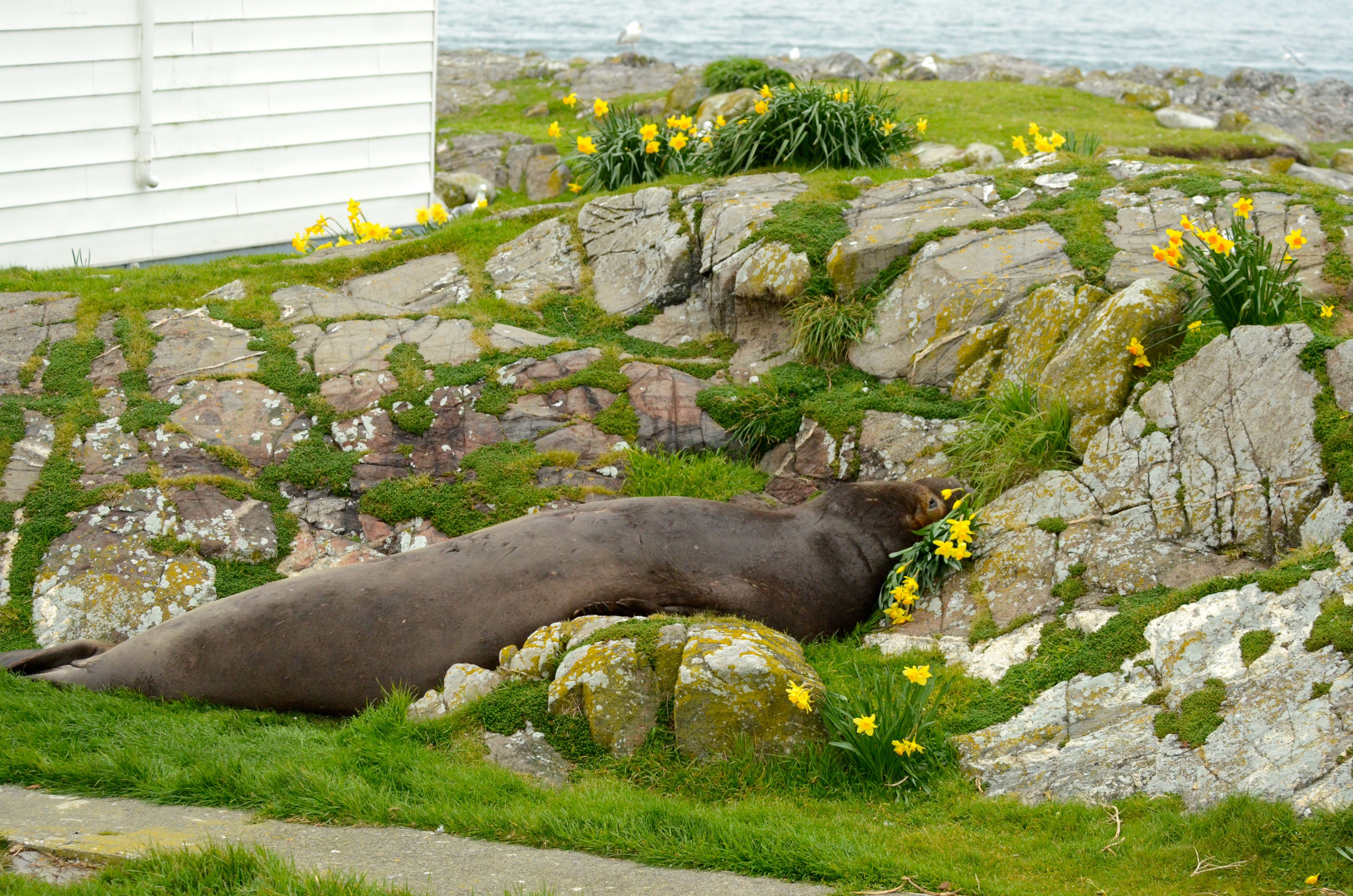
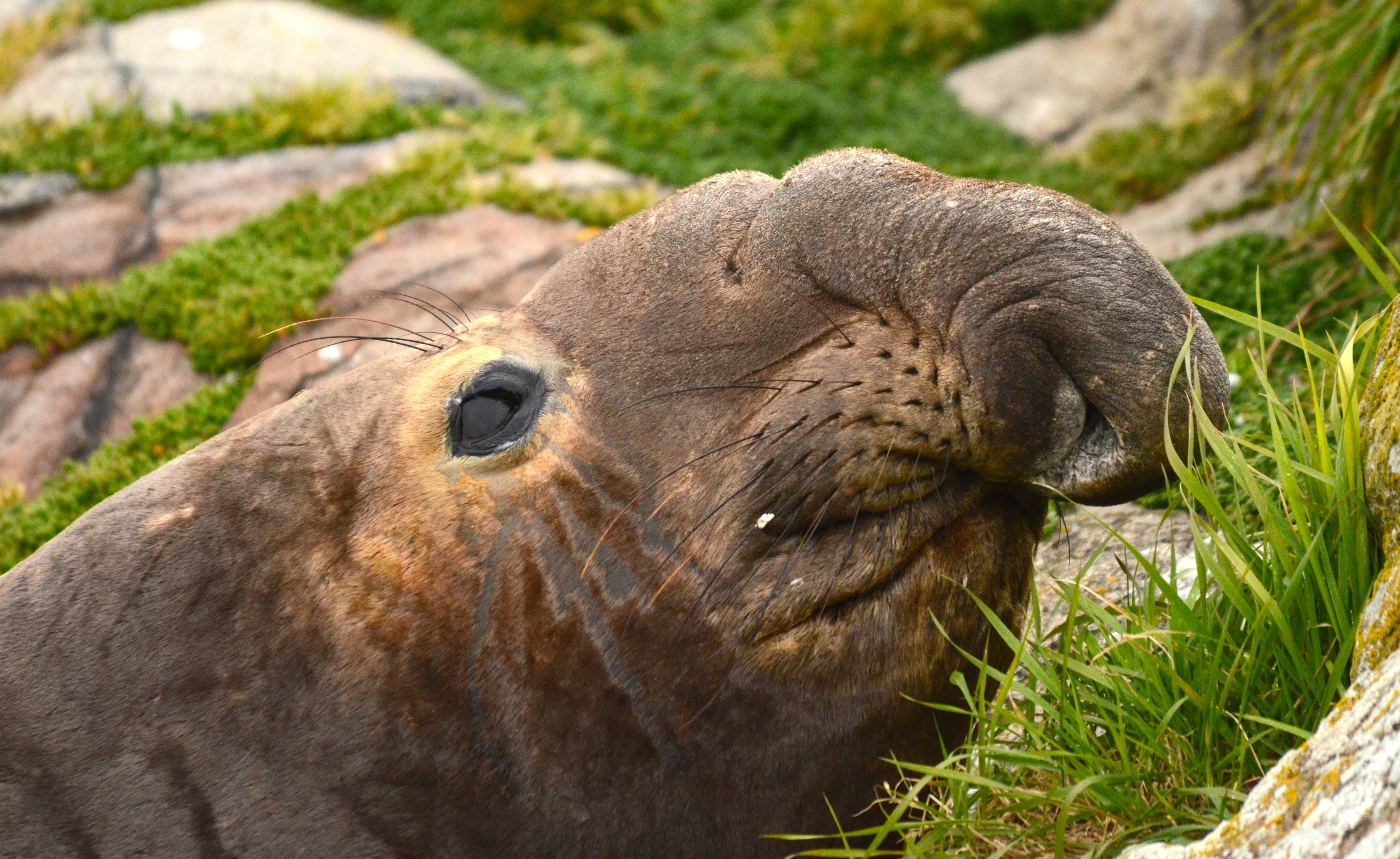
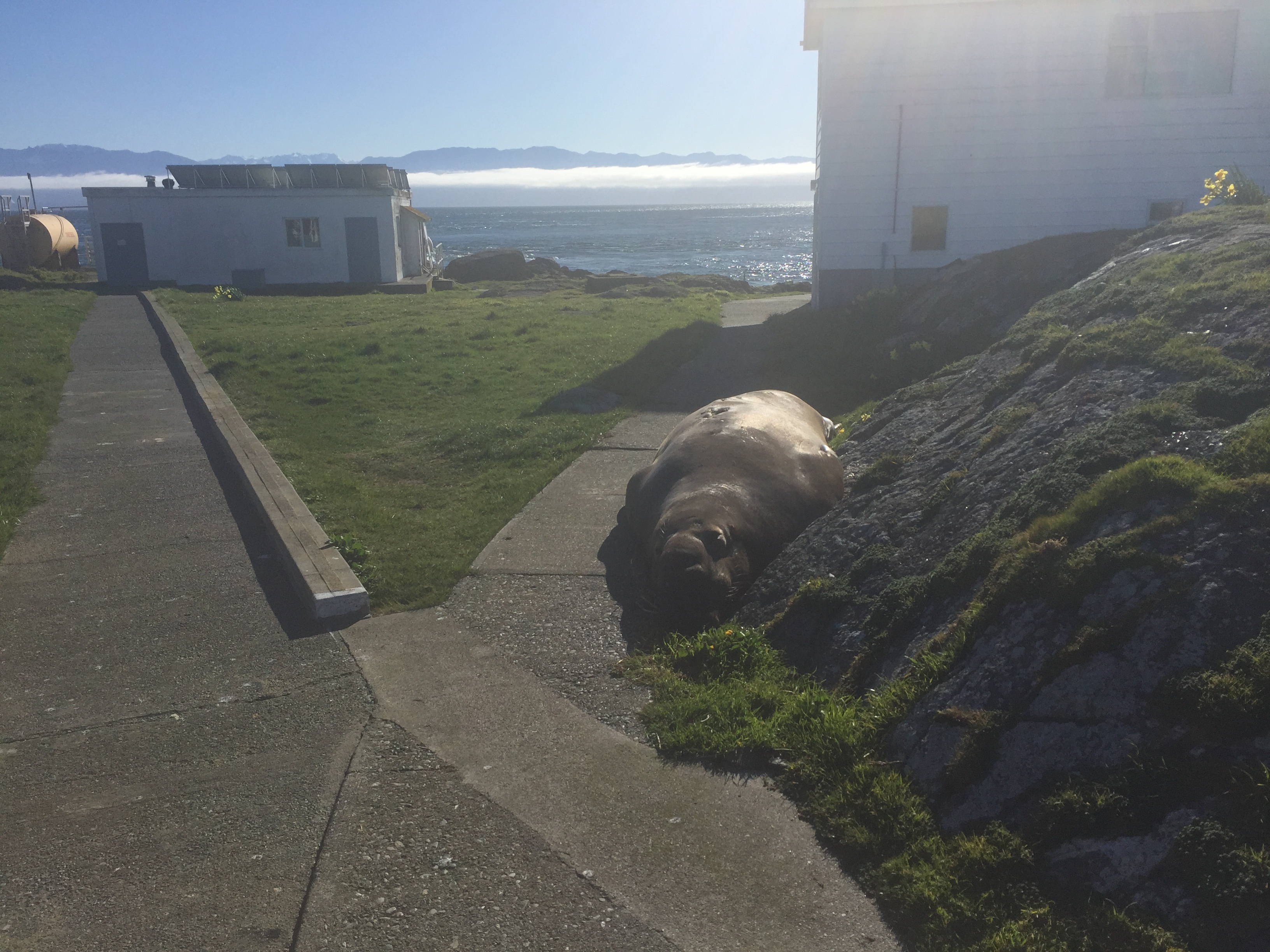
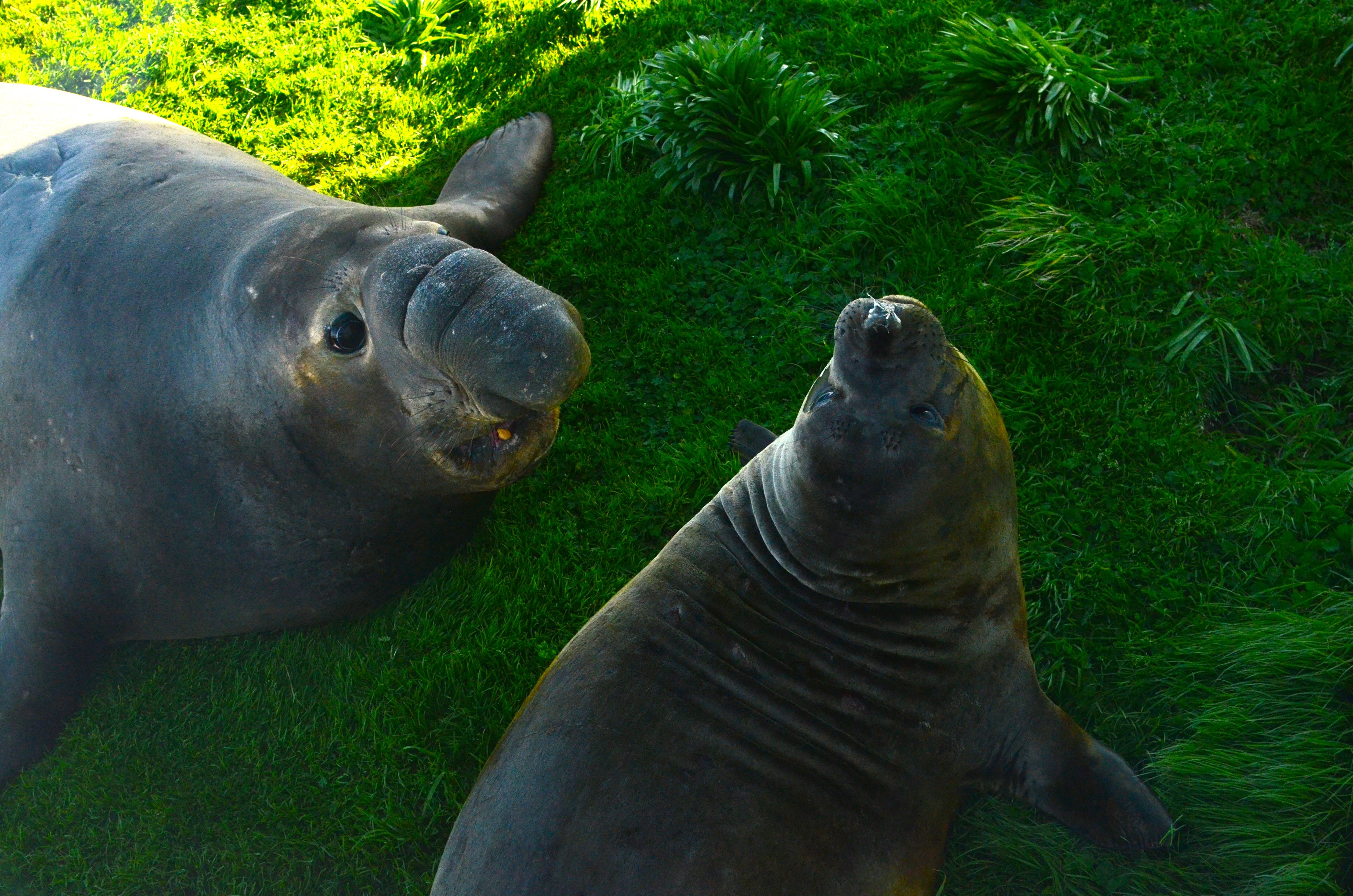
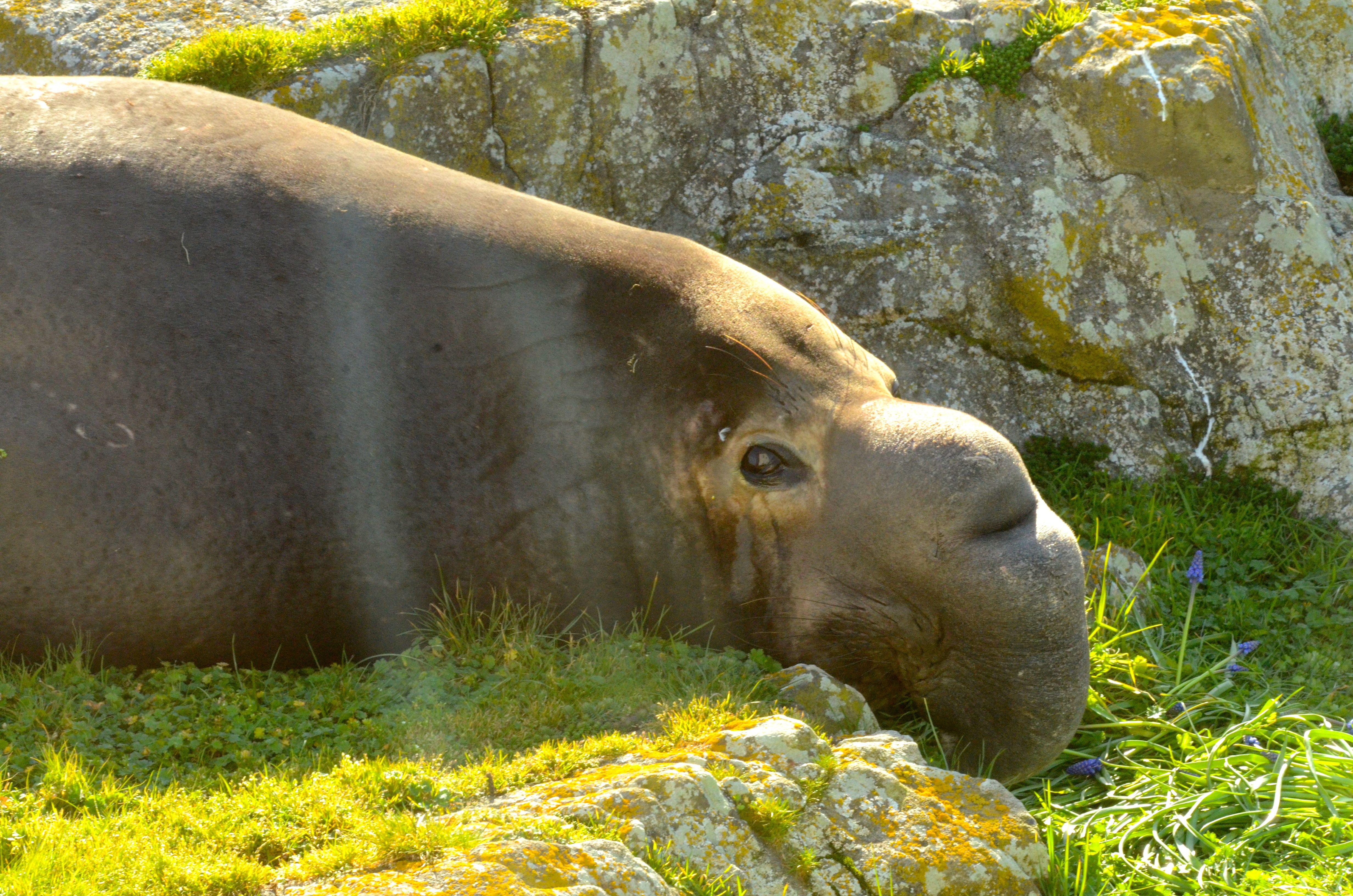
Sleepy head.

Sleepy head Mirounga angustirostrus.

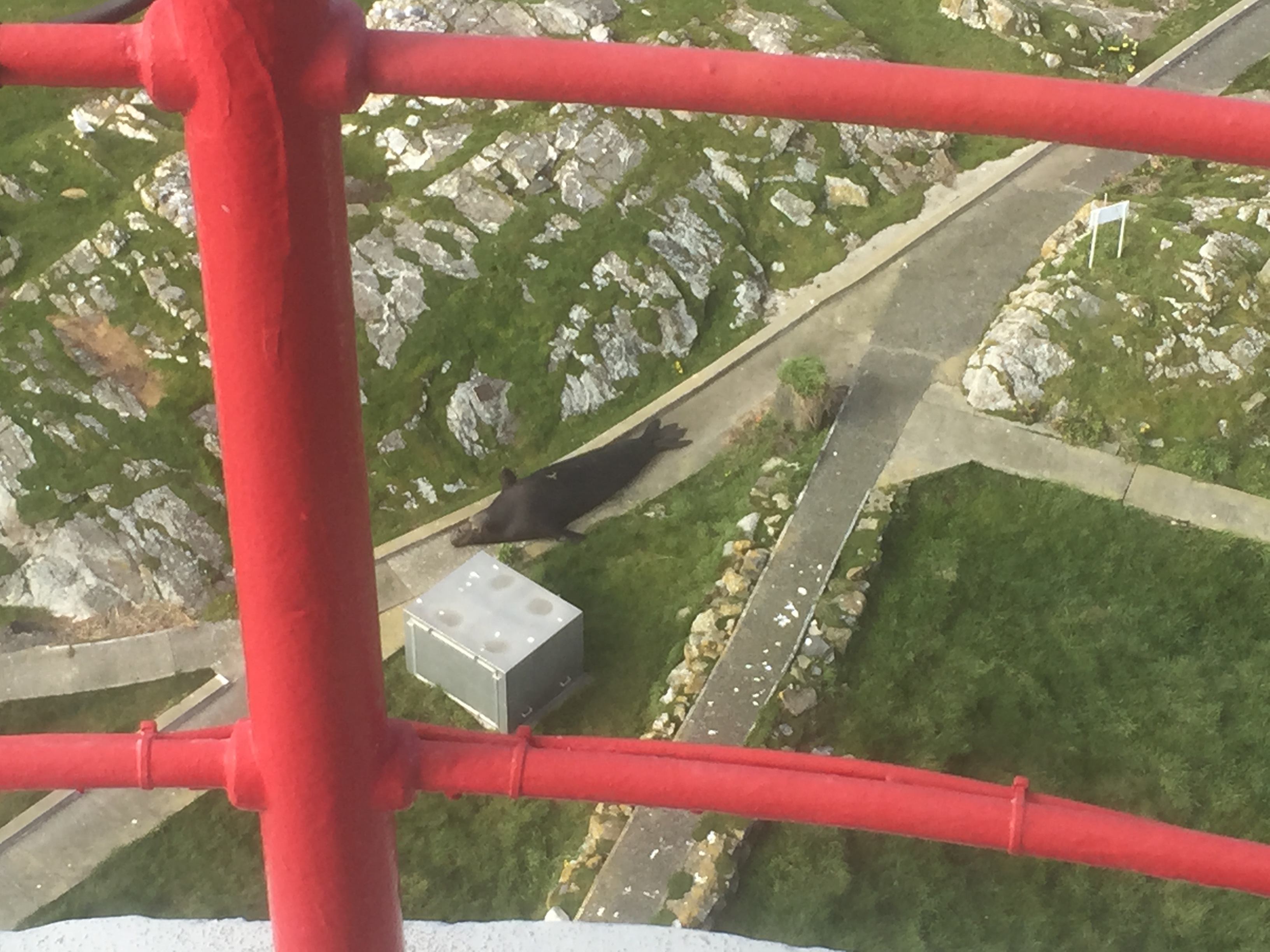
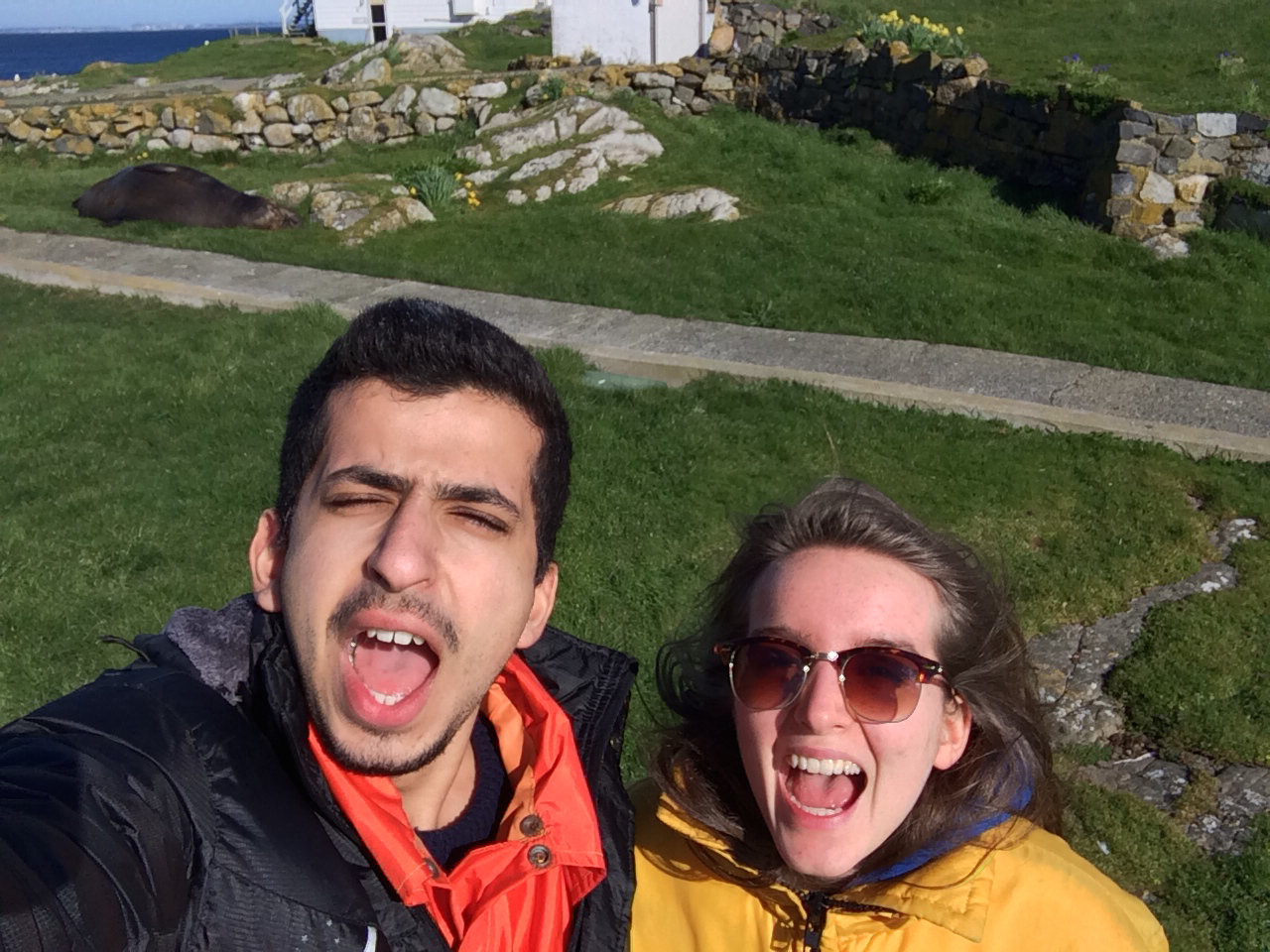
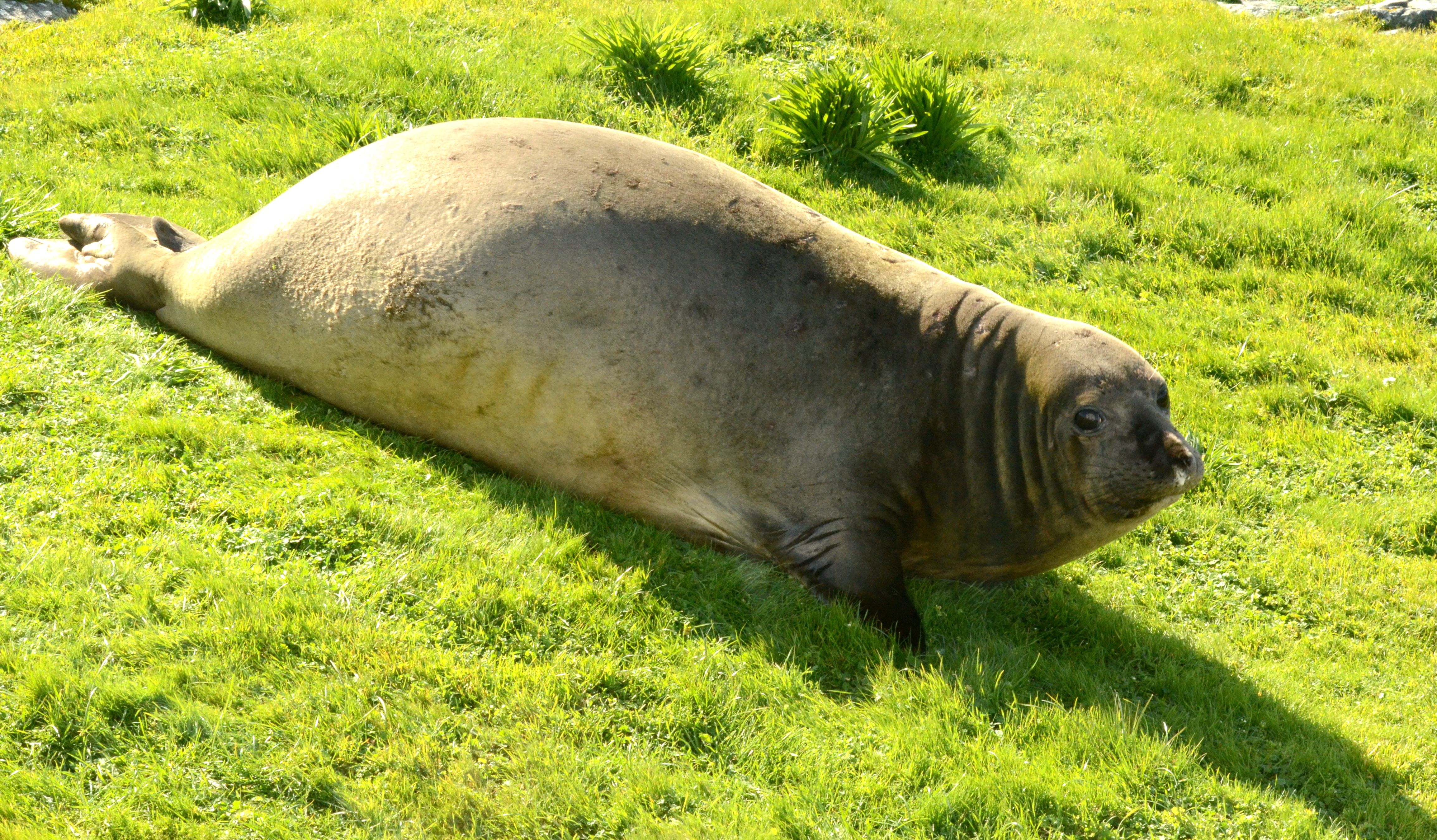
Three Northern Elephant Seals moved right up onto Great Race today. When I did the water sample at six there was one individual lolling around by the jetty. I looked up mid-morning and three of them were doing the wave along the walkway. One stopped at the intersection, one went back closer to the boat shed and the third went right around the science house onto the rocks on the west side.  None of these individuals were tagged. Once settled, they slept soundly for the rest of the day.
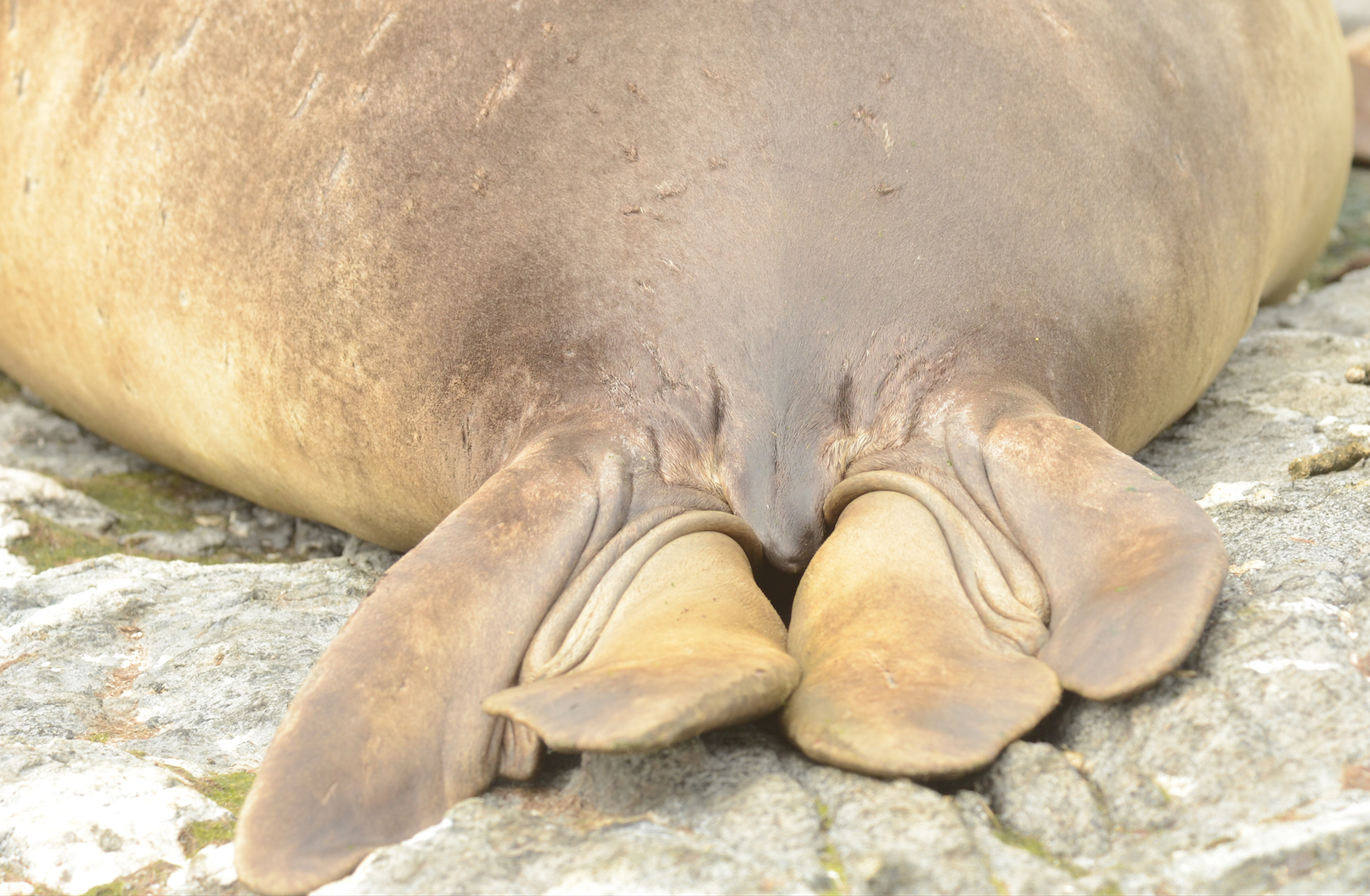
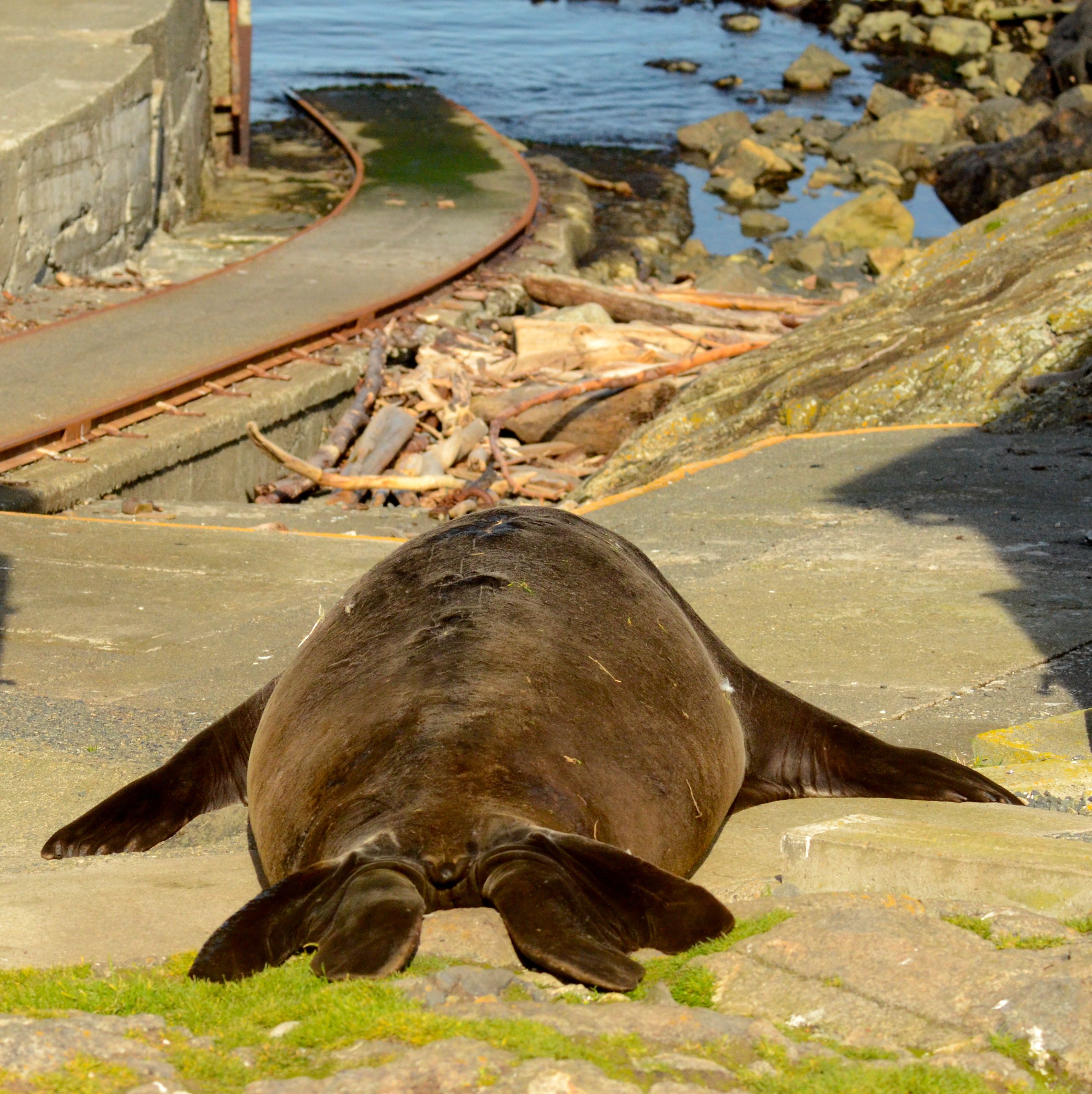
Rear view of Norther Elephant Seal. You can see why they are unable to rotate those flippers forward to support their weight.

Rear view of Norther Elephant Seal. You can see why they are unable to rotate those flippers forward to support their weight.

Most of the Canada Geese are sitting on eggs already and the ganders are fearless defenders. I am trying to discourage one insistent pair of geese that haven’t laid yet (I think) from nesting right beside the path to the Energy Building but it seems to be a losing battle.  The area near the stone burial cairns has been seriously overgrazed by the geese and the earth around the biggest one is eroding around the edges. In that area the goose exclusion cages show up a large difference between grazed and un-grazed (caged). In other areas where crab-grass dominates there is little difference inside and out of the cages.

There were no visitors today.
March 12 – Sunny Census Thursday

Sunny
Wind: 0-13 knots SW in the morning, NE from mid morning to afternoon and SW in the evening
Air Temperature: Low 9.9°C, High 13.2°C
Ocean Temperature: 9.0°C

Three Pearson students came to Race Rocks this morning. Karen, Sunny and Hanne joined Martin, who has been here since Monday.

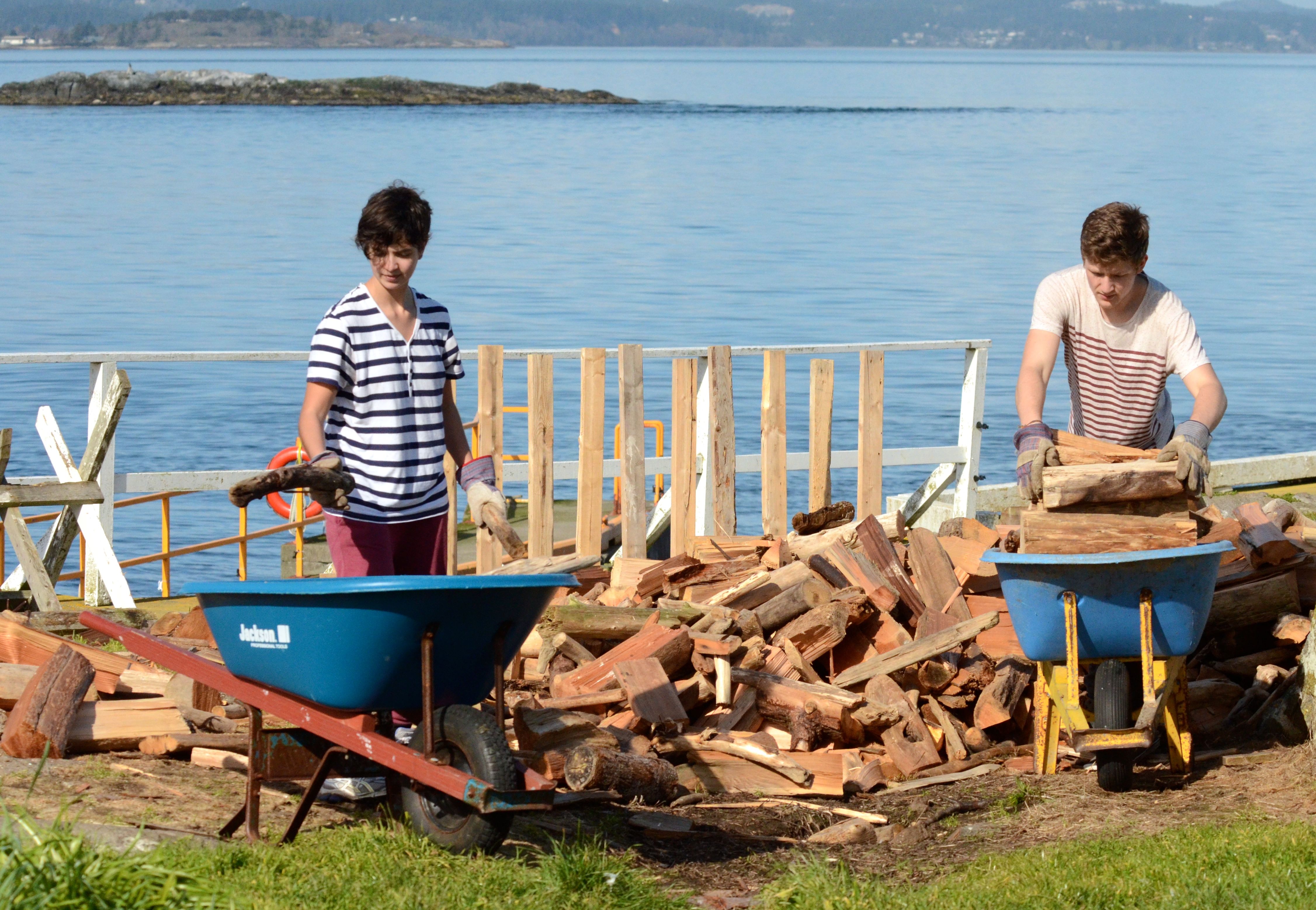
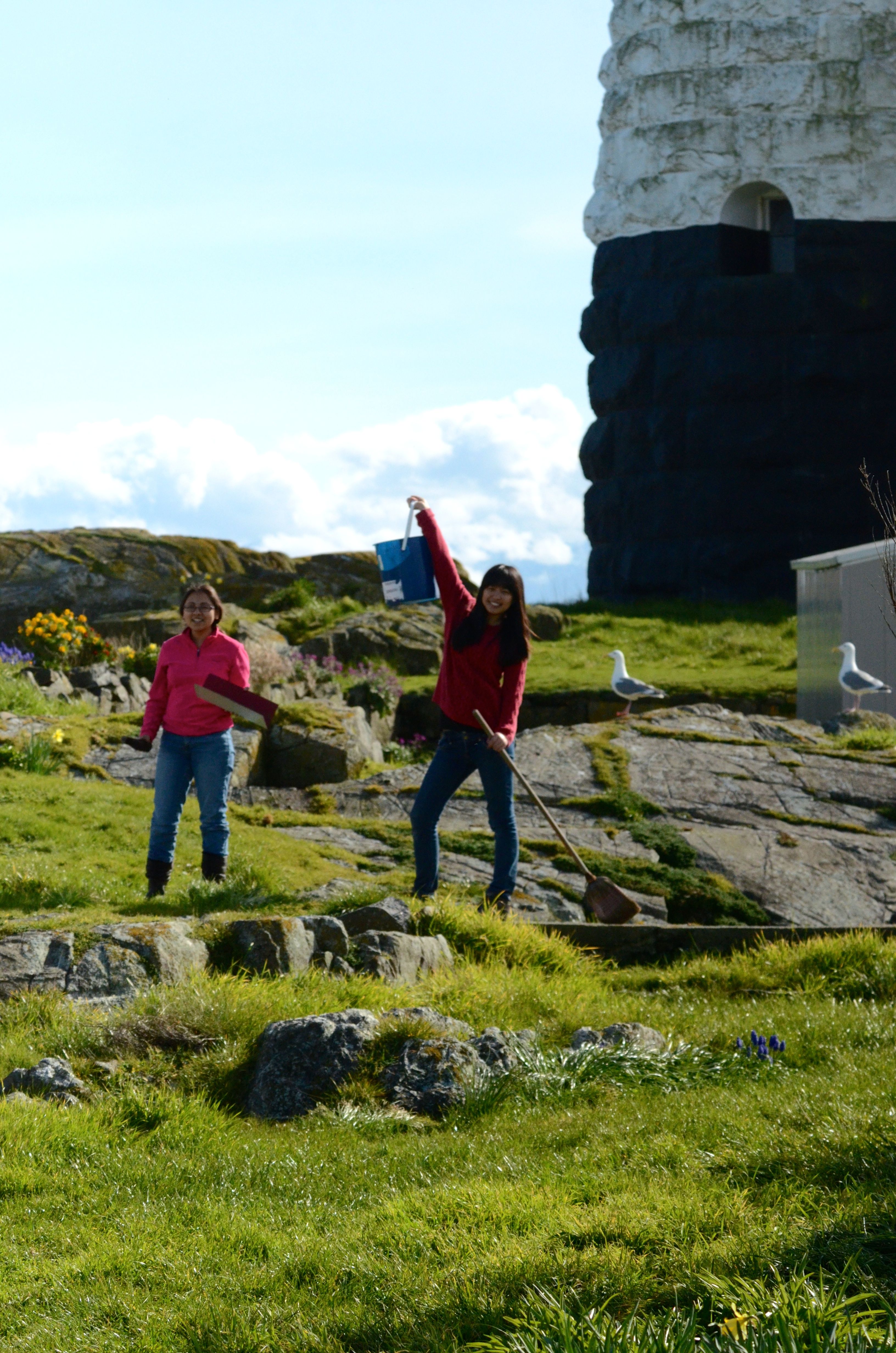
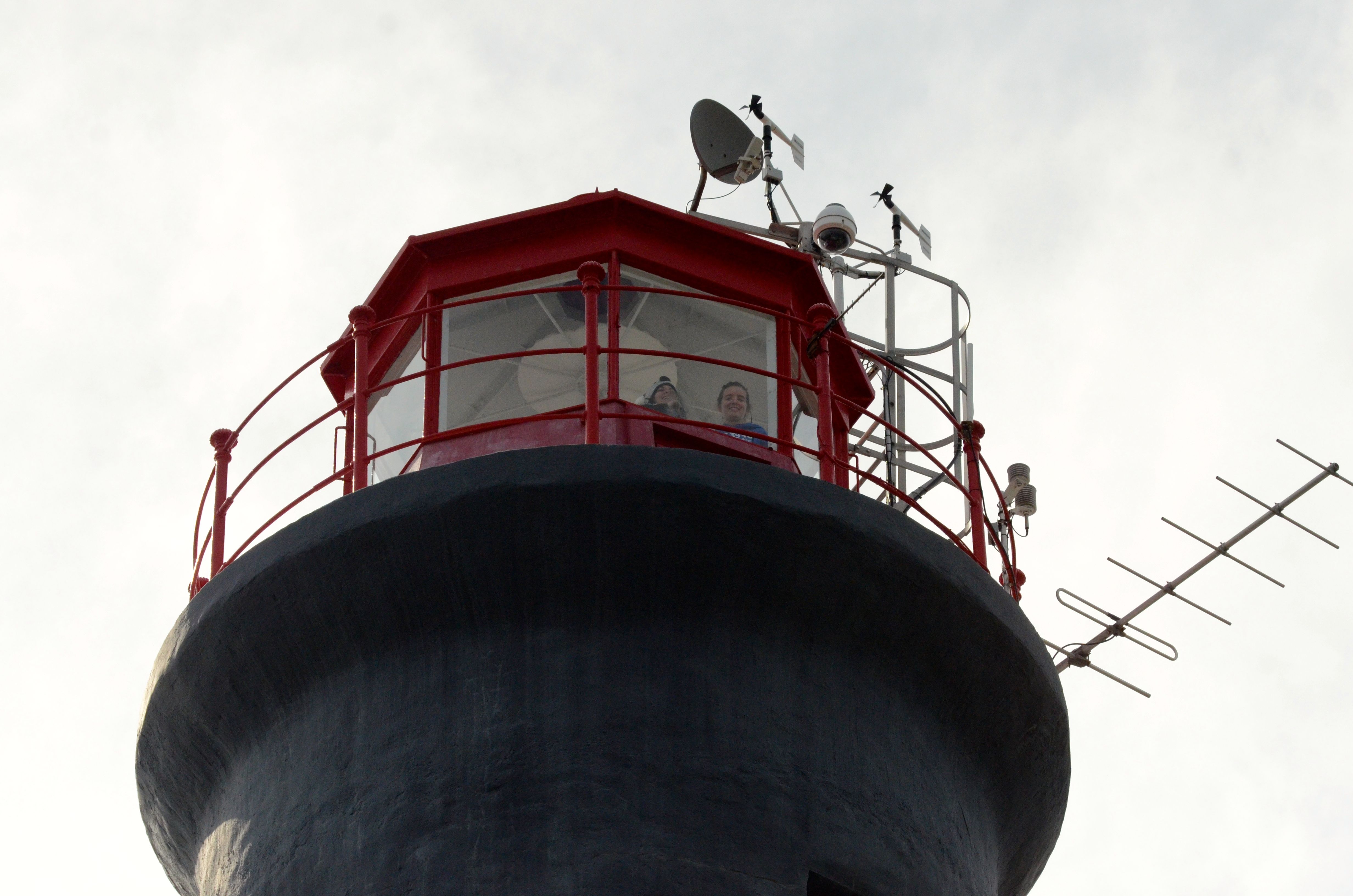
The students did some work this afternoon: sweeping all 99 steps of the lighthouse and continuing the process of stowing the chopped wood in all the nooks and crannies of the buildings, to be used next winter to heat the main house.

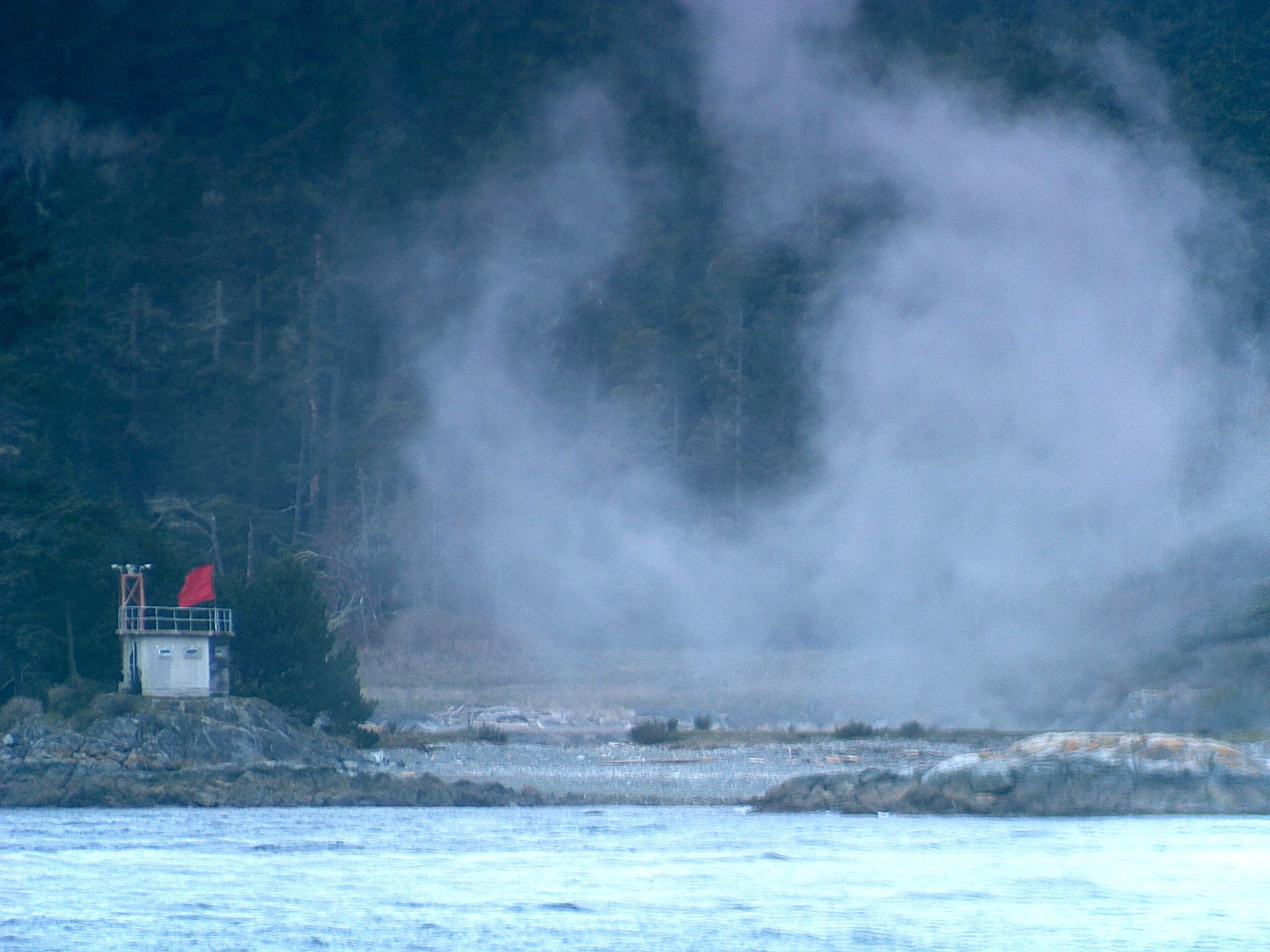
There was DND blasting happening in the morning and early afternoon on Bentinck Island, less than 1km away from the ecological reserve.

Today’s high temperature of 13.2°C, as measured at the ground weather station, was the highest recorded since 2006, when the weather station was installed. A high of 14°C was recorded by the instruments at the top of the lighthouse.

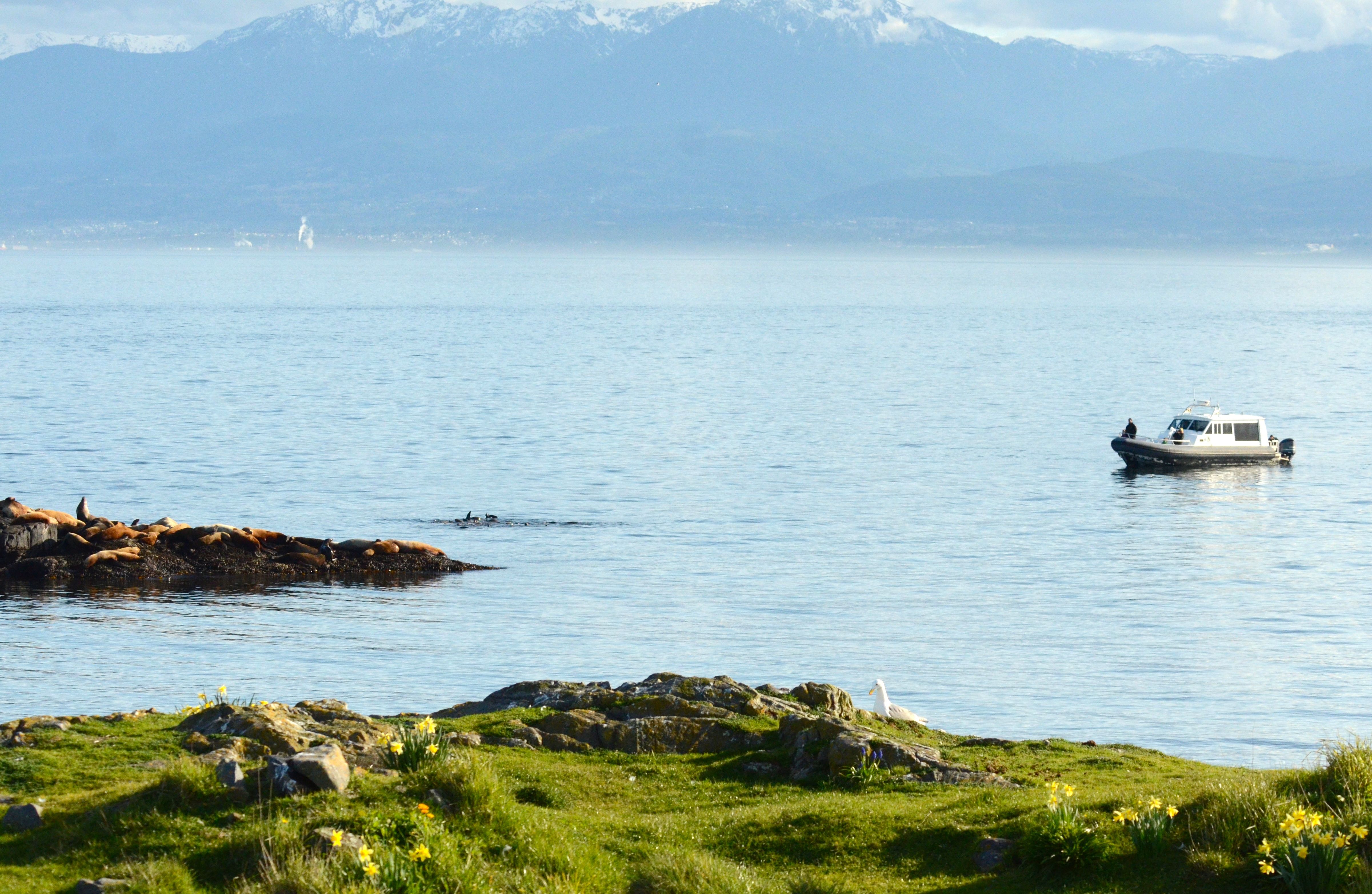
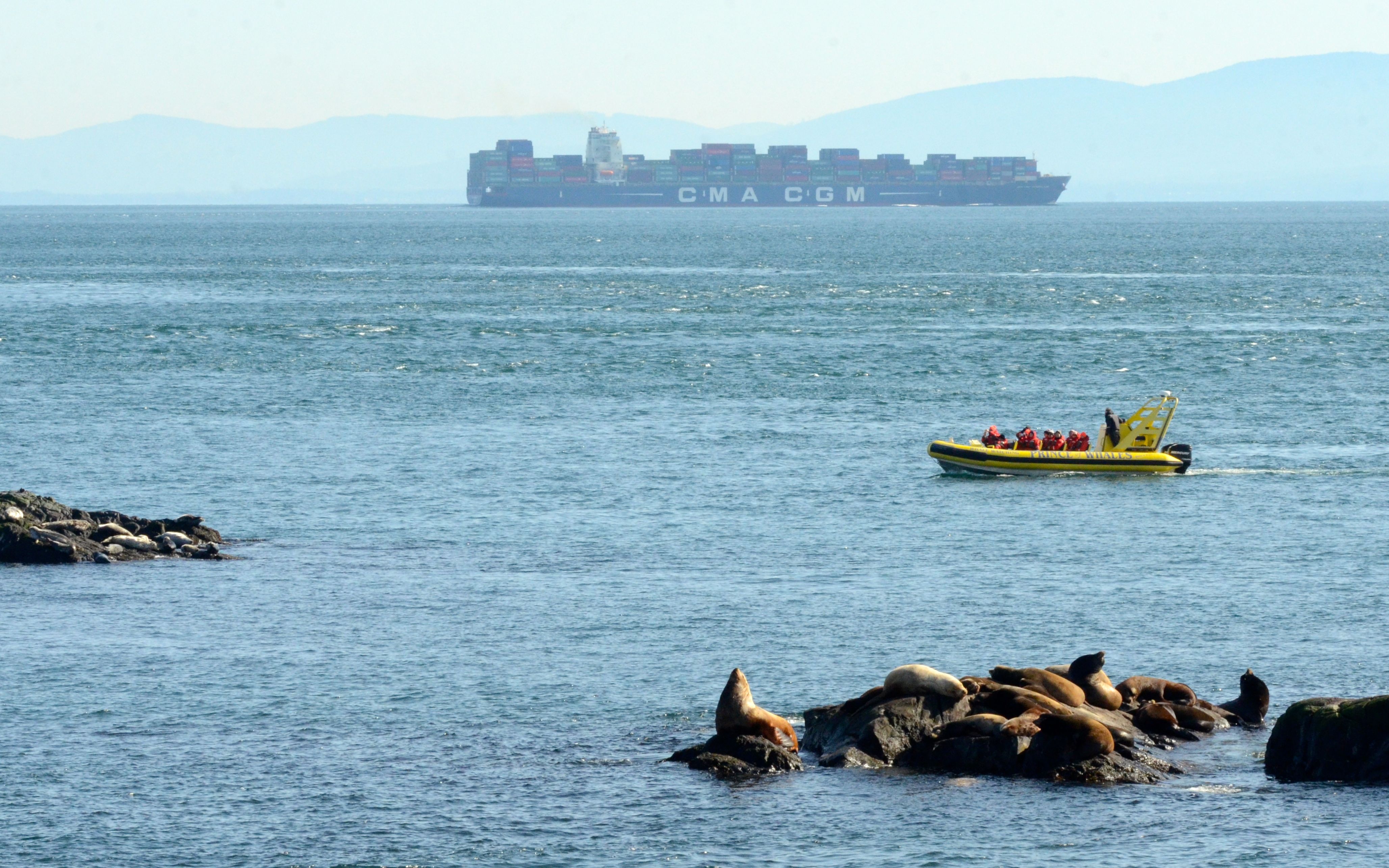
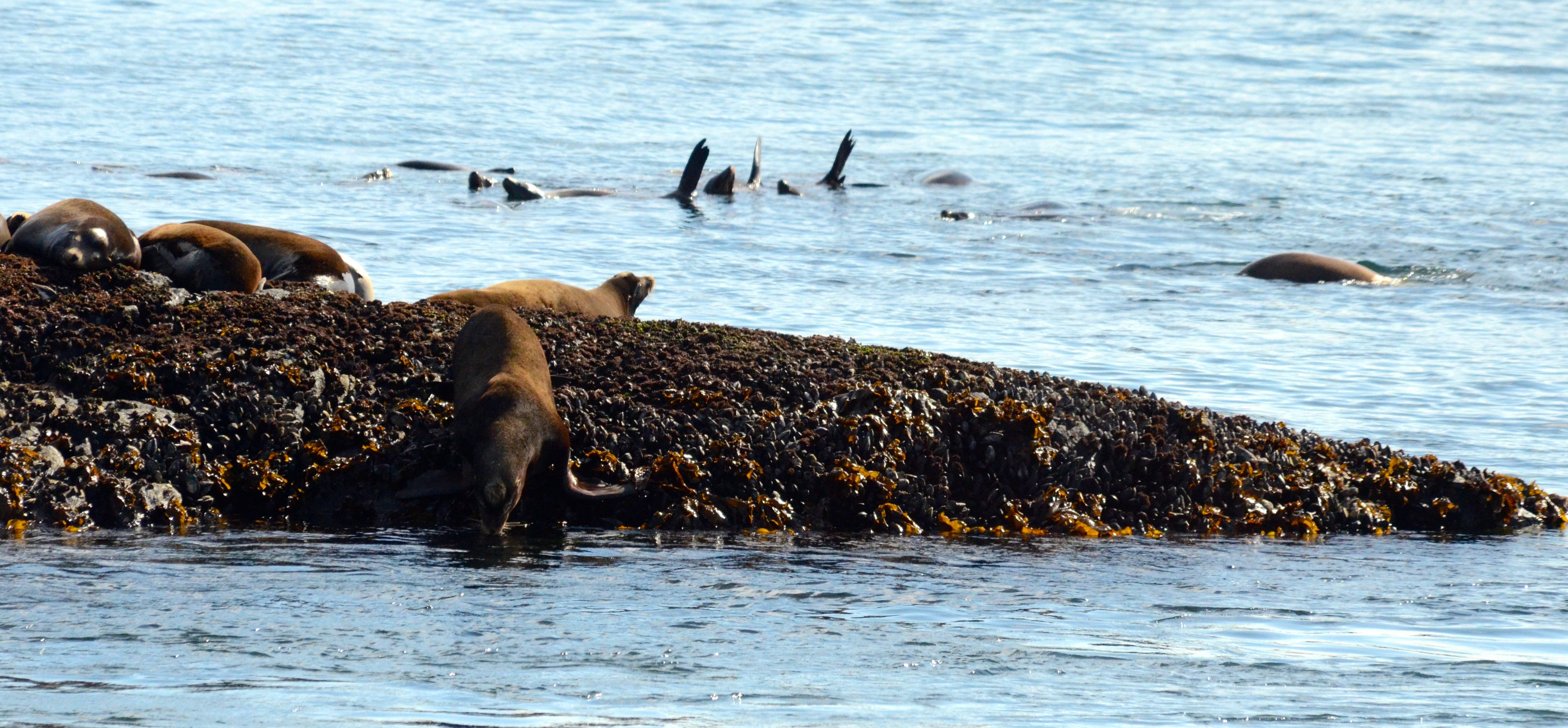
Three eco tour boats visited the reserve. One boat came very close to a group of sea lions swimming and others hauled out on the South Islands.

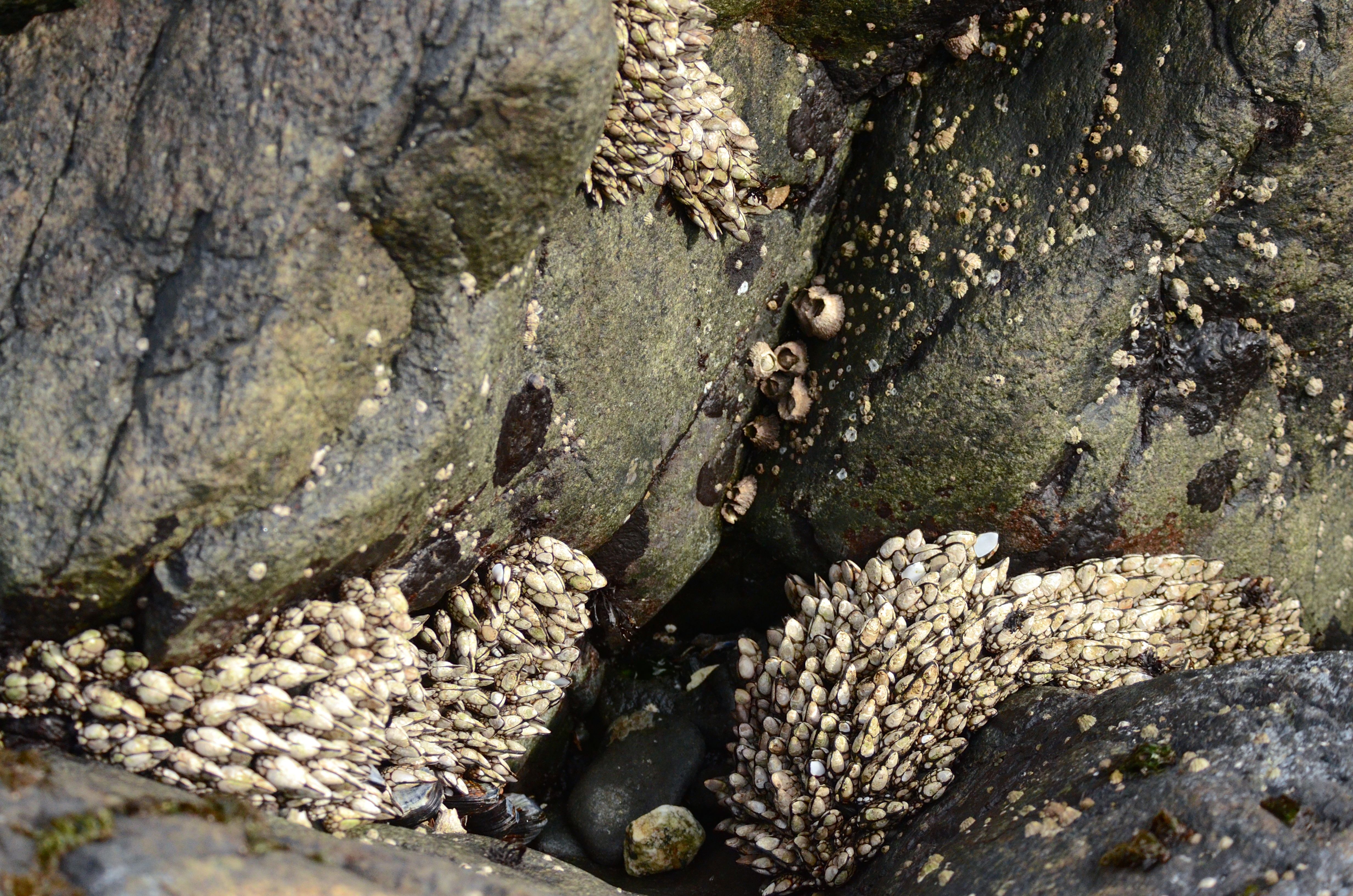
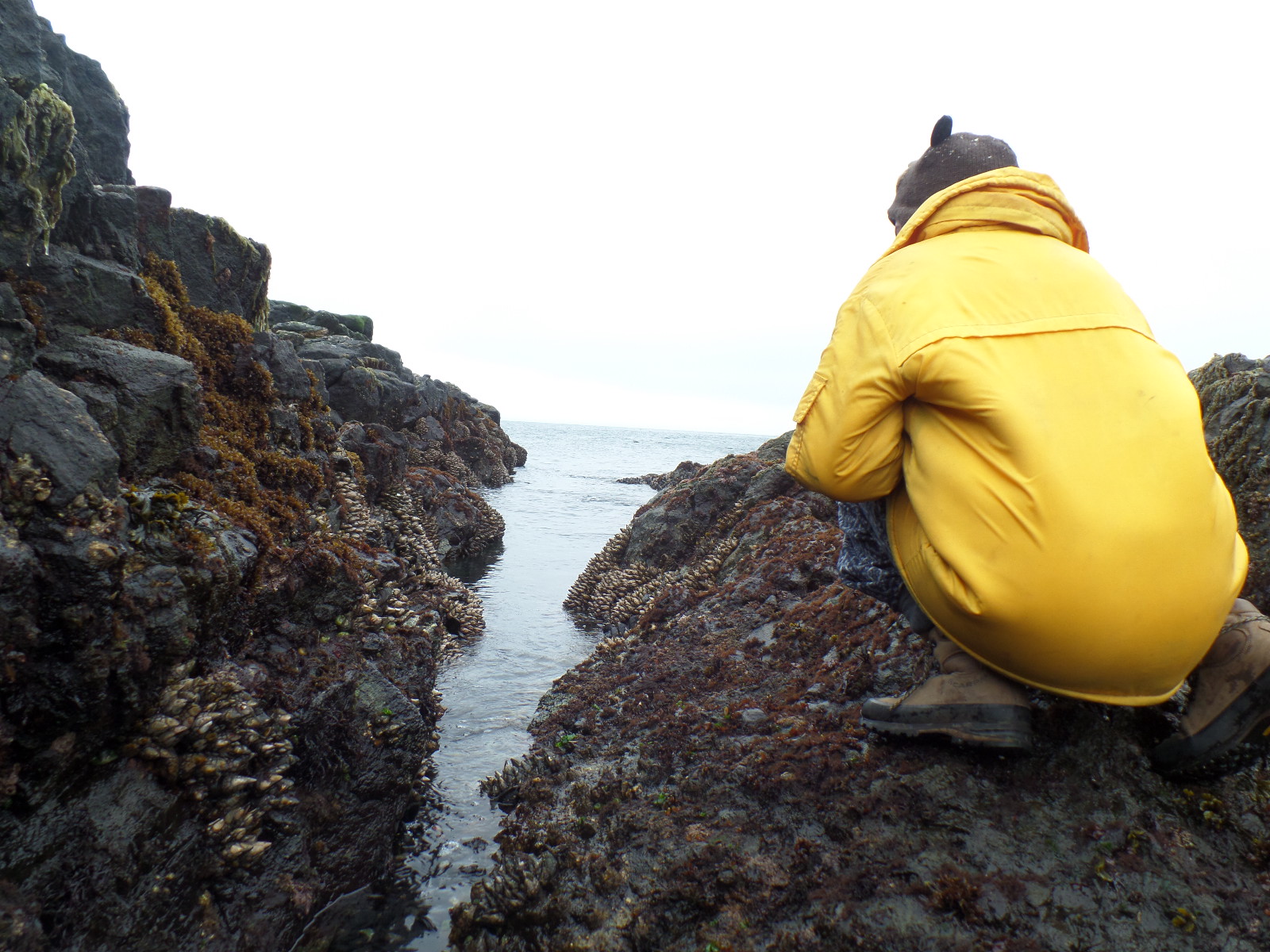
The low tide of 1.1m at 13:52, exposed lots of species from the low tide zone into the air. The shore and tidal pools were full of life: mussels, barnacles, limpets and lots of other flora and fauna of the sea. The oystercatchers and shore birds were having a feast.

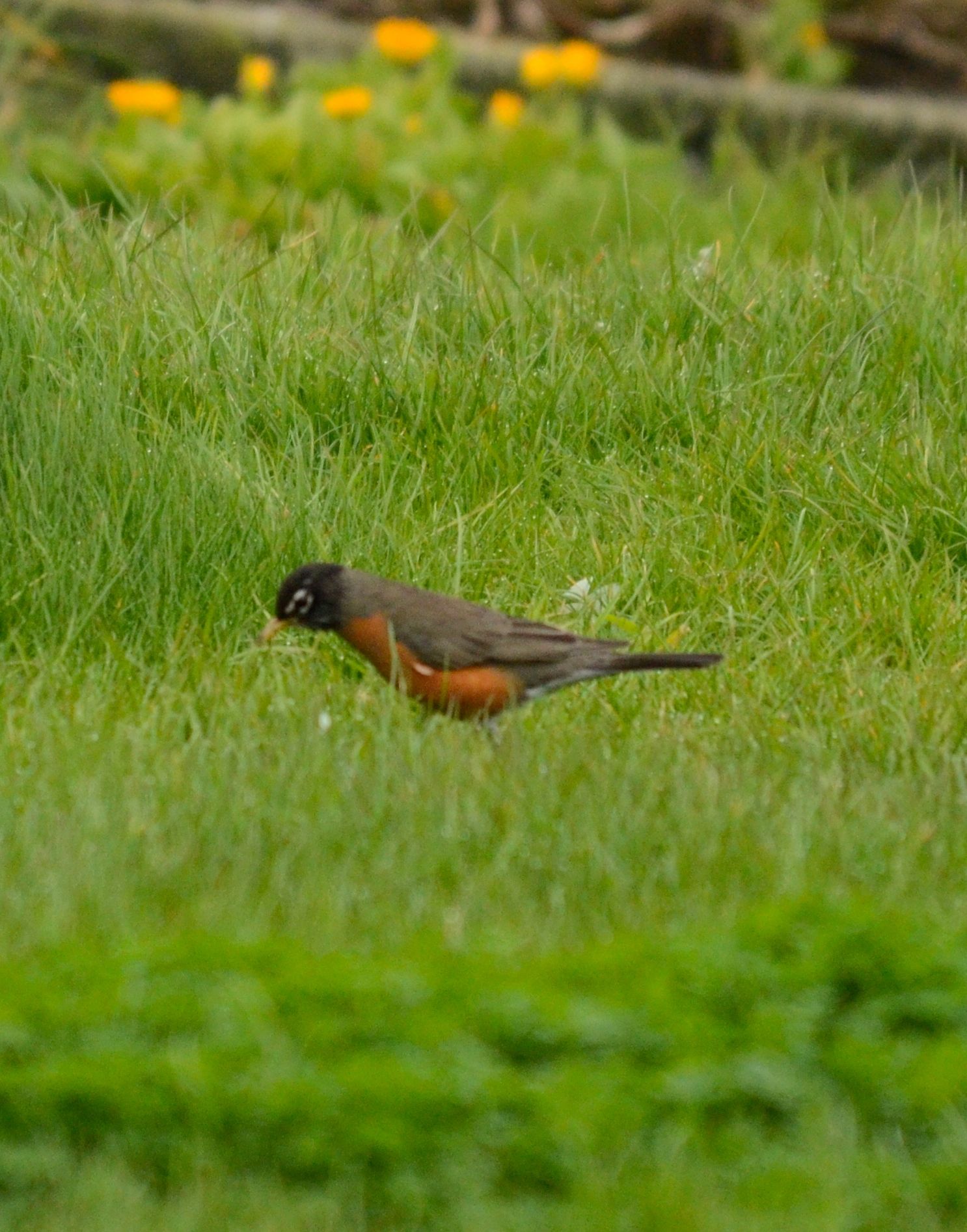
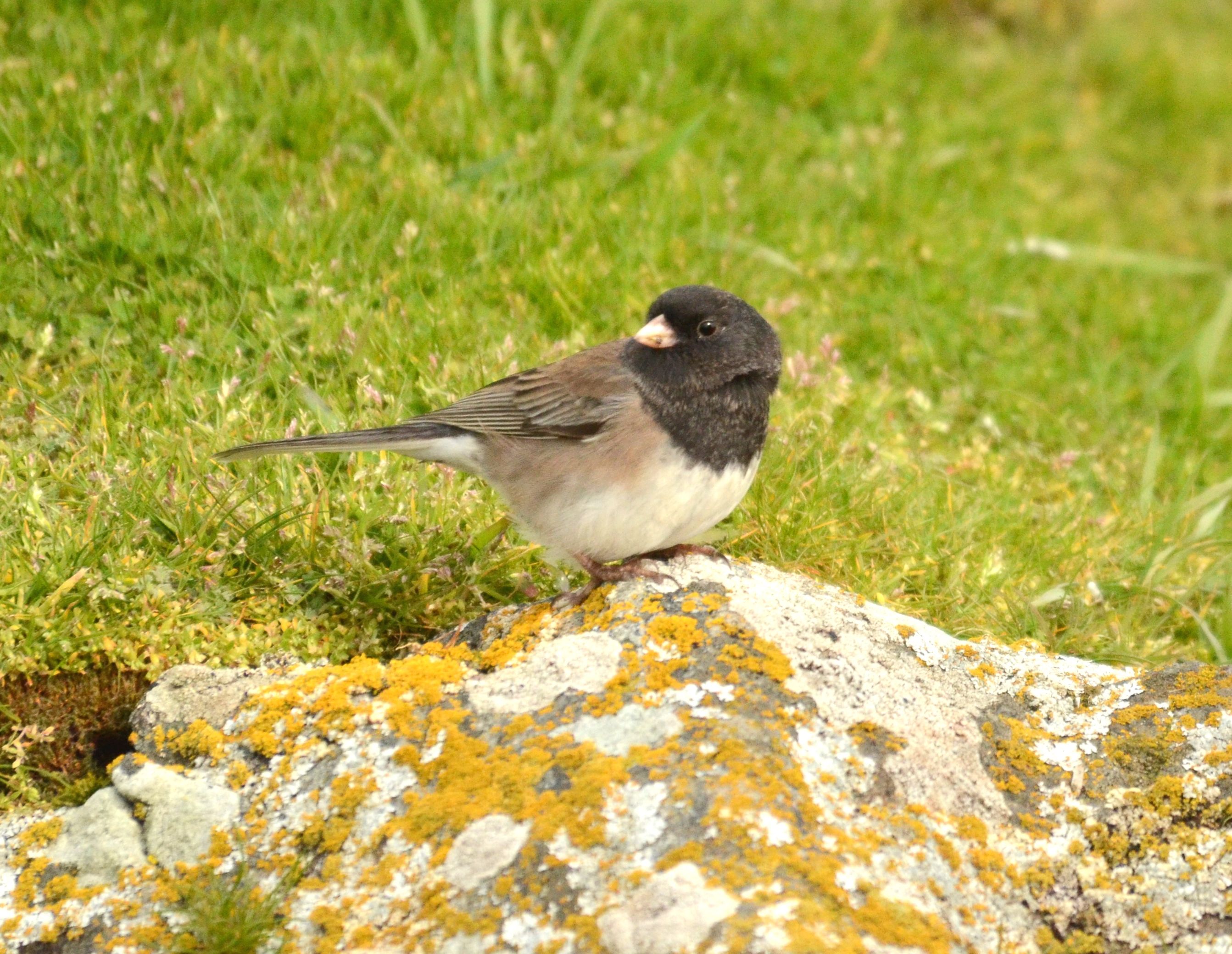
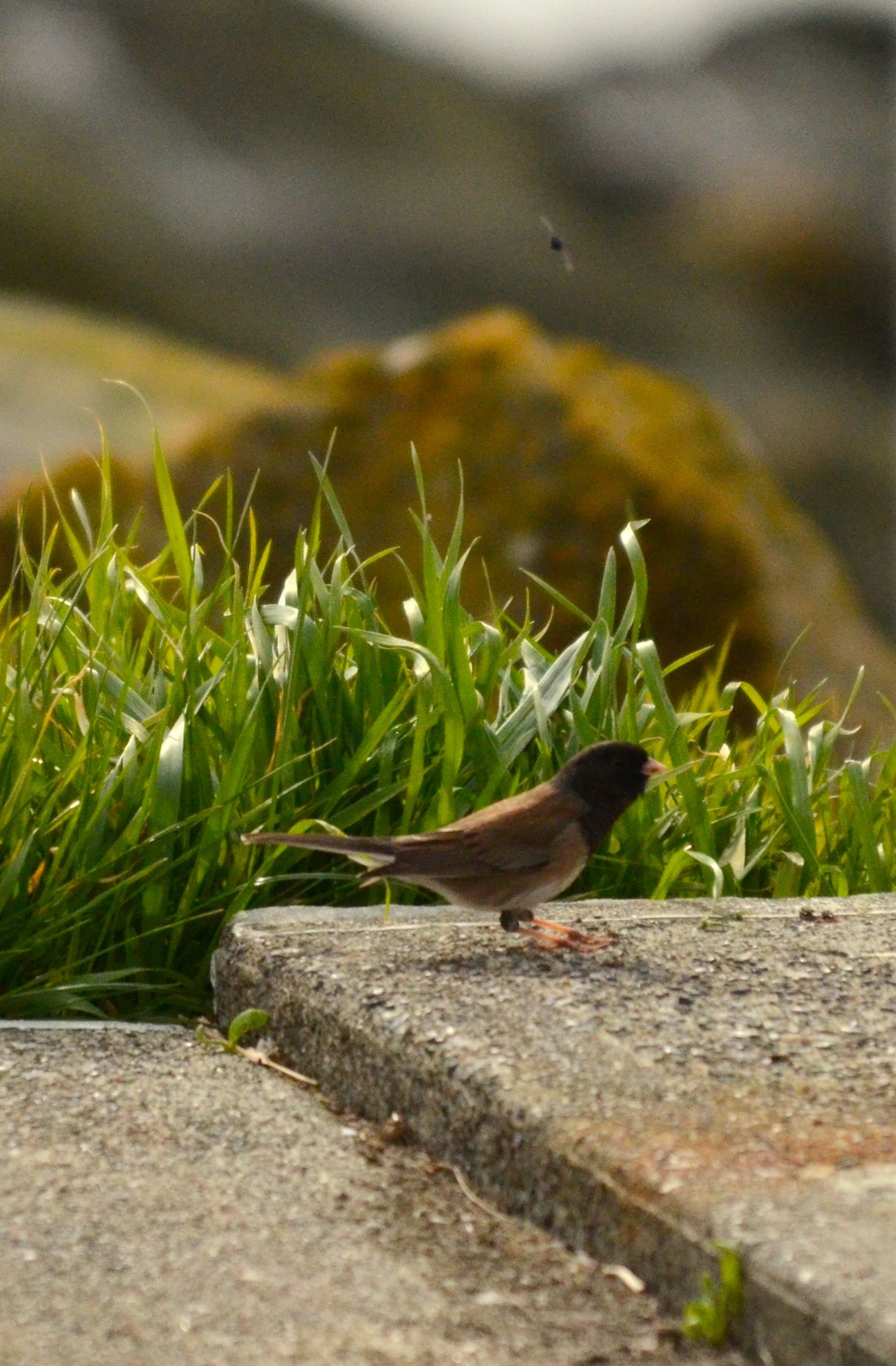
There were no small birds perching birds seen today. There are usually a few fox, sparrows, savannah sparrows and occasionally juncos and robins zipping around the island.

Here are the results from today’s Megafauna Census:
Elephant Seal: 1
Steller Sea Lion: 54
California Sea Lion: 43
Harbour Seal: 52
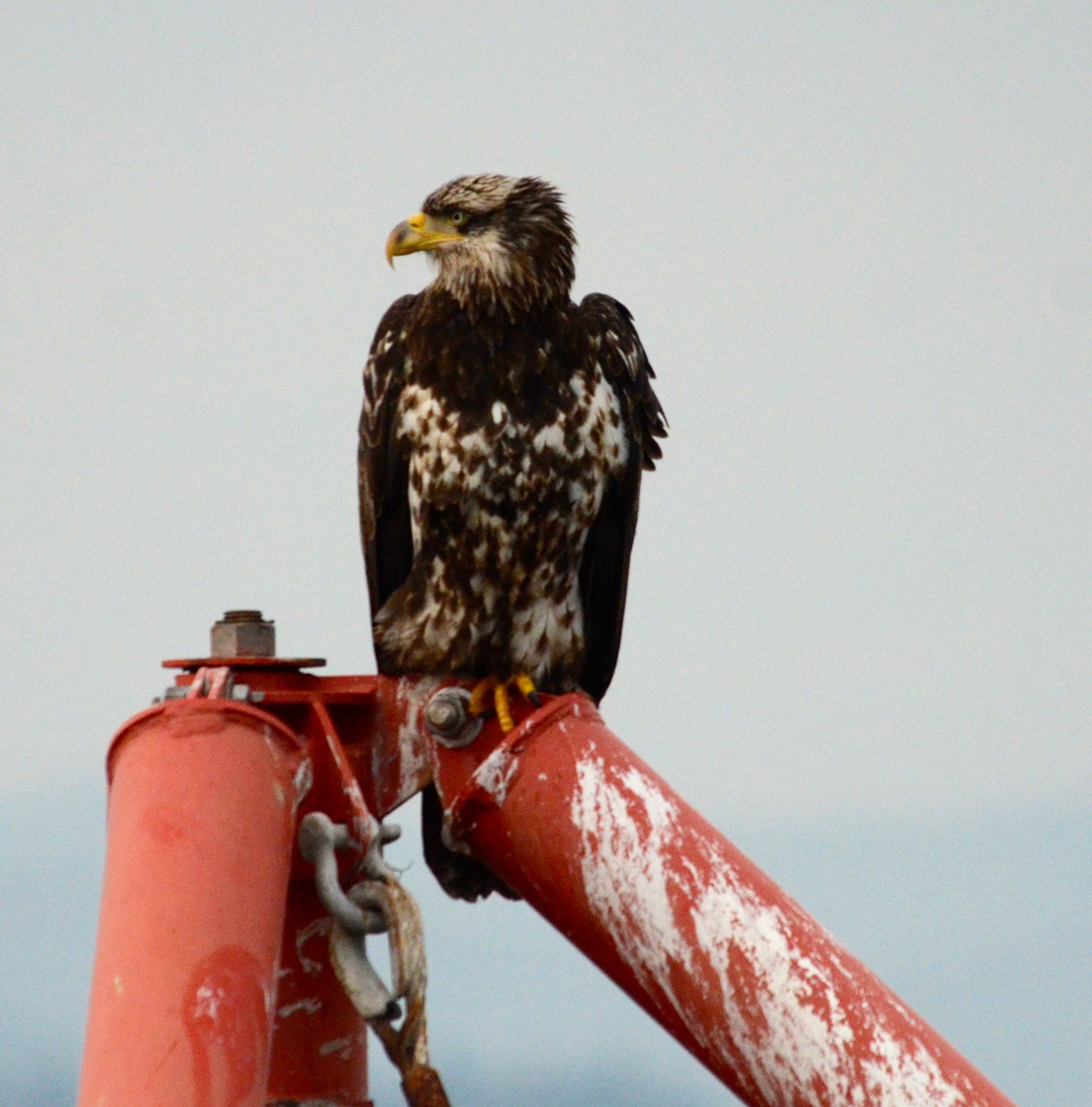
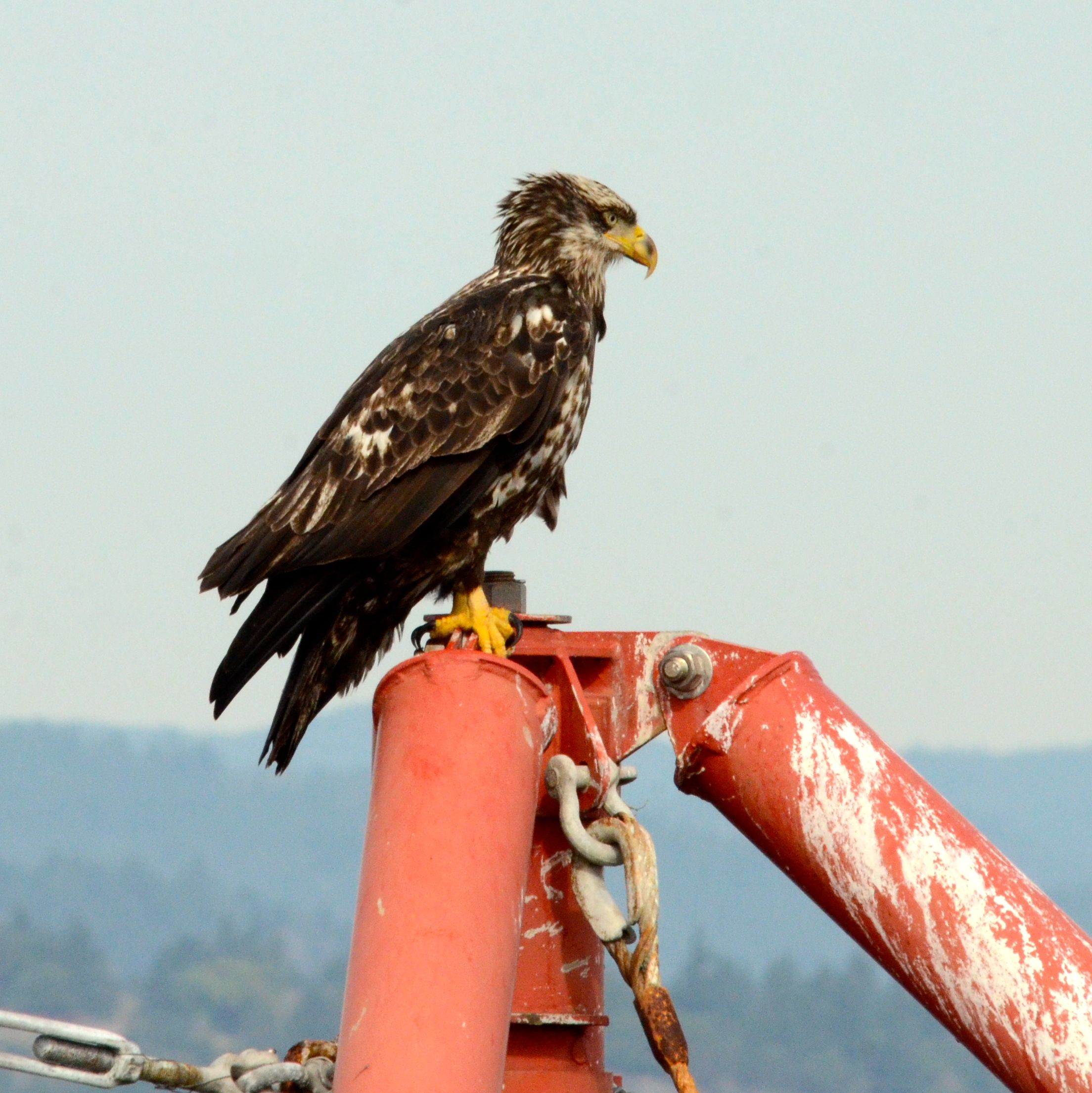
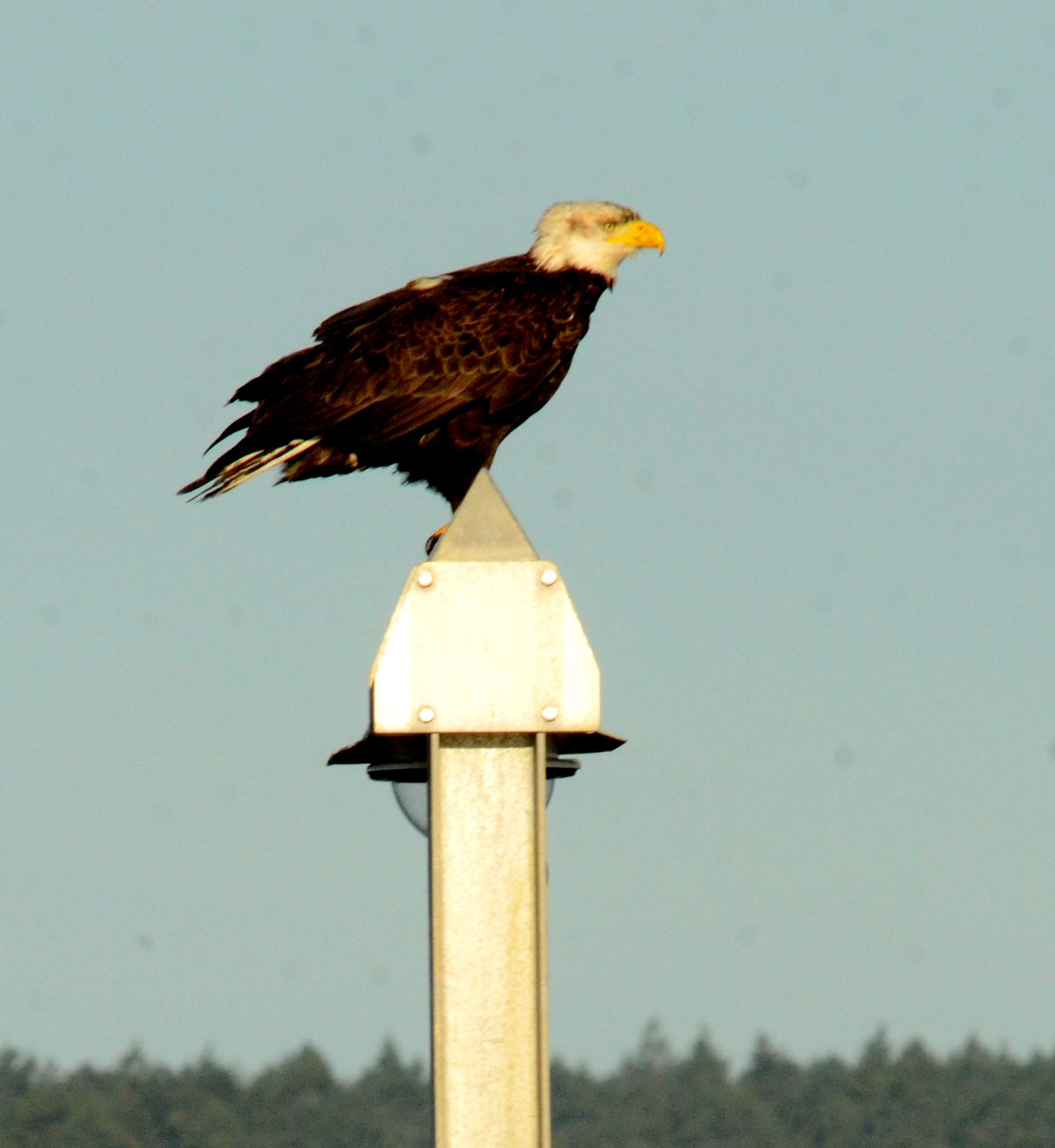
Bald Eagle: 9
Great Blue Heron: 1
Crow: 1
Oystercatcher: 4
Double Crested Cormorant: 12
Brandt’s Cormorant: 21
Gull: 247
Canada Goose: 14
Pigeon Guillemot: 9
Harlequin Duck: 13
Surfbird: 3
Black Turnstone: 10
Rock Sandpiper: 2

March 11 – Cleaning, Diving and Nearby Blasting

Overcast with periods of sun and rain
Wind: 1 – 17 knots NE, switching to W in the evening
Air Temperature: Low 9.0°C, High 11.3°C
Ocean Temperature: 9.0°C

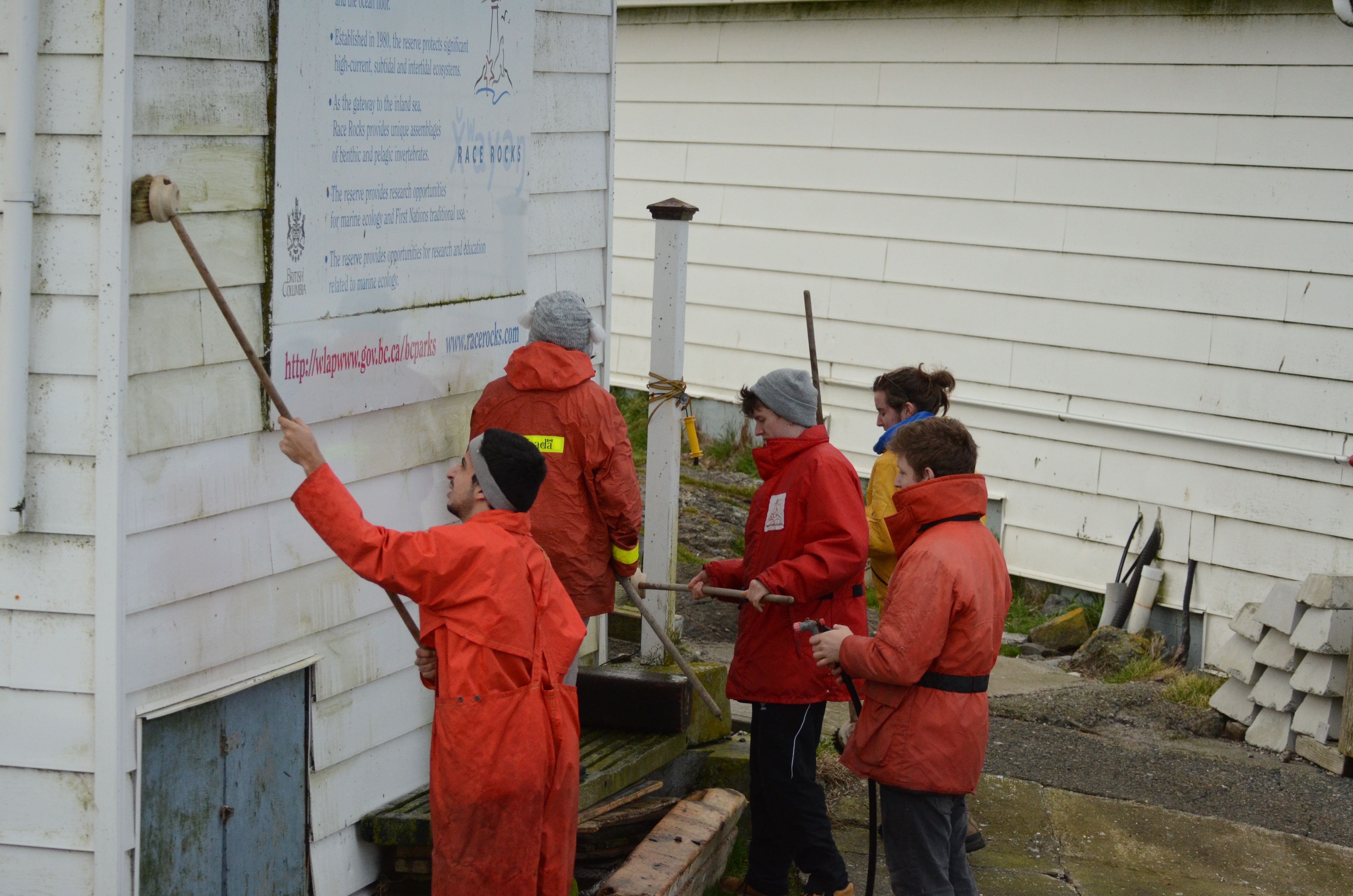
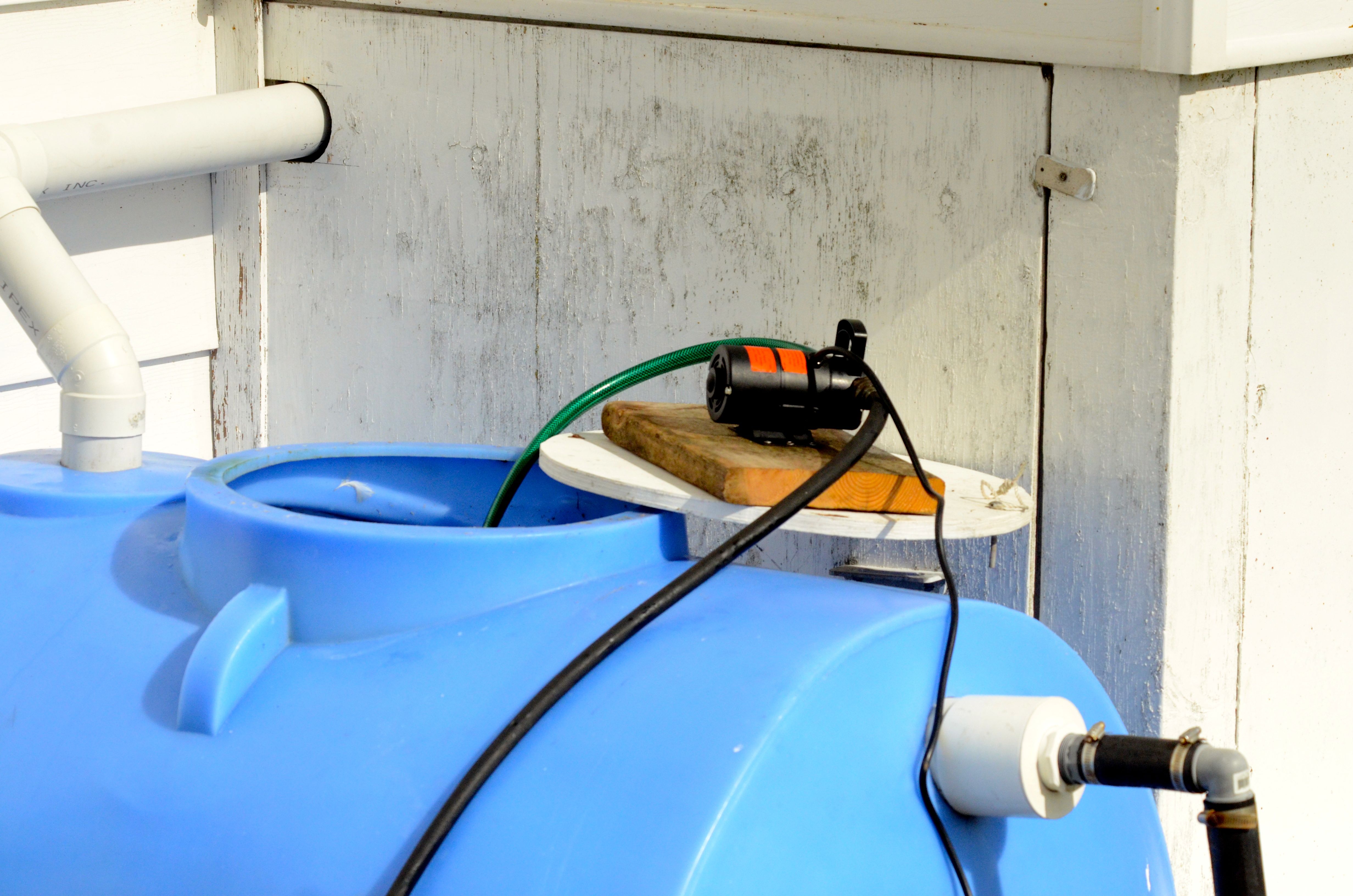
In the morning, the visiting students helped with a service project to clean the algae off the exterior walls of the tank room and boat house. Elbow grease, a non toxic de-algae formula, brushes and water were used to tackle the algae. Rain water was pumped from the collection tank at the Ecoguardian’s House, which saves the energy intensive desalinated water for the kitchens and washrooms.

For several hours beginning at 10:30, DND set off explosives on nearby Bentinck Island, which is less than 1km from the ecological reserve. Birds, marine mammals and an Ecoguardian were startled by the blasts.

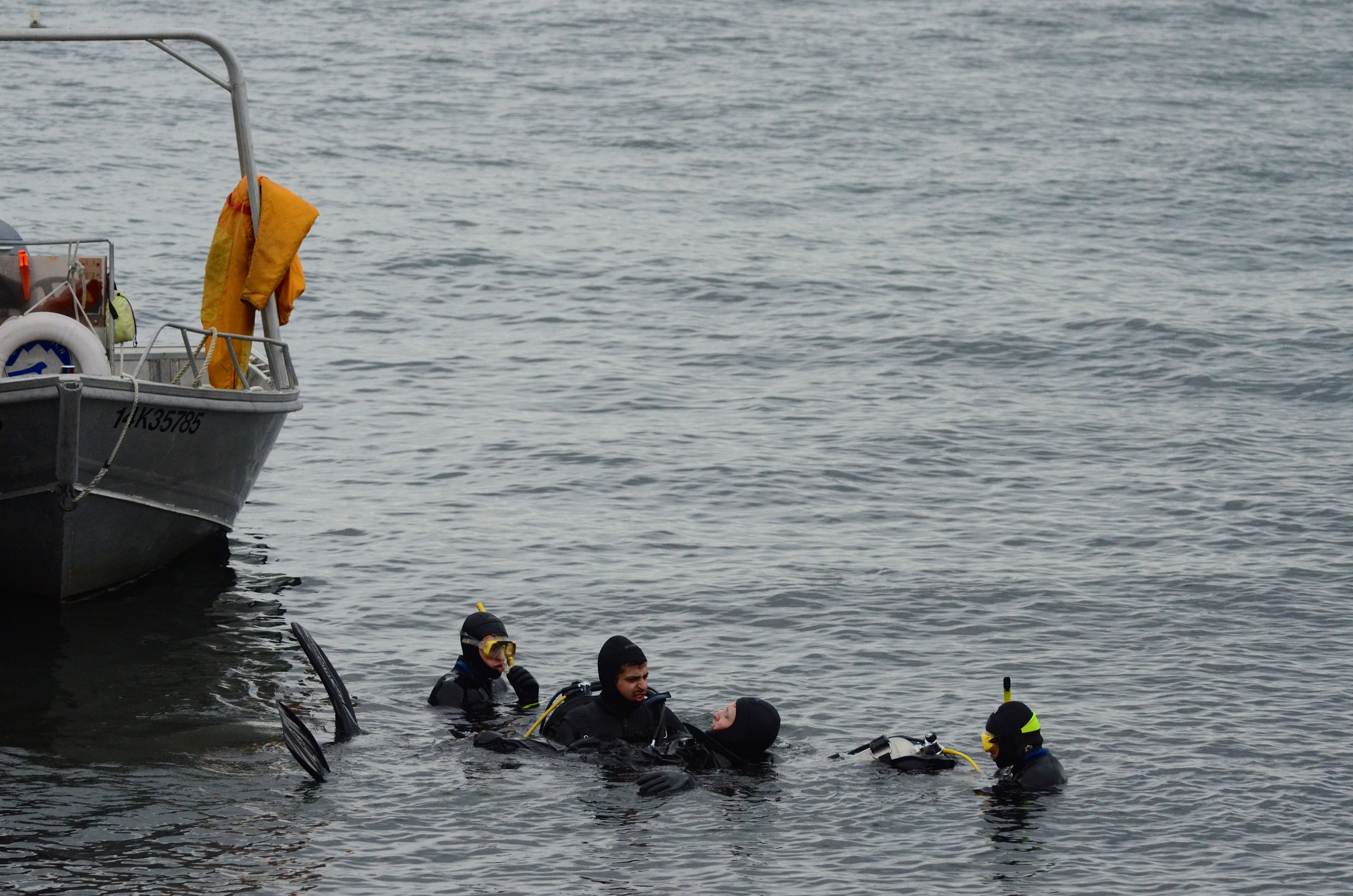
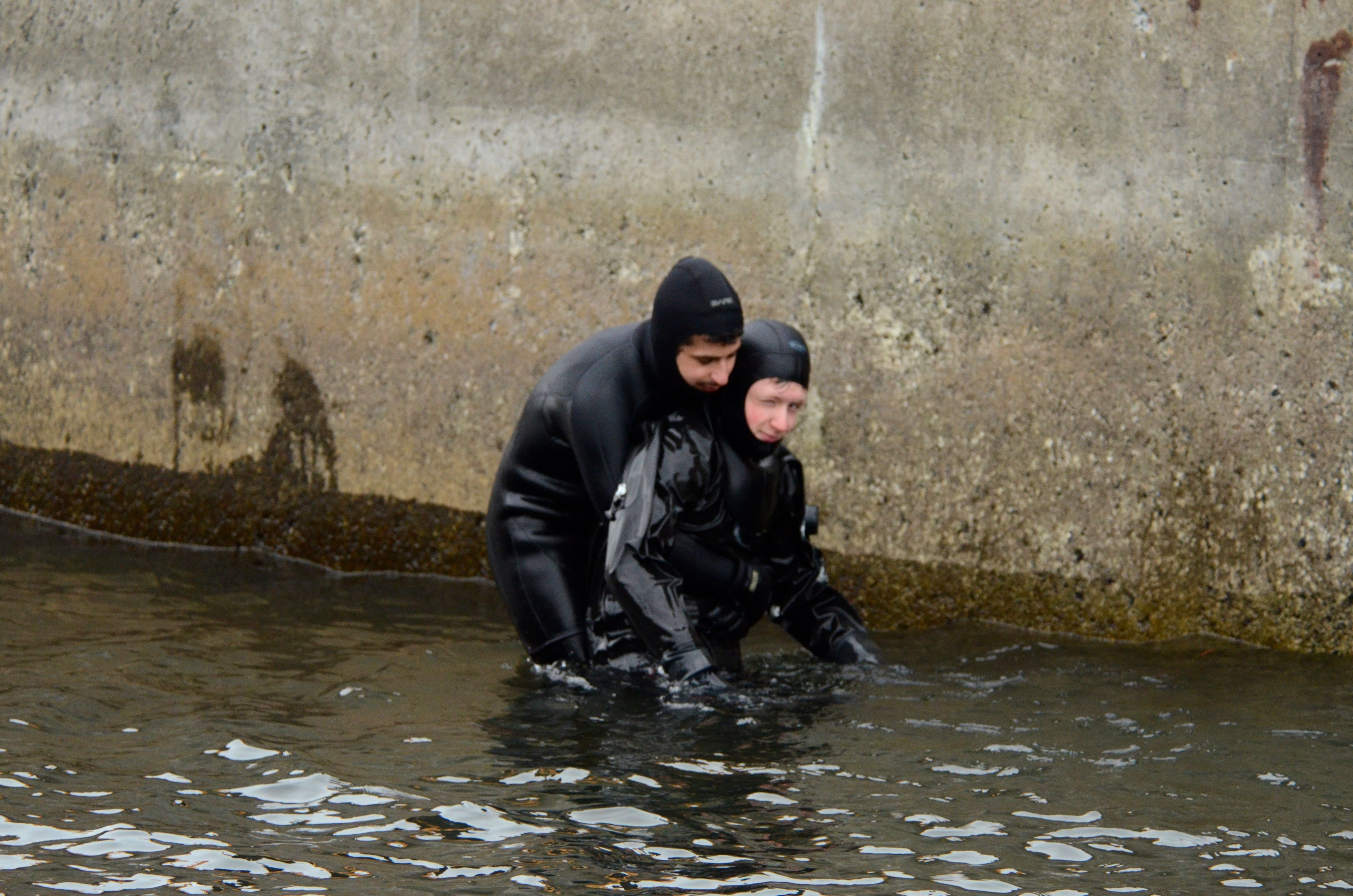
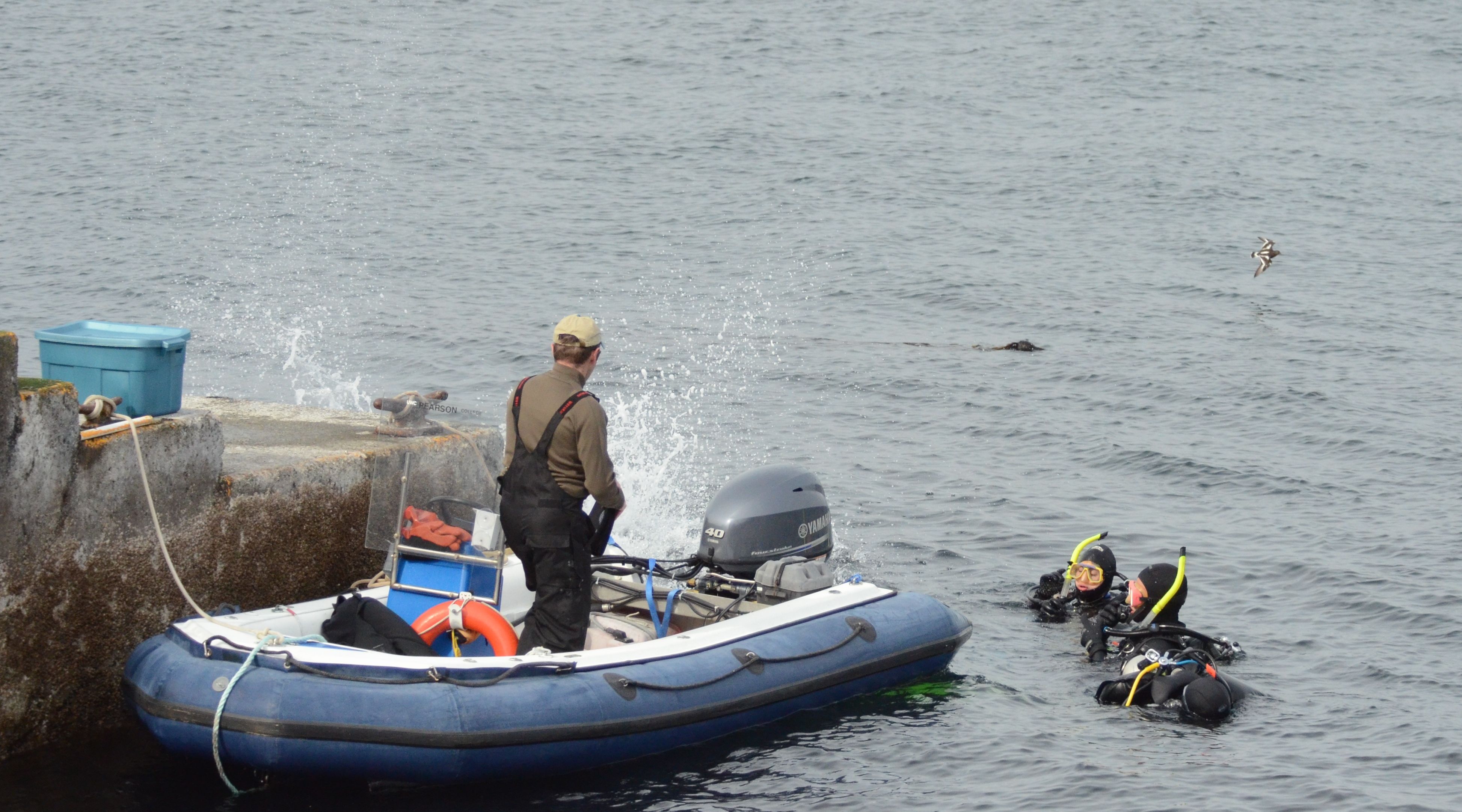
This afternoon, the four students doing the rescue diving course practiced more scenarios off the jetty with Chris.

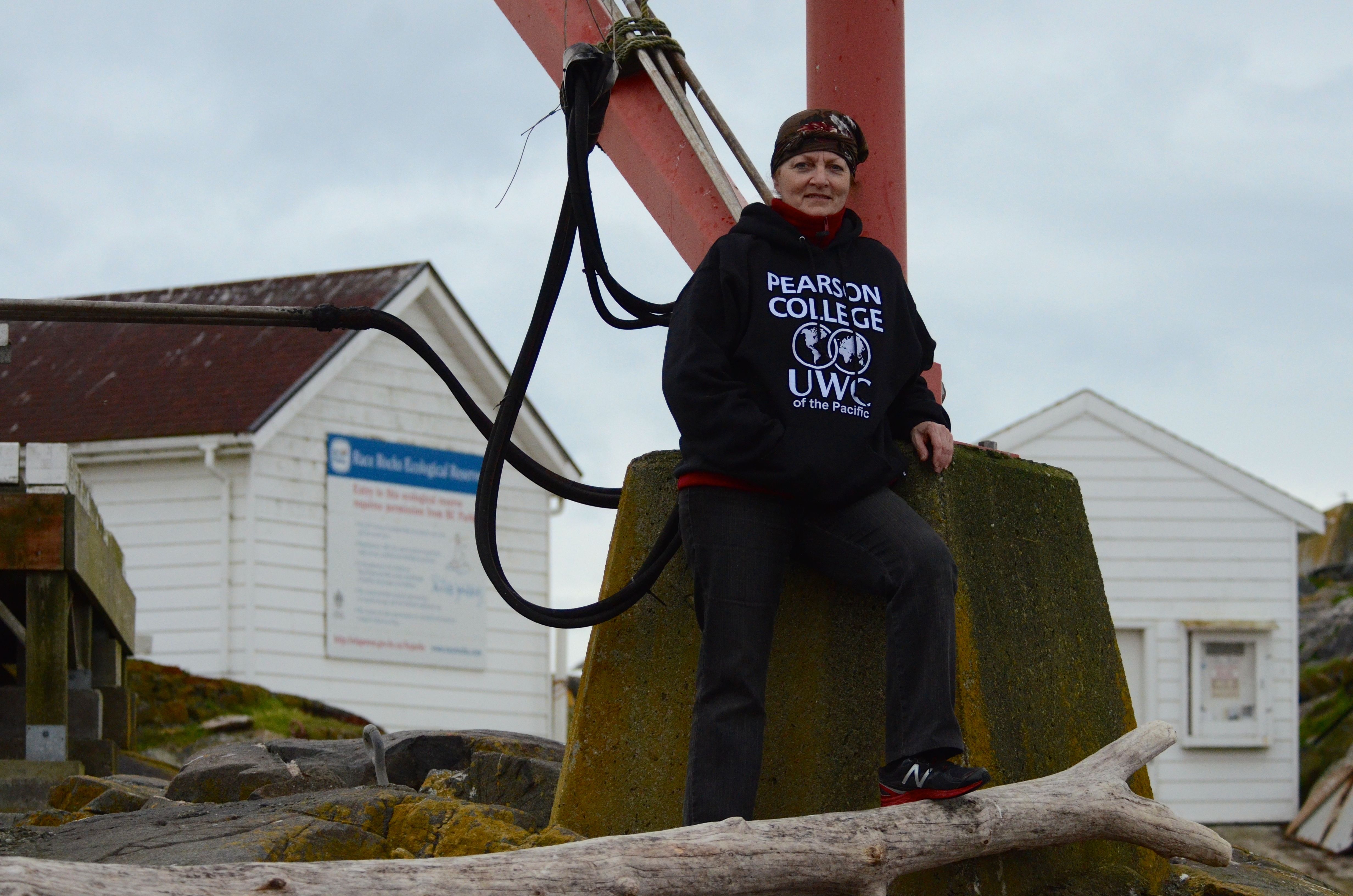
Chris brought a volunteer from Pearson to visit for a couple hours. Myriam Guilbert, who is the mother of second year student Chloé, toured around the island snapping photos of the flora, fauna and views. She had heard lots of stories about Race Rocks from her daughter.

There were two eco tour boats, one recreational boat and the Pearson’s Haiku in the reserve today.
March 10 – Juncos and a Robin

Cloudy, with fog in the morning
Wind: 0 – 16 knots from the W then NE in the morning, switching to SE in the afternoon
Air Temperature: High 10°C, Low 7°C
Ocean Temperature: 8.9°C

This morning, the Pearson students here for Project Week helped stack firewood in the cupboards outside of the Engine Building.

Four oregon juncos and a robin were seen flying around the southern part of Great Race.

This afternoon, four students took part in rescue diving scenarios with Chris. Afterwards a few of them went snorkelling around the jetty to check out the sea stars, a sea slug and other species.

Chunk continues to hang out near the Marine Science Centre.

Three ecotour boats came into the ecological reserve to share the sights, sounds and smells of the marine mammals and birds with their customers.

March 9 – Pearson Project Week Visitors

Fog overnight, sunny begining at 9:00
Wind: 6 – 27 knots W to SW
Air Temperature: High °C, Low °C
Ocean Temperature: 9°C

Five second year Pearson students came to Race Rocks this morning to spend part or all of Project Week. Yam, Sean, Martin, Neel and Bader will be exploring Race Rocks, helping out with tasks, studying and diving. Chunk came back onto the island just in time to welcome the visitors as they toured around the ecological reserve.

Yam helped shrink the firewood pile by the tank house by stacking it underneath the stairs of the Marine Science Centre. It will dry out over the summer and be ready to heat the Ecoguardian’s house next winter.

One eco tour boat visited the reserve today.
March 7

Sunny
Wind: 3 – 9 knots NE, switching to SE in afternoon
Air Temperature: Low 7°C, Hight 11°C
Ocean Temperature: 9°C

The morning was spent preparing the Marine Science Centre, and tidying around the island, to get ready for visiting students that are coming to Race Rocks this week.

Chunk, the large male elephant seal, is still camped out on the grass below the helicopter pad.

I left the reserve in the afternoon to attend One World, the annual show of dance, music and stories put on by Pearson students. I returned to Race Rocks with a visitor. The boat ride was spectacular as the sunset cast a rainbow of colours over the Juan de Fuca Strait.

Two eco tour boats were seen in the ecological reserve today.
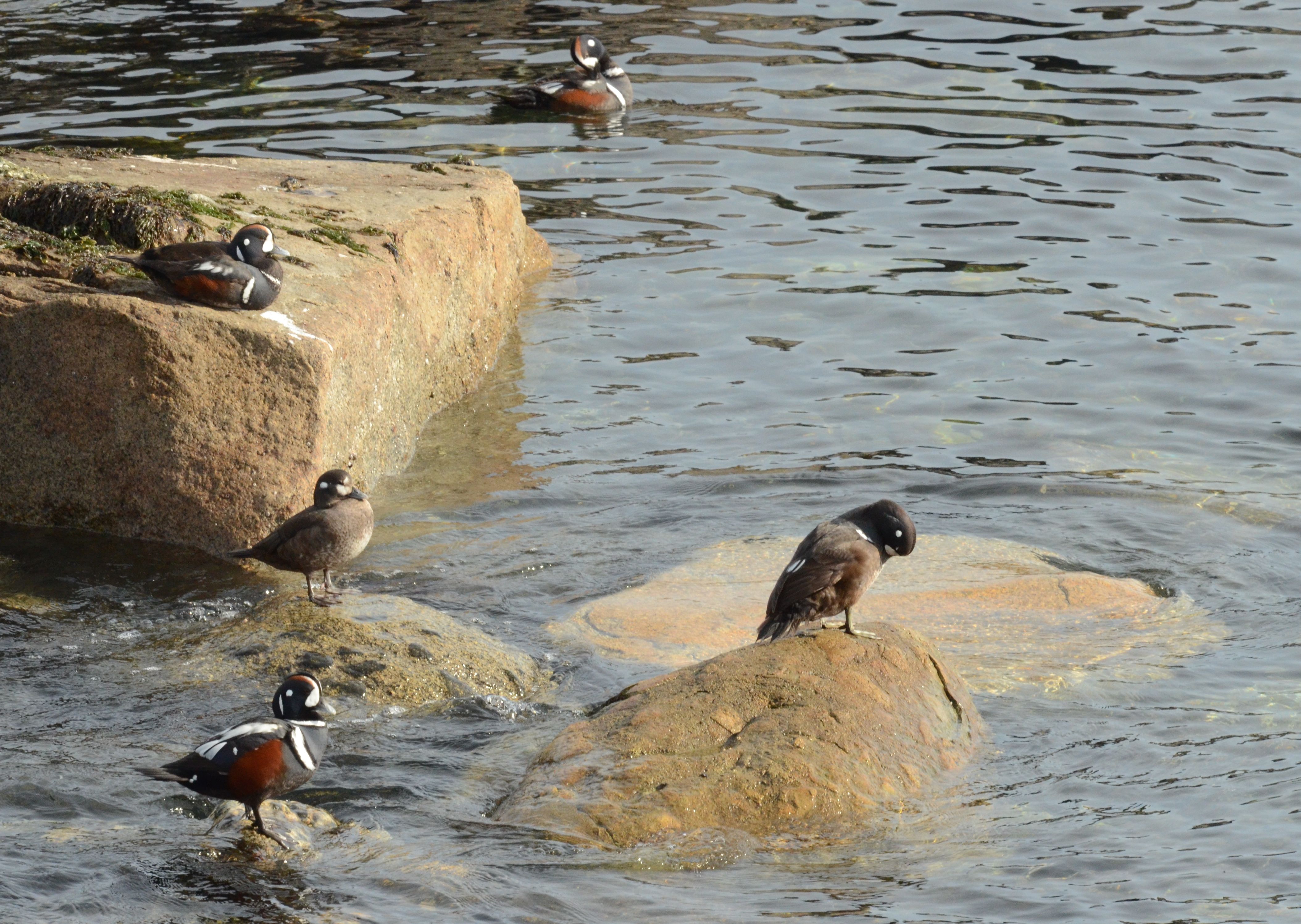
Thank you to Travis, today’s Race Rocks visitor, for the photos.

March 6 – Bright Sun, Bright Moon

Mostly sunny
Wind: 3 – 11 knots NE
Air Temperature: High 10°C, Low 7°C
Ocean Temperature: 8.8°C

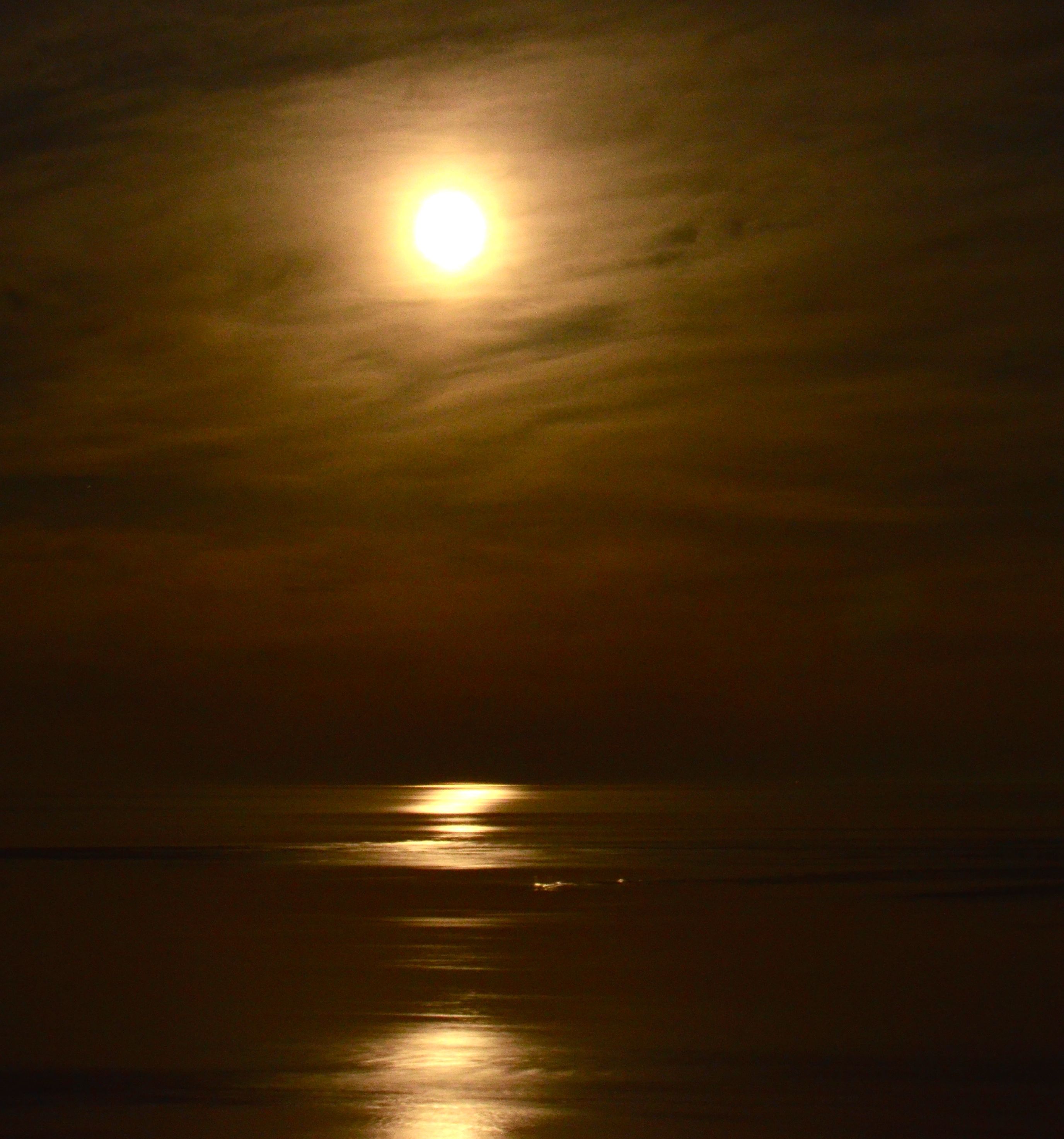
Last night was a full moon. Tonight’s moonrise happened at 19:25. It’s a waning gibbous moon, but it’s still as bright as last night.

The gulls seem to be getting more territorial by the day. I witnessed many gulls attacking each other throughout the day. One gull grabbed onto another’s wing and wouldn’t let go for a minute. Maybe the other gull got too close to a nesting site that was already claimed.
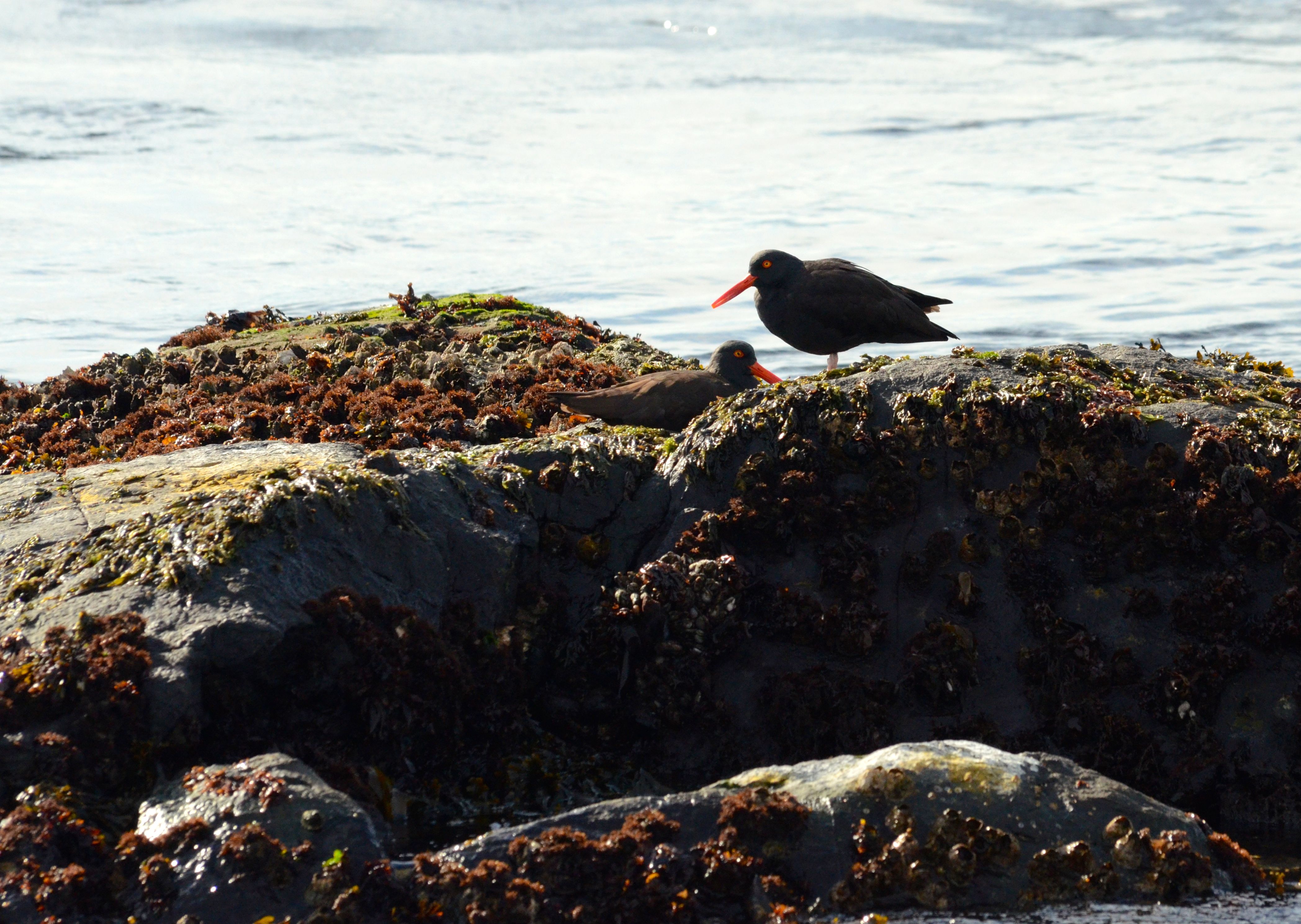
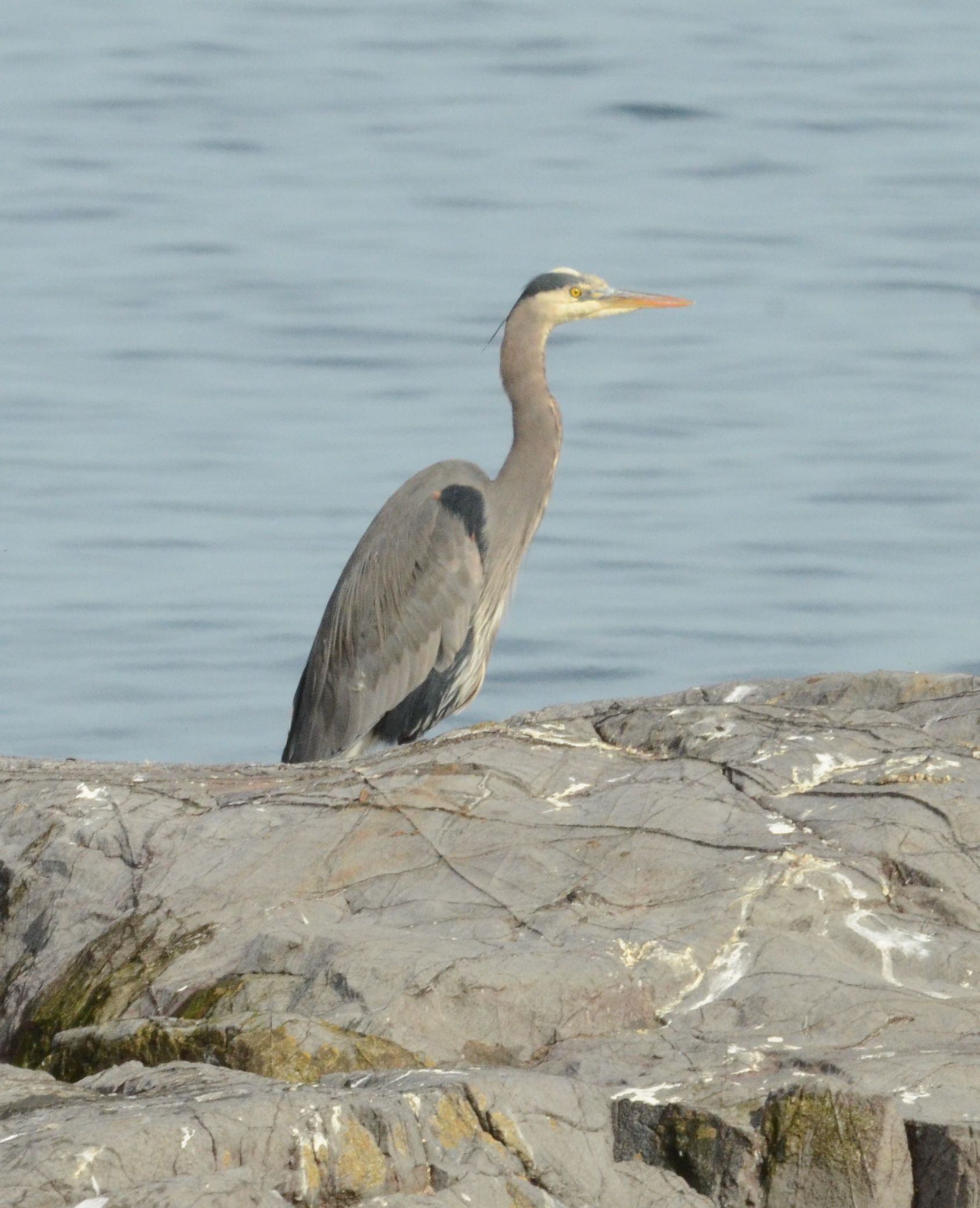
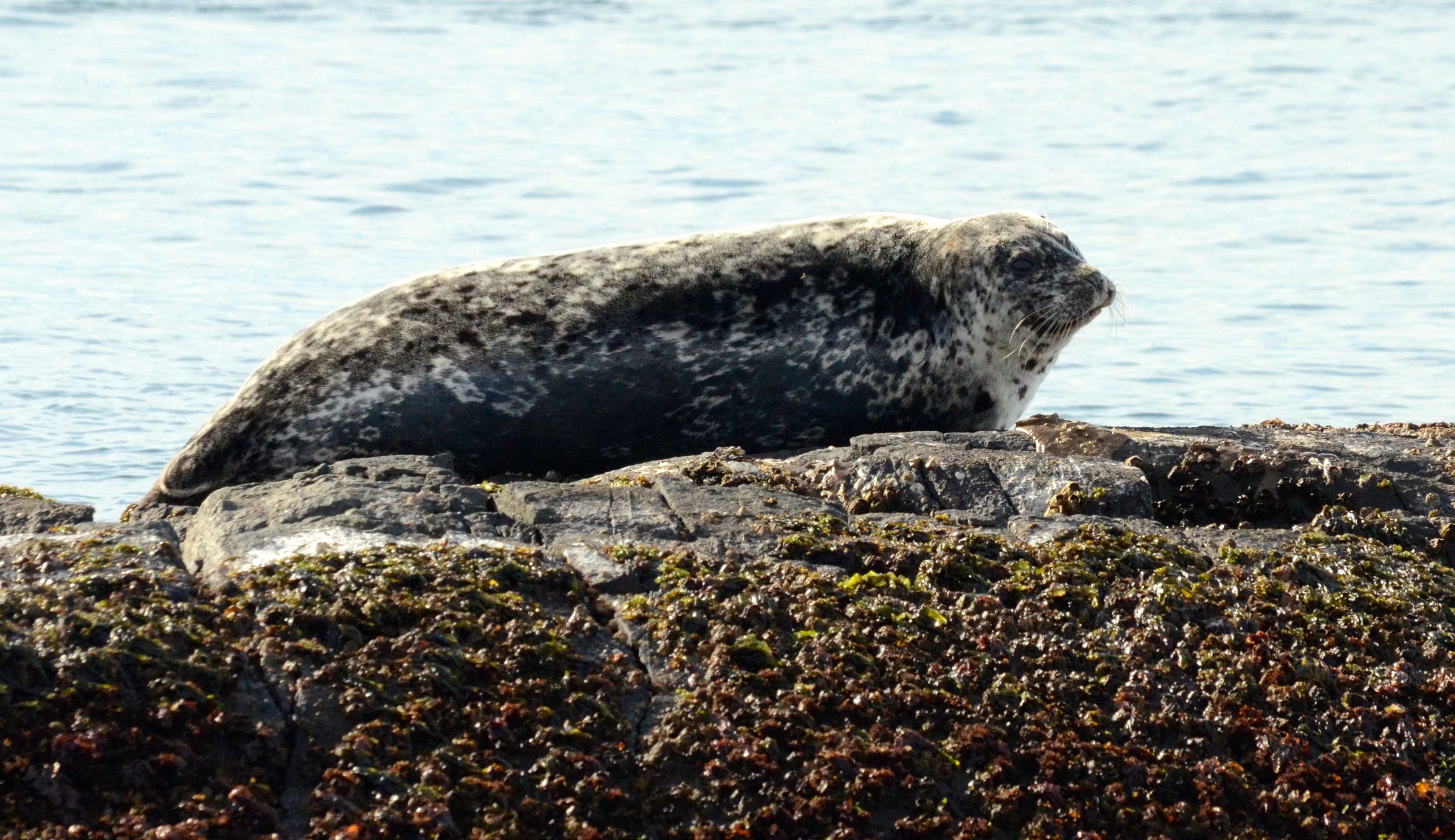
Chunk, the male elephant seal, spent another day in the same spot below the helicopter pad. The female elephant seal splashed around the jetty beach for most of the day.

One eco tour boat visited the reserve today.

March 5 – Census Thursday

Sunny with occasional clouds
Wind: 0-5 knots from N and switching around to SW throughout the day
Air temperature: High 10C, Low 6C
Ocean temperature: 8.9C

A great blue heron hung out on northeast side of Great Race for the afternoon. The oystercatchers are travelling around in pairs and are quite vocal. The gulls have spread themselves out around the island as they start to find nesting sites. Chunk returned to Great Race during the night. He spent the day resting against a boulder and the rock below the helicopter pad. The female elephant seal is relaxing in the same spots as yesterday, to the west of the main house.

Today’s census results:
Elephant Seal: 2
Steller Sea Lion: 18
California Sea Lion: 28
Harbour Seal: 41
Bald Eagle: 6 (3 adult, 3 juvenile)
Raven: 2
Great Blue Heron: 1
Double Crested Cormorant: 9
Brandt’s Cormorant: 15
Black Oystercatcher: 8
Canada Goose: 17
Pigeon Guillemot: 36
Gull: 103
Harlequin Duck: 11
Surfbird: 2
Black Turnstone: 15
Savannah Sparrow: 1

One eco tour boat and one recreational boat visited the reserve today.

March 4 – Eagle Gathering

Sunny
Wind: 8 knots NNE in the morning, diminishing in the afternoon and switching to W in the evening
Air Temperature: High 9C, Low 4C
Ocean Temperature: 8.8C

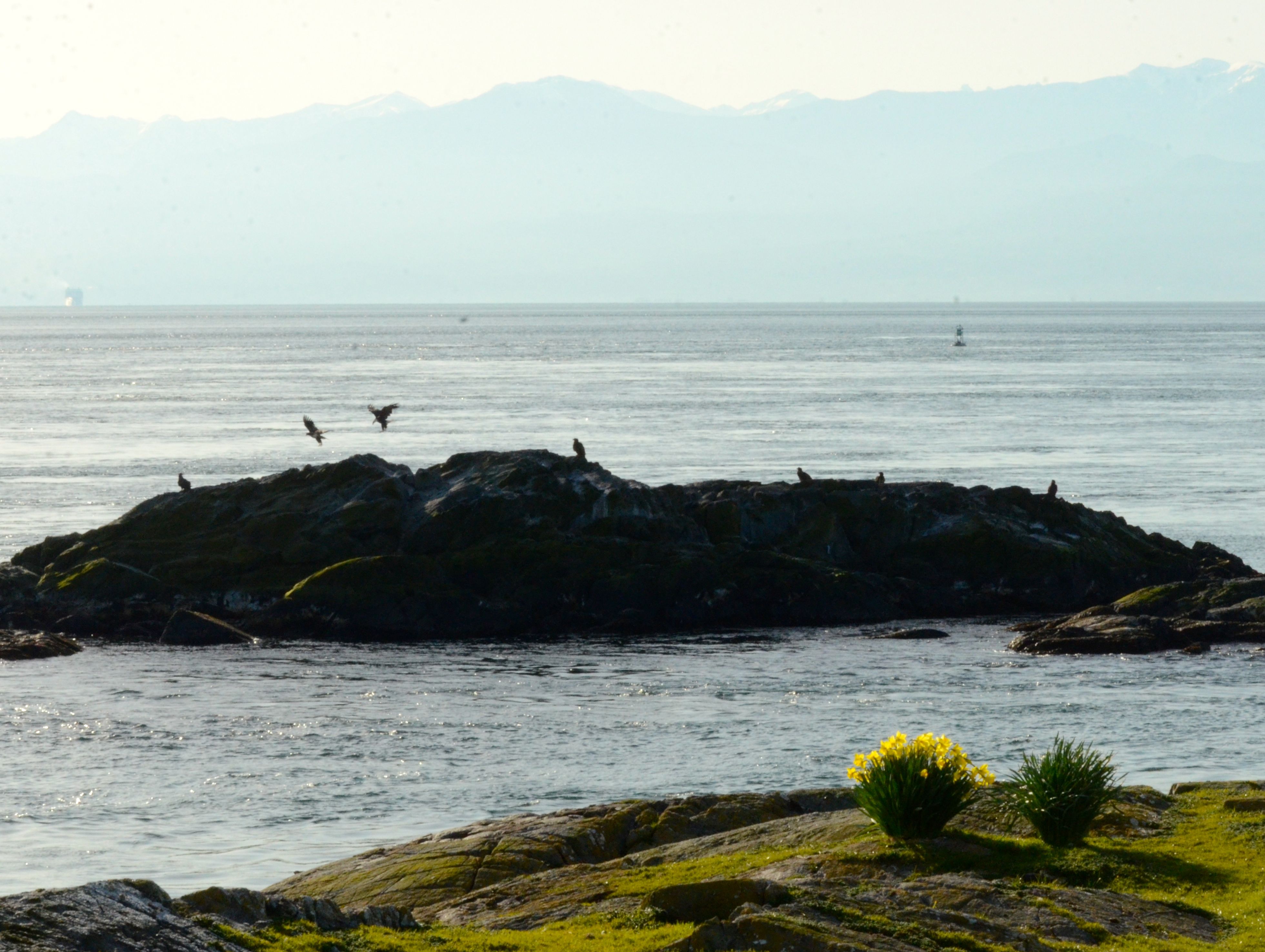
Twelve bald eagles were hanging out on the South Islands this morning. Many of them stuck around for the rest of the day, flying to different perches around the reserve.

Chunk left the main island at some point last night. The female elephant seal is still camped out to the east of the main house.

Courtney and Max visited for a couple hours this morning to do some maintenance on the cameras and other technology. Camera 5 is almost online again. One more replacement part needs to be installed in the coming days. The Davis weather station is back up and running after a few days offline. Thanks to Max fixing the computer that uploads the weather data.

There was more munitions blasting today at nearby Rocky Point.

Three eco tour boats visited the reserve today.

March 3 – Elephant Seals and DND Blasting

Sunny
Wind 18 knots from the North in the morning, switching direction to SE and diminishing throughout the day to calm in the evening
Air temperature: high 10C, low 5C
Ocean temperature 8.8C

There is never a dull moment at Race Rocks. At 8:30 in the morning, Chunk (the large male elephant seal) and the female elephant seal that has been on the island for a couple weeks were on the grass to the north of the Ecoguardian’s House. From the window by the front porch, I watched as the female roared and kicked up grass with her flippers as she and Chunk were either fighting or mating. It’s hard to tell the difference. He approached her and bit into her back, adding to the many wounds and scars. The female fled to the other side of the house and Chunk followed. They spent the rest of the day at least 10 metres apart from each other on the west side of the house.

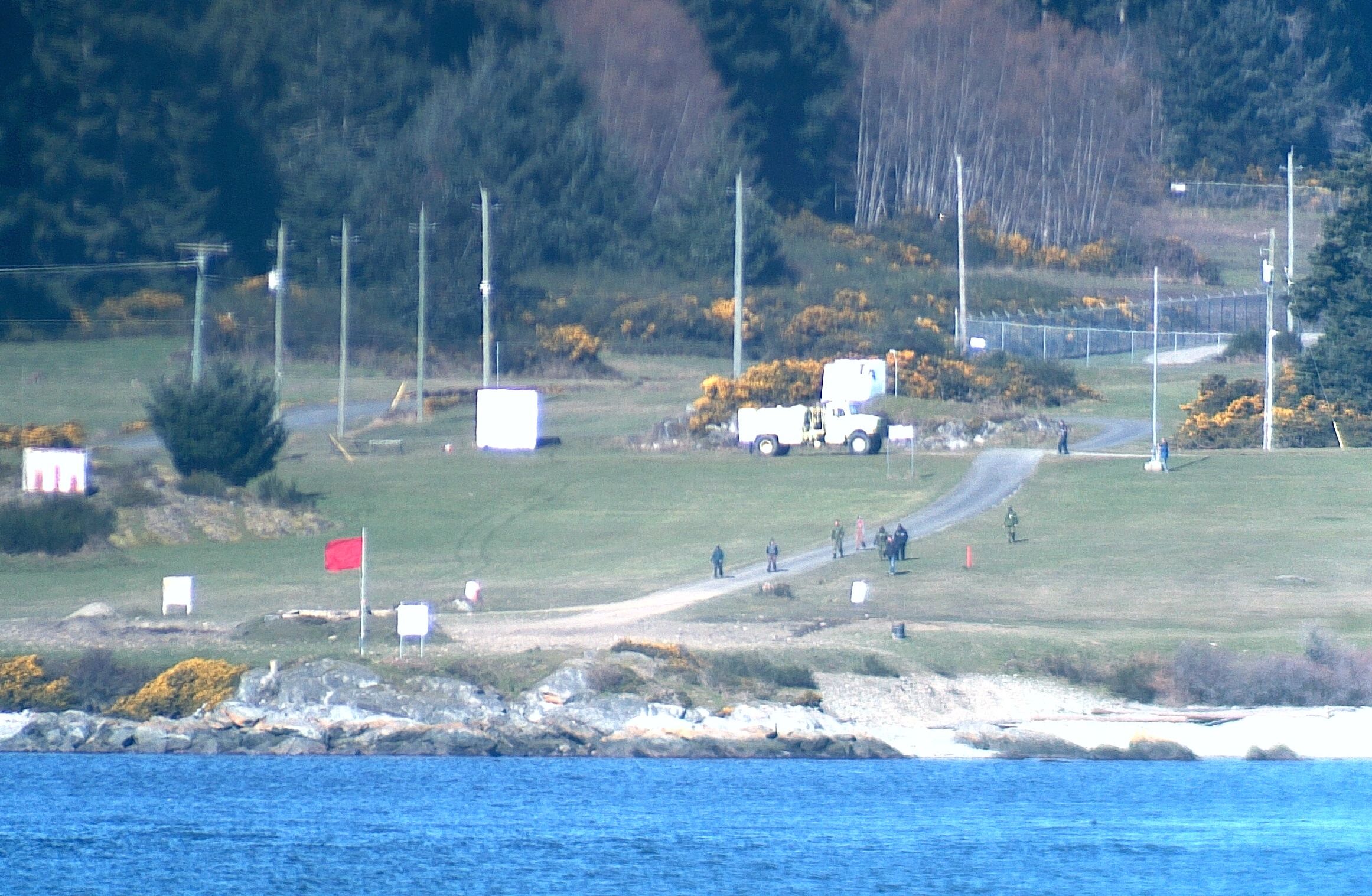
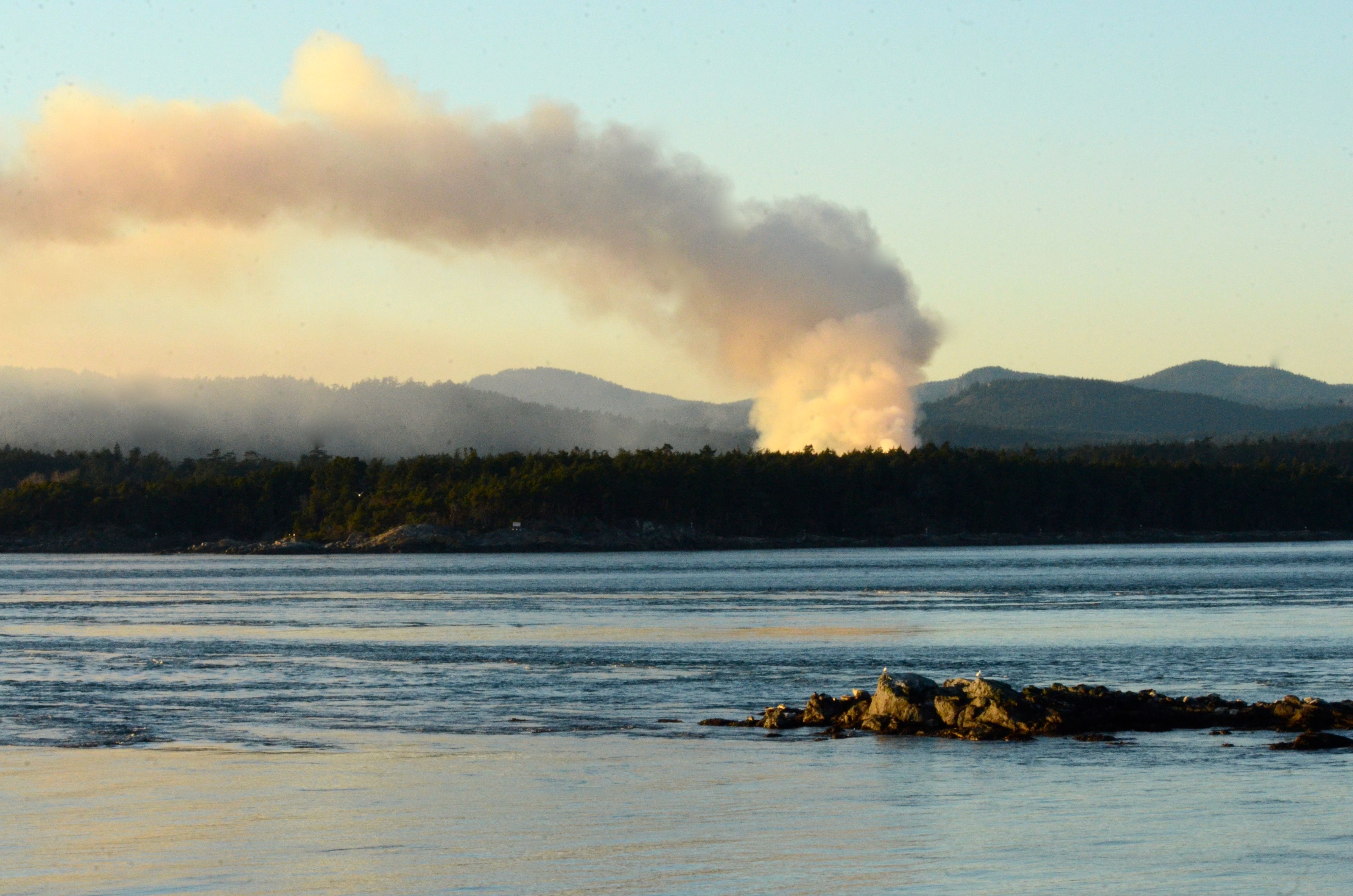
At 10:30, I was sitting in the house reading the SOP manual when I heard and felt a huge blast. There was a large puff of smoke rising from the Canadian Forces Ammunition Base Rocky Point, 2km to the NW. There were red flags to warn passing boaters. After the initial blast, a group of people appeared from a bunker to inspect the area where the munitions were detonated. There were a few more blasts in the next two hours.

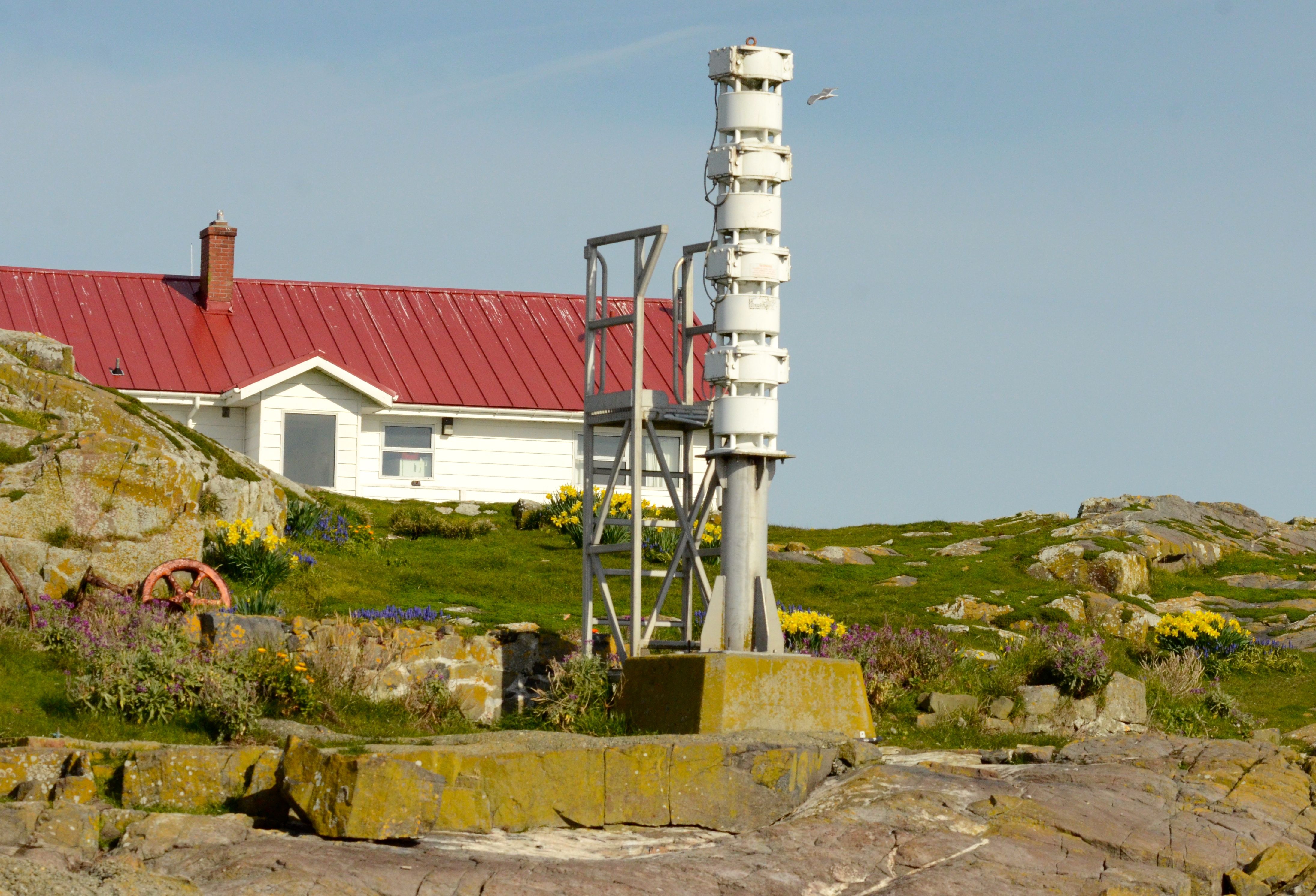
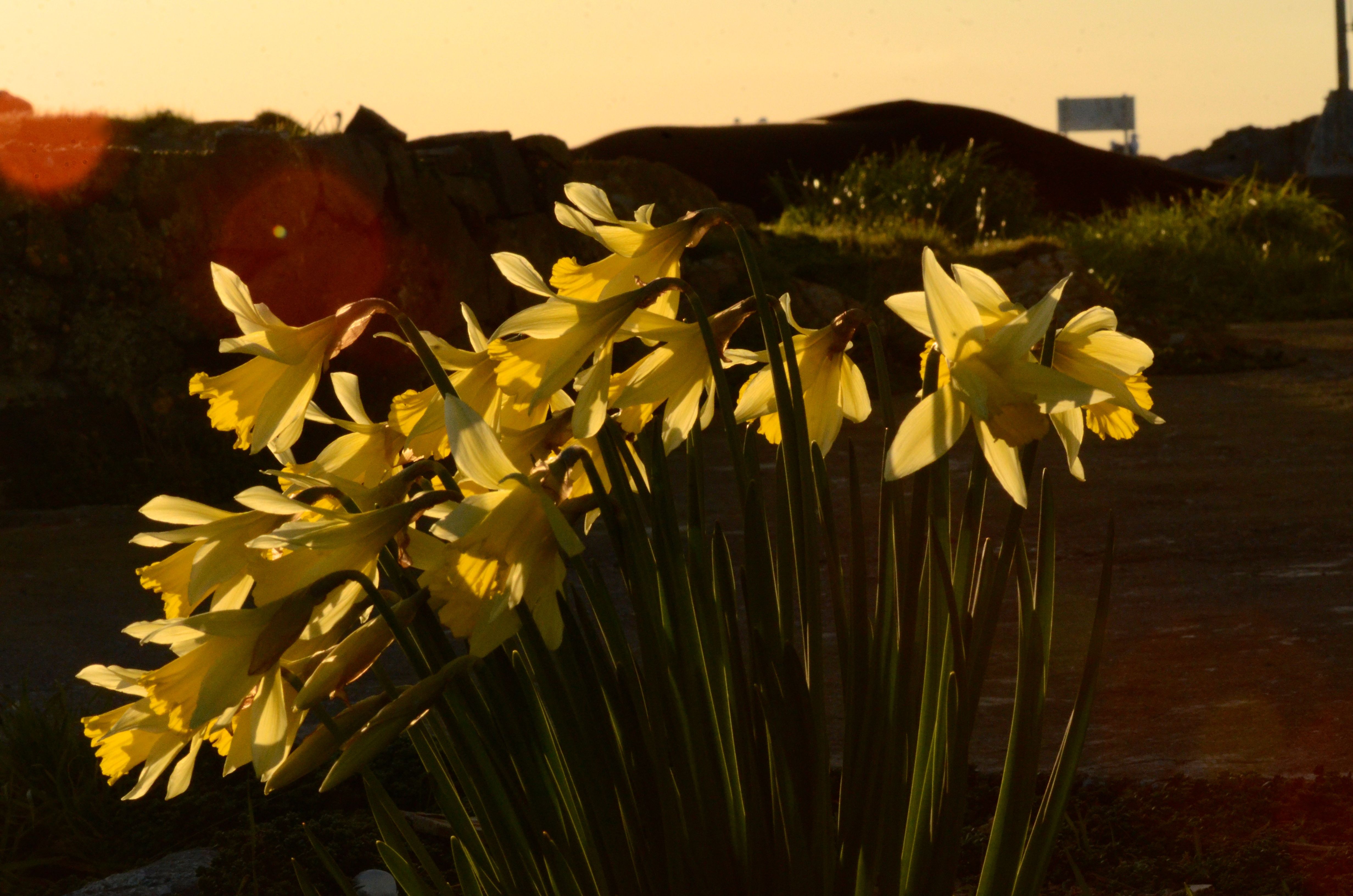
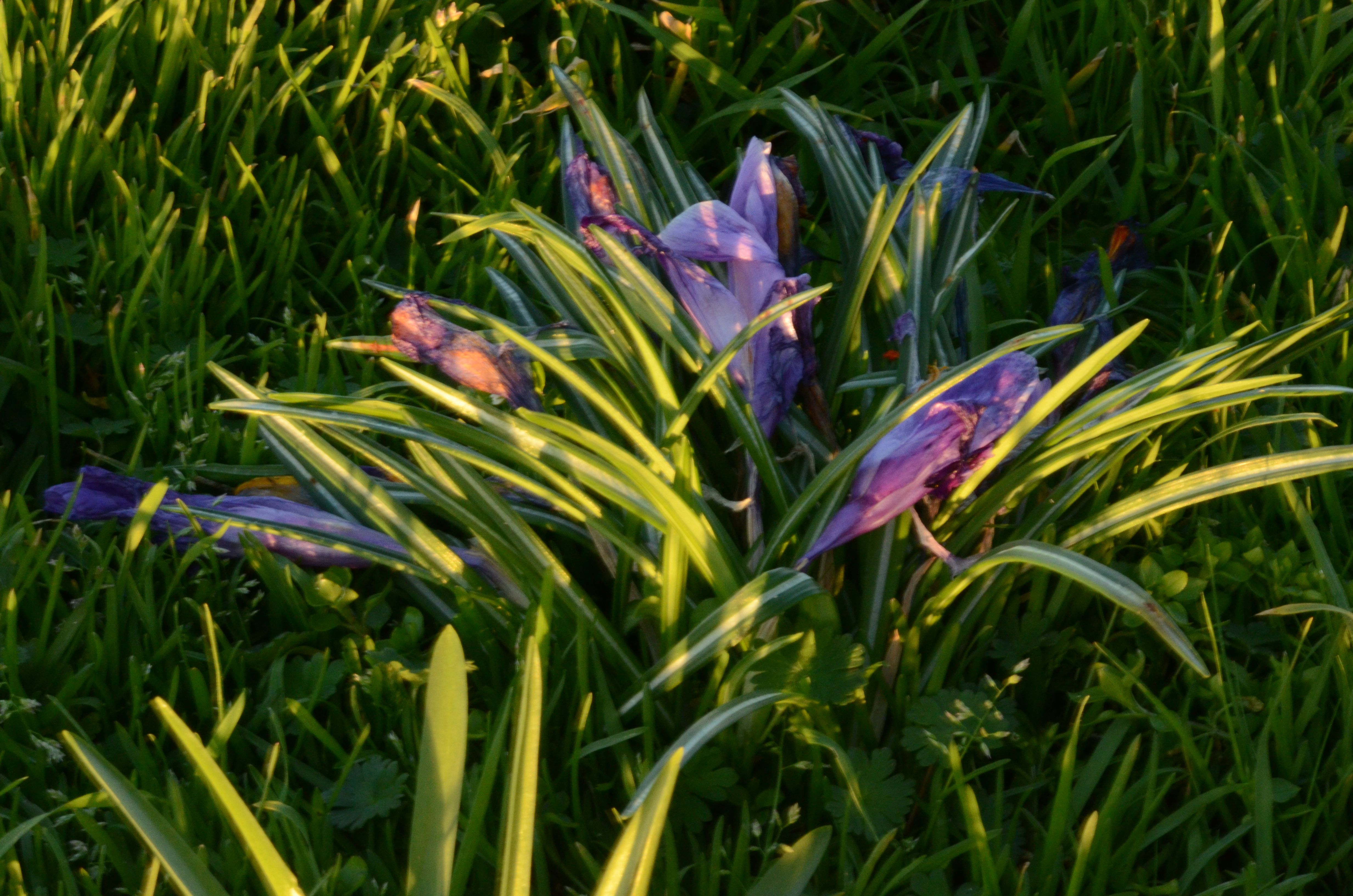
There are lots of flowers springing up around the island: daffodil, crocus, grape hyacinth, and calendula. Like several other plants that are not native to the island, they were planted by lighthouse keepers.

I spent the day reacquainting myself with the systems and species of the island.

The fog horn went off sporadically throughout the night, starting at 20:15. There didn’t appear to be any fog or clouds. The almost full moon lit up the night. It was so bright, I didn’t need to use a flashlight when I went to turn off the generator.