Marine mammals and vessels

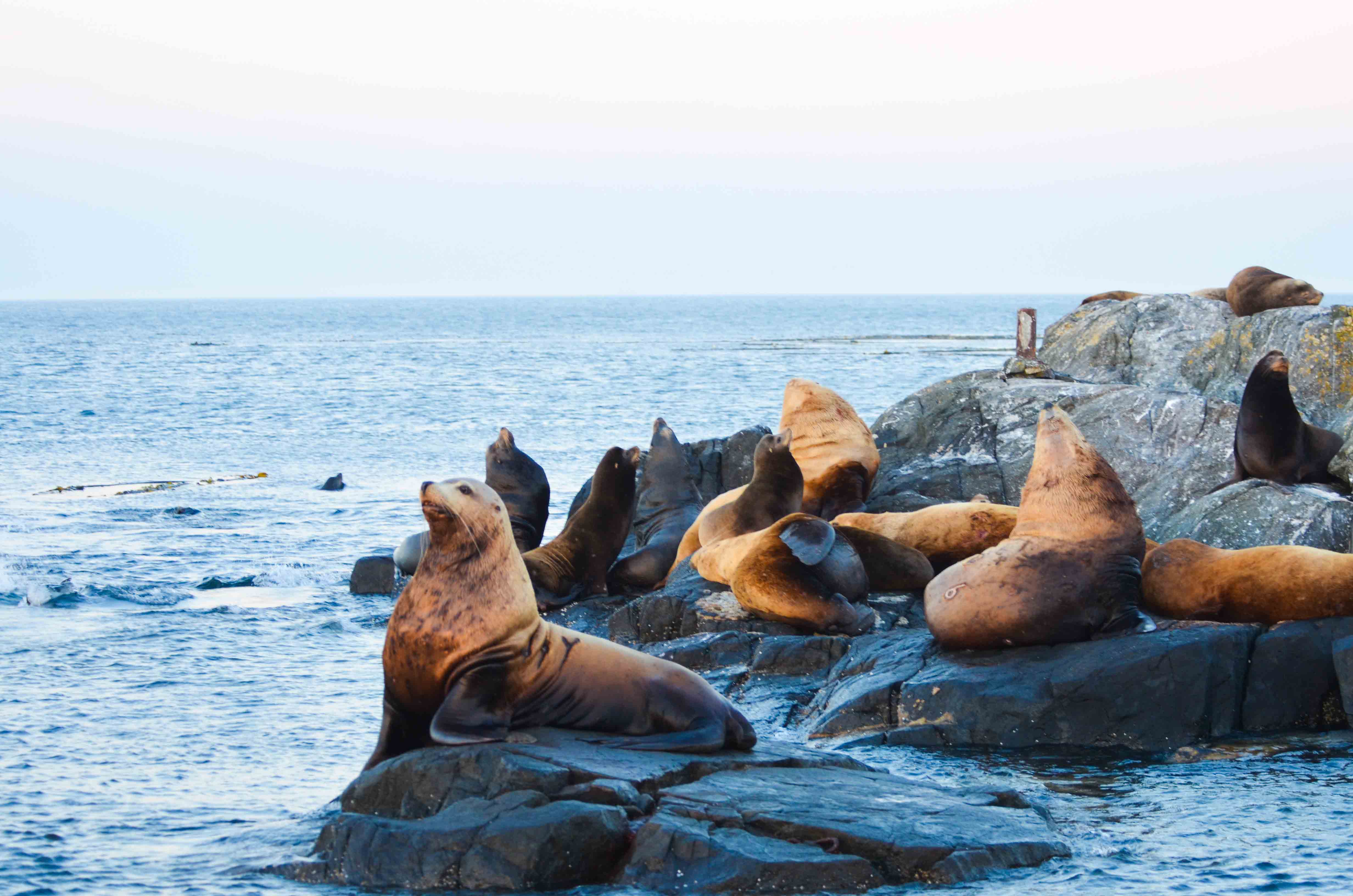
Stellar and California sea lions near sunset

The sea lions have moved in! Last night more than a dozen spent their first night on the main rock. Around sunset there were over 20 on rocks across from the jetty and in close waters. About 50-75 are still camped out on North and West Race Rocks.

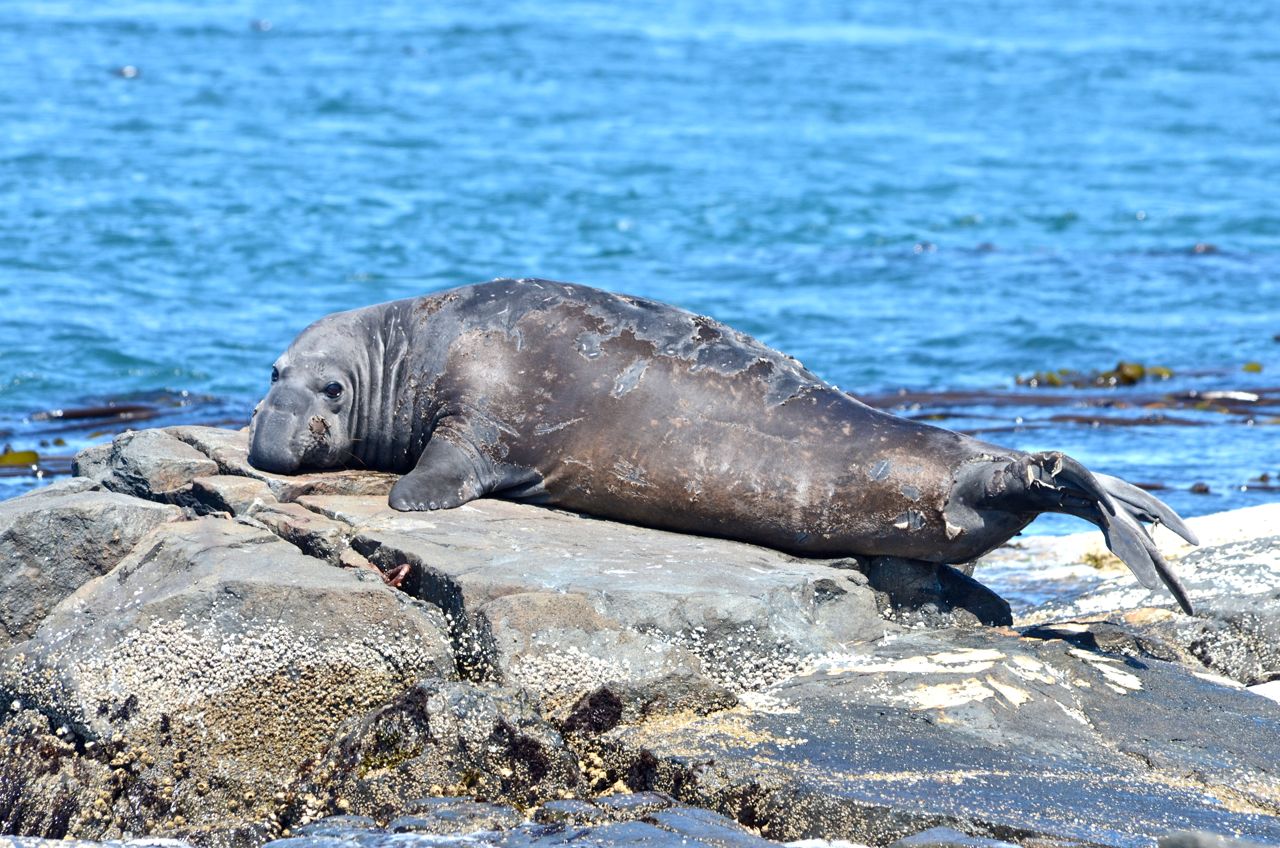
I’m unsure if it is a coincidence, but the sea lions’ arrival was directly after the elephant seals’ departure. Although there are still 3 juveniles on site, our 2 alpha males and half dozen other seals haven’t returned since Saturday, 4 August.
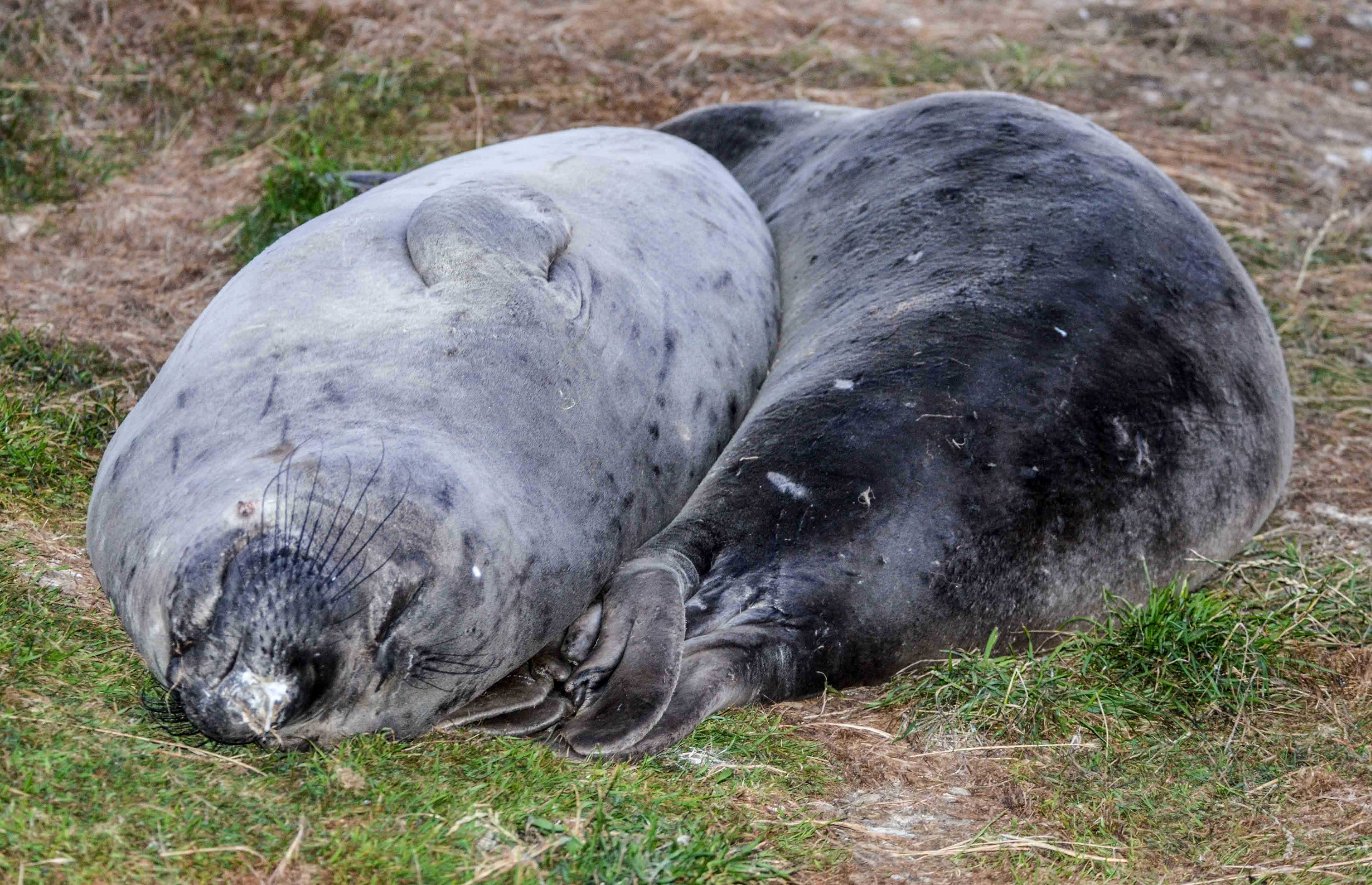
Two of the 3 elephant seals left on the island

On another note, a Canadian Coast Guard vessel was tied up to the Rosedale Reef buoy on the edge of the reserve yesterday for a couple of hours late in the day. It’s the first time I’ve seen the buoy being used since my time out here.

On Sunday 37 whale watching boats entered the reserve as well 3 private boats. It’s a lot of activity for such a small area and I wonder about the effects it has on the wildlife. A new 2-deck whale watching ship of Orca Spirit Adventures has a capacity of 200 passengers. I can’t help but think the noise pollution created by this vessel that advertises its indoor dining area and dance floor does harm to the very animals they are in search of.
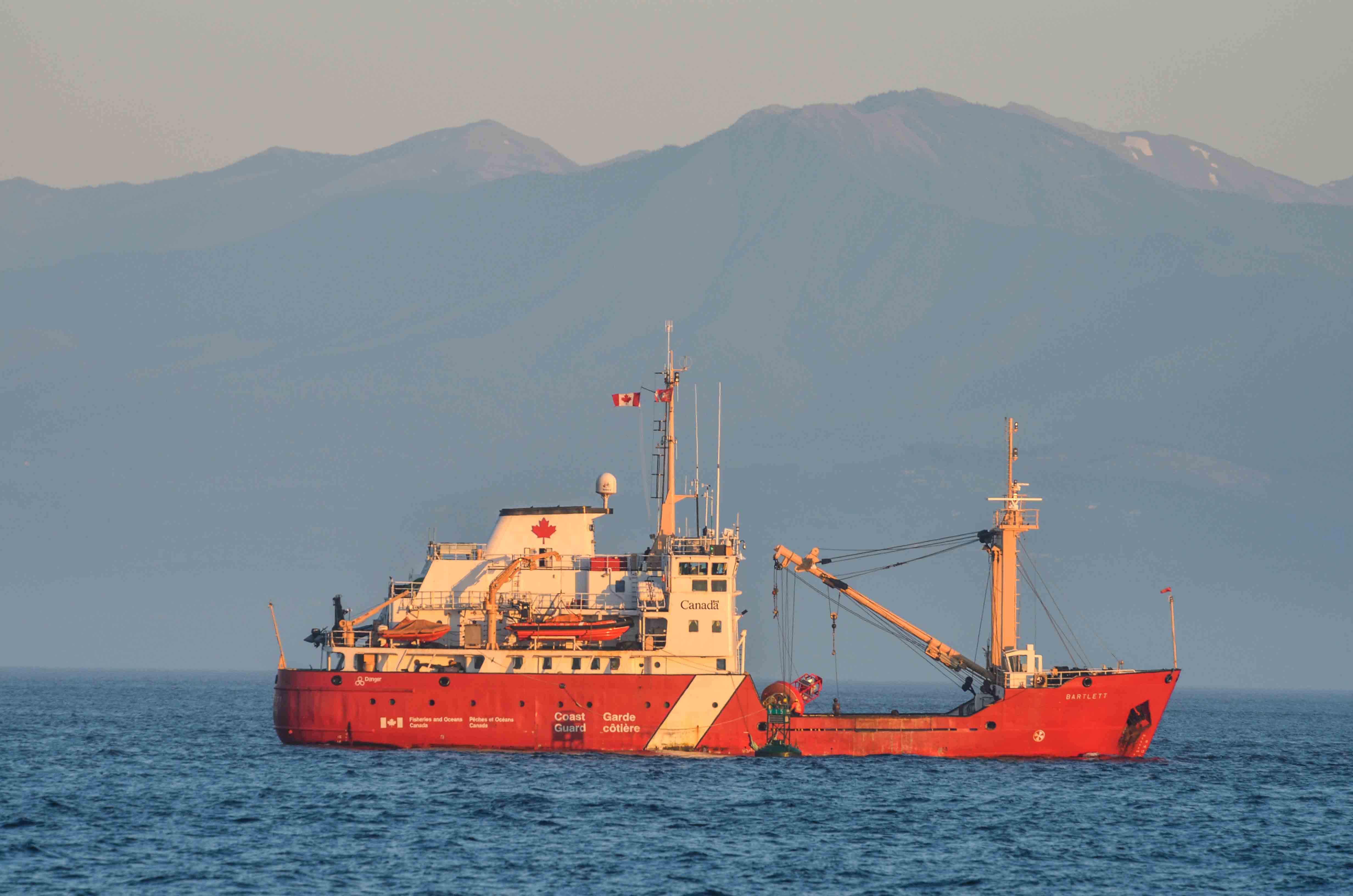
Coast Guard vessel at Rosedale Reef Buoy
Seal Pups and traffic

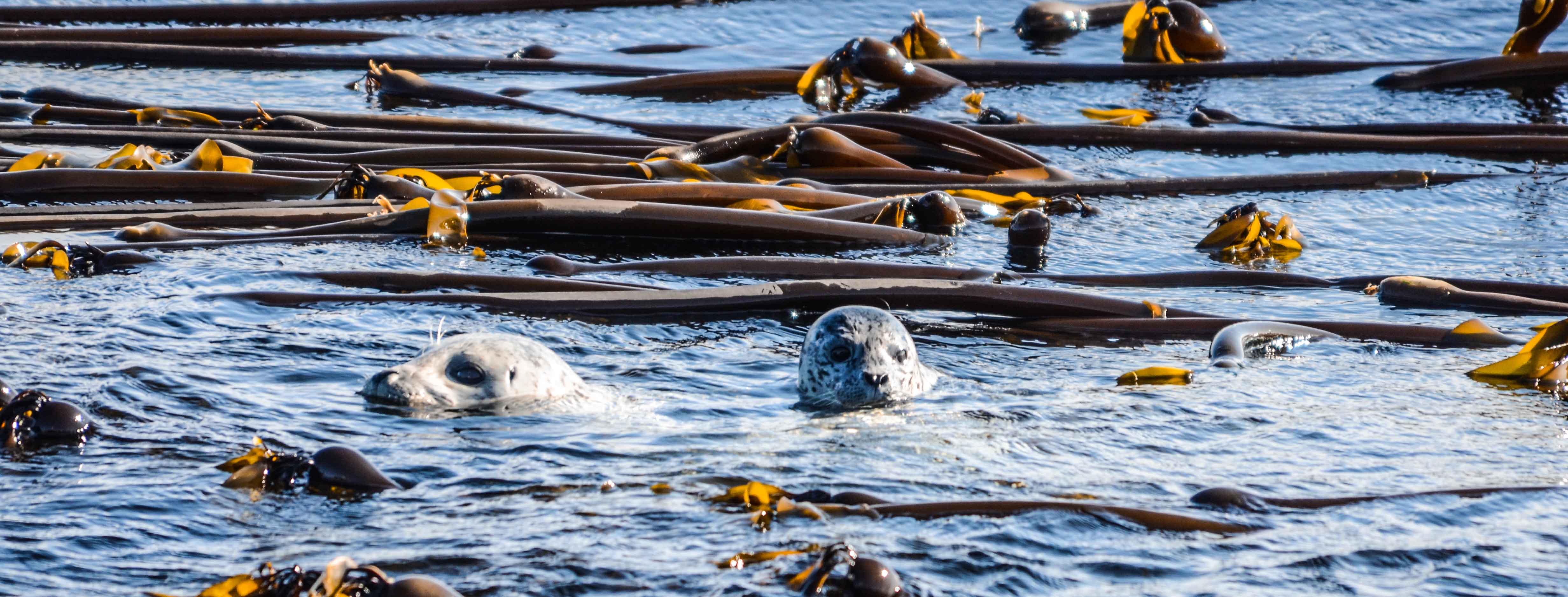
Harbour seals are frequenting the kelp beds regularly with their new pups. I have spotted a half dozen pups so far. Harbour seals (Phoca vitulina) are most often found in estuaries and shallow bays but here in the reserve there are approximately 35 right now. They feed at hide tide and rest during low tide usually somewhere within the south-eastern part of the reserve.

Habour seal with pup

Marine traffic has increased significantly this week. Today, whale watching boats alone exceeded 40 in the reserve and there were around a dozen private boaters as well. In the last post I mentioned the whale tour boats are well mannered though unfortunately speeding between North Race Rocks and Great Race Rocks has become much more common in the past week.

There is a count of 9 elephant seals at the moment, which dropped from 11 earlier in the week. Some, like Misery (our largest male), seem to spend equal time in water and on shore now.

Also, 3 groups of student visitors came out on Monday, Tuesday, and Wednesday for tours to learn about the reserve, its importance, and to get a peek at the elephant seals. The tours were kept brief as to not disturb the gulls who are still rather anxious to protect their young.


21 July Update


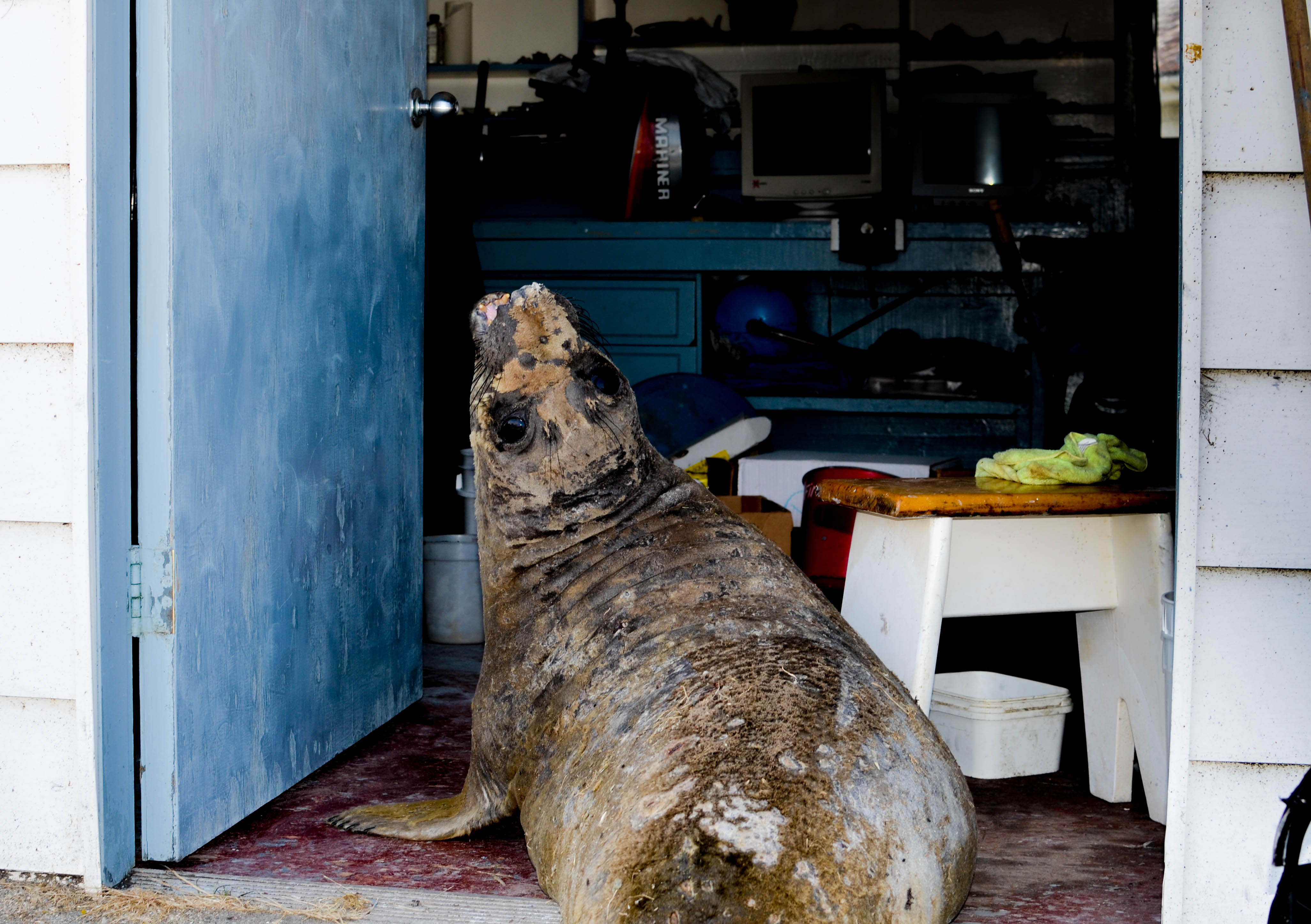
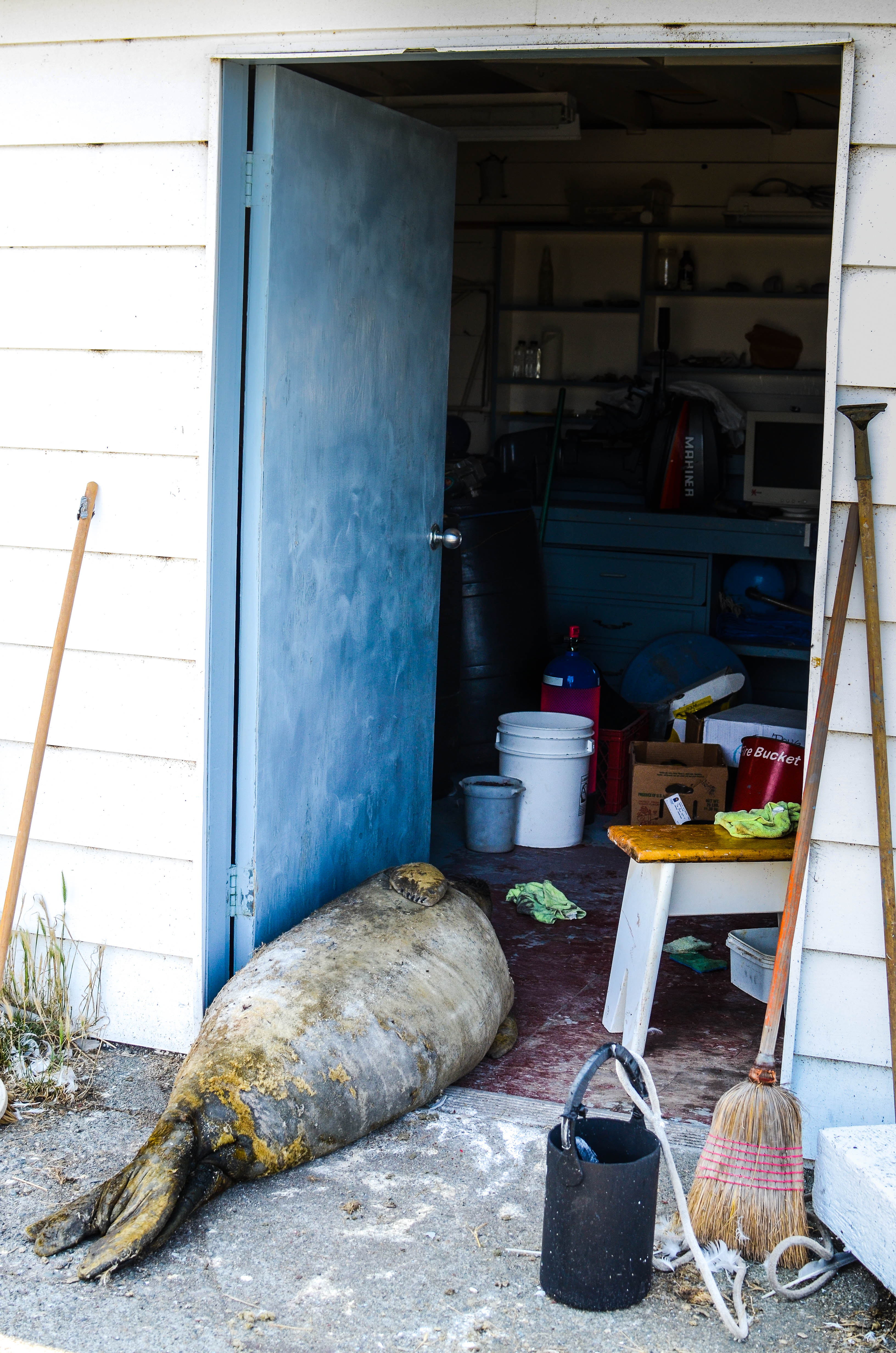
Today I scrubbed the tank room door with TSP (grease cleaner/remover) in order to paint it. Because it needs time to dry I decided to go and sand down the jetty in preparation for its paint job. In the short span it took me to do so our elephant seal friend managed to worm its way halfway into the tank room from ~10 metres away… Again!

After some prodding it finally manoeuvred out of the doorway. Although it seems rather humorous, this incident raises more serious questions about measures we will have to take in the future if the elephant seal population continues to rise.

The jetty, for example, which is the most preferred spot for water entries and exits, is hardly large enough to accommodate the two adult males we have here as it is.


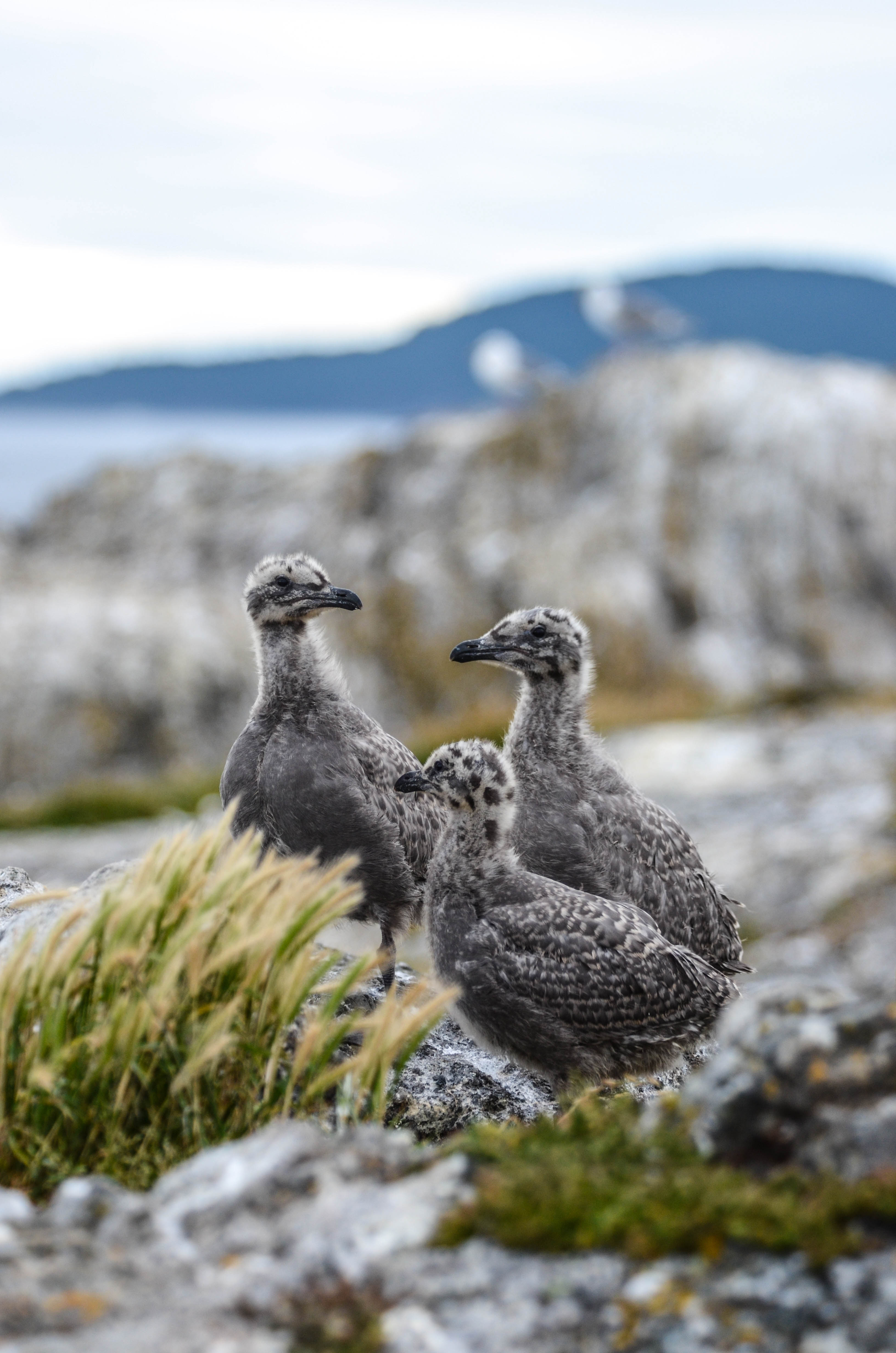
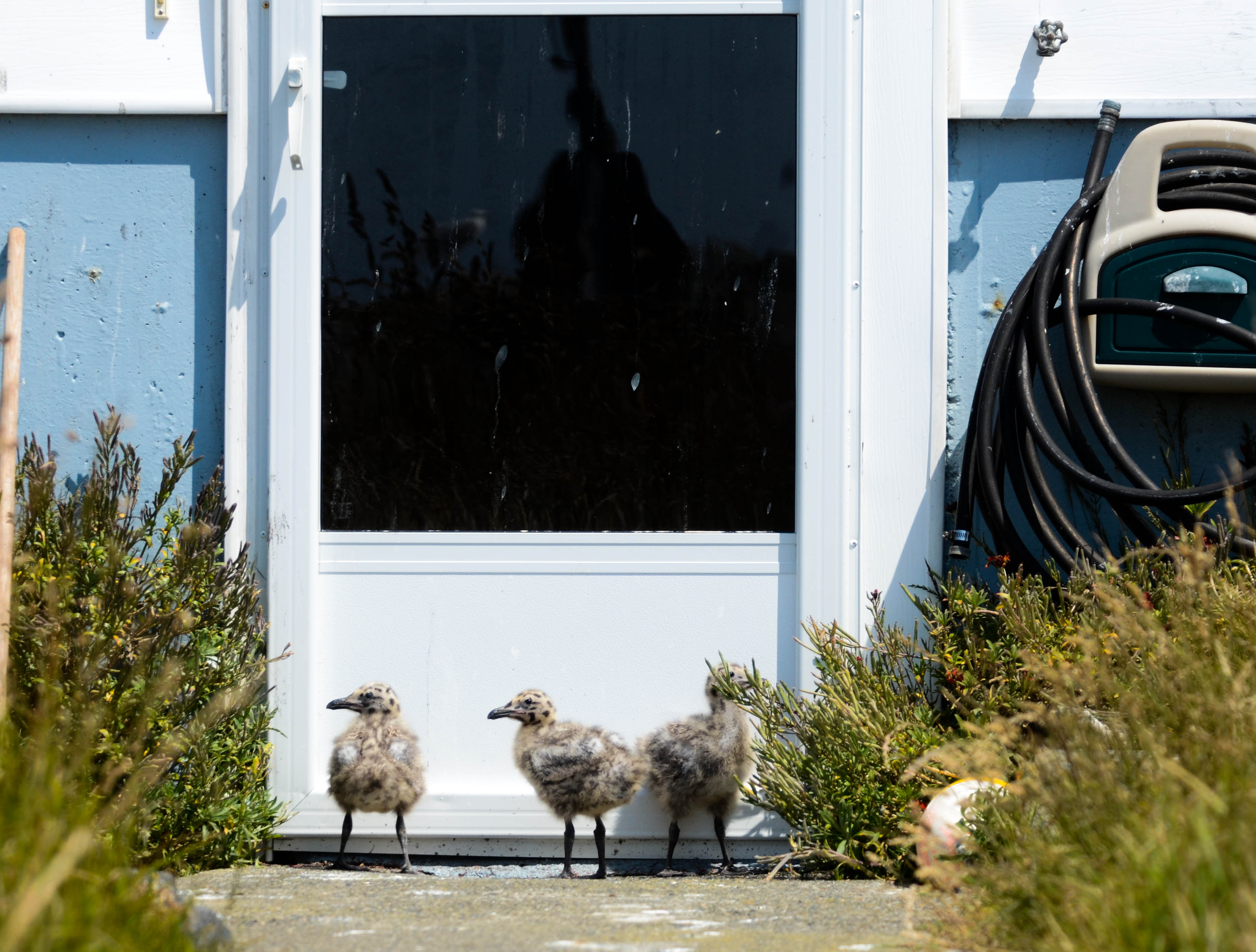
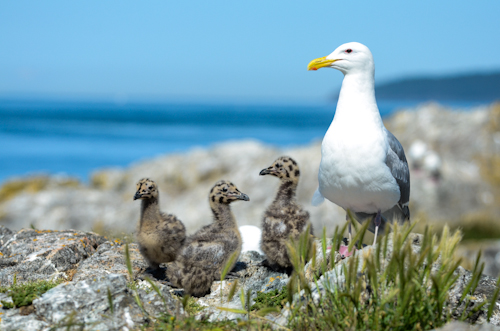
Also, an update on the progress of the 3 chicks shown left. Many chicks on the island are starting to show signs of trying to fly.

A different 3 have decided to block my doorway for the past week or so.

Yesterday Chris Blondeau came to clean camera 2 (the underwater camera) and there were six other visitors who toured the island.


Elephant seal encounters

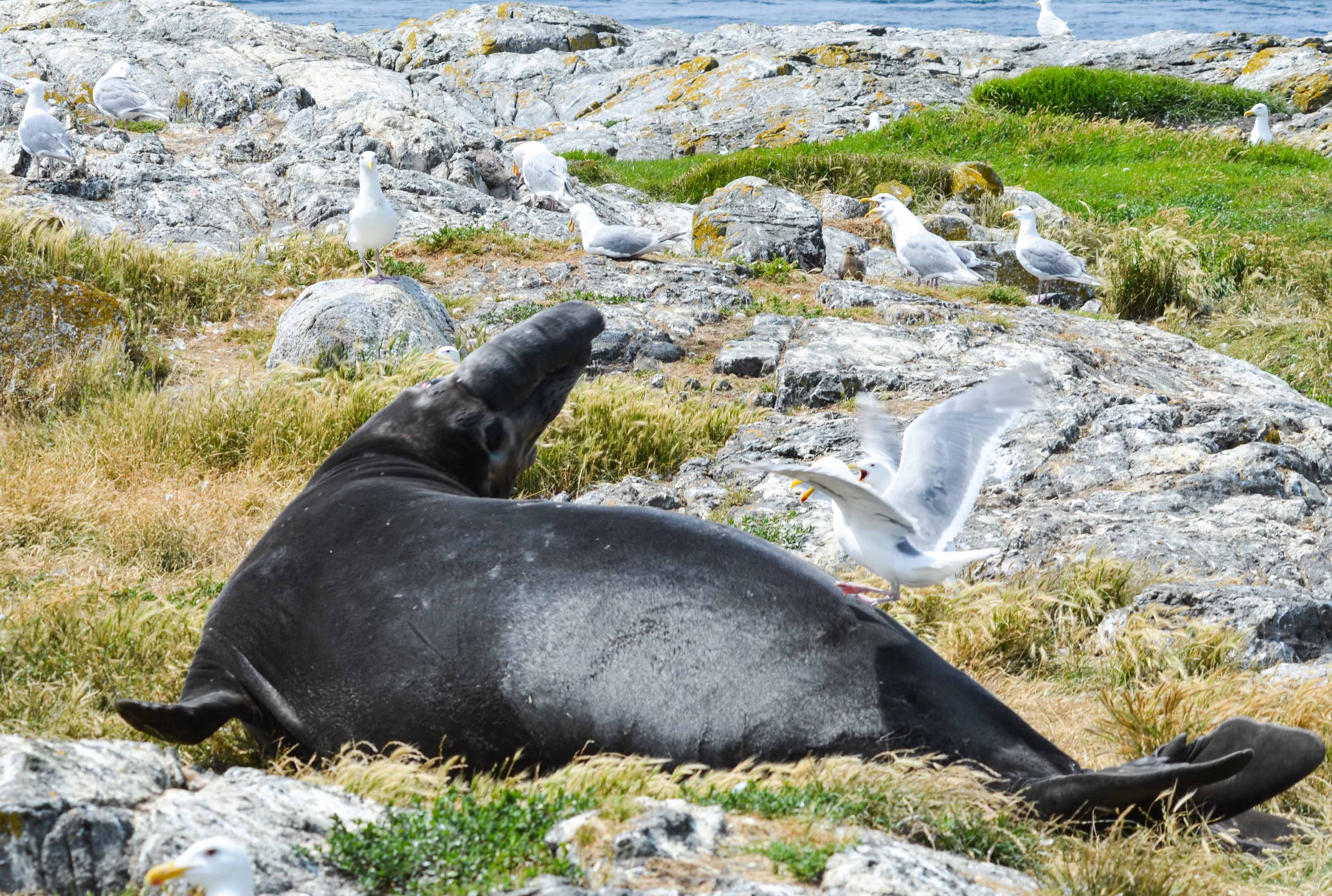
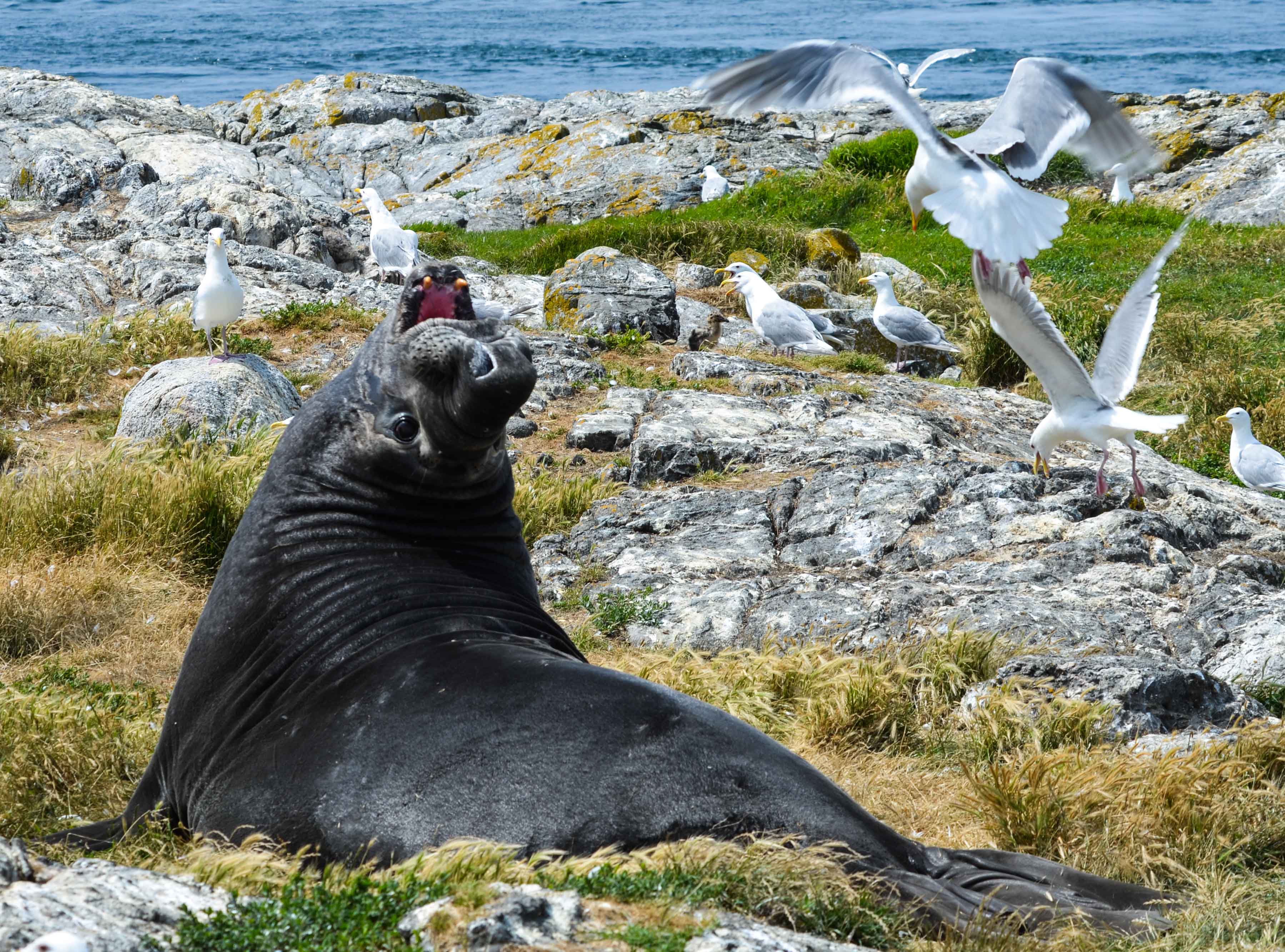
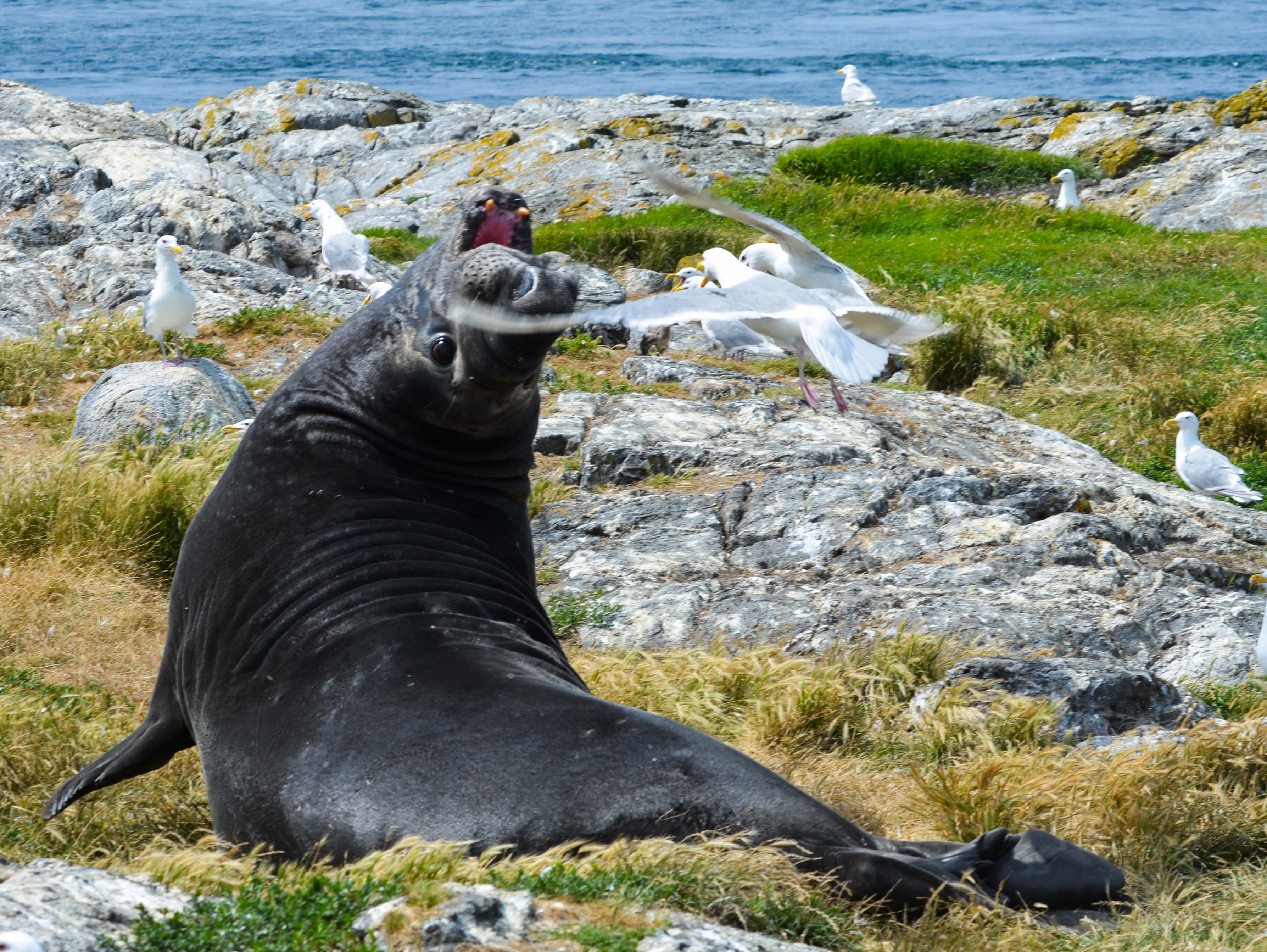
The elephant seals have had some funny encounters with some of the other animals on the island. There have been some close calls between the seals and the gulls, though I’m not sure on whose part.


On their way to and from the water each day, the seals cross over bird nesting areas (which are hard to avoid on the island). Recently they have been visiting the water more often so this is becoming a larger problem for the gulls who frantically call in defence of their young. I must say they put up a good fight. The above shots show two gulls who, while attacking Misery, dare to land on his back to distract him and deter his path. It made for quite the stand off.

Chunk with Sea Lion

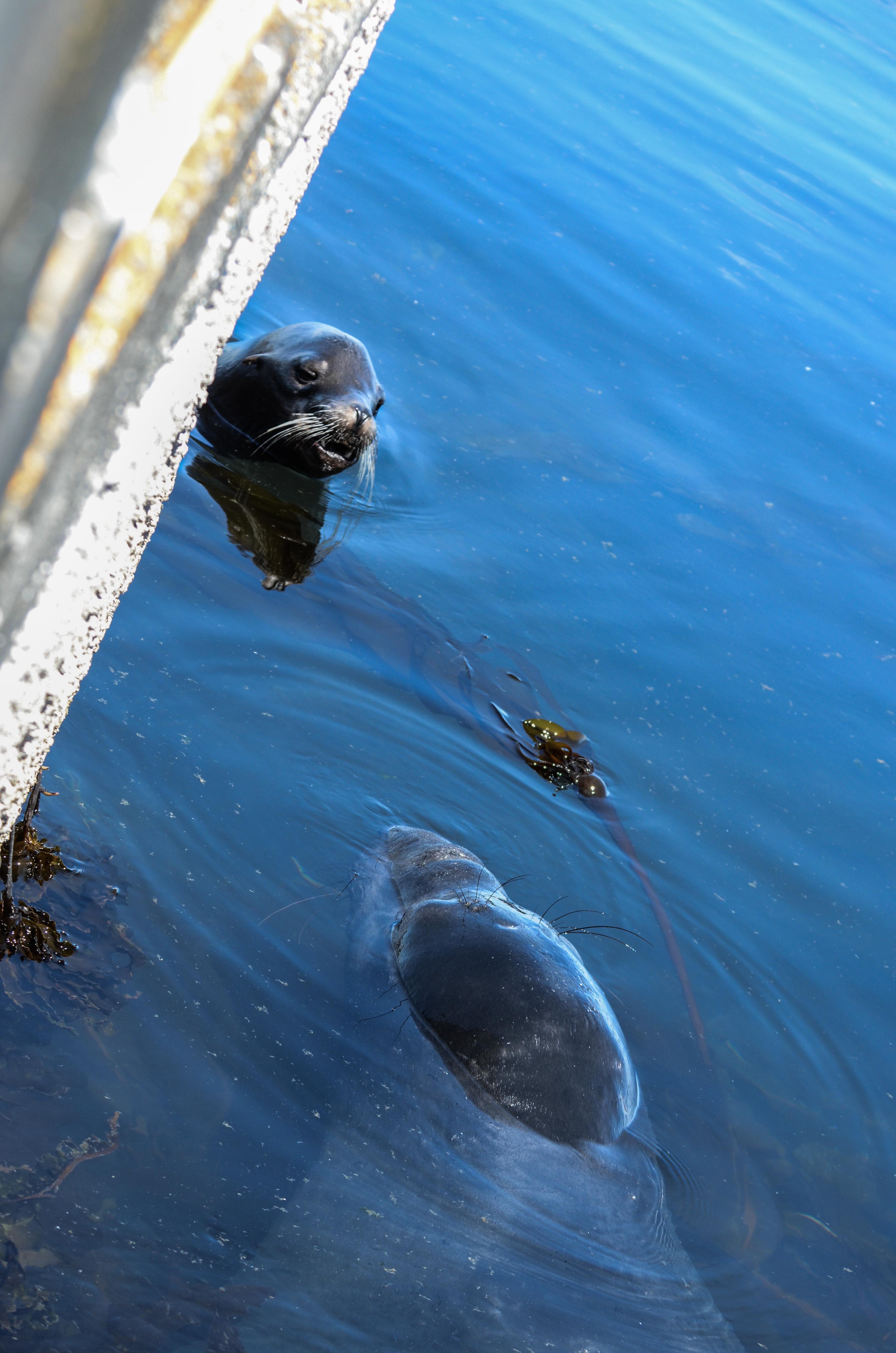
The elephant seals have also been interacting with the sea lions more, who have been hanging around the jetty more frequently. Unlike the gulls, the sea lions (both Stellar and California) happily share the space. Yesterday when docking the boat there was a sea lion on the boat ramp amidst 4-5 elephant seals in the water and on the ramp. However, if confronted the sea lion knows who the alpha male is and makes for a quick depart, as this one (pictured right) did just after the photo was taken.


New and old faces

Glaucous-winged Gull with chicks

The past few days have seen a good deal of development with the wildlife on the reserve. Newborn gulls and elephant seals are still competing for the spotlight. The picture below of the gulls are the same three that Mike posted as newborns on his last post (June 29th) and luckily they have indeed been thriving since.


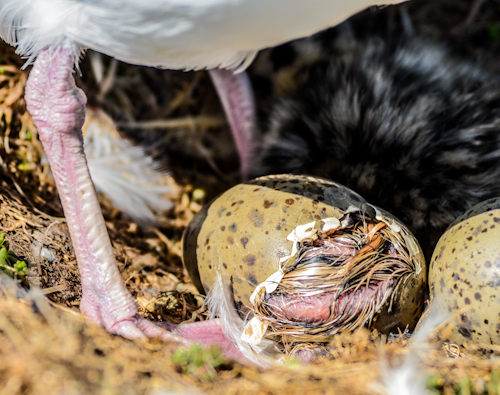
Hatching glaucous -winged gull chick

A few more are born each day and they can take hours to fully hatch.


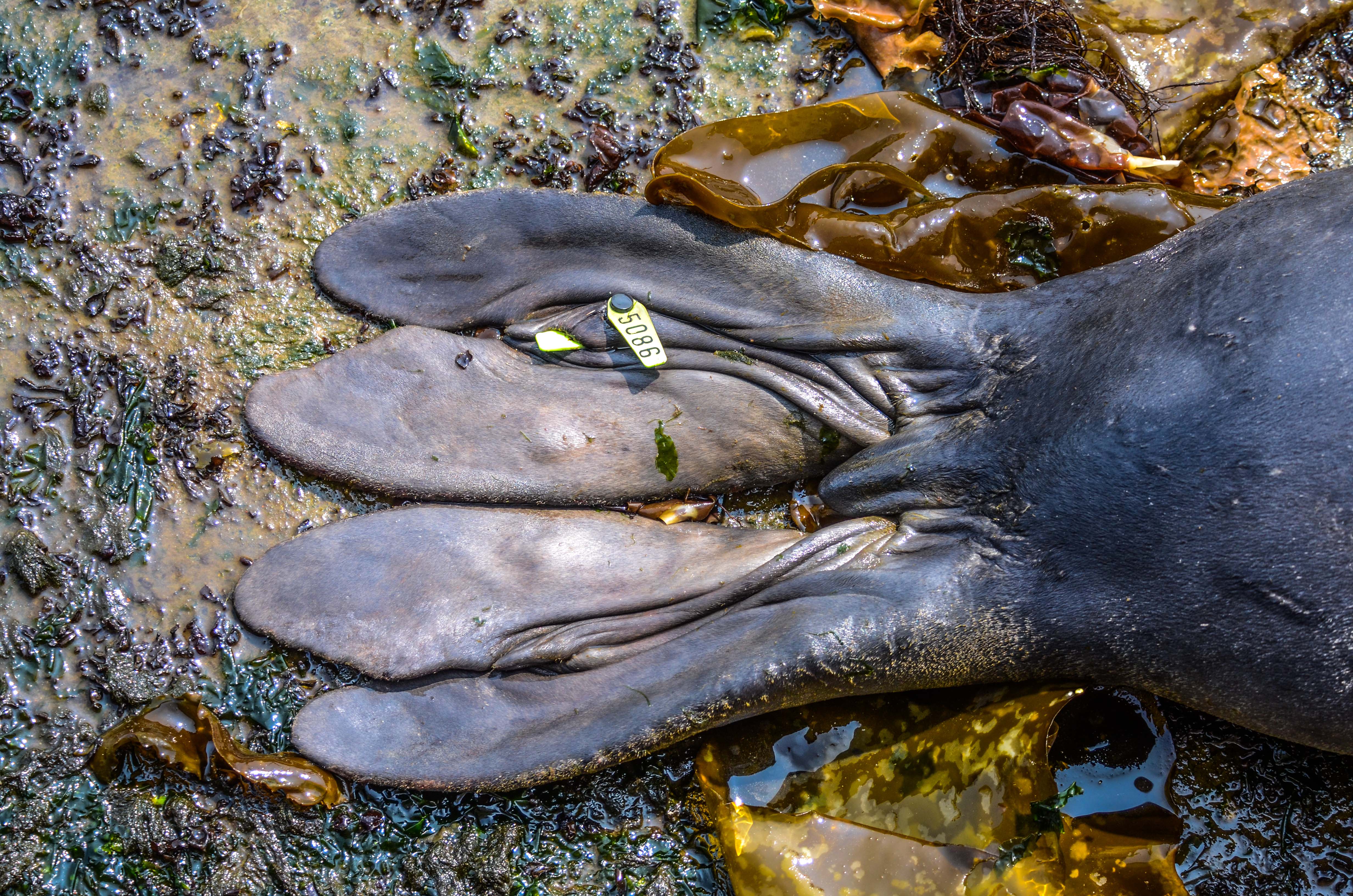
Elephant seal with green tag #5086

Yesterday we had two new visiting elephant seals. One had a green tag which implies that it was tagged by a team in California, on an eco-reserve in Ano Nuevo. March 10th, Alex posted a photo of an elephant seal that had been tagged twice. This appears to be the same one (minus one of its tags). She’s done a beautiful job of moulting.


Bertha is back!

Bertha is back after giving birth to Squall in January

Two nights ago on my way out to the jetty I was met by an elephant seal. I had originally thought it to be male but when it was on its back the following day I saw a scar that determined it was our beloved Bertha, the female who gave birth to Squall this past winter. She left early February after nursing her pup for a few of weeks and has finally made her way back to the reserve. She has gained a lot of weight since her last visit.

Another Elephant seal

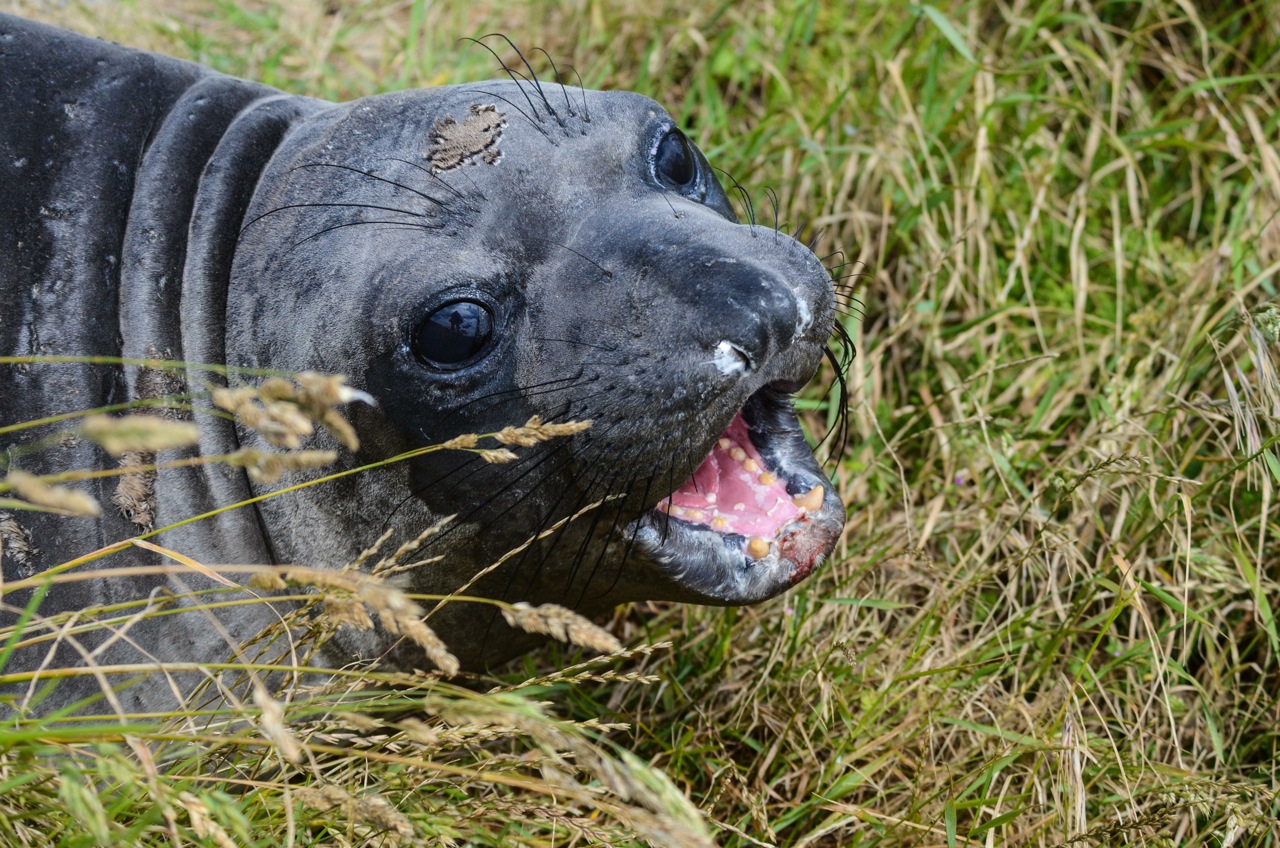
Another elephant seal that has been camped near the generator room for the past number of days has remarkably made his way up past the lighthouse and towards the cistern. He has been fairly vocal today and I noticed a splash of blood on his mouth. He now sits closer to the house.


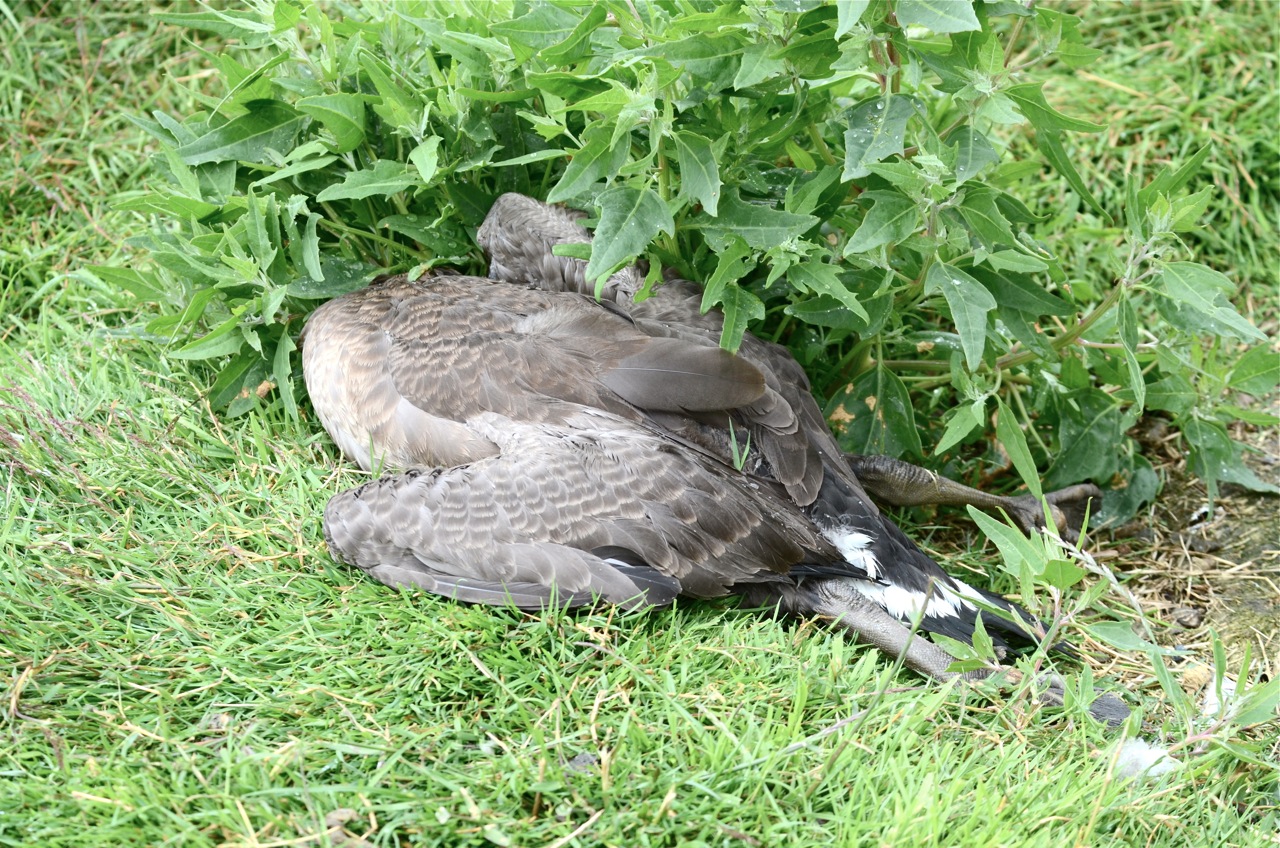
Dead Canada Goose

The Canadian geese have taken to grazing near the east side of the main house. This morning I found a dead juvenile which puts the total number of geese in the reserve (including adults) to 18.


June 26th Update

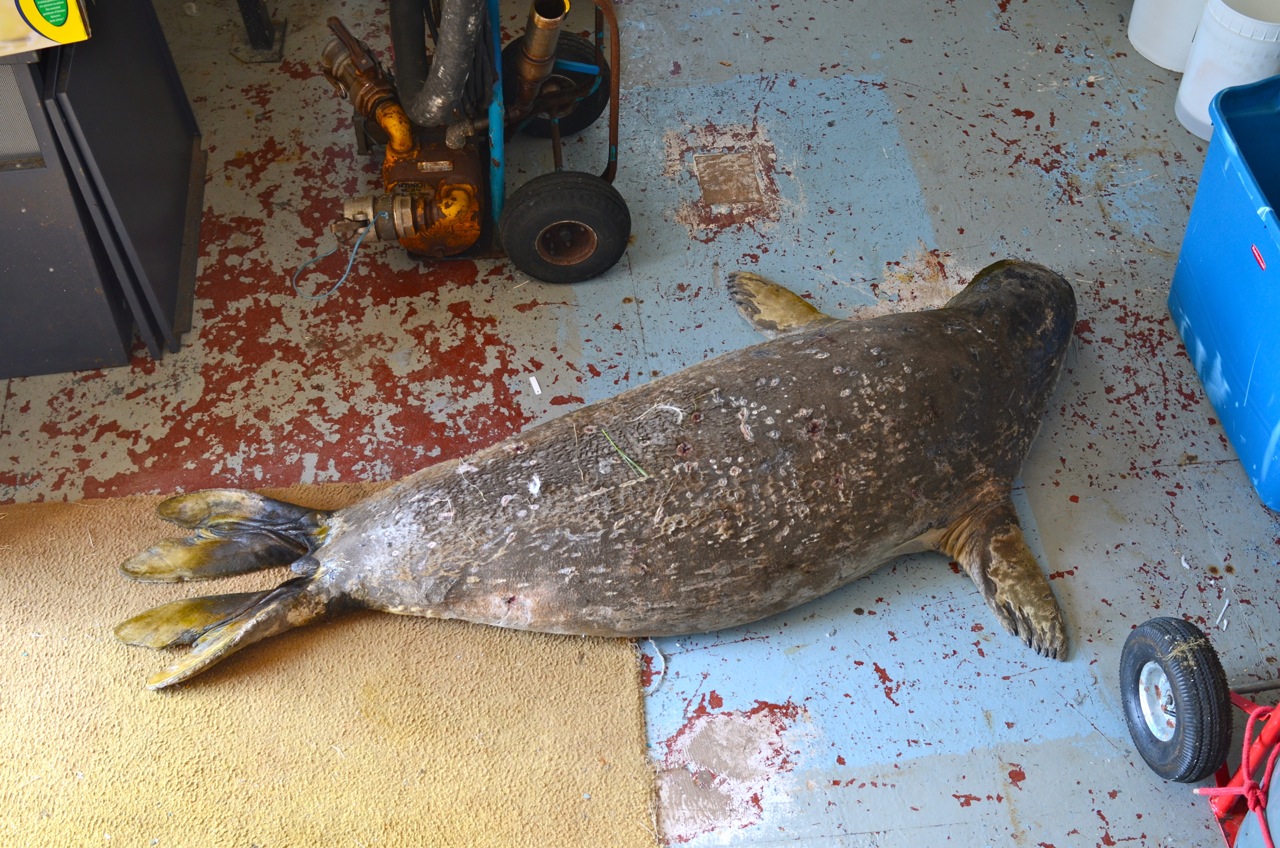
Elephant seal in workshop

Hi, I’m Julie and I’m going to be taking over for Mike starting in July. Over the past week and a half he’s kindly been showing me the ropes of the place. More elephant seals have been visiting and currently we have about ten in the reserve. A couple of days ago, one crept into one of the buildings where we take the salinity measurements. He stayed for a number of hours and seemed very pleased to have found himself a cool, shaded, and sheltered area.  Fortunately, he left on his own accord and no damage was done. Mike and I will be sure to keep a closer eye on the doors in the future!

Basking Chunk

Our largest male, Misery, has alas begun to moult and has lost a significant amount of pelage in the past day and a half. Chunk, our second largest, has been losing weight and we predict he will take off and return to the sea in the next few days.


On another note, the red flags were put up on Bentinck Island yesterday morning and there have been 4 blastings today by the military. Although the elephant seals don’t seem to be bothered terribly, the hundreds of glaucous-winged gulls go haywire each time this happens before settling back down again.

Yesterday, Mike spotted humpbacks passing south of the reserve in the rain.

Animal Census First Sea Otter at Race Rocks

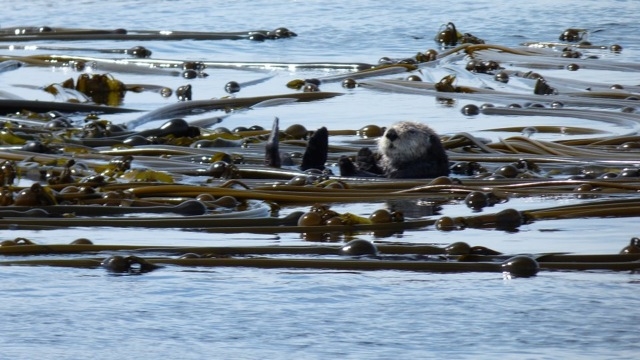
Sea Otter in race ROcks Kelp Beds, photo by Adam Bird

Sea Otter in Race Rocks Kelp Beds, photo by Adam Bird on June 10/2012

Things have been fairly quite lately regarding birds and mammals here, though one of the eco-tour boats reported seeing a Sea Otter (Enhydra lutris) in a kelp bed on Monday! The percussive blasts from Rocky Point military testing range scared off most of the Sea Lions last Thursday and only a few have returned in the last couple days. A large pod of orca passed through and near the reserve on Tuesday. Thanks to Suna, Doris and Ishmael for the census.

Elephant Seals: about 10
Steller Sea Lions: 2
California Sea Lions: 2
Harbour Seals: 204
Glaucous-winged Gull: 246
Surfbirds: 18
Pigeon Guillemots: 108
Canada Goose: 13
Bald Eagle: 3
Black Oystercatcher: 12
Northwestern Crow: 1
Raven: 1
Sparrow: 4
Sea Otter: 1
Caspian Terns: 6
Herring Gulls: 20

Explosions Don’t Belong Here

I am rather annoyed to put it mildly. The military base at Rocky Point, an ordinance training facility is responsible today for about 10 of the loudest explosions I have heard since being here. The windows shook, and I could feel the percussion in my chest. As a result all the sea lions appear to have left the reserve, and half the juvenile elephant seals made for the water. The military has a huge piece of land so why do they have to practice on the beach of the incredibly beautiful Bentinck Island directly across from the reserve? If they need to practice why can’t they do it inland where the noise and pollution can be contained? Who are they accountable to? Besides the disruption it causes to animal life, it also means there are no animals for the tour operators to share with their clients. In other words we all lose.

Elephant Seals: up close and personal video

Mike Robinson took this video of Misery today:


Get up close and personal with a Northern Elephant Seal at Race Rocks Ecological Reserve. Lots of facts and personal observations of these magnificent marine mammals, the second largest carnivore on the planet after their Southern cousins.


David Attenborough did this in depth video of Elephant Seals  from Elephant Seals /Life in the Freezer/ BBC earth


Also this video  Elephant sealls of Piedras Blacas , California by Brian Caserio iis very informative.