Chunk ‘nd the Trunk

It was a glorious day at Race Rocks with westerly winds continuing from yesterday but with more moderate speeds of 15 – 25 knots and even lighter winds of 10 – 15 early in the morning. The sky was clear above although there was a ‘marine haze’, which reduced visibility early to less than ten nautical miles. As the winds picked up so did air quality leading one to wonder if the ‘marine air’ actually has an onshore and anthropogenic source.  Solar radiation intensity was high today peaking at over 900 W/m2. It is 19:00 hours as I write this, with more sunshine to come and the accumulated solar radiation for the day is already close to 700 Langleys. The forecast includes a westerly gale warning for tomorrow afternoon and evening with clear skies and a high UV index of seven.

Only one whale watching boat (from Sooke) was observed in the Ecological Reserve today.

There were more large and startling (at least to me)  explosions today, which did not result in even a visible flinch by the Northern Elephant Seals. The Harbour Seals got into the water and were looking around at the surface and the Pigeon Guillemots flew but quickly returned and recovered. Two vessels with containment booms, one travelling at a fairly urgent-looking speed towing some of the booms were observed in the vicinity of Race Passage today. It may have just been an exercise, as they didn’t stay long.

Ecologically, things are continuing to grow at a tremendous rate as spring accelerates for the shift into summer, in less than two weeks. The goslings have graduated from short paddles to longer endurance swims crossing Middle Channel. Their grazing pressure on the island continues but doesn’t seem to exceed the productivity of the grasses that they graze on.

In the water, the productivity of Bull Kelp or Nereocystis lutkeana continues unabated and large, well formed kelp beds fringe all of the islets and reefs, producing tremendous amounts of food for a broad array of direct grazers and both peripheral and out-lying detritovores that eat the sloughing bits and pieces that drift down from the canopy and out of the kelp beds.
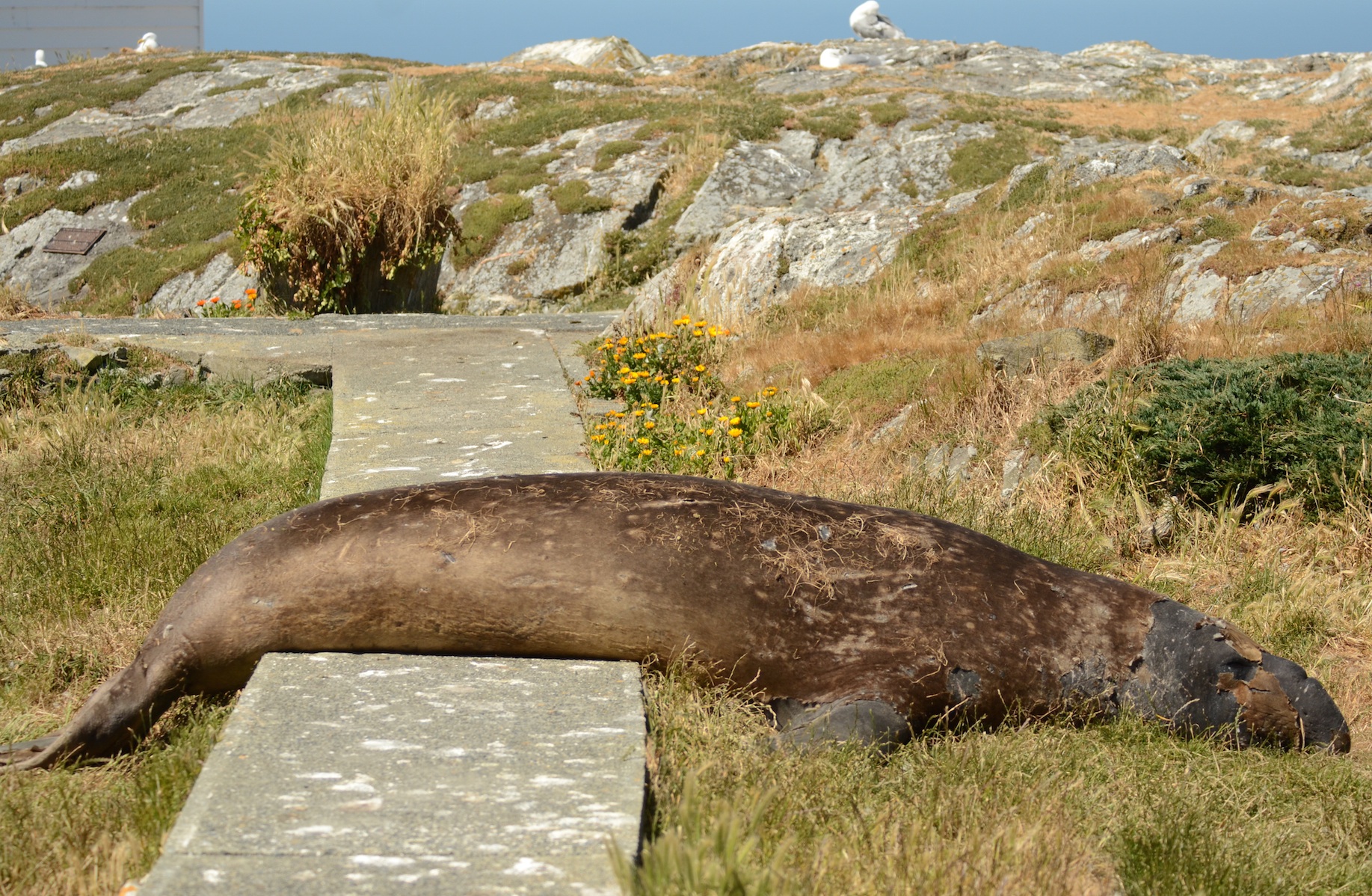
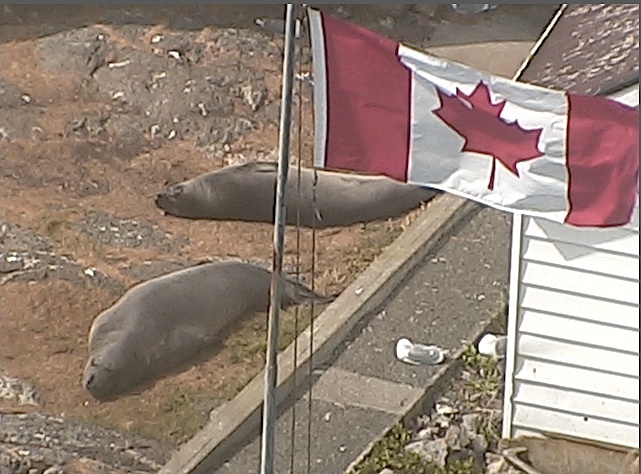
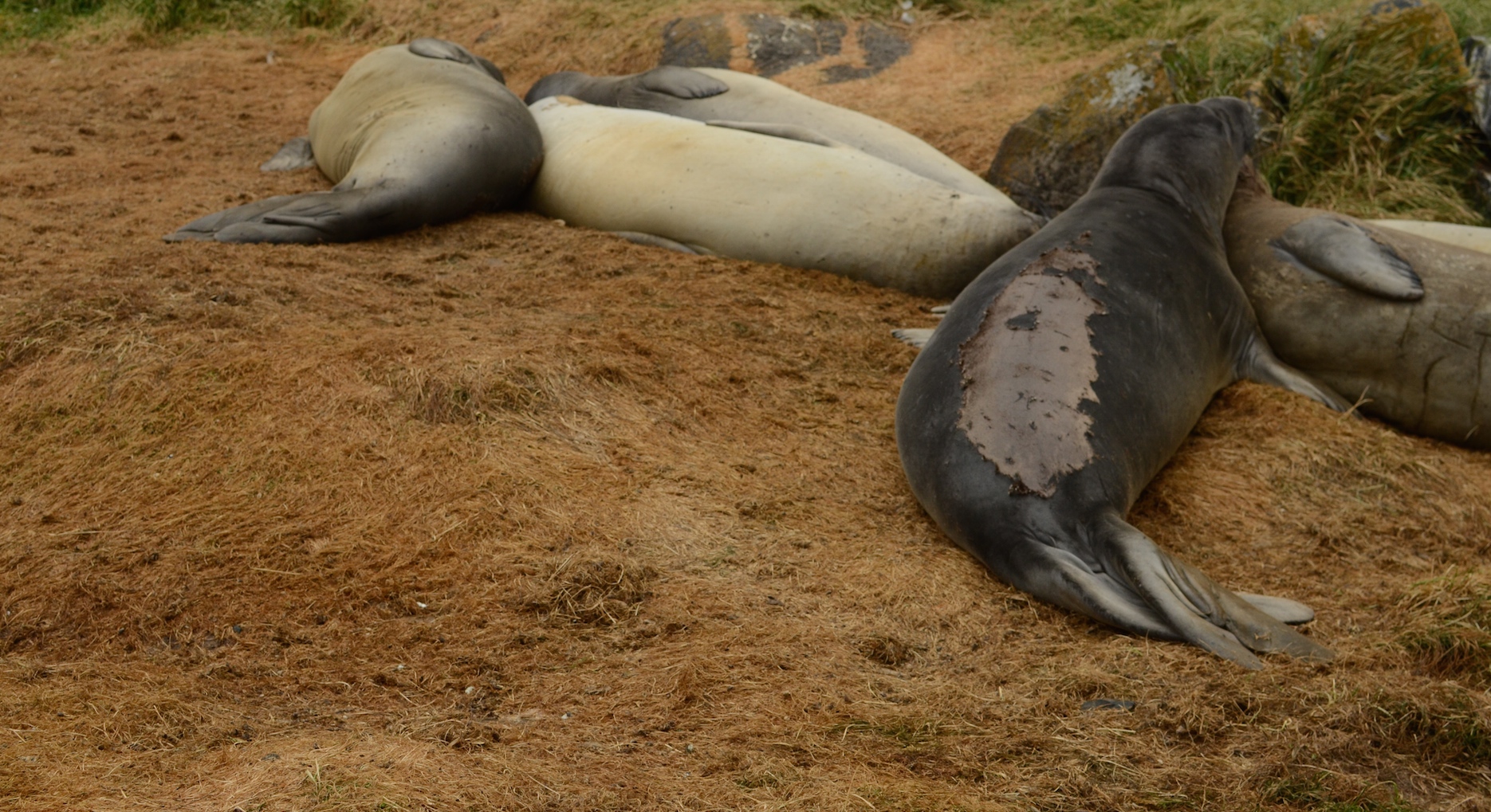
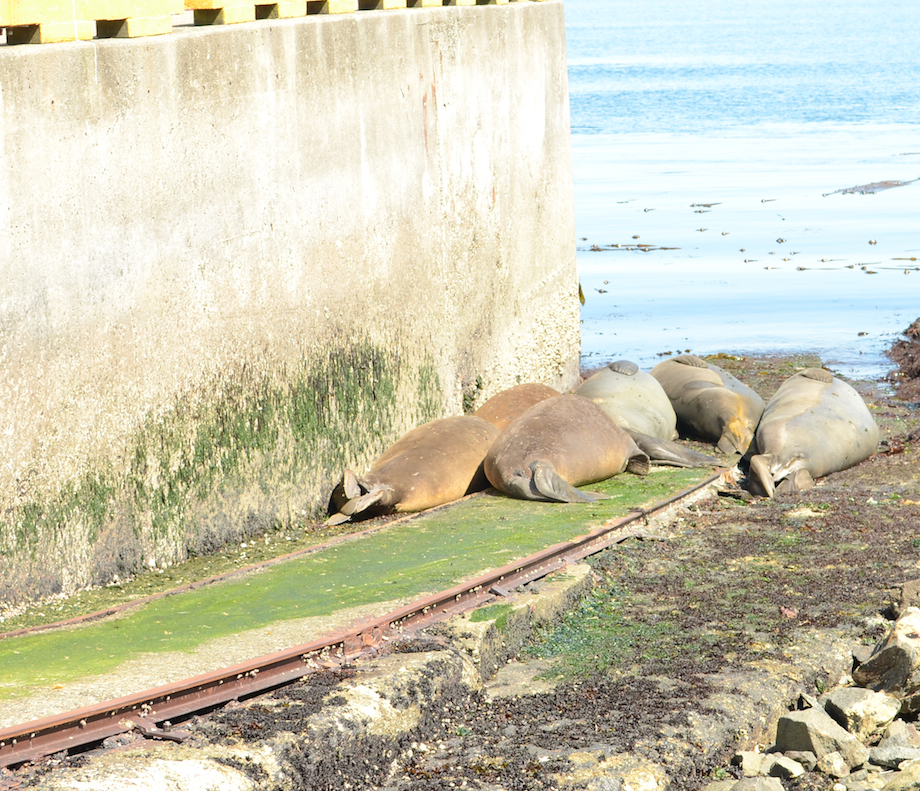
We are supposed to stay on the walkways when moving around the island. Not always possible when there are traffic jams like this one in this morning's commute.

We are supposed to stay on the walkways when moving around the island. Not always possible when there are traffic jams like this one in this morning’s commute.

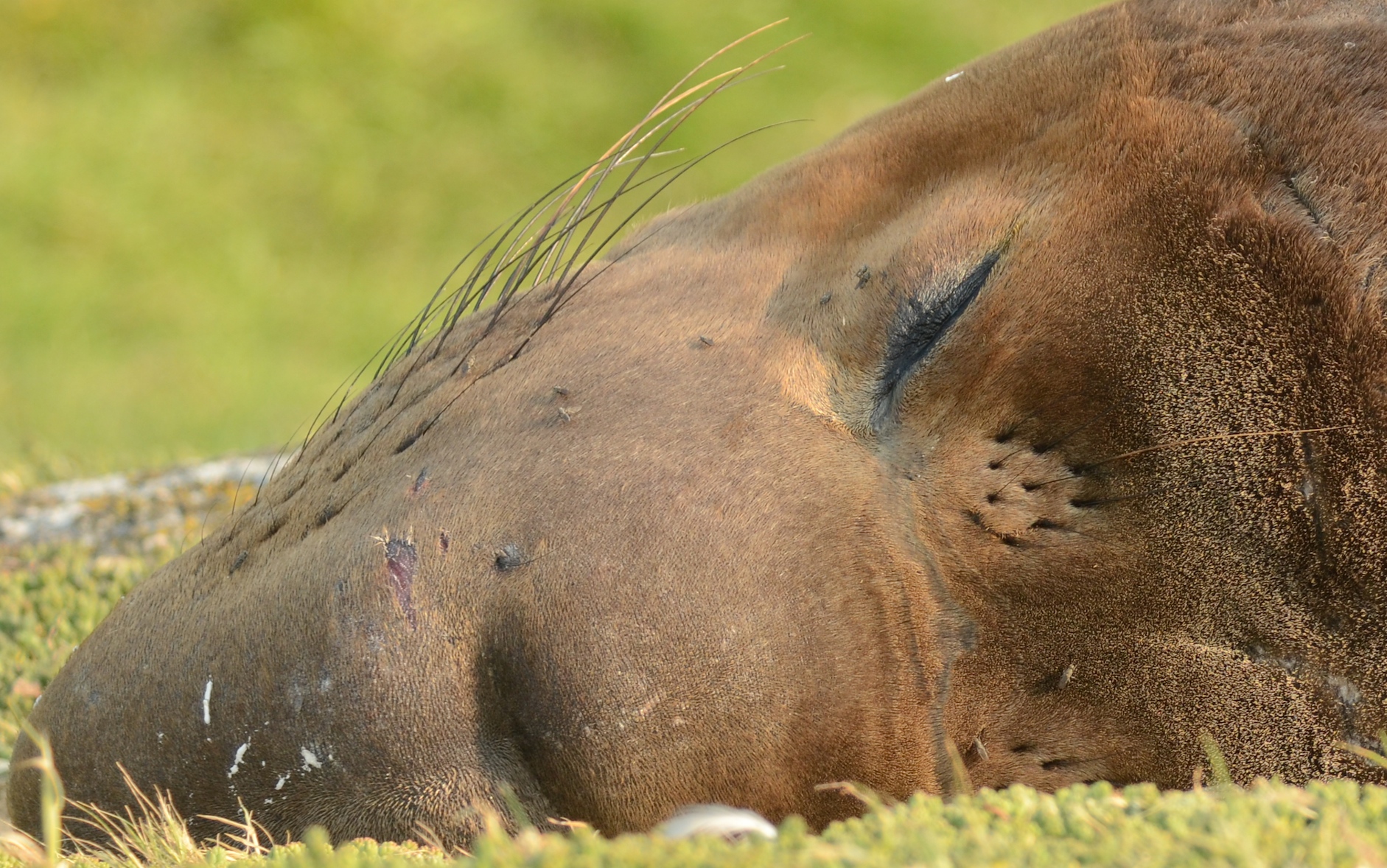
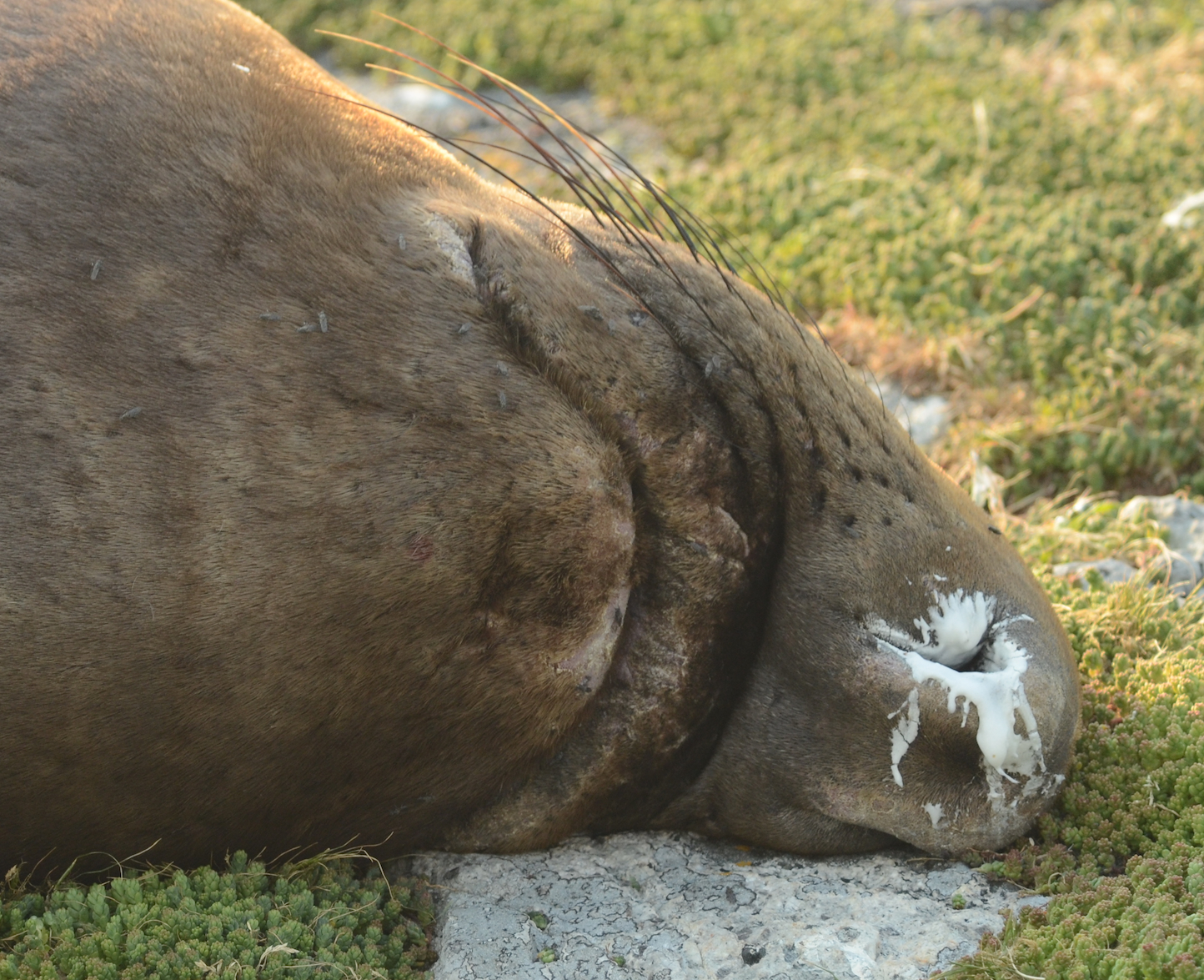
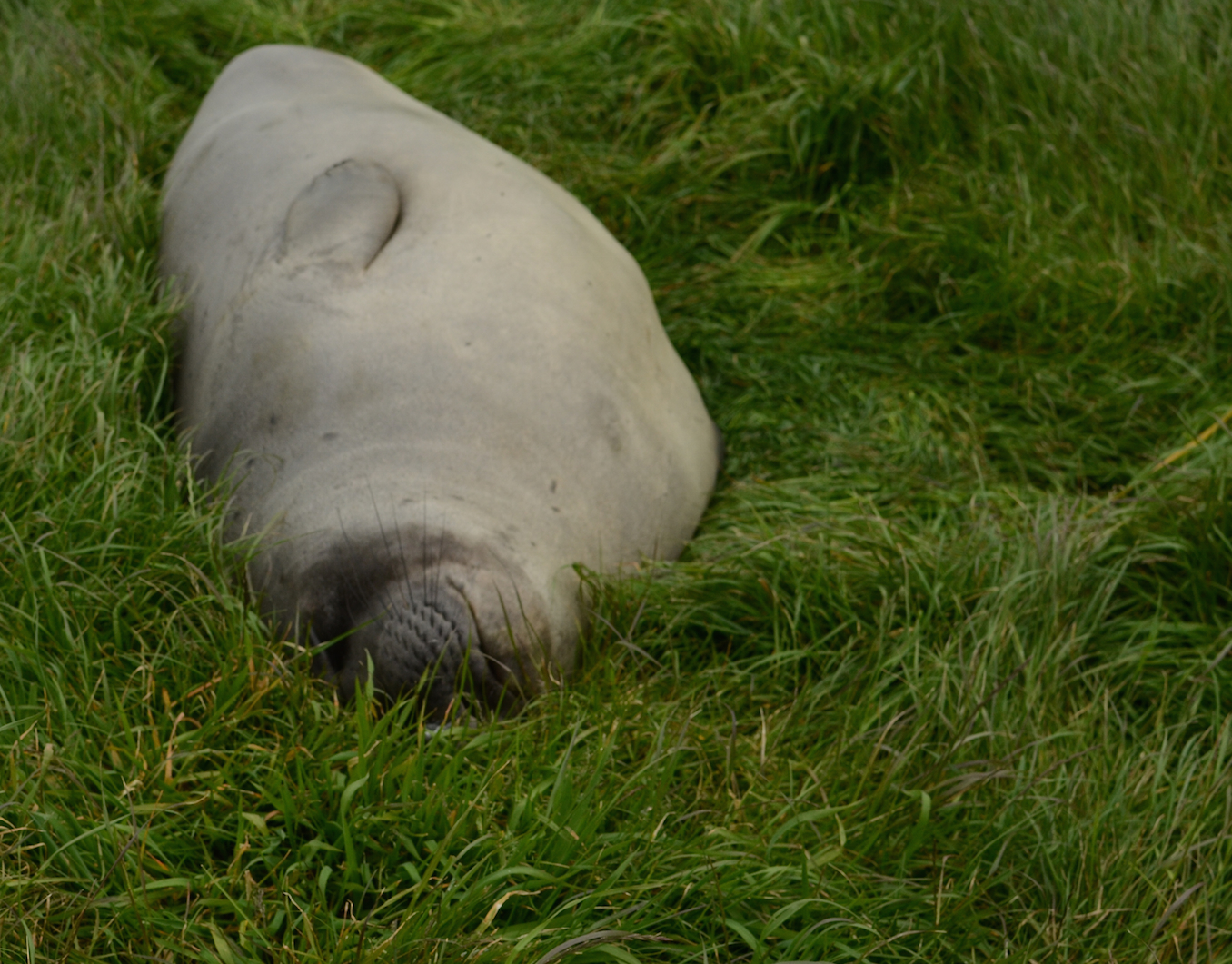
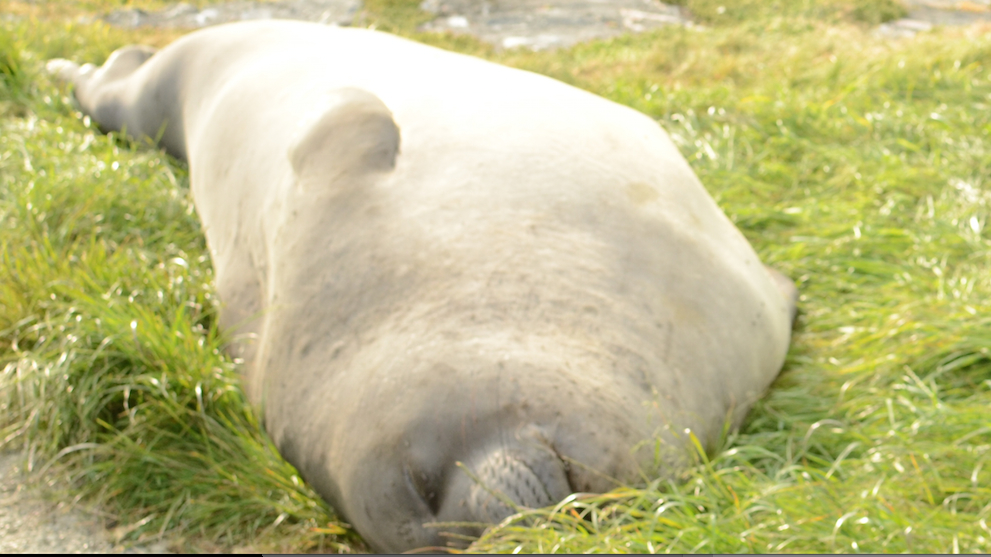
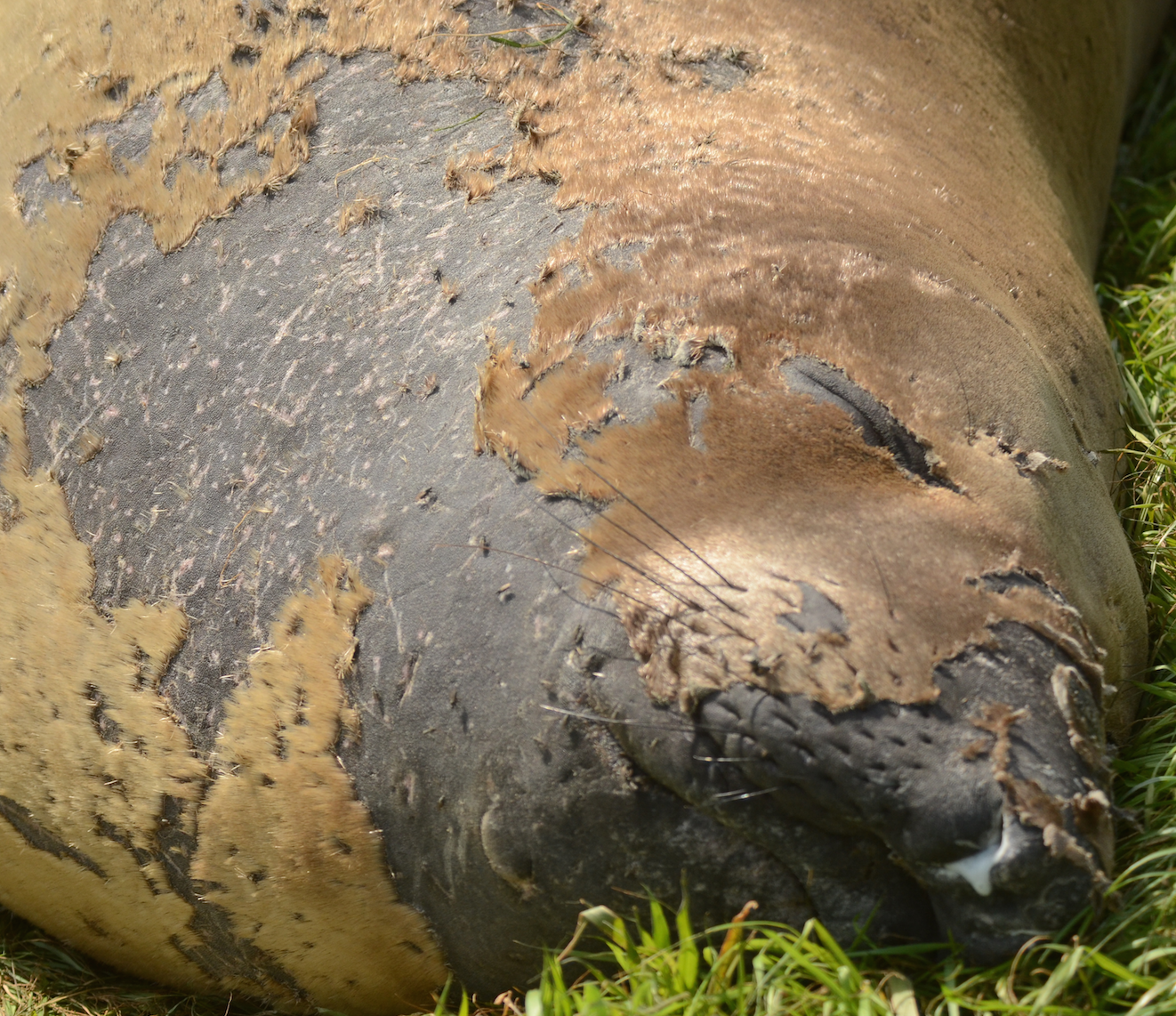
The Northern Elephant Seals spend time in the water draped in the kelp and playing with it with their mouths. What is not clear is whether this is intentional or just there (in the way). The big males are taking several swims a day right now thanks to the marine railway, which makes access so much easier for them. Chunk’s moult is just visibly starting today, on his nose and just below his mouth and on what would be a chin if he had one. Floyd’s moult is progressing visibly as wound sites and patches where he can scratch are coming off. There were some interactions between the two big guys today but hostilities were averted through strategic maneuvering by Floyd, basically avoidance behavior. Above, he is making a slow get-away which of course requires a tremendous amount of energy and much resting.
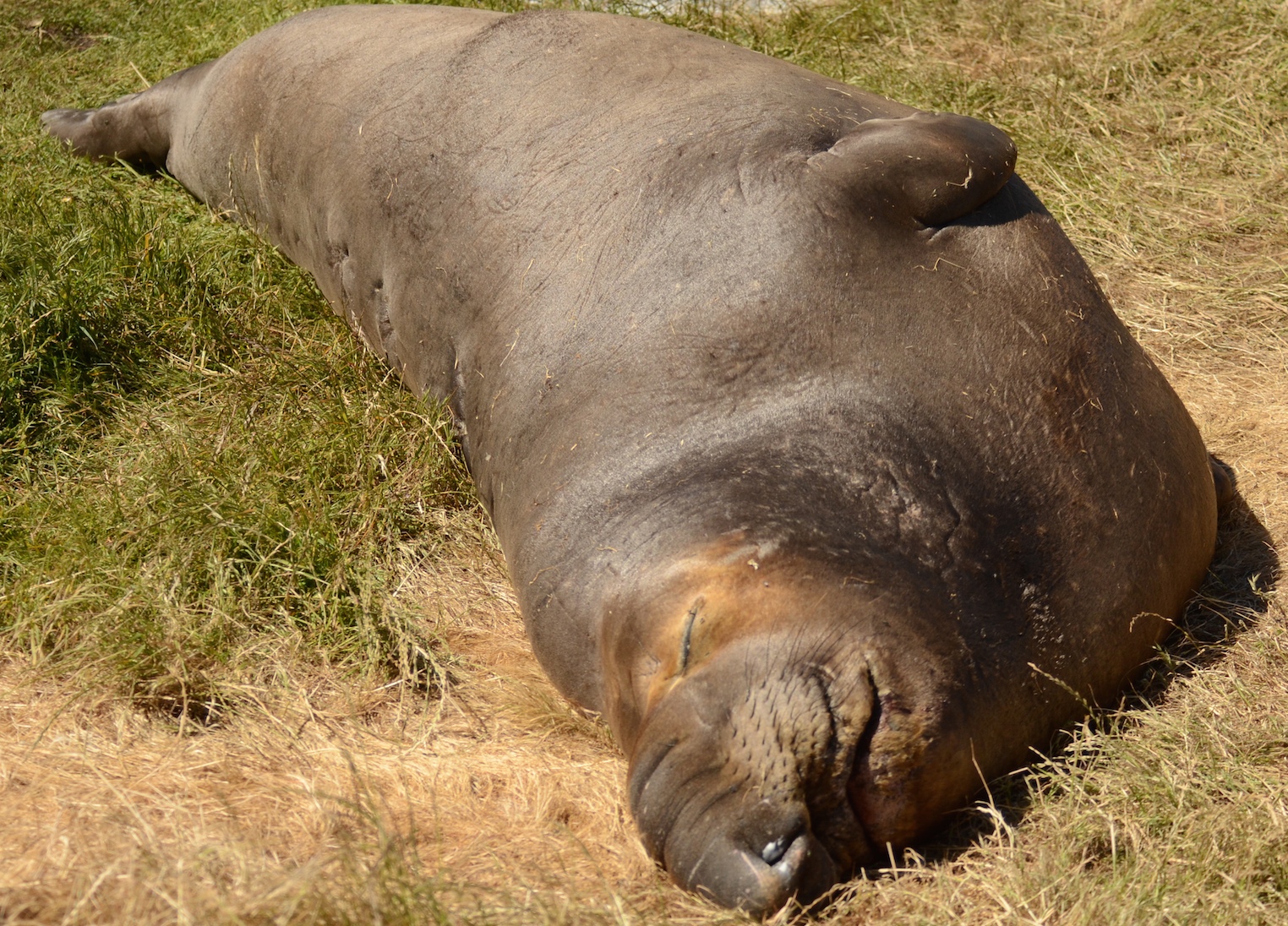
 

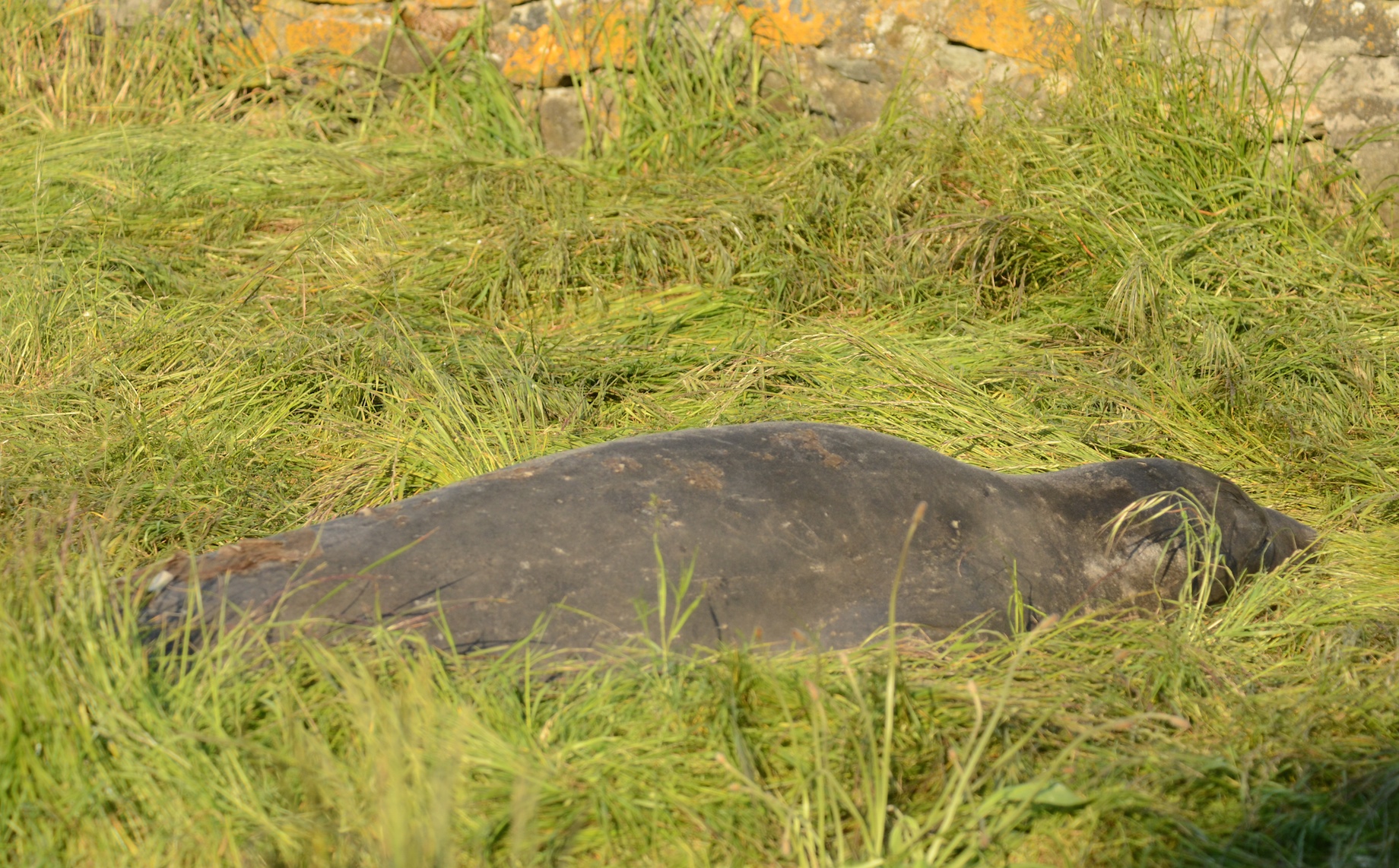
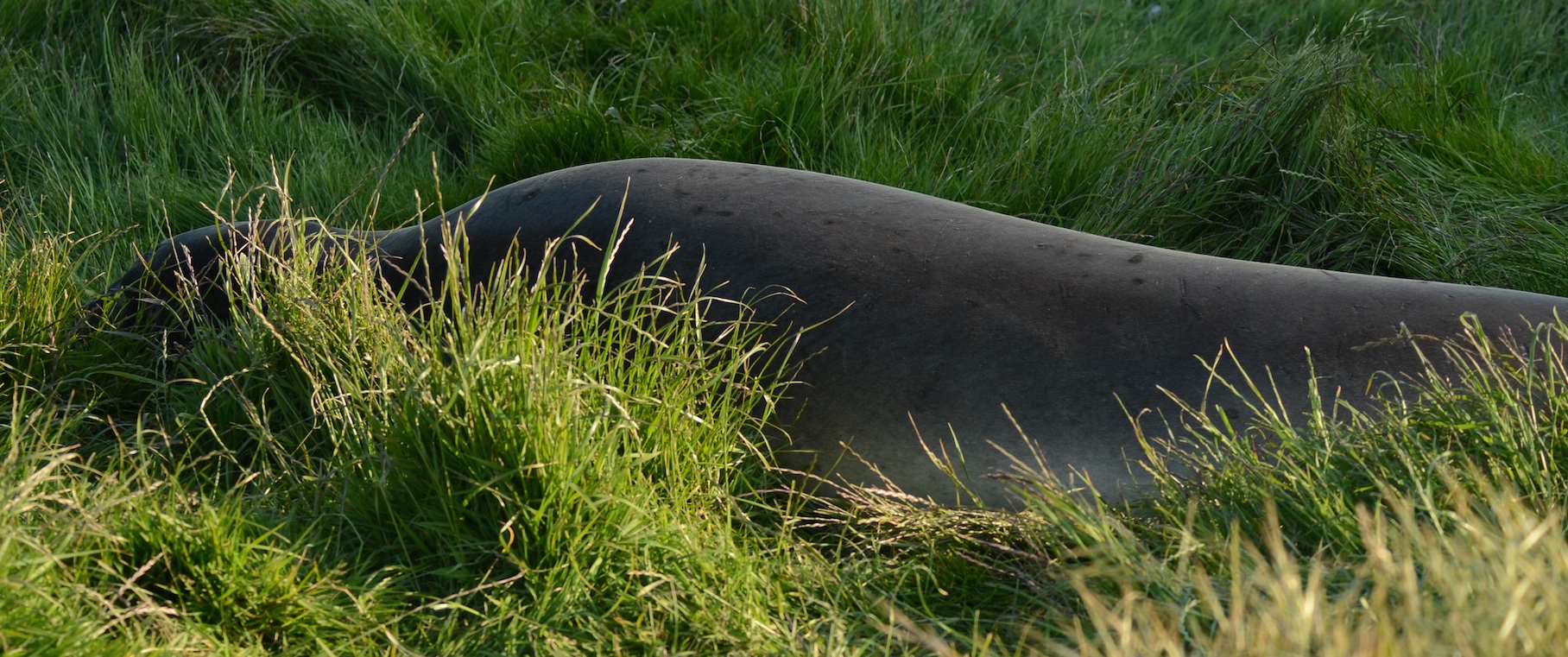
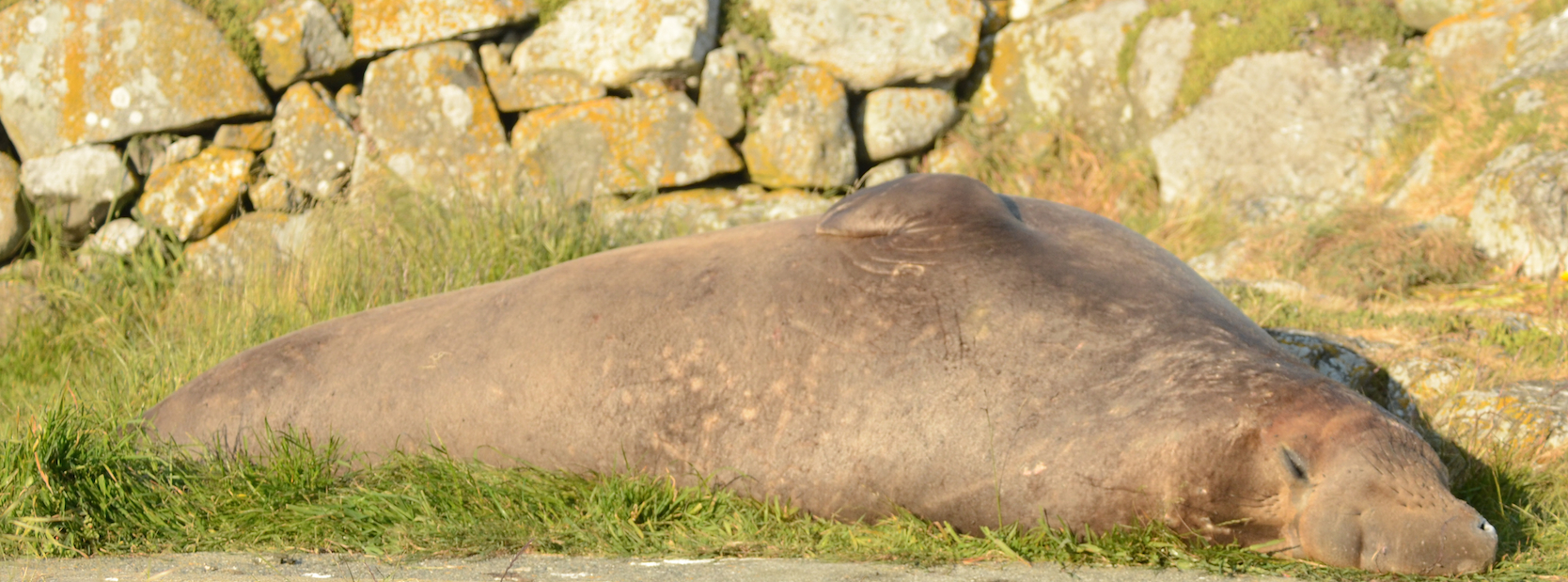
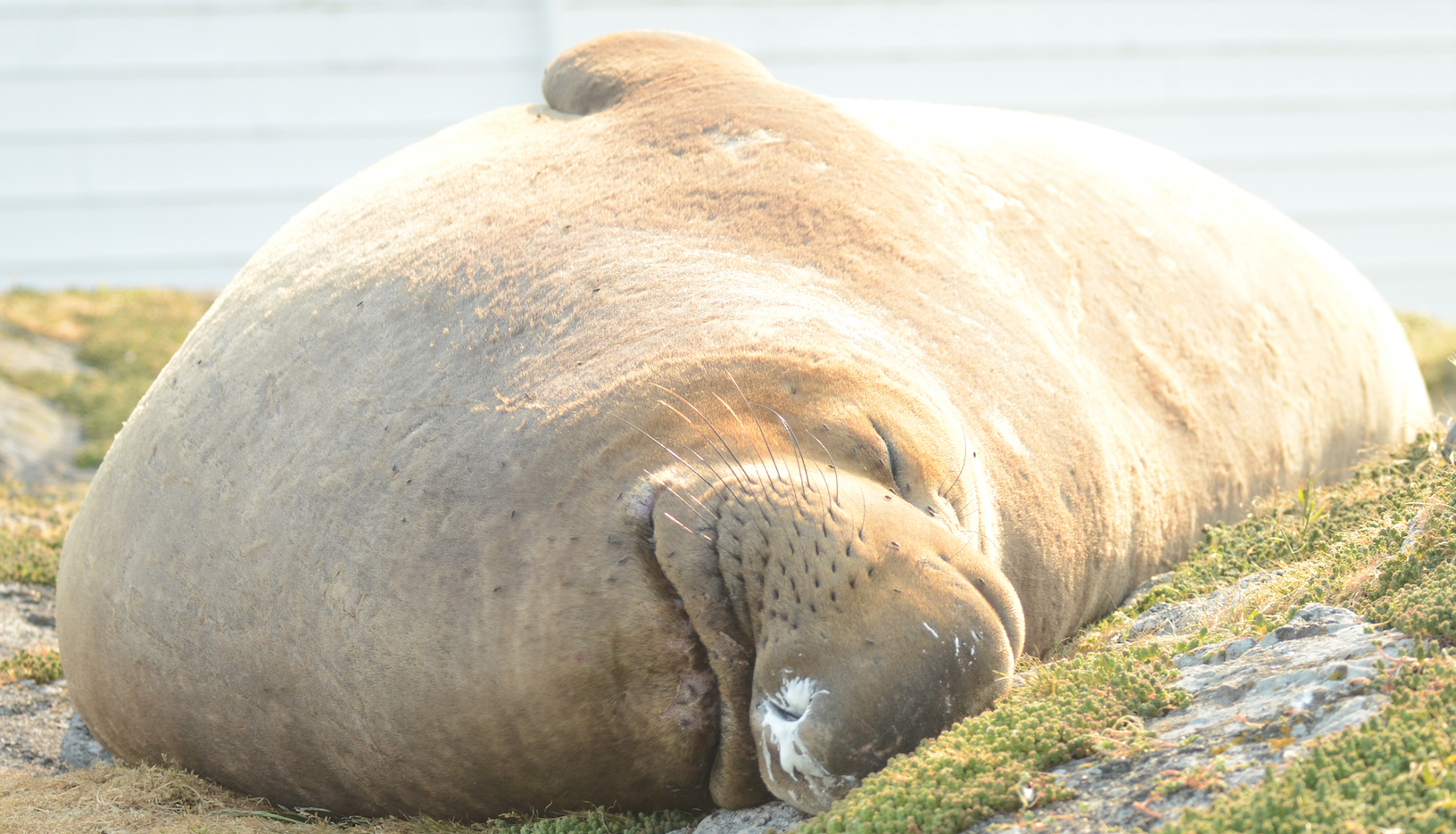
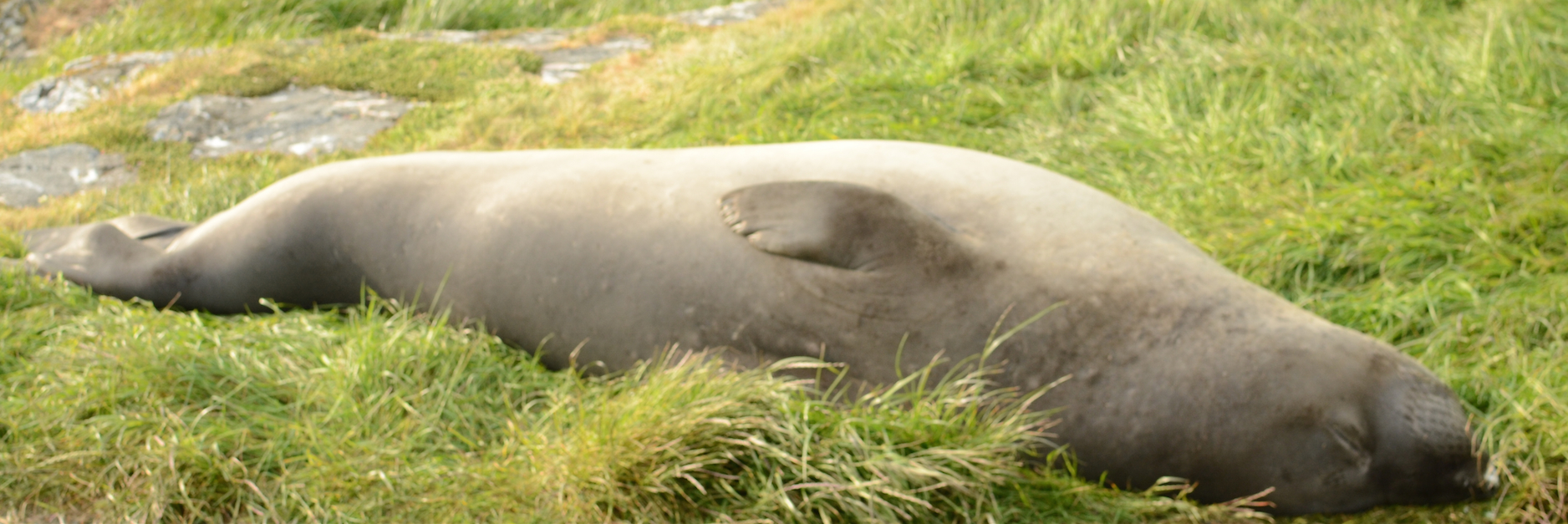
Chunk stretched out, having a nap. His large proboscis is prominent and the scars that run along his back are just visible.

Chunk stretched out, having a nap. His large proboscis is prominent and the scars that run along his back are just visible.

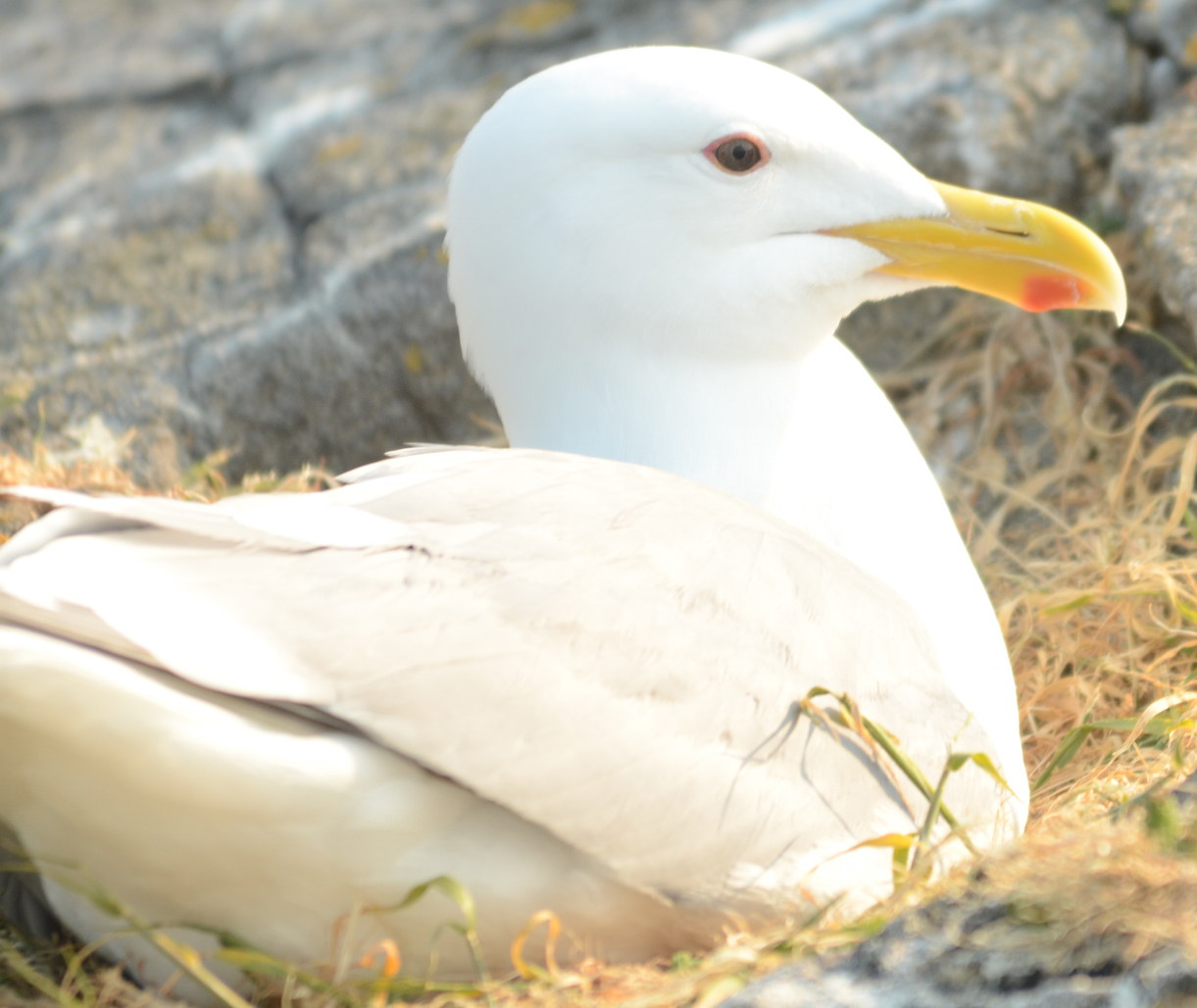
More gulls are sitting on eggs each day and their nests are beautifully made by pulling up grass by the roots and carefully packing it into just the right shape by pushing down with their sternums, tails in the air. Level is of course important. All of the nests observed today had three eggs.


There were no visitors today and chores were routine.
Boom times on Great Race

The west winds blew all night and through the day today, attempting in vane to air-condition an interior that is heating up. The fog came and went and the wind continued throughout, generally blowing 25 to 35 but peaking in the early evening with gusts up to 43 knots. Winds dropped to 25 – 30 knots after the sun set and the forecast has it slowing to 15 late overnight and then rising tomorrow to gale force. The outlook is for clear skies and I am assuming fog.

There was only one whale watching vessel observed in the Ecological Reserve today and no other vessels were spotted in reserve.

There were eight large explosions today that shook the house and the red flags flew to warn people off and away from Rocky Point.

Most of the Northern Elephant Seals that were moulting here have gone in the week that I was away. The two big males Floyd and Chunk are still here and are really just starting to moult and there are a handful of smaller individuals coming and going.

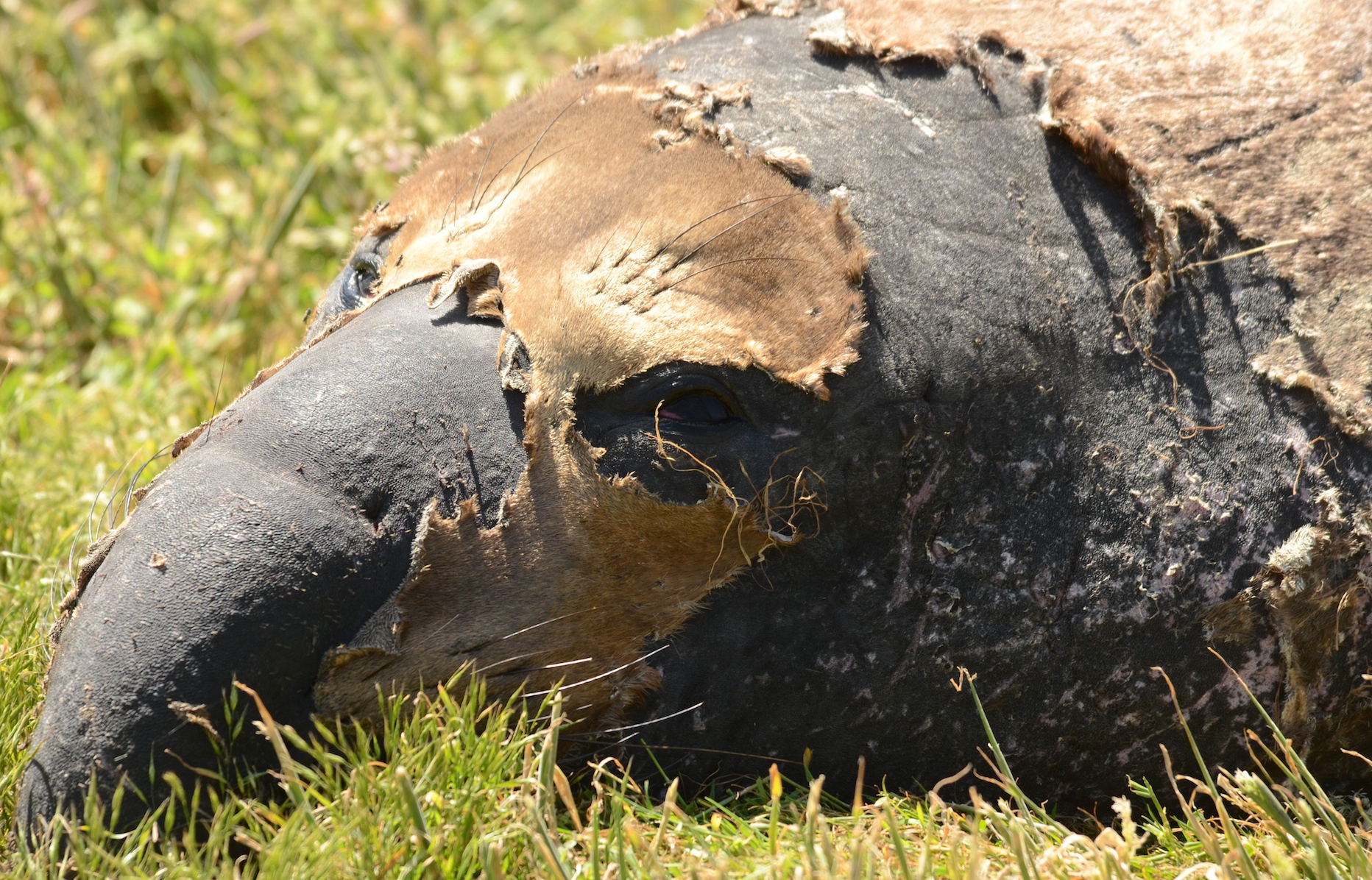
Floyd is having a full facial peel with a little grass added for special effects. He remains a mellow fellow throughout the ordeal.

Floyd is having a full facial peel with a little grass added for special effects. He remains a mellow fellow throughout the ordeal.

Floyd is a little ahead of Chunk in the moulting department but Chunk prevails in matters of size. I thought Floyd was big, measureing 3.23meters (127 inches) from the tip of his nose to the end of his tail. Chunk has decidedly more girth and his length measures 3.61 meters (142 inches).

Many of the Glaucous-winged gulls are sitting on eggs now, as mentioned by Christine. Most nests have either two or three eggs.

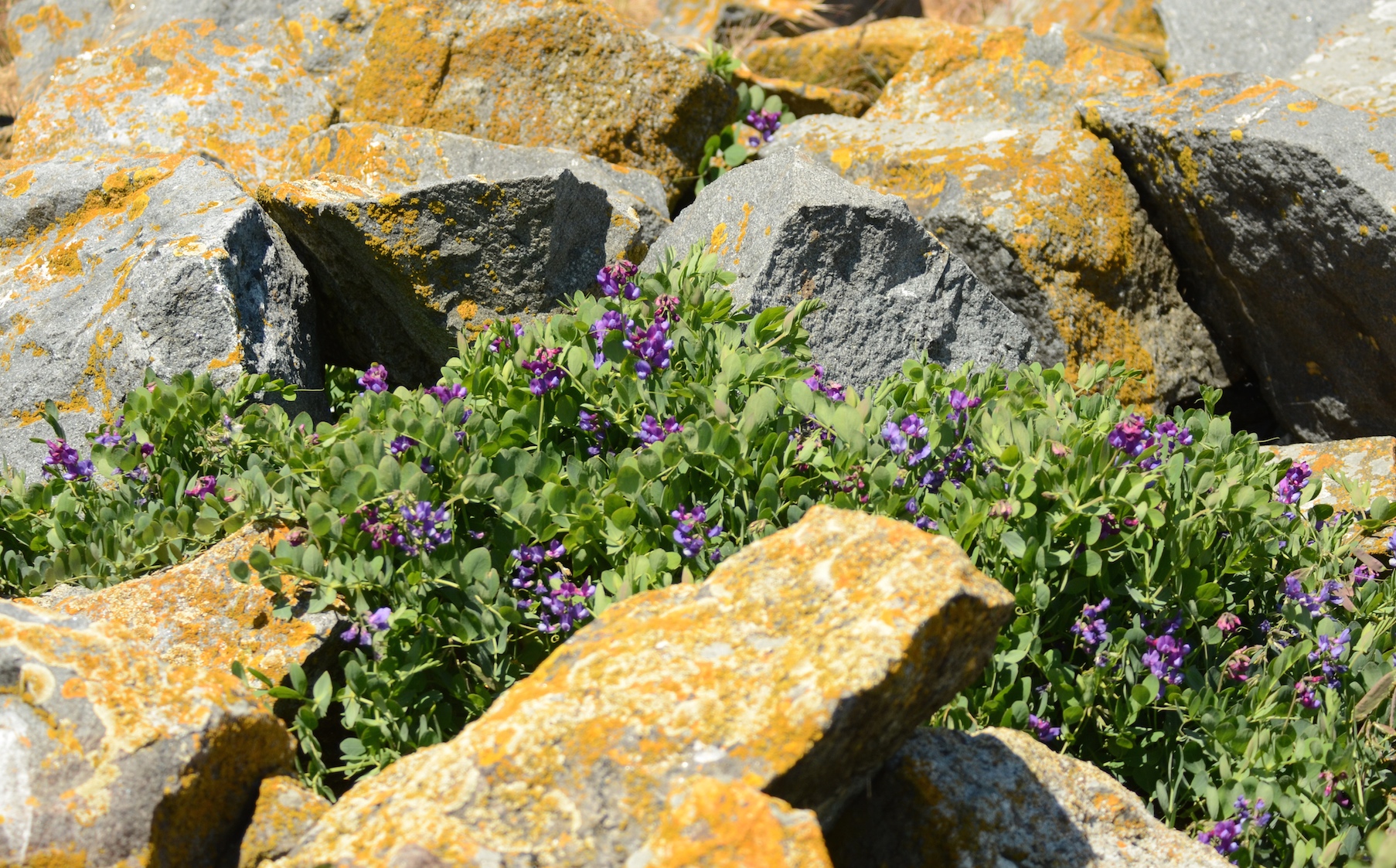
The beach pea  is blooming in the boulder scree where the Pigeon Guillemots like to nest on the north side of Great Race. As I am still vexed by vetch I will get back about the identification.

beach pea

It was a bit scary getting out to Race Rocks last night. Alex made the rough, wet and salty trip out much less of a religious experience. There were no visitors other than Alex and chores were routine.

Marine Mammal Hotspot.

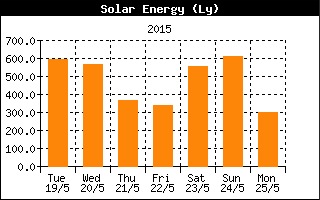
As predicted, the west-southwest winds continued today with velocities of 15 – 20 knots. The first half of the day was cloudy and fog threatened but the sun eventually prevailed. Because of the late start, accumulated daily solar radiation was only half of yesterday’s value.

Accumulated daily solar radiation in Langleys.

Accumulated daily solar radiation in Langleys.

The barometer hovered between 1013 and 1024 hPa, rising in the morning and falling again, in the afternoon. The forecast is for more of the same with the addition of a 30% chance of showers tomorrow.

There were at least 15 visits to the Ecological Reserve by whale watching boats today and probably more as I wasn’t looking every second. Two sports fishing boats sped through the Reserve while most of the whale watching boats followed the rules, slowing on approach and in Reserve, steering well clear of marine mammals, using the middle of Middle Channel, and drifting with the current, or at least going with it.

The reason for all of the whale watching activity was of course biological activity in the area. Race Rocks and environs was a marine mammal hotspot today with at least seven species. At one point there was a Minke Whale very close to the Ecological Reserve boundary just to the east of Great Race and at the same time a large, adult Humpback could be seen ~ 1 nm south of Rosedale Reef travelling east. Once when I looked out at Humpback, it had six vessels pacing it.

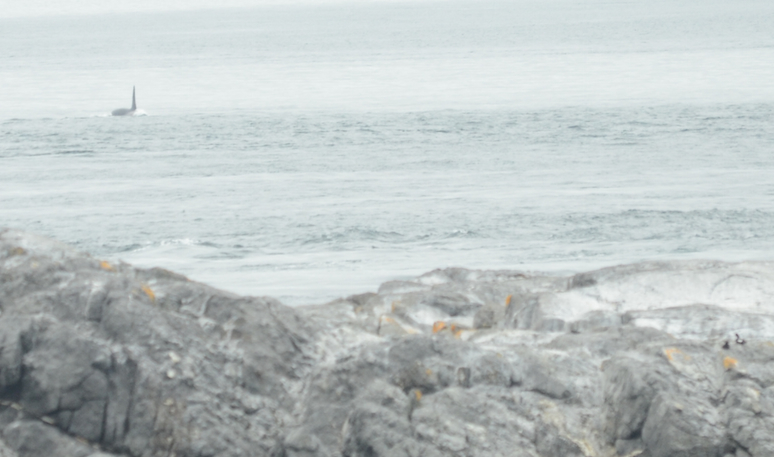
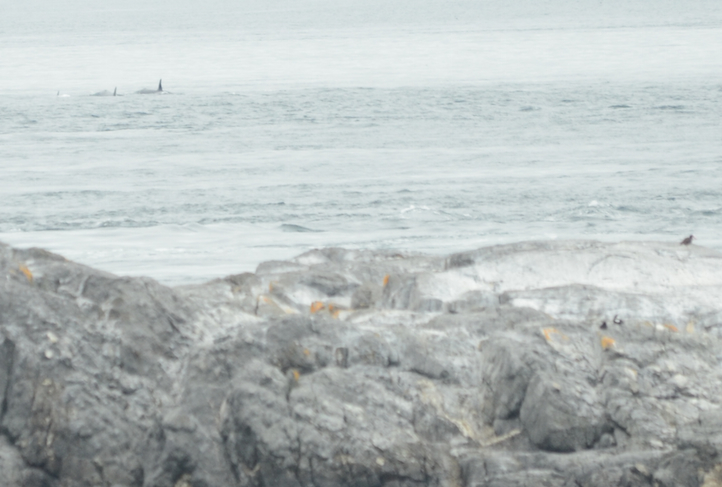
Next on the horizon, there were two groups of Killer Whales, both apparently Biggs or Transient (aka mammal eating) Killer Whales. One group appeared to be made up of ~ 3 adult males and the other group looked like females, calves and one smaller bull. The last mentioned group shot out on the ebb tide to the west through Race Passage with a trail of whale watching boats trying to keep up.

oror distant ororFs


The garden gnomes are busy flattening new parts of the lawn that have not had the treatment yet.

fresh grass to flatten

Floyd may look like a large lump but when I saw him being frisky today I was amazed at how fast he could hustle that bulk across the lawn after a female.


Floyd may look like a large lump but when I saw him being frisky today I was amazed at how fast he could hustle that bulk across the lawn after a female.

Floyd may look like a large lump but when I saw him being frisky today, I was amazed at how fast he could hustle that bulk (all 3.23meters of it) across the lawn after a female.

There were no visitors today and chores were routine.


Sonny Saturday.

The west wind blew 20 – 25 knots all day, bringing cloud, drizzle, rain and eventually, late afternoon, sunshine. The strong wind warning remains in effect and the barometer, which has been hovering above 1010 HPa., has started to drop very gradually. The forecast for tomorrow calls for a mix of sun and rain.

Identifiable, commercial tour boats in the Ecological Reserve were limited to five whale watching boats and one dive charter, today. Two Sea Doo- type vessels, came from the direction of Victoria, did a tour around Race Rocks, and headed back.

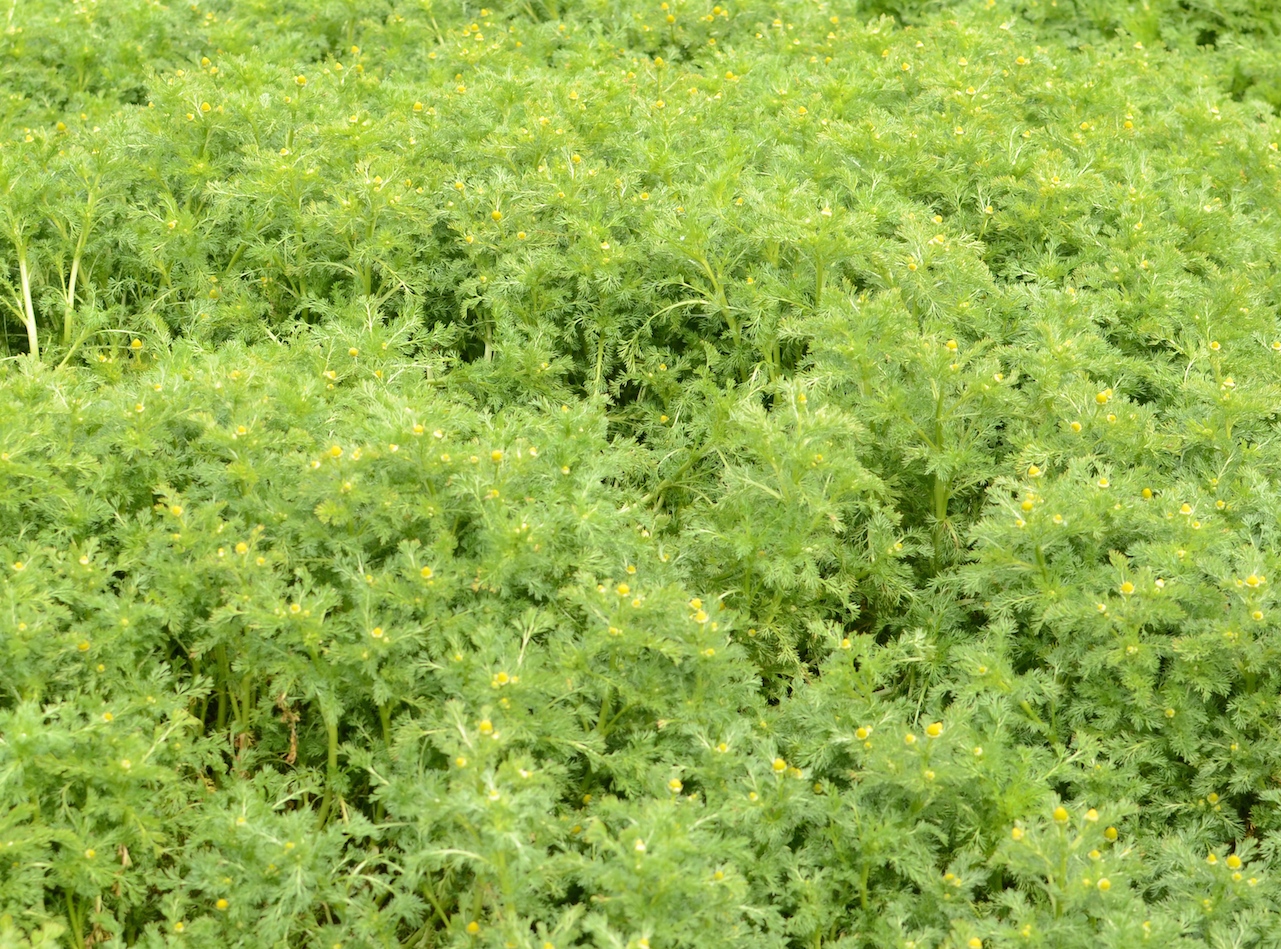
Luxuriant growth of Pineapple Weed, Matricaria sp. has filled in the highly disturbed areas where hundreds of sealions hauled out last fall and winter, compacting the soil and destroying all vegetation. Although considered a weed, the pineapple smell is nice and covers up the devastation left behind by the sealions.

Tall pineapple weed covers the area occupied by sealions last fall and winter.

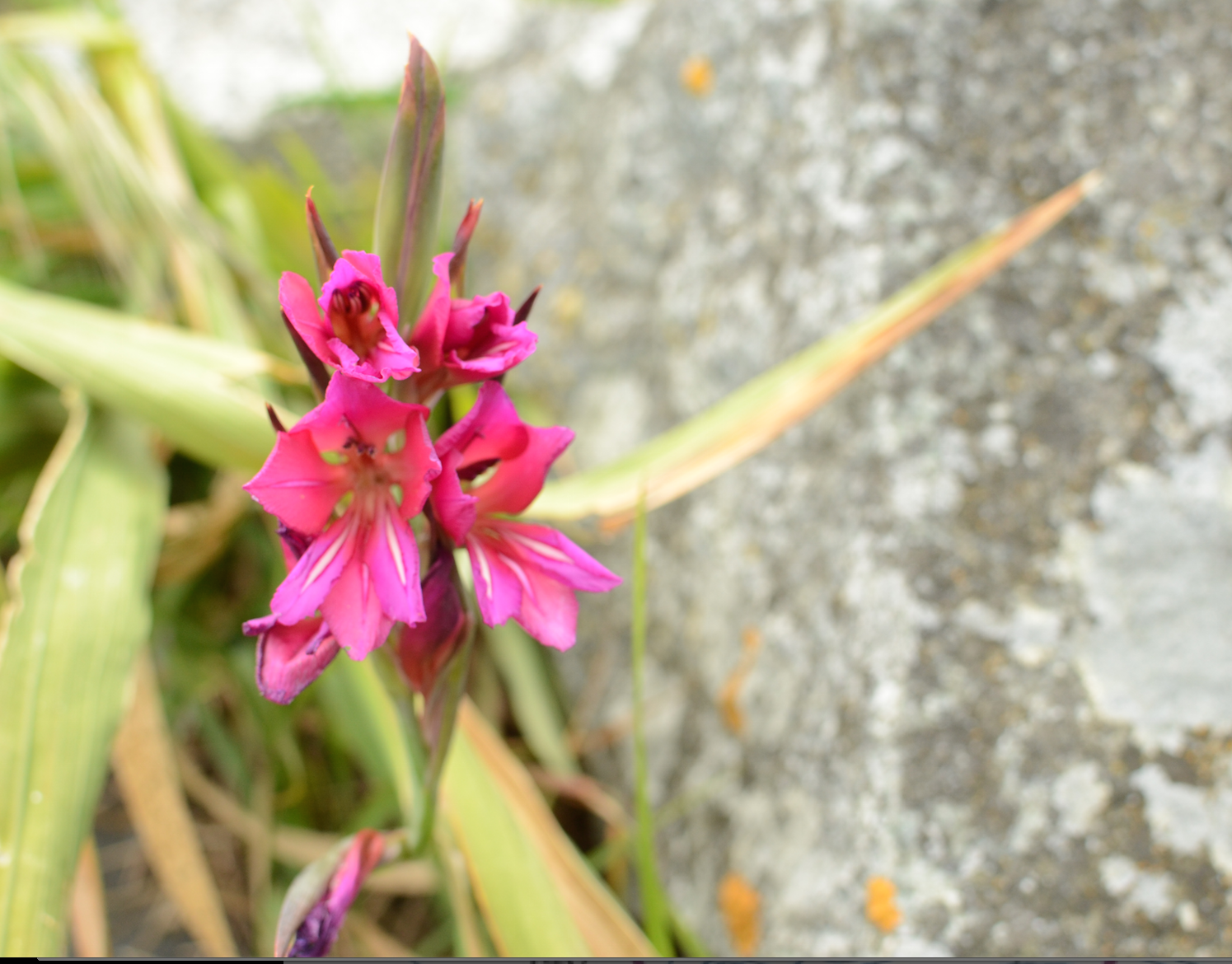
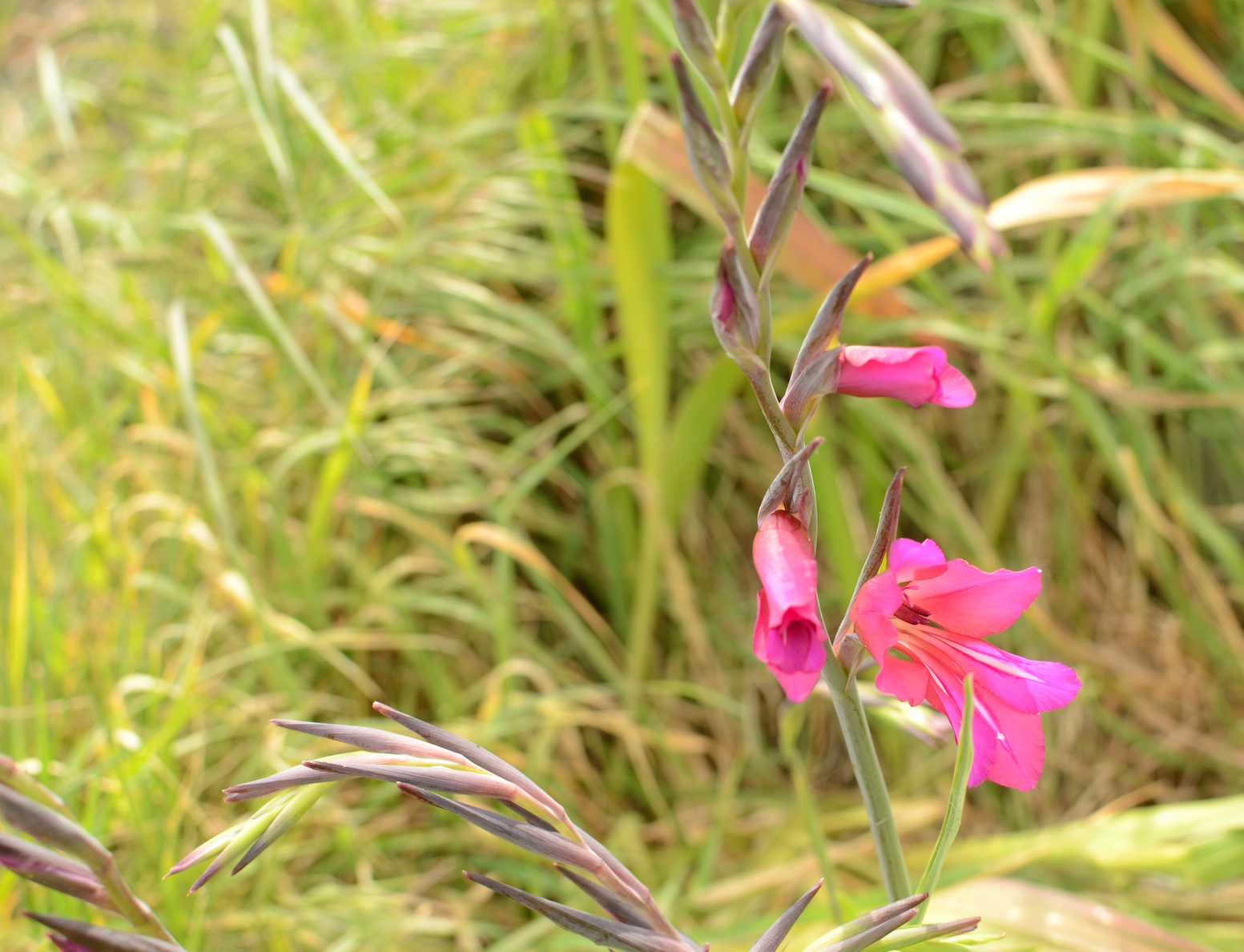
Another species left over from the old gardens here, is blooming right now and very beautiful. It looks like it might be in the iris family but it is not something I am familiar with. So if you are reading this and recognize the plant, please let me know what it is.

You are invited to name (identify) the mystery plant.

You are invited to name (identify) the mystery plant, which may be a heritage lighthouse plant.

Mystery flower.

Mystery flower is Gladiolus imbricatus, originally from southeastern Europe/Turkey. It has been growing unattended for at least fifty years. Thanks to Garry Fletcher for the identification.

Floyd continues to visit Great Race. He spends extra time in the water, suspended and fairly weightless, understandably more comfortable, considering his great bulk.

Floyd top head floyd ventral face

Floyd sleeping near the science house.

Floyd sleeping near the science house.

Eighteen elephant seals continue to haul out on Great Race and their moults are at different stages, depending on start time. The animals that arrived early appear to have completed their moult except for the regrowth of vibrissae. Animals that arrived recently, like Floyd and the female, 5086 are just starting the process.

Glaucous-winged Gulls looking broody.

Glaucous-winged Gulls looking broody.

Some gulls are already looking broody and sitting like they are practicing for incubation. Mating pairs can be seen throughout the colony.

My family continues to visit. Chores and maintenance included a lot of regular tasks, some monthly jobs and a few extraordinary repairs. The fire-pump ran for several hours today adding to the seawater in the cistern.

Greener Pastures (Covering May 11 & 12)

The wind blew west 20 – 25 knots until early afternoon on Monday when it slowed, came in from the southwest and cleared out the cold, wet clouds. For the rest of the day, it stayed partially overcast with sunny breaks and the forecasted call for more of the same, with showers was spot on. The dropping barometer leveled out a bit Tuesday and the prediction is for continuing strong westerlies, which blew all day 10 – 20 knots. Wednesday looks like a wet one.

Monday morning  was blustery  and bristling with police and military activity on the water, all around but not in the Ecological Reserve. Only two whale watching boats were noted in Reserve on Monday.Tuesday only one whale watching vessel was noted in Reserve. There was a Pedder Bay rental with independent researchers counting seals and sealions. Tuesday, Second Nature arrived with a large contingent of support staff, maintenance, IT and volunteers. Tuesday was punctuated by military blasting.

The elephant seals were on the move today and yesterday. After a dawn swim, Monday, only half the animals moved back behind the boathouse, where most of them have been sleeping for the last couple of weeks. The grass where they were lying, behind the boat house, is a fried brown colour. Although it looks dead, it will probably come back after a couple of weeks like the other crushed and cooked parts.

Elephant Seal lawn treatment results.

Elephant Seal lawn treatment results.

Seven animals, including two females who started the move, found fresh, green grass right outside my basement door. Tuesday was a repeat performance except that we were also graced by the presence of a very large male. It was a short visit and I was too busy to measure him but he was massive.

This before the lawn treatment, the previous photo is after.

This before the lawn treatment, the previous photo is after.

big boy

This big boy is luxuriating in the nice green grass.

This big boy is luxuriating in the nice green grass.

There were at total of 17 Northern Elephant Seals on Great Race Monday and at least two individuals here Sunday that were gone Monday. My guess is that there is exchange with the group hauling out on Middle Rocks and that was reinforced by the big visitor here today.

California Sealions started hauling out on the jetty today.

Some the gull pairs are getting quite good at their acrobatic feats of reproduction which involve the male standing, balanced on the females back.

Chores were minimized Monday due to an injury. There were no visitors Monday and six staff/volunteers Tuesday. The men moved a tidy tank across the island, Max fixed camera 5 and did some trouble-shooting and Courtney started training Guy.


How Low Can It Go?

Thick fog met me at dawn, not the sleepy kind that coffee cuts through, but dripping wet, zero visibility, fog created through the convergence of cold ocean water and warm air. The fog retreated and advanced repeatedly before it was beaten back by high wattage sunshine. The westerly wind blew throughout, at 5 – 15 knots only rising near sunset to closer to 20. The barometer started a gradual drop in pressure late morning yet the forecast is for sunshine and continuing westerlies.

There were a few whale watching boats in the area mid-morning with two observed in the Ecological Reserve. Sports fishing boats were seen in the general area but outside the Reserve.

The elephant seals found the trek to seawater quite an effort today and some of them gave up for a few hours on the way to have a swim. Getting back up the hill was even more of an effort.

The tide is a long way out.

The tide is a long way out.

Observational efforts were focused in the inter-tidal and on the mega-fauna census today. Another really good tide (0.5m) allowed me to do a large algal survey and find more marine invertebrate species. I will share some of the invertebrates here and come back to the seaweeds tomorrow. In each photo, if you look closely you will notice smaller and smaller animals in a wall to wall competition for space or is it sharing of space.

The human history and natural history are intertwined.

Both the natural and human history at Race Rocks are profound.

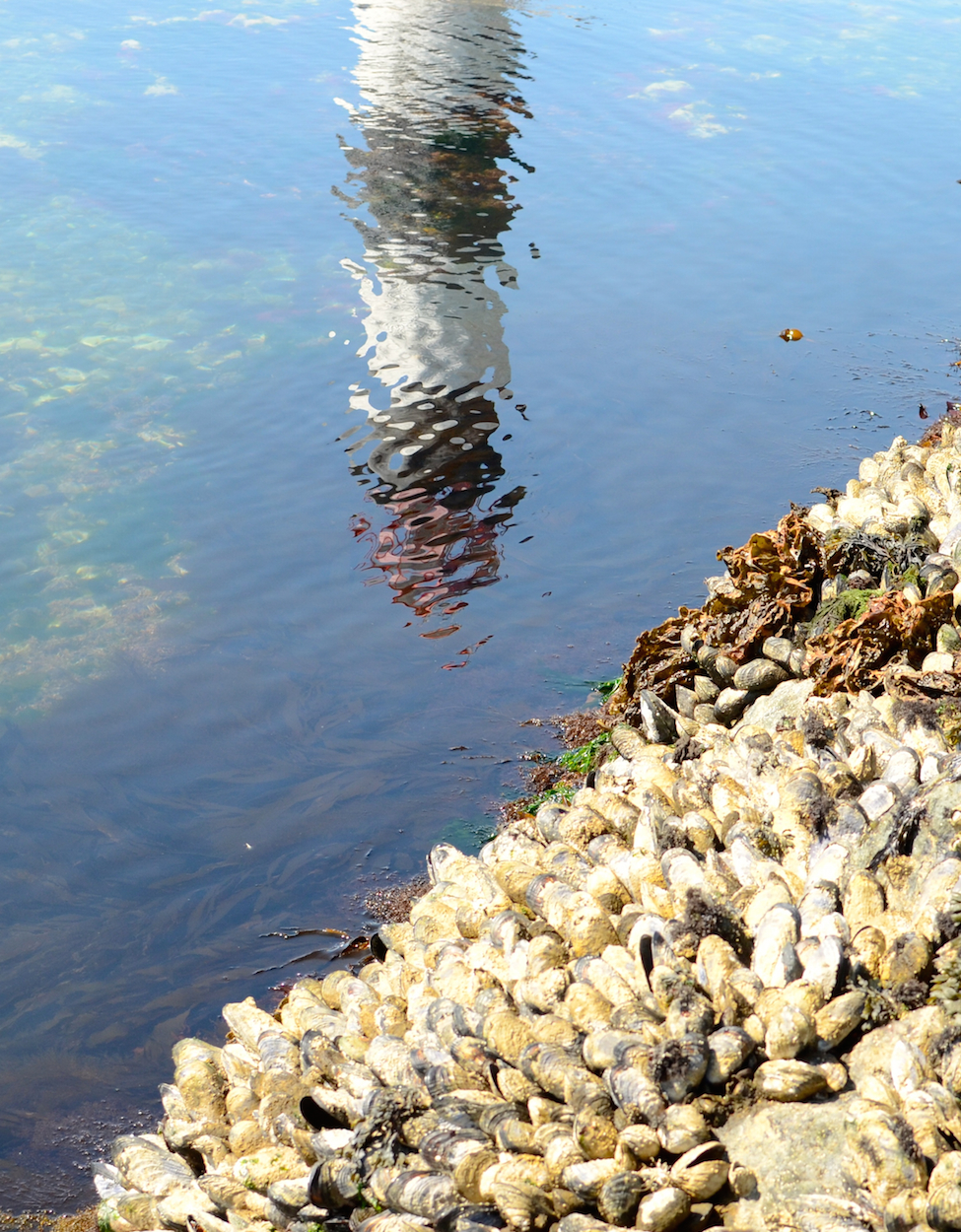
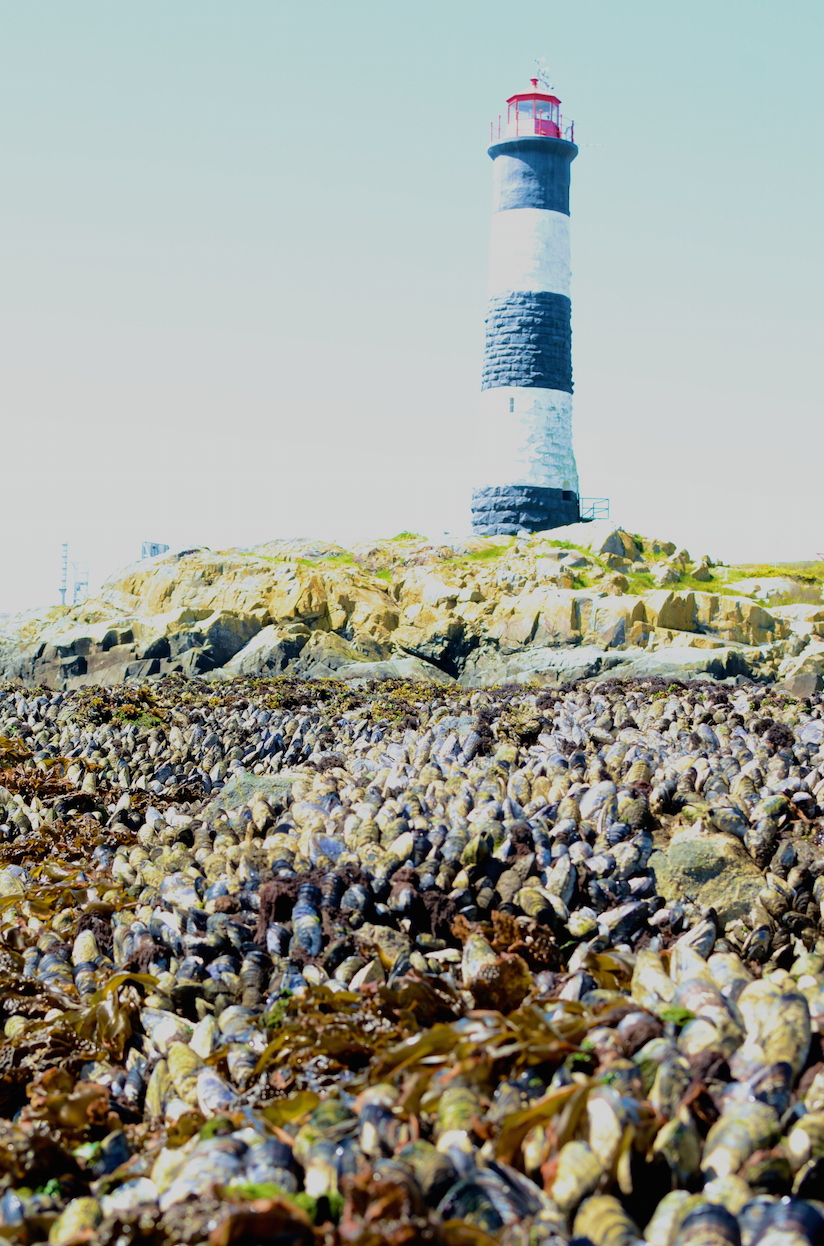
California Mussel beds are ‘old growth’ and substantial on Great Race. The large area provides important habitat creating significant diversity.


Extensive mussel beds on the south side of Great Race.

Extensive mussel beds on the south side of Great Race.

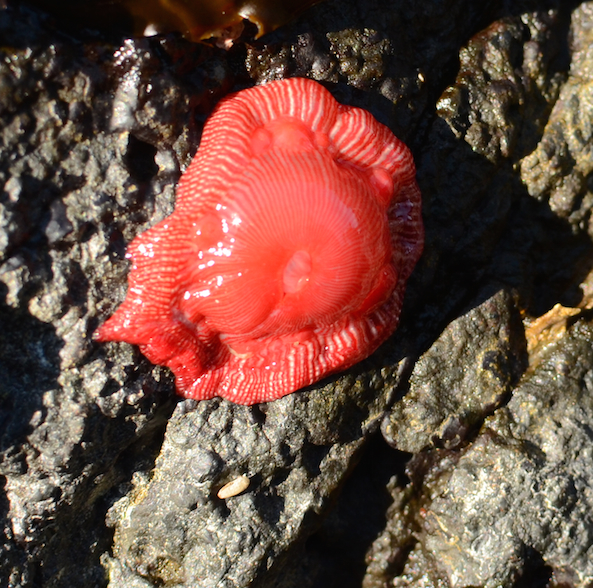
A brooding sea anemone (Epiactus prolifera) with numerous offspring attached low on the column near the pedal disc.

Epiactus prolifera

The mottled sea anemone (Urticina crassicornis) is quite common in the low inter-tidal on the south side of Great Race.

Urticina crassicornis

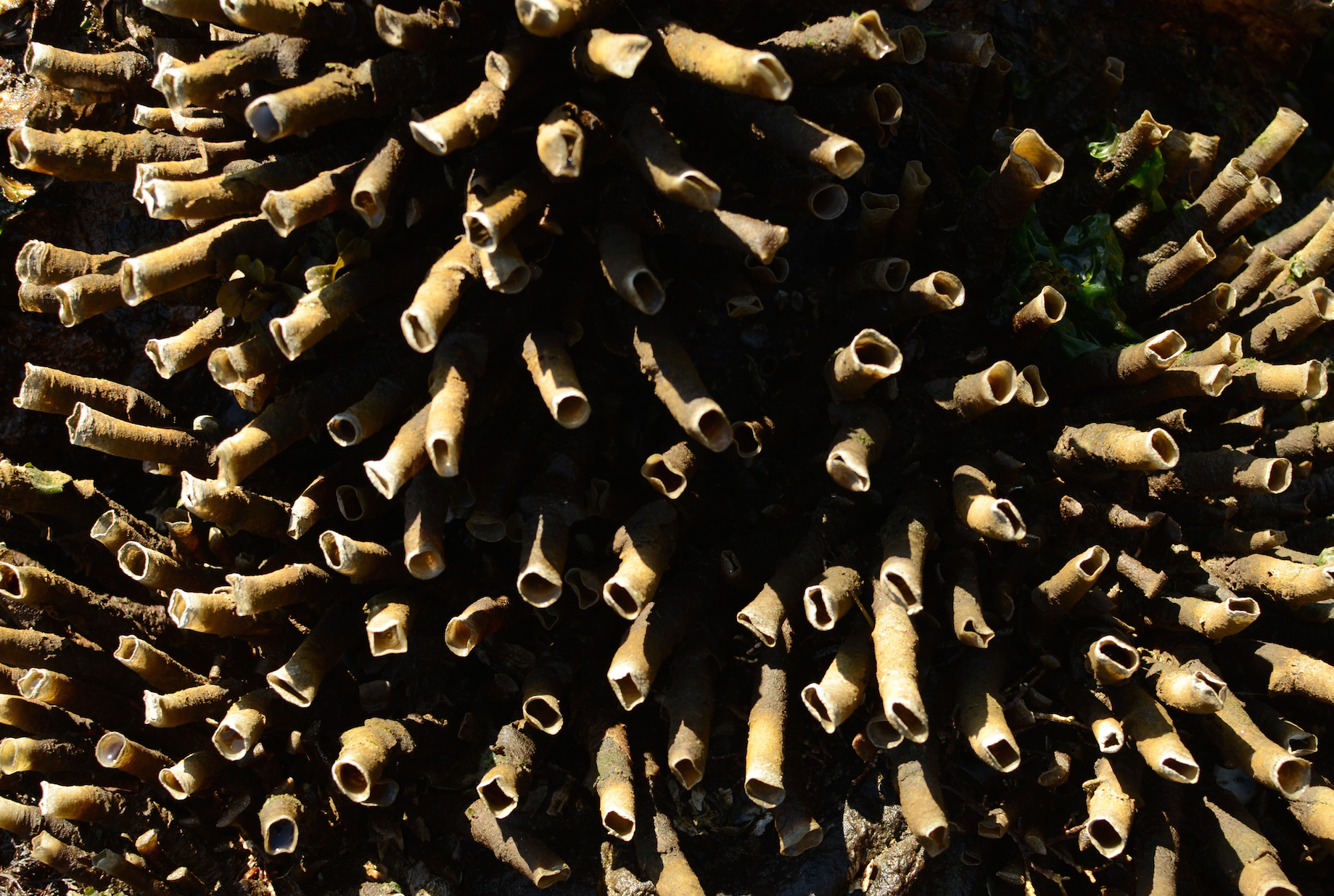
This species of tubeworm, named after Vancouver (Eudistylia vancouverensis) is usually more abundant sub-tidally. Here in the high current area between Great Race and South Islands, it is common in the low inter-tidal.

Eudistylia vancouverensis There is a lot of gigantism on the Pacific coast but here at Race Rocks even the giant species seem even more abundant and bigger than I have seen them elsewhere.

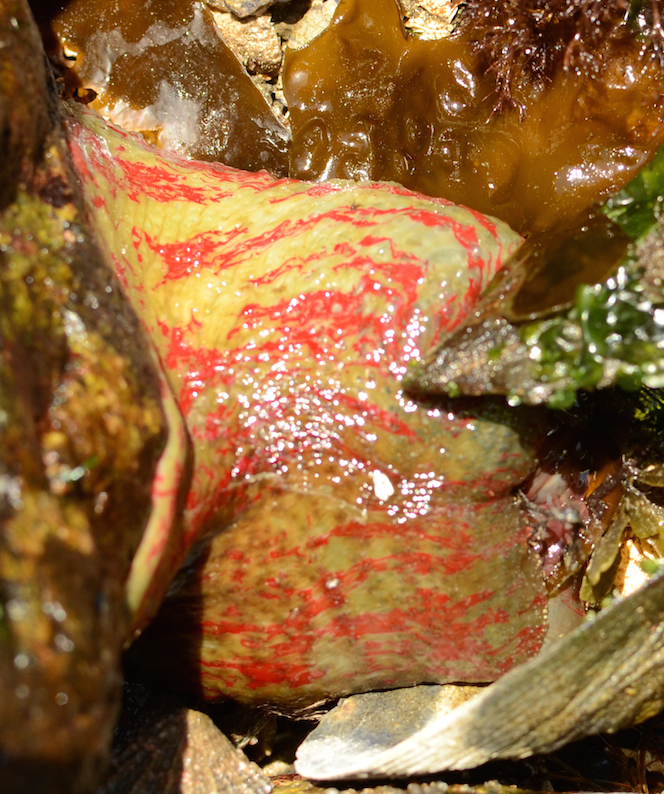
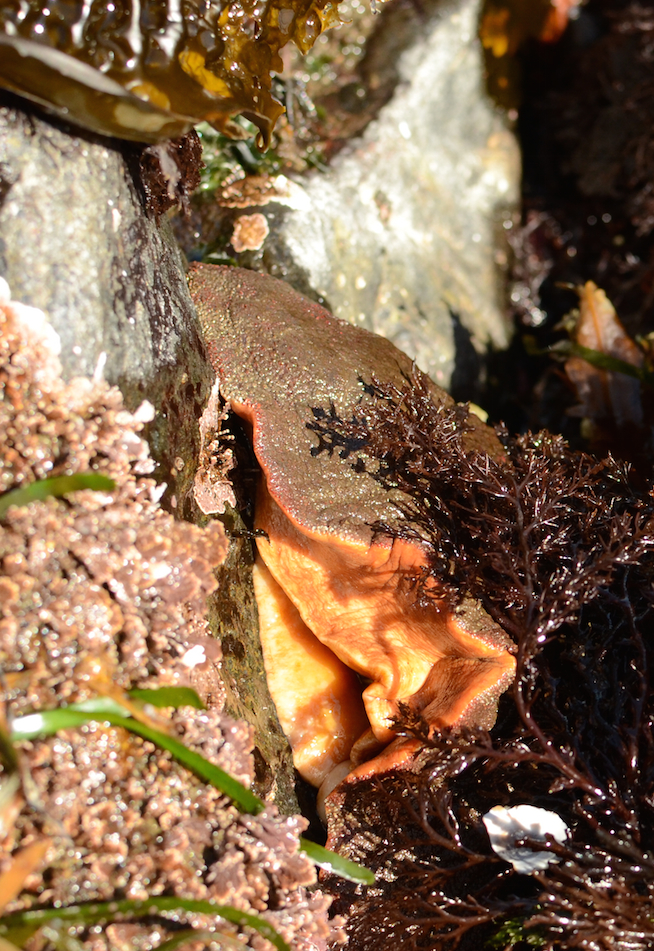
Cryptochiton

The gumboot chiton (Cryptochiton stelleri) is an important grazer in the inter-tidal. They are very abundant here.

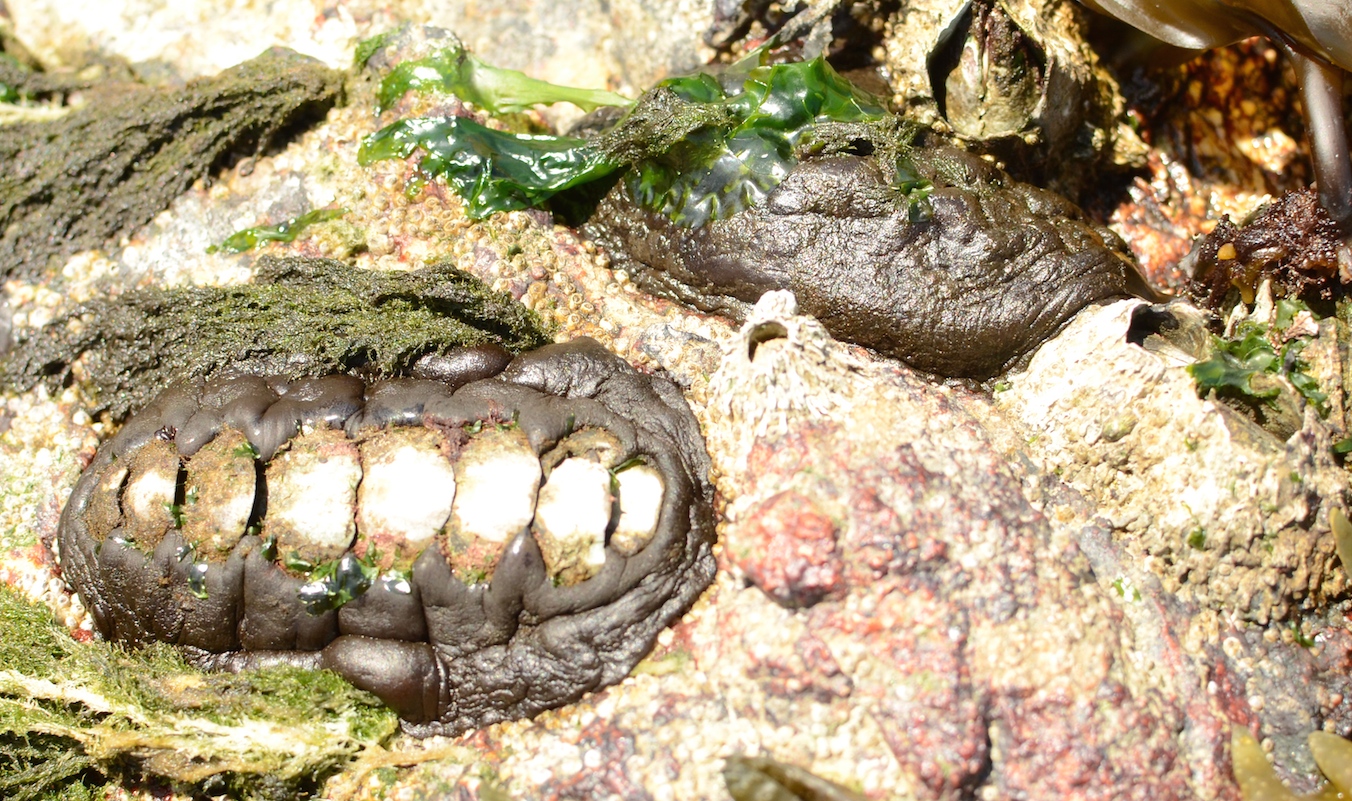
Katharina

The Black Leather Chiton (Katharina tunicata) is another grazer and like the gumboot chiton grows both very large and is super abundant here.


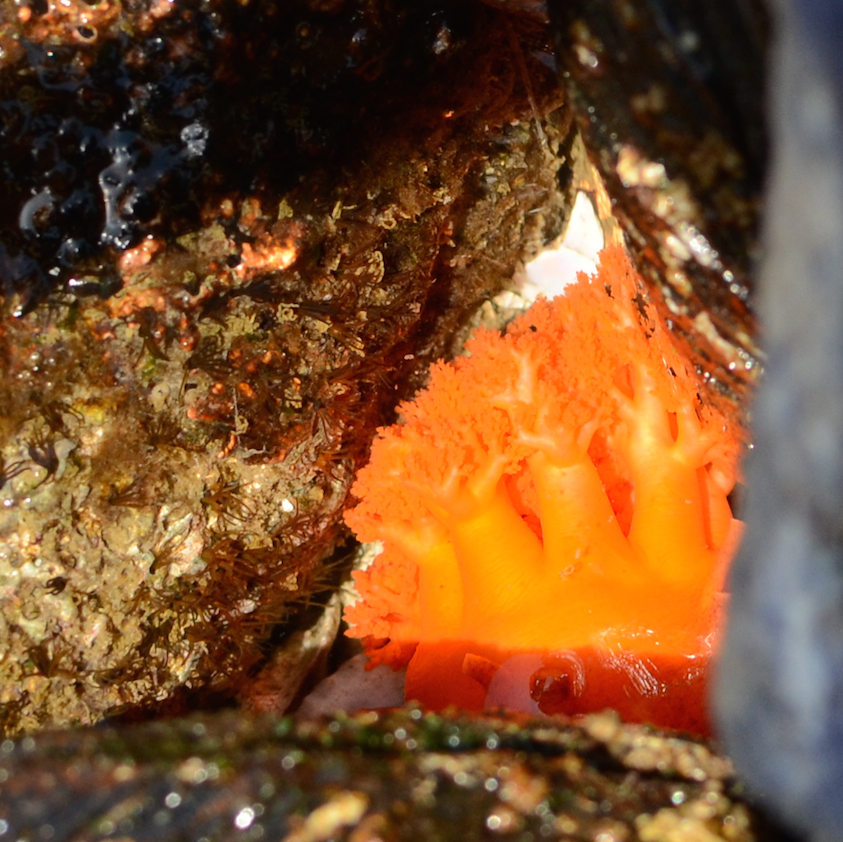
Cucumaria Dodecaceria

Orange sea cucumbers (Cucumaria miniata) are really abundant both in tide pools and under the edges of boulders and there a lot of boulders on the south side.


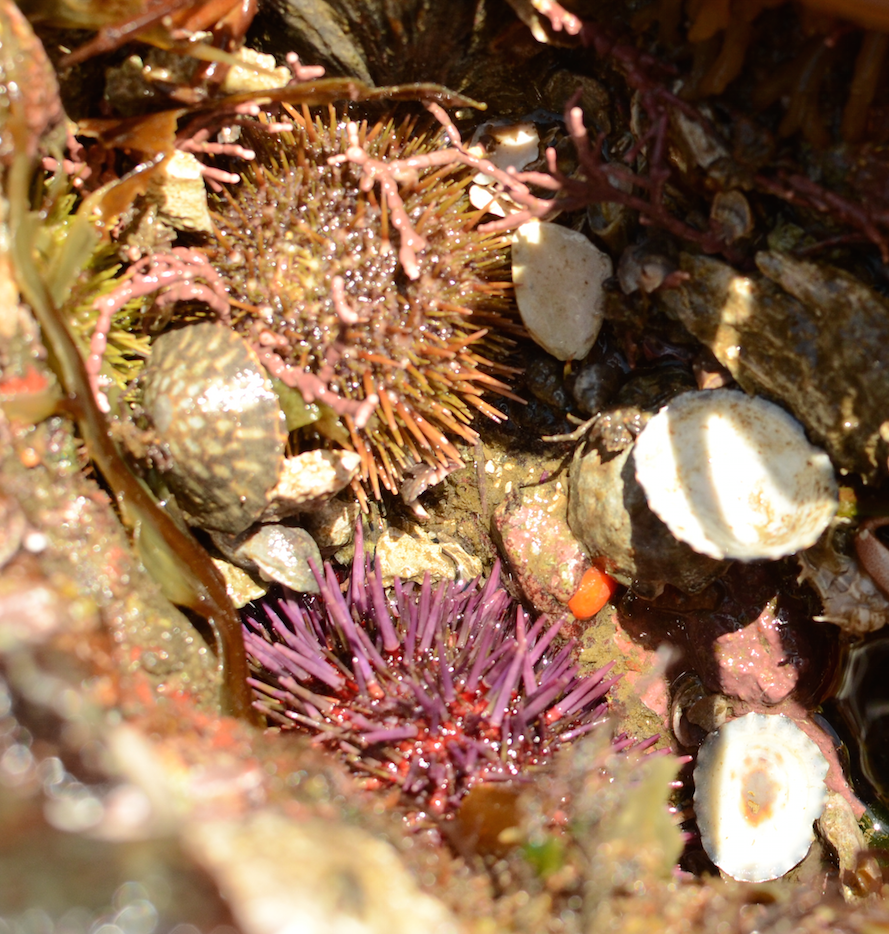
Three species of sea urchin were observed today, adding the green urchin (Stronglyocentrotus drobachiensis) to the list. The green and purple both like to “dress-up” aka cover themselves, with shells, seaweeds and even bits of wood. Here they were using empty limpet shells in an area frequented by oystercatchers.

drobachiensis rostangia

Green and purple sea urchins with a small orange nudibranch to their left (Rostanga pulchra) that usually lives on the red sponge Ophlitasponge.


Today was large animal census day and the results are as follows:

Humpback Whale (young (small) animal) 1

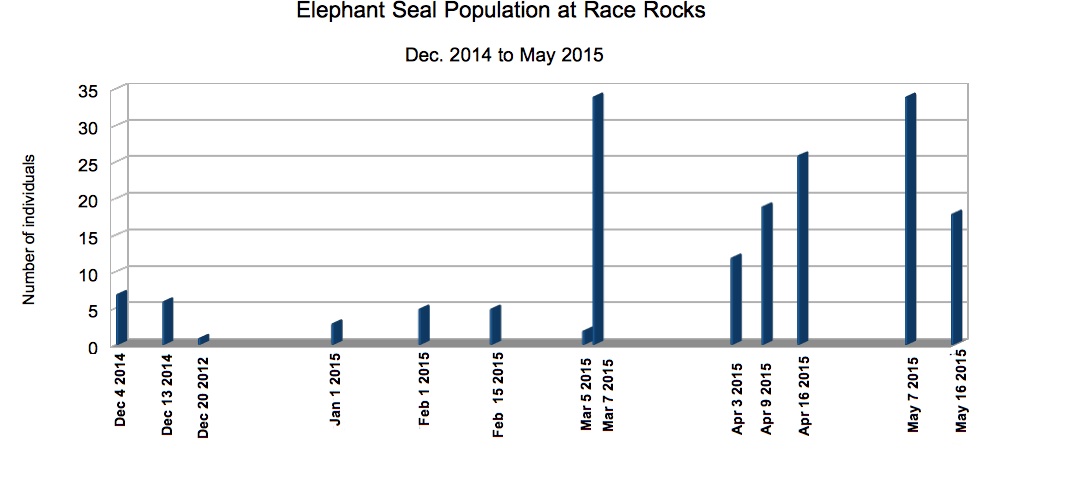
Northern Elephant Seals 34 (including 15 on Great Race)

Harbour Seals 179

California Sea lions 17 (includes brand U792)

Northern Sea lions 20 (mostly old males)

Sea Otter 1

Canada Geese 36 (includes 18 goslings)

Harlequin Ducks 8

Pelagic Cormorants 0

Double Crested Cormorants 6

Bald Eagle 2 adults, 3 sub-adults

Black Oystercatchers 10

Greater Yellowlegs 1

Black Turnstones 0 (none seen in spite of searching)

Western Sandpipers 2

Least Sandpiper 2

Pigeon Guillemots 148

Glaucous-winged Gulls total 607 (458 adults in nesting areas; 60 adults in roosting/resting area; 79 sub-adults in roosting/resting area)

Western Gull (hybrid?) 1

Herring Gull 2 (Juv.)

Common Raven 1

Northwestern Crows 2

Barn Swallows 2

Savannah Sparrow 6

There were no visitors today. Chores were routine.


A Changeable Spring Day.

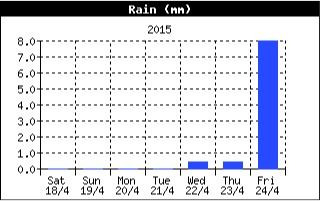
During the early part of the morning, the flag hung vertically, stuck to the flagpole, wetted by fresh rain. Later in the morning, when it occasionally fluttered, it was from almost imperceptible, easterly zephyrs. After lunch it blew north 10-15 knots for a while before switching over to the afternoon westerlies mid afternoon. Although there was significant rain (see figure below) throughout the day, there was also lots of sunlight and we surpassed yesterday’s level by over 30%. The barometer started rising in the early morning and by 17:30 was at 1008 hPa. The forecast for Saturday is for a continuation of the afternoon westerly pattern.

A graph of  the past week's rainfall recorded by a Davis instruments tipping bucket rain gauge.

A graph of the past week’s rainfall recorded by a Davis instruments tipping bucket rain gauge. Check the web-site for lots of cool data.

Only one whale watching boat was observed in the Ecological Reserve, just at dusk, although several headed west and back through Race Channel. One sports fishing boat fished very close to the boundary at Rosedale, but clearly outside. The Life Saving vessel ‘Spirit of Sooke V’ came through middle Channel this afternoon at a very stately pace and then swung around and went in between South and Great Islands and returned to the west.

A pod of at least four Killer Whales passed to the south of Race Rocks, heading west at ~07:00. It was not possible to determine which population and there were probably quite a few more than four. They were quite spread out and moving fairly fast, travelling about half way out to the US/Canada border (yellow can buoy) from Race Rocks. A flock of 23 Black Brandt flew through Middle Channel about the same time, also heading west. The Barn Swallows appear to be staying on the island somewhere; at least they were here bright and early. This place is certainly a haven for an insectivore. I hope they stay.

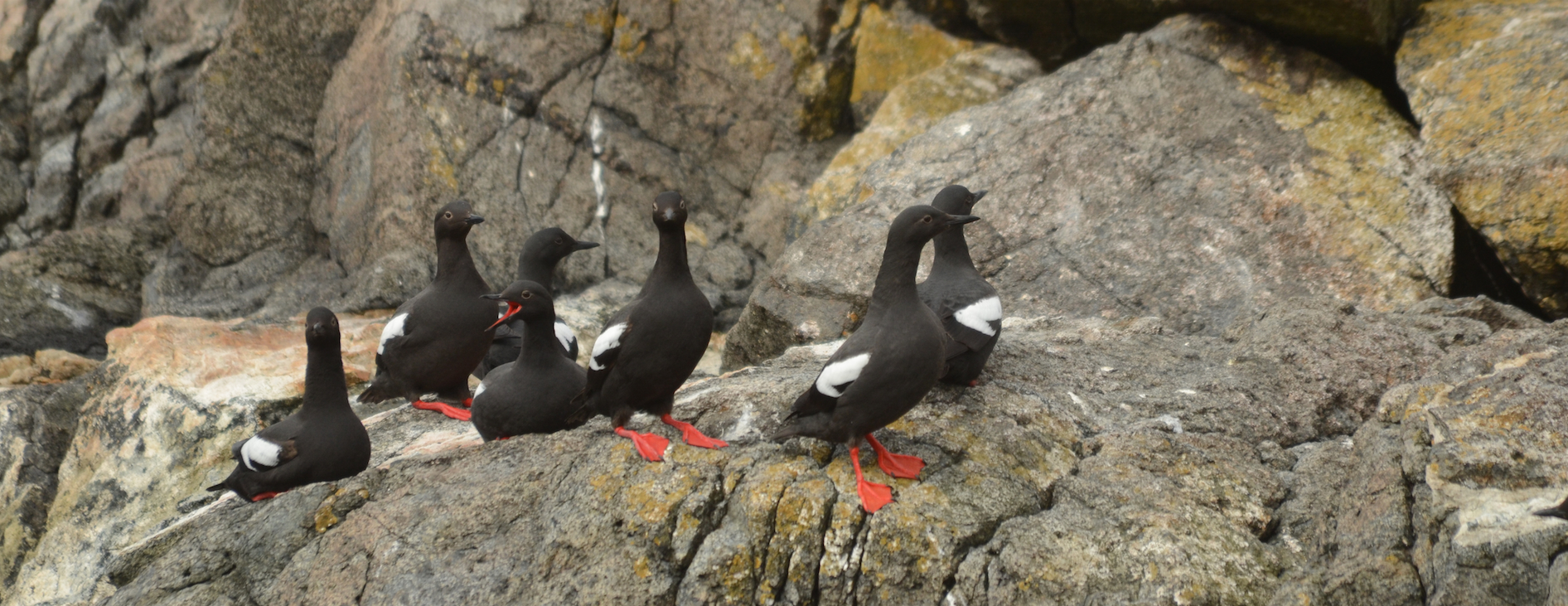
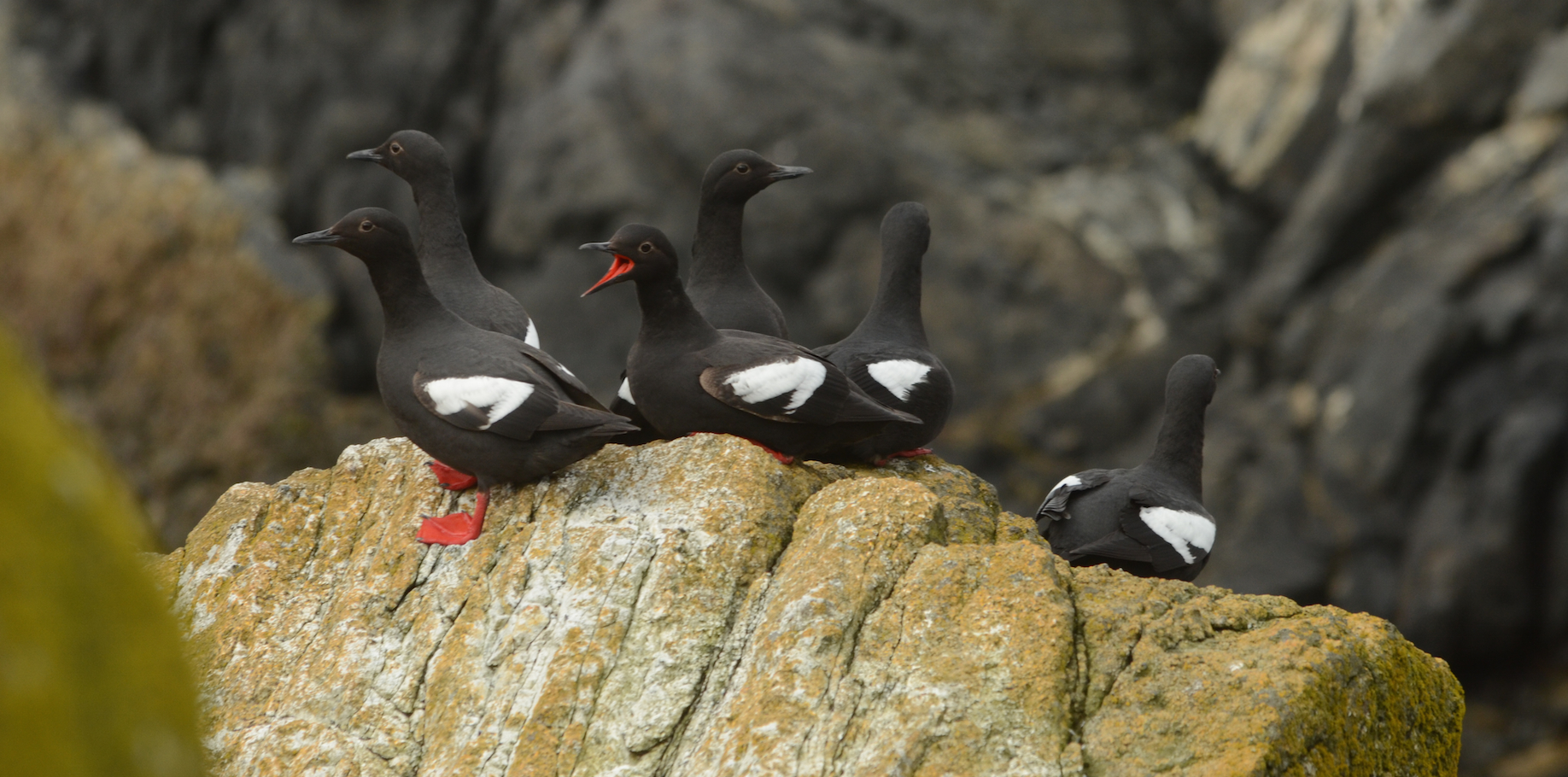
Pigeon Guillemots are members of the auk family, related to murres. They swim underwater using their wings and steer with their feet.

Pigeon Guillemots are members of the auk family, related to murres. They swim underwater using their wings and steer with their feet.


Right now they are in their alternate, or breeding plumage, otherwise in the winter their colouring is more like a winter murre or murrelet with lots of white, gray and dark gray.

Right now they are in their alternate, or breeding plumage, otherwise in the winter their colouring is more like a winter murre or murrelet with lots of white, gray and dark gray.

The Pigeon Guillemots are spending more time on land as spring progreses. These true seabirds are ill equipped for walking with their feet used as rudders for underwater flight, and set far back on their muscular little bodies. I don’t think they are actually nesting yet but certainly getting use to land. Their favorite roosting spots are in the surge channel between the energy building and the science house, on the jetty and its’ upland scree and cliff area and on the little cliffs just southeast of the light-tower.

Now that the winds have settled down, the eagles are back and making determined attempts on the Canada geese. They also spend a considerable time on the pinniped haul-out rocks.

I keep expecting the Harlequin Ducks to leave and head for the mountains, where they nest and lead their summer  lives. There are at least four here still and probably more.

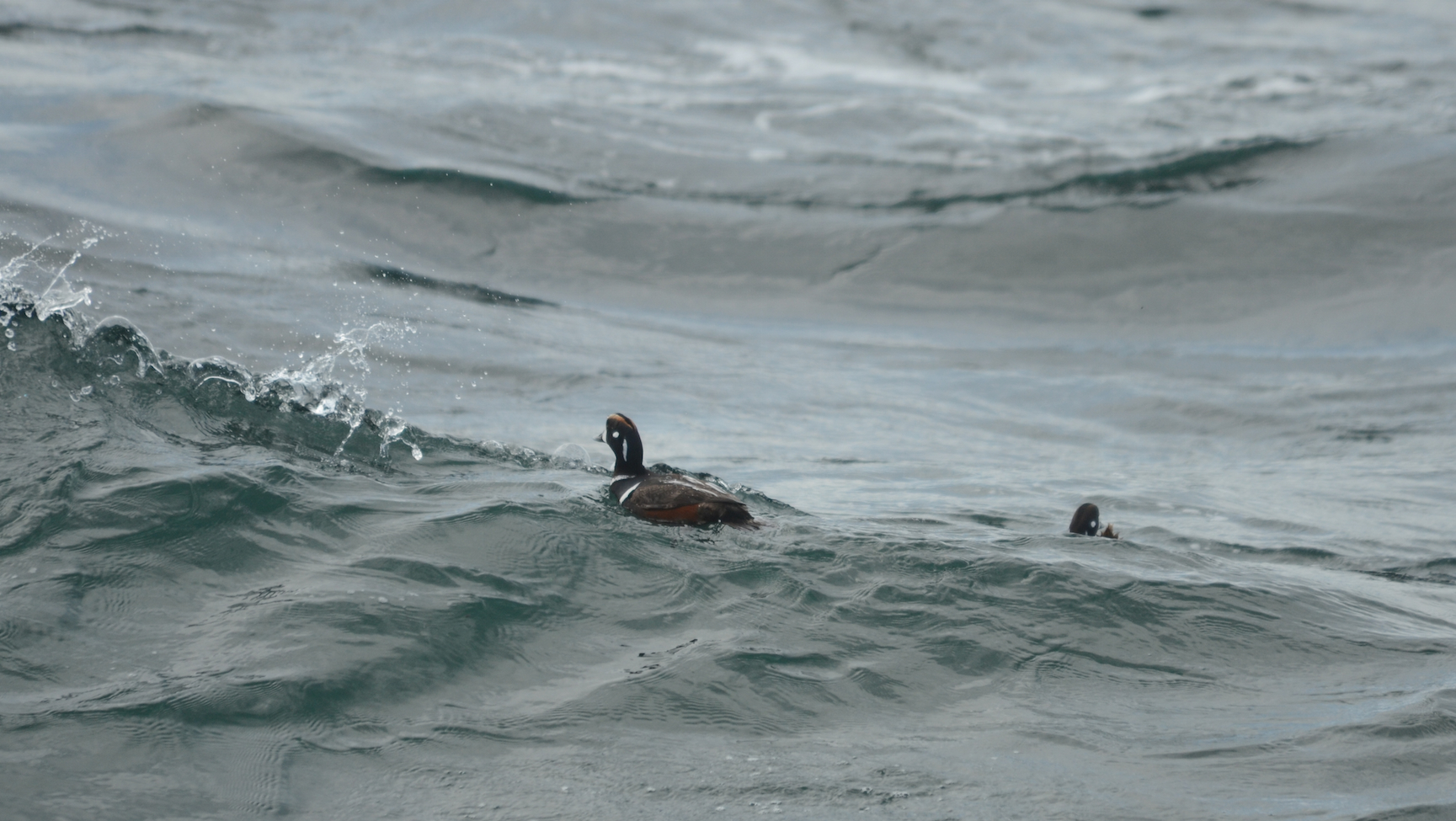
Harlequin Ducks are also supreme under-water swimmers and specialize in white water: in rushing  mountain rivers and streams in breeding season and in the sea the rest of the time.

Harlequin Ducks are also supreme under-water swimmers and specialize in white water: in rushing mountain rivers and streams in breeding season and in the sea the rest of the time.

A new (to me), young, female Northern Elephant Seal joined the Great Race elephant seal group today bringing the total to nine, five males and four females. #5850, the three year old male, embraced the new female (literally) and although he is the smallest of the males on the island, while the other males were practicing their jousting he had his ‘pinky’ out and was snuggling up to the new arrival. It is the first time I have seen seals hold ‘hands’.

A student group is arrived just before dinner and are staying over. They will be part of a first year biology field trip that will be here most of tomorrow. Work was routine today but the day was anything but routine. Amazing place.

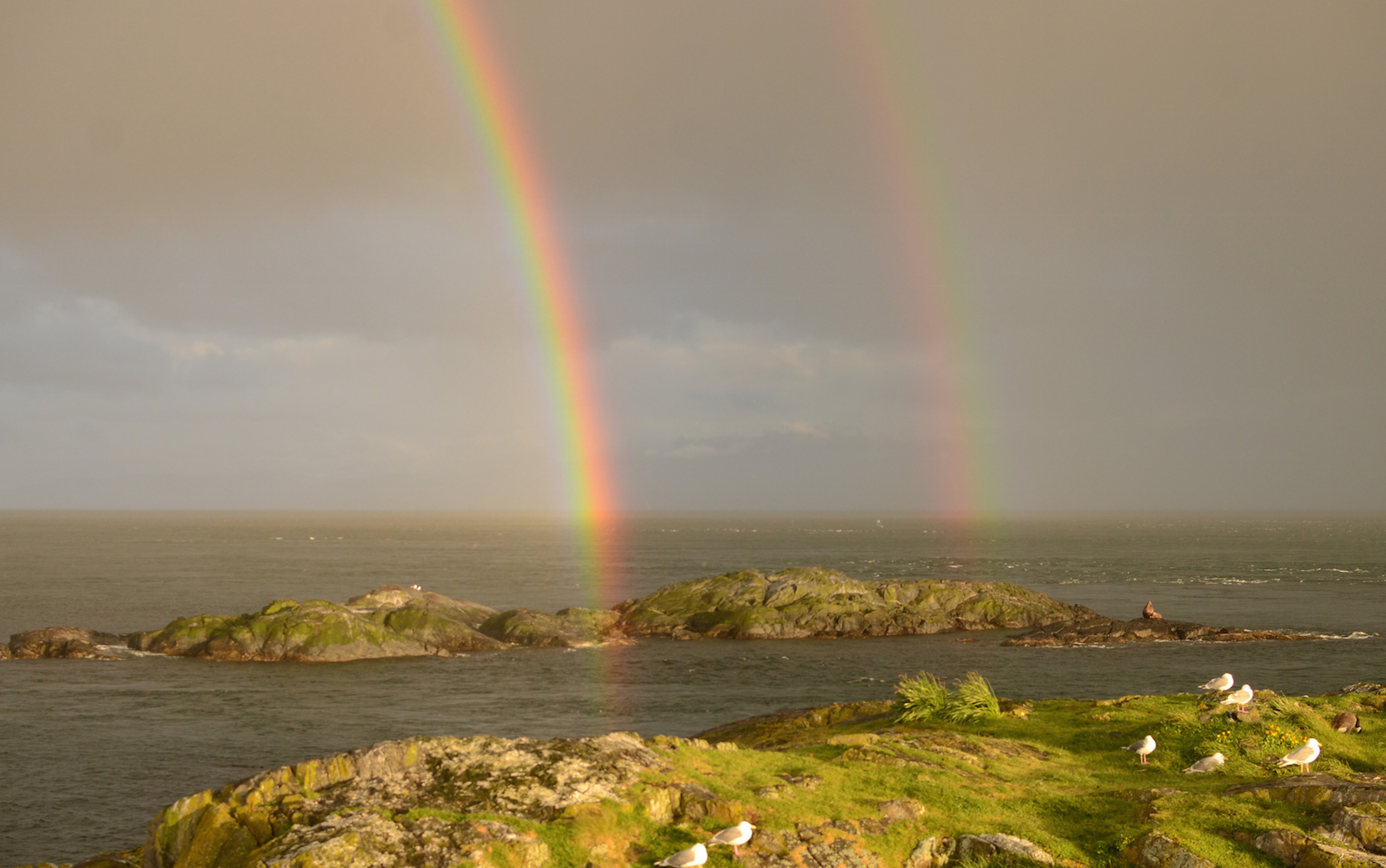
double rainbow

April 22 – Happy Blue Planet Day. (Not for the easily grossed out.)

The posting of this log was delayed a day.

Again the westerly wind blew spring and hints of summer onto the continent, funneling in through the Strait of Juan de Fuca. After a clear night, the wind was not quite so dramatic as yesterday, warping up to a steady 25 – 35 knots most of the afternoon. The sky was clear all day too with the highest energy level so far this week. The barometer climbed to a high of ~1019 hPa before dropping at a similar slope in the afternoon. A strong wind warning remains in effect, with winds forecast to lighten by the weekend. The forecast is for periods of rain tomorrow brought in by the southeasterly.

There were only two boats in the Ecological Reserve today; Second Nature and a sports fisher who heading toward Becher Bay, the hard way. Second Nature brought two groups of second year marine science students out for their last field trip before the final exam but was unable to land so both field trips did at-sea activities within and within sight of the ER. The sports fishing vessel came through the reserve around 18:00 and I was concerned that they were going to get into serious trouble as they were slamming through the big break on the west side and for a while not making headway and looking like they were taking on water. Luckily they made it through and probably won’t be back, at least not when the wind and tide are working in concert to make the sea stand on its head in the race.

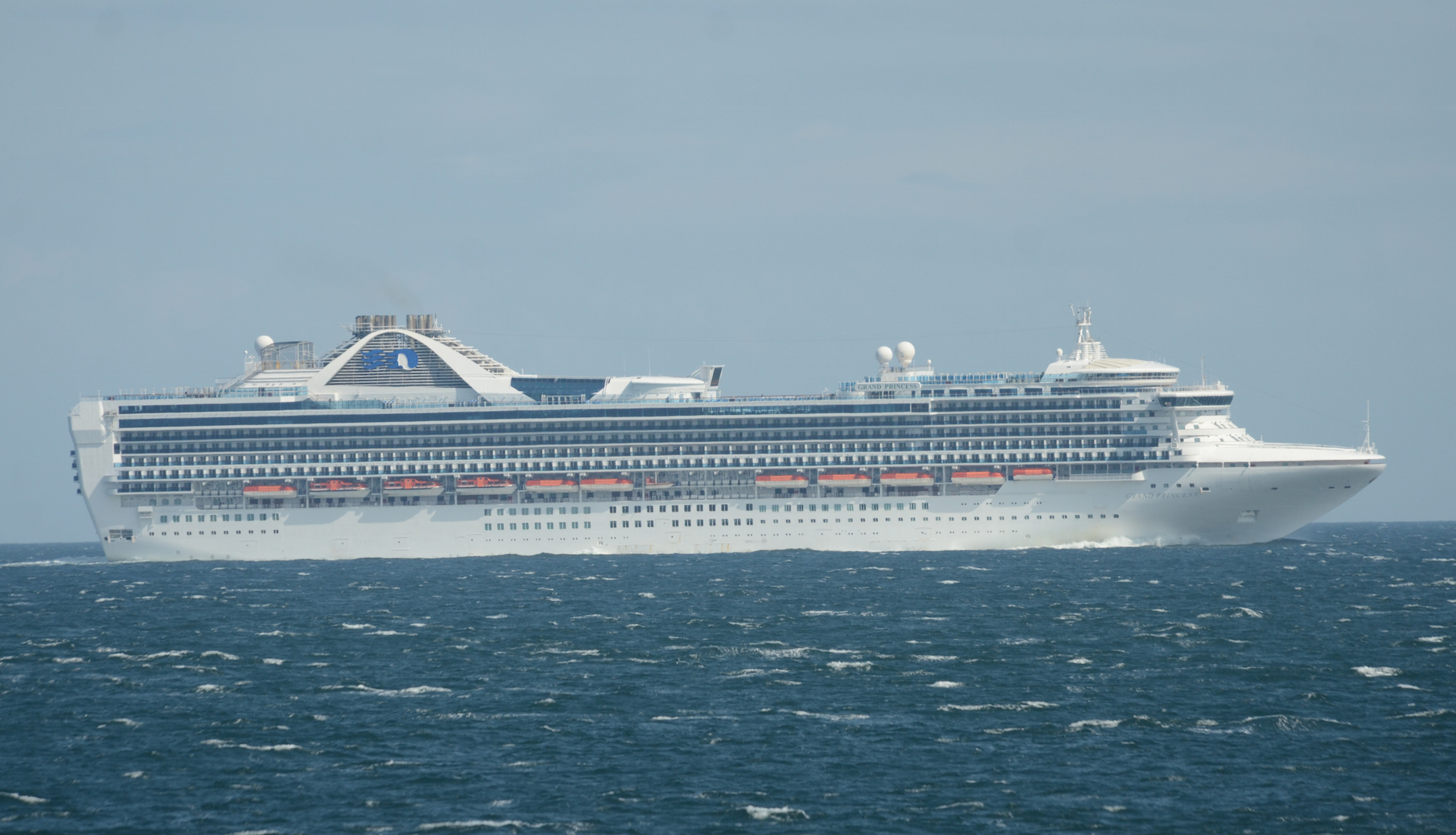
A large cruise ship passed by quite close by south of Race Rocks. I first noticed the Coho with her stern towards Race Rocks and then saw why. She was trying to get around this big princess. Thank goodness for vessel traffic control. As I took the photo, I noticed the heavy lift ship Blue Marlin, in Port Angeles,with what appears to be an oil rig on her deck.

Cruise ship Grand Princess passes south of Race Rocks .

Cruise ship Grand Princess passes south of Race Rocks .

Ecological happenings include continued activity as reported for the last few days. The Northern Elephant Seal moult is proceeding and I am going to go to collect either some moulted skin or whiskers for stable isotope analyses. Stable isotope analyses are really useful in helping to understanding diet and trophic level (how far up the food chain) and can also be used to gain insight on toxins, migration and habitat use.

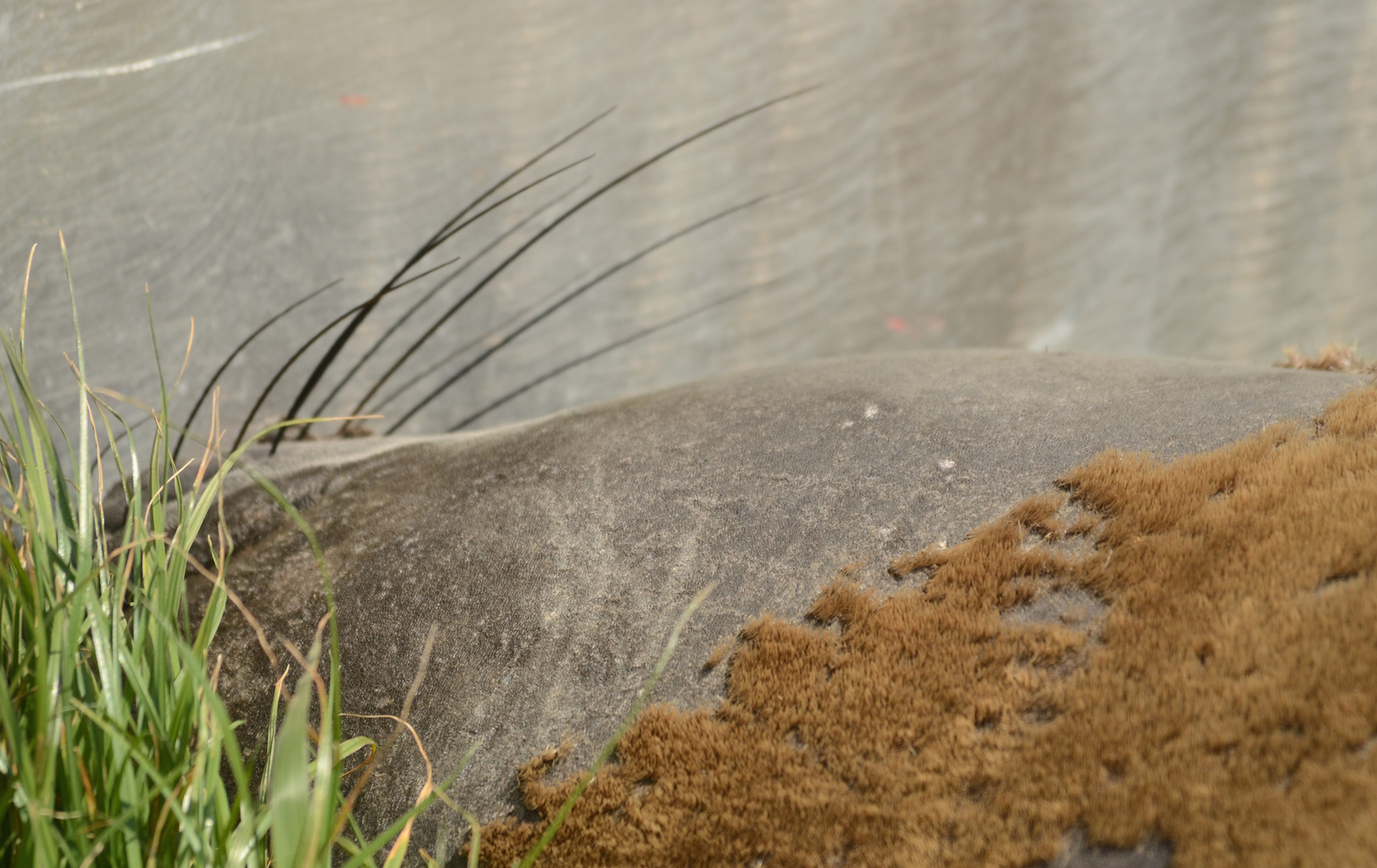
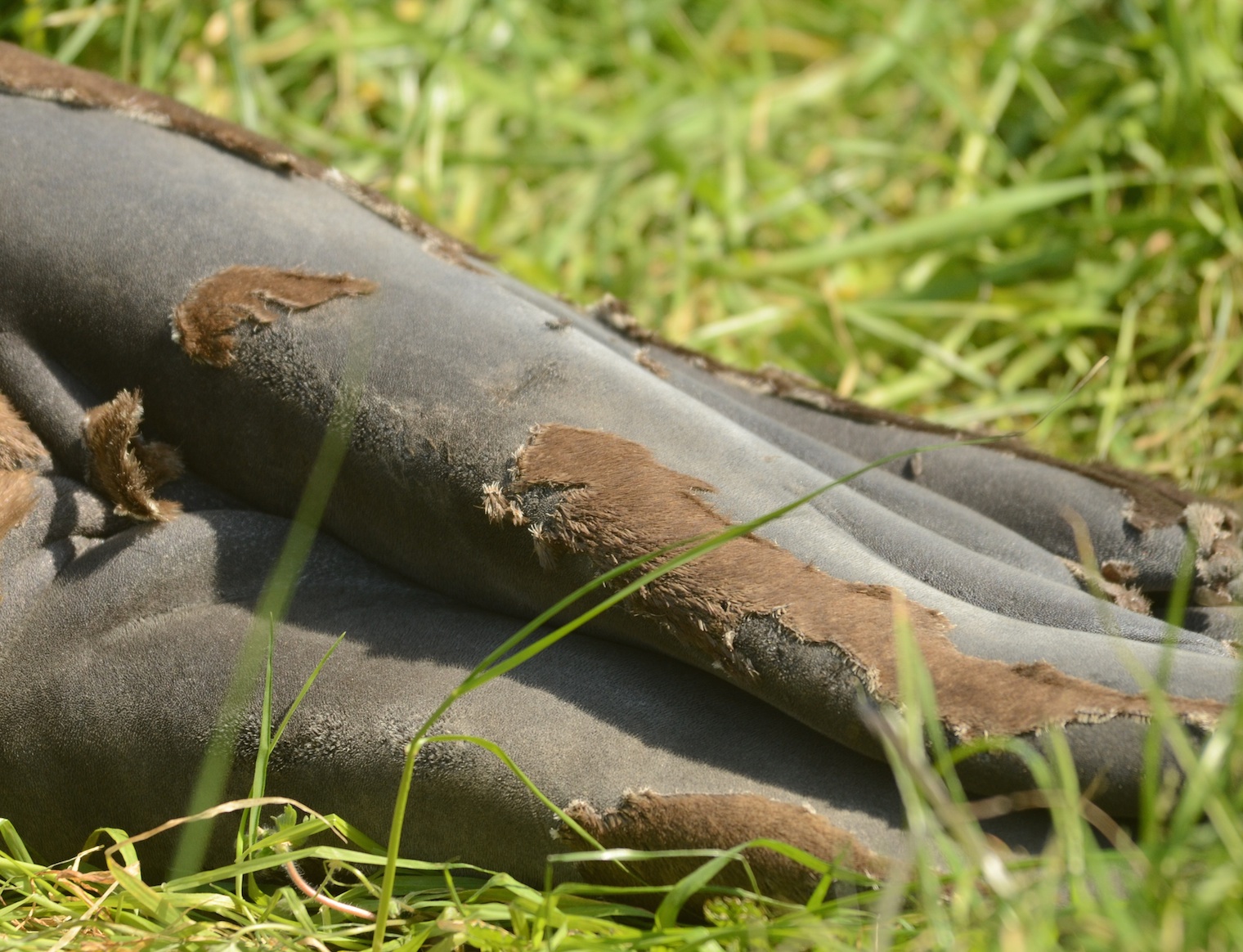
This female is shedding her  skin along with the very short fur and will also moult her whiskers.

This female is shedding her skin along with the very short fur. Those amazing whiskers can pick up pressure waves from prey to find food in the dark deep.


This male is loosing skin on his face, neck and flippers first.

This male is loosing skin on his face, neck and flippers first.

The smooth, gray fuzz is both new skin and new, very short fur on this female's rear flippers.

The smooth, gray fuzz is both new skin and new, very short fur on this female’s rear flippers.

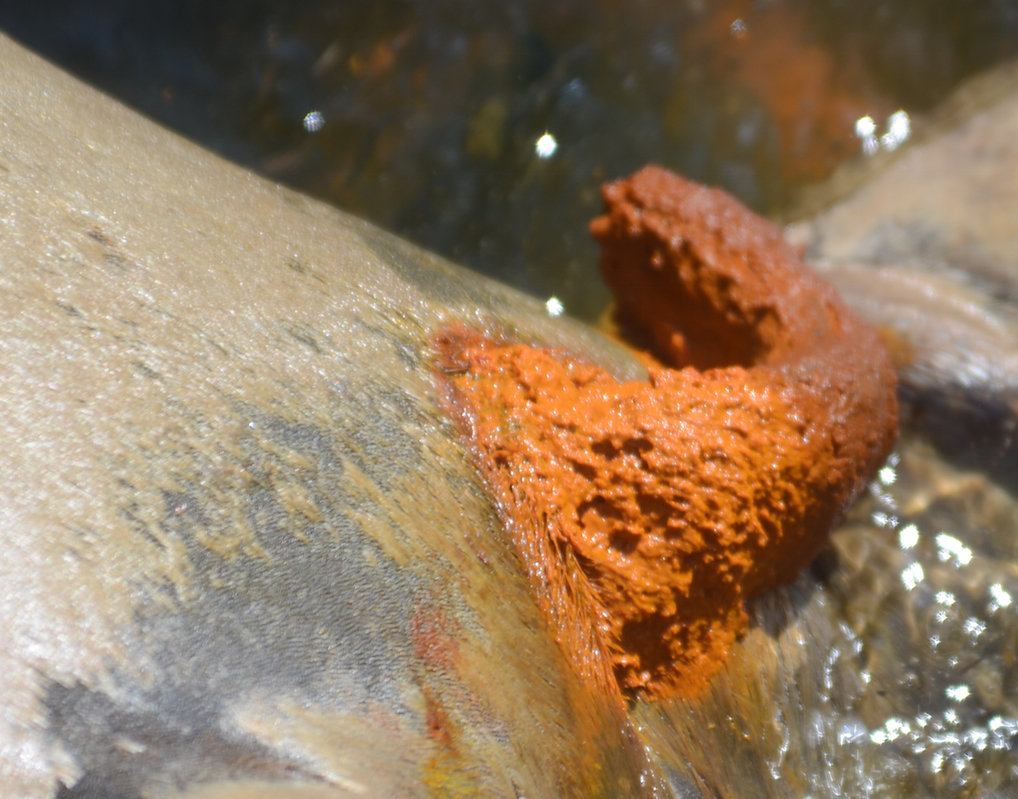
In the “old days” and still in some places, scientists would anaesthetize elephant seals to collect information. This is a potentially dangerous activity (for animals and people), and while the animals were unconscious, researchers would take measurements, sample and ‘lavage’ the seal’s stomach to figure out what they were eating. It is now possible to be less intrusive; more risk adverse and more innovative in data collection. Measurements can be determined using digital photography from a distance. Sampling shed skin or moulted whiskers for an isotope sample can help scientists to learn about a range of health and ecology questions ranging from ecotoxicology to how much of the diet is fish, squid or krill. Another ‘old school’ method for looking at diet, still used, is scatology. It involves collecting faeces. I am going to pass on that one, but here is a photo. I am curious if the bright orange colour comes from krill, or sockeye?

Biologists and doctors study faeces to better understand animal's health, parasites,  diet and more.

Biologists and doctors study faeces to better understand animal’s health, parasites, diet and more.

To change the subject, there were a couple of sparrows here today but they were so shy and fast that I did not get a good look at them. They reminded me of the Savannah Sparrows that were here last fall. I wonder if they nest here?

There were no visitors today (on shore). Chores were various and routine.

Smokey Skies

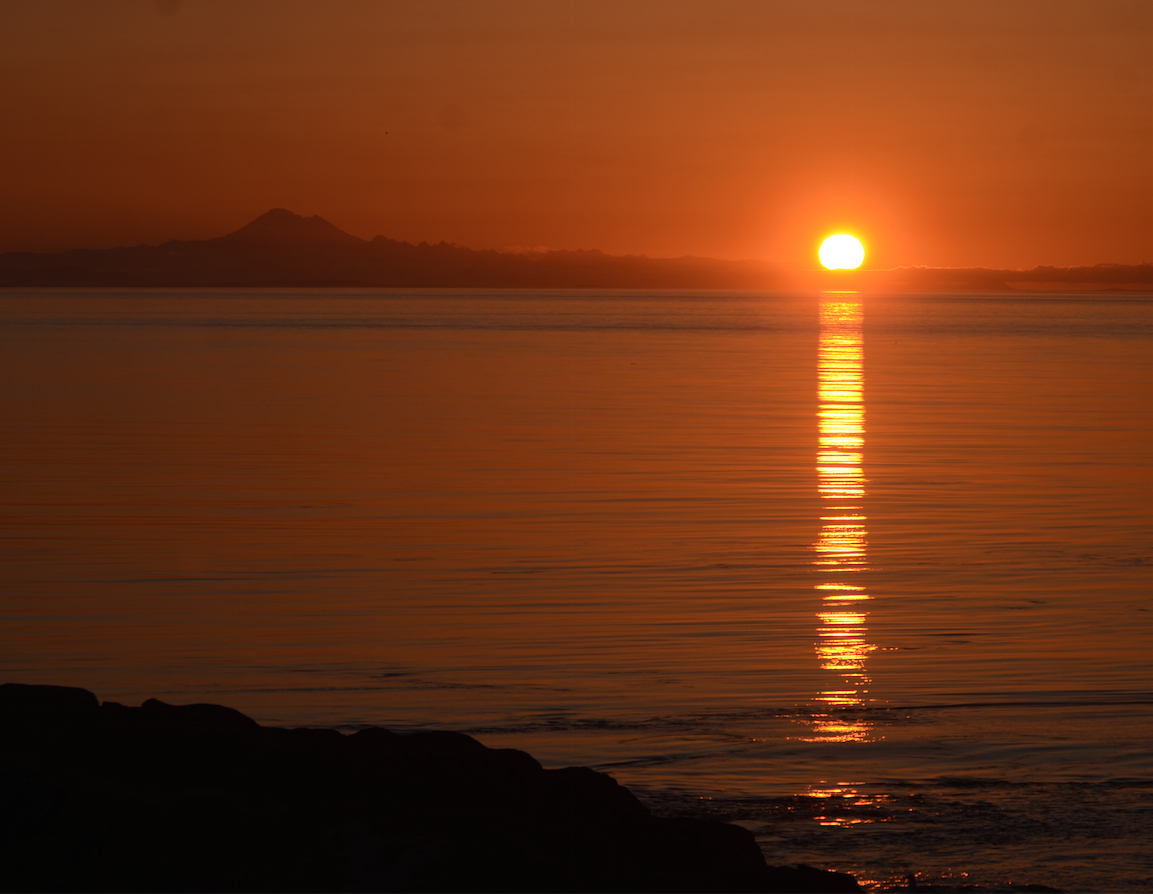
The wind was still, early this morning. It didn’t really start moving until mid-afternoon, 5 – 10 knots from an east-southeastly direction. Although it was sunny, there was a haze in the air that made for a blazing sunset last night and sunrise today. I am curious if this is smoke, all the way from Squamish, where there was a big creosote wharf fire a few days ago?

sunset

Are these red skies in the evening and the morning a result of the Squamish wharf fire?

Are these red skies in the evening and the morning a result of the Squamish wharf fire?

The barometer rose slowly until about noon and then it started to slowly fall, nothing dramatic and no strong winds. The forecast is for more of the same, with afternoon westerlies tomorrow.

Three whale watching boat were noted in the Ecological Reserve today. The last whale watching vessel of the day, idled slowly through, keeping a deferential distance away from the animals, Tourists were out on the bow, shooting pictures of the blazing sunset and lounging marine mammals. It was a tranquil scene. No sports fishers were observed either speeding in the Ecological Reserve or fishing in the closed area, although several passed through at speeds respectful of the wildlife in the area.

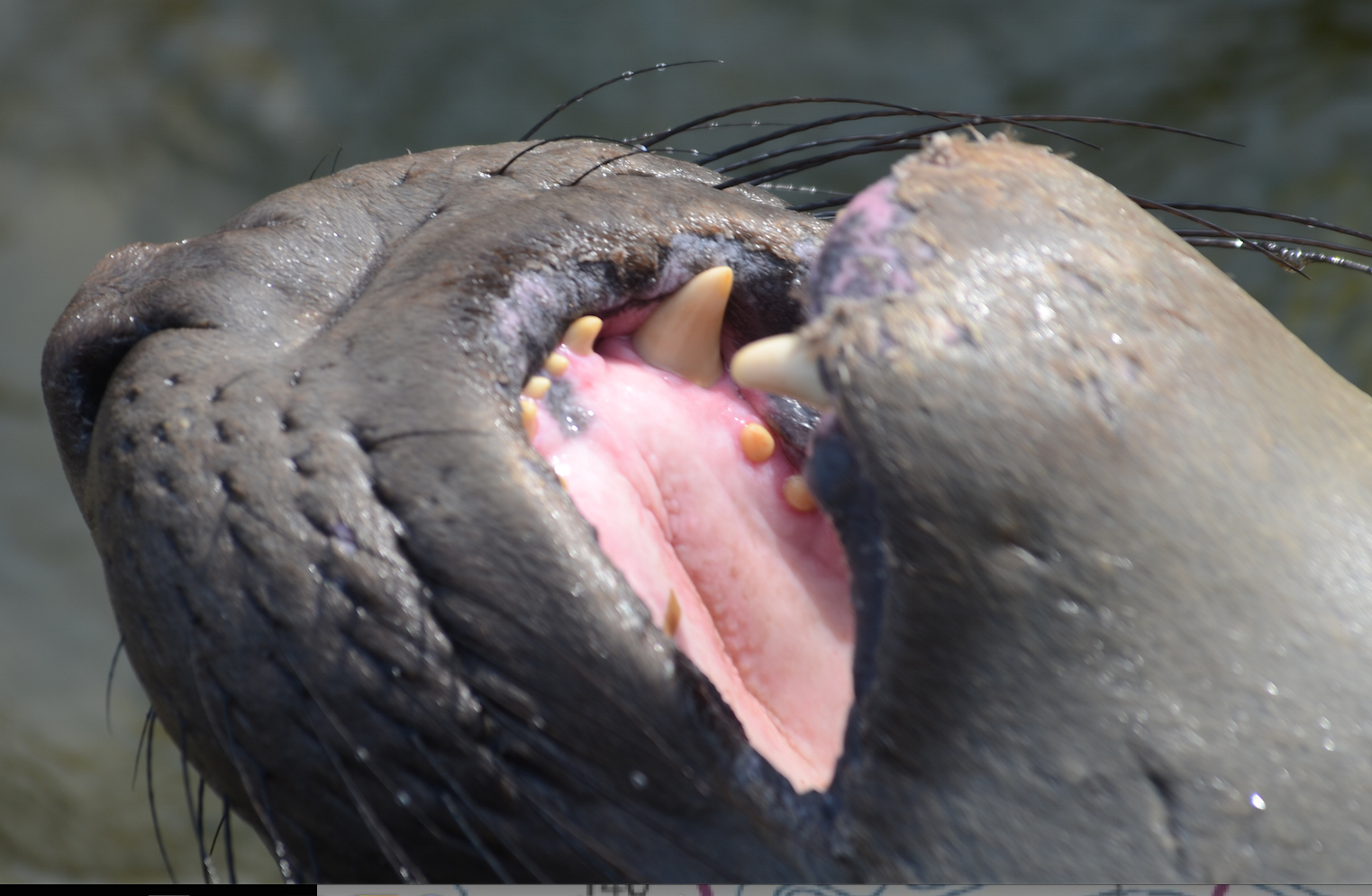
Passive Northern Elephant Seal data collection continued. As luck would have it, all seven animals that had been sleeping in the garden, woke up and decided to go for a swim late morning. This allowed me to take their photos as they passed by the measuring device. I was also able to get some photos inside mouths for dentition information while they were wallowing around gargling saltwater and ‘wrestling’. Tagged animal #5850 continues to hang out as one of the seven ‘gardeners’.

Dentition changes with age and can be a health indicator. Say ah.

Dentition changes with age and can be a health indicator. Say ah….

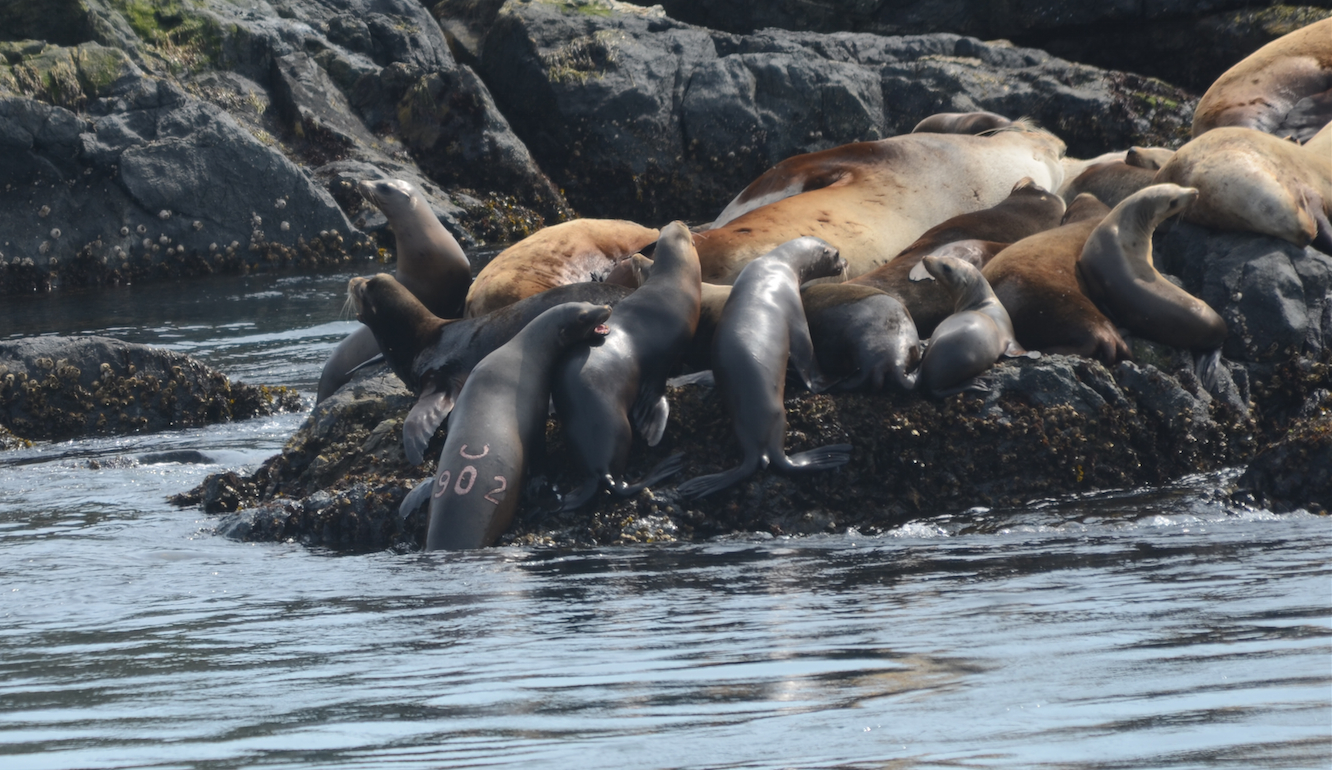
A branded and tagged California Sealion # U 902 was noted hauling out on South Islets this afternoon. Note the large range of sizes of both species.

California Sealion branded and tagged U902 also read as C902 C is for the mouth of he Columbia River where it was born.

California Sealion branded and tagged U902 (lower left) can also be read as C902. C is for the mouth of he Columbia River, where it was born.


There are still three pairs of Canada Geese trying to establish nest sites and they are having a hard time finding territories on this tiny island that already has at least nine Canada Goose nests. Maybe they will head over to Vancouver Island where there is more room. Their territoriality can get in the way of other species having a piece of the very small island as they chase off, not just each other, but Glaucous-winged Gulls, Black Oystercatchers and Pigeon Guillemots.

There were no visitors today. Maintenance chores were routine.  About 9:30 PM the phone/Internet went down for the seventh time since I arrived. Even that is becoming routine.